
This post may contain affiliate links. If you make a purchase through these links, we may earn a small commission at no extra cost to you. Learn more.
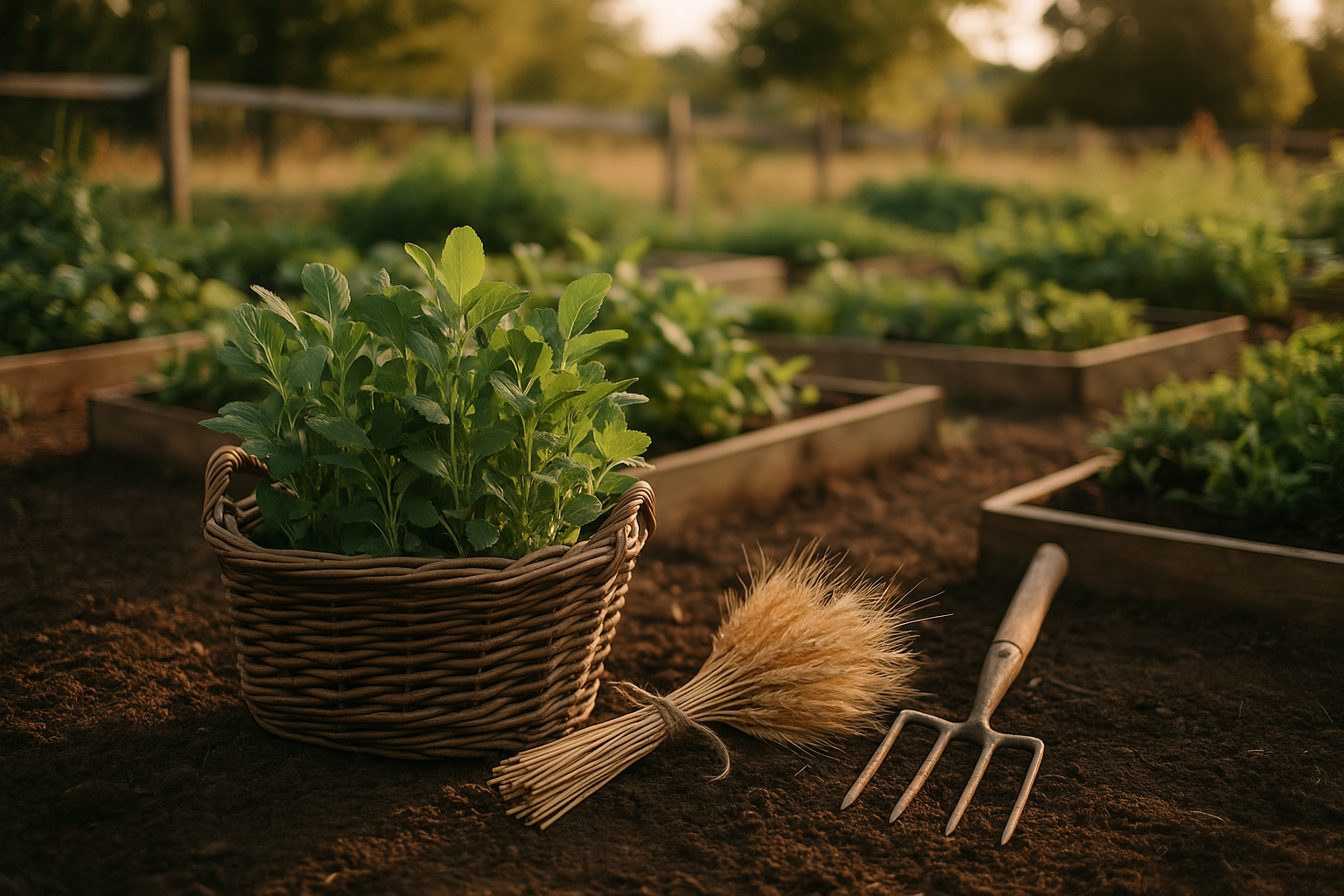
Spring is a vital time for gardeners aiming to rejuvenate their soil after winter’s dormancy. One of the most effective methods to enhance your soil’s health is through the use of green manure plants. These plants, grown specifically for their ability to boost soil fertility, play a crucial role in sustainable agriculture. By incorporating them into your spring gardening routine, you can set up your soil for a productive growing season.
Green manure plants are not just about adding organic matter; they also help suppress weeds, control erosion, and improve soil structure. The concept is simple and effective: grow a cover crop, then chop it down and incorporate it into the soil before it sets seed. This process enriches the soil with nutrients, much like nature’s own composting system. To get the most out of green manure, it’s essential to choose the right plants for your specific conditions and goals.
In this guide, we’ll explore the top five green manure plants perfect for spring soil health. You’ll learn about their unique benefits, how they contribute to soil improvement, and practical tips on planting and managing them. Whether you’re a seasoned farmer or a home gardener, this selection will help you make informed choices for your plot.
Benefits of Using Green Manure in Spring
Green manure provides multiple benefits when used in spring. These plants are a natural way to boost soil fertility without the need for synthetic fertilizers. By growing green manure, you can increase the organic matter in your soil, which is essential for healthy plant growth.
One of the major benefits is nitrogen fixation. Leguminous green manures like clover and vetch can fix atmospheric nitrogen into the soil, reducing the need for additional nitrogen fertilizers. Additionally, they offer excellent weed control by creating a dense ground cover that suppresses weed growth. This is crucial in early spring when weeds are eager to sprout.
How Green Manure Improves Soil Health
Green manure plants improve soil health by enhancing its physical structure and fertility. When these plants decompose, they add humus to the soil, improving its water retention and aeration. This is particularly beneficial in areas with heavy clay or sandy soils, which are common in many growing zones.
According to university extension research, incorporating green manure into your soil can increase microbial activity, leading to a more vibrant and balanced soil ecosystem. This microbial boost helps break down organic material, making nutrients more available to subsequent crops. It’s a natural and sustainable way to maintain soil productivity over time.
Top 5 Green Manure Plants for Spring
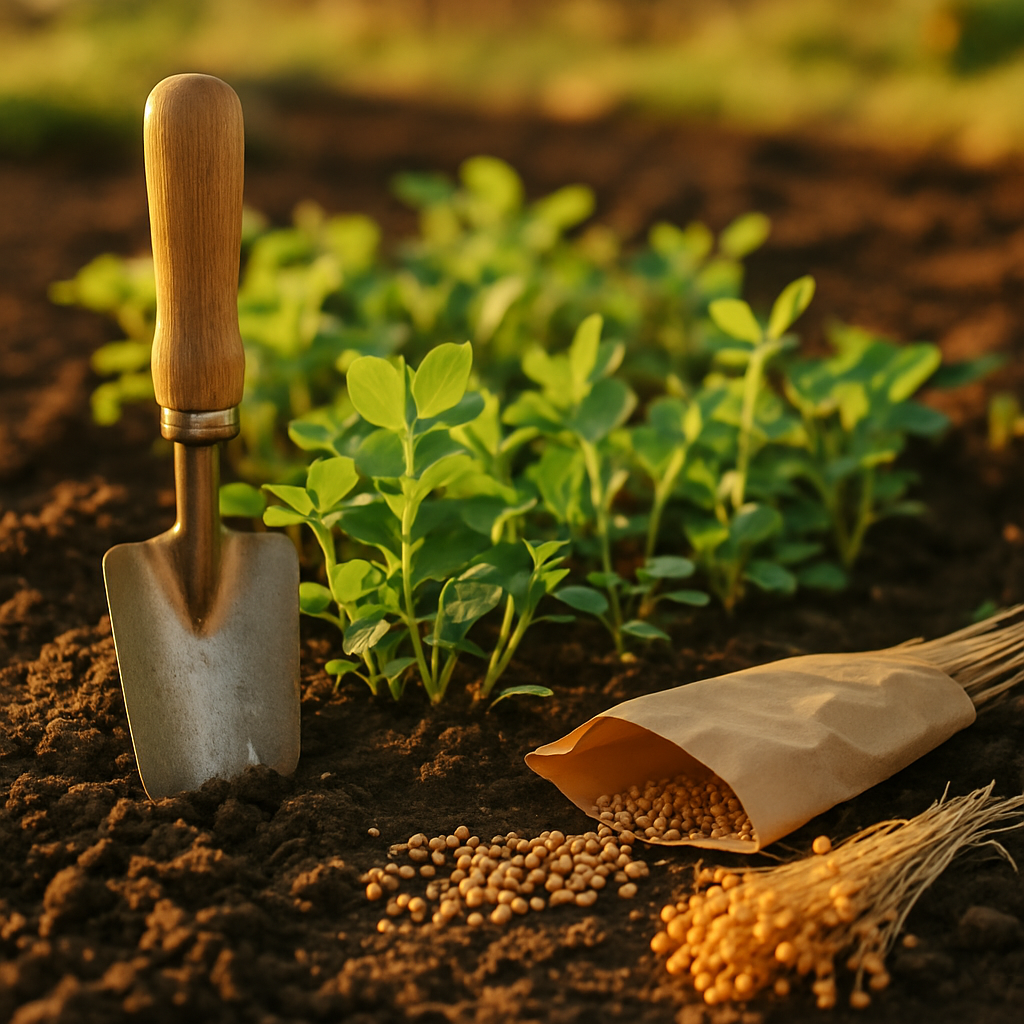
Certain green manure plants are particularly well-suited for spring planting due to their growth habits and soil benefits.
1. Clover
Clover is a popular choice for its nitrogen-fixing abilities. It grows quickly and can be easily incorporated into the soil. Both red and white clover are effective, with red clover often preferred for its robust growth.
2. Field Peas
Field peas are excellent for cooler climates and offer rapid growth. They fix nitrogen efficiently and are easy to manage. Their roots enhance soil structure, making them a versatile option for spring.
3. Vetch
Vetch is a vigorous grower that fixes nitrogen and adds substantial biomass to the soil. It’s particularly effective in improving soil fertility and is often used in combination with other cover crops.
4. Buckwheat
Buckwheat is fast-growing and ideal for short windows in spring. It suppresses weeds effectively and its blooms attract pollinators, making it a great choice for promoting biodiversity alongside soil health.
5. Mustard
Mustard is known for its biofumigation properties, which help manage soil-borne pests and diseases. It grows quickly, making it a useful early-season cover crop.
How to Plant and Manage Green Manure
Planting green manure in spring requires some planning. Start by selecting seeds suited to your climate and soil conditions. Tools like FarmsFlo can help you stay on top of your planting schedule, ensuring optimal growth periods.
Prepare your soil by clearing any debris and lightly tilling the surface. Sow seeds evenly and at the recommended depth, typically around 1/4 inch deep for most green manures. Water well to encourage germination.
Managing green manure involves monitoring growth and cutting the plants before they set seed. This is typically when they begin to flower. Mow or chop down the plants, then incorporate them into the soil using a spade or tiller. Allow at least two to three weeks for decomposition before planting your main crops.
Our Top Picks for Green Manure Seeds
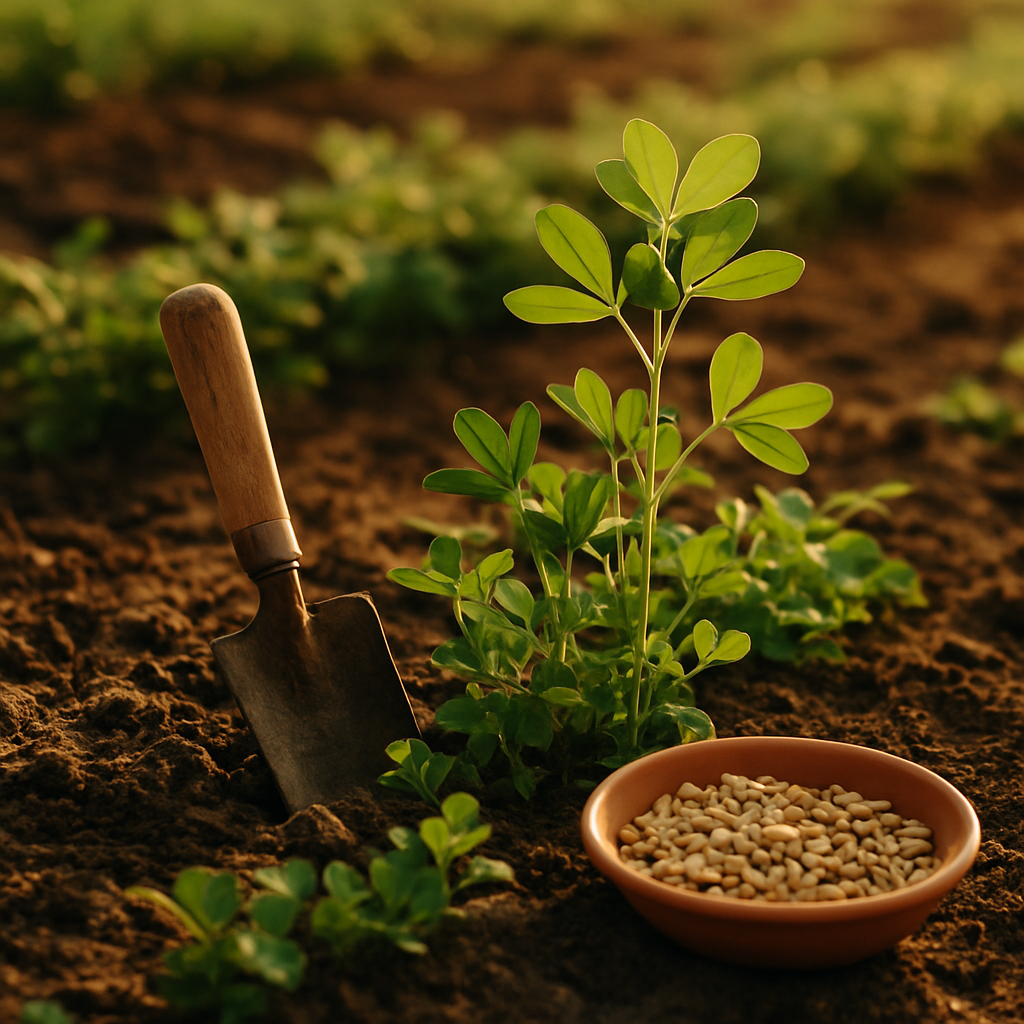
- No-Till Garden Farm and Garden Cover Crop Mix Seeds – 5 Lbs – A diverse blend that includes clovers and other nitrogen-fixing plants, perfect for enriching soil. Check Price on Amazon
- Fall Green Manure Mix Seed Kit – Ideal for building soil biomass, this mix includes easy-to-grow varieties. Check Price on Amazon
- No-Till Cover Crop 13-Seed Mix (1 lb. Bag) – This mix is great for those looking to experiment with a variety of plants, including clovers and buckwheat. Check Price on Amazon


Manage Your Farm Smarter with FarmsFlo
Track planting schedules, monitor your harvest, and streamline your entire farm operation — all from one easy-to-use app built by farmers, for farmers.
Frequently Asked Questions
What is the best time to plant green manure?
Plant green manure as soon as the soil can be worked in spring. This allows the plants to establish before the summer heat and provides ample time for decomposition before main crop planting.
Can I use green manure in small gardens?
Yes, green manure can be effective in small gardens. Choose quick-growing plants like buckwheat or mustard that fit within small spaces and short growing windows.
How long should green manure decompose before planting another crop?
Allow at least two to three weeks for decomposition after incorporating green manure into the soil. This period ensures the breakdown of organic material and reduces the risk of nitrogen lock-up.
Are there any drawbacks to using green manure?
One potential drawback is the need to manage timing carefully to prevent green manure from setting seed. If left unchecked, some plants may become weedy or compete with desired crops.
Can green manure help with pest control?
Yes, certain green manure plants like mustard have biofumigation properties that help manage soil-borne pests. Additionally, they can attract beneficial insects that contribute to pest control.
Key Takeaways
- Best Overall: No-Till Garden Farm and Garden Cover Crop Mix Seeds — Offers a comprehensive mix of green manure plants for diverse soil benefits.
- Best Value: No-Till Cover Crop 13-Seed Mix — Affordable and versatile for experimenting with a variety of plants.
- Best for Quick Growth: Fall Green Manure Mix Seed Kit — Ideal for fast-growing, easy-to-manage cover crops.
Choosing the right green manure plants for your spring garden can transform your soil health and boost productivity for the year ahead. By integrating these plants into your routine, you embrace a sustainable approach to gardening that benefits both your crops and the environment. For those managing larger operations, tools like FarmsFlo can help streamline your planting and harvesting schedules, ensuring you get the most out of your green manure efforts.
From Our Network
GreenChoice Affiliates — Eco-friendly product reviews for sustainable living
FarmsFlo — Free farm management app for planting schedules, harvests, and operations
BoingyBooks — Publish and discover ebooks, interactive read-alongs, and audiobooks
Leave a Reply
You must be logged in to post a comment.