
This post may contain affiliate links. If you make a purchase through these links, we may earn a small commission at no extra cost to you. Learn more.
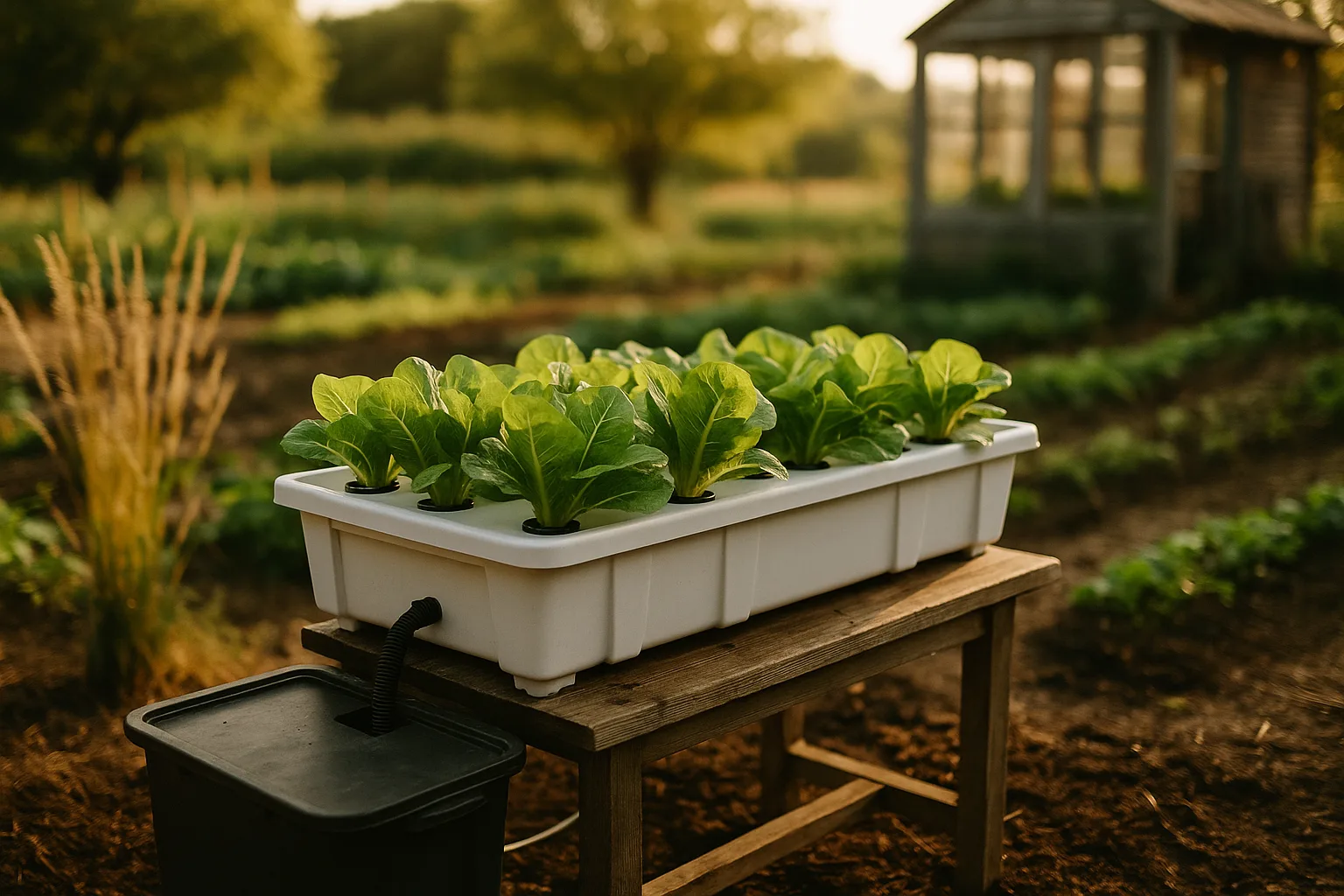
Urban gardening has a unique charm, offering the chance to grow fresh produce in the heart of the city. As spring approaches, enthusiasm for urban gardening projects reaches a new high. One of the most efficient ways to cultivate plants in limited space is through hydroponic systems. These systems allow you to grow plants without soil, using nutrient-rich water solutions, making them perfect for urban environments where soil quality and space are often constraints.
Hydroponic systems are particularly appealing for those living in apartments or homes with limited yard space. They allow for a greater yield in smaller areas compared to traditional gardening methods. Plus, they can be set up indoors or on balconies, making them versatile for city dwellers. With the right system, you can grow anything from leafy greens to strawberries, year-round.
As you plan your urban garden this spring, selecting the right hydroponic system is crucial. Understanding the benefits, key features, and types available will guide you in making the best choice for your specific needs.
Benefits of Hydroponic Systems for Urban Gardens
Hydroponic systems offer several advantages for urban gardeners. They maximize space efficiency by allowing plants to grow vertically, a boon for city settings where horizontal space is limited. By circulating nutrient-rich water, they also eliminate the need for soil, reducing the mess and maintenance typically associated with gardening.
Furthermore, hydroponic systems often lead to faster plant growth compared to soil-based methods. According to a study by the University of Arizona, hydroponically grown plants can mature up to 50% faster. This is due to the direct delivery of nutrients to the plant roots, ensuring they have everything they need to grow strong and healthy.
Key Features to Look for in Hydroponic Systems
When selecting a hydroponic system, there are several key features to consider. First, think about the size of the system. Ensure it fits your available space, whether it’s a small balcony or a corner of your kitchen. Systems range from compact countertop models to larger setups suitable for a dedicated room.
Efficiency is another crucial factor. Look for systems that offer water recycling features to conserve resources, an especially important consideration for urban gardeners mindful of sustainability. Additionally, consider systems with adjustable grow lights if you plan to garden indoors. This feature can help mimic natural sunlight, crucial for plant growth.
Also, pay attention to the ease of use. Some systems are more automated, requiring less manual adjustment, while others may require more hands-on monitoring. Beginners might prefer a plug-and-play system that comes with detailed instructions and customer support.
Comparing Different Types of Hydroponic Systems
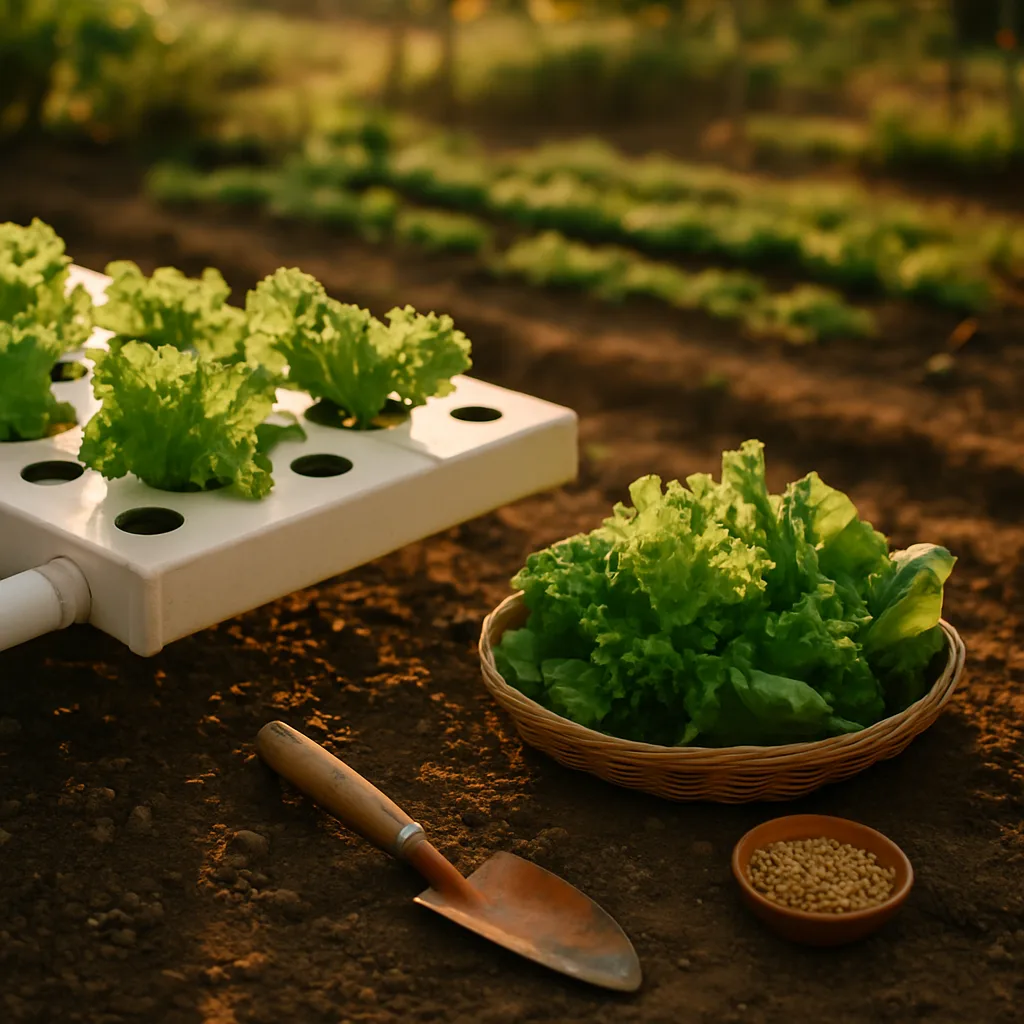
Hydroponic systems come in various forms, each suited to different needs and levels of expertise. The most common types include Nutrient Film Technique (NFT), Deep Water Culture (DWC), Aeroponics, and Ebb and Flow.
Nutrient Film Technique (NFT)
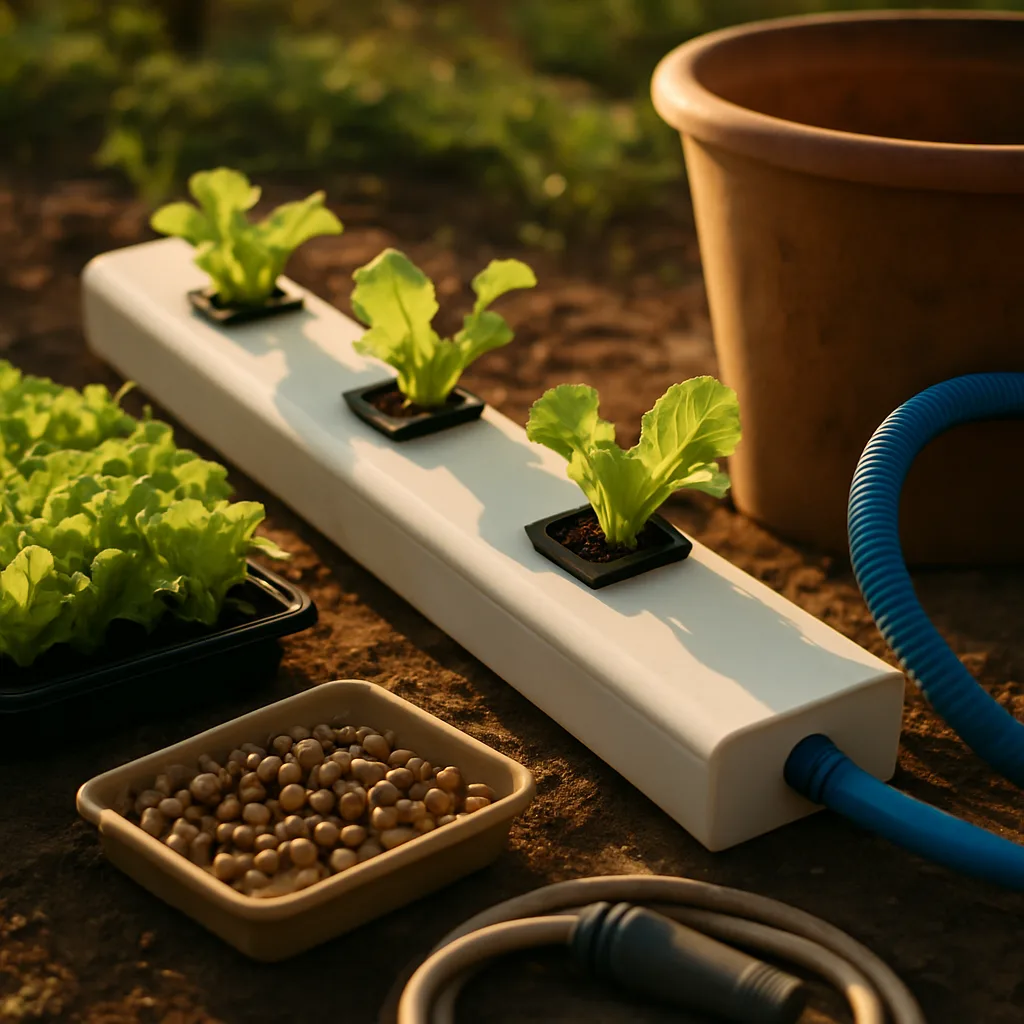
NFT systems involve a continuous flow of nutrient solution over the roots of the plants. These systems are excellent for small herbs and leafy greens. However, they can be sensitive to power outages since they rely on continuous circulation.
Deep Water Culture (DWC)
DWC systems are straightforward and ideal for beginners. Plants are suspended in a nutrient solution with their roots growing directly into it. While they require regular oxygenation, these systems are very effective for growing large plants like tomatoes and peppers.
Aeroponics
Aeroponics is one of the most advanced types, where roots are misted with a nutrient solution. They offer excellent growth rates but can be complex to manage and expensive. This system is best for experienced gardeners ready to experiment.
Ebb and Flow
Ebb and Flow systems work by flooding the plant roots with nutrient solution and then draining it away. They are versatile and can support a wide variety of plants, but require a bit more maintenance than other systems.
How to Set Up Your Hydroponic System for Spring
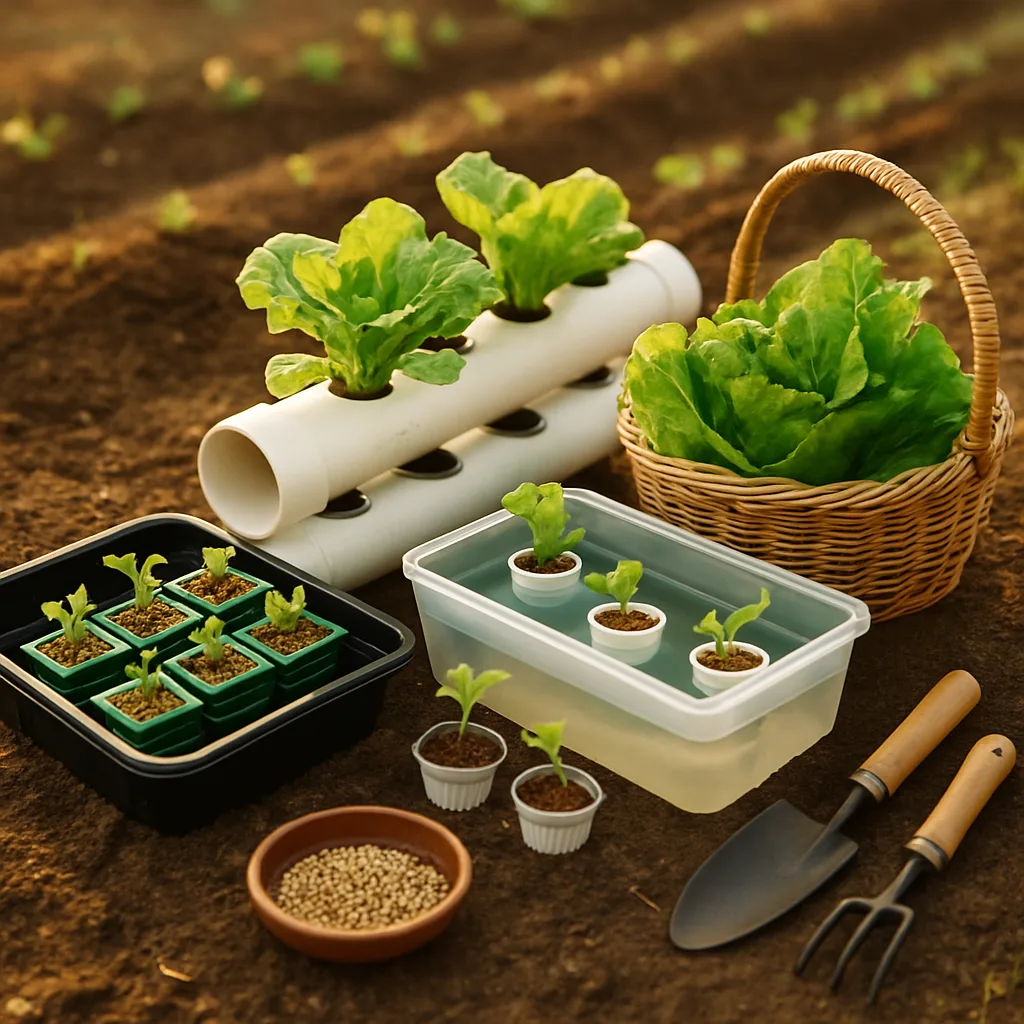
Setting up a hydroponic system for spring involves planning and preparation. First, choose a location with sufficient light. If natural light is limited, install grow lights to provide the necessary spectrum for plant growth. Next, assemble your system according to the instructions. Ensure that all components, such as pumps and timers, are functioning correctly.
Once set up, fill the system with water and add the appropriate nutrients. It’s essential to monitor the pH level regularly, maintaining it between 5.5 and 6.5 for optimal nutrient absorption. Tools like FarmsFlo can help you stay on top of your planting schedule and nutrient management.
As the season progresses, keep an eye on your plants for any signs of nutrient deficiency or disease. Regular maintenance, including cleaning the system and checking for clogs, will help keep your garden thriving.
Our Top Picks for Hydroponic Systems in 2026
Here are some of the best hydroponic systems to consider for your urban spring garden:
- AeroGarden Harvest: A compact, countertop system perfect for beginners. It comes with a built-in LED light for optimal plant growth. Check Price on Amazon.
- iDOO Indoor Garden: This system offers a self-watering feature and is easy to assemble, making it ideal for urban gardeners with busy schedules. Check Price on Amazon.
- Hydrofarm Root Spa: A great choice for those looking to grow larger plants. Its simple DWC design is robust and reliable. Check Price on Amazon.
Looking for hydroponic systems products?
More Resources for Farmers & Growers
Track planting schedules, monitor your harvest, and streamline your entire farm operation — all from one easy-to-use app built by farmers, for farmers.
Frequently Asked Questions
Do hydroponic systems use less water than traditional gardening?
Yes, hydroponic systems can use up to 90% less water than traditional soil gardening because they recycle water through the system.
Can I grow fruiting plants with hydroponic systems?
Absolutely. Many hydroponic systems are suitable for fruiting plants like tomatoes, peppers, and strawberries, provided they have adequate space and support.
How much electricity do hydroponic systems consume?
Electricity usage varies by system, primarily for water pumps and grow lights. Smaller systems may only add a few dollars to your monthly bill, while larger setups can cost more.
What are common problems with hydroponic systems?
Common issues include pH imbalances, nutrient deficiencies, and algae growth. Regular monitoring and maintenance can prevent these problems.
Are hydroponic systems eco-friendly?
Yes, they are generally more sustainable than traditional gardening, using less water and no soil. For eco-friendly product reviews, check out our sister site GreenChoice Affiliates.
Key Takeaways
- Best Overall: AeroGarden Harvest — Ideal for beginners and small spaces with built-in LED lighting.
- Best Value: iDOO Indoor Garden — Offers self-watering and easy setup, perfect for busy urban gardeners.
- Best for Large Plants: Hydrofarm Root Spa — Robust DWC system suitable for larger plants.
Choosing the right hydroponic system can transform your urban gardening experience this spring. Whether you’re growing herbs or fruiting plants, there’s a system out there to meet your needs. With hydroponics, you can enjoy fresh, homegrown produce in the heart of the city, no matter the space constraints.
This post may contain affiliate links. If you make a purchase through these links, we may earn a small commission at no extra cost to you. Learn more.
From Our Network
GreenChoice Affiliates — Eco-friendly product reviews for sustainable living
FarmsFlo — Free farm management app for planting schedules, harvests, and operations
BoingyBooks — Publish and discover ebooks, interactive read-alongs, and audiobooks
Leave a Reply
You must be logged in to post a comment.