
This post may contain affiliate links. If you make a purchase through these links, we may earn a small commission at no extra cost to you. Learn more.
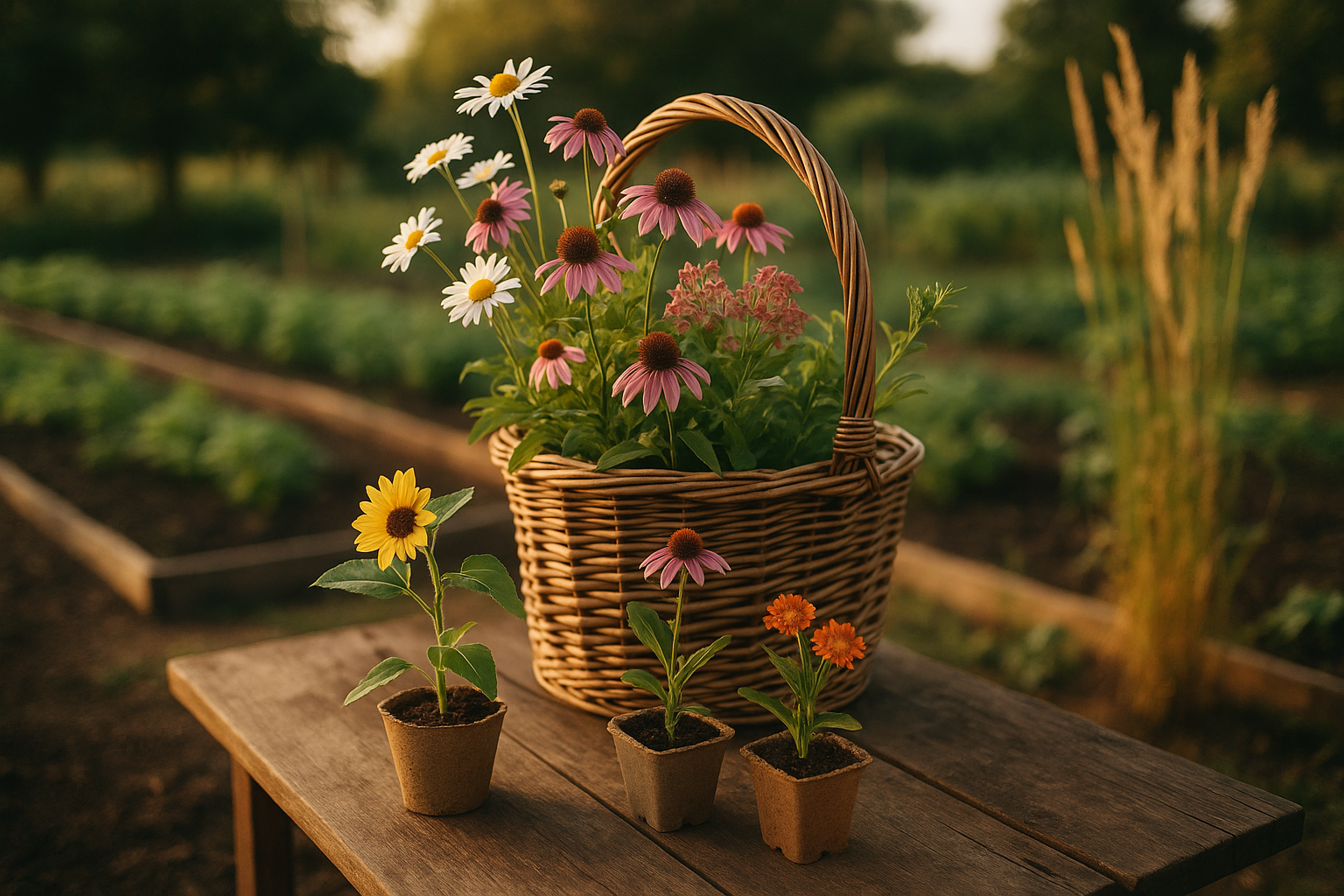
Spring is a critical season for beekeepers looking to support their bee colonies. As flowers begin to bloom, bees emerge from their winter clusters, ready to forage. Selecting the right pollinator plants for spring not only boosts bee health but also enhances your garden’s productivity. Whether you’re managing a large-scale apiary or a small backyard hive, the right plants can make all the difference.
Choosing the best pollinator plants requires understanding which flowers provide the most nectar and pollen during early spring. It’s not just about aesthetics; it’s about creating a habitat that supports the lifecycle of your bees. By doing so, you also contribute to broader environmental health, as bees are crucial pollinators for many crops. Let’s explore the best plants to include in your spring garden to give your bees a head start.
Why Pollinator Plants Are Essential for Beekeepers
Pollinator plants play a vital role in sustaining bee populations. They provide essential nutrients that are pivotal for bee health and hive productivity. According to the USDA, a diverse array of flowering plants can increase the survival rate of bee colonies by up to 30% during spring.
Beekeepers who incorporate a variety of pollinator plants into their gardens can expect healthier bees that are more resilient to diseases and pests. This diversity also helps stabilize ecosystems by ensuring that bees have access to consistent food sources. Without these plants, bees may struggle to collect enough food, impacting honey production and hive vitality.
Top 5 Pollinator Plants to Enhance Bee Health
Choosing the right pollinator plants for spring can significantly impact bee health. Here are the top five plants that should be on every beekeeper’s list:
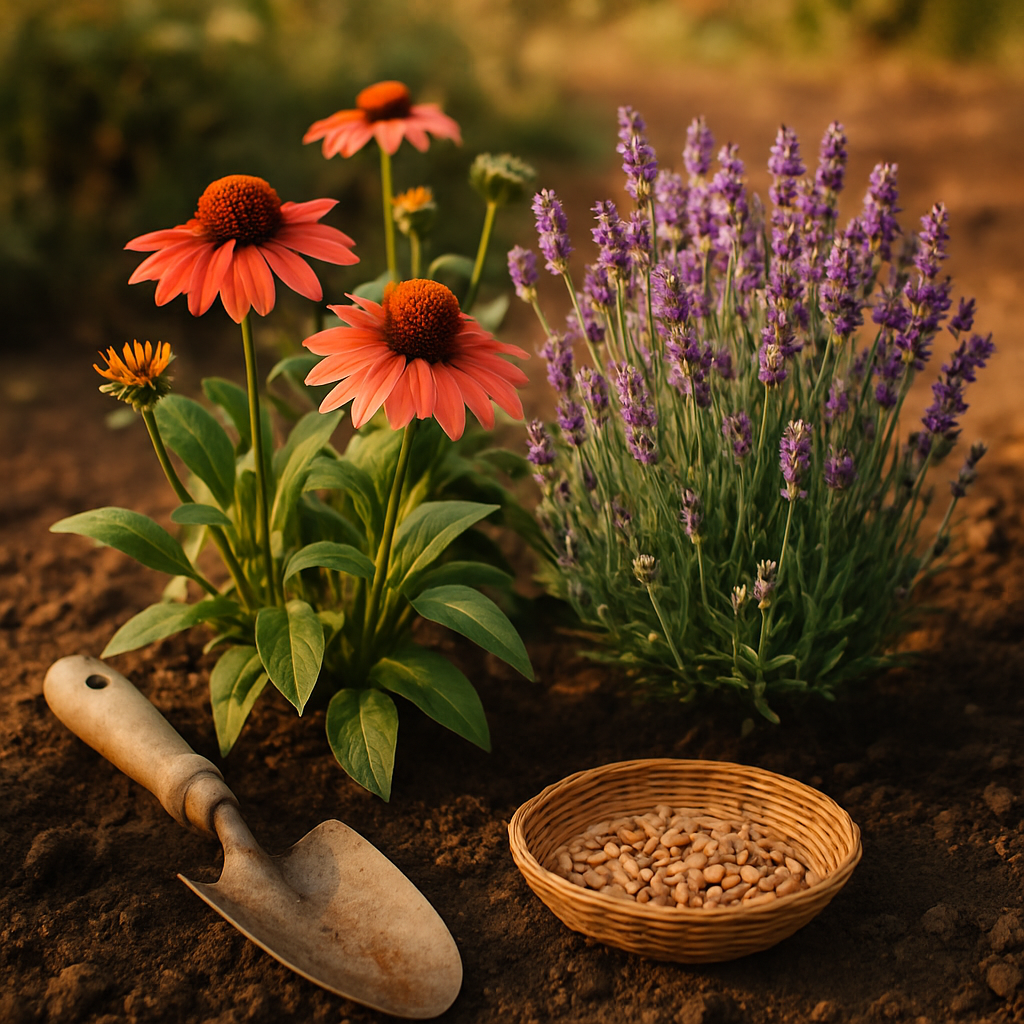
- Lavender: A favorite among bees, lavender blooms early and provides a rich source of nectar. Its drought-resistant nature makes it ideal for various climates.
- Borage: Known as a bee magnet, borage offers continuous blooms and abundant nectar. It’s a must-have for any bee-friendly garden.
- Sunflowers: These towering plants provide pollen and nectar, attracting bees and supporting their nutritional needs.
- Thyme: Not only is thyme a culinary herb, but its flowers are also a great nectar source for bees in spring.
- Wildflowers: A mix of native wildflowers can create a diverse habitat, offering various blooming times and food sources.
How to Plant and Care for Spring Pollinator Plants
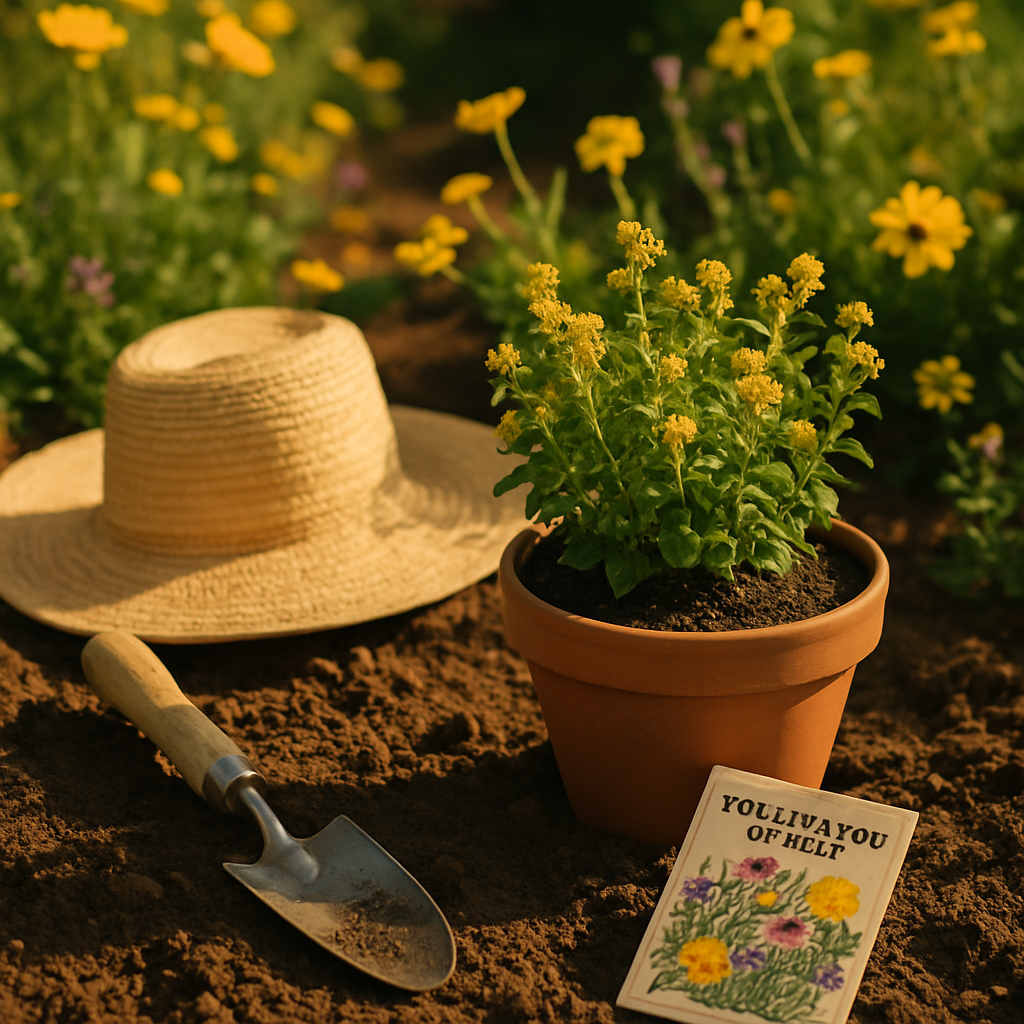
Planting pollinator-friendly gardens requires attention to detail and timing. Begin by selecting plants suited to your USDA growing zone. For instance, lavender thrives in zones 5-9, while borage prefers zones 3-10.
Prepare the soil by ensuring it is well-drained and rich in organic matter. This is crucial as poor soil conditions can stunt plant growth, reducing their appeal to bees. Consider using tools like FarmsFlo to track your planting schedules and soil conditions efficiently.
Once planted, regular watering is key, but watch out for over-watering as it can lead to root rot. Mulching around plants can help retain moisture and suppress weeds, providing a healthier growing environment.
Tips for Creating a Bee-Friendly Garden Environment
Creating a bee-friendly garden goes beyond planting flowers. It’s about fostering an environment that supports bee health year-round. Avoid using chemical pesticides and opt for natural pest control methods instead. These chemicals can be detrimental to bees, weakening their immune systems.
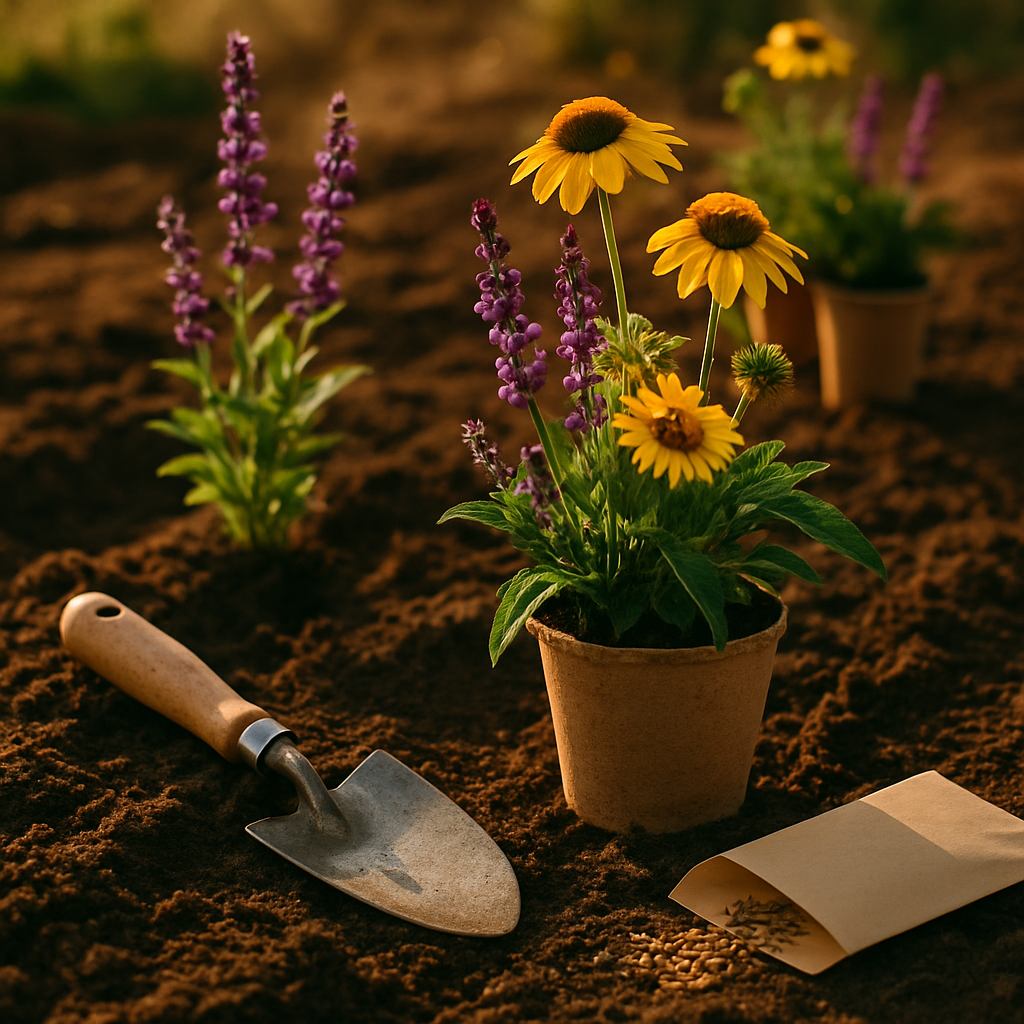
Consider providing water sources like shallow dishes with stones where bees can land and drink safely. Plant in clusters to make it easier for bees to forage, and ensure continuous blooming by staggering plantings. This approach ensures that bees have access to food throughout the spring season.
Our Top Picks for Pollinator Plants for Spring
Here are our top product recommendations for creating a thriving pollinator garden:
- Pollinator Plants Kit: This kit includes a variety of seeds designed to attract bees and other pollinators. It’s perfect for beginners and experienced gardeners alike. Check Price on Amazon
- Spring Pollinator Plants: This selection focuses on early blooming plants that provide essential nutrients to bees emerging from hibernation. Check Price on Amazon
Key Takeaways
- Best Overall: Lavender — Ideal for its early blooms and rich nectar supply.
- Best Value: Borage — Offers continuous blooms and attracts bees consistently.
- Best for Diverse Climates: Wildflowers — Provides a wide array of species for various zones.
Looking for pollinator plants for spring products?
Manage Your Farm Smarter with FarmsFlo
Track planting schedules, monitor your harvest, and streamline your entire farm operation — all from one easy-to-use app built by farmers, for farmers.
Frequently Asked Questions
What are the best pollinator plants for spring?
The best pollinator plants for spring include lavender, borage, sunflowers, thyme, and a mix of native wildflowers. These plants provide rich sources of nectar and pollen essential for bee health.
How can I make my garden more bee-friendly?
To make your garden more bee-friendly, avoid chemical pesticides, provide water sources, and plant in clusters. Ensure continuous blooming by staggering plantings to offer consistent food sources.
Can I use pollinator plant kits in urban gardens?
Yes, pollinator plant kits are suitable for urban gardens as they are often designed for small spaces. You can also explore urban gardening kits for additional tools and resources.
Do I need to fertilize my pollinator plants?
While fertilizing can promote growth, excessive use may harm bee populations. It’s best to use organic fertilizers and monitor plant health to avoid over-fertilizing.
How do I control pests without harming bees?
Opt for natural pest control methods like neem oil or insecticidal soap. These options are less harmful to bees compared to synthetic pesticides.
Incorporating the right pollinator plants for spring can transform your garden into a bee sanctuary. By providing a diverse range of plants, you not only support bee health but also enhance the beauty and productivity of your garden. Consider these tips and plant selections to create an environment where both bees and gardeners can thrive.
From Our Network
GreenChoice Affiliates — Eco-friendly product reviews for sustainable living
FarmsFlo — Free farm management app for planting schedules, harvests, and operations
BoingyBooks — Publish and discover ebooks, interactive read-alongs, and audiobooks
Leave a Reply
You must be logged in to post a comment.