
This post may contain affiliate links. If you make a purchase through these links, we may earn a small commission at no extra cost to you. Learn more.
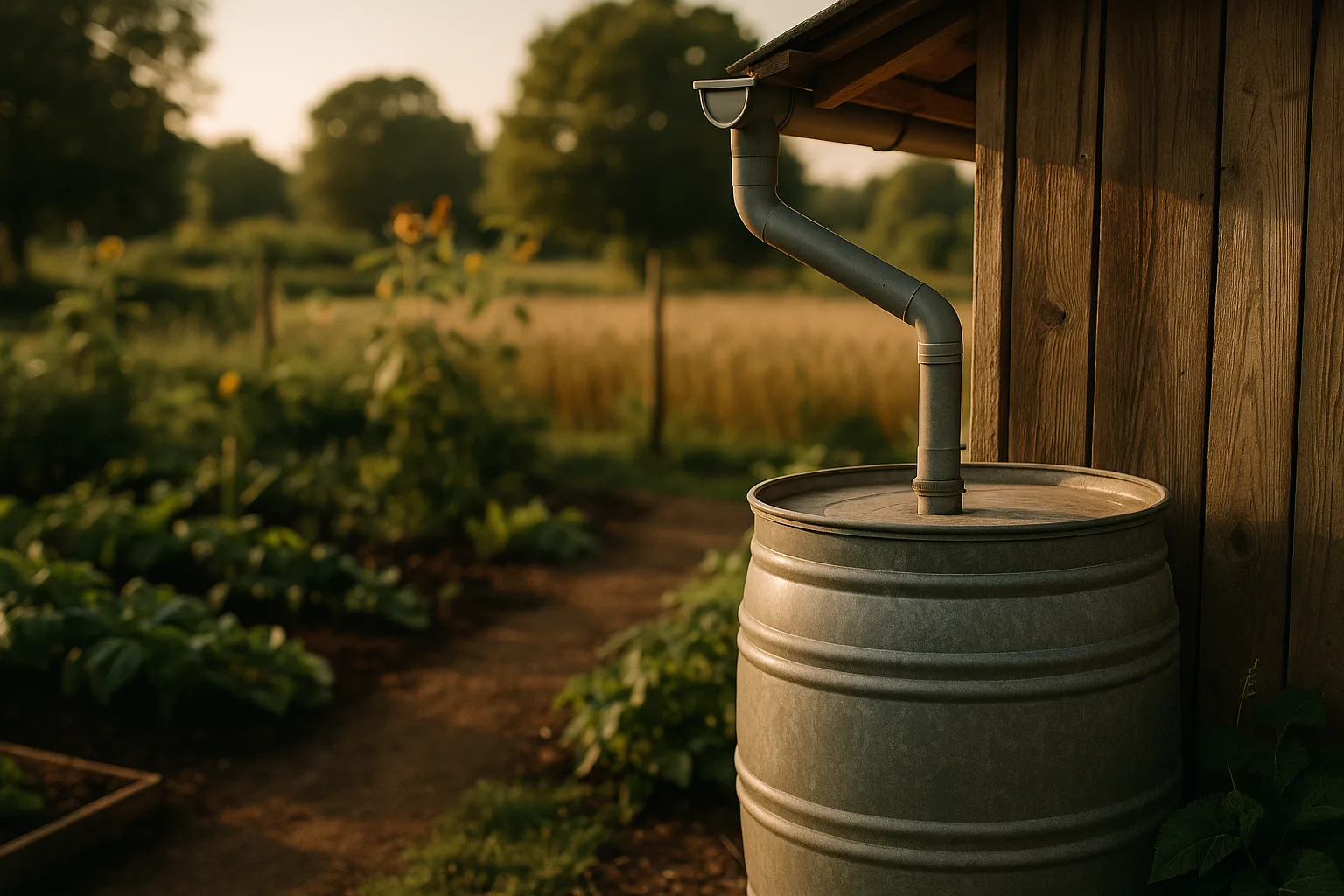
Capturing rainwater isn’t just a smart move for homesteaders—it’s a necessity. When you’re living off the land, every drop counts, especially in areas where water scarcity can turn a promising growing season into a struggle. A well-designed rainwater collection system can provide your garden, livestock, and household with a sustainable water source. Whether you’re managing a small patch of perennial plants or a larger homestead, the right system will make your life easier and your farm more productive.
Rainwater collection reduces your dependence on municipal water supplies and lowers your water bill. It’s also an eco-friendly choice, minimizing the environmental impact of water extraction and processing. Moreover, rainwater is often softer and free from the chemicals found in treated water, making it ideal for sensitive plants and soil.
However, selecting the right system can be daunting. From simple rain barrels to complex tanks with filtration systems, the options are vast. Understanding the types and features of these systems, along with practical installation tips, will help you make a wise choice for your homestead’s needs.
Why Rainwater Collection is Essential for Homesteaders
For homesteaders, harnessing rainwater is a reliable way to secure an independent water supply. According to the USDA, rainwater harvesting can reduce household water use by up to 50% in some areas, a significant saving for those who rely on well water or have limited access to municipal supplies. This independence is crucial during dry seasons or droughts when water restrictions are common.
Moreover, rainwater is naturally free of many contaminants found in groundwater. This makes it perfect for watering plants, providing clean water for livestock, and even drinking when properly treated. By collecting rainwater, homesteaders can ensure a steady supply of high-quality water while reducing their ecological footprint.
Types of Rainwater Collection Systems
Rainwater collection systems come in various forms, each suited to different needs and budgets. Understanding the types available will help you choose the best fit for your homestead.
Rain Barrels
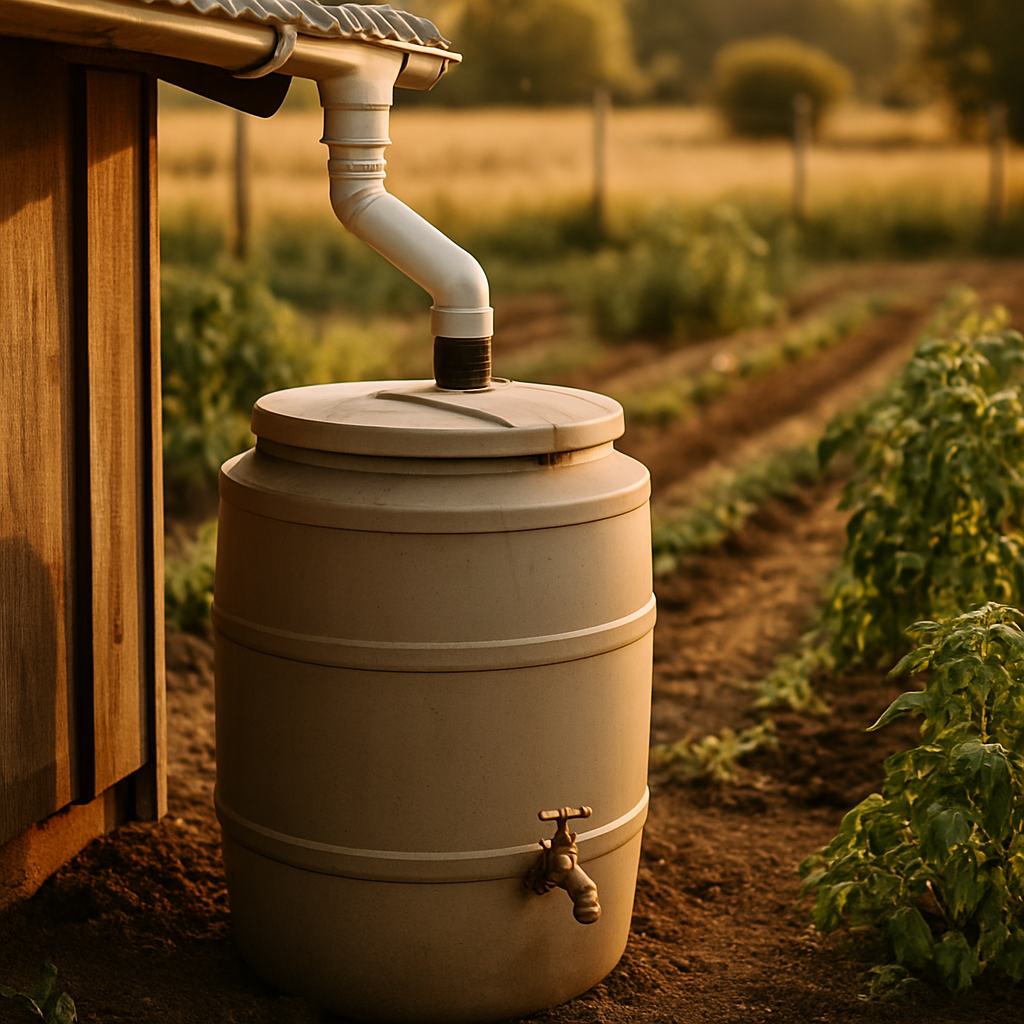
Rain barrels are the most straightforward and cost-effective option. They collect water from rooftops via gutters and downspouts. Typically holding 50-100 gallons, they are ideal for small gardens or supplemental water needs. However, they may not be sufficient during prolonged dry spells.
Above-Ground Tanks
These are larger than rain barrels and can store several hundred to several thousand gallons of water. They are typically made of polyethylene or galvanized steel and can be linked together for increased capacity. Above-ground tanks are more expensive but offer a greater storage capacity, making them suitable for larger homesteads.
Underground Cisterns
For those with more extensive water needs, underground cisterns are an excellent option. They are installed below ground, freeing up space and keeping the water cool. These systems can store tens of thousands of gallons, perfect for irrigation and household use. However, installation is labor-intensive and costly.
Key Features to Look for in a Rainwater System
When selecting a rainwater collection system, certain features can make or break its effectiveness and usability. Here are key considerations:
- Capacity: Calculate your water needs to ensure the system’s capacity matches your requirements. Consider the size of your roof and average rainfall in your area.
- Material: Opt for durable materials like UV-resistant plastic or galvanized steel. These will withstand the elements and prevent algae growth.
- Filtration: A good filtration system is crucial for ensuring the water remains clean, especially if it’s used for household purposes.
- Overflow Protection: Ensure the system has an overflow mechanism to handle excess water during heavy rains.
Installation and Maintenance Tips
Installing a rainwater collection system doesn’t have to be complicated, but it does require careful planning and regular maintenance. Here are some tips to get you started:
- Location: Place your system close to downspouts for maximum efficiency. Ensure the ground is level to prevent tipping.
- Gutter Maintenance: Keep gutters clear of debris to ensure water flows freely into the system.
- Winter Prep: In colder climates, drain and disconnect rain barrels to prevent freezing damage.
- Regular Checks: Inspect for leaks or signs of wear, particularly around seals and valves.
Tools like FarmsFlo can help you stay on top of your planting schedule and monitor your water usage effectively, ensuring your system operates smoothly throughout the year.
Our Top Picks for Rainwater Collection Systems
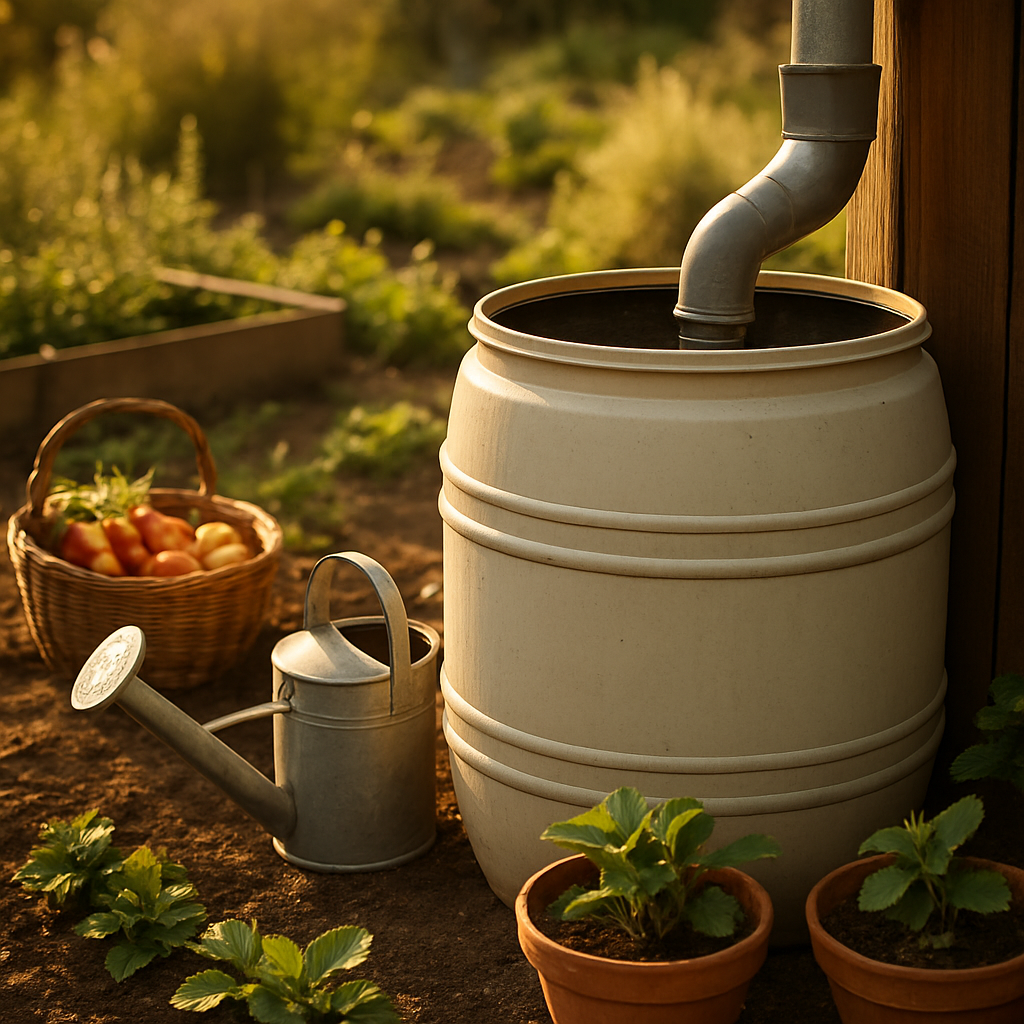
RTS Home Accents 50-Gallon Rain Barrel
This classic rain barrel is perfect for beginners. It’s made of durable UV-resistant plastic and features a flat back to sit flush against a wall. With a capacity of 50 gallons, it’s ideal for small gardens. Check Price on Amazon.
Good Ideas Rain Wizard 65 Gallon
This barrel offers slightly more capacity and comes with a brass spigot for easy water access. Its oak barrel appearance blends well with rustic homesteads. Check Price on Amazon.
Bushman 530 Gallon Polyethylene Water Tank
For those needing more capacity, this above-ground tank is a robust choice. Made from food-grade polyethylene, it’s suitable for potable water. Check Price on Amazon.
Looking for rainwater collection system products?
Manage Your Farm Smarter with FarmsFlo
Track planting schedules, monitor your harvest, and streamline your entire farm operation — all from one easy-to-use app built by farmers, for farmers.
Frequently Asked Questions
How much rainwater can I collect from my roof?
On average, you can collect about 0.6 gallons of water per square foot of roof per inch of rain. So, a 1,000 square foot roof could yield 600 gallons from a single inch of rain.
What maintenance does a rainwater collection system require?
Regular maintenance includes cleaning gutters, checking for leaks, and ensuring screens and filters are clear of debris. Winterizing steps, such as draining tanks in freezing climates, are also essential.
Can rainwater be used for drinking?
Yes, but it requires proper filtration and purification. Systems with advanced filters and UV treatment can make rainwater suitable for drinking.
Is a permit required to install a rainwater collection system?
Permits depend on local regulations. Some areas encourage rainwater harvesting, while others have restrictions. Always check with your local government before installation.
How can I increase the capacity of my rainwater system?
Link multiple barrels or tanks together to expand storage. This is especially useful for large gardens or farms needing more water during dry spells.
Key Takeaways
- Best Overall: Bushman 530 Gallon Polyethylene Water Tank — Its large capacity and durable material make it ideal for extensive water needs.
- Best Value: RTS Home Accents 50-Gallon Rain Barrel — Affordable and easy to install, perfect for beginners.
- Best for Small Gardens: Good Ideas Rain Wizard 65 Gallon — Slightly larger capacity with a charming design.
Choosing the right rainwater collection system can transform your homestead’s water management. It’s not just about saving money—it’s about sustainability, independence, and ensuring that your crops and livestock thrive. With the right setup, you’ll have peace of mind knowing that you’re prepared for whatever Mother Nature throws your way.
From Our Network
GreenChoice Affiliates — Eco-friendly product reviews for sustainable living
FarmsFlo — Free farm management app for planting schedules, harvests, and operations
BoingyBooks — Publish and discover ebooks, interactive read-alongs, and audiobooks
Leave a Reply
You must be logged in to post a comment.