
This post may contain affiliate links. If you make a purchase through these links, we may earn a small commission at no extra cost to you. Learn more.
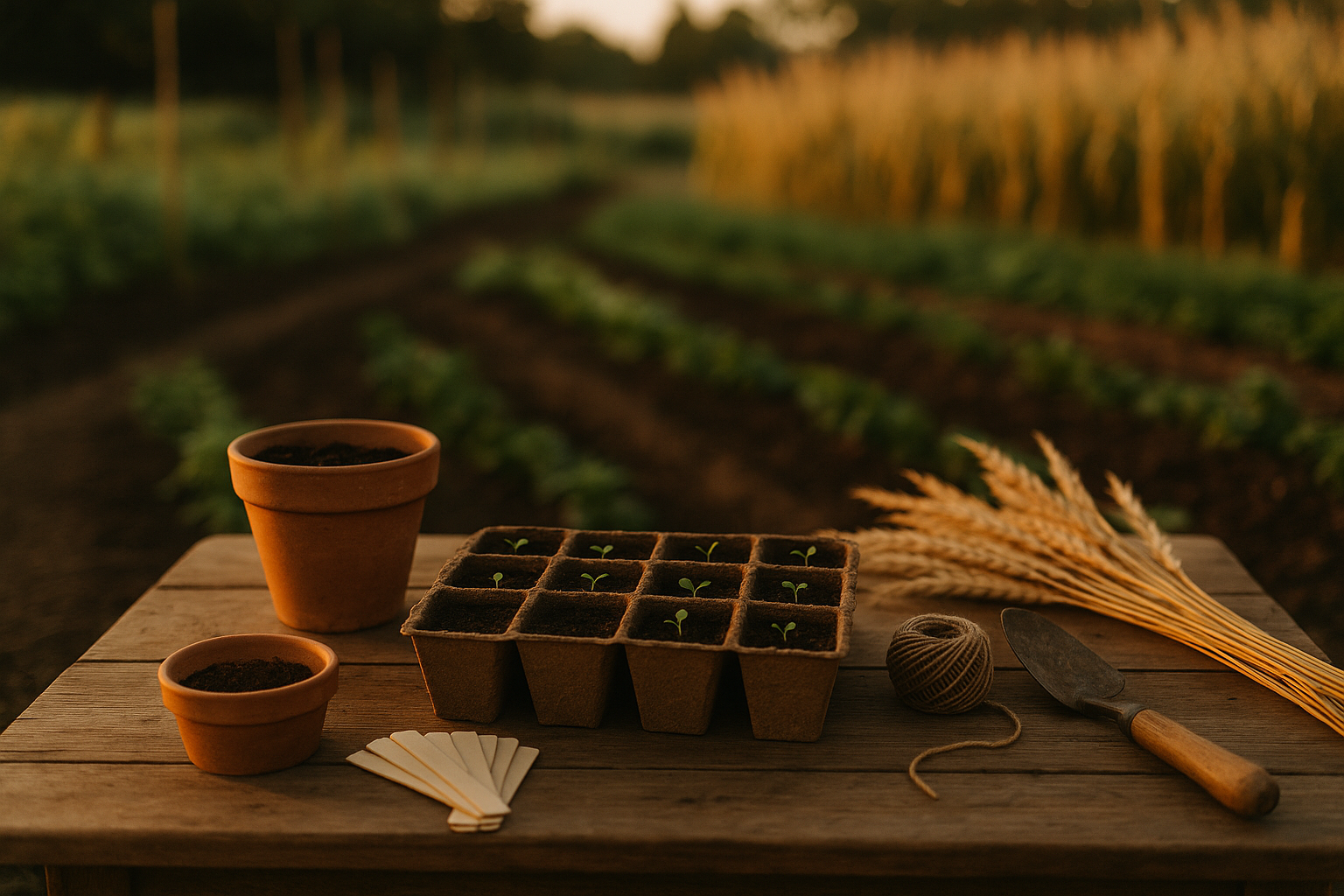
Spring is right around the corner, and if you’re ready to kickstart your homesteading journey, a seed starting kit is an essential tool. These kits offer everything you need to get your seeds growing indoors, ensuring a strong start before transplanting outside. With the right kit, you can control the growing conditions, giving your seedlings the best chance to thrive.
Seed starting kits help avoid common pitfalls like poor germination rates and weak seedlings. They come in handy, especially during unpredictable spring weather. Whether you’re expanding your vegetable garden or trying your hand at new flower varieties, a solid seed starting kit can make all the difference. With the right setup, you can look forward to robust plants ready to make the most of your garden space.
Choosing the best kit involves looking at features that suit your needs and climate. For instance, those in USDA zones 5-7 might need different setups than someone in zone 9, where the growing season starts earlier. Tools like FarmsFlo can help you stay on top of your planting schedule, ensuring you sow seeds at the optimal time for your zone.
Why a Seed Starting Kit is Essential for Spring
Seed starting kits provide a controlled environment that increases germination success rates and strengthens seedlings. According to research from university extension programs, seedlings that begin indoors in a controlled setting have a higher survival rate when transplanted. This is particularly important in early spring when outdoor temperatures can be unpredictable.
These kits are designed to help you manage light, moisture, and temperature—key factors that influence seedling growth. They prevent common issues like damping-off, a fungal disease that can wipe out young plants. By starting your seeds indoors, you also have a head start on the growing season, allowing for earlier harvests.
Key Features to Look for in Seed Starting Kits
When shopping for a seed starting kit, consider the following features:
- Tray and Cell Size: Choose a tray size that suits your crop volume. Larger cells are better for larger seeds like squash, while smaller cells work well for herbs and flowers.
- Lighting: LED grow lights are ideal as they mimic sunlight, promoting healthy growth. Look for adjustable light options to cater to different plant needs.
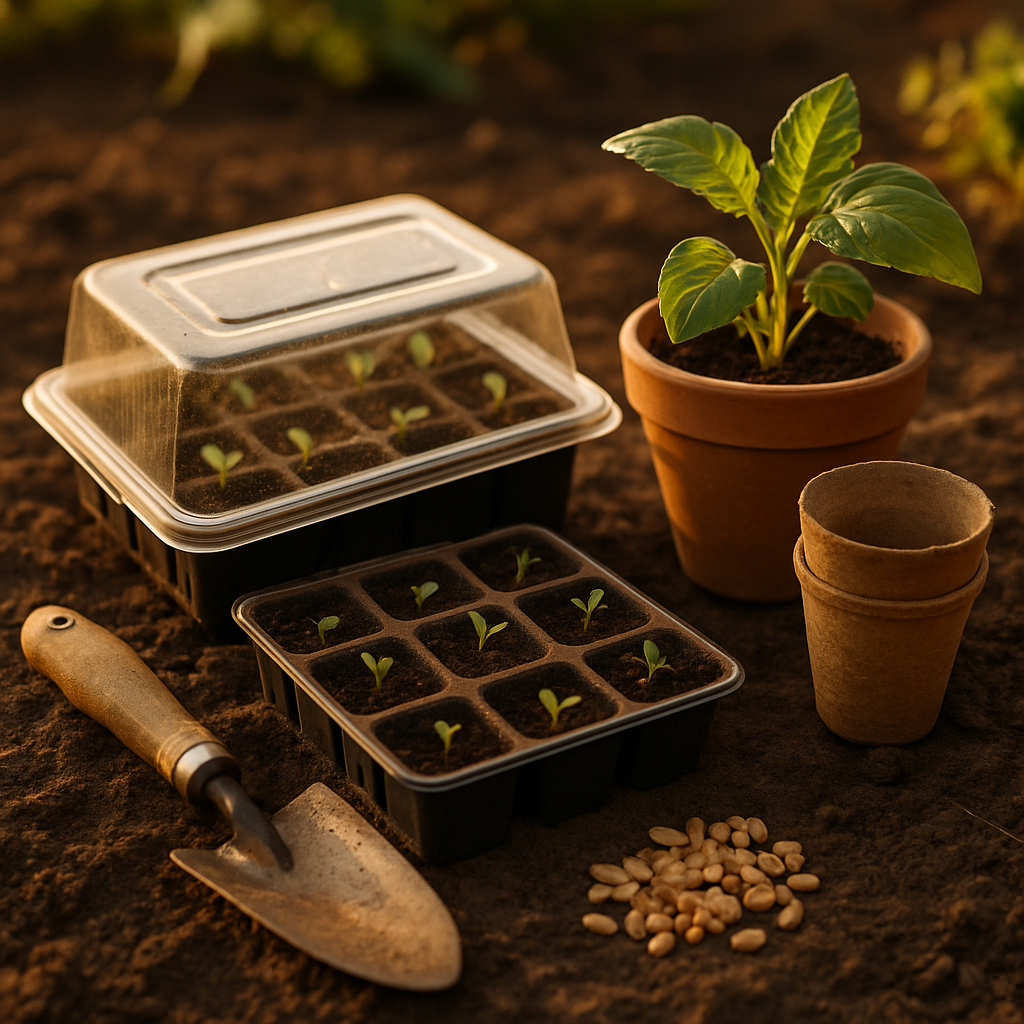
- Humidity Dome: A dome retains moisture and warmth, essential for germination.
- Self-Watering Systems: These help maintain consistent soil moisture, reducing maintenance.
Be mindful of kits that lack sturdy materials or have poorly designed trays, which can lead to waterlogging and root rot. According to USDA guidelines, consistent moisture without over-saturation is crucial for seedling success.
How to Use a Seed Starting Kit Effectively
To get the most from your seed starting kit, begin by filling cells with a quality seed-starting mix. Avoid garden soil as it may contain pests and diseases. Plant seeds at the recommended depth, usually twice the seed’s diameter.
Place your kit in a warm spot or use a heat mat to maintain soil temperature around 70°F for most vegetables. Once seedlings emerge, move them under grow lights. Lights should be positioned 2-3 inches above seedlings and adjusted as they grow. Water thoroughly but allow the top of the soil to dry out slightly between waterings to prevent damping-off.
As your seedlings grow, harden them off by gradually exposing them to outdoor conditions over a week. This transition helps prevent transplant shock.
Comparing Different Seed Starting Kits
Not all seed starting kits are created equal. For instance, a basic kit might include only trays and cells, while more advanced options offer self-watering systems and LED lights. Let’s compare two popular types:
- Basic Kits: Affordable and great for beginners. They usually include trays, cells, and a humidity dome.
- Advanced Kits: Feature self-watering mechanisms, LED lighting, and are made from durable materials. Suitable for serious gardeners looking for convenience and efficiency.
While basic kits are cost-effective, they may require more manual monitoring of moisture and light. Advanced kits reduce the risk of human error and provide better growth conditions, but they come at a higher price.
Our Top Picks for Seed Starting Kits in 2026
- Super Sprout Seed Starting Kit: This kit includes a full-spectrum LED grow light and self-watering system, perfect for both beginners and experienced gardeners. Check Price on Amazon
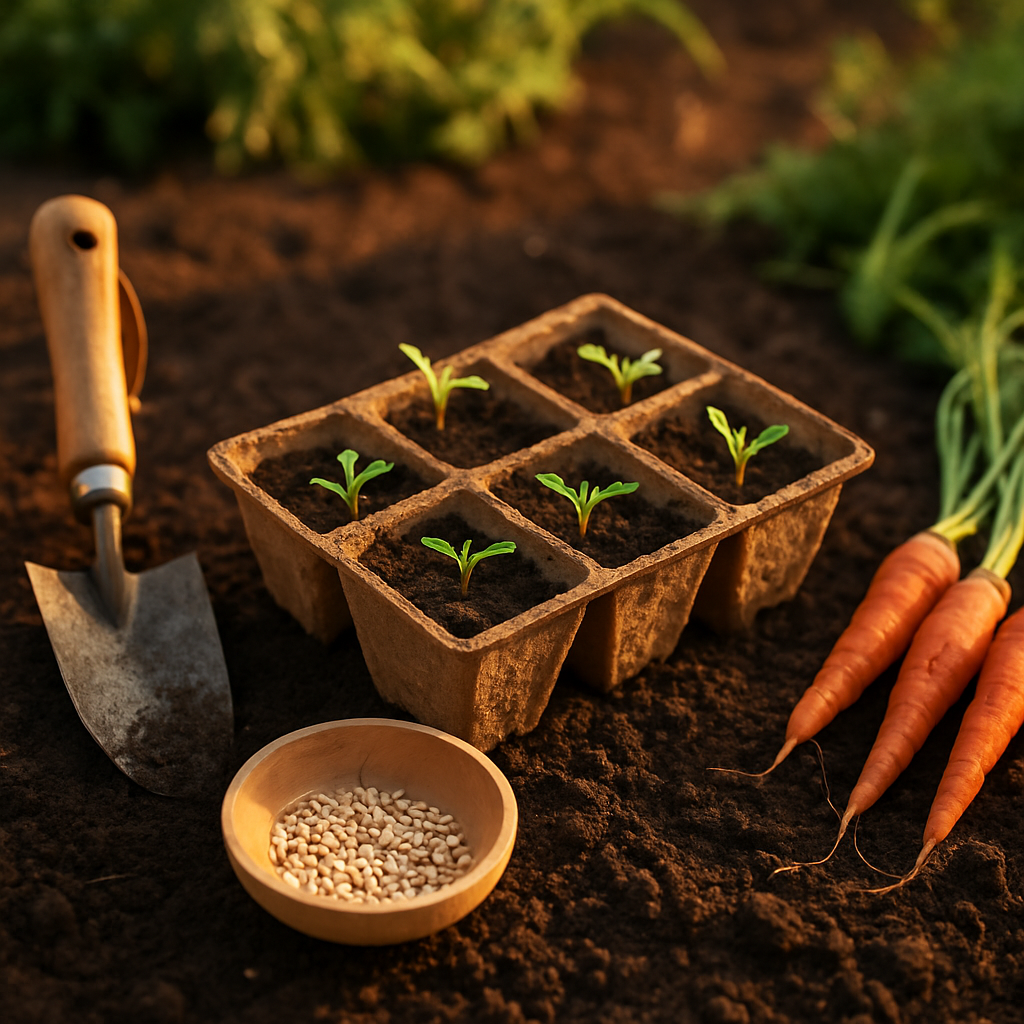
- EcoGarden Seed Starter Kit: Made from recycled materials, this eco-friendly kit includes a humidity dome and biodegradable pots. Check Price on Amazon
- HydroGrow Deluxe Kit: Offers a hydroponic system with LED lighting, perfect for urban gardeners short on space. Check Price on Amazon
When selecting a kit, consider the type of plants you want to grow and the level of automation you prefer. For those interested in urban gardening, vertical garden kits might also be worth exploring alongside your seed starting setup.
Key Takeaways
- Best Overall: Super Sprout Seed Starting Kit — Offers comprehensive features for all gardeners.
- Best Value: EcoGarden Seed Starter Kit — Combines sustainability with affordability.
- Best for Urban Spaces: HydroGrow Deluxe Kit — Ideal for maximizing small space gardening.
Looking for seed starting kit products?
Manage Your Farm Smarter with FarmsFlo
Track planting schedules, monitor your harvest, and streamline your entire farm operation — all from one easy-to-use app built by farmers, for farmers.
Frequently Asked Questions
What is the best time to start seeds indoors?
Start seeds indoors 6-8 weeks before the last expected frost date in your area. This timing allows seedlings to be strong enough for transplanting when the weather warms.
Can I use garden soil in my seed starting kit?
No, it’s best to use a sterile seed-starting mix. Garden soil may contain pests and diseases that can harm seedlings.
How do I prevent damping-off in seedlings?
Ensure good air circulation and avoid overwatering. Using a fan can help increase airflow, and allowing the soil surface to dry slightly between waterings is crucial.
Why are my seedlings leggy?
Leggy seedlings typically result from inadequate light. Ensure they receive bright, consistent light by placing them under grow lights or in a sunny window.
Are self-watering seed starting kits worth it?
Self-watering kits are beneficial for maintaining consistent moisture levels and reducing maintenance, especially for busy gardeners or those new to seed starting.
Investing in a quality seed starting kit can transform your spring gardening experience. With the right kit, you’ll have healthy seedlings ready to plant as soon as the weather permits. Remember, the success of your garden often starts with the seeds, and choosing the right tools is key to a bountiful harvest.
From Our Network
GreenChoice Affiliates — Eco-friendly product reviews for sustainable living
FarmsFlo — Free farm management app for planting schedules, harvests, and operations
BoingyBooks — Publish and discover ebooks, interactive read-alongs, and audiobooks
Leave a Reply
You must be logged in to post a comment.