

This post may contain affiliate links. If you make a purchase through these links, we may earn a small commission at no extra cost to you. Learn more.
Introduction to Eco-Friendly Weed Control Methods
Are you tired of battling weeds that seem to multiply overnight, while worrying about the environmental impact of traditional herbicides? In a world increasingly focused on sustainability, finding *eco-friendly weed control methods* is more crucial than ever. One such approach, *delayed sowing*, offers a natural and effective solution by allowing early-season weeds to germinate and be removed before planting your crops. This not only reduces the need for chemical interventions but also promotes healthier soil and ecosystems. By adopting simple yet powerful strategies, you can achieve a lush, weed-free garden while contributing to a greener planet. In this post, we’ll explore innovative techniques that protect both your plants and the environment, ensuring your garden thrives without compromising the earth’s health.
Understanding delayed sowing: The Fundamentals
Delayed sowing is an intriguing concept that is gaining traction among eco-conscious farmers looking to manage weeds without resorting to chemical herbicides. This method involves postponing the planting of crops to a later date than usual, allowing for natural cycles to suppress weed growth effectively. By understanding delayed sowing, farmers can leverage this technique as part of a sustainable weed control strategy, thereby reducing environmental impact and enhancing crop yield.
Traditionally, weeds emerge alongside crops, competing for vital nutrients, water, and sunlight. Delayed sowing can be beneficial because it gives weeds a head start, allowing them to be managed through mechanical means or manual removal before the crops are planted. This proactive approach can significantly reduce the weed seed bank in the soil, leading to a cleaner field when the actual sowing begins.
One of the key aspects of delayed sowing is its alignment with natural growth cycles. By understanding the local climate and the specific life cycles of prevalent weed species, farmers can choose optimal sowing times that minimize weed pressure. For instance, if particular weeds germinate early in the growing season, sowing the crop later can help circumvent the peak weed emergence period, providing a competitive advantage to the crops.
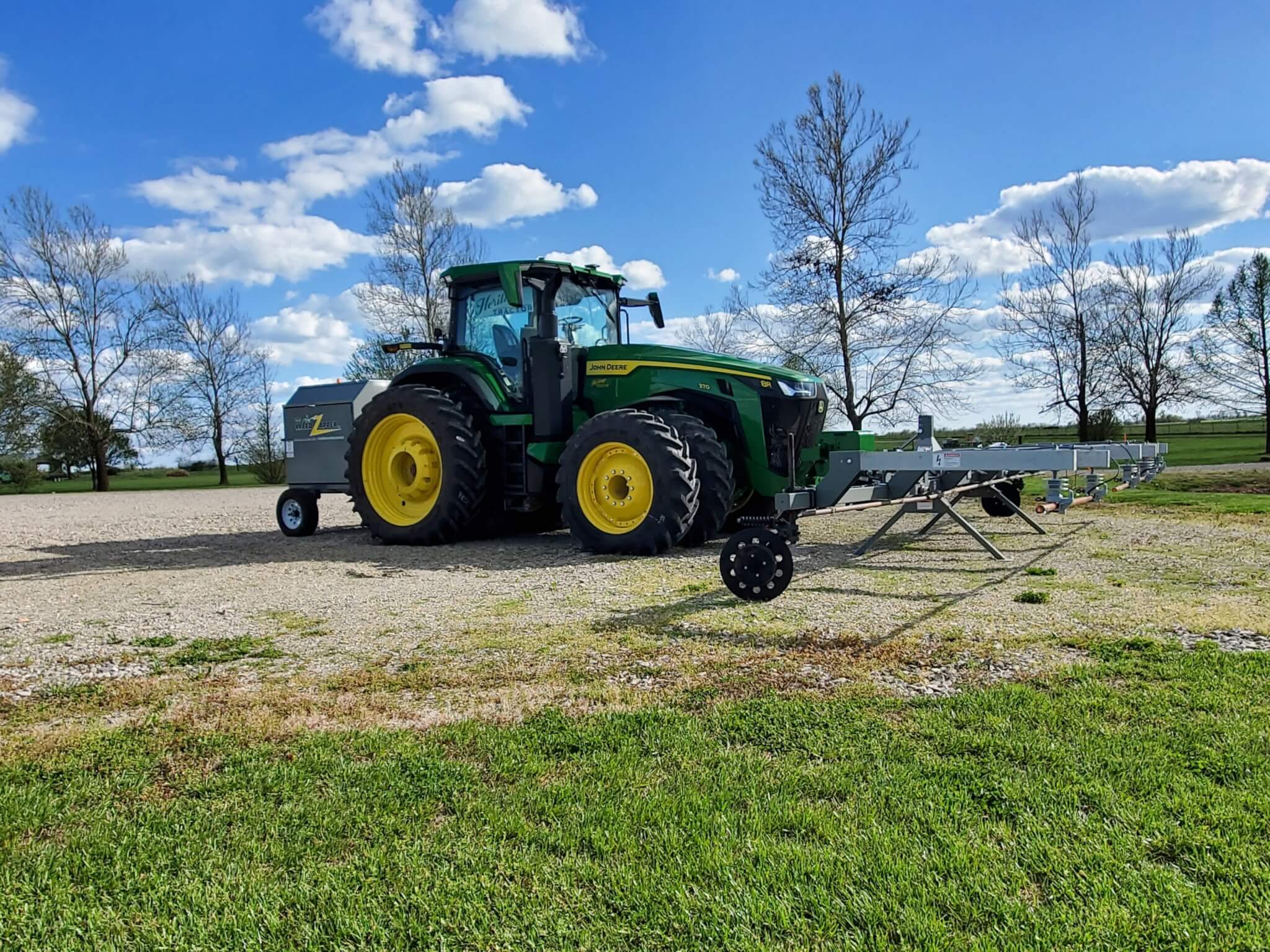
Moreover, delayed sowing can be integrated with other eco-friendly practices such as the implementation of microirrigation techniques. The use of designated drop-off locations for water delivery ensures that only the intended plants receive water, further discouraging weed growth by depriving them of moisture. This synergy between delayed sowing and targeted irrigation can optimize water use while effectively managing weeds.
The Science Behind Delayed Sowing
Research supports the efficacy of delayed sowing in weed control. A study published in the Bulletin of the National Research Centre found that strategic delay in sowing can significantly reduce weed biomass by more than 30%. Additionally, by delaying sowing, farmers can sometimes avoid pest outbreaks that occur early in the season, further protecting crops.
However, delayed sowing is not without its challenges. One common concern is the potential reduction in the growing season, which could impact crop yields. To mitigate this, farmers can select crop varieties with a shorter maturation period, ensuring that the crops still reach full maturity within the available time frame. Consulting local agricultural extension services can provide valuable insights into optimal sowing times and crop selection.

Incorporating delayed sowing into an integrated weed management plan requires careful planning and monitoring. Farmers need to consider factors like soil health, moisture levels, and historical weather patterns. Tools like predictive modeling can be particularly useful in determining the best sowing dates to maximize crop success while minimizing weed competition.
Ultimately, understanding delayed sowing is about balancing the timing of planting with environmental conditions to enhance both crop health and yield. By choosing the right sowing dates, optimizing water usage, and selecting appropriate crops, farmers can effectively manage weeds in an eco-friendly manner. For more insights on sustainable agricultural practices, explore topics like nutritional security and how strategic watering can boost crop yields.
In conclusion, delayed sowing offers a promising alternative to chemical herbicides, aligning with the growing demand for sustainable farming practices. By leveraging this technique, farmers can not only control weeds more effectively but also contribute to a healthier ecosystem.
💡 Beginner’s Gold: Delayed Sowing That Guarantee Success



As an Amazon Associate, we earn from qualifying purchases. Prices and availability subject to change.
Why delayed sowing Matters in Today’s World
In the quest for sustainable agriculture, delayed sowing emerges as a pivotal eco-friendly weed control strategy. This practice, which involves postponing planting to allow early-emerging weeds to be managed before crops are sown, has gained traction among environmentally conscious farmers. With the increasing need to reduce chemical herbicide use, delayed sowing presents a promising alternative that aligns with the principles of sustainable farming. It not only aids in weed management but also enhances soil health and biodiversity. Understanding why delayed sowing matters in today’s world is crucial for those committed to eco-friendly practices.
Firstly, delayed sowing allows farmers to tackle weeds at their most vulnerable stages. By waiting for the initial flush of weeds to appear, farmers can remove or suppress them before planting their crops. This timing advantage reduces the weed seed bank in the soil, leading to fewer weed problems during the growing season. According to Old School Manufacturing, this technique can significantly decrease the reliance on chemical herbicides, promoting a healthier ecosystem.

Moreover, delaying sowing can enhance crop yield by reducing competition for nutrients and water. Weeds are notorious for their ability to outcompete crops, often leading to reduced yields. By managing weeds effectively before sowing, crops have a better chance to thrive. A study published in the Beni-Suef University Journal indicates that strategic sowing times can lead to a noticeable increase in crop productivity.
The Benefits of Delayed Sowing for Soil Health
Delayed sowing also benefits soil health. By allowing weeds to germinate and then removing them, organic matter is added back into the soil. This process enhances soil fertility and structure, promoting better water retention and nutrient availability. As outlined by Heirloom Soul, maintaining soil health is key to sustainable agriculture.

In addition, this practice can reduce the need for irrigation. By controlling weed growth, crops experience less competition for water resources. This is particularly beneficial in areas prone to water scarcity, as documented in the article, 90% of Urban Farmers Risk Water Crisis with Container Gardens. Reducing water usage not only conserves a vital resource but also cuts down on farming costs.
Delayed sowing is adaptable to various farming systems. Whether in large-scale agriculture or urban farming, this method can be tailored to specific crop and climate conditions. It provides flexibility, allowing farmers to implement it in conjunction with other sustainable practices, such as microirrigation techniques. As noted in Warning: Microirrigation Techniques Could Double Your High Yields, combining such methods can optimize results.
While delayed sowing offers numerous benefits, it is not without challenges. Timing is critical, and misjudging the right moment can lead to missed planting windows or reduced crop yields. Farmers must be vigilant in monitoring weather patterns and soil conditions to ensure successful implementation. However, the long-term benefits often outweigh the risks, making it a viable option for those committed to sustainable agriculture.
In conclusion, delayed sowing is a valuable eco-friendly weed control method that addresses the growing need for sustainable farming practices. By reducing chemical usage, enhancing soil health, and conserving water, it offers a holistic approach to agriculture. As the world moves towards greener solutions, understanding and implementing delayed sowing can play a vital role in achieving those goals.
Key Benefits of Implementing delayed sowing
Incorporating delayed sowing into your agricultural practices can provide substantial benefits for eco-friendly weed control. This method, which involves postponing the planting of crops until after the initial flush of weeds, offers a natural way to suppress weed growth without relying on harmful chemicals. By strategically timing the sowing process, farmers can effectively manage weed populations, improve crop yield, and promote sustainable farming practices.
One of the primary benefits of delayed sowing is its ability to reduce weed competition. By allowing the first wave of weeds to germinate and then eliminating them before planting, farmers can significantly decrease weed pressure on their crops. This technique helps in conserving soil health by reducing the need for mechanical tillage, which can disrupt soil structure and lead to erosion.

Delayed sowing also contributes to better moisture management. Weeds often compete with crops for moisture, and by controlling their growth early in the season, more water is available for the crops. This can be particularly beneficial in regions prone to drought, where water conservation is critical. According to a study by Scialert, improved moisture availability can enhance crop resilience and productivity.
Enhancing Soil Fertility and Crop Health
Another advantage of delayed sowing is its positive impact on soil fertility. As weeds are removed before sowing, they can be composted, returning valuable nutrients back to the soil. This approach not only enriches the soil but also supports the growth of healthy plants. For innovative composting techniques, consider exploring innovative composting and waste reduction techniques to further enhance soil quality.

In addition to soil benefits, delayed sowing can also lead to healthier crops. With reduced weed competition, crops have better access to sunlight, nutrients, and space. This improved growing environment can lead to stronger plants and higher yields. Farmers have reported increased crop vigor and reduced pest pressure as a result of this method.
Furthermore, delayed sowing supports biodiversity. By minimizing chemical use, beneficial insects and microorganisms in the soil ecosystem can thrive. These organisms play a crucial role in maintaining soil health and fertility, which ultimately supports sustainable agriculture. A thriving ecosystem contributes to the natural suppression of weeds and pests, reducing the dependency on synthetic inputs.
Despite these benefits, some farmers may be concerned about the potential risks associated with delayed sowing, such as shorter growing seasons. However, careful planning and understanding of local climate conditions can mitigate these risks. It’s essential to balance the timing of sowing with the expected weather patterns to ensure successful crop establishment.
In conclusion, delayed sowing is a powerful tool in the arsenal of eco-friendly weed control methods. By strategically postponing planting, farmers can reduce weed competition, enhance soil fertility, and promote a healthier growing environment. As more farmers adopt this practice, the agricultural landscape becomes more sustainable, paving the way for a greener future. For those interested in revolutionizing their farming operations, exploring modern techniques like paperless operations can further enhance efficiency and sustainability.
🥇 The Top-Rated Delayed Sowing That Never Disappoint

Concentrated Surfactant for Herbicides Non-Ionic 16oz, Increase Product Coverage…
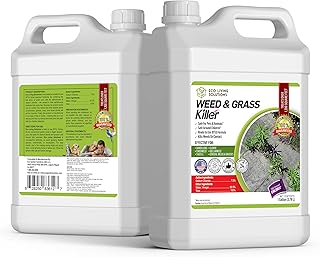
Natural Armor Weed and Grass Killer All-Natural Concentrated Formula. Contains N…
As an Amazon Associate, we earn from qualifying purchases. Prices and availability subject to change.
Practical Steps to Get Started with delayed sowing
Delayed sowing is an innovative eco-friendly weed control method that can significantly reduce the reliance on chemical herbicides. By strategically adjusting the planting schedule, farmers can effectively manage weed growth, allowing crops to thrive in a more sustainable manner. This technique not only supports environmental health but also enhances crop yields, offering a win-win solution for eco-conscious growers. Let’s delve into practical steps for implementing delayed sowing and explore its benefits in detail.
To begin with, understanding your local climate and weed growth patterns is crucial. Delayed sowing involves planting crops after weeds have germinated and been cleared, thus reducing competition for nutrients and sunlight. By observing regional weather patterns and soil temperatures, you can plan the sowing schedule effectively. For example, in temperate zones, delaying sowing by even a few weeks can make a significant difference in weed suppression.
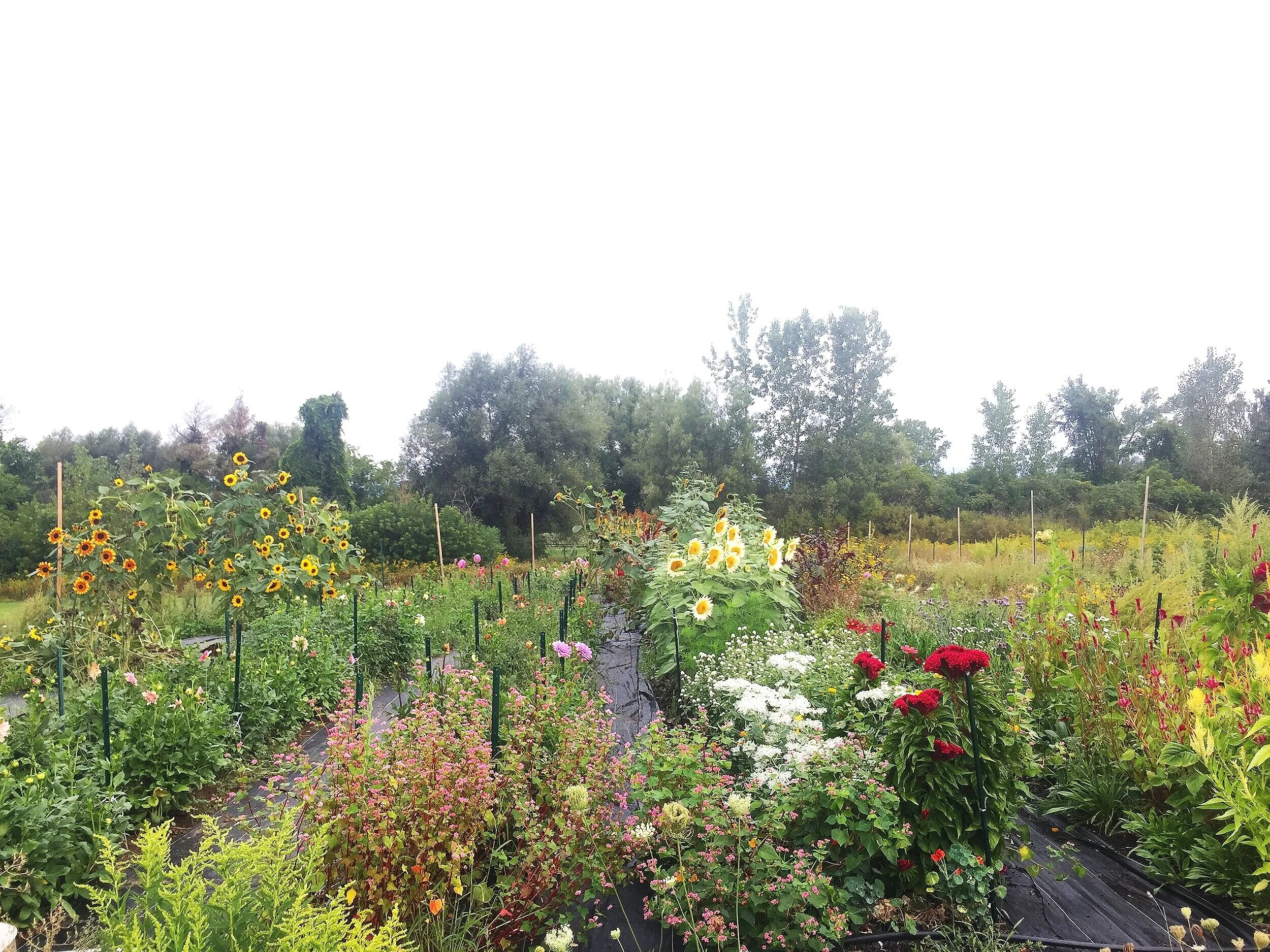
Next, it’s essential to prepare your soil adequately before implementing delayed sowing. Remove existing weeds using mechanical methods such as tilling or manual removal. This step ensures that the weed seed bank is reduced, thereby decreasing future weed pressure. Additionally, incorporating organic matter into the soil can improve fertility, supporting healthier crop growth post-sowing.
Implementing Delayed Sowing: Key Considerations
When planning for delayed sowing, selecting the right crop varieties is imperative. Opt for faster-growing or more competitive varieties that can quickly establish themselves after planting. This approach minimizes the window of opportunity for weeds to re-establish themselves. Consulting resources like Unlocking the Secrets of Seedling Care & Transplanting can provide valuable insights into selecting the best varieties for your region.
Monitoring and adjusting sowing dates based on seasonal variations is another critical step. With climate change impacting weather patterns, staying flexible and adapting your sowing schedule can enhance the effectiveness of this method. Regularly check weather forecasts and soil conditions to make informed decisions about the optimal time to plant.
Incorporating cover crops into your farming system can further enhance the benefits of delayed sowing. Cover crops, such as clover or rye, can be sown before your main crop to suppress weeds naturally. They act as a living mulch, preventing weed growth while enriching the soil. This practice aligns with findings from European sustainable agriculture studies, which emphasize non-chemical weed control methods.
Finally, consider integrating delayed sowing with other eco-friendly practices. Techniques such as crop rotation and intercropping can work synergistically with delayed sowing to maintain soil health and reduce weed pressure. For those interested in sustainable agriculture practices, exploring courses on platforms like Revolutionizing Flower Farming can provide further education and techniques.
In conclusion, delayed sowing offers a practical and sustainable approach to weed control. By understanding local conditions, preparing the soil, and selecting appropriate crop varieties, farmers can effectively implement this method. Coupled with other eco-friendly practices, delayed sowing can significantly reduce weed competition, improve crop yields, and promote environmental health. As more farmers adopt this technique, the potential for sustainable agriculture continues to grow.
Common Mistakes to Avoid
Delayed sowing is a strategic practice in eco-friendly weed control, but like any agricultural method, it comes with its own set of challenges. As farmers strive to reduce chemical use and improve sustainability, avoiding common pitfalls in delayed sowing becomes crucial. Understanding these mistakes can lead to more effective weed management and improved crop yields.
One common mistake is not considering the specific climate and weather patterns of your region. Delayed sowing relies heavily on timing, and failing to account for seasonal changes can significantly impact results. For instance, in areas with short growing seasons, postponing planting too long can lead to incomplete crop maturation. According to a study published on Scientific International, aligning sowing dates with local weather forecasts can mitigate these risks.
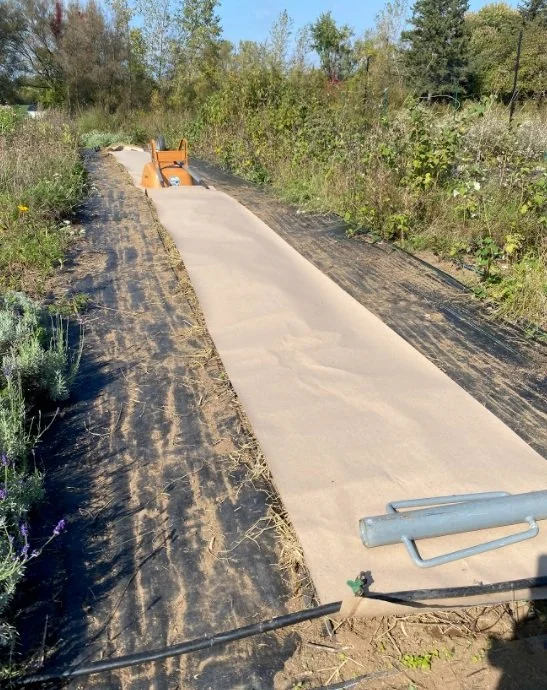
Another frequent error is ignoring soil health, which plays a crucial role in successful delayed sowing. Healthy soil supports robust plant growth, which can outcompete weeds naturally. However, delaying sowing without addressing soil deficiencies might exacerbate weed problems. The article “The #1 Soil Health Mistake That Could Ruin Your Farm This Year” emphasizes the importance of soil testing and nutrient management to enhance the benefits of delayed sowing.
Balancing Crop Selection and Sowing Time
Crop selection is a vital factor that can be overlooked. Not all crops are suitable for delayed sowing, and choosing the wrong ones can lead to poor yields. For example, fast-maturing varieties may be better suited for delayed planting compared to those requiring longer growing periods. Farmers should consult resources like Beni-Suef University Journal of Basic and Applied Sciences for guidance on crop varieties that thrive under delayed sowing conditions.
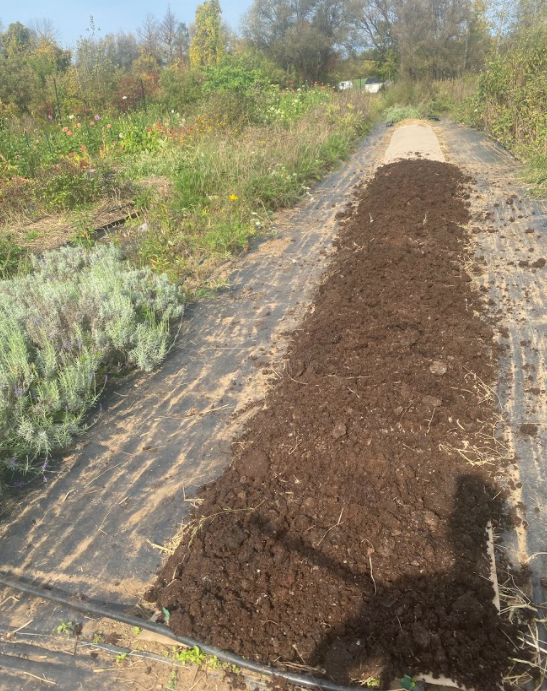
Additionally, some farmers fail to monitor weed growth closely after implementing delayed sowing. While the technique is designed to reduce weed emergence, it’s not a standalone solution. Regular field inspections and integrated weed management practices are essential to ensure that the strategy is working effectively.
Ignoring the benefits of combining delayed sowing with other eco-friendly methods is another oversight. Techniques such as mulching or using cover crops can enhance weed suppression and improve soil health. The Thrivelot guide on eco-friendly alternatives suggests integrating multiple methods for optimal results.
Lastly, underestimating the economic implications of delayed sowing can lead to financial strain. While this method may reduce chemical costs, it can also affect crop yields and timing, influencing market prices and returns. Farmers should perform a cost-benefit analysis, considering potential yield reductions and market conditions to make informed decisions.
In conclusion, delayed sowing is a promising eco-friendly weed control method, but it demands careful planning and execution. By understanding regional climates, maintaining soil health, choosing appropriate crops, and integrating supplementary practices, farmers can maximize the benefits of delayed sowing while minimizing mistakes. For more insights on sustainable farming techniques, explore how designated drop-off locations in microirrigation are revolutionizing agriculture.
⚡ Pro-Level Delayed Sowing That Deliver Commercial Results
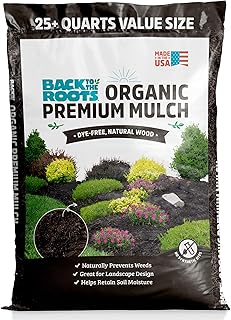
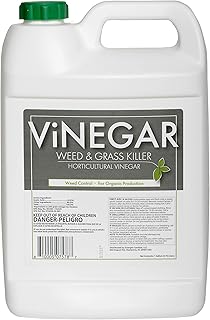


As an Amazon Associate, we earn from qualifying purchases. Prices and availability subject to change.
Real-World Success Stories
Delayed sowing is an intriguing eco-friendly weed control method that has been gaining traction among sustainable agriculture enthusiasts. By intentionally postponing the planting of crops, farmers can effectively manage weed growth without relying on chemical herbicides. This technique not only promotes healthier soil ecosystems but also supports biodiversity. In this section, we will explore real-world success stories and case studies that demonstrate the effectiveness of delayed sowing as a sustainable weed management practice.
Firstly, let’s delve into some notable examples where delayed sowing has been successfully implemented. In Canada, a group of organic farmers reported a significant reduction in weed density by delaying their wheat planting by three weeks. This strategic decision allowed them to target weeds during their most vulnerable growth stages, resulting in a 40% decrease in weed-related crop losses (source: Old School Manufacturing).
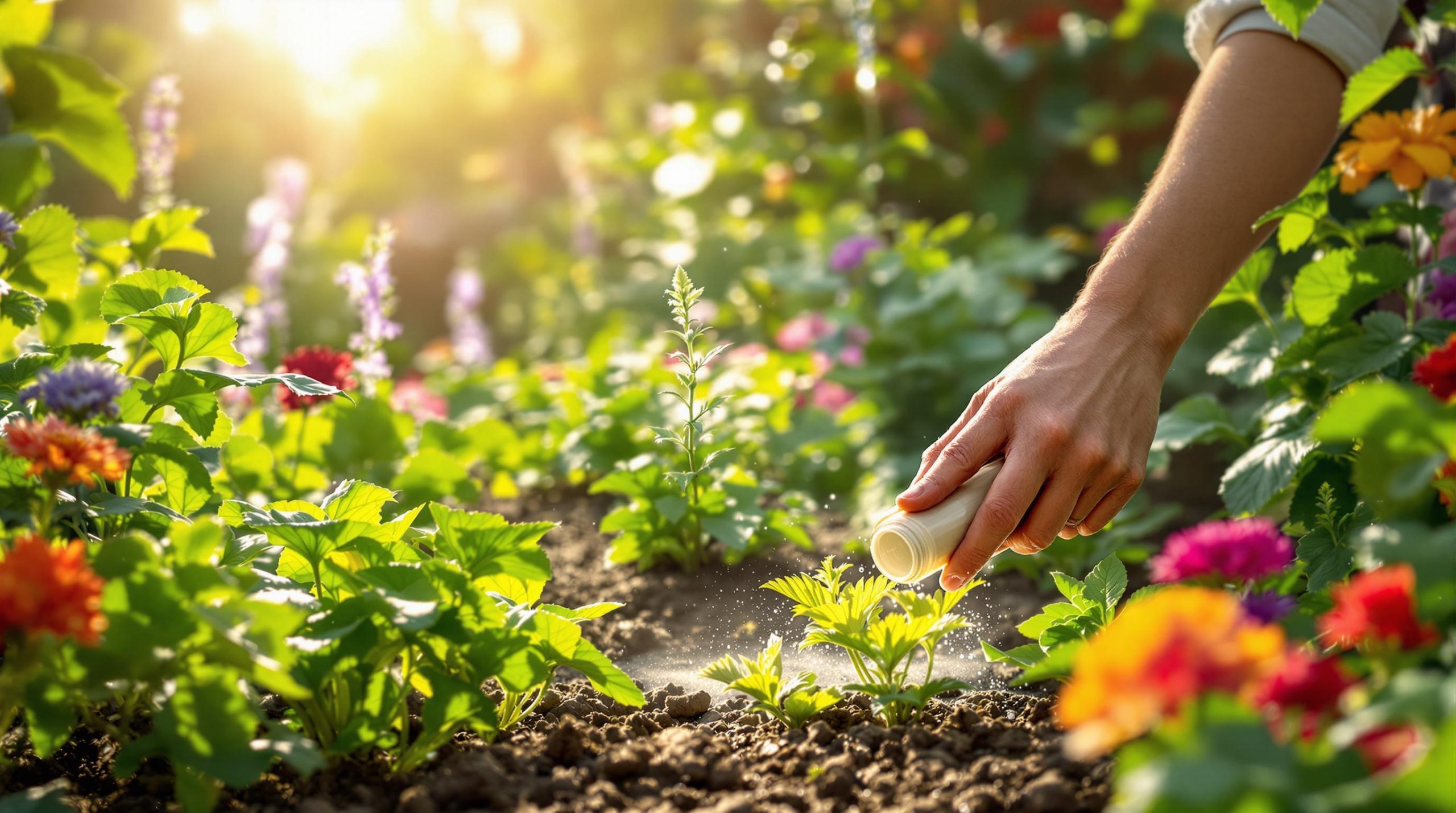
Moreover, delayed sowing has shown promising results in Europe, where farmers face strict regulations on pesticide use. A case study conducted in France indicated that delaying corn planting by two weeks helped reduce the need for chemical interventions, leading to improved crop health and yield. This approach not only contributes to sustainable farming but also aligns with European Union directives encouraging non-chemical weed control methods (source: Heirloom Soul).
Insights from Successful Implementation
In addition to these regional successes, delayed sowing has been adapted to various climates and crops. For instance, a farming cooperative in India adopted delayed sowing for rice cultivation and observed a 30% reduction in weed infestation. This method proved particularly effective in regions with erratic monsoons, as it allowed farmers to synchronize planting with optimal weather conditions (source: BNRC SpringerOpen).

Another compelling example comes from the United States, where soybean farmers in the Midwest utilized delayed sowing to manage herbicide-resistant weeds. By adjusting their planting schedules, they successfully minimized the spread of resistant weed species, thereby preserving the efficacy of existing weed management tools (source: Sci Alert).
Despite its advantages, delayed sowing requires careful consideration of various factors. Farmers must assess their local climate, soil conditions, and crop types to determine the most effective planting windows. It’s crucial to balance the benefits of weed control with potential risks, such as shortened growing seasons or reduced yields. For those interested in optimizing crop health, integrating complementary techniques like microirrigation may also prove beneficial.
Overall, delayed sowing presents a viable alternative to chemical herbicides, aligning with a growing trend toward sustainable farming practices. As more farmers share their success stories, the potential for widespread adoption increases. This method not only addresses weed control challenges but also fosters a more harmonious relationship between agriculture and the environment.
In conclusion, real-world applications of delayed sowing illustrate its potential to revolutionize weed management. By learning from these success stories and adapting strategies to specific needs, farmers worldwide can enhance their sustainability efforts. As we continue to explore innovative solutions, delayed sowing stands out as a beacon of eco-friendly agricultural practices.
Future Trends and Innovations
In the realm of eco-friendly weed control methods, delayed sowing is rapidly gaining attention as a sustainable practice that aligns with future agricultural trends. By strategically postponing the planting period, farmers can effectively manage weed growth, reducing reliance on chemical herbicides. This technique, while not new, is being innovatively adapted to meet modern environmental and agricultural challenges. As we delve into the future trends and innovations in delayed sowing, it becomes clear that this method holds significant promise for sustainable farming.
Delayed sowing involves planting crops later than the traditional schedule to avoid peak weed emergence periods. This method exploits the natural growth cycles of weeds, allowing farmers to reduce weed competition without resorting to harmful chemicals. Recent studies indicate that delayed sowing can decrease weed density by up to 30%, providing a substantial reduction in the need for chemical interventions. This approach not only supports biodiversity but also enhances soil health by reducing chemical runoff.

One promising trend is the integration of delayed sowing with precision agriculture technologies. Farmers are increasingly using data analytics and GPS mapping to determine optimal sowing times, maximizing crop yield while minimizing weed pressure. These technologies enable more precise timing, allowing farmers to capitalize on the benefits of delayed sowing while maintaining efficient production schedules. Such advancements are paving the way for more sustainable and productive farming practices.
Innovative Techniques in Delayed Sowing
Another innovative approach involves the use of cover crops in conjunction with delayed sowing. By planting cover crops prior to the main crop, farmers can suppress weed growth naturally. Cover crops like rye and clover provide a physical barrier that prevents weeds from establishing, while also improving soil fertility. This dual benefit makes the combination of cover crops and delayed sowing a powerful tool for eco-friendly weed control.
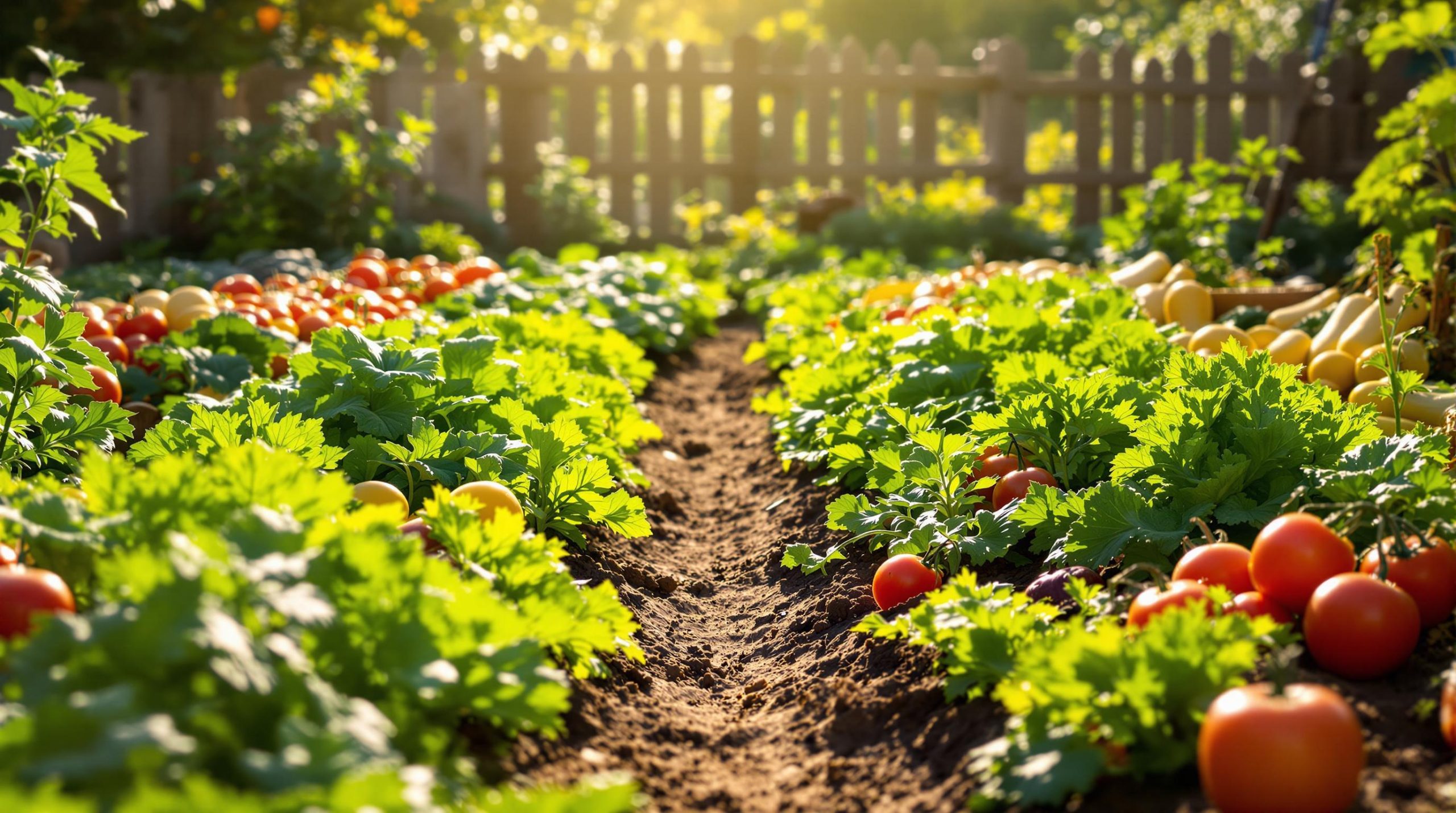
Climate change is also influencing the practice of delayed sowing. As weather patterns become less predictable, farmers are adjusting their planting schedules to adapt to these changes. Delayed sowing offers flexibility, allowing farmers to respond to unexpected weather conditions without compromising weed control. This adaptability is crucial in maintaining sustainable agricultural practices in the face of climate variability.
In addition to environmental benefits, delayed sowing can also offer economic advantages. By reducing the need for chemical herbicides, farmers can lower their input costs, improving overall profitability. Moreover, the adoption of this method can lead to healthier crops and higher yields, as evidenced by recent case studies demonstrating yield increases of up to 10% in farms that have implemented delayed sowing strategies.
For those interested in learning more about sustainable practices, exploring Revolutionizing Farmlands: New Techniques in Biodiversity & Wildlife for a Lower Carbon can provide additional insights into eco-friendly agricultural techniques. Additionally, the article Combatting Atmosphere Warming: Innovative Composting & Waste Reduction Techniques discusses complementary methods for reducing environmental impact.
In conclusion, delayed sowing represents a forward-thinking approach to weed management that aligns with sustainable farming goals. By leveraging technological advancements, integrating cover crops, and adapting to climate change, farmers can enhance both environmental and economic outcomes. As this practice continues to evolve, it holds the potential to transform agricultural landscapes, supporting healthier ecosystems and more resilient food systems.
Looking for products related to this topic?
Conclusion: Your Next Steps
Embracing eco-friendly weed control methods is a vital step toward sustainable agriculture, and delayed sowing stands out as a powerful strategy in this eco-conscious arsenal. By postponing planting, farmers can allow early weeds to germinate and then eliminate them before sowing their crops. This not only reduces weed pressure but also minimizes the need for chemical herbicides, thus protecting our soil and waterways.
Incorporating cover crops into your farming cycle can further enhance soil health, providing a natural barrier against weeds while enriching the soil with nutrients. Additionally, mechanical tillage offers a proven way to disrupt weed growth without relying on synthetic inputs. Together with delayed sowing, these methods create a holistic approach to weed management that is both effective and environmentally friendly.
The time to act is now. Let’s commit to making our agricultural practices more sustainable and resilient. By adopting these eco-friendly techniques, you’re not just protecting your crops; you’re safeguarding the future of our planet. Implement these changes today, and become a leader in the movement towards sustainable farming. Your actions can inspire others and help build a healthier, greener world for generations to come. Don’t wait—make the shift to eco-friendly farming methods and be part of the solution.
From Our Network
GreenChoice Affiliates — Eco-friendly product reviews for sustainable living
FarmsFlo — Free farm management app for planting schedules, harvests, and operations
BoingyBooks — Publish and discover ebooks, interactive read-alongs, and audiobooks
Leave a Reply
You must be logged in to post a comment.