

This post may contain affiliate links. If you make a purchase through these links, we may earn a small commission at no extra cost to you. Learn more.
Introduction to Guide to Growing Edible Flowers
Have you ever wondered how to transform your meals from everyday to extraordinary? Imagine your dishes adorned with nature’s vibrant hues, where beauty meets taste in a seamless dance. Edible flowers are the secret ingredient you didn’t know your garden needed. Not only do they offer a stunning visual appeal, but they also introduce unique flavors and a touch of elegance to your culinary creations. With the growing trend towards sustainable and homegrown ingredients, there’s never been a better time to cultivate your own floral feast. From enhancing your health with nutrient-rich blossoms to impressing guests at your next dinner party, the benefits are as abundant as the blooms themselves. Dive into our comprehensive guide, where you’ll discover the art of selecting, planting, and harvesting these delightful petals, ensuring your garden flourishes with beauty and flavor.
Understanding edible flowers: The Fundamentals
Edible flowers have adorned culinary creations for centuries, offering not only aesthetic appeal but also a range of flavors and nutritional benefits. As more gardeners and chefs alike discover the joys of growing edible flowers, understanding their fundamentals becomes increasingly important. Whether you’re planning to sprinkle your salads with vibrant petals or craft unique garnishes, the journey into the world of edible flowers is both exciting and rewarding.
Before planting, it’s crucial to familiarize yourself with which flowers are safe to consume. Not all flowers are edible, and some could even be toxic. For instance, while marigolds and nasturtiums are popular edible choices, it’s best to avoid daffodils and foxgloves. Always ensure you’re growing the right species by consulting reliable resources such as Wu Haus and Garden Therapy.
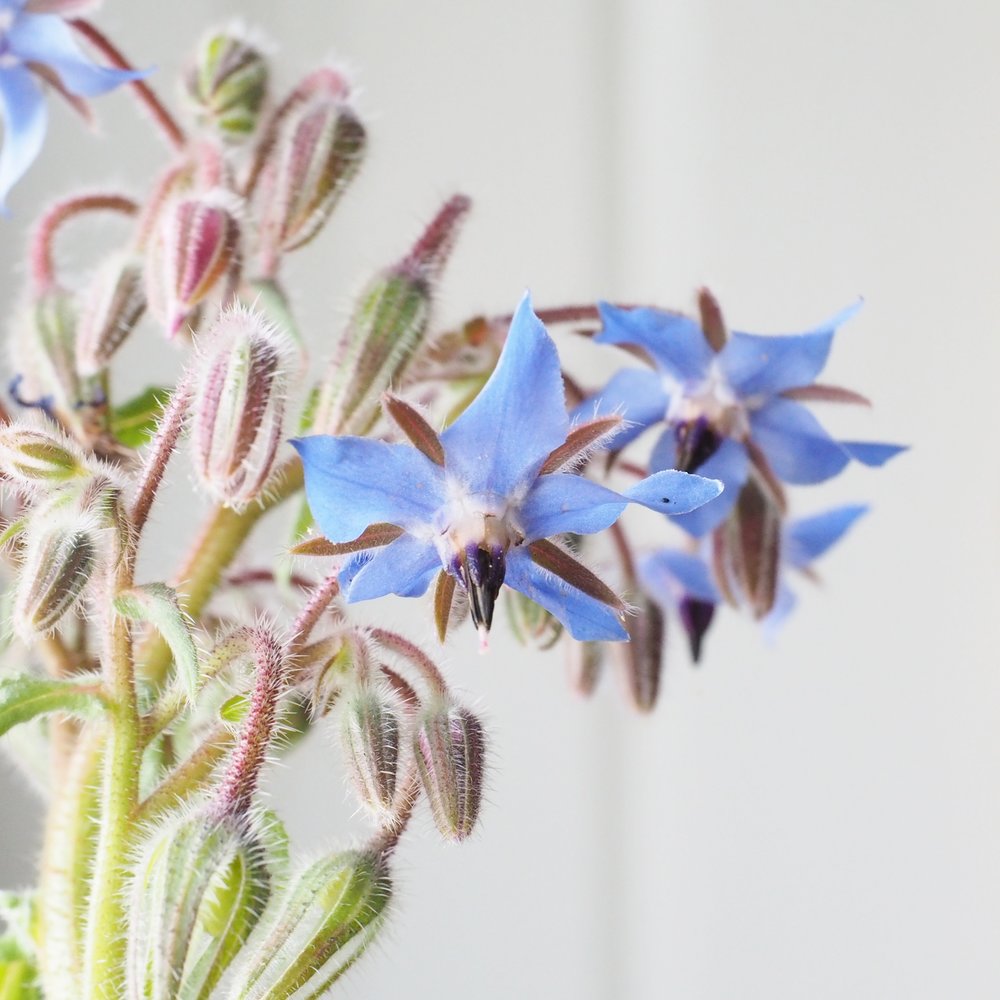
Another fundamental aspect of growing edible flowers is understanding their growth requirements. Most edible flowers thrive in well-drained soil with plenty of sunlight. However, specific needs can vary. For instance, violets prefer partial shade, whereas sunflowers, as their name suggests, bask in full sunlight. Providing the right growing conditions is key to ensuring robust blooms.
The Benefits of Edible Flowers
Incorporating edible flowers into your garden offers numerous benefits. They attract beneficial insects, such as bees and butterflies, which are essential for pollination. This, in turn, can boost the yield of other plants in your garden. For more insights on enhancing plant yields, consider exploring underground root structures.
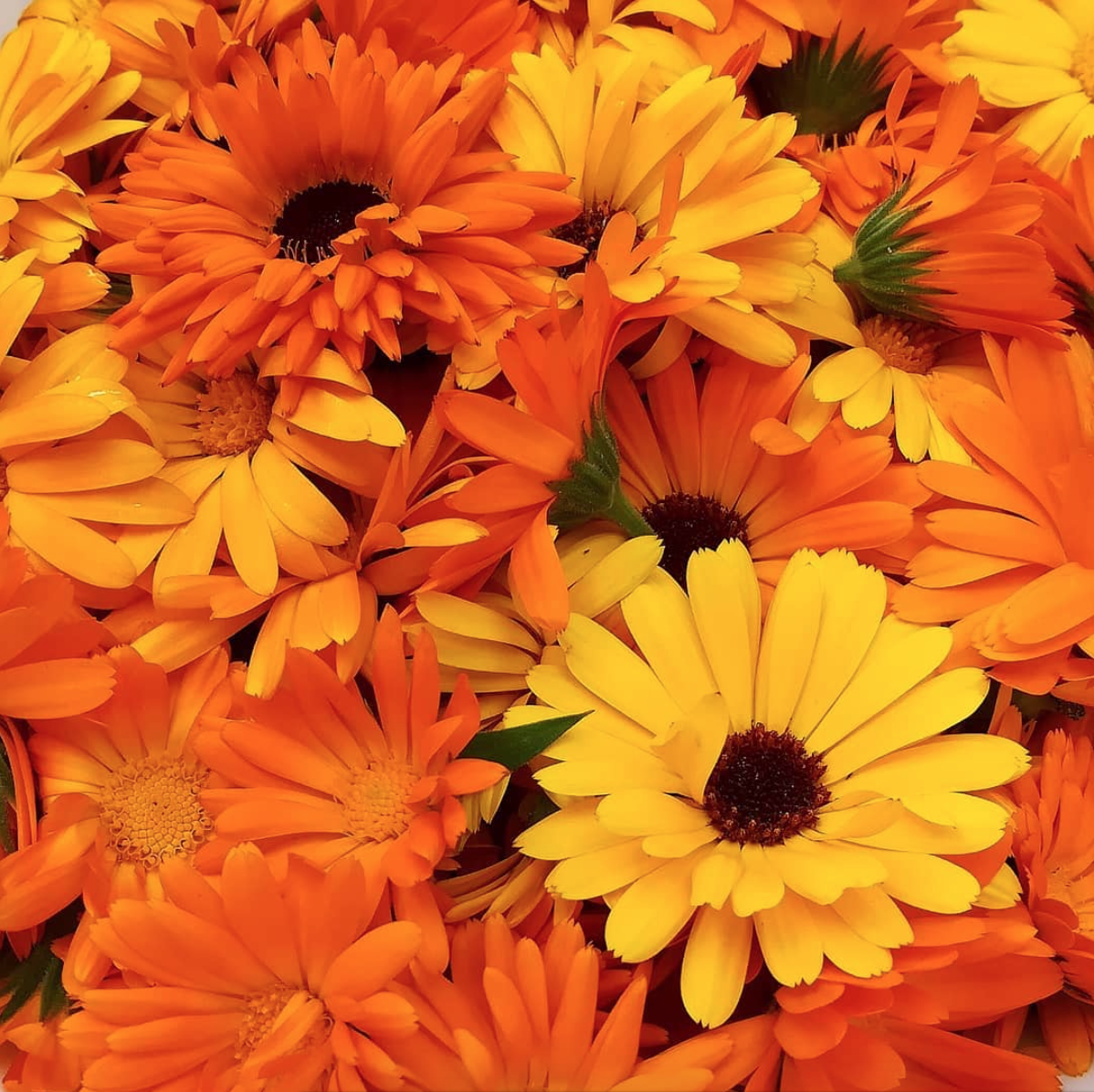
When it comes to harvesting edible flowers, timing is everything. Flowers should be picked when they are in full bloom but before they start to wilt. Early morning is often the best time, as the blooms are fresh and the flavors are most concentrated. Once harvested, store them in a cool place to maintain freshness.
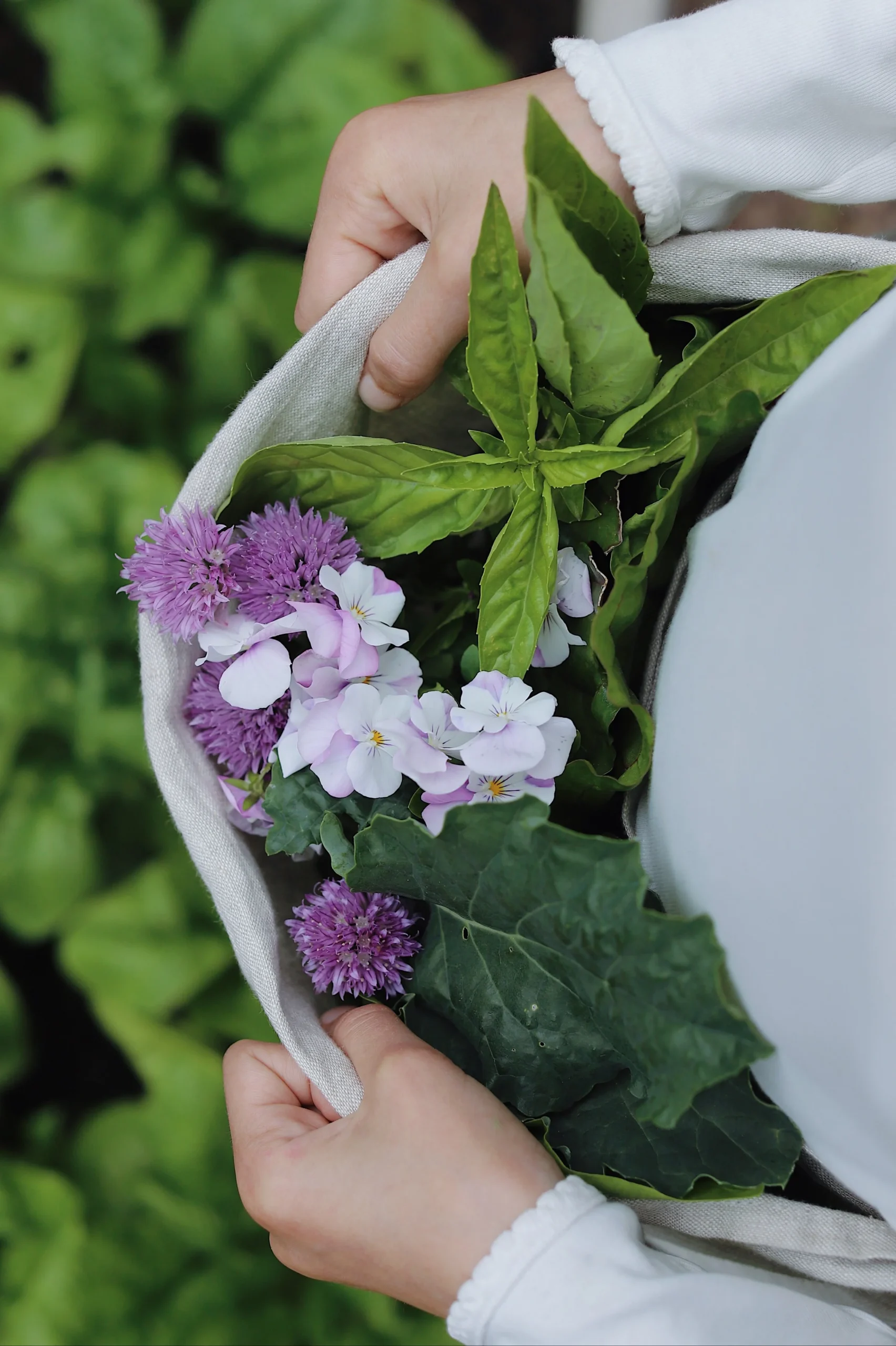
Edible flowers are not just about looks; they pack a nutritional punch too. Many are rich in vitamins and antioxidants. For example, nasturtiums are high in vitamin C, while dandelions boast impressive amounts of vitamins A and K. Incorporating these blooms into your diet can bolster your nutritional intake with color and variety.
One of the most common concerns about edible flowers is pesticide use. It’s vital to avoid chemical pesticides and opt for organic growing methods. Not only does this keep your flowers safe for consumption, but it also benefits the environment. If pest management becomes necessary, consider natural alternatives or integrated pest management strategies.
In conclusion, understanding the fundamentals of growing edible flowers can transform your garden into a vibrant, flavorful haven. By selecting the right flowers, providing optimal growing conditions, and harvesting wisely, you can enjoy the beauty and benefits of edible flowers. Whether you’re a seasoned gardener or a curious novice, edible flowers offer a delightful way to enhance both your garden and your plate.
💡 Beginner’s Gold: Edible Flowers That Guarantee Success
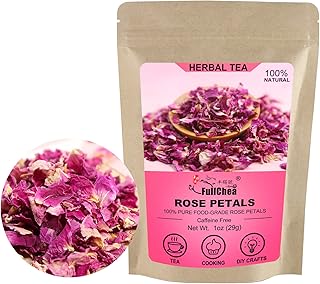
FullChea – Dried Rose Petals – 1oz/29g – Edible Flowers Real Rose Petals – Non-G…
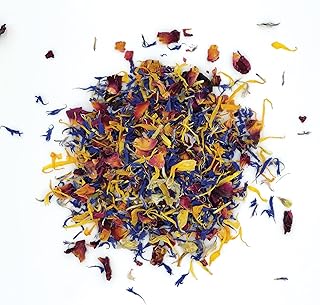
MagJo Naturals Brilliant Flower Petal Blend – Edible blend of calendula, blue co…
As an Amazon Associate, we earn from qualifying purchases. Prices and availability subject to change.
Why edible flowers Matters in Today’s World
In today’s world, the allure of edible flowers extends far beyond their aesthetic appeal. These vibrant blooms are not only eye-catching but also add a unique flavor and nutritional boost to meals. As more people turn towards sustainable and healthy lifestyle choices, understanding why edible flowers matter has become increasingly significant. They offer a delightful way to enhance culinary experiences while also providing numerous health benefits. Let’s explore the various reasons why these blossoms are making a resurgence in kitchens and gardens alike.
First and foremost, edible flowers contribute to biodiversity and sustainable gardening practices. By growing a variety of edible flowers in your garden, you’re supporting pollinators like bees and butterflies, which are crucial for ecosystem stability. This biodiversity can lead to more robust plant growth and healthier soil. Warning: Exotic Plants Could Be Sabotaging Your Greenhouse Yield highlights the importance of choosing the right plants to maintain the delicate balance of your garden.
Moreover, edible flowers are rich in antioxidants and essential nutrients. Varieties like nasturtiums and calendula are packed with vitamins A and C, promoting a healthy immune system. These flowers can be a great addition to salads or as garnishes, providing not just visual appeal but also a healthful punch. Including them in your diet can be an effortless way to boost your nutritional intake.
The Culinary and Aesthetic Appeal of Edible Flowers
In the culinary world, edible flowers are prized for their versatility. They can be used in an array of dishes, from savory to sweet, adding bursts of color and unexpected flavors. For instance, the peppery taste of nasturtiums complements salads, while the sweet, honeysuckle-like flavor of violets enhances desserts. This versatility makes edible flowers a favorite among chefs and home cooks alike.
Aside from their flavor, edible flowers also offer aesthetic benefits. They can transform an ordinary dish into a work of art, making meals more enjoyable and inviting. This visual appeal is particularly valuable in the age of social media, where food presentation can be just as important as taste. Sharing beautifully plated meals featuring edible flowers can inspire others to explore this floral trend.
For those interested in growing their own edible flowers, it’s important to select varieties that are safe for consumption. Not all flowers are edible, and some can even be toxic. Reliable resources like Wu Haus and Garden Therapy provide excellent guidance on which flowers are safe and how to prepare them.
Edible flowers also play a role in cultural and traditional practices. Many cultures have used flowers in cooking for centuries, incorporating them into teas, desserts, and medicinal remedies. Embracing the use of these flowers can connect us to these rich culinary traditions and broaden our appreciation for global cuisines.
In summary, the resurgence of edible flowers in today’s world is driven by their multifaceted benefits. From enhancing biodiversity and nutrition to enriching culinary and aesthetic experiences, these blooms are more than just pretty faces. By incorporating them into your garden and kitchen, you can enjoy a sustainable and flavorful lifestyle while also contributing to ecological balance. So, why not start growing edible flowers and see the difference they make in your world?
Key Benefits of Implementing edible flowers
Incorporating edible flowers into your garden not only enhances visual appeal but also offers a myriad of practical benefits. These colorful blooms can transform ordinary dishes into culinary masterpieces, elevating both flavor and presentation. As interest in sustainable and independent living grows, edible flowers have gained popularity among home gardeners and chefs alike. Let’s delve into the key benefits of implementing edible flowers in your garden.
Firstly, edible flowers are an excellent way to add variety to your diet. Many edible flowers, such as nasturtiums and calendula, are rich in vitamins A and C, as well as antioxidants. These nutrients can bolster your immune system and contribute to overall health. Incorporating flowers into your meals is an easy way to ensure you’re getting a diverse range of nutrients.
Beyond nutritional value, edible flowers also offer unique flavors that can enhance your culinary creations. Flowers like lavender and chamomile provide subtle, aromatic notes that can elevate desserts and beverages. Meanwhile, spicy blooms like nasturtiums add a peppery kick to salads. Experimenting with these flavors can lead to discovering new favorite dishes and recipes.
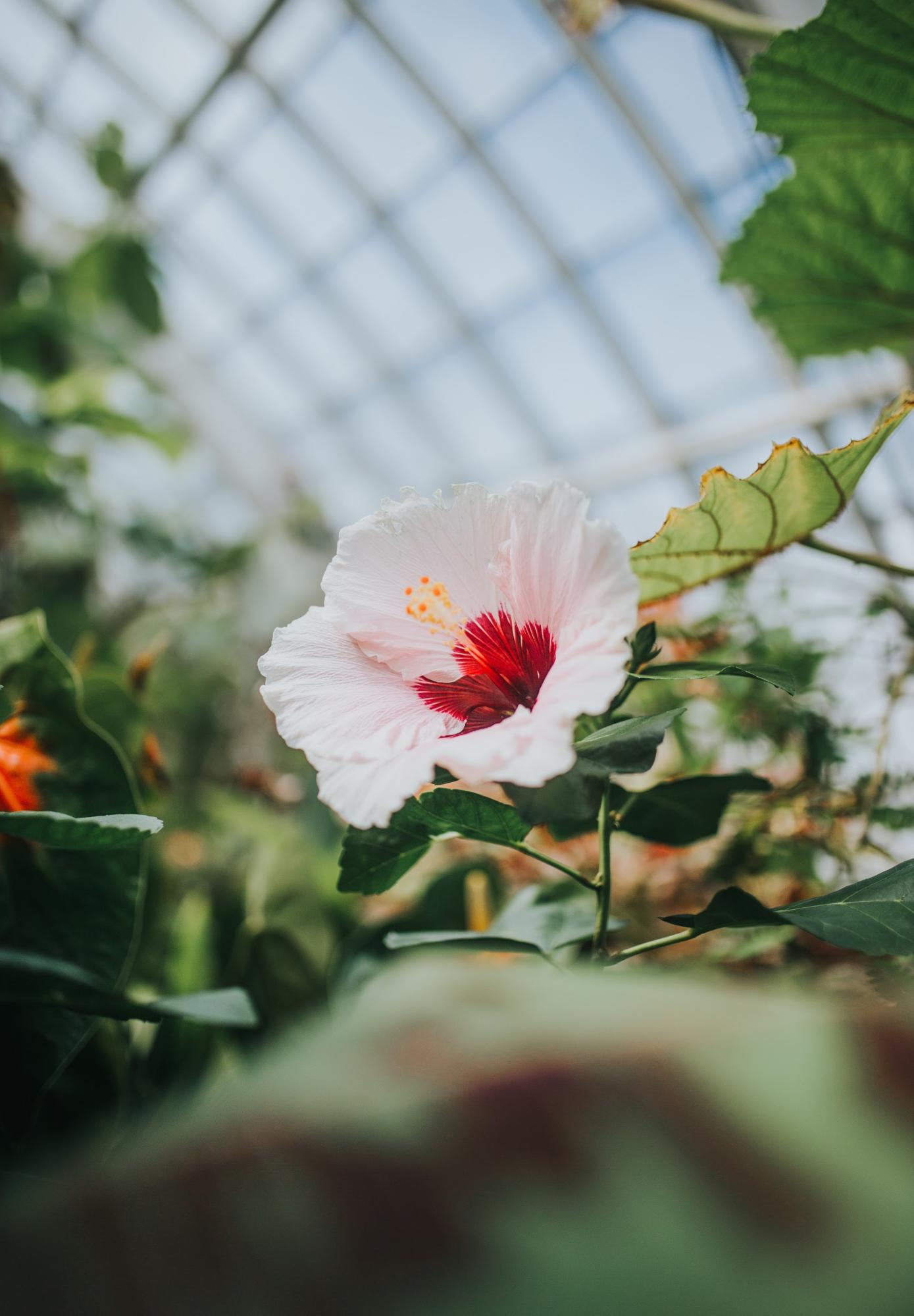
Another compelling benefit is the aesthetic appeal that edible flowers bring to your garden. Their vibrant colors and diverse shapes can create a stunning visual display. This not only enhances the beauty of your garden space but can also attract beneficial insects like pollinators. Bees and butterflies are naturally drawn to flowers, aiding in the pollination of your entire garden.
Environmental and Economic Advantages
Implementing edible flowers can also support sustainable gardening practices. Many flowers are companion plants, which means they can deter pests naturally when planted alongside vegetables. For instance, marigolds can repel nematodes, reducing the need for chemical pesticides. This aligns with strategies that emphasize eco-friendly gardening methods, such as those found in the Revolutionizing Crop Rotation Strategies.
Economically, growing edible flowers can be incredibly cost-effective. By cultivating your own, you save on the expense of purchasing them at specialty stores, where they are often sold at a premium. Additionally, the demand for these flowers in restaurants and markets can become a profitable venture. As highlighted in the Cheap Raised Garden Bed Doubles Farm Profits Overnight, strategic gardening can significantly enhance profit margins.
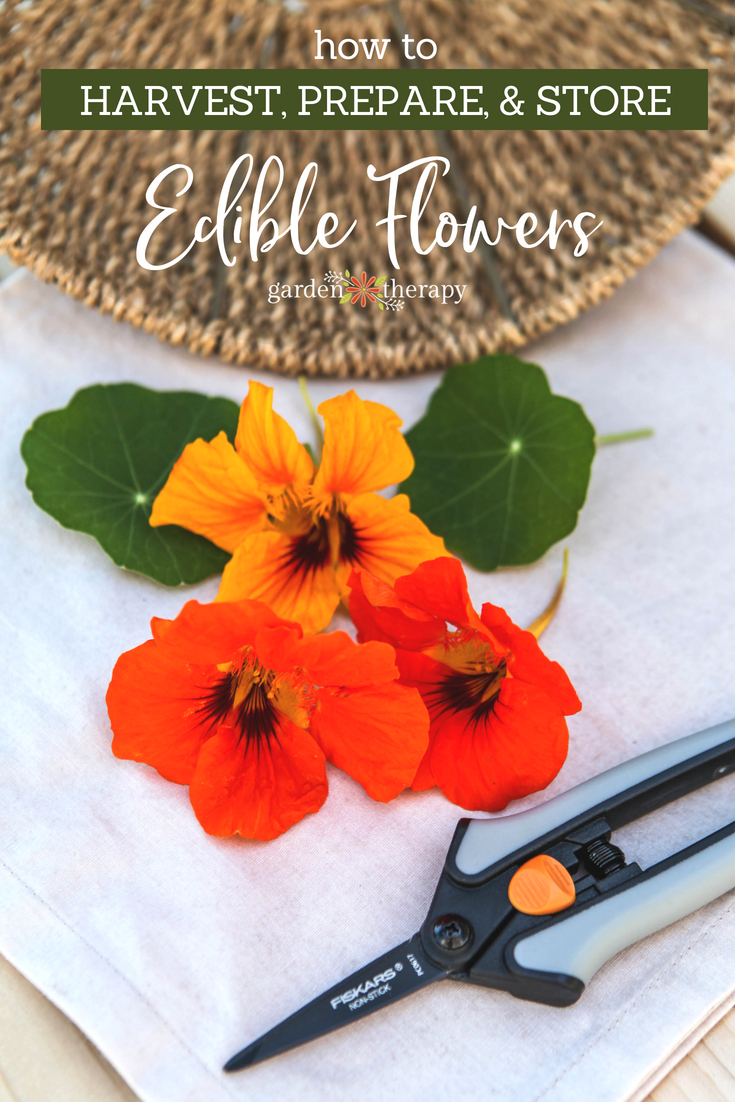
Common concerns about implementing edible flowers include their safety and proper identification. It’s crucial to ensure the flowers you consume are indeed edible and free from harmful pesticides. Resources like Wu Haus and Garden Therapy offer comprehensive guides on safe harvesting and preparation methods.
Lastly, growing edible flowers can foster a sense of independence and self-sufficiency. By cultivating your own food sources, you’re taking steps towards a more sustainable lifestyle. This aligns with the values of those pursuing an independent lifestyle, as discussed in Independent Lifestyle Boosts Homestead Success by 300%.
In summary, the benefits of implementing edible flowers extend beyond mere aesthetics. They provide nutritional, culinary, environmental, and economic advantages that make them a worthy addition to any garden. By approaching edible flower gardening with knowledge and creativity, you can enhance your garden’s productivity and your lifestyle’s sustainability.
⭐ Highest-Rated Edible Flowers According to 10,000+ Reviews
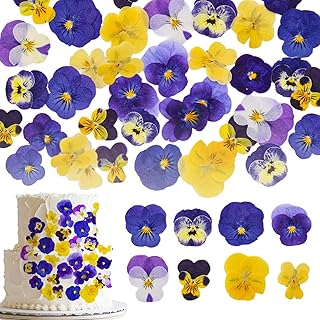
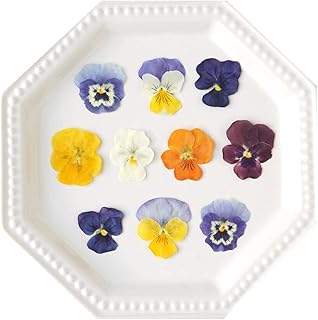
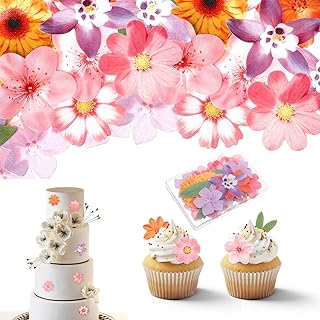
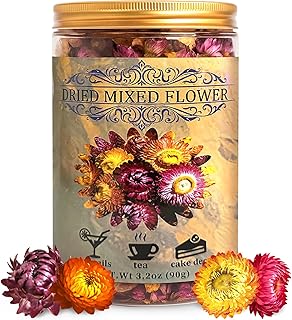
40 Pcs 8 Kinds Natural Dried Pressed Edible Flowers for Cake Topper Decorating -…
As an Amazon Associate, we earn from qualifying purchases. Prices and availability subject to change.
Practical Steps to Get Started with edible flowers
Growing edible flowers is a delightful and rewarding endeavor. Not only do they add vibrant colors to your garden, but they also bring unique flavors to your culinary creations. Whether you’re a seasoned gardener or a novice, knowing how to start with edible flowers is essential to ensure success. This guide will walk you through practical steps to begin your journey into the world of edible flowers.
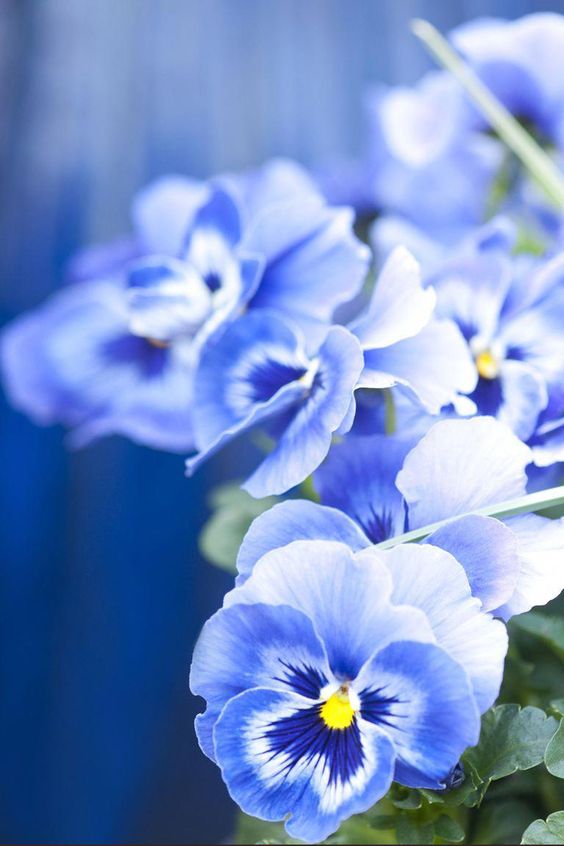
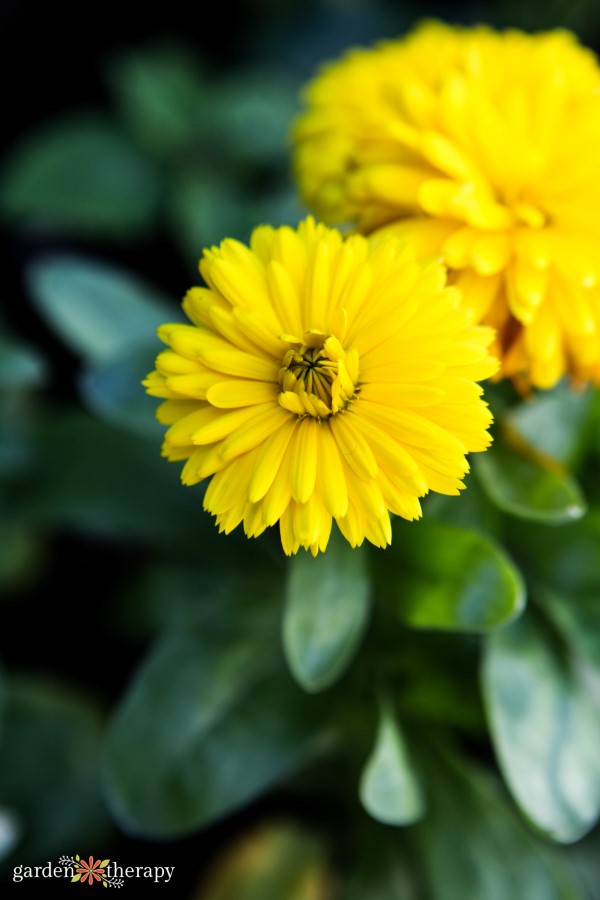
First and foremost, it’s important to choose the right edible flowers for your climate and taste preferences. Some popular choices include nasturtiums, pansies, and marigolds. Nasturtiums are known for their peppery taste, while pansies offer a mild, grassy flavor. Marigolds, with their citrus-like notes, are perfect for adding zest to salads. Researching and selecting the best varieties for your garden will set the stage for a successful harvest.
Next, consider the location of your edible flower garden. Most edible flowers thrive in sunny spots, requiring at least six hours of sunlight per day. If you’re short on space, explore vertical gardening or container gardening as viable options. Rooftop food production can also be an innovative solution for urban areas, helping to cut waste by 60% (source).
Soil preparation is another critical aspect of cultivating edible flowers. Ensure your soil is well-drained and rich in organic matter. Adding compost or aged manure can significantly improve soil fertility, fostering healthy plant growth. Regularly testing your soil’s pH and nutrient levels can help maintain optimal growing conditions.
Watering and Maintenance
Watering your edible flowers appropriately is crucial to their success. Most varieties prefer evenly moist soil, so consider using drip irrigation or soaker hoses for consistent watering. Mulching around plants can also help retain soil moisture and suppress weeds, reducing competition for resources.
Pest management is a common concern for gardeners. Implementing sustainable practices can help mitigate pest issues without harming beneficial insects. For example, using companion planting techniques or introducing natural predators can protect your flowers. It’s noteworthy that some greenhouse farmers face up to 40% yield loss due to pests like the western flower thrips (source), highlighting the importance of proactive pest management.
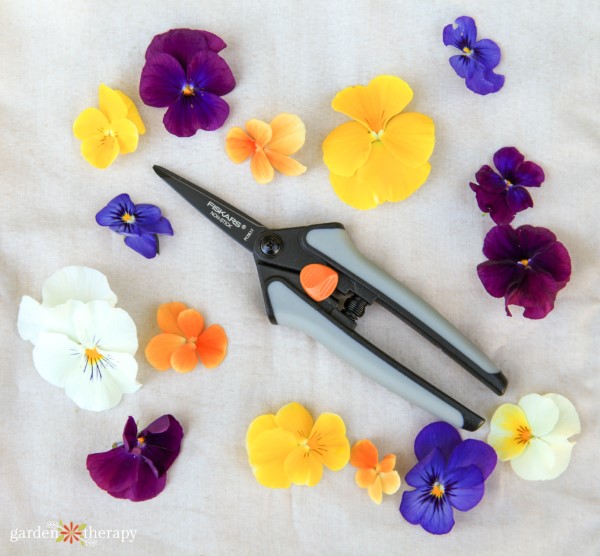
Harvesting edible flowers at the right time is essential for flavor and freshness. Generally, it’s best to pick flowers in the morning after the dew has dried but before the sun is too harsh. This timing ensures maximum flavor and longevity. Once harvested, gently wash and dry your flowers before use or storage.
Lastly, consider how you’ll incorporate edible flowers into your cooking. From garnishing salads to infusing syrups and desserts, the possibilities are endless. Experimenting with different recipes can enhance your culinary skills and impress your guests with visually stunning dishes.
In summary, growing edible flowers involves careful planning and maintenance but offers substantial rewards. By selecting suitable varieties, ensuring optimal growing conditions, and implementing sustainable practices, you can successfully cultivate a vibrant and flavorful edible flower garden. Embrace the beauty and taste of edible flowers, and let them transform your garden and kitchen.
Common Mistakes to Avoid
Incorporating edible flowers into your garden is an exciting venture that adds both aesthetic appeal and culinary value. However, if not implemented correctly, it can lead to some common pitfalls that might affect your garden’s success. Understanding these mistakes is crucial for a thriving edible flower garden. Here, we delve into the typical errors gardeners make when growing edible flowers and offer insights on how to avoid them.
One of the most frequent mistakes is not researching which edible flowers are safe to consume. Not all flowers are edible, and some can be toxic. It’s vital to educate yourself on safe varieties such as pansies, nasturtiums, and calendula. According to Wu Haus, having a reliable guide or resource at hand can prevent any health hazards.
Another common error is planting edible flowers in unsuitable conditions. Many edible flowers require specific soil types, sunlight, and water levels. For instance, while nasturtiums thrive in well-drained soil and full sun, violas prefer cooler, shaded environments. Adapting your gardening strategy to the needs of each flower type ensures healthy growth.
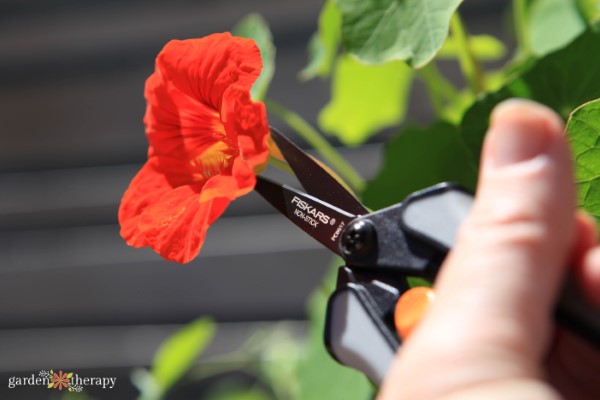
Additionally, gardeners often overlook the importance of organic practices when cultivating edible flowers. Pesticides and chemical fertilizers can contaminate your blooms, making them unsafe to eat. Opt for organic fertilizers and natural pest control methods, as suggested by Garden Therapy, to maintain the purity of your flowers.
Storing and Harvesting Edible Flowers Correctly
Improper harvesting and storage of edible flowers can also diminish their quality. Flowers should be picked early in the morning when they are fresh and vibrant. Avoid flowers that are wilting or have been affected by pests. For storage, use airtight containers and refrigerate them to maintain freshness, as emphasized on Simply Living Well.
Gardeners sometimes plant edible flowers too close together, which can lead to overcrowding. This not only stunts their growth but also increases the risk of disease. Adequate spacing is crucial for healthy blooms; ensure that each plant has enough room to grow and receive nutrients.
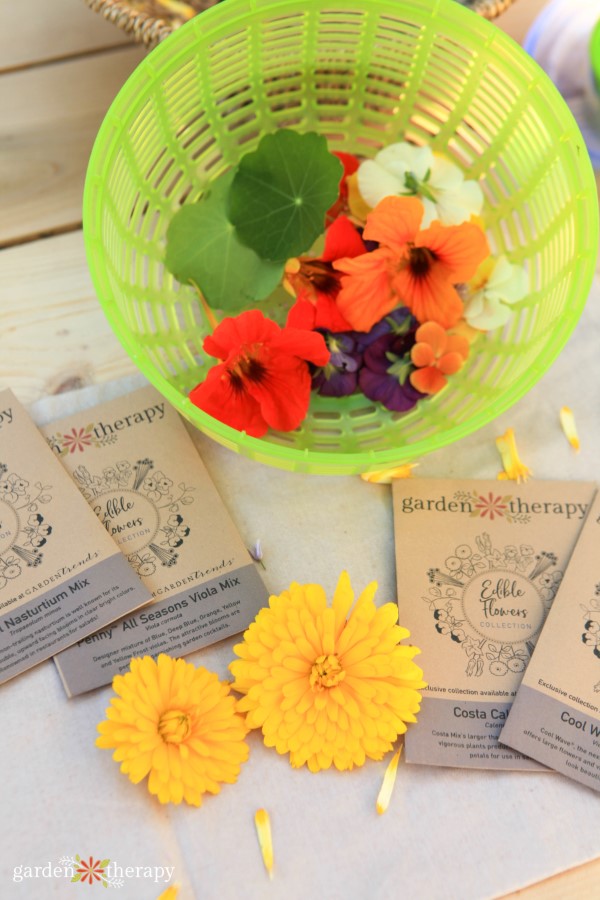
Moreover, failing to plan for seasonal changes can impact your flower garden. Some edible flowers are annuals, while others are perennials. Understanding their growth cycles and preparing for seasonal transitions will keep your garden vibrant year-round. For more on seasonal planning and enhancing outdoor spaces, check out this guide.
Finally, neglecting to experiment with your edible flowers in the kitchen can be a missed opportunity. They are not just for decoration; they can enhance dishes with unique flavors. Try adding them to salads, desserts, or even beverages to elevate your meals.
In summary, successfully growing edible flowers involves careful planning and attention to detail. By researching safe varieties, maintaining organic practices, and understanding their specific needs, you can create a beautiful and bountiful garden. Avoiding these common mistakes will not only ensure the safety of your edible flowers but also allow you to enjoy the full potential of your garden’s beauty and flavor.
🏆 The Edible Flowers Professionals Won’t Share
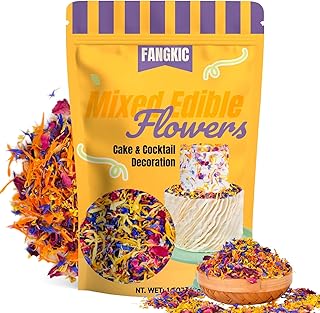
As an Amazon Associate, we earn from qualifying purchases. Prices and availability subject to change.
Real-World Success Stories
Edible flowers have captivated culinary enthusiasts and gardeners alike with their vibrant colors and unique flavors. From transforming dishes into visual masterpieces to providing subtle hints of spice or sweetness, edible flowers have found their way into various kitchens around the world. This section delves into real-world success stories and case studies that highlight the impact and potential of growing edible flowers.
One remarkable success story is from a small urban farm in New York City, where edible flowers have become a cornerstone of their business model. By incorporating these blossoms into their product offerings, they have attracted a niche market of chefs and restaurants focused on farm-to-table dining. The farm reports a 30% increase in revenue since adding edible flowers to their lineup, illustrating the economic potential of these beautiful blooms.
In another case, a culinary school in California integrated edible flowers into its curriculum. Students learn not only how to grow them but also how to incorporate them into dishes creatively. This initiative has led to an increase in enrollment, as aspiring chefs are eager to explore the innovative use of edible flowers in modern cuisine.
Edible Flowers: Transforming Gardens and Plates
Meanwhile, a community garden project in Chicago has used edible flowers to engage local residents. By teaching sustainable gardening practices alongside the planting of edible flowers, the project has fostered a sense of community and environmental responsibility. Residents report greater satisfaction and pride in their neighborhood, showcasing the social benefits of growing edible flowers.
In the realm of urban planning, edible flowers play a vital role in urban green infrastructure. These plants contribute to biodiversity and help in soil conservation. Urban gardens utilizing edible flowers have observed up to a 40% reduction in soil erosion, as noted in this study on urban green infrastructure.
On a smaller scale, home gardeners have found personal success by incorporating edible flowers into their gardens. Many report a newfound joy in gardening, as well as an enhanced appreciation for the beauty and utility of their produce. A gardener from Texas shared how edible flowers have become a staple in her kitchen, adding a touch of elegance to everyday meals.
However, growing edible flowers does not come without challenges. Pest management is a common concern, but many gardeners find success using natural methods over chemicals. This approach aligns with recent insights on natural gardening methods and their impact on sustainable practices.
In conclusion, the success stories and case studies of edible flowers demonstrate their versatility and potential. From economic gains and educational benefits to community engagement and environmental impact, these blooms offer a myriad of advantages. Whether you’re a home gardener, a farmer, or an urban planner, the integration of edible flowers can lead to rewarding and sustainable outcomes.
Future Trends and Innovations
As the world becomes increasingly aware of the benefits of integrating nature into our everyday lives, the popularity of edible flowers is blossoming. These vibrant blooms not only add color to our plates but also introduce unique flavors and nutritional benefits. In the ever-evolving landscape of gardening, understanding future trends and innovations in edible flowers is essential for enthusiasts and professionals alike. Let’s delve into the exciting developments that are shaping this fascinating niche.
To begin with, the demand for sustainable farming practices is influencing the cultivation of edible flowers. Farmers are adopting organic methods to grow these blooms, minimizing the use of synthetic chemicals and fertilizers. This shift not only enhances the environmental benefits but also assures consumers of the purity and safety of their ingredients. According to Wu Haus, organic edible flowers are increasingly preferred by chefs who prioritize sustainability.
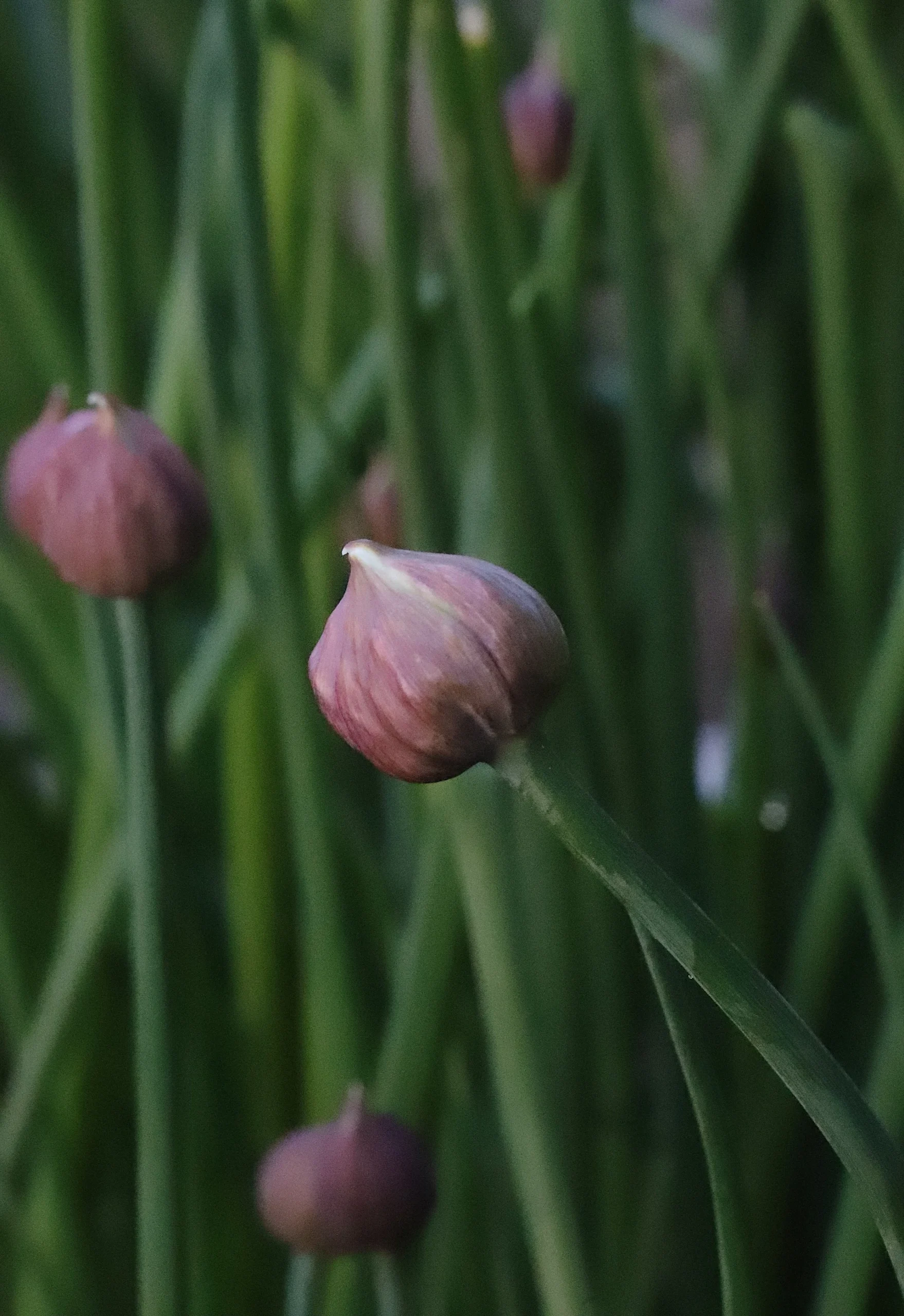
Moreover, there is a growing trend of using technology to enhance the growth and harvesting of edible flowers. Tools like smart irrigation systems and automated greenhouse controls are becoming more prevalent, allowing for precise regulation of water and temperature. These innovations ensure that edible flowers thrive under optimal conditions, resulting in better yields and quality.
The Role of Edible Flowers in Culinary Arts
Edible flowers are not just for garnishing; they are revolutionizing culinary arts. Chefs around the world are experimenting with these flowers to create new flavors and textures in dishes. For example, nasturtiums are used to add a peppery punch, while violets offer a subtle sweetness. By incorporating these blooms, chefs are able to craft visually stunning and aromatic culinary experiences that captivate diners.
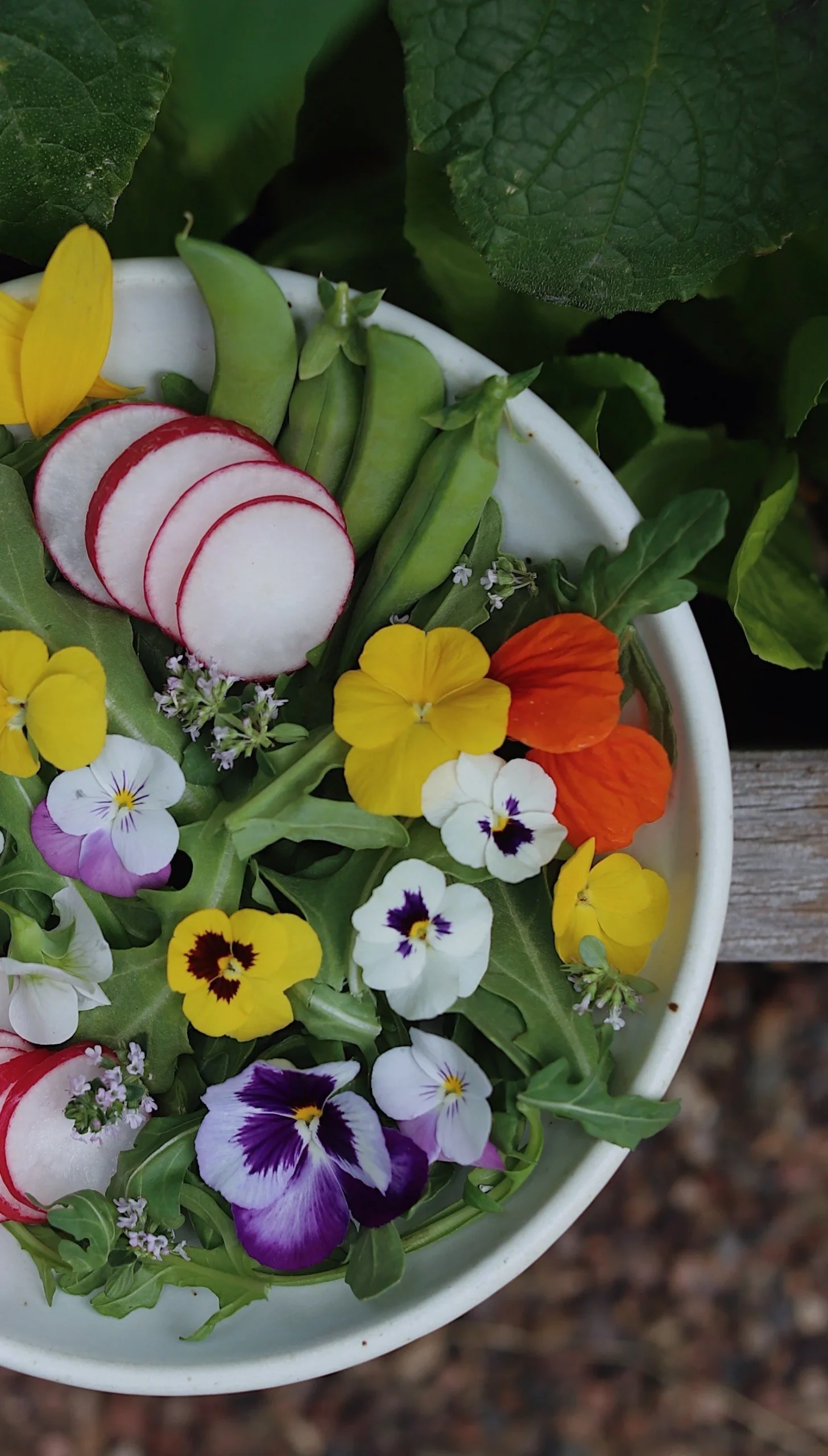
Another intriguing development is the use of edible flowers in dietary supplements and wellness products. As noted by Veggie Gardening Tips, flowers like chamomile and hibiscus are being infused into teas and tinctures, providing health benefits such as relaxation and improved digestion. This trend is expected to grow as consumers seek natural and holistic approaches to health.
In addition, the backyard gardening trend is on the rise, with more individuals cultivating their own edible flowers. Accessible resources and online guides are making it easier for beginners to start their own edible flower gardens. For those keen on sustainable practices, reusing materials like plastic water bottles in innovative ways can enhance their gardening strategies.
Perhaps one of the most exciting innovations is the genetic engineering of edible flowers to improve their resilience and nutritional content. Scientists are exploring ways to enhance the vitamin and mineral profiles of these blooms, making them not only a culinary delight but also a nutritional powerhouse.
In conclusion, the future of edible flowers is as vibrant as the blooms themselves. From sustainable farming to technological advancements, these flowers are poised to play a significant role in both our kitchens and wellness routines. As we continue to explore and innovate, edible flowers will undoubtedly bring beauty and benefits to our lives in ways we have yet to imagine. For those interested in the intersection of happiness and nature, discovering how spending money on flowers can enhance well-being might provide additional insights into the transformative power of these natural wonders.
Looking for products related to this topic?
Conclusion: Your Next Steps
Embracing the world of edible flowers opens up a realm of flavors, textures, and vibrant colors that can transform your culinary creations and your garden. By understanding which flowers are safe to eat, you not only enhance your meals but also enrich your garden with nature’s beauty. Key takeaways include selecting the right varieties, such as nasturtiums and pansies, ensuring proper growing conditions, and learning how to harvest them safely.
Moreover, integrating edible flowers into your daily diet can boost your meals with unique tastes and nutritional benefits. Remember, starting with a few easy-to-grow options can help you gain confidence and experience. As you cultivate these blooms, you’ll discover how rewarding it is to nurture plants that delight both the eye and the palate.
Now is the perfect time to begin your journey with edible flowers. Don’t wait any longer to add this vibrant touch to your garden and kitchen. Dive into this blossoming trend and plant seeds today that will flourish into a feast for the senses. Take action now, and watch your garden—and your culinary skills—bloom like never before!
From Our Network
GreenChoice Affiliates — Eco-friendly product reviews for sustainable living
FarmsFlo — Free farm management app for planting schedules, harvests, and operations
BoingyBooks — Publish and discover ebooks, interactive read-alongs, and audiobooks
Leave a Reply
You must be logged in to post a comment.