How to Improve Soil Health with Bokashi (2026)
Learn how to enhance soil health using bokashi composting. Perfect for spring gardening and sustainable farming.
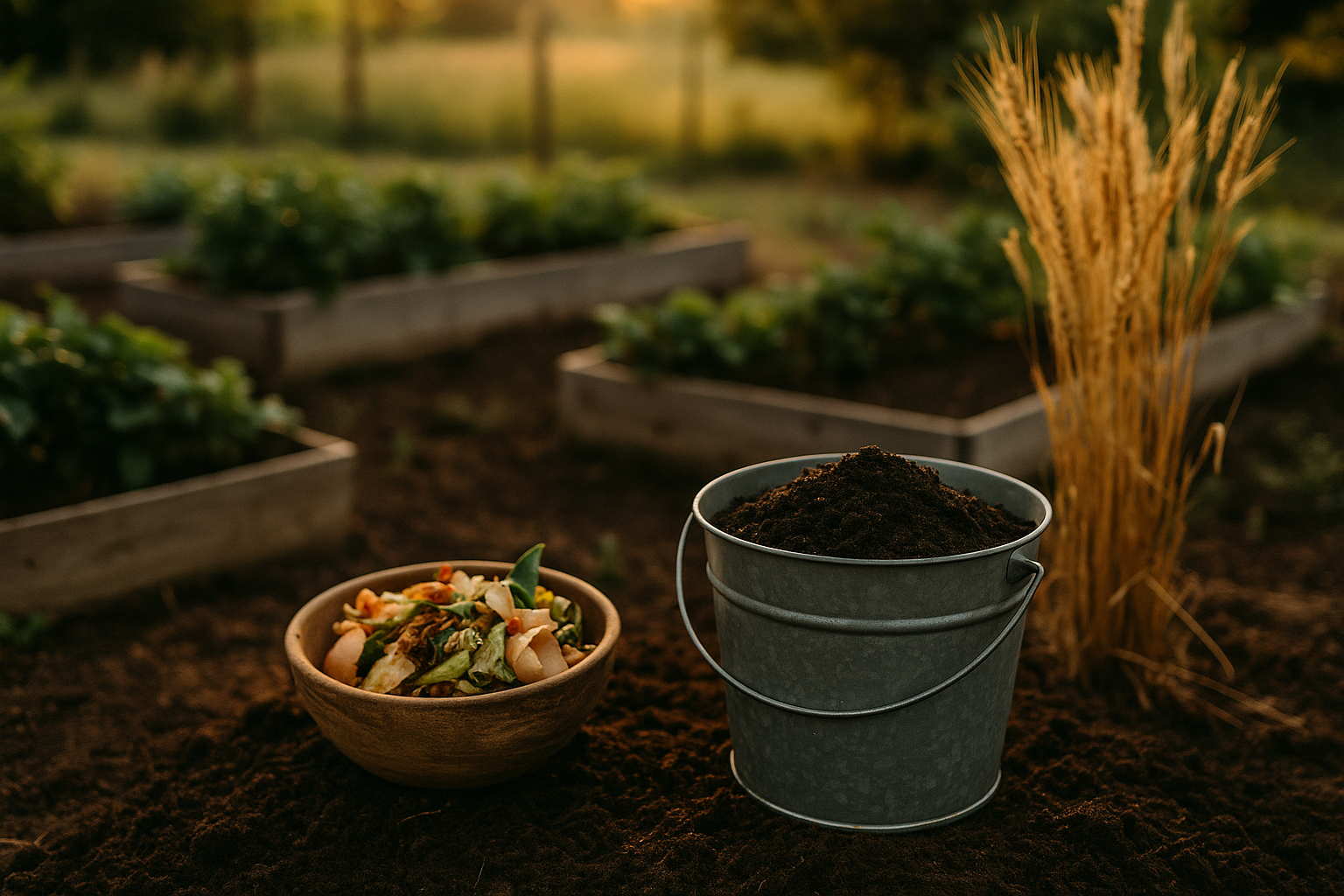
This post may contain affiliate links. If you make a purchase through these links, we may earn a small commission at no extra cost to you. Learn more.Improving soil health is crucial for any gardener or farmer aiming for a bountiful harvest. The method of bokashi composting has been gaining traction for its efficient and effective way of enriching soil. Originating in Japan, bokashi uses a fermentation process to break down organic matter, resulting in a nutrient-rich compost that can significantly enhance soil fertility. Unlike traditional composting, bokashi can handle a wide range of kitchen scraps, including meat and dairy, without the unpleasant odors that often accompany decomposition.What sets bokashi apart is its speed and convenience. You can transform kitchen waste into garden gold in as little as four weeks, making it an appealing option for urban gardeners and farmers alike. The process of bokashi composting involves using a special bran inoculated with effective microorganisms (EM) to ferment waste, rather than decomposing it. This not only speeds up the composting process but also retains more nutrients, enhancing the health of your soil dramatically.Bokashi composting is especially useful for those who manage small spaces or have specific growing needs, such as rooftop gardens or urban settings. Additionally, tools like FarmsFlo can help you stay on top of your planting schedule, ensuring you apply your bokashi compost at the optimal time for the best results. Ready to transform your garden with bokashi? Let’s explore how it works and how you can incorporate it into your gardening routine.
Bokashi is one of several amendment approaches worth layering into a soil-health system. For the full picture — including mineral conditioners, biochar blends, and liquid revitalizers — see our roundup of soil amendments for spring 2026.
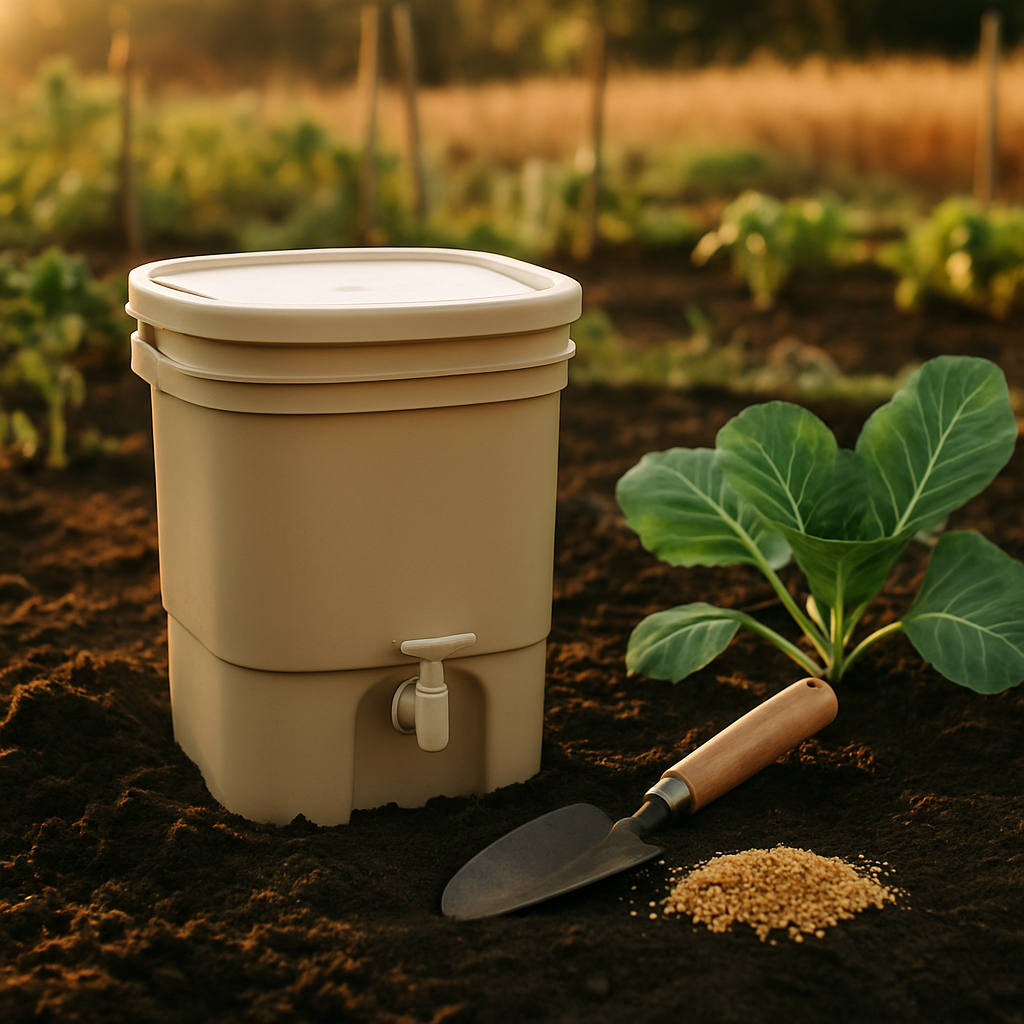
Understanding Bokashi CompostingBokashi composting is a fermentation-based process that converts organic waste into a nutrient-rich soil amendment. This method utilizes a bran mix inoculated with specific microorganisms that ferment organic matter instead of decomposing it. According to research from the University of California’s Cooperative Extension, this results in a faster breakdown process, often completed in just two weeks of fermentation followed by two weeks of integration into the soil.Unlike traditional composting, bokashi can process a wider variety of waste, including meat and dairy. This flexibility makes it particularly valuable for households and urban gardeners looking to minimize waste. However, it’s important to note that while bokashi is effective, it may not completely replace the need for traditional composting methods if you generate large quantities of yard waste.## Benefits of Bokashi for Soil HealthBokashi composting offers numerous benefits for soil health. First, it enhances the microbial diversity of the soil, which is essential for nutrient cycling and plant health. By improving microbial activity, bokashi compost helps in breaking down organic matter faster and more efficiently.Another advantage is the retention of nutrients. The fermentation process preserves more nitrogen than traditional composting, which can leach nitrogen into the atmosphere. This means more nutrients are available for plants, leading to healthier growth and increased yields. Moreover, the process reduces waste volume significantly, making it a sustainable choice for eco-conscious gardeners.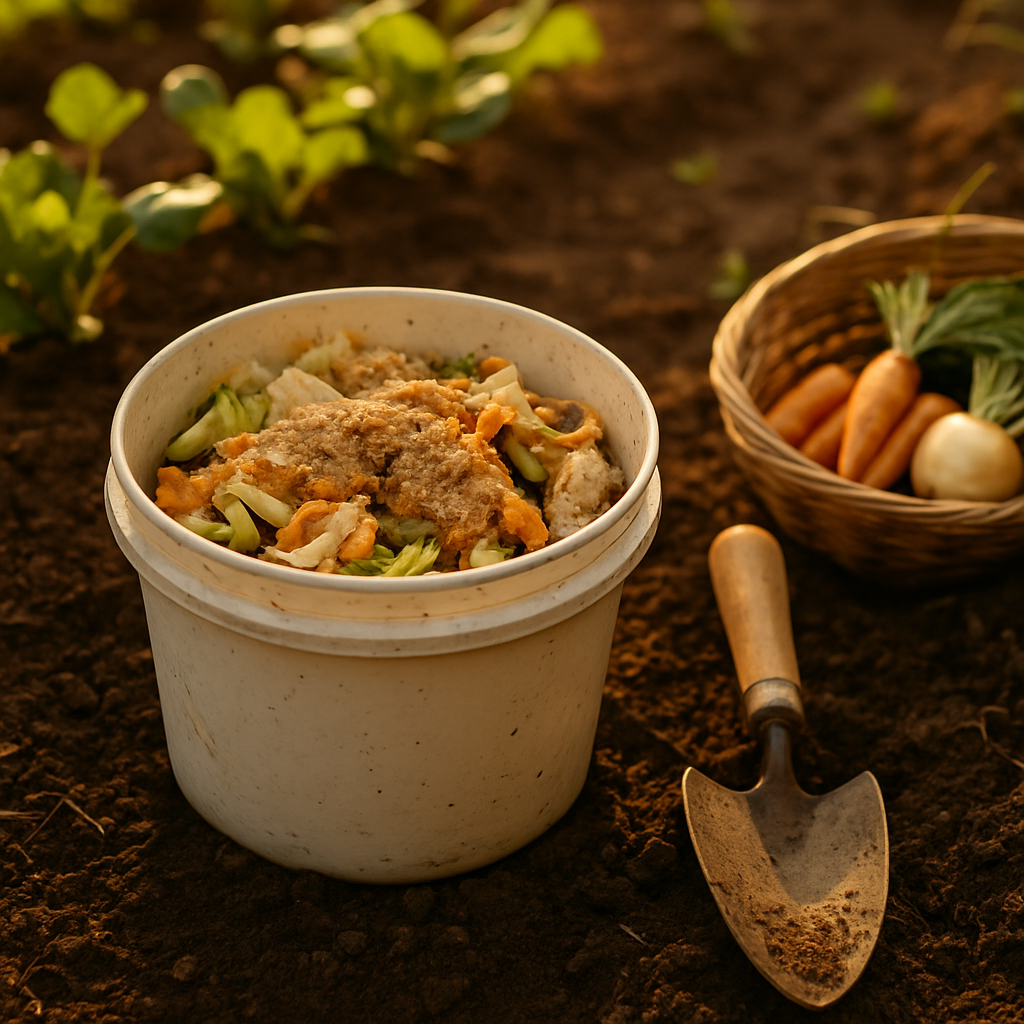 ## Step-by-Step Guide to Bokashi CompostingTo start bokashi composting, you’ll need a bokashi bin, which is airtight, and bokashi bran. Here’s a simple guide to get you started:- Collect kitchen scraps: Gather food waste, including fruits, vegetables, meat, and dairy, but avoid large bones and excessive liquids.
- Layer and sprinkle: Place a layer of food waste in the bokashi bin and sprinkle a handful of bokashi bran over it.
- Compress and seal: Use a plate or similar tool to press down the waste to remove air pockets, then seal the bin tightly.
- Ferment: Keep the bin at room temperature for about two weeks, allowing microorganisms to ferment the waste.
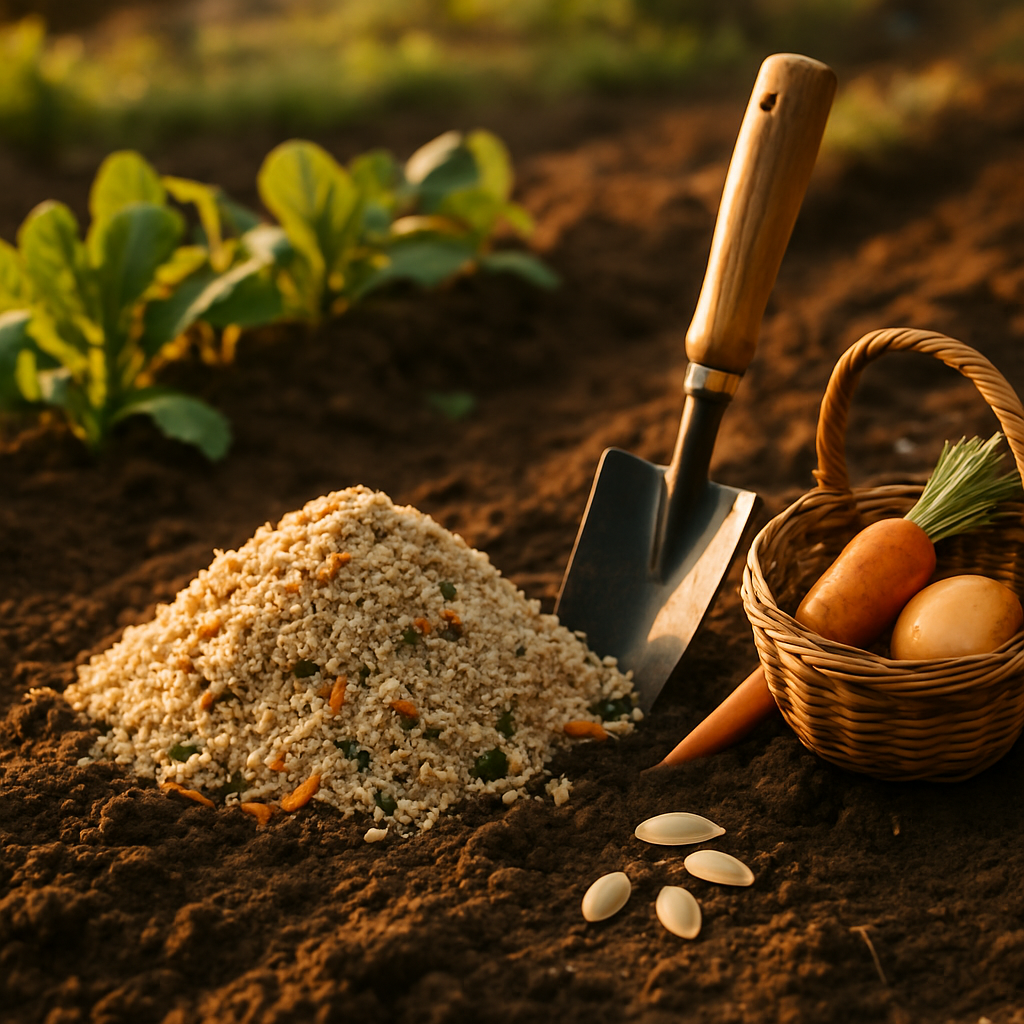
- Integrate into soil: After fermentation, bury the bokashi waste in your garden soil or mix it into a compost pile. Wait another two weeks before planting.Consistency is key with bokashi composting. Regularly adding waste and using the correct amount of bran ensures the microorganisms can effectively ferment the material. Remember, the final product isn’t fully decomposed like traditional compost, so it’s best to bury it in the soil where it can continue to break down.## Integrating Bokashi into Your Spring GardenSpring is an ideal time to integrate bokashi compost into your garden soil. As the soil warms up, microbial activity increases, making it the perfect environment for the fermented matter to break down further. For those in USDA zones 6 to 8, early spring is optimal, while zones 9 and above can start slightly earlier.As with any soil amendment, observe the plants’ responses to the new nutrient levels. This will help you adjust your bokashi application for future plantings, ensuring you strike the right balance for healthy growth.
 ## Our Top Picks for Bokashi Composting KitsChoosing the right bokashi composting kit can make your experience much smoother. Here are our top picks:- SCD Probiotics All Seasons Indoor Composter Starter Kit: This kit includes everything you need to start bokashi composting, with a durable bin and a supply of bokashi bran. Check Price on Amazon
 - Vitamix FC-50 FC-50-20 FoodCycler: Known for its compact design, this composter is perfect for small kitchens and urban settings. Check Price on Amazon
- Bokashi Living Compost Kit: Provides a straightforward approach with clear instructions and quality materials for beginners. Check Price on AmazonLooking for bokashi soil health products?Browse on Amazon### Manage Your Farm Smarter with FarmsFloTrack planting schedules, monitor your harvest, and streamline your entire farm operation — all from one easy-to-use app built by farmers, for farmers.Try FarmsFlo Free## Frequently Asked Questions### What is the difference between bokashi and traditional composting?Bokashi composting uses fermentation to break down organic matter, allowing it to handle more types of waste, such as meat and dairy, and complete the process more quickly. Traditional composting relies on aerobic decomposition, which is slower and less versatile.### Can bokashi composting be done indoors?Yes, bokashi composting is ideal for indoor use due to its odorless fermentation process. This makes it a great option for apartment dwellers or those with limited outdoor space.### How often should I add bokashi bran?Add bokashi bran every time you add a new layer of waste to the bin. A handful per layer is generally sufficient to ensure proper fermentation.### Is bokashi composting suitable for all climates?Bokashi composting works well in most climates. However, the fermentation process requires a stable, moderate temperature, typically found indoors. Once the compost is integrated into the soil, it can adapt to varying outdoor conditions.### What should I watch out for when starting bokashi composting?Be cautious of adding too much liquid to the bin, as this can disrupt the fermentation process and lead to unpleasant odors. Ensure the bin is sealed tightly to maintain the anaerobic environment needed for bokashi composting.Adopting bokashi composting can transform your gardening practice. It offers a sustainable, efficient way to enhance soil health, making it a valuable tool in any gardener’s arsenal. Whether you’re managing a small urban plot or a larger farm, integrating bokashi into your routine promises healthier soil and better yields.