LED Herb Grow Light Review for Kitchen Herbs in 2026: Countertop Setups Tested at Home
Hands-on review of countertop herb lights for basil, parsley, and mint, with setup notes, timer quirks, and who should buy each style.
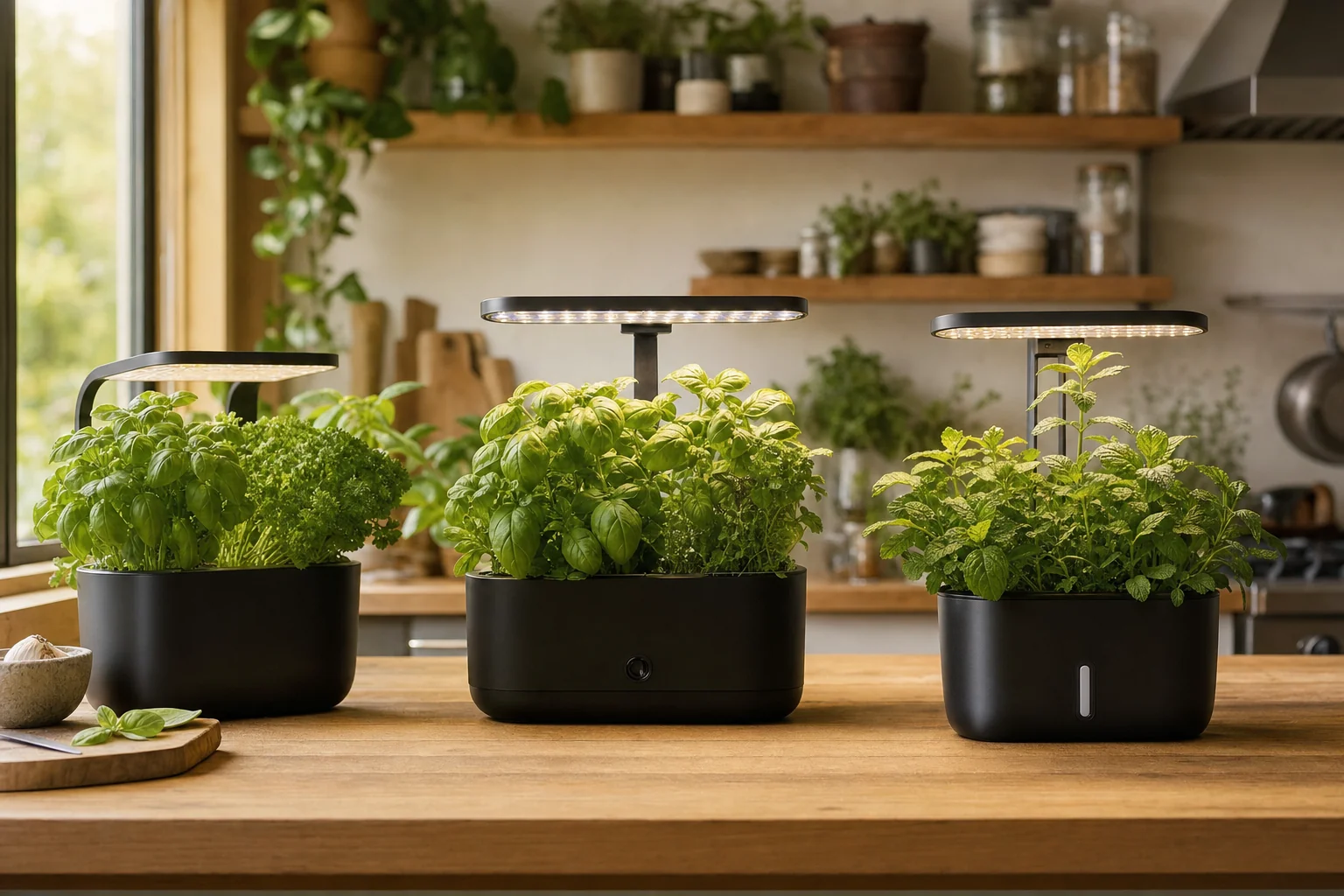
A good led herb grow light has one job: keep basil from turning into a pale, leggy little drama queen on the kitchen counter. We tested countertop setups at home with basil, parsley, and mint because those are the herbs we actually cook with — not the fantasy herb garden where everyone has chervil and lemon verbena thriving next to a spotless sink. Our kitchen is Zone 6b Pennsylvania, north-ish winter light, old windows, and not enough patience for fussy gear. If a light made the counter annoying, blinded us while making coffee, or required a phone app just to keep parsley alive, it got judged accordingly.
The short version? For most people with existing herb pots, I’d buy the SANSI bulb setup again. If you’re starting from zero and want the tidy “one unit does the watering and lighting” thing, the MP1 planter plus its matching light is the cleanest setup. The clip-on GooingTop style works too, but it’s more dorm-room practical than pretty-kitchen permanent.
The led herb grow light problem nobody tells you about
Kitchen herbs don’t fail because people hate plants. They fail because kitchen counters are terrible growing spaces.
Basil wants strong light and warm roots. Parsley is slower and sulks when it dries out. Mint is nearly impossible to kill outside — ask the bed it escaped from behind our garage in 2018 — but indoors it gets thin and weird if the light is weak. A windowsill helps, but winter glass cuts more light than you think, and a January basil plant sitting four feet from a window is basically living in a basement.
We’ve grown herbs under shop lights in the basement, under cheap purple grow lights, under bulbs screwed into ugly clamp lamps, and under prettier countertop rigs. Some worked. Some made the kitchen look like a reptile tank.
Purple lights? We’re done with them indoors. They grow plants, sure, but they make basil look bruised and dinner prep feel like a crime scene. Full-spectrum white light is what I’d use in a kitchen. You can see the plant color, spot aphids before they turn into a biblical event, and not annoy everyone in the house.
For this review, I looked at three basic countertop styles:
- A dedicated modular planter/light setup
- A clip-on full-spectrum lamp
- A screw-in grow bulb in a normal lamp or fixture
That covers most renters, apartment gardeners, and “I just want basil in February” people. If you’re building a larger indoor seed-starting rack, that’s a different animal — we cover more container setup stuff in our urban farming and container gardens hub.
What we tested with basil, parsley, and mint
I kept this test boring on purpose.
Three herbs. Similar potting mix. Same kitchen. No fertilizer tricks except a weak fish emulsion dose after the plants were clearly growing. I used basil because it tattles fast when light is bad. Parsley because it’s slow enough to show whether a setup is worth waiting on. Mint because if mint looks sad, the setup has problems.
The pots were mostly 4-inch nursery pots bumped into 6-inch containers, with drainage. I used Pro-Mix for two rounds and a homemade compost-heavy mix for one. The compost mix was too dense indoors. We’ve made that mistake before with houseplants too — smells fine in the garden, stays swampy on the counter. Don’t do it unless you’re very careful with watering.
Timing-wise, herbs did best for us around 12 to 14 hours of light. Basil leaned under shorter runs. Parsley didn’t care as dramatically, but it filled out better with the longer day. Mint grew either way, because mint has no shame, but stronger light gave tighter growth and better leaves.
And yes, timers matter. Not because plants explode if you forget one day, but because humans are unreliable. We are. I have absolutely turned off a kitchen grow light “just for dinner” and remembered it two days later.
My pick for most kitchens: SANSI Grow Light Bulb with COC Technology
If you already have herb pots, the simplest led herb grow light setup is a real grow bulb in a lamp you don’t hate looking at. That’s why the SANSI Grow Light Bulb with COC Technology is the one I’d tell a friend to try first.
Not glamorous. Works.
The advantage is flexibility. You can screw the bulb into a desk lamp, a clamp lamp, or a small pendant fixture if your counter has one nearby. You can raise or lower the lamp instead of trying to make your herbs fit a fixed-height machine. That matters with basil. Basil grows fast when it’s happy, then suddenly the top leaves are too close to the light and the lower leaves are shaded. With a normal lamp, you just move the thing.
The light quality is also easier to live with than the old red/blue grow lights. I want to see if my parsley is yellowing, not guess under nightclub lighting.
The disadvantage: you need your own fixture and timer. That sounds tiny until you’re standing in the kitchen with a bulb in one hand and no lamp that points down. A regular lampshade can waste light sideways. A clamp lamp works, but it looks like you borrowed it from the garage — because you probably did.
I used an outlet timer with ours. The cheap mechanical kind with little tabs is ugly but dependable. Smart plugs work too, though ours has randomly dropped Wi-Fi after power flickers, and I’m not interested in troubleshooting parsley before coffee.
Who should buy it: anyone with two to four herb pots, a bit of counter or shelf space, and no desire for a dedicated hydroponic-looking unit.
Who shouldn’t: people who want a clean all-in-one gift setup. A bulb plus lamp plus timer is practical, but it doesn’t feel like a packaged present.
The tidy option: MP1 planter plus matching led herb grow light
If you’re starting from scratch, the MP1 setup is the neatest route. The core is the Smart Modular Planter with App Control and Automatic Water Cycling (MP1), and the matching LED Growing Light system (Suitable for MP1) is made to pair with it.
This is the countertop style I’d pick for someone who wants herbs but doesn’t want a bunch of separate pots, saucers, cords, and “is this basil dry?” guessing. The automatic water cycling is the real draw here. Indoor herbs fail from both directions — too dry, then too wet because you panicked. Basil especially hates that cycle. Parsley forgives more. Mint just mocks you.
The matching light is the clean part. It belongs with the planter, so you aren’t rigging a lamp arm over the sink with binder clips and shame. If your kitchen counter is visible from the dining table, that matters. I used to pretend it didn’t. Then we hosted Thanksgiving with a clamp light attached to a bread box. Nobody said anything, which was worse.
The advantage of the MP1 plus its LED light is that it behaves like one system. Better looking. Less tinkering. Less water anxiety. A good fit for apartment kitchens, small condos, or anyone who wants herbs next to the coffee grinder without the counter turning into a propagation bench.
The disadvantage is commitment. You’re buying into that planter format. If you already have a favorite terra-cotta pot, or you like moving mint away from basil because mint always tries to dominate the neighborhood, separate pots are easier. The app control may be useful if you like monitoring gear, but I’ll be honest — I don’t want every garden object connected to my phone. Your mileage may vary. Some people love that.
Also, check the current price before you build the whole setup in your head. Use the product links above and compare the planter plus light together, not separately in your imagination.
The timer/app thing
Here’s where I’m picky.
Dedicated systems with app control can be great when they remember their schedule. But they can also be annoying if your Wi-Fi hiccups, your phone updates, or someone else in the house unplugs the unit to run a blender. We had one indoor setup years ago — not this one — that forgot its light schedule after a power outage. Basil didn’t die. I did mutter at it for a week.
With the MP1 style, I’d still check the light schedule after setup and again after any power outage. Not because I distrust it specifically. Because kitchens are chaotic. Toasters move. Cords get borrowed. Children exist.
GooingTop clip light: cheap-looking, useful, a little awkward
The GooingTop LED Grow Light, 6000K Full Spectrum Clip Plant Growing Lamp is the kind of led herb grow light I wanted to dislike more than I did.
Clip lights are not elegant. There, I said it. They look like a solution, not decor. But they solve a real problem: a lot of people don’t have space for a planter system or a spare lamp. A clip light can grab onto a shelf, baker’s rack, windowsill edge, or the side of a plant stand.
The 6000K full-spectrum style is bright white, which works better in a kitchen than purple. It also makes it easier to spot leaf problems. Basil under weak light gets long gaps between leaves. Parsley yellows from the outside in if it’s stressed. Mint will throw skinny stems toward whatever light source it can find. White light makes all that obvious.
The advantage is placement. You can aim it. You can use it over one sad basil pot on a counter corner. You can move it when you realize your original setup was dumb. We’ve all had those setups.
The disadvantage is the clip itself. Clips need something solid to bite. Thin shelves, rounded counter edges, and slick surfaces can make the whole thing shift. And if the gooseneck arm is bumped often — by a coffee mug, by a cat, by your own sleeve — the light slowly stops pointing where you aimed it. Not catastrophic. Just irritating.
Timer quirks depend on the specific controller included with the listing you receive, so read the current Amazon details carefully. With clip lights, I prefer using a wall timer or smart plug if possible, because inline buttons can be fussy and easy to reset by accident. Maybe I’m just heavy-handed. Still.
Who should buy it: renters, students, people growing one or two herb pots, or anyone trying to rescue grocery-store basil without rearranging the whole kitchen.
Who shouldn’t: anyone who wants the counter to look tidy all the time. This is practical gear, not a kitchen design feature.
About that solar panel and battery
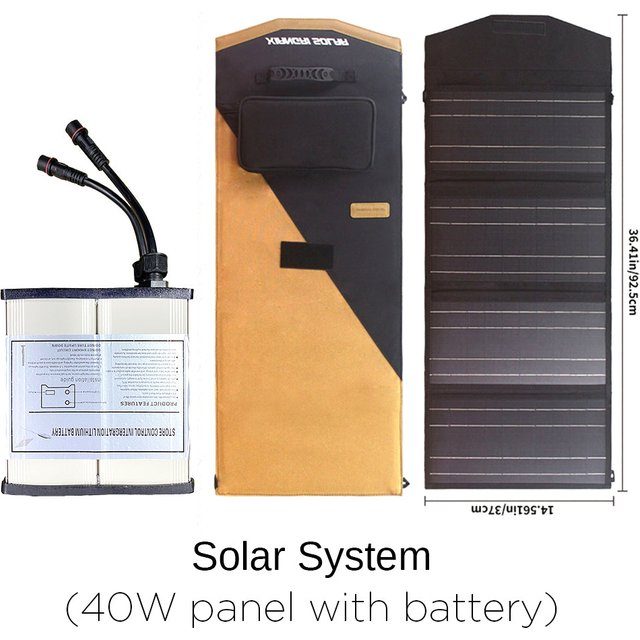
The Solar System with Panel and Battery(Suitable for MP1) is interesting, but I’d be careful about expectations for indoor kitchen herbs.
A solar panel and battery can make sense if your MP1 setup sits somewhere with reliable sun or if you’re trying to reduce outlet clutter. The advantage is obvious: fewer power cords and more placement flexibility. If you’ve got a sunny enclosed porch, balcony-adjacent shelf, or bright window area, I can see the appeal.
But for a normal kitchen counter in winter? I wouldn’t make solar my main plan unless your light situation is genuinely strong. Our winter kitchen light is pathetic by 3:30 p.m. in January. The garden outside is asleep, the chickens are offended by the weather, and the basil inside is asking for a better life. A panel in that room isn’t going to perform the same as a panel in full summer sun.
Take this with a grain of salt because house layouts vary wildly. A south-facing apartment window on the tenth floor is not the same as our old kitchen with a porch roof blocking half the sky. But if your goal is reliable herb growth, I’d prioritize dependable electric light first. Solar can be a nice add-on for the right MP1 placement.
How close should an led herb grow light be?
This is where people either cook the plant or starve it.
For countertop herbs, I usually start with the light about 8 to 12 inches above the top leaves, then watch the plant for a week. Not one day. A week. Basil is the fastest reporter. If it stretches and leans, the light is too far away or not running long enough. If the top leaves curl, bleach, or feel crispy while the soil is still moist, the light may be too close or the plant is getting too much heat from the fixture area.
LEDs run cooler than older bulbs, but “cooler” doesn’t mean no heat. A grow bulb inside a tight shade can warm up more than expected. Put your hand at leaf height after the light has been on for an hour. If it feels hot on your skin, the plant probably agrees.
Parsley likes steady conditions. It won’t scream as loudly as basil, but it does better when the light is consistent. Mint can handle more abuse, but indoors it still needs light from above if you want bushy growth instead of long stems crawling toward the sink.
And rotate pots. I know, annoying. Do it anyway. A quarter turn every few days keeps the plant from leaning into a permanent question mark.
What didn’t work in our kitchen
The worst setup we tried years back was a tiny USB grow light with bendy arms and a purple glow. It technically turned on. That’s the nicest thing I can say about it. Basil leaned, parsley stalled, and the whole thing looked like a gas station phone charger had become a plant parent.
We also tried putting grocery-store basil in a decorative pot with no drainage under a decent light. Dead in under two weeks. Light can’t fix soggy roots. Those supermarket basil pots are usually overcrowded too — fifteen little plants pretending to be one lush plant. I split them now. Ruthlessly.
Another failure: setting herbs too far from the light because the counter “looked better” that way. The plant doesn’t care about your styling. If the basil is 22 inches below a modest bulb, it’s probably not getting enough usable light. Move the lamp or accept lanky basil.
And compost-heavy indoor potting mix. Already mentioned, but it deserves scolding twice. Outside, our compost is beautiful. Inside, in a small pot under steady light, it stayed wet too long and invited fungus gnats. We switched back to a lighter mix and the problem dropped fast. Yellow sticky cards helped, but better soil was the actual fix.
If container herbs are your thing, our urban container gardening notes go deeper into pot size, drainage, and why “cute container” so often means “root rot with handles.”
Basil, parsley, and mint under each style
Basil liked the strongest, most direct setups. The SANSI bulb did well when aimed straight down from a lamp, especially after I pinched the top growth to force branching. The MP1-style setup makes sense for basil because regular water is a big deal, but don’t let basil get shaded by taller neighbors. It’s greedy for light.
Parsley was slower but steady. It didn’t need drama. Under the clip light, it was fine as long as the lamp stayed aimed correctly. Under a bulb, it filled out better when I kept the light schedule boring and consistent. Parsley is not a quick reward plant indoors. Plant it because you actually use parsley, not because you want instant countertop lushness.
Mint grew under everything, but the quality changed. With weak or poorly aimed light, it made longer stems and smaller leaves. With direct white light, it stayed denser. I’d still keep mint in its own container if possible. Even indoors, it has that “this is my property now” energy.
One small thing: airflow matters. A kitchen with no airflow and damp soil invites mildew and gnats. You don’t need a fan blasting the herbs. Just don’t cram pots into a wet, airless corner beside the dish rack.
Which led herb grow light should you buy?
If I were buying one led herb grow light for an average kitchen herb setup in 2026, I’d buy the SANSI Grow Light Bulb with COC Technology and put it in a lamp that points downward. Add a simple outlet timer. Done.
That’s my main pick because it’s flexible, easy to replace, and doesn’t lock you into one planter. It works for basil today, seed starts next month, and a sad pothos cutting if you get distracted. The downside is that you have to make the fixture situation work.
If you want the nicest countertop system from scratch, get the Smart Modular Planter with App Control and Automatic Water Cycling (MP1) with the LED Growing Light system (Suitable for MP1). That’s the one I’d give someone who wants herbs but not a pile of pots and saucers.
If budget and weird placement are the issue, the GooingTop LED Grow Light, 6000K Full Spectrum Clip Plant Growing Lamp is the scrappy pick. Not beautiful. Useful.
The Solar System with Panel and Battery(Suitable for MP1) is the specialty add-on. I’d consider it for a bright porch or very sunny window situation, not as my only plan for a dim winter kitchen.
Setup notes I’d actually follow
Use drainage. Always. If your cute pot has no hole, use it as a cachepot and keep the herb in a nursery pot inside it.
Run the light 12 to 14 hours for basil and mixed herbs. If that feels too long because the kitchen is also your living space, run it while you’re not hanging around — early morning through late afternoon works well for us.
Keep basil warm. A cold windowsill plus bright light still gives you sulky basil. If your counter is over a dishwasher or near a warm interior wall, basil may prefer that to the actual window.
Pinch basil early. Don’t wait until it’s a tall single stem and then wonder why it looks like a tiny tree. Cut above a leaf pair and let it branch.
Harvest parsley from the outside stems. Mint too. Don’t shave the whole plant flat unless you’re making mojitos for twelve people and accept the consequences.
Check soil with a finger, not hope. The top half-inch can dry while the lower pot stays wet, especially indoors. If the pot feels heavy, wait.
Clean around the plants. Fallen basil leaves plus damp counter corners are fungus gnat invitations. Ask me how I know.
For more small-space growing setups, the urban farming and container gardens section is where I’d start before buying a bunch of gear you may not need.
Our Top Picks
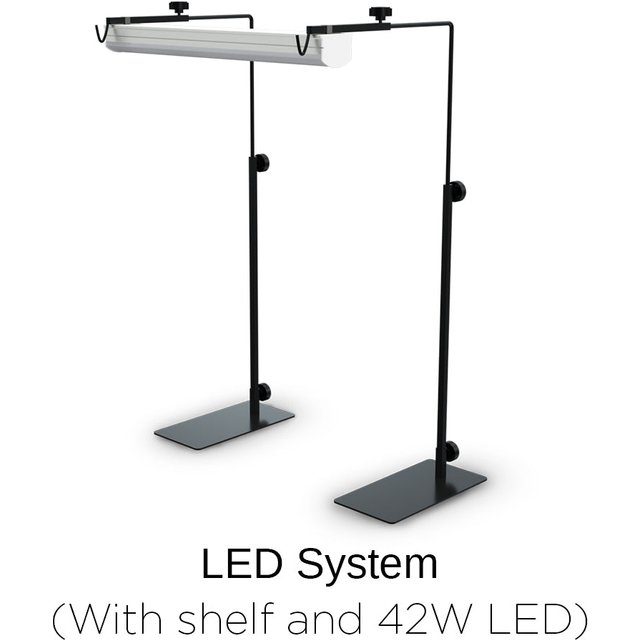
LED Growing Light system (Suitable for MP1)
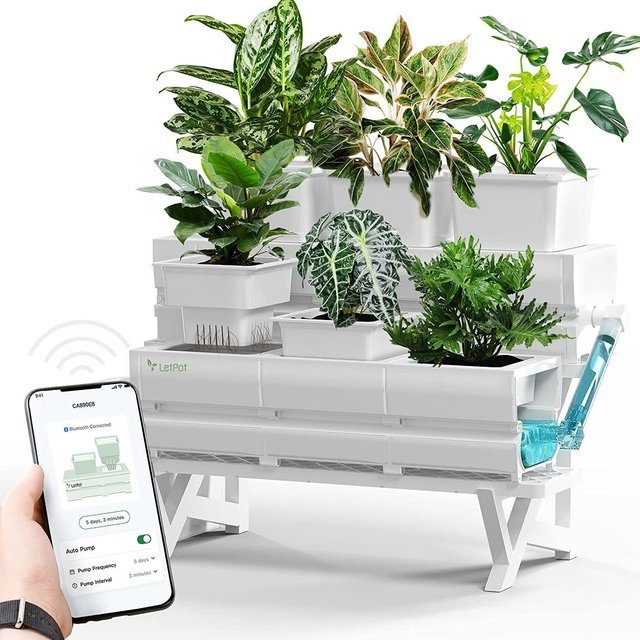
Smart Modular Planter with App Control and Automatic Water Cycling (MP1)