Rude Insect
soil-compost
Drip Irrigation Kits: Raised Beds and Containers Compared
Compare Rain Bird and Raindrip kit designs by tubing, outlets, pressure, timers, and expansion limits. Plan a layout and check watering at the roots.
Jul 3, 2026
Tumblers, bins, bokashi, and compost-system guides for home gardens.
19 articles
Compare Rain Bird and Raindrip kit designs by tubing, outlets, pressure, timers, and expansion limits. Plan a layout and check watering at the roots.
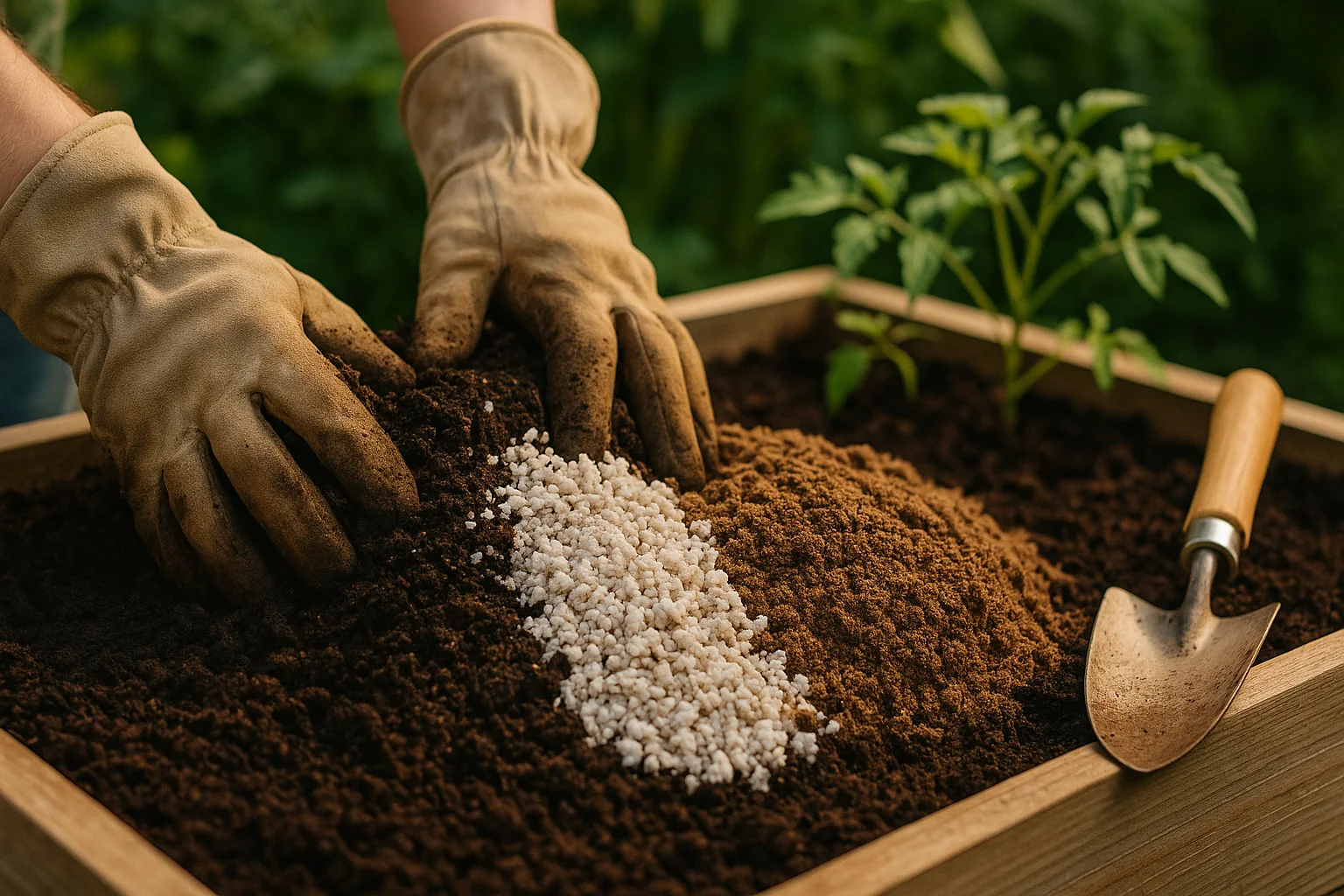
Choose raised-bed soil from the bed's drainage and root space. Compare topsoil and compost blends, calculate fill volume, and avoid unnecessary amendments.
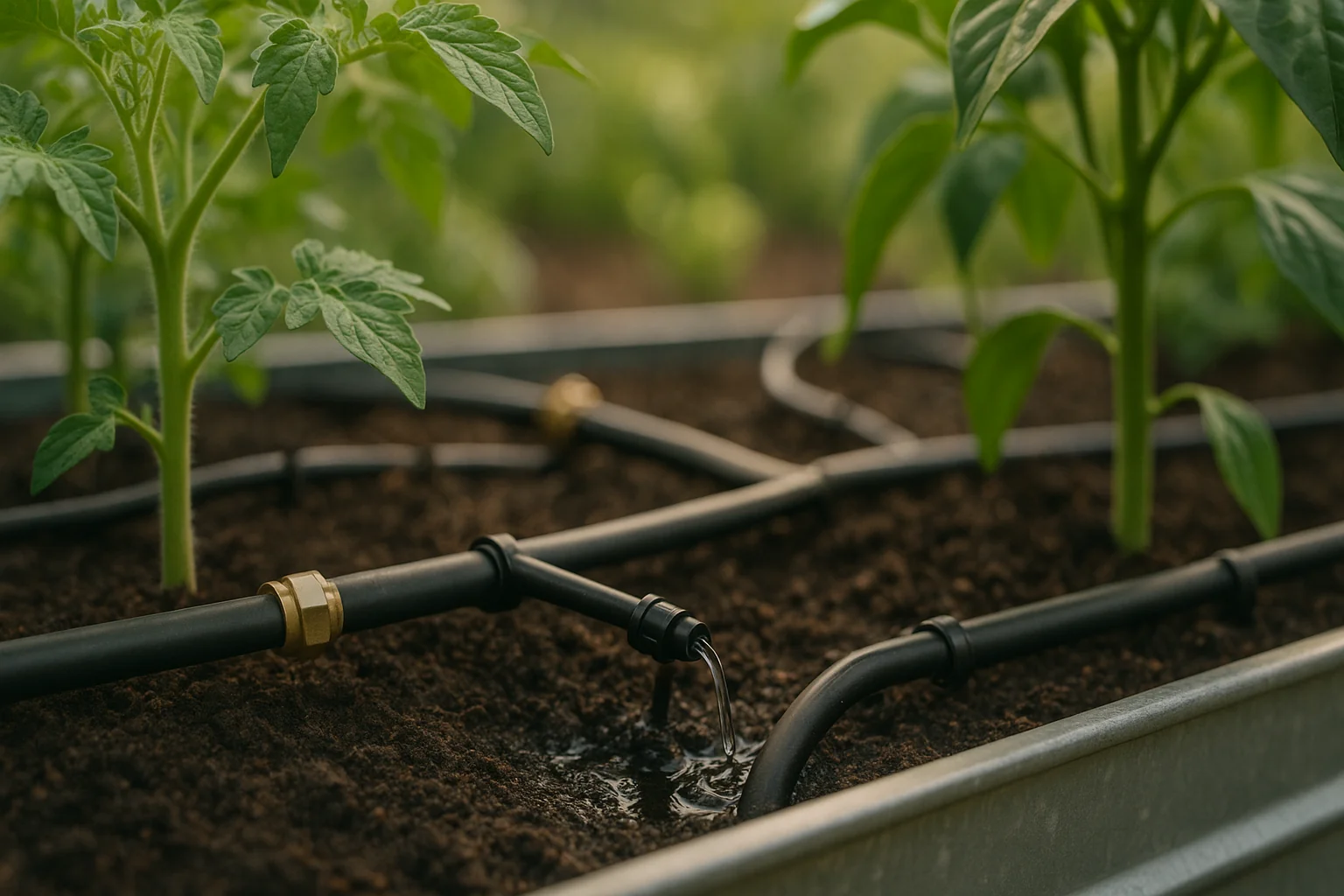
Plan a hose-fed raised-bed drip system with compatible tubing, filtration, pressure control, and backflow protection. Test every zone before covering lines.
Compare core aerators, spikes and garden forks. Diagnose compaction, choose the right season and check tool specifications before buying.
Learn when soil inoculants may help and when they are unnecessary. Check crop compatibility, evidence, storage, and basic soil care before buying.
Compare worm-bin designs, choose suitable worms and bedding, and troubleshoot feeding, moisture and temperature before buying accessories.
Choose green-manure crops for a real gap in the vegetable rotation. Compare oats, peas, clover, buckwheat, and mustard, including termination limits.
Decide whether a compost starter is needed by checking moisture, aeration, pile size, and ingredients. Compare claims with basic compost management.
Choose a worm bin by feeding area, access, bedding, and temperature. Compare documented tray systems and distinguish finished vermicompost from leachate.
Evaluate garden biochar by feedstock, product testing, application guidance, soil conditions, and cost. Benefits vary, so start with a clear soil problem.
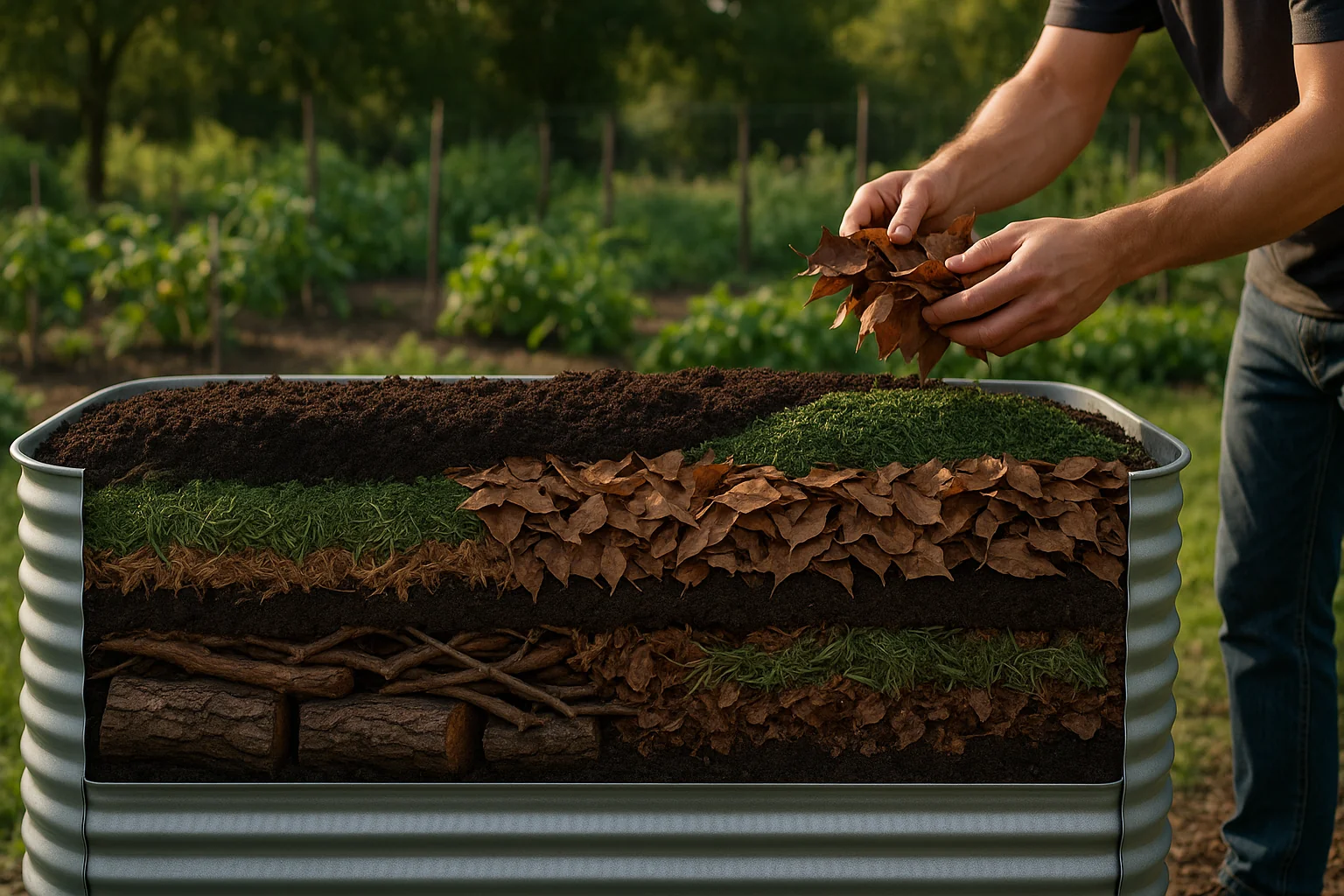
Calculate the fill for a tall raised bed, compare bulk soil and bagged mixes, and understand settling before choosing lower layers and the root zone.
Compare spring oats, field peas, mixtures and buckwheat by growing window, nitrogen contribution and termination needs before planting vegetables.
Restart a compost pile, diagnose moisture and aeration problems, and recognize finished material. Apply compost according to soil needs rather than a calendar.
Understand bokashi fermentation, bucket management, and the finishing step needed before material becomes garden-ready. Compare it with ordinary composting.
Compare moisture meters and irrigation sensors by sensing depth, calibration, soil compatibility, placement, and maintenance before trusting a reading.
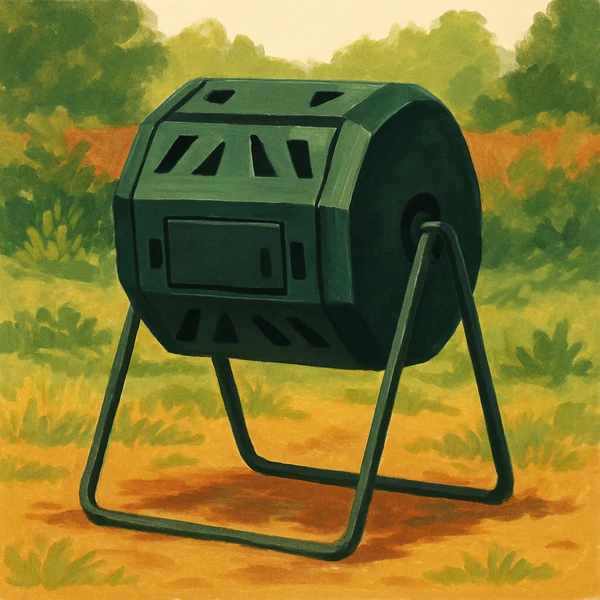
Compare FCMP IM4000 and Jora JK270 compost tumblers by capacity, batch workflow, access, insulation, and total setup cost without promised finish times.
Compare small drip systems by water source, pressure, tubing, emitters, filtration, and expansion needs for containers and compact garden beds.
Match weed control to annual seedlings, perennial roots, beds, and paths. Compare hand removal, mulch, cultivation, and the limits of vinegar and salt sprays.
Use manure and compost according to soil tests, crop needs, maturity, and food-safety guidance. Avoid unnecessary nutrient loading and unsafe harvest timing.