Tested Review: Indoor Garden with LED Grow Light Kits for Herbs in 2026
Hands-on comparison of countertop LED indoor gardens for herbs, covering setup, noise, seed pods, cleaning, and who should buy each kit.
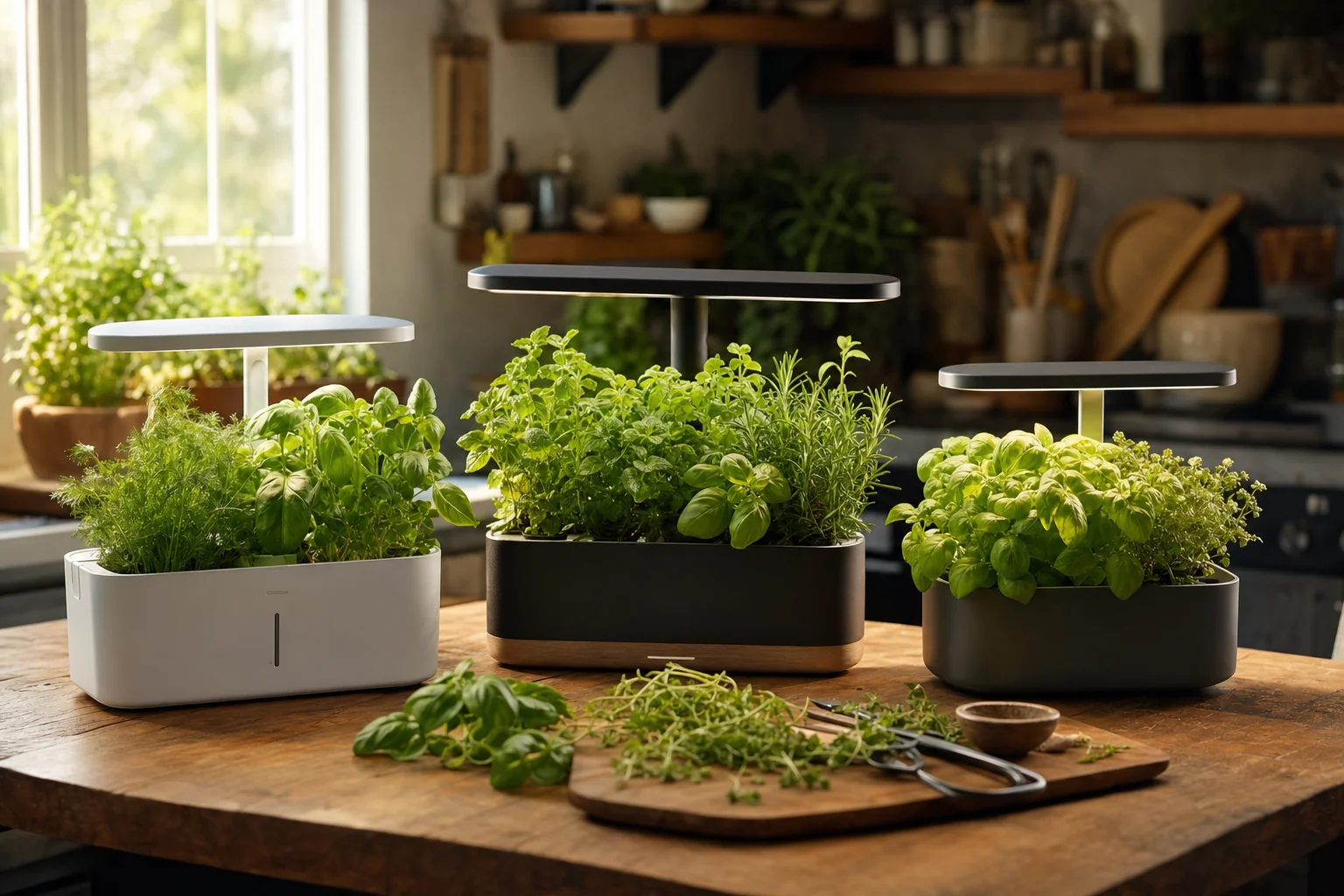
I don’t bring many gadgets into the kitchen, because counters are for actual cooking and for dumping muddy harvest baskets when I’m too tired to behave like a civilized person. But an indoor garden with led grow light earns its square foot if it keeps basil alive in February. We tested these kits beside a south-facing window in Zone 6b Pennsylvania, with the outdoor beds frozen hard and the grocery-store basil doing that sad black-leaf thing after three days. Some of these countertop herb gardens are genuinely useful. Some are fussy little water furniture.
We grow most of our food outside — 14 raised beds, a couple cattle-panel trellises, and too many 5-gallon buckets — but winter herbs are different. Basil, dill, parsley, mint, chives. Small stuff. Stuff you actually snip while dinner is on the stove. That’s where a countertop indoor garden with led grow light makes sense.
And yes, I’ve killed herbs indoors the old-fashioned way too. Clay pot on the windowsill. Soil gnats. Stretchy basil. Parsley that sulked for six weeks and then died the moment I needed it.
These kits fix some of that. Not all of it.
The indoor garden with led grow light kits we tested for herbs
Here’s the lineup I’d actually consider for a kitchen, apartment, office shelf, or winter seed-starting corner:
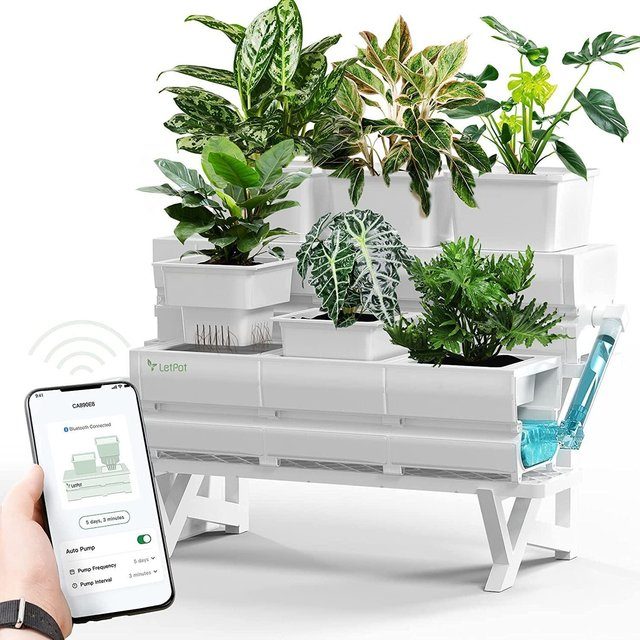
- Smart Modular Planter with App Control and Automatic Water Cycling (MP1)
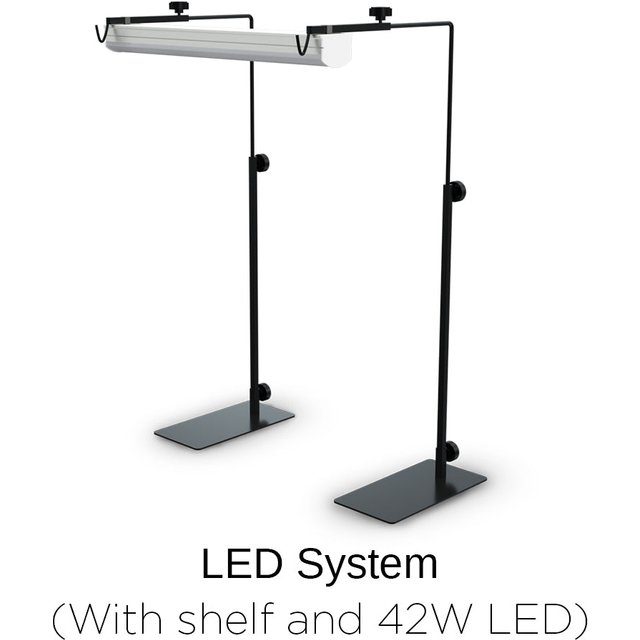
- LED Growing Light system (Suitable for MP1)
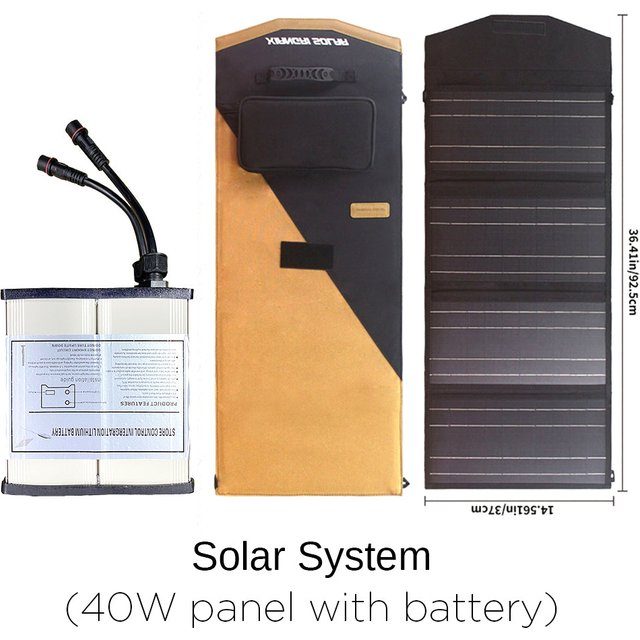
- Solar System with Panel and Battery(Suitable for MP1)
- AeroGarden Harvest Elite
- Click & Grow Smart Garden 3
I’m treating the MP1 pieces as a modular system, because that’s how they make sense. The planter is the base. The LED light is the herb-growing piece most people will need indoors. The solar panel and battery are more of a balcony/patio/off-grid add-on — neat, but not something I’d tell every apartment cook to buy.
If you’re just starting with small-space food growing, I’d pair this post with our urban container garden setup notes, because countertop herbs and balcony tomatoes have the same annoying truth: light matters more than enthusiasm.
My pick: the AeroGarden Harvest Elite is still the easiest indoor garden with led grow light for kitchen herbs
If someone texted me from Target asking what to buy before winter, I’d say: get the AeroGarden Harvest Elite. See current price.
Not because it’s perfect. It isn’t. But it’s the least annoying for herbs.
The advantage is simple: it’s a complete countertop hydroponic garden kit with the light, water basin, plant deck, and pod system all built around each other. You’re not hunting for a lamp clamp or wondering if your basil is leaning because the light is too weak. You fill the basin, add the plant food as directed, drop in pods, and the thing does its job.
The disadvantage? The pods can get expensive if you keep buying branded refills, and the pump/light routine may bother you if your kitchen is also your sleeping area. Not loud like a dishwasher. More like a tiny aquarium doing tiny aquarium things. In our kitchen, it faded into the background after a day. In a studio apartment next to a bed? I’d think twice.
Setup took us under 20 minutes, not counting the part where I cleaned counter space because apparently I own four cutting boards and use one. The light arm was the only piece I cared about. Herbs stretch badly under weak light, and I’ve had enough leggy basil in my life. The Harvest Elite gave basil and dill a tight enough start that I wasn’t annoyed by week two.
The stainless-looking finish is also less ugly than some plastic countertop gardens. I don’t buy garden tools for looks, but if it lives by the coffee maker from November to March, it can’t look like a humidifier from 1998.
What grew well in it
Basil did best. No surprise. Basil likes warmth, steady moisture, and being babied like a Victorian houseplant.
Dill grew fast, maybe too fast. It wants to be taller than the kit wants it to be. We cut it hard and used it in potatoes, eggs, and a jar of quick pickles. Parsley lagged behind, which is normal. Parsley always acts like it has legal paperwork to review before germinating.
Mint grew fine but I’m cautious with mint in any shared system. Outside, mint is a criminal. Inside, it’s less dangerous, but it can still crowd other herbs if you don’t trim it.
The thing I didn’t like
Cleaning around roots gets gross if you wait too long. That’s true for most hydroponic kits, but the first time you lift a plant deck and see pale roots, a little algae, and nutrient film, you’ll understand why I keep an old toothbrush under the sink.
We now wipe the top deck weekly and do a deeper rinse between plantings. Don’t skip that. Indoor gardens are clean compared with soil pots, but they’re not maintenance-free.
Click & Grow Smart Garden 3: tidy, quiet, and a little cramped
The Click & Grow Smart Garden 3 is the one I’d buy for someone who wants herbs without fiddling. See current price.
It’s smaller than I want for our kitchen, but it’s charming. Three plants. Clean lines. No big water-garden look. If you have one narrow counter strip between the sink and the toaster, this is the one that won’t make the room feel like a science fair.
The big advantage is how simple it feels. The pod system is tidy, the light is built in, and the whole thing is less intimidating than hydroponic kits with pumps, reservoirs, and feeding schedules. It’s a good countertop herb garden for basil, thyme, and small greens.
The disadvantage is right there in the name: three. Three plant spots disappear fast. One basil, one parsley, one thyme, and you’re done. If you cook a lot, that won’t feel like abundance. It’ll feel like a garnish station.
Still, I like it. Especially for renters, office people, or anyone who has killed herbs from overwatering. Soil pots on windowsills usually die from one of two things: not enough light or too much love with the watering can. Click & Grow removes most of that drama.
Would I use it as our main winter herb setup? No. We cook too much. But for a small apartment, yes.
And if you’re building out a patio-plus-kitchen food setup, it pairs nicely with the kind of compact pots we talk about in our urban container gardening guide. Think of it as the winter countertop version of a railing planter.
The MP1 modular system: best if you like building the setup your way
The Smart Modular Planter with App Control and Automatic Water Cycling (MP1) is the most interesting option here, but also the one I’d recommend to a narrower group of people.
It’s not the “open box, grow basil by lunch” choice. It’s for someone who likes systems. App control. Automatic water cycling. Modular pieces. If you’re the person who already has a moisture meter, a Wi-Fi thermometer in the greenhouse, and a spreadsheet for tomato varieties — hello, my people — MP1 makes more sense.
The advantage is flexibility. A modular planter gives you more room to think about placement, add-ons, and how you want the system to run. The automatic water cycling is the feature that caught my eye, because stagnant water is where small indoor systems start to feel nasty. Moving water usually behaves better.
The disadvantage is that more features means more things to set up, check, and occasionally swear at. App-controlled garden gear is only fun when the app behaves. I’m not against apps in the garden — we use a weather station outside — but I don’t want parsley held hostage by Bluetooth nonsense.
If you choose MP1 for herbs, I would not buy the planter alone and hope a sunny windowsill carries you through January. It won’t, unless your window is blessed by the herb gods. Pair it with the LED Growing Light system (Suitable for MP1).
That LED light is the piece that makes the MP1 a real indoor garden with led grow light, not just a planter with ambition. Its specific advantage is compatibility with the MP1 system, so you’re not cobbling together a random lamp and trying to make it fit. The drawback is also obvious: it’s an add-on that only makes sense if you’re buying into MP1. If you just need one pot of basil, this is too much machinery.
The solar add-on is cool — but not for every kitchen
The Solar System with Panel and Battery(Suitable for MP1) is the product I wanted to love because I’m a sucker for anything that keeps small garden gear off the wall outlet.
Its advantage is power flexibility for the MP1 system. Balcony growers, greenhouse shelf people, and anyone with a sunny porch could find that genuinely useful. I can see it working well for a small protected setup where running an extension cord would be ugly or unsafe.
The disadvantage: solar gear needs sun. Real sun. Not “my kitchen window gets a polite rectangle of light at 4 p.m.” sun. In our house, winter light is weak and low, and the dog has claimed the brightest floor patch anyway. I would not buy the solar system for a normal indoor herb counter unless I had a very specific sunny placement in mind.
Take this with a grain of salt, because every house is different. A south-facing apartment window on the 12th floor is a different beast from our old farmhouse kitchen with deep eaves.
What actually matters in an indoor garden with led grow light
The marketing always wants you to stare at the shiny part. I care about five boring things.
Light height
Herbs grow unevenly. Basil wants to bush. Dill wants to bolt into the ceiling. Parsley takes its sweet time. If the light can’t adjust or sit at a useful distance, your plants will either stretch or scorch.
This is where cheap DIY setups often annoy me. We tried a clamp grow light from Amazon a few winters back. Two bendy arms, pinkish light, little timer button. It kept thyme alive but made basil lean like it was listening for gossip. Returned it.
A proper indoor garden with led grow light should keep seedlings compact early and give them room later. If you’re growing mostly basil and parsley, you’ll be fine with smaller units. If you want dill, cilantro, or dwarf tomatoes, measure first.
Water access
I want to refill without disassembling the whole garden. Sounds obvious. Apparently not.
Countertop gardens live near coffee mugs, cutting boards, and mail piles. If filling the reservoir requires lifting a dripping plant deck every time, you’ll hate it by week three.
The AeroGarden is manageable here. Click & Grow is easy because it’s small. MP1 depends on how you configure it, but automatic water cycling is a plus if you’re the kind of person who forgets Tuesday exists.
Noise
Small pump noise doesn’t bother me in a kitchen. It does bother some people.
If you’re noise-sensitive, Click & Grow is the safest bet from this group. The AeroGarden Harvest Elite has more going on. Not awful. Just present.
We had one older hydroponic unit years ago — not one of these — that developed a rattle after mineral buildup. I cleaned it, ignored it, cleaned it again, then finally moved it to the basement seed shelf where only the onions had to listen. Mineral deposits matter. Hard water folks, you know.
Seed pods and refills
Seed pods are convenient. They are also the printer ink of indoor herb gardens if you’re not paying attention.
AeroGarden and Click & Grow both make pod growing easy, especially for beginners. Drop in, fill water, wait. That’s lovely in January when your outdoor compost pile is frozen shut.
But if you grow herbs constantly, check refill costs before you commit. See current prices for the AeroGarden Harvest Elite and Click & Grow Smart Garden 3, because pod pricing moves around.
We’ve also started our own basil in reusable-style grow media in other systems, but I won’t pretend that’s as tidy as pods. It’s cheaper. It’s messier. That’s usually the trade.
Cleaning
This is the part nobody wants to photograph.
Roots clog things. Nutrient solution leaves film. Algae appears if light hits wet surfaces. You can reduce it, but you won’t eliminate it.
Our routine is simple: wipe splashes when we see them, top up water before plants sulk, rinse the basin between crops, scrub with a soft brush, and don’t let dead leaves rot on the deck. Takes minutes if you keep up. Takes a gross Saturday if you don’t.
I learned that the dumb way. Year one with indoor hydroponic herbs, I kept saying, “I’ll clean it after this basil flush.” Then the basil got woody, the roots tangled, and the reservoir smelled like a pond edge. Never again.
Who should buy which kit?
If you want the safest all-around pick, buy the AeroGarden Harvest Elite. It’s the best fit for most people who want steady kitchen herbs from an indoor garden with led grow light. Good capacity, good convenience, not too weird on the counter.
If you live in a tiny apartment or want a gift for someone who has never grown food, buy the Click & Grow Smart Garden 3. It’s tidy and simple. Just accept the three-plant limit.
If you like modular setups, app control, and the idea of automatic water cycling, look at the Smart Modular Planter with App Control and Automatic Water Cycling (MP1) with the LED Growing Light system (Suitable for MP1). That combo makes more sense than the planter alone for herbs indoors.
If you have a sunny balcony, greenhouse shelf, or protected outdoor nook where power is annoying, the Solar System with Panel and Battery(Suitable for MP1) is worth considering. I would not make it my first purchase for a normal kitchen counter.
A few herbs I’d grow first
Start with basil. Always. It tells you quickly whether the system is working, and you’ll use it.
Parsley is useful but slow. Don’t panic.
Chives are easy if you give them enough light, though they won’t replace an outdoor clump. Our outdoor chives come back every spring like they pay taxes here. Indoor chives are more polite.
Dill is delicious but tall. Plant it only if you’re willing to cut it young.
Cilantro? Honestly, your mileage may vary. We grow it outside in shoulder seasons because indoors it seems determined to bolt the moment I turn my back. Some people do fine with it. I’m not one of them.
Mint grows well, but I’d rather keep mint in its own container. Same rule outside. Same rule inside. Mint cannot be trusted.
For more small-space crop planning — the kind where you’re deciding what belongs on a counter versus a balcony versus a bucket — our container garden planning guide will save you from stuffing too many plants into one cute setup. We’ve all done it. Looks great for two weeks. Then everything fights.
Small mistakes that make these gardens worse
Using old tap water and never cleaning the basin. Guilty.
Letting basil flower. Cut it before it gets smug.
Planting tall herbs next to slow herbs. Dill will shade parsley like a jerk.
Putting the garden in a bedroom if you hate light at night. Many grow lights run long hours, and even “not that bright” feels bright at midnight.
Forgetting that LEDs still create a visual footprint. A glowing countertop garden is cozy in December. In July, when the actual garden is exploding and you’re drowning in cucumbers, it may feel like clutter.
And the big one: expecting grocery-store abundance from three pods. These kits are for fresh snips, not pesto production. If you want freezer bags of basil, grow basil outside in July. I learned that after trying to make a full batch of pesto from a countertop unit and ending up with about enough for one dramatic piece of toast.
Final recommendation
For 2026, my pick for most homes is the AeroGarden Harvest Elite. It gives you the best balance of capacity, ease, and actual herb output without turning your kitchen into a project bench.
The Click & Grow Smart Garden 3 is the better small-space gift. The MP1 system is the better tinkerer’s setup, especially with its matching LED light. The solar add-on is interesting for the right sunny situation, but it’s not the first thing I’d buy for indoor herbs.
A good indoor garden with led grow light won’t replace summer beds. It won’t fix a dark room entirely. It won’t make cilantro behave if cilantro has chosen violence.
But fresh basil in February? That’s enough reason for me.
Our Top Picks
LED Growing Light system (Suitable for MP1)
Smart Modular Planter with App Control and Automatic Water Cycling (MP1)