

This post may contain affiliate links. If you make a purchase through these links, we may earn a small commission at no extra cost to you. Learn more.
Introduction to Effective Pest Control Methods for Gardens – The Three Sisters
For any gardening enthusiast, the sight of pests ravaging their beloved plants can be quite disheartening. However, with the implementation of well-planned and effective pest control methods, this issue can be significantly reduced. One such effective method is ‘The Three Sisters’ approach, a traditional Native American method of planting corn, beans, and squash together. This method not only promotes plant health but also provides an inherent system of pest control.
In the context of Integrated Pest Management (IPM), ‘The Three Sisters’ can be considered a holistic approach to pest control. According to Mother Earth Gardener and the Environmental Protection Agency, IPM is a multi-faceted strategy involving various methods such as biological control, habitat manipulation, modification of cultural practices, and the use of resistant varieties. ‘The Three Sisters’, with its use of companion planting, exemplifies this principle.
The corn provides a structure for the beans to climb, eliminating the need for poles. The beans, in turn, help to fix nitrogen in the soil, enhancing its fertility. The squash spreads along the ground, blocking the sunlight and thereby inhibiting the growth of weeds. This mutually beneficial relationship not only promotes plant growth but also helps to deter pests. For example, the prickly hairs of the squash leaves deter pests like beetles and the corn attracts beneficial insects that prey on pests.
According to the North Carolina State University Extension Gardener Handbook, other pest control methods include
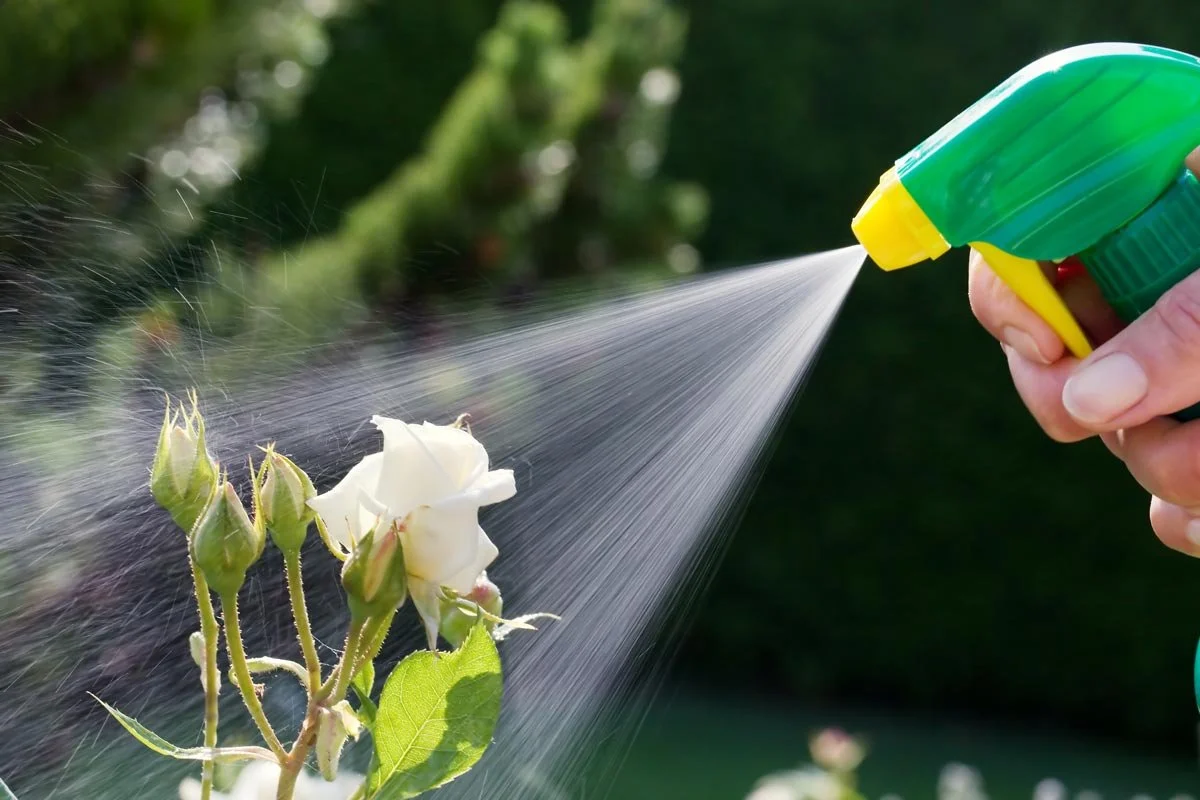
Caption: Effective Natural/Organic Pest Control for a Healthy Garden
Best Practices in Effective Pest Control Methods for Gardens – The Three Sisters
Effective pest control in gardens involves more than just spraying pesticides. It’s about utilizing a holistic, Integrated Pest Management (IPM) approach that focuses on long-term prevention and control of pests with minimal impact on the environment. One of these best practices is the use of companion planting to deter pests naturally. A great example of this method is The Three Sisters planting technique, which has been practiced by Native American tribes for centuries.
The Three Sisters method involves the simultaneous planting of corn, beans, and squash. These three plants help each other grow and ward off pests. The tall corn offers a structure for the beans to climb, the beans fix nitrogen in the soil for the corn and squash, and the squash’s broad leaves act as a living mulch, suppressing weeds and deterring pests with their prickly stems. This method of companion planting is a clear example of how gardeners can apply IPM principles in their gardens.
Another crucial aspect of effective pest control is regular monitoring of your garden. This practice allows you to identify potential problems before they become unmanageable. It’s also essential to recognize the beneficial insects in your garden. According to the Connecticut Agricultural Experiment Station, many insects are natural enemies of pests and can contribute to their control.
When it comes to pest control, prevention is always better than cure. Techniques like proper seedling care and transplanting, using sustainable farm equipment, and <
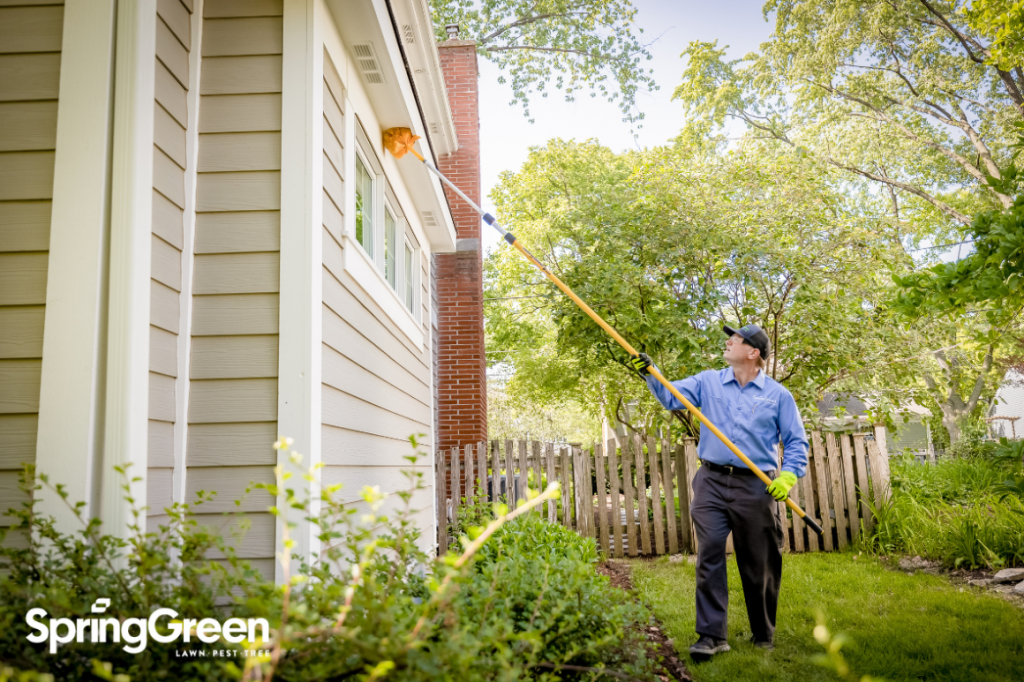
Caption: Pest Control Best Practices: Tips for Effective and Eco-Friendly …
Advanced Tips for Effective Pest Control Methods for Gardens – The Three Sisters
Advanced pest control methods can make all the difference in maintaining a healthy, thriving garden. One such method involves the use of companion planting, a technique that utilizes the natural benefits of certain plant combinations to deter pests. A perfect example of this is ‘The Three Sisters’ method, a Native American planting system that combines corn, beans, and squash to protect and benefit each other.
According to the Mother Earth Gardener, ‘The Three Sisters’ method works by allowing the corn to provide a structure for the beans to climb, thus eliminating the need for poles. The beans, in turn, help to fix nitrogen in the soil, benefiting the other two plants. Lastly, the squash spreads along the ground, blocking the sunlight and helping to prevent the establishment of weeds.
In addition to companion planting, implementing an Integrated Pest Management (IPM) strategy is fundamental for effective garden pest control. As stated by the Environmental Protection Agency, and NC State Extension, IPM emphasizes the growth of a healthy crop with the least possible disruption to agro-ecosystems and encourages natural pest control mechanisms. It encompasses a mixture of methods such as biological control, habitat manipulation, modification of cultural practices, and use of resistant varieties.
Biological control, for instance, involves the introduction of natural enemies of the pests to reduce their population. The 
Caption: The need to weed: – Alabama Living Magazine
Common Challenges in Effective Pest Control Methods for Gardens and How to Overcome Them – The Three Sisters
Dealing with pests in your garden can be a challenging task. Despite the advances in pest control methods, gardeners often encounter several common problems. One of the primary issues is the resistance of pests to common pesticides. Over time, insects evolve and develop resistance to pesticides, rendering them ineffective. This calls for an integrated pest management (IPM) approach, a more sustainable and environmentally friendly method of pest control (Mother Earth Gardener, EPA).
IPM principles involve monitoring pest populations, identifying pests accurately, and implementing a variety of control strategies. These strategies could include biological control methods, wherein natural enemies of the pests are used to control their populations (CAES, NCSU). For instance, the implementation of ‘The Three Sisters’ planting method, where corn, beans, and squash are planted together, provides mutual benefits and helps in pest control.
The second common challenge is the damage caused by pests before they are detected. Regular monitoring and early detection are crucial to prevent significant damage. This is where implementing crop rotation strategies can help (Rude Insect). Crop rotation disrupts the life cycle of pests, reducing their populations.
Lastly, the misuse of pesticides can lead
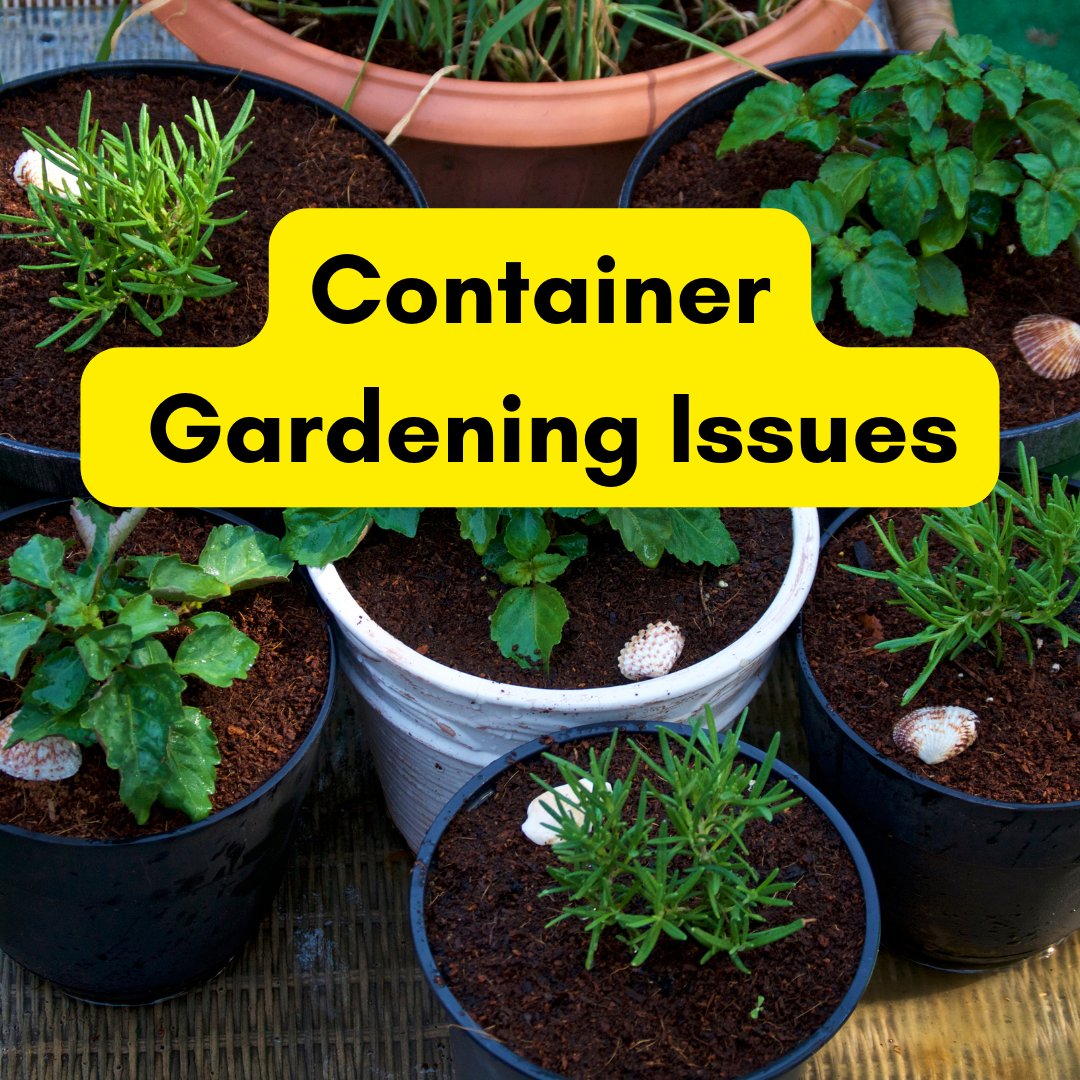
Caption: 6 Ways to Deal with Common Container Gardening Issues – Lakeside …
Looking for products related to this topic?
Conclusion – The Three Sisters
In conclusion, the most effective pest control methods for gardens are those that integrate various strategies to create a sustainable and balanced ecosystem. The practice of Integrated Pest Management (IPM), as outlined by The Environmental Protection Agency and the North Carolina Cooperative Extension, emphasizes the importance of understanding the lifecycle of pests, monitoring their populations, and using this knowledge to prevent them from causing significant damage.
Methods such as biological control, discussed in the Connecticut Agricultural Experiment Station’s fact sheet, can be highly effective. Introducing beneficial insects that prey on pests can keep their population at bay. Also, creating wildlife habitats on your farm can attract birds and other animals that eat pests, which is explained in our post on Creating Wildlife Habitats on Your Farm.
Another effective strategy is crop rotation and companion planting. An example of this is ‘The Three Sisters’ method, a technique used by Native Americans where corn, beans, and squash are planted together. They each provide a unique benefit to the other, enhancing growth and deterring pests. For more companion planting ideas, check our post on Seasonal Planting Guides for Farmers.
Fostering a garden that is friendly to pollinators by selecting pollinator-friendly plants, can also deter pests. Information on this can be found on our post about 
Caption: The effectiveness of a biopesticide in the reduction of coffee …
From Our Network
GreenChoice Affiliates — Eco-friendly product reviews for sustainable living
FarmsFlo — Free farm management app for planting schedules, harvests, and operations
BoingyBooks — Publish and discover ebooks, interactive read-alongs, and audiobooks
Leave a Reply
You must be logged in to post a comment.