

This post may contain affiliate links. If you make a purchase through these links, we may earn a small commission at no extra cost to you. Learn more.
Spring is the season when life returns to the farm, and for beekeepers, it signals the start of a crucial period for beehive maintenance. A well-maintained hive not only increases honey production but also ensures the health and survival of your bee colony. As temperatures rise and flowers bloom, bees become more active, making it the perfect time to inspect and maintain your hives.
Effective beehive maintenance in spring requires the right tools. Whether you’re a seasoned beekeeper or just starting, having the right equipment can make all the difference. With the right beehive tools, you can manage your colonies more efficiently, reduce the risk of diseases, and maximize honey yield. Let’s explore the essential tools you need for successful spring maintenance.
Why Spring is Crucial for Beehive Maintenance
Spring is the most critical time for beehive maintenance because this is when bee colonies begin to expand rapidly. As the queen increases her egg-laying, the worker bee population grows, and the demand for resources intensifies. According to the USDA guidelines, a strong colony in spring can double in size in just a few weeks.
This rapid growth means that your hives need to be in top condition to accommodate the expanding population. Any issues such as damaged frames, pests, or disease need to be addressed promptly. Ensuring your hives are well-maintained will set the stage for a productive season, culminating in a bountiful honey harvest.
Essential Beehive Tools for a Successful Spring
A well-equipped beekeeper is a successful one. Here are the essential beehive tools you should have for spring maintenance:
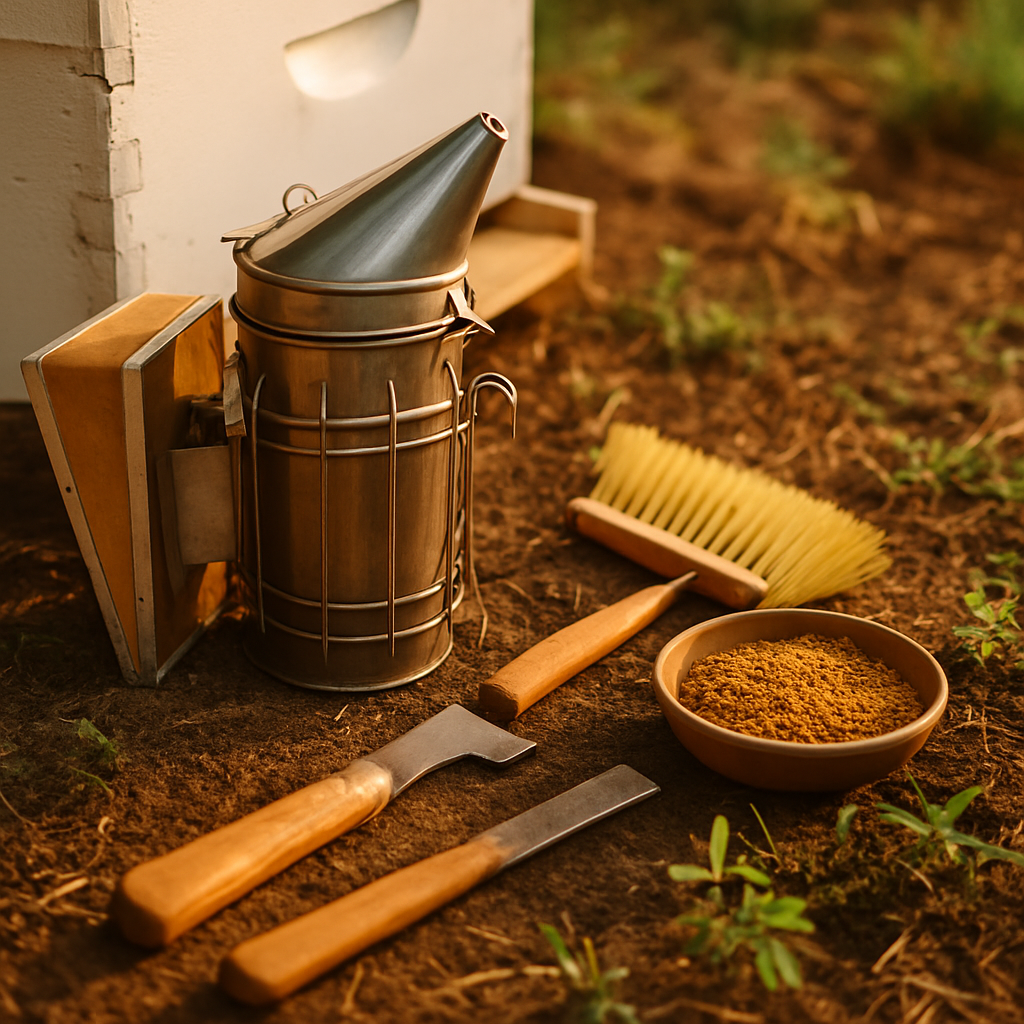
- Hive Tool: An indispensable tool for separating hive components and scraping off excess propolis.
- Bee Smoker: Essential for calming bees, it helps you work on the hives with minimal disturbance to the colony.
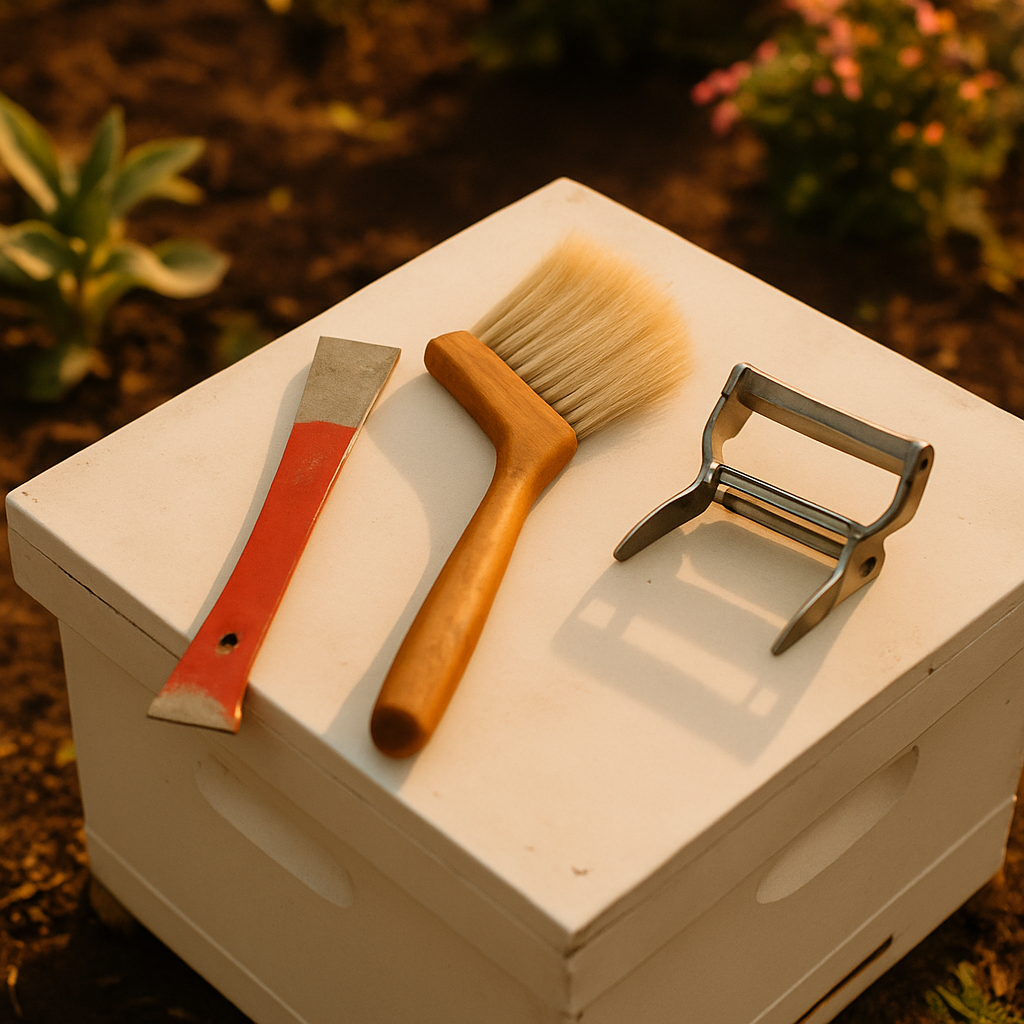
- Frame Grip: Allows you to lift frames easily without damaging them or the bees.
- Bee Brush: Useful for gently moving bees away from areas you need to inspect or work on.
- Queen Catcher: Helps you safely isolate the queen for inspection or relocation.
Each of these tools plays a critical role in ensuring your hive inspections are thorough and efficient, reducing stress on the bees and keeping your work smooth and productive.
How to Use Each Tool Effectively
Understanding how to use each tool effectively is key to successful beehive maintenance. Here’s how you can get the most out of your beehive tools:
Hive Tool
The hive tool is your best friend in the bee yard. Use the flat end to pry apart hive boxes and frames that have been glued together with propolis. The hooked end is perfect for lifting frames out of the boxes. Regularly clean your hive tool to prevent the spread of diseases between hives.
Bee Smoker
Light your smoker using natural materials like pine needles or burlap. Puff a few gentle waves of smoke into the entrance and over the top bars to calm the bees. Smoking reduces the bees’ defensive behavior, making them less likely to sting. Remember, too much smoke can agitate the bees, so use it sparingly.
Frame Grip
The frame grip is designed to lift frames without crushing bees. Place the grip over the frame and squeeze to lift. This tool is especially useful when frames are heavy with honey, providing a secure hold and preventing damage to the combs.
Bee Brush
Use your bee brush to gently move bees aside when inspecting frames or harvesting honey. Sweep with soft, slow strokes to avoid harming the bees. A bee brush is also handy for moving bees off of surfaces where you need to work.
Queen Catcher
Catching the queen can be tricky, but the queen catcher makes it easier. Place it gently over the queen when she’s spotted on a frame. This lets you inspect or move the queen without risking her safety. Always handle with care to avoid harming the queen.
Common Mistakes in Spring Beehive Care
Spring beehive maintenance can be tricky, and even experienced beekeepers can make mistakes. Here are some common pitfalls to watch out for:
- Overcrowding: As the colony grows, it needs more space. Failing to add supers in time can lead to swarming.
- Ignoring Pest Control: Mites and hive beetles are more active in spring. Regular checks and treatments are essential.
- Neglecting Hive Inspections: Regular inspections help catch problems early. Aim for every two weeks during the spring buildup.
- Improper Tool Use: Misusing tools can damage the hive or harm the bees. Ensure you’re comfortable and practiced with your equipment.
Being aware of these mistakes can save you time and frustration, allowing your hives to thrive throughout the season.
Our Top Picks for Beehive Tools
Choosing the right tools can make beekeeping a much more enjoyable experience. Here are some of our top picks for beehive tools this season:
- Harvest Lane Honey Beekeeping Tool Set — This set includes all the basics: a hive tool, smoker, bee brush, and frame grip. It’s perfect for beginners. Check Price on Amazon
- VIVO Stainless Steel Bee Hive Smoker — Known for its durability, this smoker is easy to light and produces a consistent smoke. Check Price on Amazon
- KINGLAKE Beekeeping Frame Grip — This grip is sturdy, providing a firm hold on heavy frames, making it easier to maneuver during inspections. Check Price on Amazon
These products have been chosen based on user reviews and their effectiveness in the field, ensuring you have reliable tools at your disposal.
Looking for beehive tools products?
Manage Your Farm Smarter with FarmsFlo
Track planting schedules, monitor your harvest, and streamline your entire farm operation — all from one easy-to-use app built by farmers, for farmers.
Frequently Asked Questions
How often should I inspect my beehive in spring?
Inspections should be conducted every 7-10 days during spring when the colony is expanding rapidly. Regular checks help identify issues early, allowing you to manage the hive proactively.
What is the best time of day to work on my hives?
Late morning to early afternoon is ideal. During this time, many bees are out foraging, reducing the number you’ll disturb during inspections.
How can I prevent swarming in spring?
Managing space within the hive is crucial. Adding supers to provide more room and splitting strong colonies can help prevent overcrowding and swarming.
Do I need to feed my bees in spring?
In early spring, supplemental feeding may be necessary if natural food sources are scarce. Sugar syrup and protein patties can support their nutritional needs.
Can I use the same tools for multiple hives?
Yes, but it’s crucial to clean your tools between hives to prevent the spread of diseases and pests.
Key Takeaways
- Best Overall: Harvest Lane Honey Beekeeping Tool Set — Comprehensive and perfect for beginners.
- Best Value: VIVO Stainless Steel Bee Hive Smoker — Durable and easy to use.
- Best for Heavy Frames: KINGLAKE Beekeeping Frame Grip — Provides a strong, reliable grip.
Spring is a busy time for beekeepers, but with the right tools and knowledge, your hives can thrive. Remember, consistent care and attention to detail are key to a successful beekeeping season. Tools like FarmsFlo can help you stay on top of your planting schedule, ensuring you never miss a critical task. Happy beekeeping!
This post may contain affiliate links. If you make a purchase through these links, we may earn a small commission at no extra cost to you. Learn more.
From Our Network
GreenChoice Affiliates — Eco-friendly product reviews for sustainable living
FarmsFlo — Free farm management app for planting schedules, harvests, and operations
BoingyBooks — Publish and discover ebooks, interactive read-alongs, and audiobooks
Leave a Reply
You must be logged in to post a comment.