
This post may contain affiliate links. If you make a purchase through these links, we may earn a small commission at no extra cost to you. Learn more.
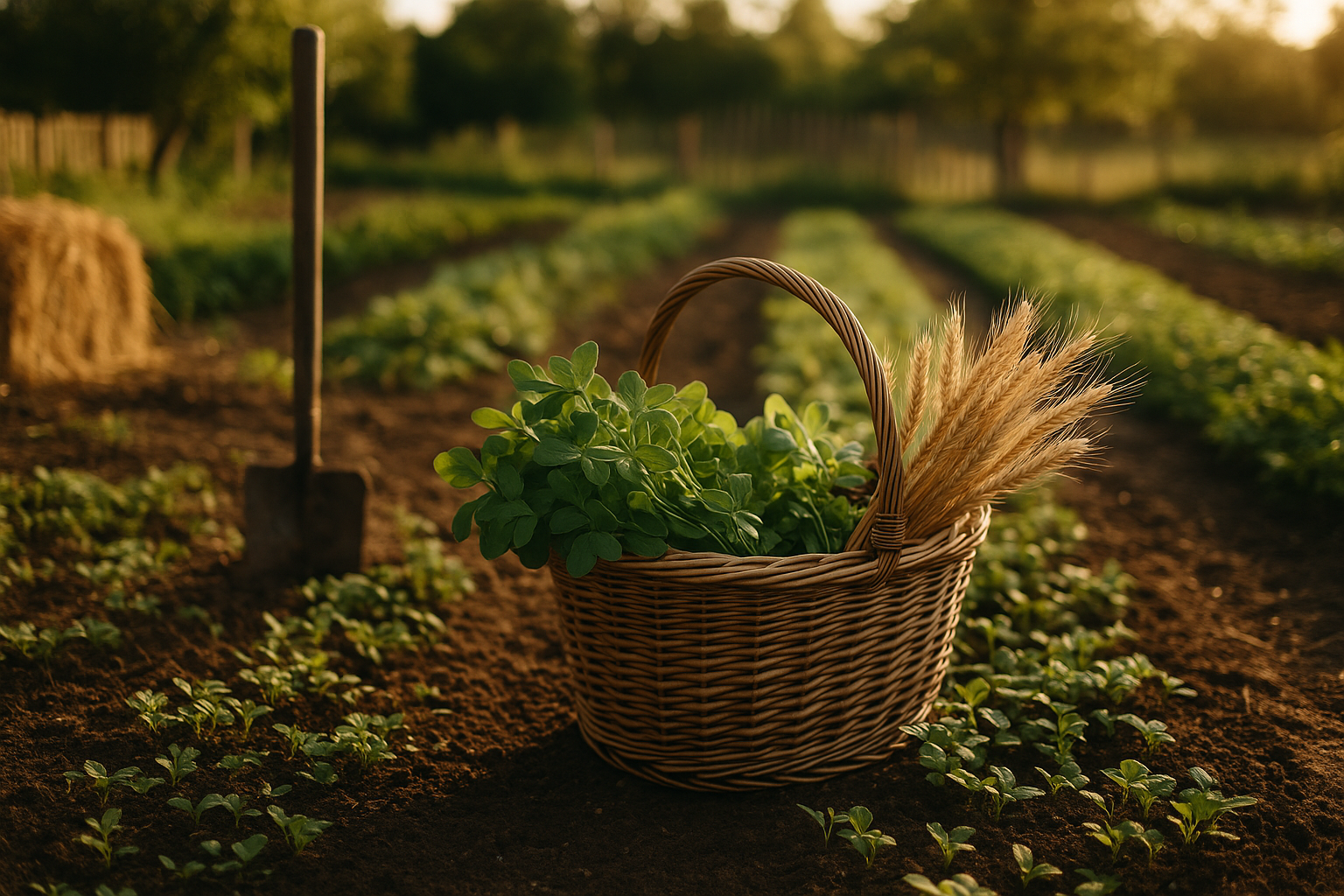
Spring is the perfect time to rejuvenate your garden or farm, and cover crops are one of the best tools for boosting soil health. They not only improve soil structure and fertility but also help suppress weeds and manage soil erosion. Whether you’re working with a small backyard plot or a sprawling homestead, choosing the right spring cover crops can transform your soil into a thriving ecosystem.
Cover crops are plants grown primarily to benefit the soil rather than for harvest. In spring, these crops are particularly valuable as they prepare the ground for the main growing season. They fix nitrogen, increase organic matter, and improve water retention, all crucial factors for a healthy, productive garden or farm. With the right cover crops, you can set the stage for a bountiful harvest come summer and fall.
There are many options when it comes to selecting cover crops for spring, each with distinct advantages. Understanding the specific needs of your soil and regional conditions will help you make the best choice. Let’s explore the benefits, types, planting strategies, and our top picks for spring cover crops.
Benefits of Using Cover Crops in Spring
Spring cover crops offer numerous benefits that directly contribute to soil health. They enhance soil organic matter, which in turn improves soil structure and water retention. According to USDA guidelines, cover crops can reduce soil erosion by up to 90%, making them essential for areas prone to heavy spring rains.
These crops also play a crucial role in nutrient cycling. Leguminous cover crops, such as clover and vetch, fix atmospheric nitrogen, reducing the need for synthetic fertilizers. Additionally, they provide habitat for beneficial insects and pollinators, supporting biodiversity in your garden or farm.
Types of Spring Cover Crops
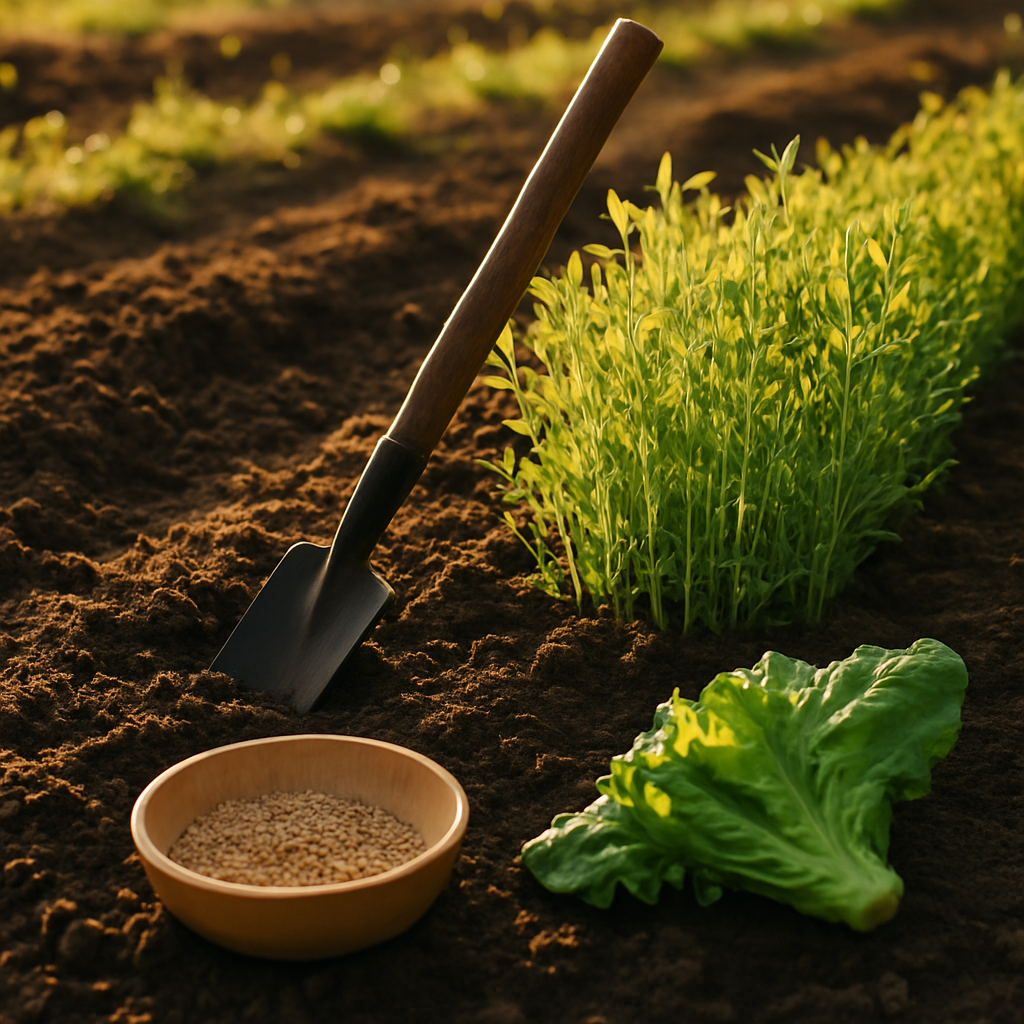
There are several types of cover crops suitable for spring planting, each with unique characteristics:
- Legumes: Clover and vetch are popular choices for their nitrogen-fixing abilities. These crops are excellent for enriching the soil without additional fertilizer.
- Grasses: Oats and ryegrass work well for improving soil structure and preventing erosion. They also add substantial organic matter when turned into the soil.
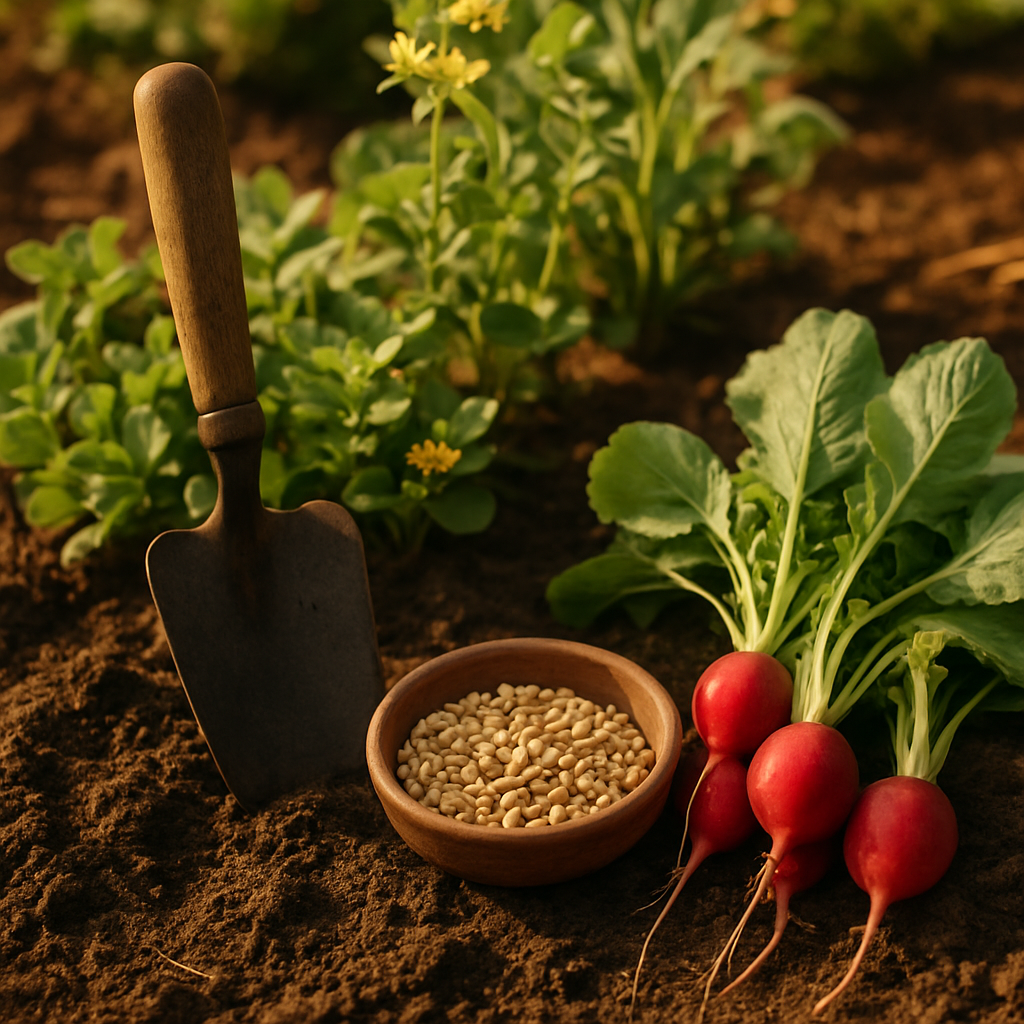
- Brassicas: Mustard and radishes can break up compacted soil layers with their deep roots, enhancing soil aeration and drainage.
Choosing the right type depends on your soil’s current needs. For instance, if your soil lacks nitrogen, legumes would be a wise choice. In contrast, if erosion is a concern, grasses might be more beneficial.
How to Plant and Manage Spring Cover Crops
Proper planting and management of spring cover crops are critical to maximizing their benefits. Begin by selecting a cover crop that suits your soil type and climate. In USDA zones 4-8, early spring is the ideal time to plant, once the ground is workable but before the main crops go in.
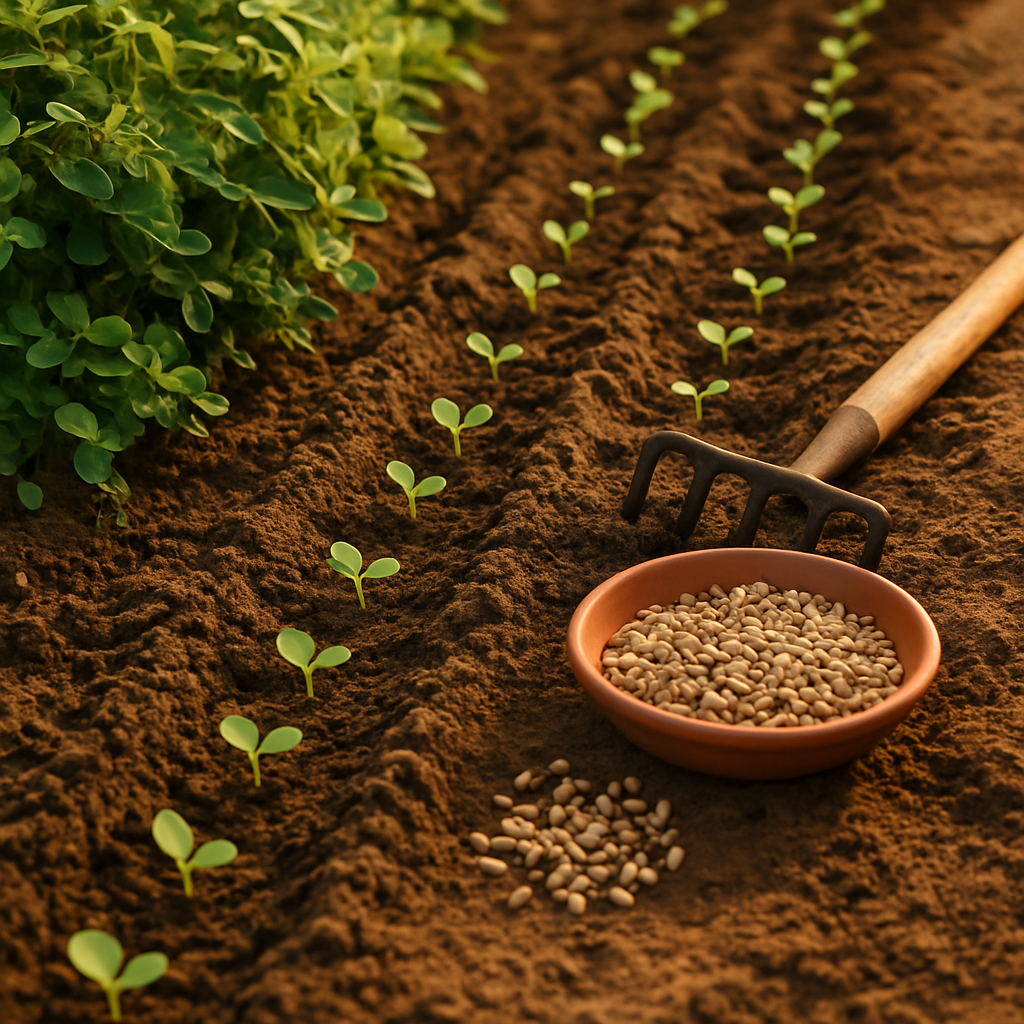
Prepare your soil by removing any debris and lightly tilling the top few inches. Sow seeds according to the recommended depth and spacing on the seed packet. For a no-till option, consider the No-Till Forage Friendly Cover Crop Seed Mix, which simplifies the process and covers up to 1,000 square feet.
As your cover crops grow, monitor for pests and diseases. If you’re concerned about pollinator safety, check out our guide on pollinator habitats to ensure you’re not inadvertently harming beneficial insects. Tools like FarmsFlo can help you stay on top of your planting schedule and ensure timely cover crop incorporation.
Common Challenges and Solutions
Growing spring cover crops isn’t without its challenges. One common issue is poor germination due to incorrect soil temperatures. Ensure your soil is at least 45°F before planting to encourage successful germination. Another challenge is competition with weeds. If weeds are a persistent problem, consider planting a dense cover crop like ryegrass, which can outcompete many unwanted plants.
Management of cover crops at the end of their cycle can also be tricky. Timing is crucial; mow or till them under before they set seed. This can be a challenge in wet springs where fields are difficult to access. In those cases, using a thick mulch or tarping can help terminate the crop effectively.
Our Top Picks for Spring Cover Crops
Choosing the right cover crop mix can make a significant difference in your soil health. Here are our top picks:
- No-Till Forage Friendly Cover Crop Seed Mix — This blend includes 9 winter-kill varieties, making it easy to manage come spring. Check Price on Amazon
- No-Till Garden Farm and Garden Cover Crop Mix Seeds — Ideal for gardeners seeking a blend of species for diverse benefits. Check Price on Amazon
- Vitalize Seed Nitrogro Summer/Spring Cover Crop Seed Mix — A 14-species mix perfect for nitrogen fixation and soil improvement. Check Price on Amazon


Manage Your Farm Smarter with FarmsFlo
Track planting schedules, monitor your harvest, and streamline your entire farm operation — all from one easy-to-use app built by farmers, for farmers.
Frequently Asked Questions
What are the best spring cover crops for compacted soil?
Brassicas like radishes are excellent for compacted soil due to their deep roots, which help break up hard layers and improve aeration.
Can I plant cover crops in shaded areas?
Yes, some cover crops like clover can tolerate partial shade, but you’ll need to adjust your expectations for growth and nitrogen fixation.
How late can I plant spring cover crops?
Ideally, plant cover crops as soon as the soil is workable in early spring. However, you can plant through late spring if you adjust your management practices accordingly.
Do cover crops attract pests?
While they can attract some pests, cover crops also draw beneficial insects. Using integrated pest management and organic pest control sprays can help manage potential issues.
Should I mow or till my cover crops?
The method depends on your gardening practices. No-till methods are increasingly popular for preserving soil structure, but mowing is a suitable alternative if you prefer minimal disturbance.
Key Takeaways
- Best Overall: No-Till Forage Friendly Cover Crop Seed Mix — Offers winter-kill varieties for easy management.
- Best Value: No-Till Garden Farm and Garden Cover Crop Mix Seeds — A diverse blend at an affordable price.
- Best for Nitrogen Fixation: Vitalize Seed Nitrogro Summer/Spring Cover Crop Seed Mix — Perfect for boosting soil nitrogen levels.
Spring cover crops are an invaluable tool for improving soil health and preparing for a successful growing season. By selecting the right crops and managing them effectively, you can significantly enhance your soil’s fertility and structure. Whether you’re dealing with nutrient-poor soil or persistent weeds, there’s a cover crop solution for you. Embrace the power of cover crops and watch your garden or farm thrive.
From Our Network
GreenChoice Affiliates — Eco-friendly product reviews for sustainable living
FarmsFlo — Free farm management app for planting schedules, harvests, and operations
BoingyBooks — Publish and discover ebooks, interactive read-alongs, and audiobooks
Leave a Reply
You must be logged in to post a comment.