

This post may contain affiliate links. If you make a purchase through these links, we may earn a small commission at no extra cost to you. Learn more.
Introduction to Water Conservation Tips for Farmers
Did you know that agriculture accounts for nearly 70% of global water usage? In a world where water scarcity is becoming an increasingly pressing issue, effective water management is not just beneficial—it’s essential for the future of farming. Efficient water conservation practices can significantly reduce costs and boost crop yields, ensuring that farmers can continue to thrive even in times of drought. With changing climate patterns and unpredictable weather, the time to adopt sustainable practices is now. In this post, we’ll explore practical water conservation tips that farmers can implement to safeguard their livelihoods and protect our planet’s precious resources. From innovative irrigation techniques to soil moisture management, discover how you can make a difference and ensure a sustainable future for your farm.
Understanding Water Management: The Fundamentals
“`html
Understanding water management is crucial for farmers aiming to implement effective water conservation strategies. With agriculture being a significant consumer of water resources, deploying efficient water management techniques can not only enhance crop yields but also contribute to sustainable farming practices. Effective water management starts with a comprehensive understanding of the water cycle and how it interacts with agricultural processes.
Firstly, assessing water availability is essential. Farmers need to evaluate their water sources, whether they are relying on rainfall, rivers, or groundwater. According to the NID Water, understanding these sources helps in planning irrigation schedules and identifying potential shortages during critical growing periods.
Implementing efficient irrigation systems is another fundamental aspect. Drip irrigation, for instance, can reduce water usage by up to 50% compared to traditional methods. This not only conserves water but also ensures that plants receive a consistent supply, which is vital for their growth. The City of La Mesa highlights the importance of using technology to monitor soil moisture levels, which can further optimize water usage.
Benefits of Integrated Water Management
Moreover, integrated water management involves combining different water-saving techniques. By utilizing rainwater harvesting systems, farmers can capture and store rainfall for later use. This method is particularly beneficial in regions with seasonal rainfall patterns. As emphasized by VLSCI, having a diversified approach increases resilience against droughts.

Soil health is also intertwined with water management. Healthy soils retain moisture better and reduce the need for frequent irrigation. To avoid the #1 soil health mistake that could ruin your farm this year, consider checking the detailed guide on soil management at Rude Insect. Employing practices such as cover cropping and organic amendments can improve soil structure and water retention capacity.
Additionally, crop selection plays a vital role. Choosing drought-resistant varieties can significantly lower water requirements. Farmers can look at regional case studies to determine which crops perform best under limited water conditions, as highlighted by Cleburne’s water conservation tips.
Lastly, education and community involvement are key. By sharing knowledge and collaborating with local agricultural extensions, farmers can stay updated on the latest water management practices. Community efforts in areas like Texas are making strides in conserving water, as discussed by Rose Hill Palms.
In summary, understanding water management is fundamental for efficient water conservation in agriculture. By evaluating water sources, employing efficient irrigation, integrating multiple water-saving techniques, focusing on soil health, selecting appropriate crops, and fostering education, farmers can significantly reduce their water footprint. These strategies not only conserve precious resources but also pave the way for sustainable farming practices that benefit both the environment and agriculture. For more insights on cutting-edge techniques, explore the resources available at Rude Insect.
💡 Beginner’s Gold: Water Management That Guarantee Success

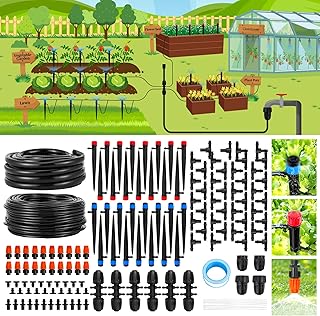
240FT Drip Irrigation System,Automatic Drip Irrigation Kit with 1/2 inch Hose 1/…


As an Amazon Associate, we earn from qualifying purchases. Prices and availability subject to change.
Why Water Management Matters in Today’s World
In today’s rapidly changing world, water management has become a critical concern, especially in agriculture. As the global population continues to rise, the demand for food increases, placing immense pressure on water resources. Agriculture accounts for approximately 70% of global freshwater usage, highlighting the necessity for efficient water management techniques. Implementing these strategies not only conserves a precious resource but also ensures sustainable farming practices for future generations.
Effective water management begins with understanding the local environment and climate. Farmers must be aware of the specific water needs of their crops and the natural water availability in their area. For example, regions with high rainfall might require different irrigation techniques compared to arid areas. Tailoring water management practices to local conditions can significantly reduce waste and improve crop yields. According to the NID Water Conservation in Agriculture, adapting irrigation schedules to weather forecasts can save up to 20% of water usage.
Moreover, technology plays a pivotal role in modern water management. The use of precision irrigation systems, such as drip or sprinkler systems, can deliver water directly to the plants’ roots, minimizing evaporation and runoff. These systems can be complemented by soil moisture sensors that provide real-time data, helping farmers decide when and how much to irrigate. This technological approach not only conserves water but also reduces the labor and energy costs associated with traditional irrigation methods.
The Economic and Environmental Impact of Water Management
Water management is not just about conservation; it also has significant economic implications. By reducing water waste, farmers can lower their water bills and allocate resources more effectively. For instance, switching to more efficient irrigation methods can decrease water usage by up to 50%, thus saving money. Furthermore, many government programs offer incentives and subsidies for farmers who implement water-saving technologies, making it financially viable to invest in sustainable practices.

Environmental benefits are another crucial aspect of water management. Reducing water usage helps preserve local ecosystems and prevents soil erosion and nutrient runoff, which can lead to water pollution. Healthy ecosystems are vital for maintaining biodiversity and ensuring that natural resources remain available for future generations. By implementing sustainable water management techniques, farmers contribute to the long-term health of the planet.
Additionally, adopting water management strategies can improve crop resilience. Crops that receive the right amount of water are less susceptible to disease and can better withstand drought conditions. This resilience is particularly important in the face of climate change, which is expected to increase the frequency and severity of extreme weather events.
Farmers seeking to integrate water management with other sustainable practices might find inspiration from other eco-friendly techniques, such as those described in Banishing Weeds Not the Planet. Such approaches can reduce reliance on single-use plastics and promote a more holistic approach to farming.
In conclusion, water management is a vital component of modern agriculture. By understanding local conditions, utilizing technology, and considering both economic and environmental impacts, farmers can adopt practices that conserve water and promote sustainability. As the challenges of climate change and population growth continue to mount, efficient water management will become increasingly essential, ensuring that agriculture can meet the needs of today without compromising the ability of future generations to meet their own needs.
Key Benefits of Implementing Water Management
Implementing effective water management strategies is crucial for farmers aiming to enhance sustainability and conserve one of our most precious resources. Water management not only ensures the efficient use of water but also supports the long-term viability of agricultural operations. In an era where water scarcity is increasingly becoming a challenge, understanding and adopting these strategies can make a significant difference. By emphasizing water management, farmers can improve crop yields, reduce costs, and contribute positively to the environment.
Firstly, water management plays a pivotal role in optimizing irrigation systems. By utilizing advanced irrigation techniques like drip or sprinkler systems, farmers can significantly reduce water waste. According to the Nevada Irrigation District, these methods can increase water use efficiency by up to 90%. This not only conserves water but also ensures that crops receive adequate moisture, leading to higher productivity.
Moreover, water management enhances soil health. Proper irrigation prevents soil erosion and maintains its nutrient balance. As highlighted by the Victorian Landcare Program, controlled water application prevents the leaching of essential nutrients, maintaining soil fertility. Healthier soil translates to healthier crops, directly impacting yield and quality.
In addition to soil benefits, water management practices can lead to significant cost savings. By reducing water usage, farmers can lower their utility bills. A study from the City of La Mesa indicates that optimizing water use can cut agricultural water costs by up to 30%. These savings can be reinvested into the farm, enhancing technology and infrastructure.

Environmental and Economic Impacts of Water Management
Environmental benefits are another critical aspect of water management. By conserving water, farmers help preserve local ecosystems and biodiversity. Reduced water extraction from natural sources prevents habitat disruption, which is vital for maintaining ecological balance. Furthermore, implementing water-efficient practices can help in mitigating the impacts of drought, a common concern addressed by many agricultural communities.
In terms of economic impacts, water management can lead to increased competitiveness in the market. Farmers practicing efficient water use are often seen as more sustainable, attracting consumers looking for environmentally friendly products. This can open new markets and create opportunities for branding and marketing, emphasizing sustainable practices.
Additionally, water management can foster innovation in farming techniques. Farmers are increasingly exploring novel methods, such as capturing rainwater or recycling water, to enhance their water use efficiency. For instance, urban green infrastructure techniques, as discussed in this article, offer innovative solutions that can be adapted to rural settings, saving up to 40% more soil.
Lastly, water management addresses common concerns regarding the sustainability of agriculture. Farmers frequently worry about the long-term availability of water resources. By implementing strategic water management, these concerns can be alleviated, ensuring that future generations can continue farming sustainably.
In conclusion, adopting effective water management strategies offers numerous benefits, from optimizing irrigation and enhancing soil health to achieving cost savings and supporting environmental conservation. By embracing these practices, farmers can significantly impact their operations and the wider ecosystem positively. As challenges like water scarcity continue to rise, prioritizing water management ensures that agriculture remains resilient and sustainable for the future.
🥇 The Top-Rated Water Management That Never Disappoint


As an Amazon Associate, we earn from qualifying purchases. Prices and availability subject to change.
Practical Steps to Get Started with Water Management
Effective water management is crucial for farmers aiming to conserve resources and enhance productivity. By implementing practical water management strategies, farmers can significantly reduce water usage while maintaining healthy crop yields. This not only supports sustainable farming practices but also safeguards the environment. In this section, we will explore actionable steps farmers can take to get started with water management.
First, it’s important to assess your current water usage. Conducting a water audit can help identify areas where water is being wasted or used inefficiently. According to NID Water, understanding your water footprint is the first step toward meaningful conservation. This assessment will provide a baseline to measure improvements and highlight specific areas for intervention.
Next, consider implementing drip irrigation systems. Unlike traditional irrigation methods that can lead to significant water loss, drip irrigation delivers water directly to the plant roots. This technique minimizes evaporation and runoff, thereby optimizing water usage. As noted by VLSCI, drip irrigation can reduce water usage by up to 50% compared to conventional methods.
Integrating Technology and Monitoring Systems
Incorporating technology into water management practices can further enhance efficiency. Smart irrigation controllers and soil moisture sensors provide real-time data, allowing farmers to adjust watering schedules based on actual field conditions. This not only conserves water but also promotes healthier plants. The City of La Mesa highlights that technology-driven solutions help farmers adapt to varying weather conditions, optimizing water use year-round. For more on technological advancements in agriculture, see how the Appalachian Mountain Club is redefining crop management.

Another effective strategy is utilizing rainwater harvesting systems. Collecting rainwater during wet seasons for use during dry spells can significantly reduce reliance on external water sources. This not only conserves water but also saves costs associated with water procurement. For instance, the City of Cleburne provides guidelines on setting up efficient rainwater catchment systems.
Additionally, crop selection plays a vital role in water conservation. Choosing drought-resistant crops or those suited to local climate conditions can dramatically reduce the water needed for irrigation. This approach aligns with sustainable farming practices and ensures resilience against climate variability. Farmers can refer to seasonal planting guides to make informed decisions, such as those provided in the Thrifty Gardener’s Guide.
Finally, educating farm staff on water conservation techniques is critical. Training sessions can cover best practices in water usage, maintenance of irrigation systems, and the importance of regular monitoring. Such awareness ensures that everyone involved in the farming process is aligned with the water management goals.
In conclusion, adopting water management strategies is essential for sustainable agriculture. By assessing water usage, implementing efficient irrigation systems, integrating technology, and choosing appropriate crops, farmers can significantly reduce water consumption. These steps not only ensure environmental sustainability but also enhance farm productivity, paving the way for a more secure agricultural future.
Common Mistakes to Avoid
Implementing effective water management in agriculture is crucial for sustainable farming and conservation. However, farmers often encounter several pitfalls that can hinder their efforts. Understanding these common mistakes can help optimize water usage and enhance crop yield while conserving this precious resource. By avoiding these errors, farmers can create a more efficient and environmentally friendly farming operation.
One of the most frequent mistakes in water management is over-irrigation. Excessive watering not only wastes resources but also leads to waterlogging, which can damage crops. According to NID Water, using drip irrigation systems can significantly reduce water usage by delivering water directly to the plant’s root zone. This method minimizes evaporation and ensures that crops receive the right amount of water.
Another common error is neglecting to monitor soil moisture levels. Farmers often rely on fixed schedules for irrigation rather than assessing real-time soil conditions. Implementing soil moisture sensors can provide accurate data, helping farmers make informed decisions about when and how much to water their crops.
Moreover, failing to maintain irrigation equipment can lead to inefficiencies. Leaks, clogs, or misaligned sprinklers can result in uneven water distribution. Regular inspections and maintenance of irrigation systems are essential to ensure optimal performance and water conservation.

Ignoring Crop Water Requirements
It’s crucial to understand the specific water needs of different crops. Not all plants require the same amount of water, and applying a uniform watering schedule can lead to under or overwatering. Resources like Cleburne’s Water Conservation Guide emphasize the importance of tailoring irrigation practices to the unique requirements of each crop type.
Additionally, overlooking the benefits of mulching can be detrimental to water management. Mulching helps retain soil moisture, suppresses weed growth, and regulates soil temperature. By applying a layer of mulch around plants, farmers can reduce evaporation and maintain a more consistent moisture level in the soil.
Using outdated water management practices is another significant mistake. As agricultural technology advances, new methods and tools become available that can enhance efficiency. For instance, integrating smart irrigation systems and utilizing data analytics can revolutionize water use. Farmers can explore innovative techniques through resources like Revolutionizing Agriculture to stay ahead.
Finally, underestimating the impact of climate change on water availability can lead to inadequate preparation. With changing weather patterns, water scarcity is becoming more common. By developing a comprehensive water management plan that considers these variables, farmers can better adapt to future challenges.
In conclusion, effective water management is essential for sustainable agriculture. By avoiding common mistakes such as over-irrigation, neglecting soil moisture monitoring, and using outdated practices, farmers can conserve water and improve crop yields. Embracing new technologies and understanding crop-specific needs are key strategies for optimizing water use. For more insights on enhancing your farming practices, consider exploring additional resources like mastering companion planting strategies to unlock the secret to lowering aphid populations.
⚡ Pro-Level Water Management That Deliver Commercial Results


Raindrip 015005T 1/4-Inch by 50-Foot Soaker Hose Tubing for Drip Irrigation, Use…


As an Amazon Associate, we earn from qualifying purchases. Prices and availability subject to change.
Real-World Success Stories
In the realm of agriculture, effective water management is more than just a necessity; it’s a lifeline for farmers striving to maintain productivity in the face of unpredictable climate patterns. Real-world success stories and case studies illuminate the transformative power of strategic water conservation techniques, offering insights and inspiration to farmers worldwide.
One remarkable example of successful water management comes from a cooperative of farmers in California’s Central Valley. Faced with severe drought, these farmers implemented advanced irrigation systems that reduced water usage by nearly 30%, according to NID Water. By utilizing drip irrigation and soil moisture sensors, they were able to precisely manage water distribution, ensuring each crop received optimal hydration without waste.
Similarly, in Texas, a group of farmers adopted rainwater harvesting techniques to supplement their irrigation needs. As detailed by VLSCI, these farmers constructed catchment systems that collected rainwater, which was then stored and used during dry spells. This approach not only conserved water but also reduced costs associated with municipal water supplies.
Innovative Practices in Water Management
In Australia, water management has been revolutionized through the use of managed aquifer recharge (MAR) techniques. By capturing excess surface water during wet periods and injecting it into underground aquifers, farmers have created a sustainable water reserve for times of scarcity. This innovative strategy has been highlighted by experts as a game-changer in regions with variable rainfall.
Moreover, the use of technology in water management cannot be overstated. In India, a collaborative project between local governments and tech companies introduced satellite-based monitoring systems to track water usage. This system provided farmers with real-time data, enabling them to make informed decisions and avoid over-irrigation, as reported by the City of La Mesa.
On a smaller scale, a farmer in Nebraska demonstrated the impact of conservation tillage and cover cropping on water retention. By reducing tillage and maintaining a cover crop, he improved soil health and moisture retention, leading to a 20% reduction in water use. This method not only conserves water but also enhances soil fertility, a topic further explored in “The #1 Soil Health Mistake That Could Ruin Your Farm This Year” from Rude Insect.
Farmers in Kenya have adopted agroforestry practices, integrating trees with crops to enhance water conservation. This practice, according to the Cleburne report, helps in reducing evaporation rates, improving soil moisture, and providing shade, which collectively boost crop yields without additional water use.
In conclusion, these real-world success stories and case studies underscore the critical importance of water management in agriculture. By adopting innovative techniques and leveraging technology, farmers worldwide can conserve water, reduce costs, and enhance crop yields. For those seeking further insights on sustainable farming practices, resources like “Unleashing the Power of Modern Crop Rotation Strategies” offer valuable guidance. As climate challenges persist, sharing knowledge and learning from these examples becomes ever more crucial in the quest for sustainable agriculture.
Future Trends and Innovations
“`html
Water management is evolving rapidly, driven by the need to conserve this precious resource and address the challenges posed by climate change. As farmers face increasing water scarcity, innovative strategies and emerging technologies are reshaping the landscape of water conservation in agriculture. This section explores future trends in water management, offering insights and actionable tips for farmers seeking sustainable solutions.
One promising trend in water management is the use of precision agriculture technologies. These tools enable farmers to monitor and manage water usage with unprecedented accuracy. For instance, soil moisture sensors can provide real-time data, allowing for precise irrigation scheduling. According to NID Water, utilizing such technology can reduce water usage by up to 30%, significantly benefiting both the environment and farm productivity.
Another innovation making waves is the advent of smart irrigation systems. These systems integrate weather forecasts and soil moisture data to optimize watering schedules, ensuring that crops receive just the right amount of water. By minimizing wastage, smart irrigation not only conserves water but also enhances crop yields. Farmers interested in these systems might explore Revolutionizing Agriculture: The Power of Designated Drop Off Locations in Microirrigation Techniques for more insights.
Embracing Sustainable Practices in Water Management
In addition to technology, sustainable farming practices are crucial for effective water management. Techniques such as crop rotation and cover cropping improve soil health, increasing its water retention capacity. As highlighted by City of La Mesa, these methods can reduce the need for frequent irrigation, thus conserving water over time.
Rainwater harvesting is another important strategy. By capturing and storing rainwater, farmers can supplement their irrigation needs and reduce reliance on groundwater. This practice is especially beneficial in regions with seasonal rainfall. As per Rosehill Palms, implementing rainwater harvesting systems can cut water costs significantly while promoting sustainable resource use.
The integration of renewable energy into water management systems is gaining attention. Solar-powered pumps and wind-driven irrigation systems offer eco-friendly alternatives to conventional methods. These technologies reduce carbon footprints and operational costs, aligning with Deciphering Your Carbon Footprint: A Deep Dive into the Newest Direct Shipping Tools Review, which discusses the benefits of sustainable practices.
Moreover, waste management innovations are impacting water conservation positively. By converting agricultural waste into biochar, farmers can enhance soil quality and water retention. This not only aids in water conservation but also enriches the soil with nutrients, fostering healthier crops.
In conclusion, the future of water management in agriculture is bright, with numerous innovations promising to enhance sustainability. By adopting precision technologies, smart irrigation, rainwater harvesting, and renewable energy, farmers can significantly improve their water efficiency. These strategies not only conserve water but also boost agricultural productivity, ensuring a secure future for the farming community.
Looking for products related to this topic?
Frequently Asked Questions
“`html
What is water management in agriculture?
Water management in agriculture involves planning, developing, and managing water resources to ensure that crops receive adequate hydration efficiently. It includes practices like irrigation scheduling, choosing appropriate irrigation systems, and utilizing technology to monitor soil moisture levels. Effective water management helps optimize water use, conserving this precious resource while maintaining crop health and yield.
How can farmers conserve water effectively on their farms?
Farmers can conserve water by implementing drip irrigation systems, which deliver water directly to plant roots, reducing evaporation and runoff. Additionally, rainwater harvesting, using drought-resistant crop varieties, and practicing no-till farming can significantly enhance water conservation efforts. These methods not only save water but also often improve soil health and farm productivity.
Is investing in water-efficient technologies worth the cost for small-scale farmers?
Yes, investing in water-efficient technologies can be highly beneficial for small-scale farmers. Although the initial costs might seem high, the long-term savings on water bills, increased crop yields, and improved sustainability can outweigh these expenses. Moreover, many governments and organizations offer subsidies or financial assistance to help farmers adopt such technologies.
Are there any simple water management practices farmers can adopt without major investments?
Absolutely, farmers can start with simple practices like mulching, which retains soil moisture and reduces evaporation. Regularly checking and fixing leaks in irrigation systems, planting cover crops, and scheduling irrigation during cooler parts of the day are other cost-effective water management strategies. These practices require minimal investment but can make a significant impact.
What are the common concerns about water conservation in farming?
Common concerns include the cost of implementing new technologies, the potential decrease in crop yield if water is restricted, and the challenge of changing long-standing farming practices. Farmers also worry about the availability of water resources in the future. Addressing these concerns involves demonstrating the benefits of water conservation and providing support for transitioning to sustainable practices.
“`
Conclusion: Your Next Steps
Water management is at the heart of sustainable agriculture, and by embracing strategic conservation methods, farmers can secure both their livelihoods and the environment. Firstly, implementing drip irrigation systems can dramatically reduce water wastage, ensuring that crops receive the precise amount of hydration they need without excess runoff. Additionally, capturing rainwater through collection systems allows farmers to utilize natural resources efficiently, decreasing dependency on external water supplies during dry spells.
Moreover, soil health is paramount. By enhancing soil quality through organic matter and cover crops, farmers can improve water retention, reducing the need for frequent irrigation. This not only conserves water but also boosts crop resilience against unpredictable weather patterns. Lastly, adopting technology-driven solutions, such as moisture sensors and automated irrigation, allows for data-driven water management, ensuring that every drop is used wisely and effectively.
The time to act is now. As stewards of the land, farmers have the power to make a profound impact on water conservation. By integrating these practices, we can safeguard our water resources for future generations. Let us commit to these changes today and lead the way in creating a sustainable farming future. Together, we can make every drop count.
From Our Network
GreenChoice Affiliates — Eco-friendly product reviews for sustainable living
FarmsFlo — Free farm management app for planting schedules, harvests, and operations
BoingyBooks — Publish and discover ebooks, interactive read-alongs, and audiobooks
Leave a Reply
You must be logged in to post a comment.