
This post may contain affiliate links. If you make a purchase through these links, we may earn a small commission at no extra cost to you. Learn more.
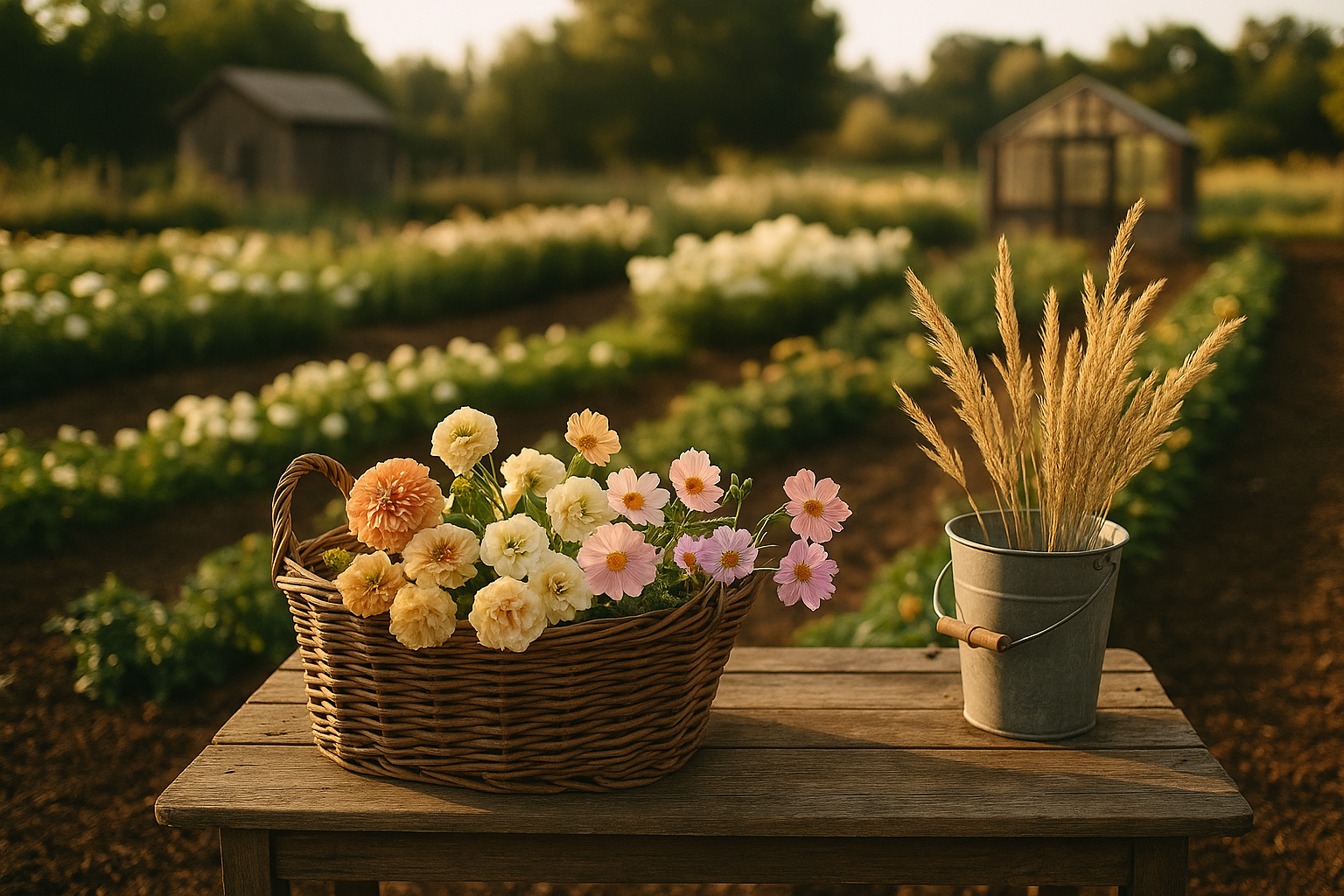
The arrival of spring brings a splash of color and the promise of new growth, making it the perfect time to plant cut flower varieties. Whether you’re a seasoned flower farmer or a gardening enthusiast, selecting the right flowers can significantly impact your yields and the vibrancy of your arrangements. Imagine walking through your garden, scissors in hand, surrounded by blooms ready to be displayed in your home or sold at the market. The right choice of cut flowers not only beautifies your space but also ensures a bountiful harvest.
In 2026, the options for cut flower varieties are as diverse as ever, with each option offering unique colors, shapes, and growth habits. With proper planning and care, these flowers will flourish and provide an endless supply of blossoms throughout the spring season. As you prepare your garden beds, keep in mind the importance of matching your plant selection to your local growing conditions and market demands.
From timeless classics to trendy newcomers, this guide will help you make informed decisions for your spring plantings. With the right cut flower varieties, your garden can become a vibrant tapestry of color and fragrance, providing beauty and joy from the first bud to the last bloom.
Why Choose the Right Cut Flower Varieties?
Choosing the right cut flower varieties is crucial for maximizing both beauty and yield. Different flowers thrive under specific conditions, and selecting varieties suited to your climate and soil ensures healthy growth and abundant blooms. According to USDA guidelines, understanding your growing zone is key to selecting plants that will flourish in your garden.
Moreover, the right varieties can offer increased resistance to pests and diseases, reducing the need for chemical interventions. This is especially important if you’re committed to organic farming practices. Using tools like FarmsFlo can help you stay on top of your planting schedule, ensuring each variety is planted at the optimal time for your region.
Top 5 Cut Flower Varieties for Spring
For a successful spring harvest, these five cut flower varieties stand out for their beauty, resilience, and market appeal:
- Zinnias: Known for their vibrant colors and long vase life, zinnias are a staple in any cut flower garden. They thrive in zones 3-10, making them versatile for many regions.
- Snapdragons: With their unique dragon-shaped blooms, snapdragons add height and texture to arrangements. They perform well in cooler spring conditions.
- Sunflowers: A classic favorite, sunflowers are loved for their cheerful faces and sturdy stems. They’re ideal for zones 4-9.
- Cosmos: These dainty, airy flowers are perfect for bouquets and attract beneficial pollinators to your garden.
- Dahlias: With a range of colors and forms, dahlias are show-stoppers that demand attention in any floral display.
Planting and Maintenance Tips for Cut Flowers
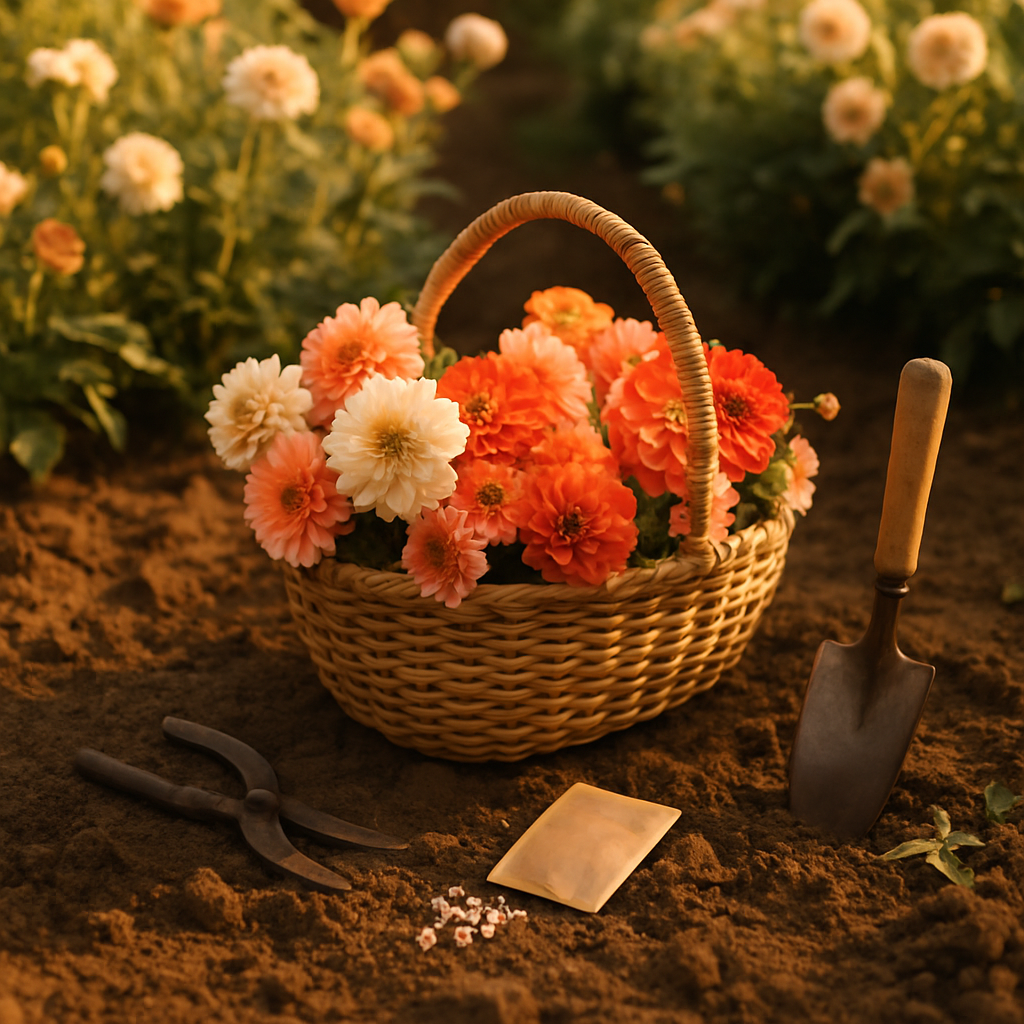
Planting cut flower varieties requires attention to detail, from soil preparation to proper spacing. Begin by enriching your soil with organic matter; composting is an excellent way to enhance soil health. See our guide on how to boost soil health with spring composting for more tips.
For most cut flowers, plant seeds after the last frost date in your area. Keep an eye on weather patterns and consult local extension services for the best planting times. Proper spacing is crucial to allow air circulation and prevent disease. Consider using vertical gardening techniques for smaller spaces, as discussed in our article on best vertical planters for small spaces.
Maximizing Yield with Proper Care
Maximizing yield from your cut flower varieties involves consistent care and attention. Regular watering, especially during dry spells, is essential. However, be cautious of overwatering, which can lead to root rot. Fertilization should be balanced and timely; over-fertilizing can result in lush foliage but fewer flowers.
Prune spent blooms to encourage further flowering and maintain plant health. This is particularly vital for varieties like zinnias and cosmos, which benefit from deadheading. Additionally, organic pest control methods, such as those outlined in our top organic pest control sprays for spring gardens, can be effective in keeping your plants healthy without harming beneficial insects.
Our Top Picks for Cut Flower Varieties
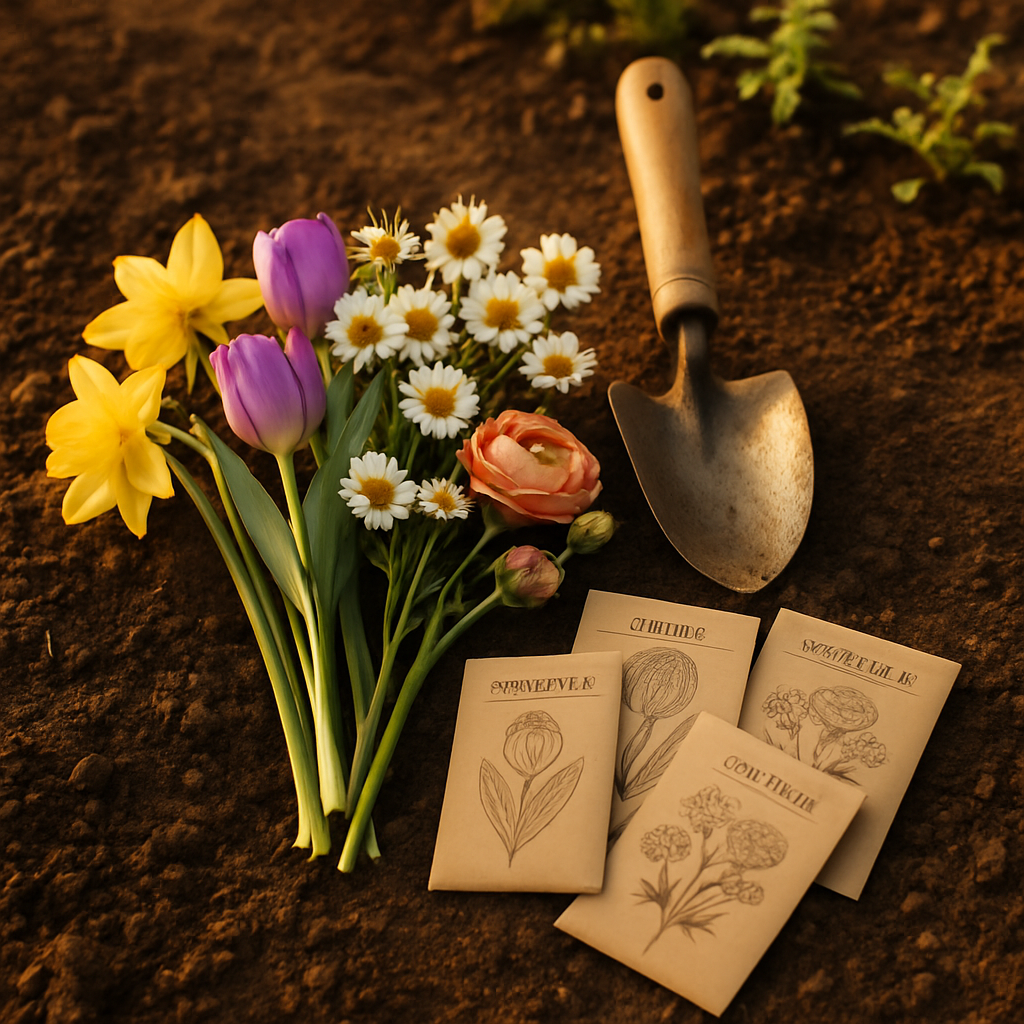
Choosing the right seeds can set the stage for a successful growing season. Here are our top product picks:
- Cut Flower Garden Seed Mix – 15,000+ Seeds – 1 oz Extra Large Packet – Non-GMO Flower Seeds – Zinnia: Perfect for those looking to fill their garden with a variety of zinnias, this mix offers high germination rates and vibrant blooms. Check Price on Amazon.
- Cut Flower Garden Seeds – Extra Large 1 Ounce Packet – Over 7,500 Fresh Open Pollinated Non-GMO Wild: This packet offers a diverse selection of wildflowers, ideal for creating a natural, meadow-like garden. Check Price on Amazon.
- HOME GROWN Zinnia Dahlia Seeds Pack for 2026 Non GMO 524 Flower Seeds | Vibrant Zinnia Elegans for P: This pack is perfect for those who want to experiment with both zinnias and dahlias, offering a burst of color and form. Check Price on Amazon.


Manage Your Farm Smarter with FarmsFlo
Track planting schedules, monitor your harvest, and streamline your entire farm operation — all from one easy-to-use app built by farmers, for farmers.
Frequently Asked Questions
What are the most popular cut flower varieties in 2026?
Zinnias, dahlias, sunflowers, snapdragons, and cosmos are among the top choices for their vibrant colors and strong stems, making them ideal for both gardens and bouquets.
How do I ensure a long vase life for my cut flowers?
To extend vase life, cut flowers early in the morning, use clean tools, and immediately place them in water. Trim stems at an angle and change the water every few days.
Can I grow cut flowers in small spaces?
Absolutely! Consider using vertical planters or compact varieties that thrive in containers. Check out our best vertical planters for small spaces for more ideas.
What should I watch out for when growing cut flowers?
Be mindful of pests like aphids and diseases such as powdery mildew. Regular monitoring and organic pest control can help manage these issues effectively.
How can I boost my soil health for better flower production?
Incorporate organic matter like compost into your soil to improve fertility and structure. Learn more about composting in our spring composting guide.
Key Takeaways
- Best Overall: Cut Flower Garden Seed Mix – 15,000+ Seeds for its variety and high germination rates.
- Best Value: Cut Flower Garden Seeds – Over 7,500 Fresh Seeds for its affordability and diverse selection.
- Best for Experimentation: HOME GROWN Zinnia Dahlia Seeds Pack for offering both zinnias and dahlias in one pack.
With the right cut flower varieties, your garden can become a vibrant and productive haven. By understanding your local conditions and choosing plants suited to your environment, you’ll be rewarded with stunning blooms all season long. Happy planting!
From Our Network
GreenChoice Affiliates — Eco-friendly product reviews for sustainable living
FarmsFlo — Free farm management app for planting schedules, harvests, and operations
BoingyBooks — Publish and discover ebooks, interactive read-alongs, and audiobooks
Leave a Reply
You must be logged in to post a comment.