How to Boost Soil Health with Spring Composting
Learn effective spring composting techniques to boost soil health. Ideal for gardeners seeking sustainable practices.
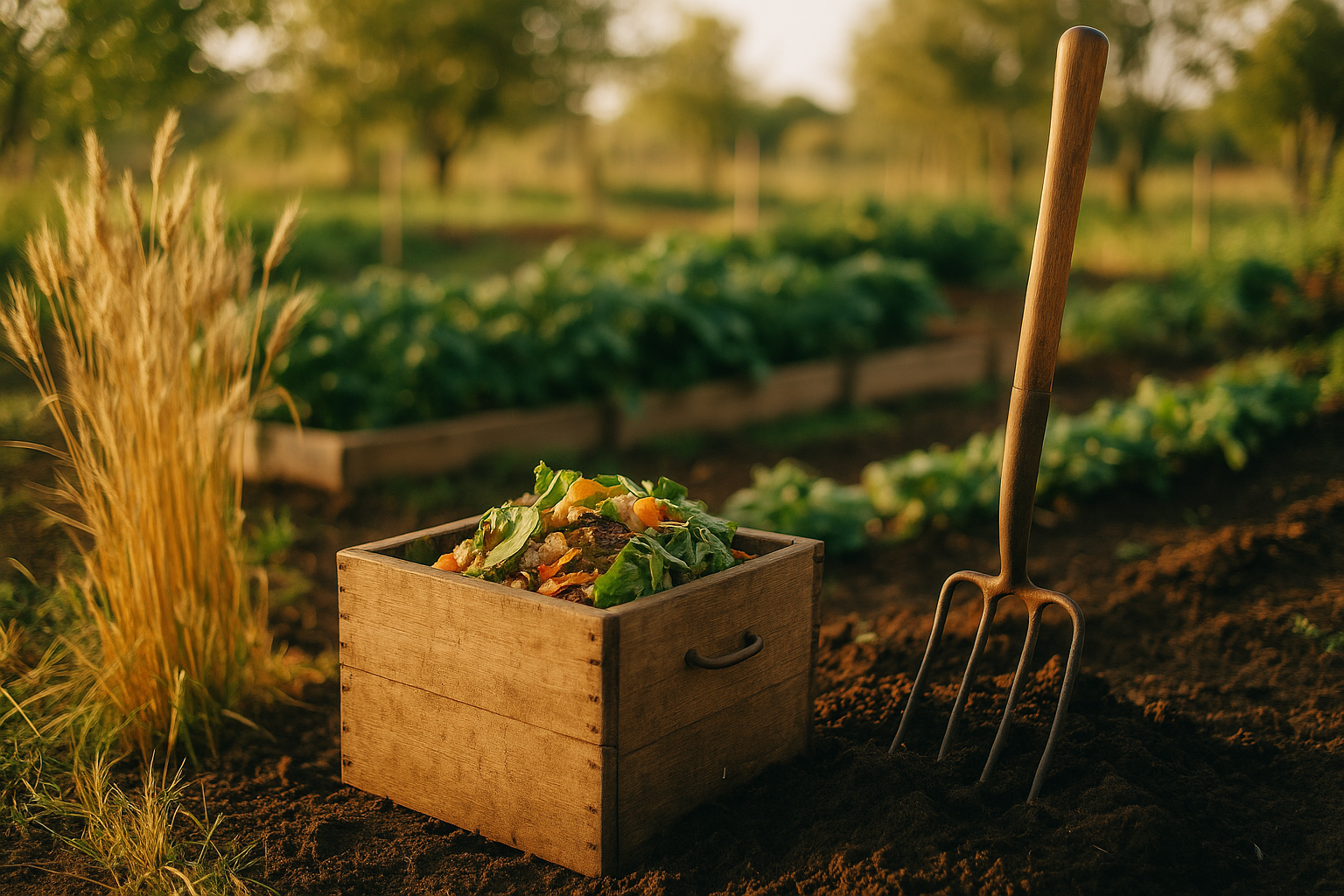
This post may contain affiliate links. If you make a purchase through these links, we may earn a small commission at no extra cost to you. Learn more.Spring is the perfect season to revitalize your soil with the magic of composting. As the earth awakens from winter’s slumber, it’s primed to absorb nutrients and foster new growth. By utilizing strategic spring composting techniques, you can effectively enhance soil health, ensuring a bountiful garden or farm throughout the growing season.Composting in the spring provides a jumpstart to your plants, supplying them with a rich, nutrient-dense foundation. This is especially beneficial for those in USDA growing zones 4 through 7, where the soil can be quite compacted after the cold months. The combination of rising temperatures and increased microbial activity makes this an opportune time to introduce compost into your gardening routine.Not only does spring composting support healthy plant growth, but it also contributes to a sustainable farming practice. By recycling organic waste into valuable fertilizer, you’re reducing landfill contributions and promoting a healthier ecosystem. With the right techniques, tools, and a little patience, you’ll see your garden thrive like never before.## Why Spring is the Best Time for CompostingSpring provides the ideal conditions for composting due to the warming temperatures and increased biological activity. As the soil thaws, microorganisms become more active, breaking down organic matter faster. This natural boost helps your compost pile mature more quickly, making nutrients readily available for your plants.Furthermore, spring rains can provide the necessary moisture to keep your compost pile active. Maintaining the right balance of moisture is crucial for effective composting. Too much water can lead to an anaerobic environment, while too little can stall decomposition. For gardeners in milder climates, spring is also when the garden is less crowded, allowing for easier incorporation of compost into your planting beds.## Essential Composting Techniques for Rich SoilUsing effective spring composting techniques is key to producing nutrient-rich soil. Begin by layering green and brown materials in your compost pile. Green materials like grass clippings and kitchen scraps provide nitrogen, while brown materials such as dried leaves and straw offer carbon. Aim for a balanced ratio to encourage efficient decomposition.Turning your compost pile regularly, ideally every two weeks, helps aerate the mixture and speeds up the composting process. If you’re short on time, products like the Roebic CA-1 Bacterial Compost Accelerator can aid in breaking down materials faster. Check Price on Amazon.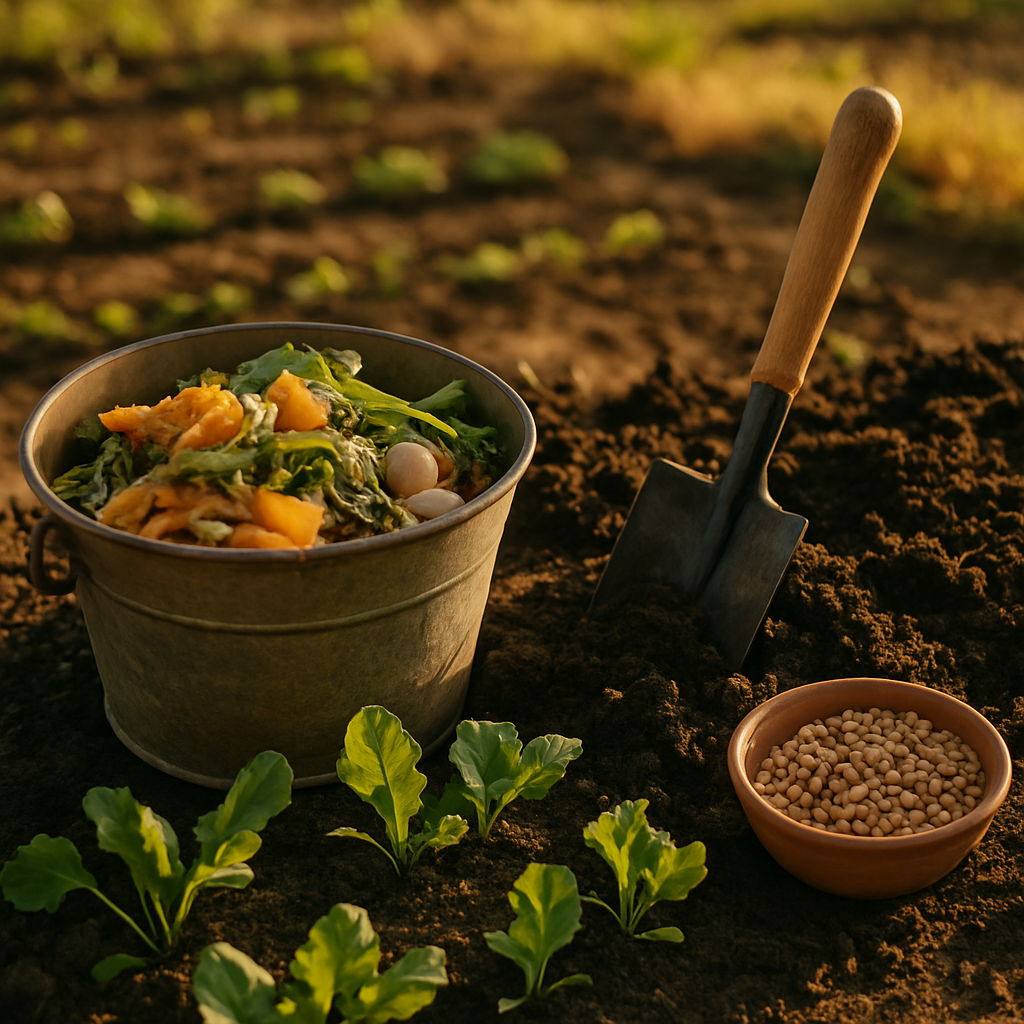 ## Choosing the Right Compost Bin for Your GardenSelecting the right compost bin can make a significant difference in your composting success. Stationary bins are ideal for small gardens and urban settings, while tumblers offer convenience for those who want quicker results. Tumblers can reduce composting time to as little as 4-6 weeks with regular turning.If you’re working in a compact space, consider the Best Urban Fabric Grow Bags for Spring Vegetables 2026 as a complementary growing option. These bags can efficiently use the compost you generate, creating a seamless loop of sustainability.For those with larger operations, consider a multi-bin system. This allows for continuous composting, with one pile ready to use while others are still maturing. A key drawback to watch out for with larger systems is the potential for rodent intrusion, so ensure your bins are well-secured.## Common Composting Mistakes and How to Avoid ThemOne common mistake in spring composting is neglecting the balance between green and brown materials. An imbalance can lead to foul odors or slow decomposition. Always strive for a ratio of about 3:1 browns to greens.Another pitfall is failing to maintain adequate moisture. Compost should be as damp as a wrung-out sponge. If you live in a dry area, you may need to water your pile occasionally. Conversely, if your compost becomes too wet, adding more brown materials can help absorb excess moisture.Overloading your compost with high-acid materials like citrus peels or excessive grass clippings can also hinder microbial activity. Moderation and variety in your compost inputs are key to a successful pile.
Compost is foundational, but it isn’t always enough on its own — especially in clay-heavy or nutrient-depleted soil. For targeted fixes, our roundup of the best soil amendments to pair with compost covers biochar blends, liquid revitalizers, and mineral conditioners that fill the gaps compost alone can’t.
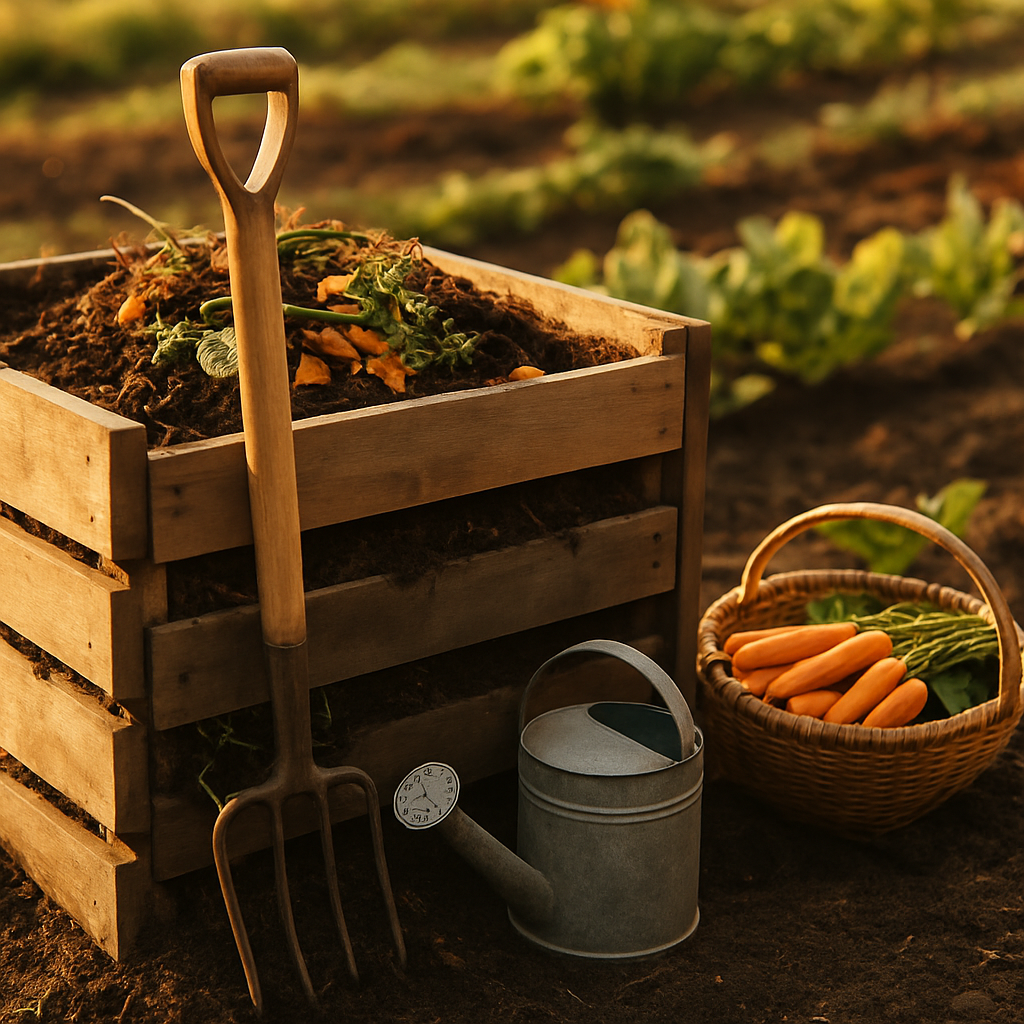 ## Our Top Picks for Spring Composting ToolsTo optimize your spring composting techniques, consider investing in quality tools. For faster composting, the Jobe’s Organics Fast Acting Granular Fertilizer Compost Starter is highly effective, offering easy plant care and boosting microbial activity. Check Price on Amazon.If you prefer a natural option, the Dr. Connie’s Compost Plus provides a concentrated microbe activator, enhancing your compost’s nutrient profile. Check Price on Amazon.Investing in a quality compost thermometer can also help you monitor your pile’s internal temperature, ensuring it stays in the optimal range of 135-160°F for efficient decomposition.
 #### Roebic CA-1 Bacterial Compost Accelerator: 2.5 pounds, for faster composting$9.79Check Price on Amazon
 #### Jobe’s Organics Fast Acting Granular Fertilizer Compost Starter, Easy Plant Care Compost Accelerator$17.59Check Price on Amazon
 #### Dr. Connie’s Compost Plus – 100X Concentrated Starter & Accelerator | Natural Microbe Activator for$15.00Check Price on Amazon### Manage Your Farm Smarter with FarmsFloTrack planting schedules, monitor your harvest, and streamline your entire farm operation — all from one easy-to-use app built by farmers, for farmers.Try FarmsFlo Free## Frequently Asked Questions### What is the best way to start a compost pile in spring?Begin by layering green and brown materials in a 3:1 ratio, ensuring good aeration and moisture. Turn the pile every two weeks to speed up decomposition.### How long does it take for compost to be ready in spring?With optimal conditions and regular turning, compost can be ready in 2-3 months. Using accelerators can reduce this time significantly.### Can I compost in a small urban garden?Yes, using compact systems like tumblers or fabric grow bags allows urban gardeners to compost effectively without taking up much space.### What should I do if my compost pile smells bad?Odors usually indicate an imbalance. Add more brown materials to balance excess nitrogen and ensure proper aeration by turning the pile.### Is it necessary to use a compost accelerator?While not necessary, accelerators like Jobe’s Organics can significantly speed up the process, making them useful for those needing quick results.Revitalizing your soil with spring composting techniques sets the stage for a thriving garden. With the right tools and practices, you can transform waste into a valuable resource, enhancing both your garden’s productivity and sustainability. Remember, patience and consistency are key, and with a bit of effort, your plants will reward you with a lush, bountiful harvest.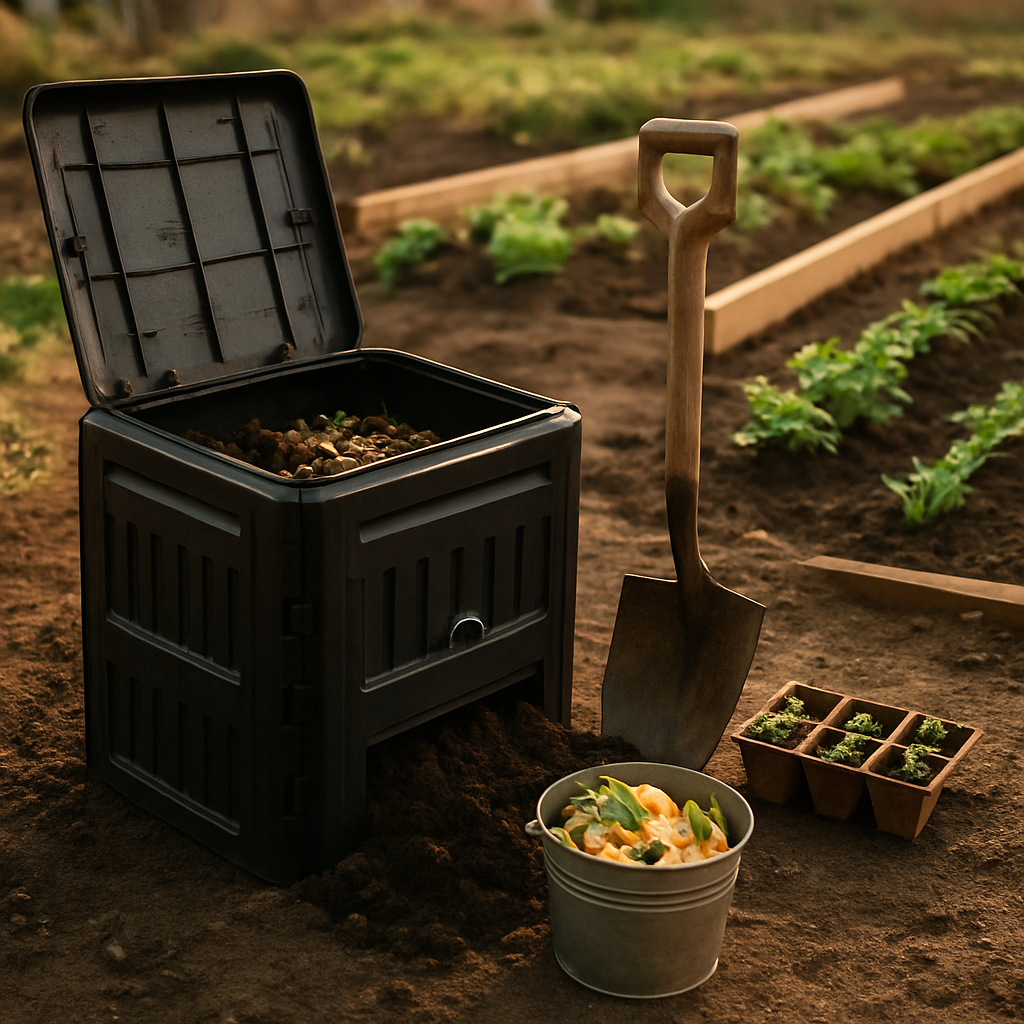
Our Top Picks
Roebic CA-1 Bacterial Compost Accelerator
Roebic CA-1 Bacterial Compost Accelerator. A practical pick we've seen recommended for this use case — verify the current spec, size, and finish on the merchant page before you order.
Jobe's Organics Fast Acting Granular Fertilizer Compost Starter
Jobe's Organics Fast Acting Granular Fertilizer Compost Starter. A practical pick we've seen recommended for this use case — verify the current spec, size, and finish on the merchant page before you order.
Dr. Connie’s Compost Plus
Dr. Connie’s Compost Plus. A practical pick we've seen recommended for this use case — verify the current spec, size, and finish on the merchant page before you order.