

This post may contain affiliate links. If you make a purchase through these links, we may earn a small commission at no extra cost to you. Learn more.
Introduction to Implementing Crop Rotation Strategies
Is your farm’s soil health silently crying out for help? Implementing crop rotation strategies could be the game-changer you need. This age-old agricultural practice isn’t just about alternating crops—it’s about revitalizing your soil, boosting yields, and decreasing pests that threaten your harvest. With climate change pressing down and natural resources dwindling, the urgency to adopt sustainable farming practices has never been more critical. Crop rotation stands as a beacon of hope, offering not only a more resilient agricultural system but also a pathway to increased profitability. In this post, we’ll explore the science behind crop rotation, its undeniable benefits, and practical steps to integrate this strategy into your farming routine. Discover how to transform your fields into thriving ecosystems that work in harmony with nature.
Understanding decreasing pests: The Fundamentals
Understanding the fundamentals of decreasing pests is crucial when implementing crop rotation strategies. Crop rotation is not just an ancient agricultural practice; it is a modern solution that offers sustainable pest management. By systematically changing the types of crops grown in a particular area, farmers can naturally disrupt the life cycles of pests, reducing their populations over time. This practice not only contributes to healthier crops but also minimizes the need for chemical pesticides, promoting a more eco-friendly approach to farming.
One of the primary reasons crop rotation is effective in decreasing pests is its ability to break pest life cycles. Many pests are crop-specific and depend on particular plants to thrive. By rotating crops, these pests are deprived of their preferred food source, leading to a natural decline in their populations. For instance, rotating corn with soybeans can significantly lower the incidence of corn rootworms, a notorious pest for corn crops. This strategic crop variation acts as a natural deterrent, promoting healthier yields.
Moreover, crop rotation enhances soil health, which indirectly contributes to pest management. Healthy soil fosters robust plant growth, making crops more resilient to pest attacks. Including cover crops in the rotation can further improve soil structure and nutrient content. According to SARE, cover crops like clover and rye can suppress weeds and provide habitat for beneficial insects that prey on pests. This symbiotic relationship creates an environment where natural pest predators thrive, further decreasing pest populations.
In addition to pest control, crop rotation can lead to more efficient nutrient management. Different crops have varying nutrient requirements and contributions to the soil. By alternating crops, farmers can prevent nutrient depletion and reduce the need for synthetic fertilizers. This balance in soil nutrients also supports plant health, making crops less vulnerable to pest infestations. For example, legumes like peas and beans fix nitrogen in the soil, benefiting subsequent crops such as wheat or corn.
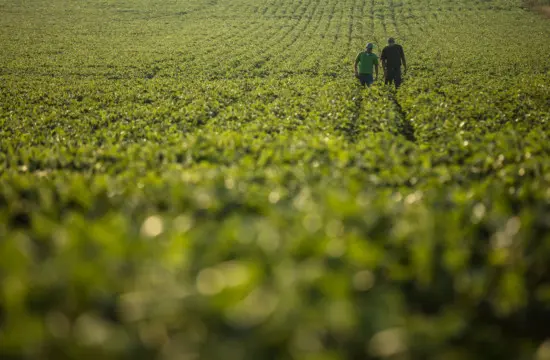
The Role of Biodiversity in Decreasing Pests
Biodiversity plays a significant role in decreasing pests through crop rotation. Diverse planting not only confuses pests but also attracts a variety of beneficial organisms. This diversity forms a complex ecosystem that naturally regulates pest populations. Incorporating livestock grazing into crop rotations can further enhance this effect. As highlighted in 6 Shocking Ways Livestock Grazing Supercharges Crop Rotation, livestock can help control weeds and pests while returning nutrients to the soil through manure.
Farmers often worry about the initial transition to crop rotation, questioning its practicality and economic viability. However, studies have demonstrated the long-term benefits outweigh the challenges. According to research published in ScienceDirect, crop rotation can increase yields by up to 25% in certain cases, offsetting initial costs and labor. Furthermore, the reduction in pesticide use leads to significant savings, contributing to a more sustainable agricultural model.
To effectively implement crop rotation, farmers should consider the specific pests prevalent in their region and select crop sequences accordingly. Consulting resources such as VLSCI can provide guidance on optimal crop choices and sequences. Additionally, experimenting with different crop combinations and rotations can help farmers identify the most effective strategies for their unique circumstances.
In conclusion, decreasing pests through crop rotation is a multifaceted approach that offers numerous benefits. By disrupting pest life cycles, enhancing soil health, and promoting biodiversity, this practice fosters a sustainable and productive agricultural environment. While initial implementation may require careful planning and adjustment, the long-term advantages make it a worthwhile investment for both small-scale and commercial farmers. Embracing crop rotation not only safeguards crops but also contributes to a healthier planet.
🚀 Start Right: The Only Decreasing Pests Beginners Actually Need

Ultrasonic Pest Repellent Control 2026 (2-Pack), Plug in Home, Flea, Rats, Roach…

6 Pack Ultrasonic Pest Reject Indoor Mouse Repellent Pest Repellent Ultrasonic P…

As an Amazon Associate, we earn from qualifying purchases. Prices and availability subject to change.
Why decreasing pests Matters in Today’s World
In today’s rapidly evolving agricultural landscape, decreasing pests has become a top priority for farmers worldwide. The implementation of crop rotation strategies is a proven method to combat pest populations while promoting sustainable farming practices. But why is decreasing pests so crucial in today’s world? The answer lies in the multifaceted benefits that not only enhance crop yields but also contribute to environmental conservation and economic sustainability.
Firstly, decreasing pests through crop rotation reduces the reliance on chemical pesticides. Traditional pest control methods often involve heavy pesticide use, which can lead to soil degradation and water pollution. By alternating crops, farmers can naturally disrupt pest life cycles, minimizing the need for harmful chemicals. This strategy not only protects the environment but also ensures that food products are safer for consumption.
Moreover, the economic impact of decreasing pests cannot be overstated. Pest infestations can devastate crop yields, leading to significant financial losses for farmers. Implementing effective crop rotation strategies can help prevent such losses by maintaining soil health and fertility, which are essential for robust plant growth. As a result, farmers can achieve more consistent yields and better profitability.
The Environmental and Health Benefits of Decreasing Pests
Environmental conservation is another compelling reason to focus on decreasing pests. By reducing the need for chemical interventions, crop rotation supports biodiversity, encouraging beneficial insects and microorganisms to thrive. This natural balance helps maintain ecosystem health, which is vital for sustainable agriculture. Additionally, healthier ecosystems contribute to better air and water quality, benefiting communities and wildlife alike.

From a health perspective, decreasing pests is equally important. Overuse of pesticides has been linked to adverse health effects in humans, including respiratory problems and endocrine disruption. By adopting crop rotation, farmers can produce healthier crops with fewer chemical residues, safeguarding consumer health. This shift towards more sustainable practices also aligns with growing consumer demand for organic and eco-friendly products.
Furthermore, crop rotation can be particularly effective in semi-arid climates, where water conservation is critical. By enhancing soil structure and moisture retention, this practice can reduce water usage significantly. For more insights on how to save water in challenging climates, consider exploring Can Composting in Semi-Arid Climates Save You 50% on Water Use?.
For urban farmers, understanding pest management is crucial for successful harvests. While container gardens offer convenience, they may inadvertently create ideal conditions for pest proliferation. Learn more about this potential pitfall in Are Container Gardens Secretly Sabotaging Your Urban Harvest?.
In conclusion, decreasing pests through crop rotation is a vital strategy for modern agriculture. It offers a holistic solution that protects the environment, boosts economic outcomes, and ensures the health of consumers. By embracing these practices, farmers can contribute to a more sustainable future while meeting the growing demands of a changing world. The benefits of this approach extend beyond immediate pest control, setting the stage for long-term agricultural success.
Key Benefits of Implementing decreasing pests
Implementing crop rotation strategies has been a cornerstone of sustainable agriculture for centuries, and one of the most profound benefits of this practice is decreasing pests. By systematically alternating the types of crops grown on a particular piece of land, farmers can effectively interrupt the lifecycle of pests, reducing their population and impact on crops. This natural method of pest control is not only environmentally friendly but also enhances the long-term health of the soil and ecosystem.
Crop rotation works by disrupting the habitat and food sources that pests rely on. For instance, if a specific pest thrives on a particular crop, rotating that crop with a non-host species can starve the pest and prevent it from multiplying. According to the VLSCI, rotating crops that belong to different families can significantly suppress pest populations, leading to healthier crops and higher yields.
Another critical aspect of decreasing pests through crop rotation is the reduction in chemical pesticide use. When pests are naturally controlled through strategic planting, the need for synthetic pesticides diminishes. This not only lowers costs for farmers but also reduces chemical runoff into nearby water bodies, promoting a healthier environment. The SARE highlights that chemical reduction is a key benefit, as it aligns with the growing demand for organic and sustainable produce.
Enhancing Soil Health and Biodiversity
Crop rotation contributes to soil health by enhancing biodiversity both above and below the ground. Different crops contribute varying nutrients to the soil, preventing the depletion that can occur with monoculture farming. This diversity supports beneficial soil organisms that help control pest populations naturally. As noted in a recent study, diverse cropping systems can lead to a more resilient agricultural ecosystem.
Moreover, crop rotation can help break the life cycles of soil-borne pathogens. By rotating legumes with cereals, farmers can naturally fix nitrogen in the soil, which nourishes subsequent crops and reduces the risk of disease. This practice not only results in decreasing pests but also promotes robust crop growth. The Western SARE emphasizes the importance of understanding crop-specific pest relationships to optimize rotation strategies.
Farmers also benefit from improved crop quality and yield stability. When pest pressure is reduced, plants can allocate more energy to growth and reproduction rather than defense mechanisms. This leads to higher quality produce that is more marketable. Insights from proper tool usage can further enhance farm efficiency, ensuring that rotational strategies are implemented effectively and consistently.
In conclusion, the key benefits of implementing crop rotation strategies, particularly in decreasing pests, are multifaceted. By disrupting pest lifecycles, reducing chemical dependence, enhancing soil health, and promoting biodiversity, crop rotation provides a sustainable path to agricultural productivity. This time-tested practice not only safeguards the environment but also supports the economic viability of farms, making it an indispensable tool in modern agriculture.
⭐ Highest-Rated Decreasing Pests According to 10,000+ Reviews
Spectracide Large Plot Triazicide Insect Killer for Lawns & Landscapes Concentra…

As an Amazon Associate, we earn from qualifying purchases. Prices and availability subject to change.
Practical Steps to Get Started with decreasing pests
Implementing crop rotation strategies can be an effective method for decreasing pests in agricultural settings. By alternating different crops on the same plot of land over specific seasons, farmers can disrupt pest life cycles and reduce dependency on chemical pesticides. This approach not only aids in pest control but also contributes to soil health and increased biodiversity. Understanding how to get started with crop rotation is crucial for those aiming to decrease pests and enhance agricultural productivity.
First, it’s essential to understand the life cycles of the pests you are dealing with. Many pests thrive on specific crops, so rotating those crops can naturally break the cycle. For instance, if a particular pest is known to attack corn, planting a non-host crop like soybeans in the following season can help reduce the pest population. According to Western SARE, rotating crops with different pest vulnerabilities can significantly decrease pest pressure.
Next, consider the benefits of companion planting as part of your crop rotation strategy. Certain plants can deter pests or attract beneficial insects that prey on them. For example, marigolds are known to repel nematodes, while planting legumes can attract beneficial insects that control aphid populations. Integrating these plants into your crop rotation plan can enhance pest control efforts while promoting a healthy ecosystem.
The Role of Cover Crops in Decreasing Pests
Cover crops play a vital role in a successful crop rotation system. They can suppress weeds, improve soil structure, and enhance pest management. According to the SARE’s guide on cover crops, using cover crops like clover or rye can reduce pest populations by creating an inhospitable environment for them. This not only keeps pest numbers down but also enriches soil nutrients for future crops.
Additionally, managing crop residues is a practical step in decreasing pests. Leaving residues can provide habitats for pests, so incorporating them back into the soil or removing them can minimize pest habitats. As noted in a study on sustainable agriculture, effective residue management is crucial for disrupting pest life cycles and reducing their impact on future crops.
It’s also important to assess the long-term benefits of crop rotation beyond pest control. Rotating crops can improve soil fertility and structure, leading to healthier plants that are more resistant to pest attacks. A healthy plant is less susceptible to pest damage, which naturally helps in decreasing pests without heavy reliance on chemical interventions.
Farmers should also be aware of potential challenges, such as the risk of runoff reduction failures that could impact profits if not managed carefully. Understanding these challenges and planning accordingly can ensure that crop rotation strategies are both effective and economically viable.
In conclusion, implementing crop rotation strategies is a multifaceted approach that offers numerous benefits beyond decreasing pests. By understanding pest life cycles, incorporating companion planting, using cover crops, and managing residues, farmers can effectively control pest populations while enhancing soil health and crop yields. This sustainable practice not only reduces dependency on chemical pesticides but also supports a more resilient agricultural system.
Common Mistakes to Avoid
When implementing crop rotation strategies, one of the primary goals is decreasing pests naturally and sustainably. However, achieving this requires careful planning and avoiding certain common mistakes that can undermine your efforts. By understanding these pitfalls, farmers and gardeners can optimize their crop rotation practices to effectively manage pest populations.
Firstly, neglecting to adequately plan your crop rotation schedule can lead to ineffective pest control. Each crop has different pest susceptibilities, and rotating crops without considering these differences can allow pests to thrive. For instance, following a tomato crop with potatoes may not be wise since both attract the same pests, such as nematodes. Instead, rotating with a crop like corn, which does not share these pests, can be more effective.
Another common mistake is failing to incorporate cover crops into your rotation plan. Cover crops, such as clover or rye, can disrupt pest life cycles and improve soil health. According to SARE, cover crops can significantly enhance pest management when integrated correctly. They provide habitat for beneficial insects and improve biodiversity, which naturally suppresses pest populations.
Overlooking soil health is another critical error. Healthy soil supports robust plant growth, making crops more resilient to pests. Practices such as adding organic matter and ensuring proper soil pH can enhance soil quality. The VLCSi blog highlights that improving soil health through crop rotation can lead to a natural decrease in pest pressures, reducing the need for chemical interventions.
Ignoring Pest Monitoring and Record Keeping
Regular pest monitoring and record keeping are essential but often ignored steps in effective pest management. By tracking pest populations and damage, you can make informed decisions about future crop rotations. Historical data allows you to identify patterns and make adjustments to your strategy, ensuring the success of your pest management efforts.
Additionally, relying solely on crop rotation without integrating other pest management strategies is a mistake. Crop rotation should be part of a broader Integrated Pest Management (IPM) plan. This approach includes practices such as biological controls, habitat manipulation, and judicious use of pesticides. By incorporating multiple strategies, you can achieve more sustainable pest control.
Finally, failing to educate oneself on the latest research and techniques can impede the effectiveness of crop rotation strategies. Staying informed through resources like Science Direct and attending workshops can provide new insights and methods for decreasing pests. Engaging with current research ensures that your strategies remain effective and adaptable to changing conditions.
In conclusion, decreasing pests through crop rotation requires strategic planning and a comprehensive approach. Avoiding these common mistakes can enhance your pest management efforts, leading to healthier crops and more sustainable agricultural practices. For those interested in exploring further, consider reading about the benefits of growing your own groceries for a healthier and more cost-effective approach here.
🏆 The Decreasing Pests Professionals Won’t Share
As an Amazon Associate, we earn from qualifying purchases. Prices and availability subject to change.
Real-World Success Stories
Implementing crop rotation strategies has proven to be an effective method for decreasing pests in agricultural settings. This age-old practice involves alternating the types of crops grown in a particular area across different seasons or years, disrupting the life cycles of pests and reducing their proliferation. Real-world success stories and case studies highlight the tangible benefits of crop rotation, making it a compelling choice for sustainable pest management.
One notable example comes from a study in Iowa, where farmers adopted a corn-soybean rotation. This practice not only improved soil health but also significantly decreased pests like the corn rootworm, which thrives on continuous corn planting. By breaking the pest’s dependency on a single crop, these farmers observed a reduction in pest populations and a lower need for chemical pesticides.
In another case, a farming cooperative in France implemented a diverse crop rotation system involving wheat, barley, and legumes. The introduction of legumes helped fix nitrogen in the soil, enhancing fertility, while the varied crops kept pests like aphids and weevils at bay. The cooperative reported a 40% decrease in pest-related losses, showcasing the efficacy of strategic crop rotation.
The Science Behind Decreasing Pests With Crop Rotation
Scientific research supports these real-world findings. According to a study published in ScienceDirect, crop rotation can disrupt pest breeding cycles and reduce reliance on pesticides. When different crops are planted in sequence, pests that specialize in one crop find their food sources disrupted, leading to population declines.
Farmers in Australia have also benefited from crop rotation by integrating cover crops such as clover and rye. As reported by VLSCI, cover crops enhance soil structure and suppress weeds, which can harbor pests. This approach has led to healthier plants and higher yields, contributing to the economic viability of farms.
Moreover, the Western Sustainable Agriculture Research and Education program outlines how small-scale farmers can implement rotation strategies effectively. They suggest alternating between root and leafy vegetables, which confuses pests and decreases their numbers. Such strategies are accessible and adaptable, making them ideal for diverse farming operations.
For those interested in integrating crop rotation into their pest management plans, DIY garden projects can offer a creative starting point. By experimenting with different rotations, even hobbyists can contribute to decreasing pests naturally.
In conclusion, crop rotation is a proven strategy for decreasing pests, backed by both scientific research and real-world examples. By disrupting the life cycles of pests, improving soil health, and reducing the need for chemical interventions, crop rotation offers a sustainable and effective approach to pest management. As more farmers share their success stories, the agricultural community continues to embrace this time-tested method for a healthier, more resilient future.
Future Trends and Innovations
As the agricultural landscape continues to evolve, innovative strategies for decreasing pests have become more critical than ever. A sustainable and effective approach that has gained significant traction is implementing crop rotation strategies. This method not only disrupts pest life cycles but also enhances soil health and boosts crop yields. But what does the future hold for these strategies? Let’s explore the emerging trends and innovations shaping the way farmers tackle pest problems.
To begin with, precision agriculture is transforming the way crop rotation strategies are implemented. Using GPS and remote sensing technology, farmers can now map out pest hotspots and tailor their crop rotation plans to target these areas specifically. This targeted approach allows for more efficient use of resources and results in a significant decrease in pest populations over time. By integrating data-driven insights, farmers can optimize their rotations for maximum efficacy.
Moreover, advancements in genetic engineering are opening new doors for pest management. Scientists are developing pest-resistant crop varieties that can further enhance the benefits of crop rotation. For example, crops engineered to produce natural pest repellents can be strategically rotated to bolster pest control efforts. This biotechnological innovation complements traditional rotation practices, offering a one-two punch in the battle against pests.
Integrating Cover Crops for Enhanced Pest Management
Incorporating cover crops into rotation plans is another trend gaining momentum. Cover crops, such as clover and rye, offer numerous benefits, including soil enrichment and weed suppression. However, their role in decreasing pests is particularly noteworthy. These crops can act as a natural barrier, preventing pest colonization and disrupting their breeding cycles. Studies, such as those found on SARE, highlight how cover crops can reduce pest pressure when used strategically in rotation schedules.
Another promising innovation is the use of digital platforms and apps to facilitate crop rotation planning. These tools provide farmers with access to real-time data, weather forecasts, and pest alerts, enabling them to make informed decisions. By leveraging technology, farmers can develop dynamic rotation plans that adapt to changing conditions, further enhancing their ability to decrease pests effectively.
Furthermore, community-based initiatives are fostering collaboration and knowledge exchange among farmers. By sharing experiences and strategies, agricultural communities can collectively refine their crop rotation techniques. Workshops and online forums offer platforms for discussing best practices, challenges, and successes, ultimately strengthening pest management efforts across regions.
One cannot overlook the role of education and training in promoting effective pest management strategies. Agricultural extension programs and workshops are essential for disseminating knowledge about the latest innovations in crop rotation. These programs empower farmers to implement cutting-edge techniques, ensuring the longevity and success of their pest control efforts.
Finally, addressing the economic aspects of crop rotation is crucial for its widespread adoption. Initiatives that highlight the financial benefits of rotation, such as increased yields and reduced pesticide costs, can incentivize farmers to embrace these methods. For instance, understanding how exotic flowers can enhance biodiversity and potentially decrease pest populations might align with farmers’ financial goals, as discussed in this article.
In conclusion, the future of decreasing pests through crop rotation is bright, with numerous innovations and trends shaping its trajectory. From precision agriculture and genetic engineering to digital tools and community collaboration, these strategies offer a holistic approach to pest management. By staying informed and adaptable, farmers can harness these advancements to protect their crops and ensure sustainable agricultural practices for generations to come.
Looking for products related to this topic?
Conclusion: Your Next Steps
Implementing crop rotation strategies is a time-tested method that offers numerous benefits for sustainable agriculture. By diversifying the types of crops grown in a particular area over different seasons, farmers can naturally decrease pests, reducing the need for chemical pesticides. This method not only protects the environment but also promotes the health of the soil, allowing for more robust and resilient crop yields.
One key takeaway is that rotating crops disrupts pest life cycles, making it harder for them to establish and thrive. Additionally, different crops contribute to varying nutrient profiles in the soil, enhancing fertility and reducing the likelihood of disease. Another important aspect is the potential for increased biodiversity, which supports a more balanced ecosystem. Together, these strategies foster a healthier agricultural environment, ensuring long-term productivity and sustainability.
Now is the time to act. The benefits of crop rotation are clear, but they can only be realized with commitment and timely implementation. Start by assessing your current crop rotation plan and identifying areas for improvement. Experiment with new crop combinations and observe the changes in pest populations and soil health. By taking these steps today, you contribute to a more sustainable future for agriculture. Embrace the power of nature’s own solutions and lead the way in sustainable farming practices!
From Our Network
GreenChoice Affiliates — Eco-friendly product reviews for sustainable living
FarmsFlo — Free farm management app for planting schedules, harvests, and operations
BoingyBooks — Publish and discover ebooks, interactive read-alongs, and audiobooks
Leave a Reply
You must be logged in to post a comment.