Composting in Semi-Arid Climates: 3 Techniques That Actually Work (2026)
Discover how composting in semi-arid climates can reduce your water use by 50%, conserve resources, and boost soil health effectively.
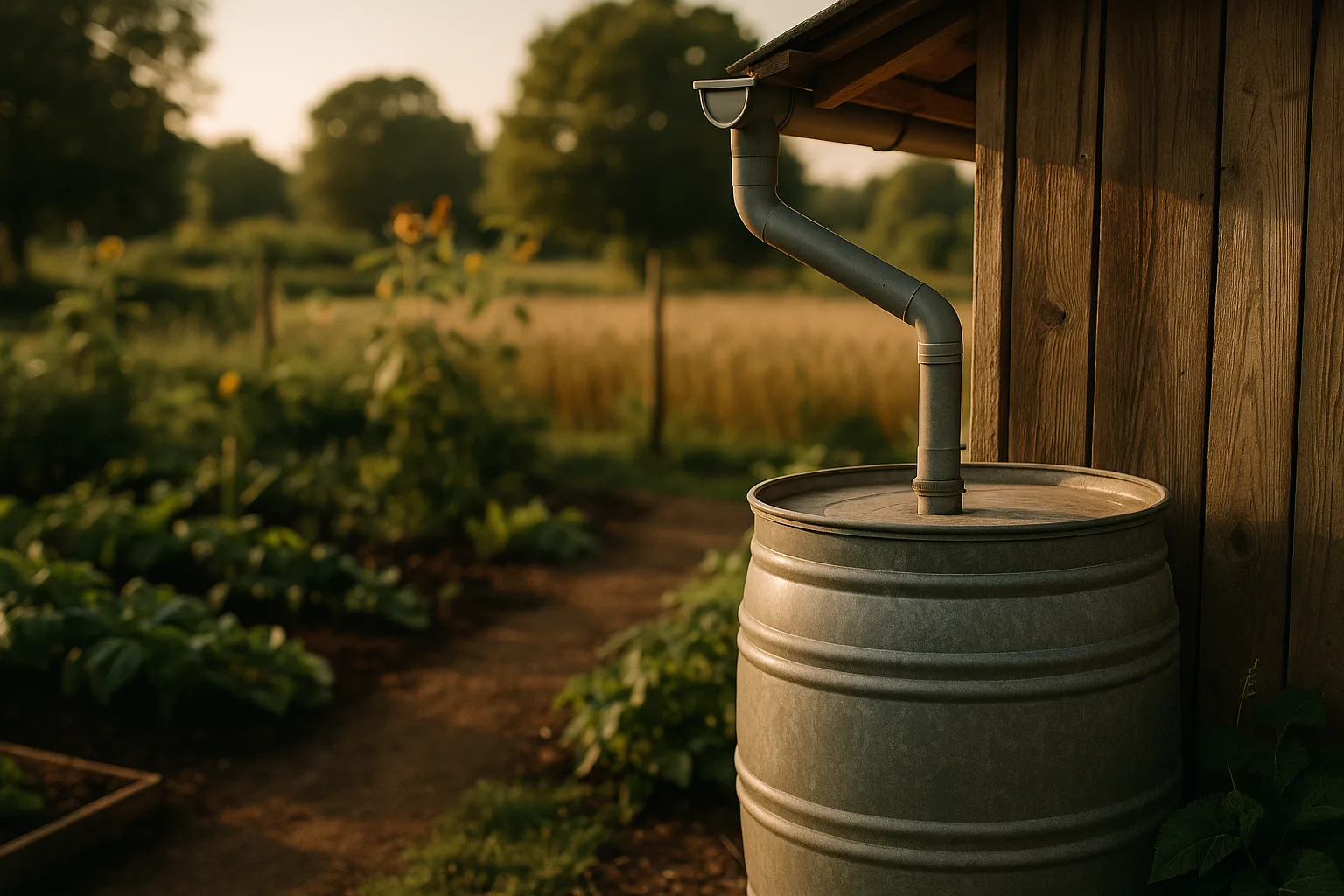
This post may contain affiliate links. If you make a purchase through these links, we may earn a small commission at no extra cost to you. Learn more.🎙️ Listen to Grant & Fiona Discuss This Article## Introduction to Latest Techniques in Composting & Waste ReductionCan transforming our waste into valuable resources be the key to sustainable living, even in a semi-arid climate? As environmental challenges grow, innovative techniques in composting and waste reduction are emerging as powerful tools to combat climate change and conserve precious resources. In regions where water scarcity is a pressing concern, these methods offer hope for creating a sustainable future by turning organic waste into nutrient-rich soil enhancers, reducing landfill dependency, and conserving water resources. The urgency to adopt these practices has never been greater, as they promise not only ecological benefits but also economic savings and healthier ecosystems. In this blog post, you’ll discover the latest advancements in composting technology and waste reduction strategies that are revolutionizing how we manage waste, with a special focus on adapting these techniques to the unique challenges of semi-arid climates.## Understanding semi-arid climate: The FundamentalsUnderstanding the semi-arid climate is crucial for developing effective composting and waste reduction strategies. Semi-arid regions are characterized by low rainfall, typically between 10 to 20 inches annually, which poses unique challenges for waste management and agricultural productivity. By mastering the fundamentals of this climate, individuals and communities can implement innovative approaches to enhance composting efficiency and reduce waste, contributing to sustainable living.Semi-arid climates, found in regions like parts of the southwestern United States and certain areas in Australia, require adapted strategies to maintain soil health. The limited precipitation means that water conservation is vital. Composting in such areas must focus on moisture retention, making it essential to use materials that can absorb and retain water efficiently. This ensures that the compost pile remains active, even in drier conditions.In these climates, organic waste can break down more slowly due to the lack of moisture. Therefore, turning the compost pile regularly becomes more important to maintain aeration and heat, which are necessary for decomposition. Adding water sparingly during the turning process can help maintain the right moisture levels without waste. It’s a delicate balance that needs careful monitoring.### Effective Techniques for Composting in Semi-Arid ClimatesUtilizing local resources is a smart way to adapt to the semi-arid climate. For instance, incorporating native plant material and manure from local livestock can enhance the nutrient profile of the compost. The USDA provides valuable insights into sustainable manure and compost application, emphasizing the significance of using region-specific materials to enrich the composting process effectively. Manure and straw in wheelbarrow [source]Another innovative approach is employing urban agriculture techniques that are gaining traction in these climates. By integrating composting with urban farming practices, as highlighted by the USDA’s urban agriculture initiatives, communities can improve soil productivity. This connection not only enhances waste reduction but also boosts urban soil productivity, potentially increasing crop yields dramatically. For more insights, you can explore these urban soil productivity hacks.Water management is another critical aspect in semi-arid environments. Composting systems that minimize water loss, such as covered bins or in-ground composting, can preserve moisture. Additionally, using water-efficient techniques like drip irrigation in conjunction with composting can significantly reduce wasteful watering practices, as explored in these nutritional security strategies.Moreover, addressing common concerns, such as pest control, is essential in semi-arid regions. Pests can be attracted to compost piles in search of food and moisture. Solutions include maintaining proper balance in the compost mix and using physical barriers to deter pests, ensuring that the composting process remains hygienic and efficient.In conclusion, understanding the semi-arid climate and its unique challenges is key to developing successful composting and waste reduction practices. By employing moisture-conserving techniques, utilizing local resources, and integrating innovative urban agriculture methods, individuals and communities can enhance soil health and reduce waste effectively. These strategies not only address the challenges posed by semi-arid climates but also promote sustainability and resilience in agricultural practices.### 🌱 Essential Semi-Arid Climate Every Beginner Needs (But Nobody Tells You)
 #### Semi-Arid Climate Change171.View on Amazon
 #### Sustainable Agriculture Management in Semi-Arid Climates: Volume 2208.View on Amazon
 #### Vegetation and climate interactions in semi-arid regions (Advances in Vegetation…197.View on Amazon
 #### Climate Variability, Climate Change and Social Vulnerability in the Semi-arid Tr…60.View on AmazonAs an Amazon Associate, we earn from qualifying purchases. Prices and availability subject to change.## Why semi-arid climate Matters in Today’s WorldIn today’s rapidly changing world, understanding the importance of semi-arid climates is crucial, especially when it comes to sustainable practices like composting and waste reduction. These regions, characterized by low rainfall and high evaporation rates, present unique challenges and opportunities. As we strive to implement the latest techniques in composting, recognizing the peculiarities of semi-arid climates can enhance our efforts significantly.Semi-arid climates cover about 15% of the Earth’s land surface and are home to over a billion people. These areas are prone to soil degradation and water scarcity, making traditional waste management practices less effective. With the right composting techniques, however, we can transform organic waste into valuable resources, improving soil quality and reducing landfill dependency. According to a study by the USDA, innovative composting practices can significantly enhance soil fertility, crucial for supporting agriculture in these challenging climates.Water conservation is a primary concern in semi-arid climates. Composting can play a vital role in this regard. By improving soil structure and increasing its ability to retain moisture, compost helps mitigate the effects of drought. A well-composted garden requires less frequent watering, which is a significant advantage in water-scarce environments. This sustainable approach is not only environmentally friendly but economically beneficial as well.### The Role of Compost in Enhancing Soil HealthSoil health is a cornerstone of successful agriculture, particularly in semi-arid areas. Compost enriches soil with essential nutrients, promoting the growth of healthy plants. This nutrient-rich compost supports diverse ecosystems, as highlighted in the article The Butterfly Sanctuary Secret That Could Save 10,000 Species. By fostering biodiversity, composting contributes to more resilient agricultural systems capable of withstanding environmental stresses.
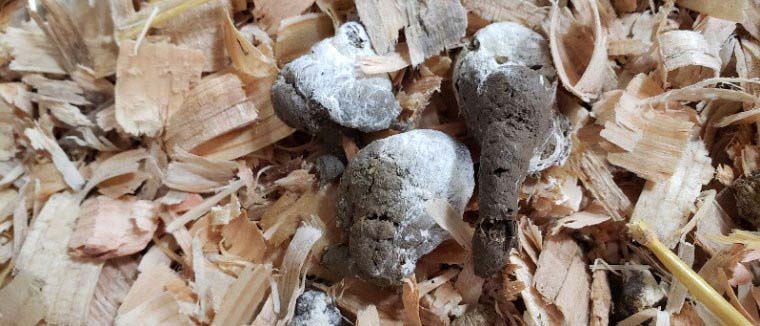 Chicken manure [source]Urban agriculture initiatives are gaining traction in semi-arid regions, offering a viable solution to food insecurity. The USDA’s urban agriculture grants have been pivotal in supporting these efforts. By utilizing compost, urban gardens can thrive even in soil-depleted areas. This practice not only enhances food production but also promotes community engagement and education about sustainable practices.Innovative composting techniques tailored for semi-arid climates are emerging. For instance, the use of plastic water bottles as irrigation tools in compost heaps can maximize moisture retention. This strategy, discussed in Revolutionizing Crop Rotation Strategies: The Unexpected Role of Plastic Water Bottles, highlights the creative solutions being developed to address the unique challenges of these regions.Despite its benefits, composting in semi-arid climates requires careful management. High temperatures can accelerate the decomposition process, but they can also lead to nutrient losses if not managed properly. Regular monitoring and turning of compost piles ensure optimal conditions are maintained, preventing the loss of valuable nutrients.In conclusion, the significance of semi-arid climates in today’s global landscape cannot be overstated. By adopting tailored composting techniques, we can address the pressing challenges of soil degradation and water scarcity. This not only supports sustainable agriculture but also enhances the resilience of ecosystems. As we continue to innovate, integrating knowledge from diverse sources will be key to thriving in these demanding environments.## Key Benefits of Implementing semi-arid climateImplementing composting techniques in a semi-arid climate presents unique challenges and opportunities. Given the limited rainfall and high evaporation rates, effective waste reduction strategies can significantly enhance soil fertility and ecological balance. By understanding the key benefits of composting in such environments, individuals and communities can better manage organic waste while improving agricultural potential.Firstly, the hot and dry conditions typical of a semi-arid climate accelerate the breakdown of organic matter in compost piles. This rapid decomposition is advantageous, as it reduces the time needed to produce mature compost. Additionally, these conditions help in minimizing the unpleasant odors often associated with composting, making the process more neighborhood-friendly.Another benefit is the ability of compost to enhance water retention in soil, a critical factor in semi-arid regions where water is a scarce resource. By improving the soil’s organic content, compost increases its capacity to hold moisture, thereby reducing the need for frequent irrigation. This is particularly beneficial for urban farms and gardens that strive to maintain productivity with limited water supply.Moreover, composting in a semi-arid climate can significantly increase soil fertility by replenishing essential nutrients. According to the Sustainable Agriculture Research and Education (SARE) program, adding compost to soil not only improves nutrient availability but also enhances soil structure, making it more conducive to plant growth.
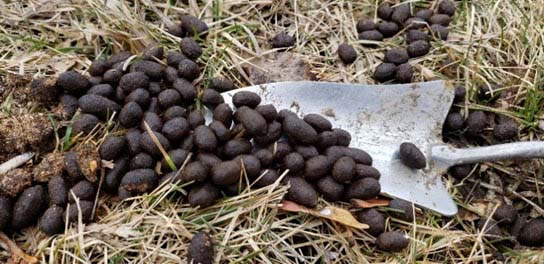 Deer manure [source]### Techniques for Effective Composting in Semi-Arid ClimatesTo maximize the benefits of composting in semi-arid climates, specific techniques can be employed. For example, using shade covers over compost piles helps retain moisture and prevent excessive drying. Additionally, incorporating waste materials with high moisture content, such as vegetable scraps, can aid in maintaining the necessary humidity levels within the compost.Furthermore, communities can implement a system of crop rotation and composting that complements the unique agricultural needs of semi-arid regions. By rotating crops and utilizing compost, soil health is enhanced, leading to sustainable farming practices. The Crop Rotation Secret offers insights into this symbiotic relationship.In a semi-arid climate, engaging local communities in composting initiatives not only promotes environmental awareness but also fosters a sense of community responsibility. Educational outreach programs supported by grants, such as those offered by the USDA, can be pivotal in spreading knowledge and best practices.Finally, addressing common concerns about composting in semi-arid climates is crucial. For instance, potential composters might worry about pest attraction. However, by maintaining a balanced compost pile with proper aeration and moisture control, these issues can be effectively managed.In conclusion, the implementation of composting in a semi-arid climate offers numerous benefits, from faster decomposition rates to improved soil fertility and water retention. By adopting suitable techniques and engaging local communities, sustainable waste reduction and agricultural productivity can be achieved. Encouragingly, these efforts not only contribute to environmental conservation but also support local food systems and community well-being.### ⭐ Highest-Rated Semi-Arid Climate According to 10,000+ Reviews
 #### Climate Change Adaptations in Dryland Agriculture in Semi-Arid Areas106.View on Amazon
 #### Communal Lands in the Semi-arid Region of Chile: Climate, Land Cover Change and …54.View on Amazon
 #### Modeling potential impact of climate change in semi-arid areas: A simulation of …91.View on Amazon
 #### Land Use in Semi-Arid Mediterranean Climates Unesco/international Geographical U…Check PriceView on AmazonAs an Amazon Associate, we earn from qualifying purchases. Prices and availability subject to change.## Practical Steps to Get Started with semi-arid climateStarting a composting and waste reduction initiative in a semi-arid climate can seem daunting, but with the right techniques, it is entirely feasible. Semi-arid climates, characterized by low rainfall and high evaporation, pose unique challenges to composting. Despite these challenges, implementing composting in such regions can significantly enhance soil quality and reduce waste. Let’s explore the practical steps you can take to successfully manage composting in semi-arid areas.Firstly, it’s crucial to understand the specific environmental conditions of a semi-arid climate. These regions often face water scarcity, which can affect the decomposition process in composting. To counteract this, consider using moisture-retentive materials like straw or shredded newspaper in your compost pile. These materials help maintain necessary moisture levels, ensuring your compost remains active even in dry conditions.Moreover, selecting the right location for your compost pile is essential. In a semi-arid climate, it’s beneficial to place your compost in a shaded area to reduce water loss through evaporation. If natural shade isn’t available, creating a simple cover with a tarp can serve as an effective alternative. This strategy helps maintain the appropriate temperature and moisture levels, which are critical for microbial activity.Another important aspect is the composting material itself. Incorporating a balanced mix of green and brown materials can enhance the composting process. Green materials, such as kitchen scraps, provide nitrogen, while brown materials, like dried leaves, supply carbon. Achieving a good carbon-to-nitrogen ratio is vital, especially in a semi-arid climate, to ensure efficient decomposition.
 Compost pile [source]### Innovations and Techniques for Semi-Arid CompostingInnovative techniques such as vermicomposting can be particularly effective in semi-arid climates. Utilizing earthworms accelerates the breakdown of organic matter, producing nutrient-rich compost more quickly. This technique also requires less moisture compared to traditional composting, making it suitable for water-scarce areas. For more insights on managing resources efficiently, check out this article on soil management mistakes.Additionally, water conservation techniques are paramount. Implementing a simple drip irrigation system for your compost pile can ensure consistent moisture levels without excessive water use. This method is not only eco-friendly but also cost-effective, addressing one of the primary concerns of composting in semi-arid regions.Community involvement can also play a significant role in successful composting in semi-arid areas. By engaging local communities, you can share resources and knowledge, leading to more effective composting practices. Community composting projects can increase awareness of the benefits of composting, further encouraging sustainable practices.Finally, monitoring and adjusting your composting process is necessary. Regularly turning the compost pile aids aeration and accelerates decomposition. In a semi-arid climate, this step is particularly important to prevent the pile from drying out. Adjusting the composting process based on seasonal changes can ensure year-round productivity.In conclusion, while composting in a semi-arid climate presents unique challenges, these can be overcome with strategic planning and innovative techniques. By understanding the local environment, selecting appropriate materials, and employing water-saving methods, you can create a successful composting system. Embracing community involvement and continuous monitoring will further enhance your efforts, leading to sustainable waste reduction and improved soil quality. For those interested in further optimizing their practices in challenging environments, consider exploring how urban farmers manage their resources to prevent water crises in container gardens here.## Common Mistakes to AvoidImplementing effective composting and waste reduction techniques in a semi-arid climate can be challenging, but avoiding common mistakes can lead to success. In such climates, where water is scarce and temperatures can fluctuate greatly, it’s crucial to adapt traditional composting methods to ensure efficiency and sustainability. Understanding the unique challenges this environment presents can help you make more informed decisions about your waste management practices.One of the most frequent errors is neglecting moisture management. In a semi-arid climate, the lack of humidity can cause compost piles to dry out quickly, halting the decomposition process. Regularly monitoring the moisture level and adding water as necessary is essential. Consider covering your compost pile with a tarp to help retain moisture. According to Utah State University’s research, maintaining a moisture content of about 50-60% is ideal for microbial activity.Another mistake is failing to balance carbon and nitrogen materials appropriately. In semi-arid regions, organic materials might decompose too slowly if they are too carbon-heavy. Incorporating green materials, such as vegetable scraps and grass clippings, can accelerate decomposition. However, ensure you mix them well with brown materials like dried leaves and straw to maintain balance.### Understanding Temperature FluctuationsTemperature management is another critical factor. In a semi-arid climate, daytime temperatures can soar, but nights may be cooler. This fluctuation can disrupt the composting process. To counteract this, position your compost pile where it can benefit from morning sun but is shaded during the hottest part of the day. This strategy helps maintain a consistent internal temperature, promoting efficient breakdown of materials.
 Compost [source]Ignoring the pile’s size can also impede progress. A compost pile that’s too small may not generate enough heat to sustain microbial activity, while one that’s too large might become unmanageable. Aim for a pile that’s at least three feet tall and wide. This size is often recommended by experts for optimal heat retention and aeration.Not aerating your compost regularly is another pitfall to avoid. In a semi-arid climate, it’s easy to overlook this step, especially since the pile might not appear as active as in more humid environments. Regular turning introduces necessary oxygen, which is vital for the aerobic microorganisms that drive decomposition.Lastly, overlooking the importance of selecting the right composting method can lead to inefficiencies. Traditional open-air piles might not be suitable in semi-arid climates due to rapid drying. Instead, consider vermicomposting or using a tumbler, which can retain moisture better and are often more manageable. The SARE’s publication on urban farms provides valuable insights into choosing suitable composting methods for different environments.In conclusion, adapting composting techniques to a semi-arid climate involves careful attention to moisture, temperature, and material balance. By avoiding these common mistakes, you can enhance your composting success and contribute to sustainable waste reduction. For more insights on adapting gardening practices to your specific climate, consider exploring seedling care and transplanting techniques tailored to your area.### 💎 Premium Semi-Arid Climate Worth Every Penny
 #### India III: Climate Change and Landscape Issues in India: A Cross-Disciplinary Fr…219.View on Amazon
 #### GIS-assisted spatially distributed modeling of the potential evapotranspiration …Check PriceView on Amazon
 #### Land Use In Semi-Arid Mediterranean Climates. Int.Geographical Union Symposium G…Check PriceView on Amazon
 #### Organic Gardening in the American West: Raising Vegetables in a Short, Dry, Grow…7.View on AmazonAs an Amazon Associate, we earn from qualifying purchases. Prices and availability subject to change.## Real-World Success StoriesIn recent years, the semi-arid climate has posed unique challenges for composting and waste reduction efforts. However, various success stories and case studies from around the world have demonstrated innovative techniques that are making a significant impact in these regions. From local community initiatives to large-scale agricultural projects, these real-world examples offer valuable insights into effective composting strategies tailored for semi-arid environments.One notable example comes from Northern Kenya, where community-led composting initiatives have transformed waste management practices. By utilizing organic waste from local markets, these communities have developed nutrient-rich compost that enhances soil fertility. This composting process not only reduces waste but also combats soil degradation caused by the harsh semi-arid climate. Local farmers have reported increased crop yields, a critical outcome in areas where food security is often at risk.In Australia, another region characterized by a semi-arid climate, farmers have adopted innovative composting techniques to address the challenges of water scarcity. A study conducted by the Sustainable Research Institute highlighted the use of ‘compost blankets’—a method where compost is spread over the soil surface. This technique significantly reduces water evaporation, thereby conserving moisture and enhancing plant growth. The results have been promising, with participating farms seeing a 20% increase in crop productivity.Moreover, the city of Tucson, Arizona, has implemented a city-wide composting initiative that illustrates urban adaptation to semi-arid conditions. Utilizing community drop-off points and partnerships with local businesses, Tucson diverts organic waste from landfills into composting facilities. The resulting compost is used to rejuvenate urban green spaces, contributing to a more sustainable city environment. For those interested in urban farming, exploring products that support these initiatives can be highly beneficial. Check out Revolutionizing City Greens: The Essential Products We Use in Modern Urban Farming & Container Gardens for more insights.### Innovative Techniques for Semi-Arid CompostingIn Israel, agricultural researchers have developed a composting technique that incorporates drip irrigation systems. By delivering moisture directly to compost piles, this method optimizes the decomposition process even in the dry conditions typical of a semi-arid climate. The technique has proven so effective that it’s now being shared with neighboring countries facing similar environmental challenges.Transitioning to a more technical perspective, a research project in South Africa focused on microbial inoculants that enhance composting efficiency. By introducing specific microorganisms into the composting process, the breakdown of organic material is accelerated, even in the absence of abundant water. This approach has gained traction among farmers looking to maximize compost production under water-restricted conditions.For those managing gardens in semi-arid urban areas, there are actionable tips to boost soil productivity and reduce waste. One practical solution involves integrating plant residues and food scraps into compost, a technique supported by the USDA’s urban agriculture initiatives. Additionally, urban gardeners can learn more about soil productivity hacks by visiting 5 Shocking Urban Soil Productivity Hacks Boost Yields Overnight.In conclusion, the semi-arid climate presents unique challenges for composting and waste reduction, but innovative techniques and community-driven initiatives are paving the way for sustainable solutions. From Kenya to Arizona, these real-world success stories illustrate the potential for composting to transform agricultural and urban environments in arid regions. By adopting and adapting these strategies, communities worldwide can enhance soil health, improve crop yields, and contribute to a more sustainable future.## Future Trends and InnovationsIn the quest to enhance sustainability and reduce waste, innovators are placing a spotlight on semi-arid climates. These regions, characterized by low rainfall and high evaporation, present unique challenges and opportunities for composting and waste reduction. As the world shifts towards more sustainable practices, understanding the latest techniques in these areas becomes critical.Adapting composting methods to semi-arid climates involves addressing moisture retention challenges. Traditional composting, which relies on a delicate balance of moisture, can be difficult in these dry regions. However, closed-system composting solutions, such as vermicomposting, are gaining traction. By utilizing worms to break down organic matter in enclosed environments, moisture loss is minimized, ensuring efficient decomposition even in arid conditions.Furthermore, leveraging technology to monitor and manage composting processes is transforming waste reduction efforts. Sensors and IoT devices now offer real-time data on temperature, humidity, and oxygen levels within compost piles. This innovation not only optimizes conditions for microbial activity but also reduces manual labor, making it an attractive solution for semi-arid climates where resources are scarce.Incorporating local materials into composting is another trend worth noting. Utilizing native plant waste, such as mesquite pods or cactus clippings, not only reduces transportation emissions but also fosters community involvement. Localized composting initiatives not only support waste reduction but also enhance soil health, which is crucial for the often-depleted soils of semi-arid regions.### Innovative Waste Reduction Techniques in Semi-Arid RegionsWater conservation plays a pivotal role in waste management strategies. Greywater systems, which recycle household water for irrigation, are becoming more prevalent. By integrating these systems with composting efforts, communities can significantly reduce water waste. This synergy is particularly beneficial in semi-arid climates, where every drop of water counts.Moreover, urban agriculture grants, such as those provided by the USDA, are fostering innovative waste reduction projects. These initiatives support the development of community gardens and urban farms in semi-arid regions, turning organic waste into valuable compost. Such efforts not only reduce landfill contributions but also promote local food production, as seen in the USDA’s urban agriculture initiatives.Another exciting development is the rise of hydroponic systems, which offer efficient water use and reduce dependence on soil. In semi-arid climates, where soil quality can be poor, these systems provide a sustainable alternative for growing crops. Discover how 85% of gardeners are choosing soilless paths in our article on Hydroponic Systems vs. Soil.Finally, community education and outreach are vital for the success of these innovations. Workshops and training programs, often supported by agricultural extension services, empower individuals to implement sustainable practices in their communities. As more people become adept at composting and waste reduction, the cumulative impact on semi-arid climates could be substantial.In conclusion, the future of composting and waste reduction in semi-arid climates is rich with potential. From advanced composting systems to water-conserving strategies, these innovations are paving the way for more sustainable living. By embracing these techniques, communities can not only reduce waste but also enhance their resilience against climate challenges. For more insights on minimizing environmental footprints, check out our guide on Revolutionizing DIY Gardening Projects.Looking for products related to this topic?Browse on Amazon## Conclusion: Your Next StepsIn the face of escalating environmental challenges, especially in semi-arid climates, adopting innovative composting and waste reduction techniques is not just beneficial but imperative. By integrating practices such as vermicomposting, anaerobic digestion, and solar-assisted composting, communities can transform organic waste into valuable resources while conserving precious water. These methods are not only efficient but also adaptable to the unique conditions of semi-arid regions, optimizing microbial activity and reducing decomposition time.Furthermore, community involvement and education play crucial roles in the success of sustainable waste management. By fostering a culture of sustainability, individuals can collectively reduce landfill reliance and enhance soil fertility, which is vital for agricultural productivity in these areas. The synergy of technology and community action empowers us to turn challenges into opportunities for growth and resilience.Now is the time to harness these innovative techniques to make a tangible impact. Let us not wait for tomorrow to address the waste crisis. Take action today by implementing these strategies in your community or backyard. Together, we have the power to pave the way for a sustainable future, ensuring that our semi-arid ecosystems thrive for generations to come. Join the movement, and be a catalyst for change.
Our Top Picks
Semi-Arid Climate Change
Semi-Arid Climate Change. A practical pick we've seen recommended for this use case — verify the current spec, size, and finish on the merchant page before you order.
Sustainable Agriculture Management in Semi-Arid Climates: Volume 2
Sustainable Agriculture Management in Semi-Arid Climates: Volume 2. A practical pick we've seen recommended for this use case — verify the current spec, size, and finish on the merchant page before you order.
Vegetation and climate interactions in semi-arid regions (Advances in Vegetation Science)
Vegetation and climate interactions in semi-arid regions. A practical pick we've seen recommended for this use case — verify the current spec, size, and finish on the merchant page before you order.
Climate Variability, Climate Change and Social Vulnerability in the Semi-arid Tropics
Climate Variability. A practical pick we've seen recommended for this use case — verify the current spec, size, and finish on the merchant page before you order.
Climate Change Adaptations in Dryland Agriculture in Semi-Arid Areas
Climate Change Adaptations in Dryland Agriculture in Semi-Arid Areas. A practical pick we've seen recommended for this use case — verify the current spec, size, and finish on the merchant page before you order.
Communal Lands in the Semi-arid Region of Chile: Climate, Land Cover Change and Social Vulnerability
Communal Lands in the Semi-arid Region of Chile: Climate. A practical pick we've seen recommended for this use case — verify the current spec, size, and finish on the merchant page before you order.