
This post may contain affiliate links. If you make a purchase through these links, we may earn a small commission at no extra cost to you. Learn more.
Introduction to Water Conservation Tips for Farmers
What if the key to thriving agriculture lies in using less water? As climate change intensifies and water scarcity becomes a pressing global concern, farmers are at the forefront of this challenge. Adopting water conservation strategies isn’t just an environmental necessity; it’s a critical component of sustainable farming that can boost crop yields and reduce costs. By focusing on runoff reduction, farmers can minimize water waste, improve soil health, and safeguard their livelihoods against the unpredictability of nature. The urgency to act has never been greater, but the benefits are equally compelling. In this blog post, we’ll explore practical and innovative water-saving techniques that empower farmers to become stewards of their resources, ensuring a bountiful harvest while conserving one of our most precious natural assets. Discover how these strategies can transform your farming practices and secure a more resilient future.
Understanding runoff reduction: The Fundamentals
Understanding runoff reduction is crucial for farmers aiming to conserve water and maintain sustainable agricultural practices. With increasing concerns over water scarcity, farmers are seeking efficient methods to minimize water loss and enhance crop yield. Runoff occurs when rainwater or irrigation exceeds the soil’s absorption capacity, leading to erosion and nutrient loss. Addressing this issue not only conserves water but also improves soil health, ensuring long-term agricultural success. Let’s explore the fundamentals of runoff reduction and its importance in water conservation for farmers.
Firstly, implementing effective land management practices is paramount. Contour farming, for instance, involves tilling the land along the natural contours of the landscape. This technique slows down water flow, allowing for greater infiltration into the soil. Moreover, cover crops can significantly reduce runoff by providing a protective layer that prevents soil erosion. According to NID Water, cover crops can reduce soil erosion by up to 75%, highlighting their vital role in runoff reduction.
Incorporating buffer strips is another effective strategy. These vegetative areas between fields and water bodies act as filters, trapping sediment and absorbing nutrients before they reach waterways. Buffer strips not only help in reducing runoff but also enhance biodiversity and provide habitat for wildlife. Farmers can tailor these strips to suit their specific landscape needs, maximizing their efficiency.
Innovative Irrigation Techniques
Adopting innovative irrigation techniques is essential for efficient water use. Drip irrigation, for example, delivers water directly to the plant roots, minimizing evaporation and runoff. According to VLSCI, this method can reduce water usage by up to 50% compared to traditional irrigation systems. For more insights on maximizing yield with microirrigation, consider reading about Warning: Microirrigation Techniques Could Double Your High Yields.
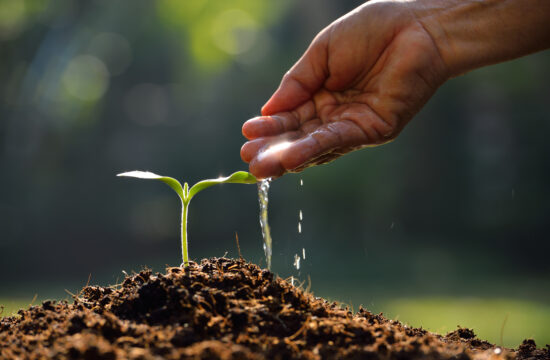
Soil health plays a significant role in runoff reduction. Healthy soil with high organic matter content improves water retention and infiltration. Farmers should consider regular soil testing to monitor nutrient levels and adjust management practices accordingly. Techniques such as no-till farming and organic amendments can enhance soil structure, further promoting water infiltration and reducing runoff.
Additionally, crop rotation is a simple yet effective method to enhance soil health and reduce runoff. By rotating crops, farmers can break pest cycles and improve soil nutrient profiles, leading to better water absorption. For a deeper understanding, explore The Crop Rotation Secret Big Agriculture Doesn’t Want You to Know.
Finally, utilizing advanced technology such as remote sensing and data analytics can optimize water management practices. These tools allow farmers to monitor soil moisture levels and weather conditions in real-time, enabling precise irrigation scheduling. Such precision agriculture techniques not only conserve water but also enhance crop productivity.
In conclusion, understanding and implementing runoff reduction strategies is essential for sustainable water conservation in agriculture. By adopting land management techniques, innovative irrigation methods, and improving soil health, farmers can significantly reduce water loss and enhance their overall productivity. Embracing technology and being proactive in water management will ensure the long-term sustainability of agricultural practices.
🌱 Essential Runoff Reduction Every Beginner Needs (But Nobody Tells You)
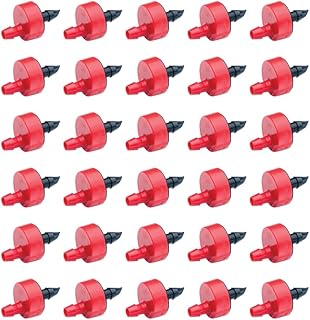
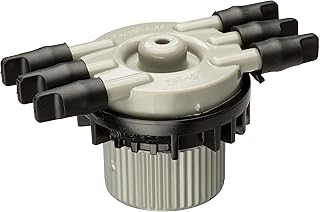

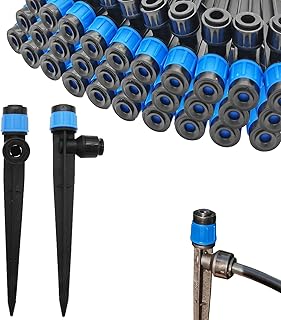
As an Amazon Associate, we earn from qualifying purchases. Prices and availability subject to change.
Why runoff reduction Matters in Today’s World
In today’s rapidly changing climate, runoff reduction is no longer just a buzzword; it’s a critical strategy for sustainable farming. Farmers worldwide are increasingly recognizing the importance of managing runoff to conserve water resources and protect their land. This shift is driven by the need to adapt to unpredictable weather patterns and the growing demand for food production. By focusing on runoff reduction, farmers can enhance both environmental and economic outcomes on their farms.
Runoff occurs when rainwater or irrigation water flows over the land surface, often carrying with it valuable topsoil and nutrients. This process not only depletes the soil of essential nutrients but also contributes to water pollution in nearby streams and rivers. According to a source from NID Water, effective runoff management can significantly mitigate these adverse effects and improve water quality.
Moreover, reducing runoff helps in maintaining soil structure and fertility. When water consistently flows over the land, it can lead to soil erosion, which strips away the nutrient-rich top layer. To combat this, farmers can implement contour farming and cover cropping, both of which are proven techniques for minimizing soil loss. These practices not only reduce runoff but also enhance soil health, leading to more productive farmland.
The Impact of Runoff Reduction on Water Conservation
One of the most compelling reasons for farmers to focus on runoff reduction is its impact on water conservation. By preventing water from running off the land, farmers can ensure that more of it is absorbed into the soil, replenishing groundwater supplies. This is particularly important in areas prone to drought, where every drop of water counts. According to VLSci, implementing techniques like mulching and no-till farming can significantly enhance water retention in the soil.

Transitioning to more sustainable practices can also lead to financial benefits for farmers. When runoff is minimized, the need for additional fertilizers and soil amendments decreases, leading to cost savings. Furthermore, by reducing nutrient loss through effective runoff management, farmers can optimize their irrigation practices. A study on nutrient loss from leaching highlights how proper irrigation can prevent up to 60% of nutrient loss, which is crucial for maintaining crop yields.
Additionally, runoff reduction contributes to the overall resilience of the agricultural ecosystem. By preserving soil and water resources, farmers are better equipped to withstand environmental stresses such as droughts and floods. This resilience can translate to more stable yields and secure food supplies, addressing the broader challenge of feeding a growing global population.
Implementing runoff reduction strategies also has a positive impact on biodiversity. By preventing soil erosion and maintaining healthier waterways, farmers can create habitats that support a diverse range of plant and animal species. This biodiversity is essential for maintaining ecological balance and can even enhance crop pollination and pest control naturally.
In conclusion, runoff reduction plays a pivotal role in modern agriculture. It not only conserves vital water resources but also enhances soil health, boosts farm efficiency, and supports environmental sustainability. Farmers who invest in runoff management are better positioned to meet current and future challenges in agriculture. By adopting these practices, they can ensure long-term productivity and sustainability for their farms.
Key Benefits of Implementing runoff reduction
In the agricultural landscape, runoff reduction is a critical strategy for enhancing water conservation efforts. Farmers are increasingly adopting this approach as they grapple with the challenges of water scarcity and environmental sustainability. By implementing runoff reduction techniques, farmers not only conserve valuable water resources but also improve soil health and increase crop yields. This section delves into the key benefits of runoff reduction, offering insights and practical tips for farmers aiming to optimize their water usage.
One of the primary benefits of runoff reduction is the enhancement of soil retention. When water runs off fields, it often carries away topsoil, which contains essential nutrients for plant growth. By reducing runoff, farmers can maintain the integrity of their soil, ensuring that it remains fertile and productive. This, in turn, reduces the need for chemical fertilizers, saving costs and promoting a more sustainable farming practice.
Moreover, runoff reduction can significantly decrease water pollution. Runoff often picks up pollutants such as pesticides, fertilizers, and other chemicals, which then enter local waterways. By implementing measures such as contour farming or planting cover crops, farmers can minimize this environmental impact, contributing to cleaner rivers and lakes, which benefit both ecosystems and communities.
Improved Crop Resilience and Yield
Another advantage of runoff reduction is the potential for increased crop resilience. In times of drought or irregular rainfall, fields that effectively manage runoff are better equipped to retain moisture. This moisture retention can be crucial for crops to survive and thrive during dry spells. Consequently, farmers often see improved yields and reduced crop failure rates, which directly impacts their bottom line.
Runoff reduction practices also support biodiversity on farms. By maintaining a more balanced ecosystem, farmers encourage the presence of beneficial insects and microorganisms that contribute to healthy soil and crop growth. For instance, planting hedgerows or buffer strips can provide habitats for pollinators and natural pest controllers, reducing the need for chemical interventions.
In addition to environmental benefits, runoff reduction can lead to economic savings. Farmers who use less water through efficient management practices often experience lower water bills. Techniques such as rainwater harvesting and drip irrigation systems can be particularly effective in semi-arid regions, where water conservation is crucial. According to a study by ScienceDirect, adopting such practices can reduce water use by up to 50% without compromising crop output.
Farmers may also be eligible for government incentives when they implement runoff reduction measures. Many agricultural programs offer financial assistance or tax breaks to encourage sustainable practices. These incentives can offset initial costs and make long-term water management strategies more financially viable.
Lastly, implementing runoff reduction can enhance a farm’s resilience against climate change. With unpredictable weather patterns becoming more common, farms that adopt sustainable water management practices are better positioned to adapt to these changes. This adaptability is essential for ensuring food security and long-term agricultural productivity.
In conclusion, runoff reduction offers numerous benefits for farmers, encompassing environmental, economic, and operational advantages. By focusing on effective water management techniques, farmers can not only conserve precious resources but also enhance their farm’s productivity and sustainability. For more insights on water conservation strategies that can save up to 50% on water use, particularly in semi-arid climates, visit Can Composting in Semi-Arid Climates Save You 50% on Water Use?. As global demand for resources increases, adopting such practices will be crucial for maintaining a competitive edge in the agricultural sector.
📊 Data-Proven: The Best Runoff Reduction Money Can Buy



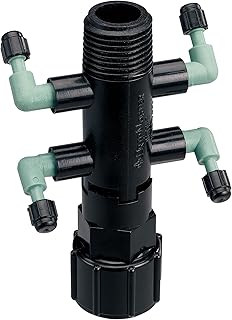
As an Amazon Associate, we earn from qualifying purchases. Prices and availability subject to change.
Practical Steps to Get Started with runoff reduction
As water scarcity continues to challenge farmers globally, implementing runoff reduction strategies has become an essential component of sustainable agriculture. Farmers can significantly enhance water conservation efforts by focusing on minimizing runoff, which not only preserves precious water resources but also enhances soil health and crop productivity. This section outlines practical steps to get started with runoff reduction, providing actionable tips, insightful examples, and addressing common concerns.
One effective technique for runoff reduction is the establishment of contour farming. By plowing across a slope following its elevation contour lines, farmers can create natural barriers that slow down water flow, allowing more time for water to infiltrate the soil. This method not only reduces runoff but also decreases soil erosion, ultimately improving the land’s productivity. A study from ScienceDirect highlights how contour farming has helped reduce soil erosion by up to 50% in certain regions.
Implementing cover crops is another powerful strategy. These plants, grown primarily to protect and enrich the soil during off-seasons, play a crucial role in runoff reduction. Cover crops enhance soil structure, increase organic matter, and improve water infiltration. For instance, using legumes as cover crops can fix nitrogen, further benefiting soil fertility. According to the NID Water report, fields with cover crops can reduce runoff by nearly 30% compared to bare soils.
Integrated Water Management Practices
Incorporating integrated water management practices is also vital for reducing runoff. Techniques such as rainwater harvesting and the use of retention ponds can capture and store rainfall for future use. These methods not only help in runoff reduction but also in mitigating the effects of drought. Farmers in Texas, for example, have successfully used these techniques to conserve water in their gardens, as noted by Rosehill Palms.
Terracing is another ancient yet effective method to consider. By creating stepped levels on a hillside, terraces can slow water flow and increase infiltration. This practice is particularly beneficial in hilly or mountainous areas where water runoff can be severe. Historical evidence shows that terracing has been used for centuries in Asia and South America to combat the challenges of runoff and erosion.
Farmers should also explore using buffer strips, which are vegetated areas planted between agricultural fields and water bodies. These strips act as filters, capturing sediment and pollutants before they enter waterways. Buffer strips are a simple yet effective way to enhance runoff reduction while promoting biodiversity.
Finally, it’s crucial for farmers to regularly monitor and evaluate the effectiveness of their runoff reduction strategies. By keeping records of rainfall, soil moisture, and crop yields, they can make data-driven decisions to optimize water conservation efforts. For those interested in further reducing environmental impact, exploring crop rotation can also be beneficial. A new study suggests that crop rotation slashes weed growth by 56%, which indirectly supports healthier soil and less runoff.
In conclusion, adopting practical runoff reduction strategies is a sustainable approach to water conservation in agriculture. Techniques such as contour farming, cover cropping, and integrated water management can significantly reduce runoff and improve soil health. By implementing these methods, farmers can ensure a more resilient agricultural system capable of withstanding the challenges of water scarcity and climate change.
Common Mistakes to Avoid
When implementing runoff reduction strategies on your farm, avoiding common mistakes is crucial for effective water conservation. Runoff reduction is a key component of sustainable agriculture, helping to prevent soil erosion and improve water quality. However, farmers often face challenges when trying to manage runoff effectively. By understanding and avoiding these pitfalls, you can ensure that your efforts yield the best results.
One common mistake is not considering the specific topography of your land. Each farm is unique, and a runoff reduction strategy that works well for one location may not be suitable for another. For instance, a farm located on a slight incline might benefit from terracing, while a flat area may require different tactics, such as constructing swales. It’s crucial to assess your land’s features before selecting an appropriate method.
Another error is neglecting to maintain existing runoff control structures. Over time, features like retention ponds or grass waterways can become clogged with debris or sediment, reducing their effectiveness. Regular inspections and maintenance are essential to ensure these structures function correctly. By keeping them clear and in good condition, you can significantly enhance your runoff reduction efforts.
Failure to Integrate Crop Management Practices
Additionally, failing to integrate crop management practices can undermine runoff reduction efforts. Cover cropping, for example, not only reduces soil erosion but also enhances soil health and water retention. Diverse crop rotations can similarly contribute to more efficient water use. Implementing these practices can complement runoff reduction measures, creating a more holistic approach to water conservation.
Ignoring the benefits of natural vegetation is another common oversight. Planting native grasses or establishing butterfly pollinator gardens can help stabilize soil and absorb excess water, thereby reducing runoff. As highlighted in the article “Breakthrough: Butterfly Pollinator Gardens Boost Yields by 200%!”, such gardens not only improve water management but can also enhance crop yields significantly.
Moreover, over-reliance on chemical fertilizers can exacerbate runoff issues. Excess nutrients from fertilizers can easily wash into nearby water bodies, causing pollution. To mitigate this, consider adopting organic fertilization methods or precision agriculture techniques that minimize nutrient loss. Precision application ensures that crops receive nutrients based on their specific needs, reducing the risk of runoff.
Finally, failing to monitor the effectiveness of runoff reduction measures can lead to poor outcomes. Regularly evaluating the impact of your strategies allows for adjustments and improvements. Use soil moisture sensors or conduct periodic water quality tests to assess how well your efforts are working. Such data-driven approaches can significantly enhance the success of your runoff reduction initiatives.
In conclusion, effective runoff reduction is achievable with careful planning and maintenance. By understanding your land’s unique features, maintaining control structures, integrating crop management practices, utilizing natural vegetation, minimizing chemical inputs, and monitoring your efforts, you can optimize water conservation on your farm. For more innovative farming techniques, consider exploring “Breakthrough: DIY Garden Projects That Double Farm Beauty”. By implementing these strategies, you’ll not only conserve water but also contribute to a more sustainable agricultural future.
🏆 The Runoff Reduction Professionals Won’t Share


As an Amazon Associate, we earn from qualifying purchases. Prices and availability subject to change.
Real-World Success Stories
In the realm of sustainable farming, runoff reduction plays a pivotal role in preserving water quality and enhancing agricultural productivity. By implementing innovative strategies, farmers worldwide are successfully minimizing runoff, leading to significant environmental and economic benefits. This section explores real-world success stories and case studies that highlight effective runoff reduction techniques. These examples provide valuable insights and actionable tips for farmers aiming to conserve water and improve their agricultural practices.
One notable success story comes from a farm in Iowa, where contour farming and strip cropping have remarkably decreased runoff. By planting crops in strips along the natural contours of the land, the farmer was able to reduce soil erosion and water runoff by up to 30%. This method not only conserved water but also improved soil health, leading to a 20% increase in crop yield. Such practices demonstrate the potential of simple, cost-effective techniques in achieving substantial runoff reduction.
Similarly, a vineyard in California adopted cover cropping to tackle runoff issues. By planting a mix of grasses and legumes between the vineyard rows, the vineyard owner reduced runoff by 50% during rainy seasons. The cover crops enhanced soil structure and increased water infiltration, proving that integrating vegetation can significantly mitigate runoff. Moreover, this practice enriched the soil with organic matter, promoting healthier vines and better grape quality.
Innovative Approaches to Runoff Reduction
In Australia, farmers have been experimenting with controlled traffic farming (CTF) to address runoff challenges. CTF involves confining heavy machinery to specific tracks, minimizing soil compaction in the rest of the field. This approach has led to a 40% reduction in runoff, as the uncompacted soil absorbs more water. Additionally, CTF has boosted fuel efficiency by reducing the area of land that needs to be traversed, offering economic benefits alongside environmental gains.
Another inspiring case study is from a dairy farm in New Zealand, where the implementation of riparian buffers has successfully curbed runoff. Riparian buffers are vegetated areas near water bodies that trap sediment and nutrients before they enter waterways. By establishing these buffers, the farm reduced nutrient runoff by 60%, protecting local water sources and promoting biodiversity. This strategy underscores the importance of integrating ecological systems into agricultural practices.
In Europe, precision agriculture has emerged as a powerful tool for runoff reduction. By utilizing GPS technology and advanced data analytics, farmers can optimize water usage and application of fertilizers, minimizing excess runoff. A study from the Netherlands showed that precision agriculture reduced water usage by 25% and fertilizer runoff by 30%, highlighting its potential for enhancing sustainability in farming.
Despite the evident benefits, some farmers may hesitate to adopt runoff reduction techniques due to perceived costs or lack of knowledge. However, resources like the article on urban farming tips can offer insights into maximizing returns on investment. Additionally, many governmental and non-profit organizations provide support and guidance to farmers seeking to implement conservation practices.
In conclusion, the diverse strategies and success stories of runoff reduction across the globe illustrate the potential for sustainable farming practices to conserve water and enhance agricultural productivity. By learning from these examples and employing suitable techniques, farmers can contribute to a more sustainable future while reaping economic benefits. For those considering these approaches, exploring further resources, including detailed studies and expert advice, is crucial to achieving effective water conservation in agriculture.
Future Trends and Innovations
As the world faces increasing water scarcity, runoff reduction has become a critical focus in sustainable agriculture. Farmers are at the forefront of this challenge, seeking innovative methods to manage water efficiently while maintaining productivity. By reducing runoff, farmers can not only conserve water but also prevent soil erosion and protect local water bodies from contamination. This section delves into the future trends and innovations in runoff reduction, offering insights into how farmers can adapt and thrive in changing environmental conditions.
One promising trend in runoff reduction is the adoption of precision agriculture technologies. Devices such as soil moisture sensors and advanced irrigation systems allow farmers to monitor and manage water use with unprecedented accuracy. These technologies enable targeted watering, ensuring crops receive the optimal amount of water and minimizing excess runoff. For instance, a study by ScienceDirect highlights the effectiveness of precision irrigation in reducing water waste by up to 30%.
Another innovative approach is the integration of cover crops into crop rotation practices. Cover crops, such as clover and rye, are planted during off-seasons to protect and enrich the soil. By maintaining soil structure and enhancing water infiltration, cover crops significantly reduce surface runoff. According to research from NID Water, fields with cover crops can experience up to a 50% reduction in runoff compared to bare soil.
Advancements in Soil Health and Landscape Design
Improving soil health is another crucial aspect of runoff reduction. Healthy soil with high organic matter content can absorb more water, reducing the likelihood of runoff. Farmers are increasingly adopting practices such as compost application and reduced tillage to enhance soil quality. These methods not only improve water retention but also boost crop yields, offering a win-win solution for agricultural sustainability.
Implementing landscape design strategies, like contour farming and terracing, can also play a significant role in runoff management. Such techniques are particularly effective on sloped lands, where they slow down water flow and increase infiltration. By designing the landscape to work with natural water movements, farmers can significantly mitigate runoff and soil erosion.
Moreover, innovations in biological solutions, such as the use of biochar, are gaining attention. Biochar, a carbon-rich product derived from organic materials, can enhance soil structure and water retention capabilities. Farmers using biochar have reported decreases in runoff and improved soil moisture levels, according to a VLSCI blog on water conservation in agriculture.
Incorporating pollinator gardens is another strategy that can indirectly contribute to runoff reduction. By enhancing biodiversity and promoting soil health, these gardens can improve water infiltration and reduce surface runoff. For more insights into the benefits of pollinator gardens, check out the article on pollinator garden secrets.
As farmers look to the future, embracing these runoff reduction strategies will be essential. By combining technology with traditional practices, they can create resilient farming systems that conserve water and protect the environment. The journey towards sustainable agriculture is challenging but necessary, as it ensures the long-term viability of farming amidst growing environmental pressures.
In conclusion, runoff reduction is not just a trend but a fundamental component of modern agriculture. From precision technologies to innovative soil management practices, farmers have a variety of tools at their disposal to tackle water conservation challenges. By investing in these future-focused strategies, farmers can secure their livelihoods while contributing to a more sustainable planet.
Looking for products related to this topic?
Conclusion: Your Next Steps
In conclusion, implementing effective water conservation strategies on farms is not just beneficial—it’s essential for sustainable agriculture. By adopting practices like contour plowing, cover cropping, and maintaining buffer strips, farmers can significantly reduce runoff, ensuring that precious water resources are preserved and soil health is maintained. These methods not only enhance water retention but also minimize erosion, leading to healthier crops and more resilient agricultural systems.
Additionally, incorporating rainwater harvesting and precision irrigation techniques can dramatically improve water use efficiency. These strategies allow farmers to utilize every drop of water effectively, ensuring that crops receive the right amount of moisture they need to thrive. The cumulative effect of these practices not only conserves water but also enhances farm productivity and sustainability.
Now is the time to act. The challenges of climate change and increasing water scarcity demand immediate attention. By committing to these water conservation techniques, farmers can play a pivotal role in safeguarding our planet’s future. Start implementing these changes today and inspire others in your community to do the same. Together, we can create a more sustainable and prosperous agricultural landscape for generations to come. Don’t wait—take action now and be a leader in water conservation.
From Our Network
GreenChoice Affiliates — Eco-friendly product reviews for sustainable living
FarmsFlo — Free farm management app for planting schedules, harvests, and operations
BoingyBooks — Publish and discover ebooks, interactive read-alongs, and audiobooks
Leave a Reply
You must be logged in to post a comment.