

This post may contain affiliate links. If you make a purchase through these links, we may earn a small commission at no extra cost to you. Learn more.
Introduction to Effective Pest Control Methods for Gardens
Is your garden under siege from uninvited guests? Many gardeners know the frustration of tending to their plants, only to discover that pests have wreaked havoc overnight. Fortunately, there are effective methods to combat these nuisances without resorting to harsh chemicals. Enter Bacillus thuringiensis, a natural and eco-friendly bacterium that targets specific pests while leaving the rest of your garden unharmed. Act now to protect your precious plants and preserve the delicate balance of your garden ecosystem. In this post, you’ll discover the top strategies for pest control that are both effective and sustainable, ensuring your garden not only survives but thrives. From biological solutions like Bacillus thuringiensis to companion planting and more, we’ll explore a range of techniques that will empower you to take back control of your garden.
Understanding Bacillus thuringiensis: The Fundamentals
Bacillus thuringiensis is a powerhouse in the realm of garden pest control, offering an organic solution to managing pests without compromising the health of your plants. This naturally occurring bacterium is a popular choice among gardeners seeking to maintain a healthy ecosystem in their gardens. But what exactly is Bacillus thuringiensis, and how does it work? Let’s delve into the fundamentals and explore how this microbial ally can transform your approach to pest management.
At its core, Bacillus thuringiensis, often abbreviated as Bt, is a bacterium found in soil worldwide. It produces proteins that are toxic to specific insects, particularly caterpillars and some beetles. When ingested by susceptible insects, these proteins disrupt the gut cells, ultimately leading to the pest’s death. This targeted mechanism makes Bt an attractive option for gardeners who wish to protect beneficial insects and maintain biodiversity. According to the USDA, using such targeted methods is crucial for effective integrated pest management (IPM).
One of the most significant advantages of using Bacillus thuringiensis is its safety profile. Unlike chemical pesticides, Bt poses minimal risk to humans, pets, and non-target wildlife. This makes it a preferred choice for organic gardeners and those concerned about environmental impacts. A study by UC Master Gardeners highlights that Bt is approved for organic farming, aligning with sustainable practices.
How to Effectively Use Bacillus thuringiensis in Your Garden
To maximize the benefits of Bacillus thuringiensis, proper application is key. It should be applied when pest larvae are actively feeding, as it must be ingested to be effective. Spraying Bt in the early morning or late afternoon helps avoid degradation by sunlight. Consistent application during pest outbreaks can dramatically reduce infestations. The Cog Hill Farm guide suggests reapplying every 7-10 days for persistent pest issues.

The effectiveness of Bacillus thuringiensis can vary depending on the formulation and the targeted pest species. There are several strains of Bt, each with specific targets. For example, Bt var. kurstaki is effective against caterpillars, while Bt var. israelensis targets mosquitoes and fungus gnats. Understanding these differences is crucial for choosing the right product for your garden’s needs.
Concerns about resistance are common among gardeners using Bacillus thuringiensis. Over time, pests can develop resistance if Bt is overused or improperly applied. To mitigate this risk, it’s important to integrate Bt with other pest control methods, such as crop rotation and the introduction of natural predators. Additionally, rotating different Bt strains can help prevent resistance development.
For those dealing with soil-dwelling pests, incorporating organic matter into the soil can enhance pest control efforts. Not only does it improve soil health, but it can also boost the efficacy of biological controls like Bt. Learn more in this article on 5 Shocking Ways Organic Matter Can Skyrocket Your Soil Health.
In summary, Bacillus thuringiensis offers a sustainable and effective solution for garden pest control. Its specificity to target pests, coupled with its safety for humans and beneficial insects, makes it an invaluable tool in the gardener’s arsenal. By understanding its application and integrating it with other pest management practices, you can create a thriving garden ecosystem. Consider experimenting with Bt and monitor your garden’s response to refine your approach over time.
🚀 Start Right: The Only Bacillus Thuringiensis Beginners Actually Need
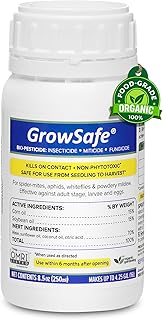
GrowSafe Bio-Pesticide, Organic and Natural Miticide, Fungicide and Insecticide …
As an Amazon Associate, we earn from qualifying purchases. Prices and availability subject to change.
Why Bacillus thuringiensis Matters in Today’s World
In the realm of pest control, Bacillus thuringiensis stands out as a pivotal ally for gardeners around the world. This naturally occurring bacterium plays a crucial role in sustainable agriculture by offering an environmentally friendly alternative to chemical pesticides. In today’s world, where the demand for organic produce and eco-friendly practices is on the rise, the importance of Bacillus thuringiensis cannot be overstated.
First discovered in 1901, Bacillus thuringiensis, or Bt, has been utilized for decades to combat a variety of pests. This bacterium produces spores that contain a protein toxic to certain insect larvae when ingested. As a result, Bt is particularly effective against caterpillars, beetles, and mosquito larvae, making it a versatile tool in integrated pest management (IPM) strategies. According to USDA, IPM combines biological, cultural, and mechanical methods to control pests while minimizing environmental impact.
One of the key advantages of Bacillus thuringiensis is its specificity. Unlike broad-spectrum pesticides that can harm beneficial insects, Bt targets only specific pests. This specificity helps preserve the natural biodiversity in gardens, promoting a healthier ecosystem. For instance, while it effectively controls cabbage loopers and corn borers, it leaves pollinators like bees unharmed, ensuring the continued health of both pests and plants.

The Environmental Impact of Bacillus thuringiensis
Environmentally, Bacillus thuringiensis is a game-changer. Unlike chemical pesticides, Bt does not persist in the environment. It breaks down rapidly, reducing the risk of contamination to soil and water sources. This characteristic is especially beneficial for organic farmers and those concerned about the long-term effects of pesticide use. The University of California’s IPM program emphasizes the importance of such sustainable practices in maintaining healthy gardens.
Moreover, Bacillus thuringiensis is easy to apply and can be used in various forms, including sprays and granules. This flexibility allows gardeners to integrate it seamlessly into their existing pest control routines. Regular application, as advised by experts on platforms like Cog Hill Farm, ensures effective pest management without the need for complex equipment, contrasting sharply with the costly mistakes made in other DIY gardening projects.
Despite its many benefits, some gardeners may have concerns about resistance. Just like with antibiotics, pests can develop resistance to Bacillus thuringiensis if it is overused. To mitigate this risk, it is crucial to rotate Bt with other pest control methods and maintain vigilant garden monitoring. Resources like companion planting can offer complementary strategies that enhance the effectiveness of Bacillus thuringiensis.
In conclusion, Bacillus thuringiensis remains a valuable tool in modern pest control. Its ability to target specific pests, minimal environmental impact, and ease of use make it an essential component of sustainable gardening practices. By integrating Bt with other strategies, gardeners can successfully manage pests while promoting biodiversity and environmental health. As we continue to seek out effective, eco-friendly solutions in agriculture, Bacillus thuringiensis stands as a testament to how nature itself can provide the answers we need.
Key Benefits of Implementing Bacillus thuringiensis
Gardening enthusiasts and professionals alike are always on the lookout for effective pest control solutions that are both efficient and environmentally friendly. One such solution gaining popularity is Bacillus thuringiensis (Bt). This naturally occurring bacterium offers a range of benefits, making it a staple in integrated pest management practices. Implementing Bacillus thuringiensis can significantly enhance your garden’s health while minimizing harm to beneficial insects and the surrounding ecosystem.
First and foremost, Bacillus thuringiensis is incredibly effective against specific pests, particularly caterpillars and larvae of various insects. When ingested by these pests, Bt produces proteins that are toxic to them but harmless to humans, pets, and wildlife. This targeted approach ensures that beneficial insects, such as pollinators, are not adversely affected. As a result, gardeners can maintain a healthy balance within their ecosystems.
Moreover, Bacillus thuringiensis is a cornerstone of sustainable gardening practices. Unlike chemical pesticides, Bt does not accumulate in the environment or contribute to chemical runoff. This quality makes it an ideal choice for those committed to organic and sustainable gardening methods. According to a study conducted by the USDA, Bt has no known negative effects on soil health or water quality, making it a safe choice for continuous use.
Enhanced Pest Control with Bacillus thuringiensis
In addition to its environmental benefits, Bacillus thuringiensis is easy to apply and integrate into existing pest management plans. Gardeners can choose from various formulations, such as sprays, granules, or dusts, depending on their specific needs. This versatility allows for targeted treatments that can reduce pest populations effectively without blanket coverage, which might affect non-target species.

Cost-efficiency is another appealing aspect of using Bacillus thuringiensis. While the initial investment may be slightly higher than conventional pesticides, the long-term savings are significant. Bt reduces the need for frequent applications and cuts down on the costs associated with pest damage. This aspect makes it particularly beneficial for large-scale gardening operations and small farms. For more insights on sustainable practices, check out our article on Crop Rotation vs. Pesticides: The 5x Pest Reduction You Can’t Ignore.
A common concern among gardeners is the potential for pests to develop resistance to Bacillus thuringiensis. However, studies by the University of California Integrated Pest Management Program indicate that rotating Bt with other control methods can effectively mitigate resistance. This strategy ensures Bt remains a viable option for pest control over the long term.
Finally, Bacillus thuringiensis supports the principles of integrated pest management (IPM), a holistic approach to pest control that emphasizes prevention and the use of multiple tactics. The USDA recommends incorporating Bt into IPM strategies as it complements other non-chemical methods and enhances overall pest control effectiveness. For more on IPM, you can visit this resource from the University of California.
In conclusion, Bacillus thuringiensis offers numerous benefits for gardeners seeking effective and sustainable pest control solutions. Its targeted action, environmental safety, ease of use, cost-effectiveness, and compatibility with integrated pest management make it an invaluable tool. By incorporating Bt into your garden care routine, you not only protect your plants but also contribute to the health of the broader ecosystem. Embrace the power of Bacillus thuringiensis and enjoy a thriving, pest-free garden.
🥇 The Top-Rated Bacillus Thuringiensis That Never Disappoint
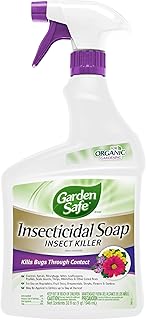
Garden Safe Brand Insecticidal Soap Insect Killer, 32 Fluid Ounces, For Organic …
As an Amazon Associate, we earn from qualifying purchases. Prices and availability subject to change.
Practical Steps to Get Started with Bacillus thuringiensis
In the world of organic gardening, Bacillus thuringiensis (Bt) stands out as a powerful ally in the battle against pests. If you’re keen on exploring effective pest control methods, understanding how to get started with Bacillus thuringiensis is crucial. This naturally occurring bacterium is widely used due to its ability to target specific insect larvae without harming beneficial insects, humans, or the environment. But how do you incorporate it into your garden? Let’s dive into the practical steps to get started with Bacillus thuringiensis.
Firstly, identify the pests that are causing issues in your garden. Bacillus thuringiensis is effective against a variety of pests, particularly caterpillars, mosquitoes, and beetles. Knowing the specific type of pest you’re dealing with will help you choose the right strain of Bt. For example, Bt kurstaki is effective against caterpillars, while Bt israelensis targets mosquito larvae. Understanding these distinctions will ensure you apply the correct treatment.
Once you’ve identified the pests, purchase a suitable Bacillus thuringiensis product. These are available in various forms, including liquid sprays, powders, and granules. Look for products that are labeled for your specific pest problem and check that they are approved for organic gardening. Many garden centers and online stores offer a range of options.
After acquiring the product, follow the manufacturer’s instructions for application. Typically, Bt is applied directly to the foliage where pests feed. Spraying in the early morning or late afternoon when insects are most active can increase effectiveness. Consistency is key, so apply every 7-10 days or after heavy rain, as Bt can be washed away.

Tips for Maximizing Effectiveness
To enhance the effectiveness of Bacillus thuringiensis, consider integrating it into an Integrated Pest Management (IPM) strategy. This approach combines biological, cultural, and mechanical tools to manage pests sustainably. For instance, complement Bt with companion planting or crop rotation to reduce pest populations naturally.
One common concern gardeners have is whether Bacillus thuringiensis will affect pollinators like bees. Rest assured, Bt is highly specific and poses no threat to these beneficial insects when used as directed. This selective nature makes it an excellent choice for environmentally conscious gardeners.
Monitoring your garden regularly is essential to determine the impact of Bt on pest populations. You might notice a reduction in pest damage within a few days. However, complete control may take several applications, depending on the infestation’s severity.
Finally, keep records of your applications. Documenting the types of pests, the Bacillus thuringiensis products used, and the timing of applications can help you refine your pest control strategy over time. This practice can lead to more effective and efficient garden management.
In conclusion, using Bacillus thuringiensis in your garden can be incredibly effective for managing pest populations without harming the environment. By identifying pests, selecting the right product, applying it correctly, and integrating it into a broader pest management plan, you can protect your plants and encourage a thriving garden ecosystem. For more insights on sustainable gardening practices, check out this article on indoor seed starting and its benefits.
Common Mistakes to Avoid
When it comes to effective pest control methods for gardens, using Bacillus thuringiensis (Bt) can be a game-changer for both amateur and experienced gardeners. This naturally occurring bacterium is a popular choice for controlling various garden pests, including caterpillars and beetles. However, to maximize its effectiveness, it’s crucial to avoid common implementation mistakes. Let’s explore these pitfalls and learn how to apply Bt correctly for optimal results.
Firstly, one common mistake is applying Bacillus thuringiensis at the wrong time. Timing is critical because Bt works best when pests are in their larval stage. If applied too late, when pests have matured, its effectiveness significantly diminishes. A proactive approach is to monitor pest activity regularly and apply Bt as soon as the larvae are detected.
Another frequent error is improper application coverage. For Bacillus thuringiensis to work effectively, it must be ingested by the pests. This means thorough coverage of plant surfaces is essential. Failing to apply Bt evenly can result in uneven pest control, leaving some areas susceptible to damage. Using a fine mist sprayer can help ensure even distribution.
Understanding Environmental Factors
Environmental conditions also play a crucial role in the success of Bt application. Temperature and humidity can affect how quickly the product breaks down. For instance, applying Bt during extremely hot weather can reduce its longevity and efficacy. Consider applying it during cooler parts of the day, such as early morning or late afternoon, for better results.

Storage and preparation mistakes are another issue that can compromise the potency of Bt products. Always store Bt in a cool, dry place and follow the manufacturer’s instructions for preparation and use. Incorrect storage can degrade the active ingredients, rendering the product ineffective when needed.
Moreover, some gardeners mistakenly rely solely on Bacillus thuringiensis without integrating it into a broader pest management strategy. Bt should be one part of an integrated pest management (IPM) program, which can include crop rotation, companion planting, and other organic methods. This holistic approach not only enhances pest control but also promotes a healthier garden ecosystem.
It’s also worth noting that over-reliance on Bt can lead to resistance in pest populations. Alternating between different types of biological controls and maintaining biodiversity can mitigate this risk. For more insights on avoiding costly mistakes in your gardening practices, you might find this article on DIY Gardening Projects mistakes helpful.
In conclusion, while Bacillus thuringiensis is a powerful tool for garden pest control, its success hinges on proper application and integration into a wider pest management plan. By avoiding these common mistakes and adopting a strategic approach, gardeners can protect their plants effectively and sustainably. For additional information on integrated pest management practices, visit this comprehensive resource on integrated pest management.
💎 Premium Bacillus Thuringiensis Worth Every Penny
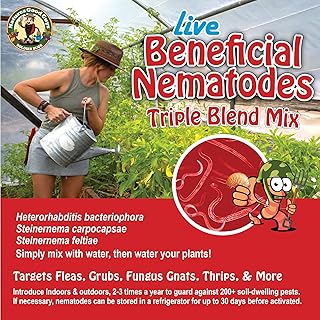
Live Beneficial Nematodes Hb+Sc+Sf – Kills Over 200 Different Species of Soil Dw…
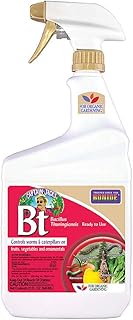
Bonide 8066 Captain Jack’s Bacillus Thuringiensis BT Organic Worm & Caterpillar …
As an Amazon Associate, we earn from qualifying purchases. Prices and availability subject to change.
Real-World Success Stories
In the realm of effective pest control methods for gardens, Bacillus thuringiensis stands out as a powerhouse. This naturally occurring bacterium is celebrated for its ability to target specific insects without harming beneficial organisms. Gardeners worldwide have turned to Bacillus thuringiensis (Bt) as a trusted ally in managing pest populations. Let’s delve into some real-world success stories and case studies that highlight the efficacy of this biological control agent.
One notable example comes from organic farmers in California who have successfully integrated Bacillus thuringiensis into their pest management strategies. By applying Bt-based products, they have managed to significantly reduce their reliance on chemical pesticides. This shift not only improved the health of their crops but also preserved the delicate balance of their local ecosystems. According to the University of California’s Integrated Pest Management program, Bt is particularly effective against caterpillar pests like the tomato hornworm, which can devastate crops if left unchecked.
Across the Atlantic, European gardeners have also reported remarkable results. In the UK, a community garden initiative utilized Bacillus thuringiensis to combat cabbage moth infestations. The results were impressive: a 70% reduction in pest presence within a single growing season. This case study, shared in a Facebook gardening group, underscores the importance of community knowledge-sharing in advancing sustainable pest control practices.
Benefits of Bacillus thuringiensis in Integrated Pest Management
Integrating Bacillus thuringiensis into broader pest control strategies offers numerous benefits. When used as part of an Integrated Pest Management (IPM) program, Bt can enhance the effectiveness of other control measures. In a study conducted by the USDA, gardens employing IPM methods, including Bt, experienced fewer pest outbreaks and higher crop yields. By minimizing chemical pesticide use, gardeners can maintain healthier soil and ecosystems.

However, some gardeners express concerns about the application process. It’s important to apply Bt at the right time: when pests are actively feeding, and before they cause significant damage. Understanding the life cycle of target pests can maximize the effectiveness of Bt treatments. For example, spraying Bt in the early morning or late afternoon when caterpillars are most active can lead to better results.
Additionally, some gardeners worry about the potential resistance pests might develop against Bacillus thuringiensis. To address this, experts recommend rotating Bt with other biological control methods. This strategy can help delay resistance development and ensure continued efficacy. Resources like Cog Hill Farm’s organic pest control guide offer valuable insights into crafting a balanced approach to pest management.
Lastly, the cost-effectiveness of Bacillus thuringiensis as a pest control method cannot be overstated. Many gardeners find that investing in Bt pays off through reduced crop losses and lower pesticide costs. According to a case study published on Rude Insect, gardens using Bt reported a noticeable decrease in overall pest management expenses.
In conclusion, Bacillus thuringiensis continues to prove its worth in gardens around the world. Whether through reducing chemical pesticide use, boosting crop yields, or fostering sustainable practices, Bt remains a cornerstone of effective pest control. Gardeners who embrace this method can enjoy healthier gardens and contribute to a more sustainable future.
Future Trends and Innovations
In the realm of organic gardening, Bacillus thuringiensis is steadily becoming a cornerstone in the fight against pests. As a naturally occurring bacterium, it offers an eco-friendly alternative to chemical pesticides, promoting a healthier garden ecosystem. With the ever-evolving landscape of pest control, understanding the future trends and innovations surrounding Bacillus thuringiensis can empower gardeners to make informed decisions. From genetic advancements to integration with other sustainable practices, the potential for Bacillus thuringiensis is vast and promising.
Researchers are continually exploring genetic modifications to Bacillus thuringiensis strains to enhance their effectiveness against a broader range of pests. By tailoring the bacterium to target specific insects, scientists hope to reduce collateral damage to beneficial insects, a key concern for ecologically conscious gardeners. This precision targeting not only aids in maintaining biodiversity but also ensures that the garden’s natural pest control mechanisms remain intact.
Technological innovations are also paving the way for more efficient application methods. Drones equipped with advanced sensors are now being used to disperse Bacillus thuringiensis more accurately over large areas. This method not only saves time but also ensures that the bacterium is applied where it’s needed most, reducing waste and increasing efficacy. Such innovations align with sustainable practices, as highlighted in resources like sustainable equipment, which emphasize reducing environmental impact.
Integration with Sustainable Practices
Integrating Bacillus thuringiensis with other sustainable gardening practices enhances its effectiveness. For instance, combining it with crop rotation and companion planting can create a robust pest management system. These methods, part of Integrated Pest Management (IPM) strategies, are endorsed by experts from the University of California for their synergy in controlling pest populations naturally.
Another exciting development is the potential for Bacillus thuringiensis to be part of a holistic soil health strategy. As soil health directly impacts plant resilience, utilizing organic matter and microorganisms can bolster a plant’s natural defenses. Articles like Low Organic Matter Content: The Silent Yield Killer Farmers Ignore emphasize the importance of maintaining healthy soil to prevent pest infestations.
Public awareness and education play a crucial role in the adoption of Bacillus thuringiensis. Engaging gardening communities through platforms such as the Facebook gardening group facilitates the exchange of experiences and tips, fostering a collective knowledge base that can drive innovation forward. As more gardeners share their successes, the adoption of Bacillus thuringiensis is likely to increase, contributing to widespread sustainable pest management.
Despite its many benefits, gardeners often have concerns about the long-term impacts of Bacillus thuringiensis on garden ecosystems. Addressing these concerns involves continuous research and transparent communication about its ecological footprint. As highlighted by the USDA’s IPM guidelines, ongoing studies are vital to ensure that Bacillus thuringiensis remains a safe and effective tool for future pest control.
In conclusion, the future of Bacillus thuringiensis in pest control looks bright, driven by technological advancements and integrated sustainable practices. Incorporating this bacterium into your gardening routine not only protects your plants but also supports the broader ecosystem. By staying informed and engaged with current research, gardeners can leverage Bacillus thuringiensis as a powerful ally in their battle against pests, ensuring vibrant and healthy gardens for years to come.
Looking for products related to this topic?
Conclusion: Your Next Steps
In conclusion, maintaining a thriving garden while effectively managing pests requires a thoughtful approach that balances ecological health with pest control. One of the standout methods is the use of Bacillus thuringiensis, a naturally occurring bacterium that targets specific pests without harming beneficial insects or the environment. This biological approach not only promotes biodiversity but also ensures that your garden remains a safe haven for pollinators.
By integrating Bacillus thuringiensis into your pest management strategy, you harness the power of nature to protect your plants. It’s crucial to remember that timing and correct application are key to maximizing its effectiveness. Additionally, combining this method with other sustainable practices, such as crop rotation and companion planting, enhances your garden’s resilience against pests and diseases.
Now is the time to take action and transform your garden into a flourishing oasis. Embrace these effective pest control methods and commit to nurturing a healthier, more sustainable environment. Don’t wait until pests have taken over; start implementing these strategies today and witness the transformative impact on your garden. Let’s work together to cultivate gardens that are not only beautiful but also ecologically harmonious.
From Our Network
GreenChoice Affiliates — Eco-friendly product reviews for sustainable living
FarmsFlo — Free farm management app for planting schedules, harvests, and operations
BoingyBooks — Publish and discover ebooks, interactive read-alongs, and audiobooks
Leave a Reply
You must be logged in to post a comment.