

This post may contain affiliate links. If you make a purchase through these links, we may earn a small commission at no extra cost to you. Learn more.
Introduction to Latest Techniques in Organic Fertilizers & Soil Care
Did you know that the secret to robust and thriving gardens lies in the soil beneath our feet? As gardeners and farmers seek sustainable methods to maximize their yields, the spotlight is turning towards the transformative power of organic matter. With growing awareness of the environmental impact of traditional fertilizers, the adoption of innovative organic techniques is not just a trend—it’s a necessity. By enriching soil health naturally, these methods promise to revolutionize the way we nurture our plants, leading to healthier crops and more resilient ecosystems. In this post, we’ll explore the latest techniques in organic fertilizers and soil care that are reshaping modern agriculture. From biochar to vermicompost, discover how these cutting-edge innovations can enhance your soil’s vitality and yield extraordinary results.
Understanding organic matter: The Fundamentals
Understanding organic matter is fundamental to mastering the latest techniques in organic fertilizers and soil care. As the backbone of healthy soil, organic matter plays a crucial role in enhancing soil fertility and structure. But what exactly is organic matter? Essentially, it consists of decomposed plant and animal residues, living organisms, and substances synthesized by soil microbes. This dynamic component of soil is vital for providing nutrients to plants and improving water retention. As we delve deeper into the intricacies of organic matter, you’ll discover how its management can significantly influence your gardening or farming success.
Organic matter is not just a static component of soil; it is involved in numerous biological and chemical processes. When organic materials decompose, they release nutrients like nitrogen, phosphorus, and potassium, essential for plant growth. Additionally, the decomposition process fosters the development of humus, a stable organic compound that enhances soil structure by promoting aggregation and reducing erosion. According to Sustainable Market Farming, well-managed organic matter can lead to a 50% increase in soil fertility.
Furthermore, organic matter significantly impacts soil’s water-holding capacity. In regions prone to drought, soils rich in organic matter can retain moisture longer, reducing the need for frequent irrigation. This capability is particularly beneficial for urban farms and gardens, where water conservation is crucial. The SARE publication highlights how urban soils can be revitalized through strategic organic matter management, ultimately leading to more resilient green spaces.
The Role of Organic Matter in Sustainable Agriculture
In sustainable agriculture, organic matter serves as a cornerstone for nutrient cycling and soil health. Integrating organic fertilizers, such as compost and manure, enriches the soil with organic matter while minimizing the reliance on chemical fertilizers. The USU Extension underscores the importance of sustainable manure and compost application in maintaining soil productivity without compromising environmental quality.

One of the primary concerns with managing organic matter is its decomposition rate. Fast decomposition can lead to nutrient leaching, while slow decomposition might not provide immediate benefits. Balancing these rates is crucial. Crop rotation and cover cropping are effective strategies to maintain the desired levels of organic matter. These practices not only enhance soil fertility but also help in pest and disease management, offering a holistic approach to soil care.
Moreover, the integration of organic matter into soil is not without its challenges. Farmers often face issues with soil compaction and erosion, which can limit the benefits of organic matter. However, the use of propagation trays can mitigate these concerns by promoting healthy root development and reducing soil disturbance. For more insights, check out 7 Shocking Propagation Trays Secrets That Could Save Your Crop.
As we explore the latest techniques in organic fertilizers, it’s essential to recognize the potential pitfalls. The use of cultivated varieties, for instance, may inadvertently sabotage your harvest if not managed properly. For more information on this topic, consider reading Warning: Cultivated Varieties Could Secretly Sabotage Your Harvest!.
In conclusion, understanding and managing organic matter is critical for advancing soil care and organic fertilizer techniques. By focusing on its role in nutrient cycling, water retention, and sustainable practices, we can achieve healthier soils and more productive crops. Embracing these strategies ensures not only agricultural success but also environmental sustainability.
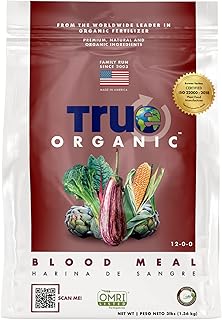
💡 Beginner’s Gold: Organic Matter That Guarantee Success

Jobe’s Organics Fast Acting Granular Fertilizer Compost Starter, Easy Plant Care…


As an Amazon Associate, we earn from qualifying purchases. Prices and availability subject to change.
Why organic matter Matters in Today’s World
In today’s ever-evolving agricultural landscape, organic matter serves as a cornerstone for sustainable farming practices, playing a crucial role in enhancing soil fertility and ecosystem health. As global awareness about environmental sustainability grows, understanding why organic matter matters has become increasingly vital. This knowledge is not only essential for farmers but also for anyone interested in sustainable living and food security.
Organic matter is primarily composed of decomposed plant material and microorganisms, which significantly contribute to the fertility of the soil. It enhances soil structure by binding soil particles together, thereby improving aeration and water retention. When soil retains moisture effectively, it reduces the need for irrigation, conserving water—a critical resource in many parts of the world. Moreover, improved soil structure facilitates root penetration, allowing plants to access nutrients more efficiently.
Furthermore, organic matter acts as a slow-release fertilizer, gradually breaking down to provide essential nutrients to plants over time. This slow-release mechanism helps avoid the nutrient leaching often associated with synthetic fertilizers, which can lead to groundwater contamination. For those interested in self-sufficient living, embracing organic matter is a practical step toward healthier, more sustainable food production. Learn more about sustainable practices in self-sufficient living.
Incorporating organic matter into soil care practices also boosts microbial activity. Soils rich in organic matter host diverse microbial communities that play a vital role in nutrient cycling and disease suppression. For example, beneficial microbes can outcompete harmful pathogens, reducing the need for chemical pest controls. To understand the impact of pest management on yields, explore the research on pest management and greenhouse yields.

The Role of Organic Matter in Climate Resilience
Organic matter contributes significantly to climate resilience. Soils rich in organic matter can sequester carbon, mitigating greenhouse gas emissions and helping combat climate change. By increasing organic matter content, farmers can enhance soil’s capacity to act as a carbon sink, a critical strategy in global climate initiatives. This benefit extends beyond environmental impact, as healthier soils can lead to higher agricultural productivity.
Moreover, organic matter helps reduce soil erosion, a serious concern in many agricultural regions. By improving soil cohesion, organic matter minimizes the loss of topsoil—an essential layer that contains most of the soil’s organic carbon and nutrients. Erosion control not only protects the soil but also maintains water quality by preventing sediment runoff into waterways.
For urban farmers and gardeners, organic matter is equally valuable. Urban soils often face challenges such as compaction and pollution. Adding organic matter can ameliorate these conditions, promoting healthier plant growth even in less-than-ideal environments. Resources like Building Soils for Urban Farms offer insights into optimizing urban soil health through organic matter.
In conclusion, organic matter is indispensable in modern agriculture and gardening, offering a multitude of benefits from enhancing soil fertility to combating climate change. By understanding its importance and integrating it into soil care practices, individuals and communities can contribute to a more sustainable future. Whether you’re a farmer, gardener, or advocate for sustainable living, prioritizing organic matter in soil management is a step toward a healthier planet.
Key Benefits of Implementing organic matter
Organic matter plays a pivotal role in the latest techniques in organic fertilizers and soil care, offering a multitude of benefits that enhance soil health and productivity. This crucial component of soil is composed of decomposed plant and animal residues, which improve soil structure, water retention, and nutrient availability. By understanding the key benefits of implementing organic matter, farmers and gardeners can make informed decisions to optimize their soil management practices.
First and foremost, organic matter significantly improves soil structure. When added to the soil, it aggregates soil particles, creating a crumb-like structure that enhances aeration and root penetration. This improved structure not only facilitates plant growth but also reduces erosion. According to a study published in ScienceDirect, soils rich in organic matter have higher resistance to wind and water erosion, which is particularly beneficial for maintaining soil fertility over time.
Moreover, organic matter enhances the soil’s water retention capabilities. In regions where water scarcity is a concern, such as semi-arid climates, incorporating organic matter can be a game-changer. It acts like a sponge, holding water within the soil and making it available to plants during dry periods. This is especially relevant for those exploring alternative water-saving strategies, as discussed in Can Composting in Semi-Arid Climates Save You 50% on Water Use?.
Boosting Nutrient Availability and Microbial Activity
In addition to improving water retention, organic matter is essential for boosting nutrient availability in the soil. It acts as a reservoir of nutrients, slowly releasing essential elements like nitrogen, phosphorus, and potassium as it decomposes. This gradual release ensures a steady supply of nutrients to plants, minimizing the risk of nutrient leaching and promoting sustainable crop growth. According to the Sustainable Agriculture Research & Education (SARE), organic matter is a critical component of nutrient cycling, supporting long-term soil fertility.

Furthermore, the presence of organic matter stimulates microbial activity, which is vital for soil health. Microorganisms decompose organic matter, converting it into humus—a stable form of organic material that enriches the soil. This microbial activity not only aids in nutrient cycling but also contributes to the suppression of soil-borne diseases. By fostering a diverse and active microbial community, organic matter helps create a resilient soil ecosystem, as highlighted by Sustainable Market Farming.
A common concern among farmers is the cost-effectiveness of implementing organic matter. While the initial investment may be higher compared to synthetic fertilizers, the long-term benefits often outweigh the costs. For instance, improved soil health can lead to higher yields and reduced input costs over time. In the context of flower farming, as discussed in 5 Shocking Small-Scale Flower Farming Facts That Could Save You Thousands, integrating organic matter can enhance soil productivity, contributing to a more profitable enterprise.
Lastly, incorporating organic matter into soil care practices aligns with sustainable farming principles. It minimizes reliance on chemical fertilizers, reduces environmental pollution, and promotes biodiversity. By adopting organic matter in soil management, farmers not only contribute to environmental sustainability but also improve the resilience of their farming systems against climate change impacts, as emphasized by Utah State University Extension.
In conclusion, the benefits of implementing organic matter in soil care are manifold. From improving soil structure and water retention to enhancing nutrient availability and microbial activity, organic matter is a cornerstone of sustainable agricultural practices. By understanding and leveraging these benefits, farmers and gardeners can optimize their soil management strategies, leading to healthier crops and more resilient farming systems.
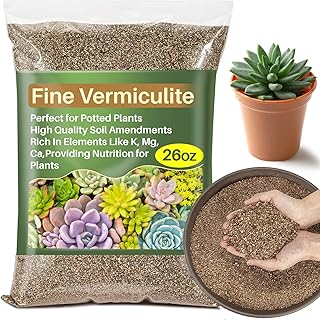
🥇 The Top-Rated Organic Matter That Never Disappoint



As an Amazon Associate, we earn from qualifying purchases. Prices and availability subject to change.
Practical Steps to Get Started with organic matter
Embarking on a journey to enhance your soil with organic matter is a rewarding endeavor that can yield significant benefits for both your garden and the environment. Organic matter, an essential component of healthy soil, improves soil structure, water retention, and nutrient availability. Understanding how to effectively integrate organic matter into your soil care regimen is crucial for achieving optimal plant growth and sustainability.
To begin, assess your current soil condition. Conduct a soil test to determine its pH level, nutrient content, and organic matter percentage. This analysis provides a baseline, helping you identify specific needs and tailor your efforts accordingly. According to Sustainable Market Farming, knowing your soil’s characteristics is the first step towards effective organic matter management.
Once you understand your soil, consider the types of organic matter available. Common sources include compost, manure, and cover crops. Each option has unique benefits; for example, compost enriches soil with a balanced mix of nutrients, while manure is high in nitrogen, which is excellent for plant growth. The USU Extension highlights the importance of choosing the right organic matter to match your soil’s needs.
Integrating Organic Matter into Your Soil
Incorporating organic matter into your soil can be done through several methods. Direct application involves spreading compost or manure over the soil surface and tilling it in. This method is effective for quick nutrient availability. Alternatively, you can use no-till techniques, which preserve soil structure and reduce erosion. For instance, studies show that 90% of small farms can slash erosion by 50% with this irrigation trick: Erosion Reduction.

Consider using cover crops to naturally add organic matter to your soil. These plants, grown during the off-season, prevent erosion, suppress weeds, and enhance soil fertility when tilled back into the earth. According to the SARE, cover crops are a sustainable way to maintain soil health and boost organic matter levels.
As you integrate organic matter, monitor your soil’s progress. Regular soil testing will help you track improvements and adjust your methods as necessary. Additionally, observing plant growth and health can provide insights into the effectiveness of your organic matter strategy. Consistent evaluation ensures that your efforts yield the desired results.
Finally, educate yourself on the latest techniques and innovations in organic matter management. Whether it’s discovering new composting methods or exploring the benefits of hydroponic systems—where 85% of growers opt for soilless cultivation, as noted in Hydroponic Systems vs. Soil—staying informed allows you to adapt and refine your approach.
In conclusion, getting started with organic matter involves understanding your soil, selecting suitable organic materials, and employing effective integration methods. Through careful planning, regular monitoring, and ongoing education, you can significantly enhance your soil’s health, resulting in more robust plant growth and a more sustainable gardening practice.
Common Mistakes to Avoid
When it comes to enhancing soil health and boosting plant growth, the implementation of organic matter is crucial. However, many gardeners and farmers often overlook key aspects, leading to common mistakes that can significantly reduce the effectiveness of their efforts. Understanding these pitfalls is essential for anyone looking to optimize their use of organic fertilizers and improve soil care strategies.
One of the most frequent errors is the excessive application of organic matter. While it may seem beneficial to add more compost or manure, too much can lead to nutrient imbalances and even plant toxicity. According to research from Utah State University, over-application can result in excessive nitrogen levels, which can harm sensitive plants and leach into waterways, causing environmental concerns.
In addition to quantity, the timing of organic matter application is vital. Many growers apply compost at the wrong time of year, missing the critical periods when plants can best utilize these nutrients. As noted by Sustainable Market Farming, incorporating organic matter in the fall allows it to break down over winter, making nutrients more available during the growing season.
Understanding Soil Composition and Texture
Ignoring soil composition and texture is another common mistake. Different soils require different types of organic matter. For example, sandy soils benefit from materials that improve water retention, while clay soils need substances that enhance drainage. Consulting resources like SARE can help tailor organic matter choices to specific soil types.

Moreover, neglecting to test soil before adding organic matter can lead to unforeseen problems. A soil test can reveal nutrient deficiencies or excesses, guiding the appropriate type and amount of organic matter to apply. This step is crucial for maximizing the effectiveness of soil amendments.
Another overlooked factor is not considering the source of the organic matter. Not all compost or manure is created equal. Some may contain weed seeds, pathogens, or unwanted chemicals. It’s important to source organic matter from reputable suppliers to ensure it’s free from contaminants.
Furthermore, failing to incorporate organic matter into the soil properly can diminish its benefits. Simply layering it on top may not suffice, as it may not reach the root zone where plants can access the nutrients. Techniques such as tilling or double digging can help integrate organic matter more effectively, as discussed in sustainable organic farming practices.
Finally, misunderstanding the role of organic matter in long-term soil health can lead to neglect. Organic matter not only provides immediate nutrients but also supports soil structure and microbial life, contributing to sustainable farming practices. Regularly adding organic matter is essential for maintaining soil health over the long term.
In conclusion, implementing organic matter effectively requires attention to detail and an understanding of soil dynamics. By avoiding common mistakes such as over-application, poor timing, and ignoring soil tests, growers can enhance their soil care practices. For those interested in further optimizing their gardening techniques, exploring resources like the seedling care tips can provide additional insights into holistic plant and soil management.
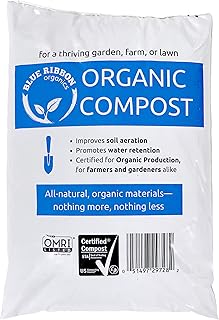
💎 Premium Organic Matter Worth Every Penny

Espoma Organic Compost Starter; All-Natural Composing Aid Helps Break Down Organ…

Coco Bliss (10lbs) – Organic Coco Coir for Plants – OMRI-Listed Coco Coir Brick …

As an Amazon Associate, we earn from qualifying purchases. Prices and availability subject to change.
Real-World Success Stories
When it comes to enhancing soil health and boosting agricultural productivity, organic matter plays a pivotal role. This key component of organic fertilizers has transformed how farmers approach soil care, leading to remarkable success stories worldwide. By understanding the latest techniques in using organic matter, farmers have not only enriched their soil but also increased their crop yields and sustainability.
One compelling success story comes from a community of local flower farmers who incorporated organic matter into their soil regimen. By utilizing composted plant material and manure, they achieved a 200% increase in profits. This remarkable outcome was documented in the article, The Shocking Truth: Local Flower Farmers Boost Profits by 200%! This case study highlights the economic benefits of investing in organic matter for flower farming.
In urban farming, soil quality can be a significant challenge due to pollution and limited space. However, the use of organic matter such as compost and green manure has shown promising results. According to SARE’s guide on urban farms, integrating organic matter into urban soils can significantly improve soil structure and fertility, making urban gardens more productive and sustainable.
The Impact of Organic Matter on Soil Health and Crop Yield
Farmers in sustainable agriculture have long praised the benefits of organic matter. A study published in ScienceDirect found that soils rich in organic matter have higher water retention and nutrient availability. These improved soil properties lead to healthier crops and reduced dependency on chemical fertilizers, fostering a more sustainable farming approach.

Another inspiring example is found in sustainable market farming. As detailed on Sustainable Market Farming’s website, farmers who implemented cover cropping with organic matter experienced enhanced soil fertility and pest control. This technique not only supports crop growth but also contributes to biodiversity by attracting beneficial insects.
For those incorporating manure and compost, the USU Extension highlights the importance of proper application techniques. By balancing nutrient composition and timing applications correctly, farmers can maximize the benefits of organic matter while minimizing environmental impacts.
While the benefits are clear, some farmers worry about the labor and time required to integrate organic matter. Addressing these concerns, New Terra Natural Food outlines efficient methods for incorporating organic matter without disrupting existing farming schedules. These methods ensure that even small-scale farmers can reap the benefits of organic soil amendments.
In conclusion, the use of organic matter in soil care and organic fertilizers is more than just a trend—it’s a proven strategy for sustainable agriculture. Real-world success stories and case studies demonstrate the profound impact of organic matter on soil health and crop productivity. By adopting these techniques, farmers can enhance their yields, reduce dependency on chemical inputs, and contribute to a healthier planet.
Future Trends and Innovations
In the world of agriculture, the role of organic matter is increasingly taking center stage, as farmers and gardeners seek more sustainable and effective methods for enhancing soil fertility. Organic matter not only improves soil structure but also boosts its ability to retain nutrients and water. As we look to the future, several innovative trends are emerging in the use of organic matter, promising to revolutionize soil care and organic fertilizers.
Firstly, precision agriculture is making waves in how organic matter is utilized. By leveraging technology such as drones and soil sensors, farmers can apply organic fertilizers in exact amounts, targeting areas that need it most. This approach minimizes waste and maximizes efficiency, ensuring that every bit of organic matter contributes to soil health.
Moreover, the integration of biochar into soil management practices is gaining popularity. Biochar, a form of charcoal used to improve soil quality, enhances the soil’s organic matter content. It traps carbon, which can help mitigate climate change, and enriches the soil with nutrients, offering a double benefit to farmers and the environment.
Another trend is the increased focus on microbial inoculants. These are preparations of beneficial microorganisms that can be introduced to the soil to enhance the activity and efficiency of organic matter. Microbial inoculants work symbiotically with plants, improving nutrient uptake and boosting plant growth.

Regenerative Farming and Its Impact
Regenerative farming practices are also playing a vital role in the future of organic matter management. By adopting methods such as crop rotation and cover cropping, farmers are able to improve soil health and organic matter content naturally. For more insights on this, explore The Crop Rotation Secret Big Agriculture Doesn’t Want You to Know.
Furthermore, urban agriculture is rising, with a strong emphasis on organic matter. In city environments, where space is limited, innovative techniques like vertical farming and rooftop gardens are utilizing organic waste from urban areas to enrich the soil. This not only recycles waste but also supports local food production.
Additionally, there is a growing awareness of the economic benefits of maintaining wetland habitats, which naturally contribute to the organic matter in surrounding soils. Preserving these ecosystems can prevent costly environmental damage, as discussed in Warning: Ignoring Wetland Habitats Could Cost You $50K Annually.
Finally, educational initiatives are crucial for spreading knowledge about sustainable practices. Workshops and online resources are empowering farmers and gardeners with the latest techniques in organic matter management, ensuring that these innovations are widely adopted.
In conclusion, the future of organic matter in agriculture is bright, with innovative techniques and practices paving the way for more sustainable soil health management. From precision agriculture to regenerative practices, the potential benefits are vast. These advancements not only enhance productivity and environmental stewardship but also offer significant economic advantages. By staying informed and adopting these strategies, we can ensure that organic matter continues to play a pivotal role in sustainable agriculture.
Looking for products related to this topic?
Conclusion: Your Next Steps
In the ever-evolving field of agriculture, embracing the latest techniques in organic fertilizers and soil care is essential for sustainable growth. The integration of organic matter into farming practices not only enriches soil fertility but also enhances crop resilience and yield. By focusing on natural composting methods, farmers can improve soil structure, leading to better water retention and nutrient availability. Additionally, innovative bio-fertilizers are providing a chemical-free way to boost plant health and productivity.
Another key takeaway is the role of cover cropping in preventing soil erosion and maintaining nutrient levels. These plants act as living mulch, protecting the soil from harsh weather while enhancing biodiversity. Furthermore, the adoption of crop rotation can disrupt pest cycles and increase soil organic matter, creating a healthier ecosystem. Implementing these techniques can lead to a more sustainable and productive agricultural practice, benefiting both the environment and the economy.
The time to act is now. Embrace these sustainable practices and contribute to a healthier planet. Start by integrating organic matter and these innovative techniques into your farming routine. The future of agriculture depends on our willingness to change today. Join the movement towards sustainable farming and witness the transformation in your fields. Together, we can cultivate a greener future.
From Our Network
GreenChoice Affiliates — Eco-friendly product reviews for sustainable living
FarmsFlo — Free farm management app for planting schedules, harvests, and operations
BoingyBooks — Publish and discover ebooks, interactive read-alongs, and audiobooks
Leave a Reply
You must be logged in to post a comment.