
This post may contain affiliate links. If you make a purchase through these links, we may earn a small commission at no extra cost to you. Learn more.
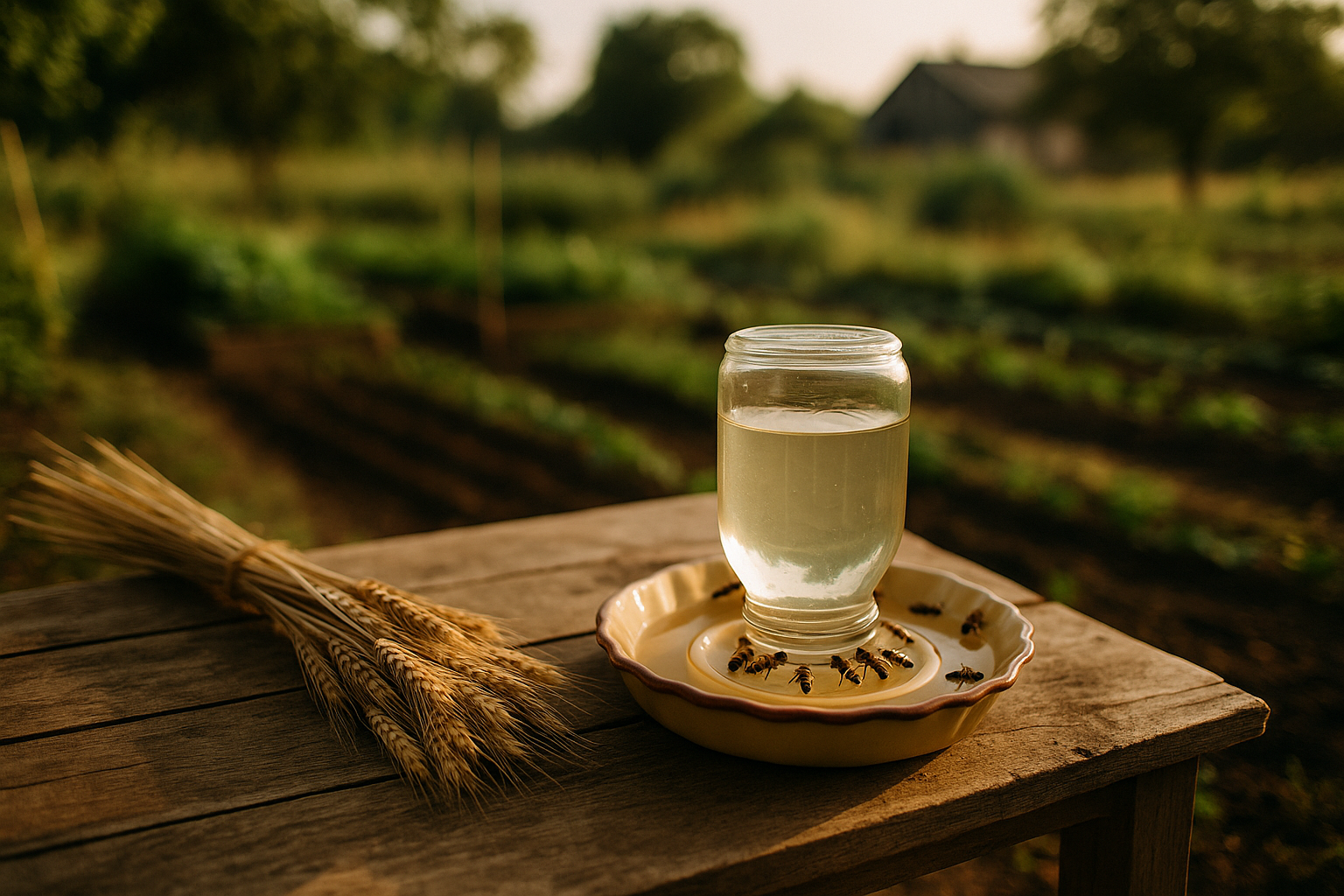
Creating a haven for pollinators in your garden is not just a noble endeavor; it’s a practical one, especially when it comes to encouraging both bees and hummingbirds to visit. These vibrant creatures play a crucial role in pollination, helping your garden thrive. However, finding feeders that cater to both bees and hummingbirds can be a bit tricky. Not every feeder is designed to keep the peace between these buzzing and fluttering friends. This is where bee-friendly feeders come into play, ensuring that your garden remains a bustling hub of activity.
Bee-friendly feeders are specially designed to attract hummingbirds while minimizing competition with bees. With the spring season just around the corner, now is the perfect time to consider integrating these feeders into your garden setup. In addition to enhancing the aesthetic appeal of your outdoor space, they contribute significantly to the well-being of your local ecosystem. Let’s explore what makes a feeder bee-friendly, how to choose the right one, and our top recommendations for 2026.
Understanding the Role of Bee-Friendly Feeders
Bee-friendly feeders serve a dual purpose: they provide a food source for hummingbirds while incorporating features that deter bees. Traditional feeders often attract a swarm of bees, which can overwhelm the hummingbirds and potentially disrupt the delicate balance of your garden’s pollination ecosystem. By using feeders designed to be bee-friendly, you help ensure that both bees and hummingbirds can coexist peacefully.
These feeders are typically equipped with bee guards or mesh screens that prevent bees from accessing the nectar but allow hummingbirds to feed with ease. This setup not only keeps the peace but also ensures that the nectar supply isn’t quickly depleted by bees, leaving enough for the hummingbirds who rely on it as a primary food source.
Key Features to Look for in Hummingbird Feeders
When selecting a bee-friendly feeder, several key features should be on your checklist. First and foremost, look for feeders with bee guards. These are essential for preventing bees from accessing the sugar water while still allowing hummingbirds to feed. Additionally, a feeder with a drip-free design is crucial, as leaking nectar can attract unwanted insects.
Opt for models that are easy to clean and refill. Cleanliness is vital because sugar water can spoil quickly, and mold can be harmful to hummingbirds. Feeders like the Hummingbird Feeder for Outdoors Bee-Proof & Leak-Proof are great options, featuring a saucer style with 30 feeding ports that ensure minimal spillage.
How Bee-Friendly Designs Enhance Pollination
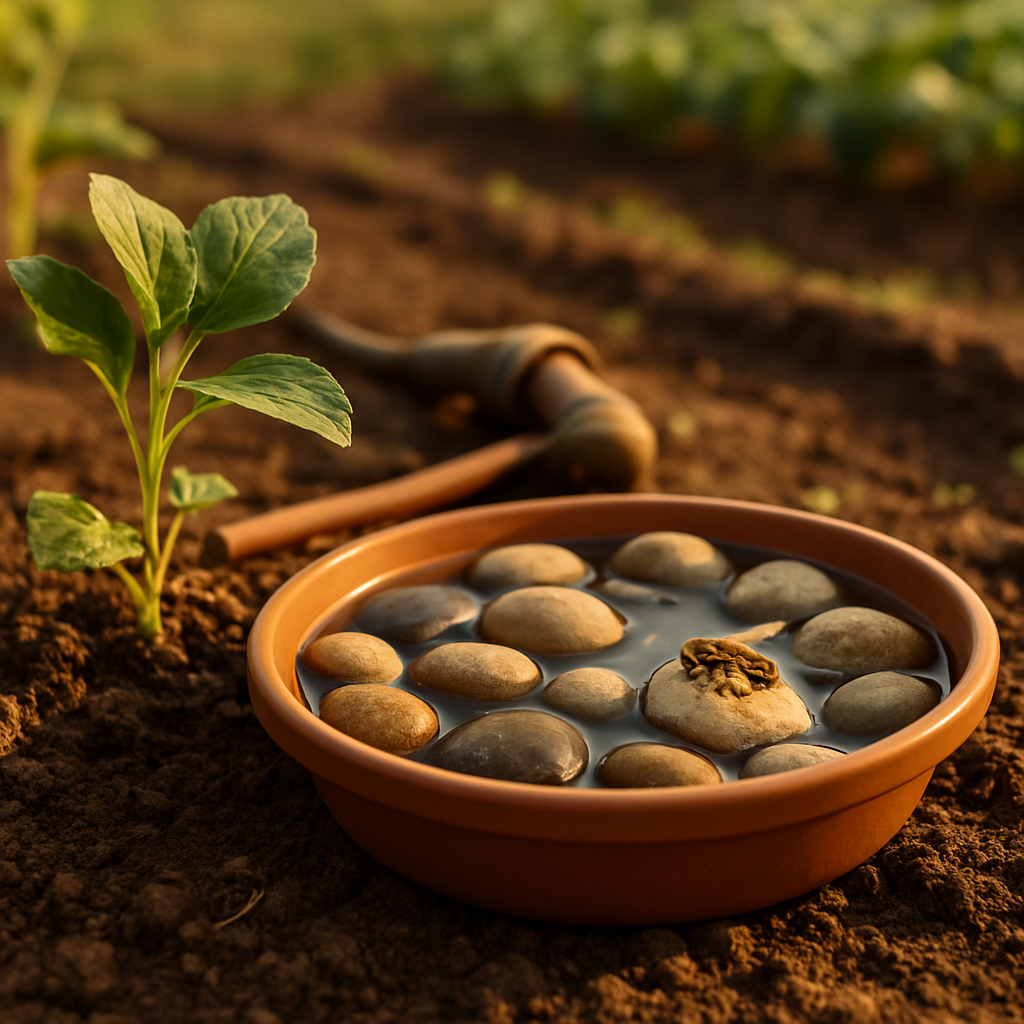
Bee-friendly designs play a crucial role in enhancing pollination by promoting a balanced relationship between hummingbirds and bees. According to research from the Pollinator Partnership, maintaining a diverse pollinator population leads to healthier plants and increased yields. Bee-friendly feeders encourage this diversity by providing a dedicated space for each type of pollinator.
These designs help ensure that bees can focus on flowers that benefit most from their activity, while hummingbirds can access their feeders without competition. This balance supports a robust pollination process, crucial for gardens aiming to produce abundant blooms and fruits.
Setting Up Your Spring Garden for Pollinators
Preparing your garden for pollinators starts with the right mix of flowers and feeders. Choose a variety of nectar-rich plants that bloom at different times to provide a continuous food source. Consider integrating bee-friendly feeders alongside these blooms to maximize pollinator visits.
Geographical considerations, such as growing zones, also play a role in garden planning. For instance, gardeners in USDA Hardiness Zones 6-9 can plant a mix of native wildflowers that naturally attract both bees and hummingbirds. Additionally, tools like FarmsFlo can help you stay on top of your planting schedule, ensuring that your garden is always ready to welcome its buzzing and fluttering guests.
Our Top Picks for Bee-Friendly Feeders
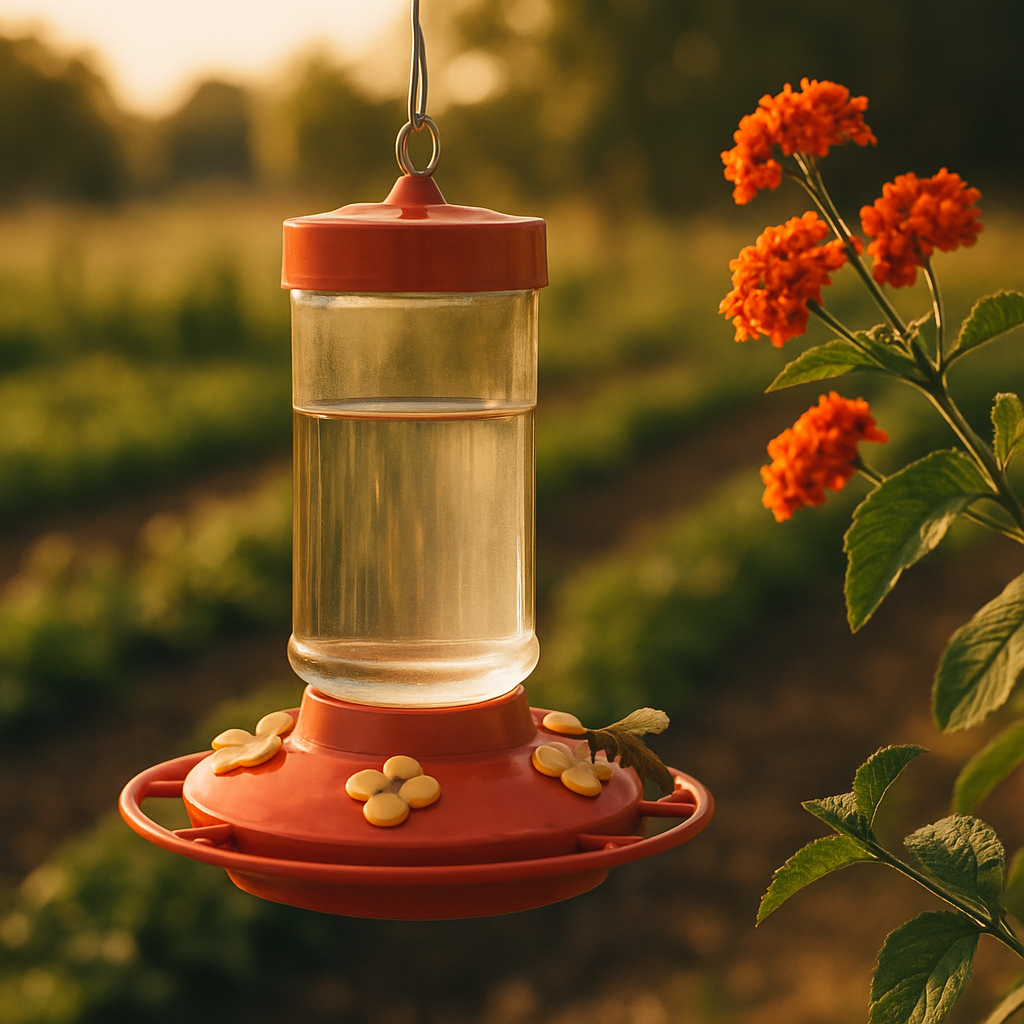
Choosing the right feeder can make all the difference in creating a harmonious garden environment. Here are our top picks for bee-friendly feeders in 2026:
- Hummingbird Feeder for Outdoors Bee-Proof & Leak-Proof — This saucer-style feeder with 30 feeding ports is designed to prevent leaks, making it a top choice for keeping bees at bay. Check Price on Amazon.
- FEED GARDEN Glass Hummingbird Feeder — With its 16oz capacity and built-in ant moat, this feeder provides a reliable, bee-proof design. Check Price on Amazon.
- Perky-Pet 203CPBN-2 Glass Hummingbird Feeders — This pack of two feeders comes with bee guards and perches, providing versatility and convenience for larger gardens. Check Price on Amazon.
Each of these feeders has been selected based on their ability to minimize bee interference while maximizing hummingbird activity. However, a potential drawback to consider is the need for regular cleaning, a necessary task to maintain feeder hygiene and function.
Key Takeaways
- Best Overall: Hummingbird Feeder for Outdoors Bee-Proof & Leak-Proof — Offers a comprehensive bee-proof design with multiple feeding ports.
- Best Value: Perky-Pet 203CPBN-2 Glass Hummingbird Feeders — Provides excellent features at an affordable price.
- Best for Large Gardens: FEED GARDEN Glass Hummingbird Feeder — Ideal for extensive gardens with its spacious design and ant moat.


Manage Your Farm Smarter with FarmsFlo
Track planting schedules, monitor your harvest, and streamline your entire farm operation — all from one easy-to-use app built by farmers, for farmers.
Frequently Asked Questions
How do bee-friendly feeders work?
Bee-friendly feeders use features like bee guards and mesh screens to prevent bees from accessing the nectar, while still allowing hummingbirds to feed comfortably. This design helps maintain a balanced ecosystem in your garden.
Can I use regular hummingbird feeders for bees?
Regular hummingbird feeders often attract bees, which can disrupt nectar availability for hummingbirds. Opting for bee-friendly feeders helps ensure that both species can coexist without competition.
What is the best location for placing feeders?
Place feeders in a shaded area to prevent nectar from spoiling quickly. Ensure they are easily accessible for both hummingbirds and bees, ideally near flowering plants that attract pollinators.
How often should I clean my hummingbird feeder?
Clean your feeder every 3-5 days to prevent mold and ensure the health of your hummingbirds. Regular cleaning helps maintain nectar quality and feeder functionality.
What are some signs that bees are dominating my feeders?
If you notice a large number of bees around your feeders or hummingbirds seem hesitant to approach, it may be a sign that bees are dominating. Switching to bee-friendly feeders can help balance this activity.
Integrating bee-friendly feeders into your spring garden setup is a simple yet effective way to support both bees and hummingbirds. By choosing the right feeders and maintaining them properly, you can create a vibrant, thriving pollinator ecosystem. As you plan your garden, consider incorporating a variety of plants and tools like FarmsFlo to keep your gardening efforts organized and effective.
From Our Network
GreenChoice Affiliates — Eco-friendly product reviews for sustainable living
FarmsFlo — Free farm management app for planting schedules, harvests, and operations
BoingyBooks — Publish and discover ebooks, interactive read-alongs, and audiobooks
Leave a Reply
You must be logged in to post a comment.