
This post may contain affiliate links. If you make a purchase through these links, we may earn a small commission at no extra cost to you. Learn more.
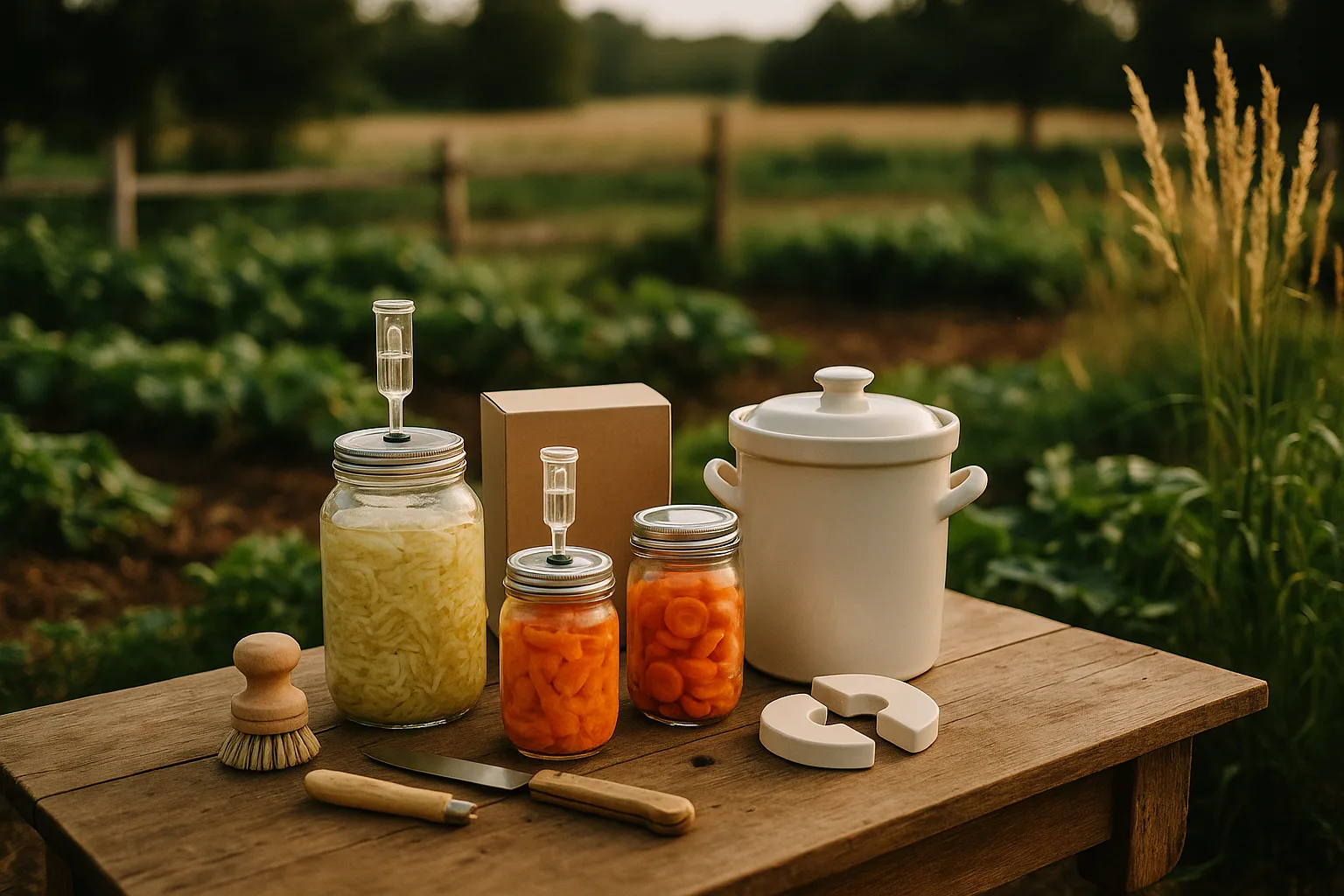
Spring brings a fresh start for many gardeners and homesteaders. As the soil warms up, vegetables like radishes, carrots, and cabbages begin to flourish. This season offers the perfect opportunity to try your hand at fermenting these springtime delights. Fermentation not only preserves your harvest but also enhances flavors and boosts nutritional value. With the right fermentation kit, you can transform your garden’s bounty into delicious, probiotic-rich foods.
Choosing a fermentation kit can be overwhelming with so many options available. Kits range from simple jar-based systems to more sophisticated crocks with airlocks and weights. The best choice depends on your needs, space, and the volume of vegetables you plan to ferment. Understanding the key features to look for can help make this decision easier. Let’s explore why spring is ideal for fermentation, what to consider when buying a kit, and our top recommendations for 2026.
Why Fermenting Vegetables in Spring is Ideal
Spring is a time of renewal and abundance in the garden. The cooler temperatures of early spring are perfect for fermenting vegetables, as they help maintain the ideal fermentation temperature of 60-75°F (15-24°C). This is crucial in maintaining the right balance between preserving the vegetables and preventing spoilage.
Vegetables like cabbage, radishes, and carrots are at their peak during spring, making them perfect candidates for fermentation. Fermenting these spring vegetables captures their fresh flavors while preserving them for future use. Plus, fermenting at this time of year can help you manage the bounty of your garden, reducing waste and extending your harvest.
Key Features to Look for in a Fermentation Kit
When selecting a fermentation kit, consider the following features to ensure you get the best results:
- Airlocks: These help maintain an anaerobic environment, preventing mold and ensuring successful fermentation.
- Weights: Keep your vegetables submerged in brine to avoid spoilage.
- Material: Glass or food-grade plastic are ideal, as they are non-reactive and easy to clean.
- Size: Choose a kit based on the volume you plan to ferment. Large crocks are great for big batches, while jar systems work well for smaller quantities.
Consider your available space and storage needs when choosing the size of your fermentation kit. Additionally, some kits come with instructional guides or recipe books, which can be helpful for beginners.
How to Use a Fermentation Kit: Step-by-Step Guide
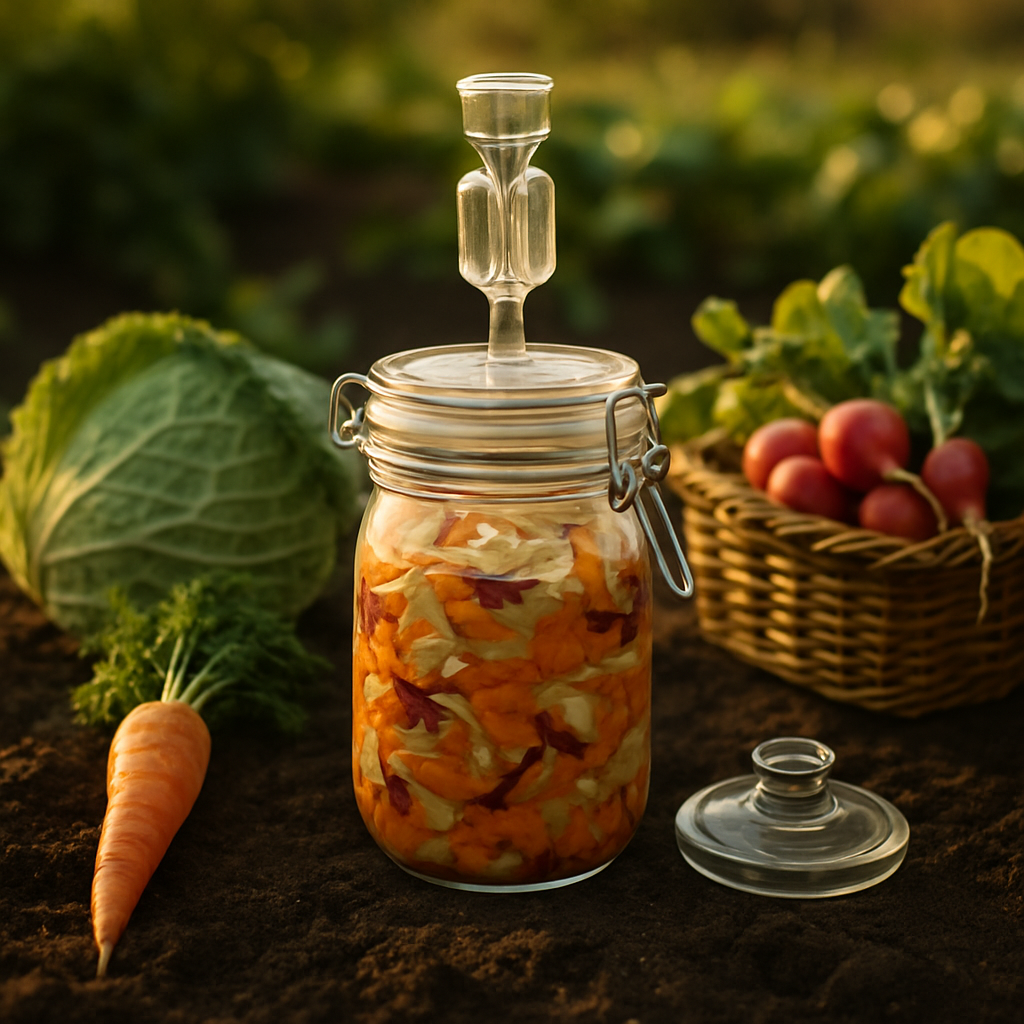
Using a fermentation kit is straightforward, but attention to detail is important for success:
- Prepare your vegetables: Wash and chop your vegetables into uniform pieces.
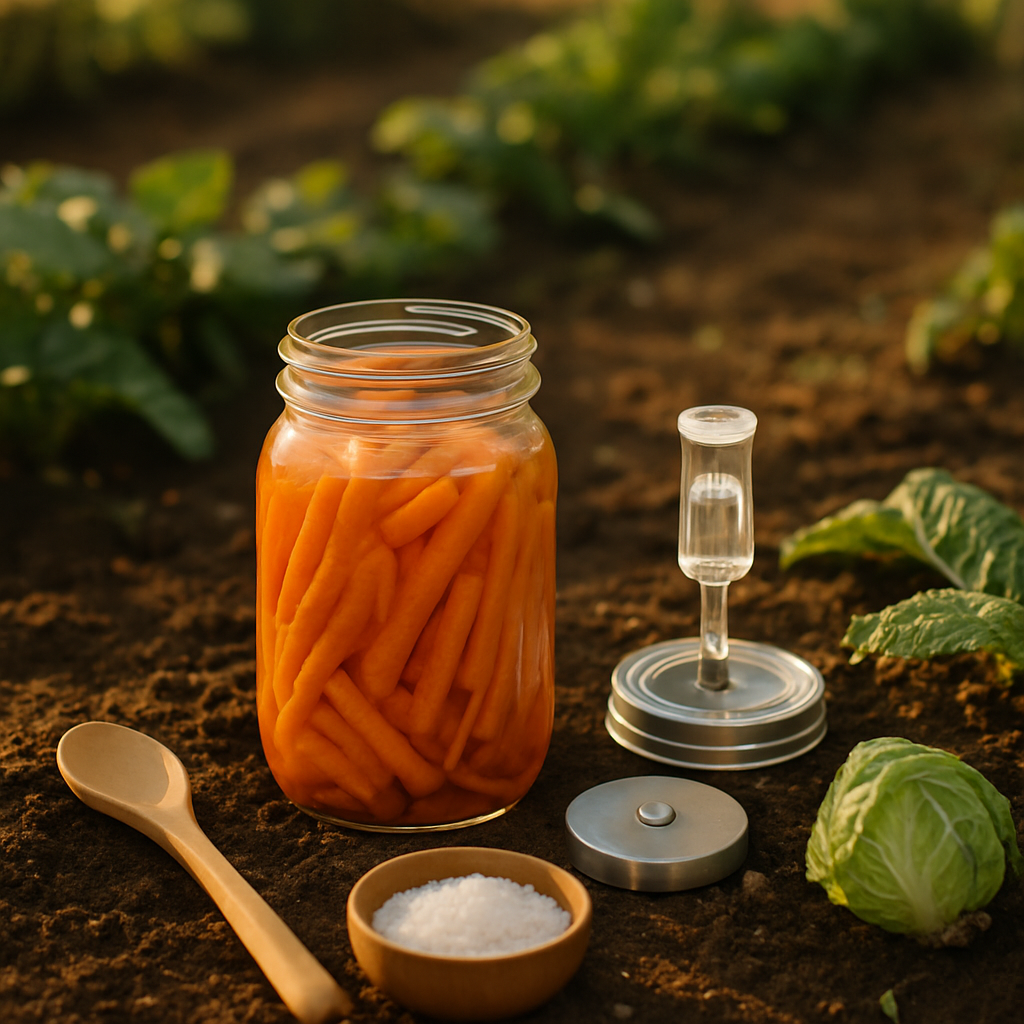
- Create the brine: Dissolve salt in water to make a brine, usually a 2-3% solution.
- Pack the vegetables: Place your vegetables in the fermentation container, leaving some space at the top.
- Add the brine: Pour the brine over the vegetables, ensuring they are fully submerged.
- Weigh down the vegetables: Use the weights to keep everything submerged.
- Seal the container: Use the airlock lid to seal and set aside at room temperature.
- Monitor fermentation: Check daily for signs of fermentation, such as bubbles or a sour smell.
- Taste test: Begin tasting after 5-7 days and refrigerate once the desired flavor is achieved.
Tools like FarmFlow can help you stay on top of your planting schedule, ensuring you have a steady supply of fresh produce to ferment.
Maintaining Your Kit: Tips for Long-Lasting Use
To extend the life of your fermentation kit, proper maintenance is essential:
- Clean thoroughly: After each use, wash all components with warm, soapy water.
- Inspect regularly: Check for cracks or damage, especially on glass components.
- Store properly: Keep your kit in a dry, cool place when not in use to prevent degradation.
Watch out for any signs of mold or off-odors, which can indicate contamination. If this happens, you may need to adjust your process or replace parts of your kit.
Our Top Picks for Best Fermentation Kits
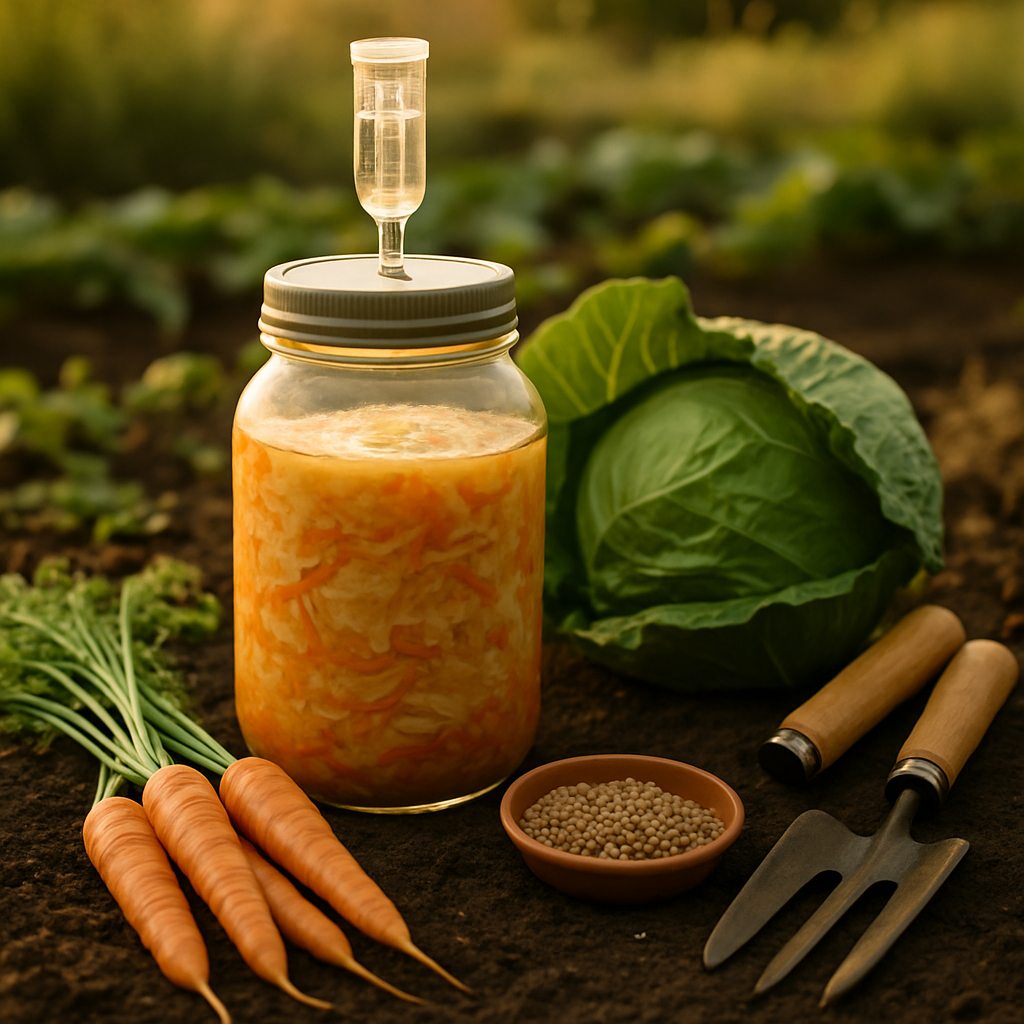
Here are our recommended fermentation kits for 2026, each offering unique features to suit various needs:
Masontops Complete Mason Jar Fermentation Kit
This kit includes everything you need to start fermenting with mason jars, including airlock lids and glass weights. Its compact design is perfect for small kitchens. Check Price on Amazon
Picklemeister Fermentation Kit
Ideal for beginners, this kit includes a 1-gallon jar with an airlock system. It’s great for fermenting larger batches of vegetables. Check Price on Amazon
K&K Keramik German Fermenting Crock
For those serious about fermentation, this traditional ceramic crock offers durability and style. Its large capacity is perfect for big batches. Check Price on Amazon
Looking for fermentation kit products?
Manage Your Farm Smarter with FarmFlow
Track planting schedules, monitor your harvest, and streamline your entire farm operation — all from one easy-to-use app built by farmers, for farmers.
Frequently Asked Questions
What is the best temperature for fermenting vegetables?
The ideal temperature range for fermenting vegetables is 60-75°F (15-24°C). This range promotes the growth of beneficial bacteria while minimizing the risk of spoilage.
Can I ferment different vegetables together?
Yes, you can mix different vegetables in one batch. However, be mindful of their fermentation time, as some vegetables may ferment faster than others.
How long does fermentation take?
Fermentation time varies depending on the vegetable, temperature, and personal taste. It typically takes 1-4 weeks to reach the desired flavor and texture.
What should I do if my fermentation develops mold?
If mold forms, remove it immediately and ensure your vegetables remain submerged. If mold persists, consider starting a new batch with clean equipment.
Are there any vegetables that shouldn’t be fermented?
Most vegetables can be fermented, but avoid those with high water content, like cucumbers, unless they’re pickled to prevent mushiness.
With the right fermentation kit, you can enjoy the vibrant flavors of spring vegetables all year long. Whether you’re just starting or are a seasoned fermenter, choosing the right tools makes all the difference. Equip yourself well, follow best practices, and savor the rewards of your work.
From Our Network
GreenChoice Affiliates — Eco-friendly product reviews for sustainable living
FarmsFlo — Free farm management app for planting schedules, harvests, and operations
BoingyBooks — Publish and discover ebooks, interactive read-alongs, and audiobooks
Leave a Reply
You must be logged in to post a comment.