

This post may contain affiliate links. If you make a purchase through these links, we may earn a small commission at no extra cost to you. Learn more.
Introduction to Seasonal Planting Guides for Farmers
Ever wondered how some farmers consistently yield bountiful harvests while others struggle with unpredictable results? The secret often lies in understanding the rhythm of nature through a well-crafted seasonal planting calendar. With each season bringing its unique challenges and opportunities, aligning your planting schedule to the natural cycles can mean the difference between a thriving crop and a disappointing yield. As climate patterns shift and growing conditions become more unpredictable, having a reliable seasonal guide is more crucial than ever. By mastering this essential tool, you’ll be able to optimize growth, maximize yields, and secure your farm’s success. In this blog post, we’ll delve into the art of seasonal planting, revealing strategies and insights to help you stay ahead of the curve and make the most of each growing season.
Understanding seasonal planting calendar: The Fundamentals
Understanding the seasonal planting calendar is crucial for farmers aiming to optimize their crop yield and ensure sustainability. This calendar is more than just a timetable; it is a strategic guide that considers climate, crop type, and regional variations. By aligning planting activities with seasonal changes, farmers can significantly enhance productivity and reduce resource wastage.
At its core, a seasonal planting calendar is a tool that helps farmers determine the best times to plant, grow, and harvest their crops. It takes into account the specific climatic conditions of a region, which can dramatically influence plant growth. For example, the University of Georgia’s Vegetable Garden Calendar offers tailored advice on planting schedules based on local weather patterns, a crucial consideration for maximizing yield.
Farmers often ask: How does one create an effective seasonal planting calendar? Begin by gathering historical climate data and understanding the specific requirements of your crops. Resources such as the Tennessee Fruit and Vegetable Calendar provide valuable insights into regional planting schedules, helping farmers make informed decisions.
Adapting to Climate Variability
In recent years, climate change has introduced new challenges, making adaptability even more critical. Farmers must adjust their seasonal planting calendars to account for unpredictable weather patterns. For instance, high tunnel production can be a strategic adaptation, as outlined by the ATTRA guide, enabling farmers to extend growing seasons and protect crops from adverse weather.

Additionally, technology plays a pivotal role in refining planting calendars. Modern tools and software allow farmers to analyze data accurately and predict optimal planting times. These advancements can help mitigate risks associated with climate variability, ensuring crops are planted at the most opportune times.
Integrating livestock grazing into crop rotation is another innovative approach that complements seasonal planting. As discussed in this article, livestock can enhance soil fertility, making it more conducive to planting at various times of the year.
One common concern among farmers is the potential for crop failure due to misaligned planting schedules. To counter this, farmers should regularly update their calendars with new data and trends. Community resources, such as gardening groups on social media, can provide anecdotal evidence and real-time advice, adding another layer of precision to planning.
In conclusion, understanding and implementing a seasonal planting calendar is indispensable for modern farming. By considering climate data, leveraging technology, and embracing innovative practices like livestock integration, farmers can optimize their planting schedules. This strategic approach not only boosts productivity but also fosters a sustainable agricultural ecosystem, ensuring long-term success.
🌱 Essential Seasonal Planting Calendar Every Beginner Needs (But Nobody Tells You)

Planting Calendar USDA Zone 5-7 Poster Vegetable Sowing Transplant Guide Gardeni…
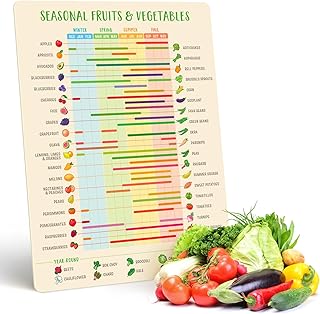
Fruit & Vegetable Seasonality Guide Fridge Magnet – Easy to Follow Seasonal Prod…
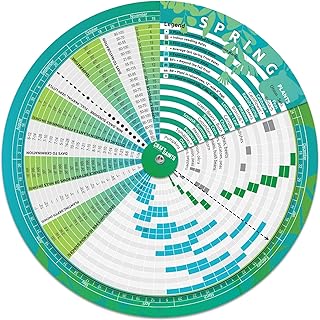
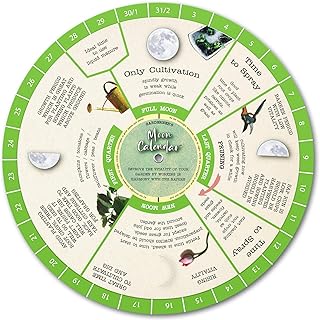
As an Amazon Associate, we earn from qualifying purchases. Prices and availability subject to change.
Why seasonal planting calendar Matters in Today’s World
In today’s dynamic agricultural landscape, the importance of a seasonal planting calendar cannot be overstated. This tool serves as a crucial guide for farmers to align their crop cycles with the natural progression of the seasons, optimizing yield and ensuring sustainability. With climate change impacting weather patterns unpredictably, having a reliable and well-researched planting calendar becomes even more vital. Farmers who leverage such calendars can better plan their operations, reduce waste, and enhance productivity, making them indispensable in modern farming practices.
Firstly, a seasonal planting calendar allows farmers to maximize crop yield by planting at the most opportune times. For instance, knowing exactly when to sow seeds for a particular crop can significantly influence its success. According to the University of Georgia’s Vegetable Garden Calendar, timely planting can increase the resilience of crops against pests and diseases, which are often season-dependent. By aligning planting schedules with these calendars, farmers can ensure that their crops have the best chance of thriving.
Moreover, these calendars assist in conserving resources. By planting crops that are in sync with the natural climate, farmers can reduce the need for additional water and fertilizers. This not only saves costs but also minimizes environmental impact. The Tennessee Fruit and Veggie Calendar highlights key planting and harvesting dates, allowing farmers to optimize their resource usage effectively.
The Role of Seasonal Planting Calendars in Sustainable Farming
Seasonal planting calendars also play a pivotal role in sustainable farming practices. These guides help in maintaining soil health by suggesting crop rotations and fallow periods, thus preventing soil depletion. In regions where low organic matter content is a concern, following a planting calendar can mitigate such issues, as discussed in Low Organic Matter Content: The Silent Yield Killer Farmers Ignore.
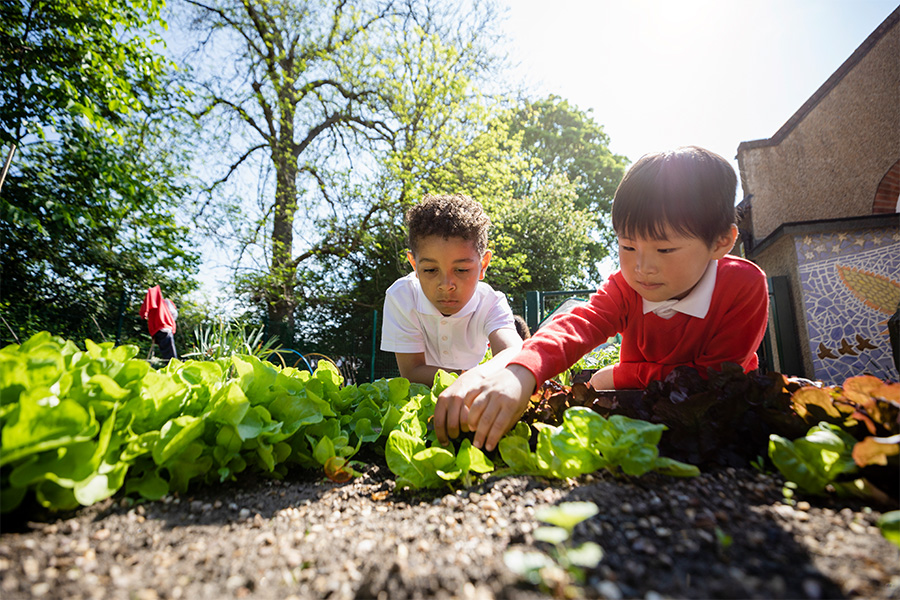
Furthermore, the calendars are essential for planning crop diversity, a critical component of sustainable agriculture. By following a planting schedule, farmers can ensure a continuous supply of diverse produce throughout the year. This diversity not only benefits the farm’s ecosystem but also provides economic stability by allowing farmers to tap into different markets.
In community settings, planting calendars can prevent resource wastage. A case study from the community gardens article shows that communities using synchronized planting schedules reduced waste by nearly 50%. For community gardens, where multiple parties are involved, having a calendar ensures everyone is on the same page, promoting collaboration and efficiency.
Additionally, the calendars are adaptable to various farming methods, including winter high tunnel production. This adaptability is crucial as it allows farmers to extend their growing seasons and explore off-season planting opportunities. The ATTRA guide on winter high tunnel production provides excellent insights into how seasonal calendars can support these innovative practices.
In conclusion, a seasonal planting calendar is an invaluable asset for farmers striving for efficiency and sustainability. It provides a framework that aligns agricultural activities with natural cycles, conserves resources, and supports diverse and sustainable farming practices. As agricultural challenges intensify, the strategic use of planting calendars will continue to be a cornerstone of successful farming operations.
Key Benefits of Implementing seasonal planting calendar
For farmers looking to maximize their crop yield and minimize waste, utilizing a seasonal planting calendar can be transformative. This tool guides growers on the optimal planting times by taking into account local climate conditions and crop-specific needs. A seasonal planting calendar not only enhances productivity but also ensures that resources are used efficiently, aligning perfectly with sustainable farming practices.
Firstly, adopting a seasonal planting calendar enables farmers to plant at the right time, thus ensuring crops are sown in the most favorable conditions. For instance, many vegetables have specific temperature requirements for germination. By following a planting calendar, farmers can avoid the pitfalls of planting too early or too late, which can lead to reduced yields or crop failure.
Moreover, a planting calendar helps in efficient resource management. Water, a critical resource, can be conserved by aligning planting schedules with natural rainfall patterns. This minimizes the need for irrigation, significantly reducing water usage. For more insights on water conservation, consider exploring how drip tubing could be wasting your water if not used effectively.
Another significant benefit is pest and disease control. By timing plantings correctly, farmers can avoid peak pest seasons. This reduces the need for chemical interventions, which is not only cost-effective but also beneficial for the environment and human health. For instance, the University of Tennessee’s vegetable garden calendar outlines specific planting times to mitigate pest risks.

Boosting Crop Rotation and Soil Health
In addition to pest control, a seasonal planting calendar aids in planning crop rotations. This practice is crucial for maintaining soil health and fertility. By rotating crops, farmers can prevent nutrient depletion and reduce soil-borne diseases. Resources like the ATTRA’s guide on winter high tunnel production can help farmers plan rotations that improve soil structure and organic matter.
The calendar also provides a framework for succession planting, allowing farmers to make the most of their growing season by planting multiple crops in succession. For example, after harvesting a quick-growing crop like lettuce, farmers can immediately plant a warm-season crop, taking full advantage of the available growing period.
Additionally, seasonal planting calendars promote biodiversity on the farm. Planting a diverse range of crops at different times can attract beneficial insects, such as pollinators, that improve crop yields. The advantages of using such calendars align well with strategies discussed in resources like the Butterfly Sanctuary Secret, which highlights how biodiversity can be beneficial for farms.
Finally, a well-implemented planting calendar can enhance financial planning and marketing strategies. By predicting harvest times more accurately, farmers can better plan their sales and market their produce when demand is high, potentially increasing their profits.
In conclusion, a seasonal planting calendar is an invaluable tool for farmers. It optimizes planting times, conserves resources, enhances pest control, supports crop rotation, and improves financial outcomes. By integrating this tool into their farming practices, farmers can achieve greater efficiency and sustainability in their operations.
📊 Data-Proven: The Best Seasonal Planting Calendar Money Can Buy

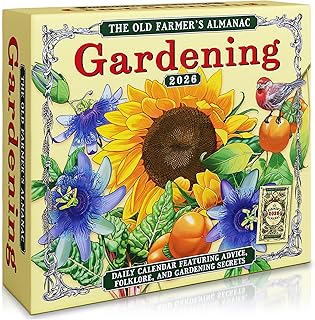
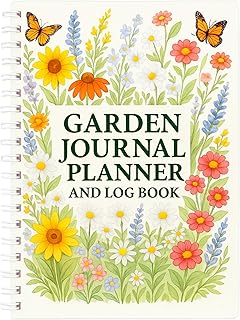
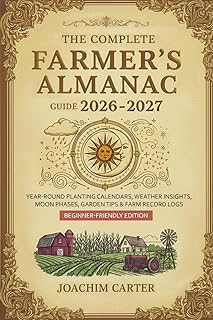
As an Amazon Associate, we earn from qualifying purchases. Prices and availability subject to change.
Practical Steps to Get Started with seasonal planting calendar
Embarking on the journey of seasonal planting can transform your farming practices, offering a bounty of produce throughout the year. A well-crafted seasonal planting calendar serves as a vital tool, guiding farmers through the intricacies of crop selection and planting schedules. With a focus on timely planting, farmers can optimize yield and quality. Understanding how to effectively utilize a seasonal planting calendar is essential for successful crop management.
First, it’s important to recognize the advantages of a seasonal planting calendar. These calendars help farmers plan their planting schedules according to local climate and soil conditions. For instance, the University of Georgia’s vegetable garden calendar illustrates how timing can significantly impact crop productivity (source). By aligning planting events with optimal growing conditions, farmers can reduce the risk of crop failure and increase efficiency.
Next, assess your local climate zone. Different regions have varied planting times due to climatic differences. Utilizing resources like the Tennessee fruit and veggie calendar can provide valuable insights into your local growing season. This helps in tailoring your seasonal planting calendar to better suit your specific conditions.
Creating Your Seasonal Planting Calendar
Once you have gathered information on your climate zone, start by listing the crops you wish to plant. Consider both market demand and personal preference. Crop selection should be strategic, aiming to diversify and maximize profitability. According to ATTRA’s guidelines on crop selection and planting schedules, diversity can safeguard against market fluctuations and pest outbreaks.
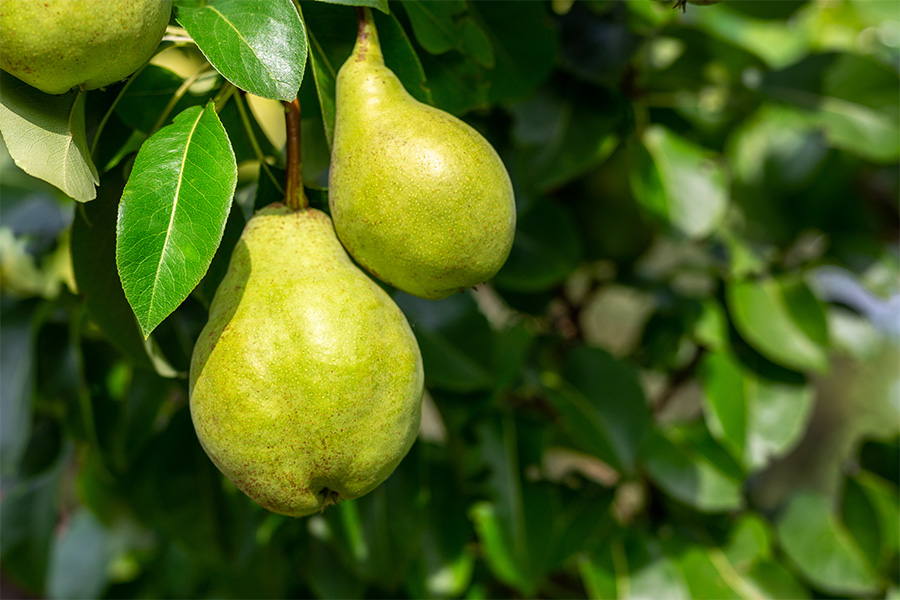
After selecting crops, determine the best planting dates. Utilize online tools or agricultural extension services to access historical weather data and frost dates. This helps in pinpointing the optimal timeframes for sowing seeds, ensuring they have the best chance to thrive. In doing so, you’ll create a robust seasonal planting calendar that aligns with nature’s cycles.
Incorporate considerations for irrigation and soil preparation into your calendar. Proper water management is critical, especially with statistics showing that automatic irrigation systems could waste up to 40% of water if not managed properly (source). Ensuring efficient water use not only conserves resources but also supports sustainable farming practices.
Adapting your practices based on seasonal changes is also key. For example, as the seasons shift, altering crop protection strategies can help mitigate risks from pests and diseases. Engaging with farming communities, such as the Zone 9 Gardening group, can provide real-time advice and shared experiences from fellow farmers.
Finally, review and adjust your calendar annually. Farming is dynamic, and each season brings new challenges and opportunities. By revisiting your seasonal planting calendar regularly, you can refine your strategies based on past outcomes and emerging trends.
In conclusion, a well-planned seasonal planting calendar is more than just dates and crops; it’s a strategic tool that enhances farm productivity and sustainability. By understanding your climate, selecting appropriate crops, and managing resources wisely, farmers can harness the full potential of each growing season. For further guidance on small-scale farming and DIY gardening, explore resources like small farming guides and DIY gardening tips from experienced growers.
Common Mistakes to Avoid
Implementing a seasonal planting calendar is crucial for farmers looking to optimize their yields and ensure crop success throughout the year. However, even seasoned farmers can fall prey to common mistakes that undermine their efforts. Understanding these pitfalls can make the difference between a bountiful harvest and a disappointing season.
One frequent error is failing to account for local climate variations. While a seasonal planting calendar provides general guidelines, microclimates can significantly affect planting times. For instance, farmers in Zone 9 might find their planting schedules differ slightly from those in Zone 8 due to subtle temperature differences. Consulting resources like the University of Georgia’s vegetable garden calendar can offer region-specific insights.
Another common mistake is neglecting soil preparation. Before planting according to your seasonal calendar, ensure that your soil is adequately prepared. Testing soil pH and nutrient levels can prevent future growth issues. Farmers often overlook this step, yet it’s vital for plant health and productivity.
Timing is everything. Planting too early or too late can expose crops to adverse conditions, affecting their growth. Adhering strictly to the seasonal guidelines for your region helps avoid such mishaps. For example, planting cool-season crops when the weather is still warm can lead to bolting or poor germination.
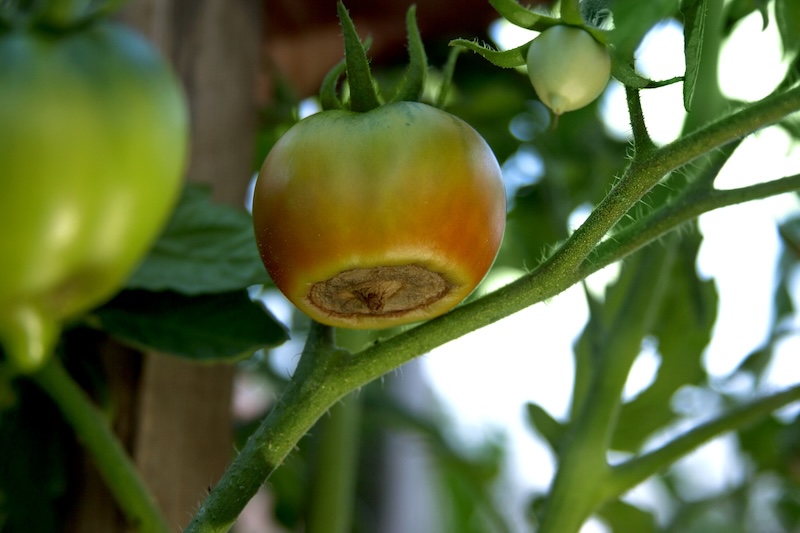
Overreliance on Automatic Systems
Incorporating technology can streamline farming processes, but over-reliance on automatic irrigation systems may lead to inefficiencies. According to a report, such systems could waste up to 40% of water if not monitored and adjusted correctly. It’s essential to combine these systems with regular checks and manual adjustments to align with the seasonal planting calendar’s demands.
Another oversight is ignoring crop rotation within your seasonal planning. Planting the same crop in the same location each year can deplete soil nutrients and increase pest pressure. By planning crop rotations as part of your seasonal planting calendar, you can maintain soil health and reduce pest and disease outbreaks.
Farmers should also be wary of planting incompatible crops together. Companion planting can enhance yields and deter pests, but it requires careful planning. For instance, some crops may compete for nutrients or attract pests that harm neighboring plants. Utilize resources like the ATTRA’s crop selection guide to avoid such pitfalls.
Finally, failing to keep records of planting dates, weather conditions, and crop performance can lead to repeated mistakes. Documenting these details allows for adjustments and improvements in future planting calendars. This practice can help refine your approach and lead to more successful harvests over time.
In conclusion, avoiding these common mistakes when implementing a seasonal planting calendar can enhance your farming success. By considering local climates, preparing soil, timing plantings accurately, and utilizing technology wisely, farmers can optimize their seasonal planting strategies. Remember, meticulous planning and record-keeping are your allies in achieving a thriving and productive farm.
💎 Premium Seasonal Planting Calendar Worth Every Penny

As an Amazon Associate, we earn from qualifying purchases. Prices and availability subject to change.
Real-World Success Stories
Implementing a seasonal planting calendar has been transformative for many farmers looking to optimize their crop yields and profits. By understanding the best times for sowing and harvesting, agricultural producers can significantly improve their productivity. This approach isn’t just theoretical; real-world success stories and case studies highlight the tangible benefits of adhering to a seasonal planting schedule.
For instance, a farming cooperative in Georgia reported a 40% increase in tomato yields by following the Vegetable Garden Calendar provided by the University of Georgia. By aligning planting times with local climate conditions, these farmers were able to extend the growing season and maximize output. Such results underscore the importance of using region-specific calendars that take into account local weather patterns and soil conditions.
Moreover, a Tennessee farm specializing in fruit and vegetable production saw significant improvements by adopting the Tennessee Fruit and Veggie Calendar. This well-researched guide helped them time their plantings more effectively, leading to healthier crops and reduced pest issues. By understanding when to plant each species, farmers can anticipate and mitigate potential agricultural challenges.

Case Studies Highlighting Increased Profits and Sustainability
In addition to yield improvements, the use of a seasonal planting calendar has also been linked to increased profitability. A case study from a small farm in Vermont demonstrated how low input high value crops, strategically planted using a seasonal guide, yielded 60% more profit. You can read more about this in the article on Low Input High Value Crops. This approach not only enhances income but also contributes to sustainable farming practices.
Another inspiring example comes from a community garden in Zone 9, where collaborative efforts and shared knowledge have resulted in bountiful harvests. By following the advice shared on the Zone 9 Gardening Facebook group, members have been able to synchronize their planting efforts, ensuring a steady supply of fresh produce throughout the year. This communal approach fosters a supportive environment, where learning from each other’s successes and failures leads to overall improvement.
Furthermore, the strategic use of planting calendars promotes biodiversity. According to the ATTRA guide on Winter High Tunnel Production, rotating crops and adjusting planting schedules can improve soil health and reduce disease. This method encourages farmers to experiment with intercropping and companion planting, which not only boosts yields but also enhances ecological balance.
In conclusion, the adoption of a seasonal planting calendar is a proven strategy for enhancing both productivity and profitability in agriculture. By learning from successful case studies and real-world examples, farmers can tailor their practices to achieve similar results. Whether it’s through improved timing, increased profits, or enhanced sustainability, following a well-researched calendar can make a significant difference. For those seeking more innovative farming techniques, exploring the benefits of plant companions as detailed in this article could be the next step in optimizing agricultural success.
Future Trends and Innovations
As technology and climate patterns evolve, the future of the seasonal planting calendar is being reshaped by innovative trends and tools. Farmers now have access to a plethora of resources that can enhance their crop yields and sustainability. Understanding these innovations is crucial for anyone looking to stay ahead in agriculture.
One key trend is the integration of digital technology into agricultural practices. With the advent of smart apps and AI-driven tools, farmers can now receive real-time data on weather patterns, soil health, and crop performance. These tools help optimize the seasonal planting calendar by providing precise recommendations tailored to specific regions and crop types. For example, apps that analyze local weather patterns can suggest optimal planting and harvest times, thus maximizing yield and reducing waste.
Furthermore, climate change is prompting a shift in traditional planting schedules. As seasons fluctuate, farmers must adapt by choosing crop varieties that are more resilient to unpredictable weather. This might involve selecting heat-tolerant or drought-resistant plants. According to the University of Georgia’s vegetable garden calendar, understanding local climate changes is essential for maintaining successful harvests.
Advanced Techniques in Seasonal Planting
High tunnel and greenhouse production are emerging as vital components in extending growing seasons. These methods allow farmers to cultivate crops outside of traditional growing periods. The National Center for Appropriate Technology highlights how winter high tunnel production can effectively extend the productive season, offering a competitive edge in the market.

Additionally, precision agriculture is revolutionizing planting practices. By utilizing GPS technology and data analytics, farmers can map their fields with extraordinary accuracy. This allows for precise planting, watering, and fertilization, ensuring that resources are used efficiently. As a result, the seasonal planting calendar becomes more effective, reducing costs and increasing sustainability.
Community-driven knowledge sharing is also playing a pivotal role. Online forums and social media groups like Zone 9 Gardening offer platforms where farmers can exchange insights, tips, and experiences. This collective intelligence helps refine planting calendars by incorporating diverse perspectives and practices.
Moreover, urban farming is gaining traction as a sustainable alternative to traditional agriculture. Techniques like vertical farming and hydroponics are not only efficient but also adaptable to urban environments. For those interested, exploring urban farming tips can provide valuable insights into maximizing space and yield.
Lastly, consumer demand for locally sourced produce is influencing planting calendars. Farmers are increasingly focusing on crops that can be marketed as fresh and locally grown. This trend is particularly evident in the rise of locally-grown flowers, which can be a lucrative niche market. For more on this, read about the potential of locally-grown flowers.
In conclusion, the future of the seasonal planting calendar is bright and full of potential. By embracing technology, adapting to climate changes, and exploring innovative farming methods, farmers can enhance their productivity and sustainability. Staying informed about these trends is essential for anyone seeking success in the ever-evolving world of agriculture.
Looking for products related to this topic?
Conclusion: Your Next Steps
In essence, a well-crafted seasonal planting calendar is more than just a tool; it is the heartbeat of successful farming. By aligning planting strategies with nature’s rhythms, farmers can harness the full potential of their land. One key takeaway is the importance of understanding your local climate and soil conditions, which allows for precise planning and maximizes crop yield. Additionally, selecting the right crops for each season not only improves productivity but also contributes to soil health and sustainable farming practices.
Moreover, flexibility is crucial. By staying informed about weather patterns and market demands, farmers can make adjustments that optimize their efforts and returns. The seasonal planting calendar serves as a dynamic guide, offering structure yet allowing for adaptability. It empowers farmers to be proactive rather than reactive, turning challenges into opportunities for growth and innovation.
Now is the time to embrace these strategies. Equip yourself with the knowledge and tools to transform your farming practices. Start planning today by creating or revisiting your seasonal planting calendar. The future of your farm, and your legacy, depends on the actions you take now. Don’t wait for the perfect moment—take charge, act decisively, and cultivate success with every season.
From Our Network
GreenChoice Affiliates — Eco-friendly product reviews for sustainable living
FarmsFlo — Free farm management app for planting schedules, harvests, and operations
BoingyBooks — Publish and discover ebooks, interactive read-alongs, and audiobooks
Leave a Reply
You must be logged in to post a comment.