
This post may contain affiliate links. If you make a purchase through these links, we may earn a small commission at no extra cost to you. Learn more.
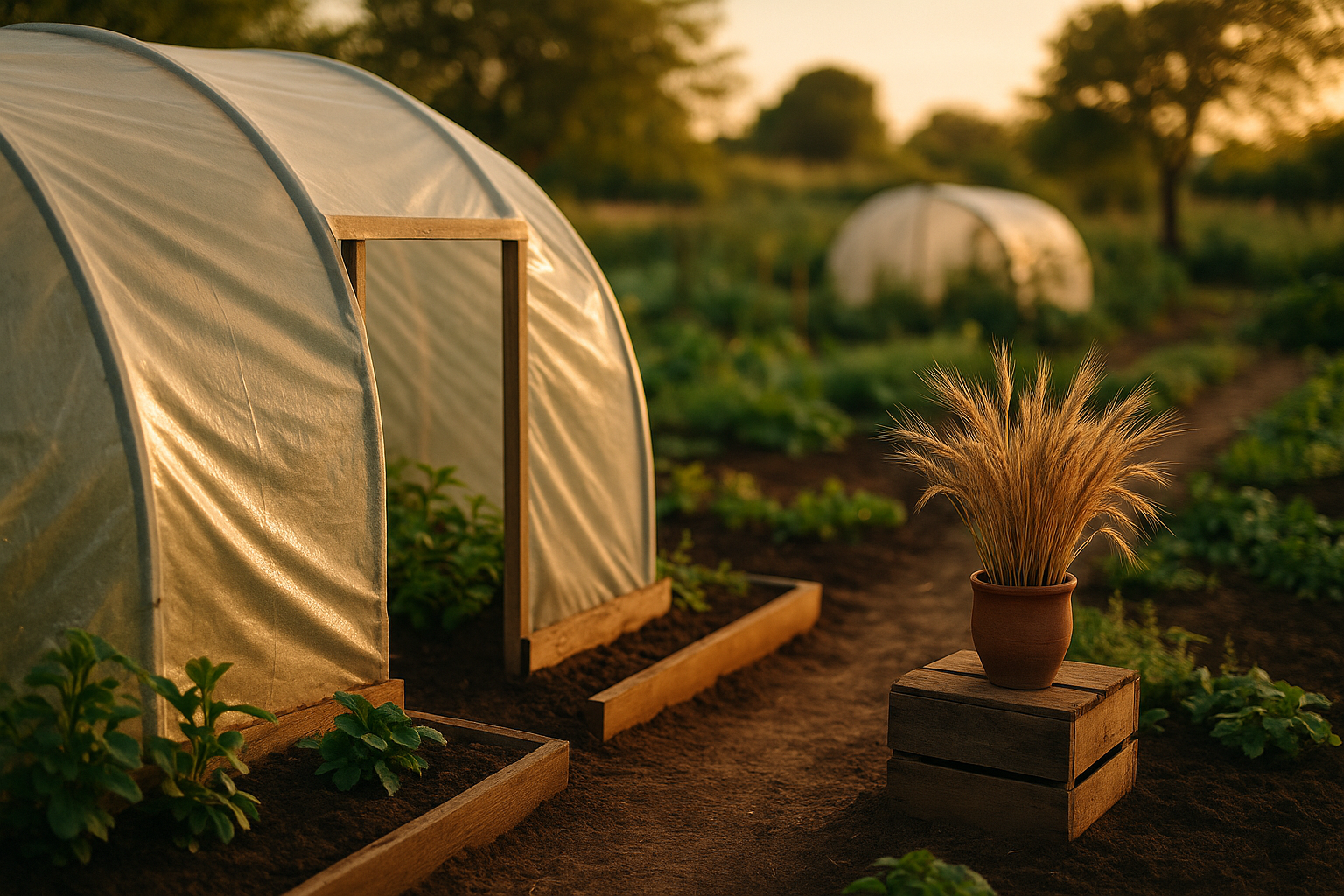
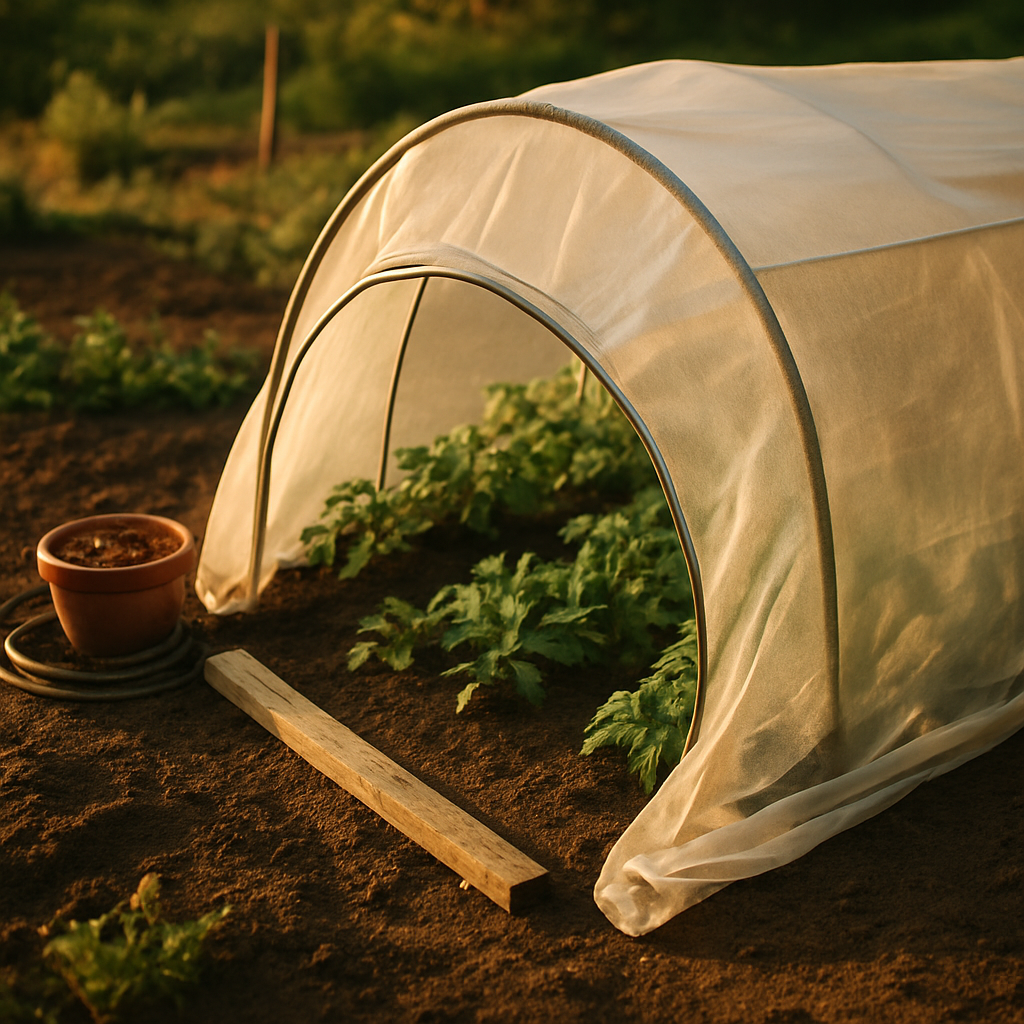
Spring is a time of renewal and growth, but it can also be a challenging season for gardeners. As temperatures start to rise, the risk of frost can still pose a threat to tender seedlings and young plants. This is where the right greenhouse covers come into play, offering essential protection against those last-minute freeze snaps. With the right cover, you can extend your growing season, boost plant health, and improve yields.
Whether you’re cultivating delicate flowers or nurturing a variety of vegetables, a reliable greenhouse cover acts as a shield. It maintains a stable environment inside your greenhouse, safeguarding your plants from abrupt temperature changes. With so many options available, choosing the perfect cover requires some thought about your specific needs, budget, and climate zone.
In this guide, we’ll explore the different types of greenhouse covers, how to select the best one for your garden, and suggest some top picks available online. Plus, you’ll get practical installation tips and answers to common questions about greenhouse covers. Let’s make sure your spring gardening gets off to a strong start.
Why Frost Protection is Crucial in Spring
Frost can damage or even kill sensitive plants, especially when they are in their early growth stages. According to the USDA, frost typically occurs when temperatures drop below 32°F (0°C), affecting plant cells and leading to injury or death. For gardeners, this means potential losses in both crops and time.
Spring frosts are unpredictable and can occur suddenly, even in warmer climates. Protecting your plants with a greenhouse cover not only mitigates this risk but also allows you to start your gardening season earlier. By maintaining a few extra degrees of warmth, you give your plants a better chance to thrive.
Types of Greenhouse Covers Explained
Greenhouse covers come in various materials, each offering different levels of protection and durability. Understanding these options will help you make an informed decision.
Polyethylene Covers
Polyethylene is a popular choice due to its affordability and flexibility. It provides good insulation and light transmission but may need replacement every couple of years. It’s ideal for those in milder climates or who need a budget-friendly option.
Polycarbonate Panels
For more robust protection, polycarbonate panels are hard to beat. These covers are durable, virtually unbreakable, and offer excellent thermal insulation. They’re perfect for areas prone to severe weather but come at a higher cost.
PVC Covers
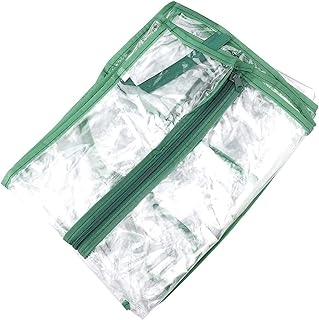
PVC covers, like the UWIOFF 4-Tier Greenhouse Replacement Cover, are another common choice. They are clear, lightweight, and provide good light penetration, making them great for small-scale greenhouses.
Glass Panels
Traditional glass offers superior clarity and longevity but requires a strong frame and careful installation. It’s best suited for permanent structures in stable climates.
How to Choose the Right Cover for Your Needs
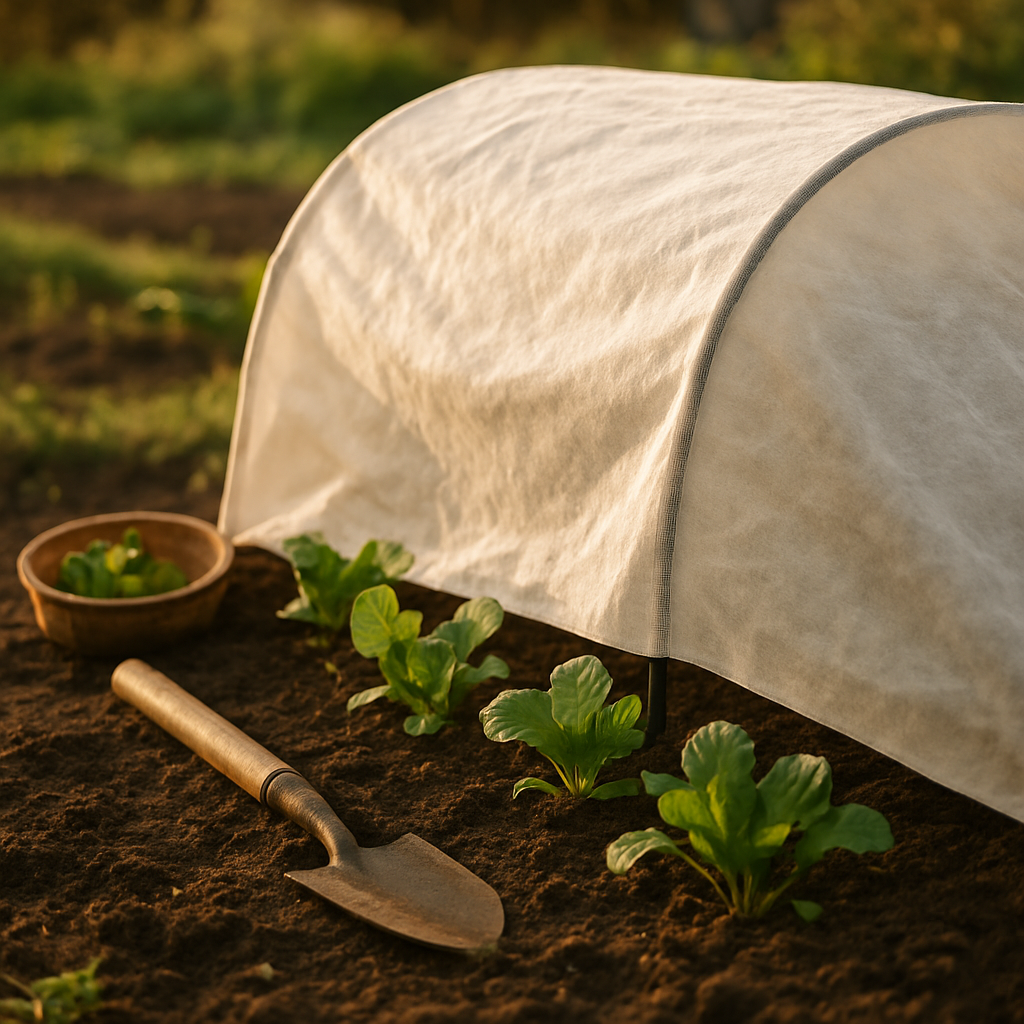
Choosing the right greenhouse cover involves weighing factors like climate, plant types, and budget. Start by considering your growing zone. In colder zones, opt for thicker, more insulating materials like polycarbonate or double-layered polyethylene.
For those growing delicate plants or using micro drip systems, a clear cover like PVC might be ideal to ensure ample sunlight. Budget constraints are also pivotal. While polycarbonate offers excellent benefits, polyethylene is a viable alternative for those on a tighter budget.
Tools like FarmsFlo can help you stay on top of your planting schedule, ensuring your timing is perfect to maximize the benefits of your greenhouse cover.
Installation Tips for Effective Use
Proper installation of your greenhouse cover is crucial for maximizing its protective capabilities. Ensure the cover fits snugly over the frame to prevent heat loss and drafts. Use clips or ties to secure it firmly, especially along the base and seams.
Maintain ventilation to prevent overheating on sunny days. Roll-up zipper doors, like those on the Greenhouse Replacement Cover, 56×56×76 Inch, allow easy access and airflow management.
Regularly inspect your cover for tears or wear, especially after severe weather, and make repairs immediately to maintain optimal performance.
Our Top Picks for Greenhouse Covers
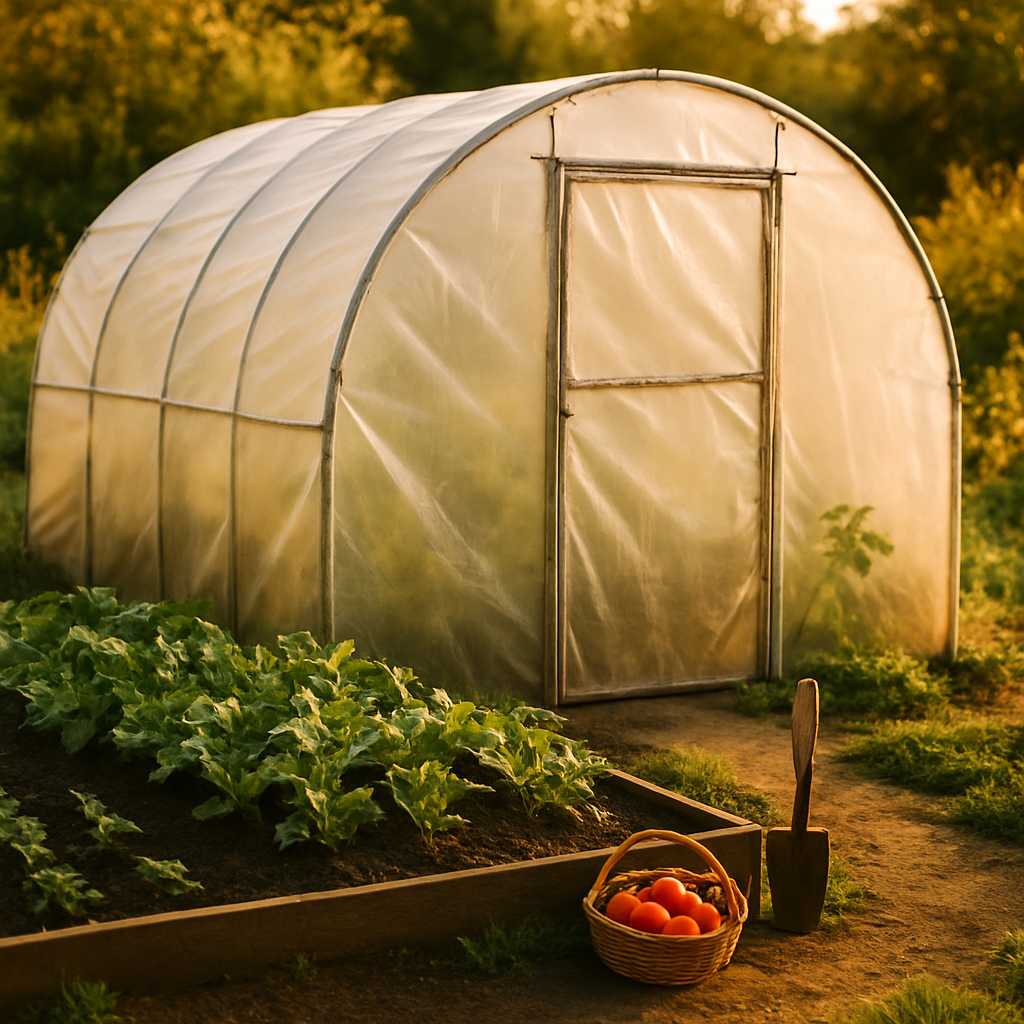
Here are some of the best greenhouse covers available, each suited for different needs and budgets.
- UWIOFF 4-Tier Greenhouse Replacement Cover Clear PVC Greenhouse Cover with Roll-Up Zipper Door – 27″ — This cover is perfect for small greenhouses, offering clear visibility and a convenient roll-up door. Check Price on Amazon.
- Greenhouse Replacement Cover, 56×56×76 Inch PE Walk-in Greenhouse Cover for Gardening Plants w/Roll- — Ideal for larger setups, this cover balances durability with accessibility. Check Price on Amazon.
- Sfcddtlg 4 Tier Greenhouse Replacement Cover with Roll-Up Zipper Door-PE Plant Greenhouse Cover — Offers good protection with easy access through its roll-up door. Check Price on Amazon.


Manage Your Farm Smarter with FarmsFlo
Track planting schedules, monitor your harvest, and streamline your entire farm operation — all from one easy-to-use app built by farmers, for farmers.
Frequently Asked Questions
What is the best material for greenhouse covers?
The best material depends on your needs. Polycarbonate is durable and insulating, while polyethylene is cost-effective and flexible. PVC offers good light transmission for smaller setups.
How often should I replace my greenhouse cover?
Typically, polyethylene covers need replacement every 3-5 years, while polycarbonate can last up to 10 years. Inspect regularly for damage, especially after storms.
Can I use greenhouse covers year-round?
Yes, greenhouse covers can be used year-round to protect against cold and manage heat. Ensure proper ventilation during warmer months to prevent overheating.
Do greenhouse covers affect light transmission?
Yes, different materials affect light differently. Clear covers like PVC and glass allow maximum light, while polycarbonate can slightly diffuse light but improves insulation.
How do I prevent condensation under the cover?
Ensure good ventilation and airflow. Use fans if necessary, and open doors or windows during the day to reduce humidity and condensation inside your greenhouse.
Key Takeaways
- Best Overall: Greenhouse Replacement Cover, 56×56×76 Inch — Offers durability and ease of use for larger greenhouses.
- Best Value: UWIOFF 4-Tier Greenhouse Replacement Cover — Affordable and efficient for smaller setups.
- Best for Small Spaces: Sfcddtlg 4 Tier Greenhouse Replacement Cover — Compact with good access features.
Choosing the right greenhouse cover is vital for protecting your spring plants from frost. Whether you opt for a simple polyethylene cover or a robust polycarbonate panel, the right choice can extend your growing season and improve your garden’s productivity. With a bit of planning and the right tools, you’ll be well-equipped to tackle whatever spring weather throws your way.
From Our Network
GreenChoice Affiliates — Eco-friendly product reviews for sustainable living
FarmsFlo — Free farm management app for planting schedules, harvests, and operations
BoingyBooks — Publish and discover ebooks, interactive read-alongs, and audiobooks
Leave a Reply
You must be logged in to post a comment.