
This post may contain affiliate links. If you make a purchase through these links, we may earn a small commission at no extra cost to you. Learn more.
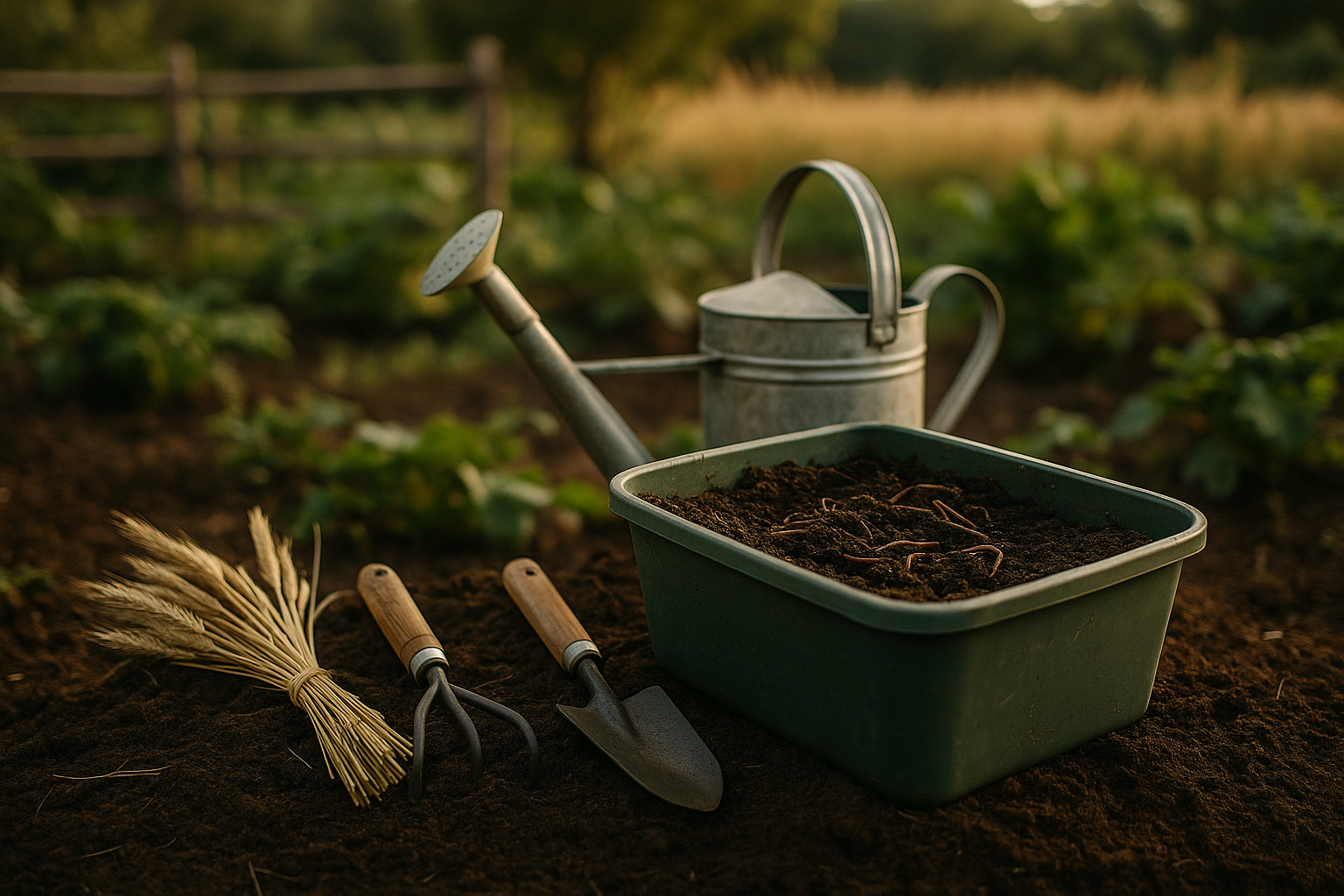
Vermicomposting has become a cornerstone of sustainable gardening and farming, especially for those keen on boosting soil health naturally. As spring 2026 rolls around, gardeners and farmers alike are gearing up to turn kitchen scraps into nutrient-rich vermicompost. The right vermicomposting tools can make this process efficient and rewarding, ensuring your soil gets the best possible start to the growing season.
Spring is an ideal time to kick off your vermicomposting efforts. The moderate temperatures provide a comfortable environment for worms, and the abundance of organic material from spring cleaning offers ample feedstock. Whether you’re working in a small urban garden or managing a larger farm, having the right tools is crucial to achieving a successful vermicomposting operation. From bins to moisture meters, each tool plays a vital role in transforming waste into valuable soil amendments.
Introduction to Vermicomposting
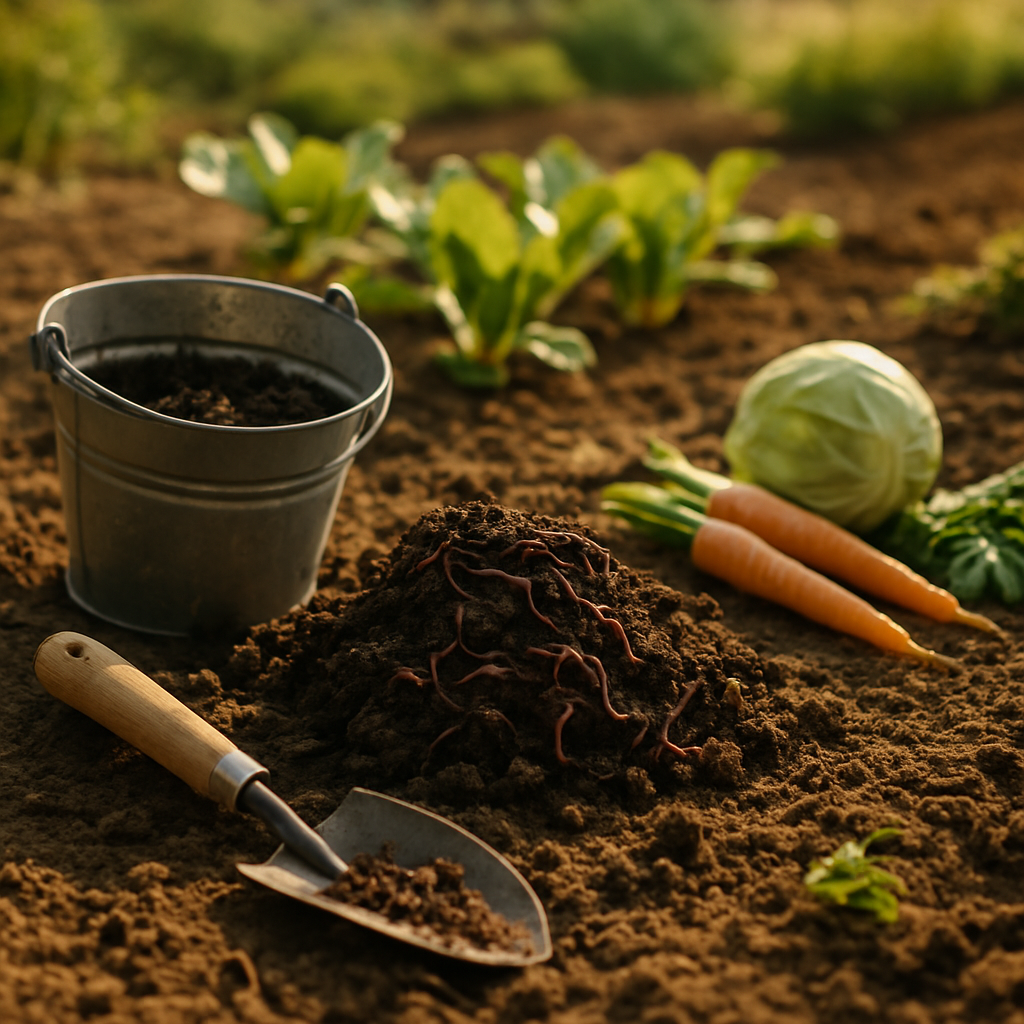
Vermicomposting uses worms to break down organic waste, producing rich, dark compost known as worm castings. This method is not just efficient; it’s also remarkably effective at enhancing soil quality. According to research from university extension programs, worm castings can contain five times more nitrogen, seven times more phosphorus, and eleven times more potassium than ordinary soil.
Incorporating vermicomposting into your soil health strategy can drastically reduce waste and improve plant growth. As we step into spring, a season marked by rebirth and growth, setting up a vermicomposting system can be the catalyst for a vibrant garden. Tools like FarmsFlo can help you stay on top of your planting schedule, ensuring that your timing aligns perfectly with your composting efforts.
Benefits of Vermicomposting for Soil Health
Vermicomposting significantly boosts soil health by introducing beneficial microbes and nutrients. These elements improve soil structure, aeration, and water retention, crucial factors for healthy plant development. According to the USDA, soil enhanced with vermicompost can lead to a 20% increase in crop yields compared to untreated soil.
Furthermore, vermicomposting reduces reliance on chemical fertilizers, making it an eco-friendly choice. It also helps regulate soil pH and improves its ability to hold moisture, which is particularly beneficial in areas prone to drought. Notably, the process is relatively odorless, making it suitable for urban environments where space and discretion are priorities.
Essential Tools for Vermicomposting
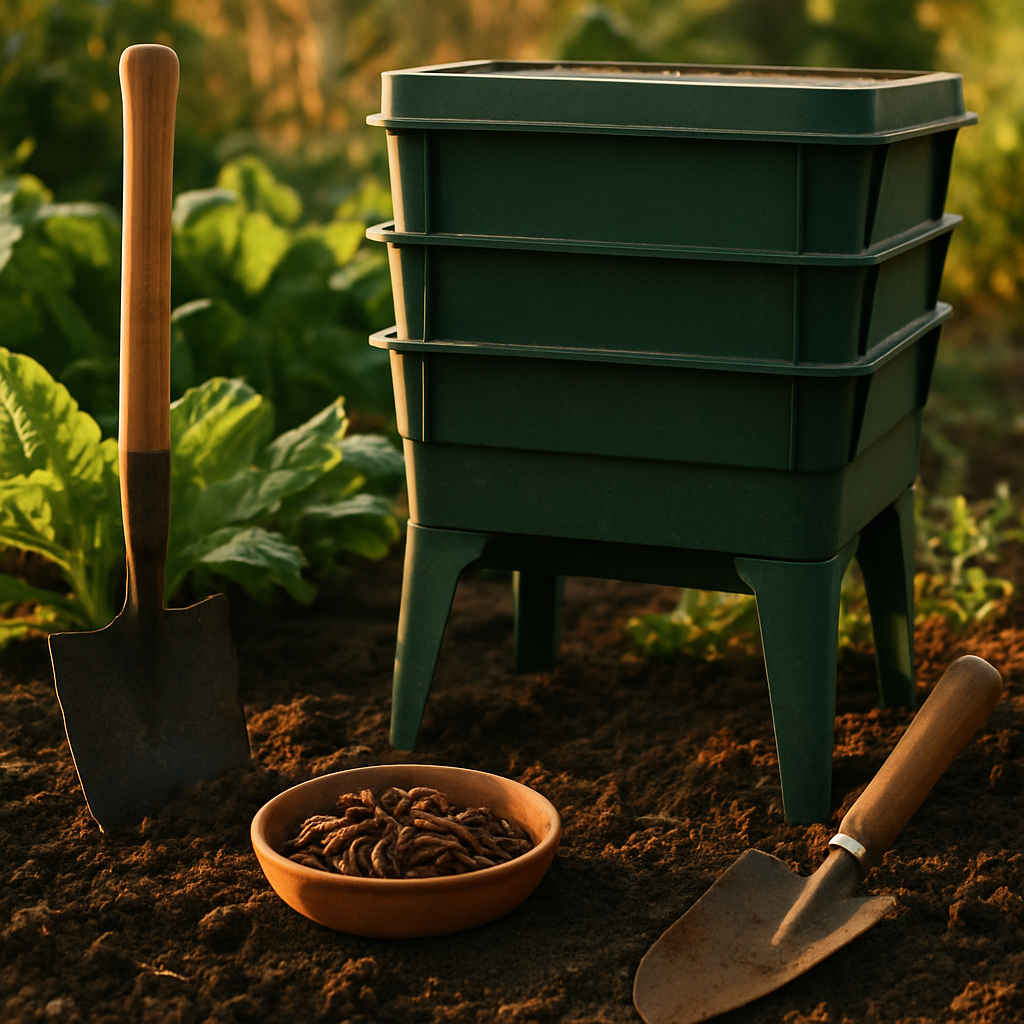
Your vermicomposting setup needs a few key tools to function effectively. The most important is the composting bin, which provides a controlled environment for worms. Look for bins that offer adequate ventilation and ease of access for harvesting compost.
- Composting Bin: Choose from stackable trays or single-layer bins, depending on your space and volume needs.
- Moisture Meter: Ensures your compost stays at the optimal moisture level, typically around 60-70%.
- Thermometer: Helps maintain the ideal temperature range of 55-77°F for worm activity.
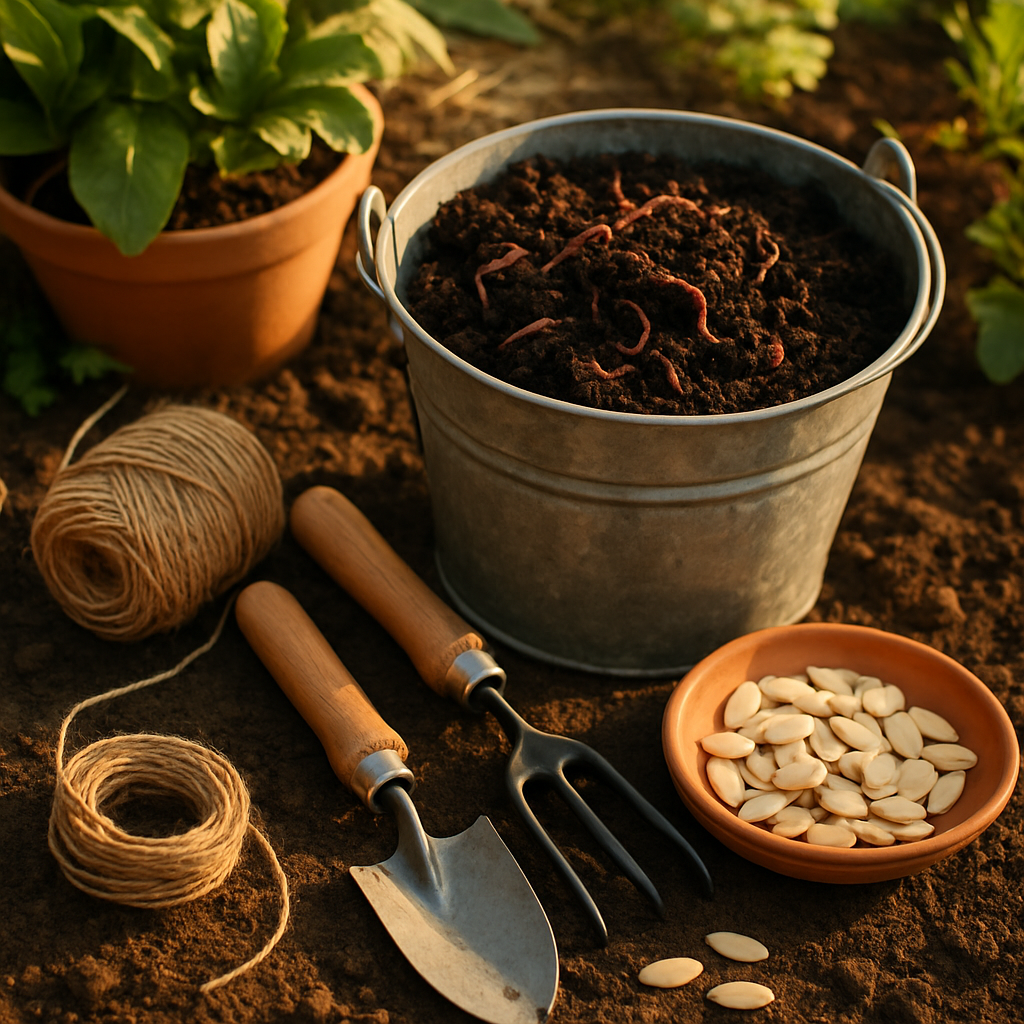
- Hand Rake or Trowel: Useful for mixing and aerating your compost pile.
Each of these tools plays a crucial role in maintaining a healthy environment for your worms, ensuring that they can efficiently break down organic material.
How to Choose the Right Tools for Your Needs
When selecting vermicomposting tools, consider the scale of your composting operation and your specific needs. A small apartment dweller might opt for a compact, stackable bin, whereas a larger farm might require multiple large bins to handle higher volumes of waste.
Evaluate the durability and material of the tools. For instance, plastic bins might be more affordable, but wooden or metal ones offer greater longevity. Consider ease of use as well — tools that facilitate easy turning and aeration can save time and effort. Additionally, ensure your tools are suitable for both indoor and outdoor use, allowing flexibility as your composting operation expands.
Our Top Picks for Vermicomposting Tools
We’ve scoured the market to bring you the best vermicomposting tools for spring 2026. Here are our top picks:
- The Original VermiHut® Plus 5-Tray Worm Composter – Dark Green — This versatile composter is perfect for both indoor and outdoor use, offering five trays to maximize composting capacity. Its compact design is ideal for urban gardeners. Check Price on Amazon
- 5-Layer Worm Compost Bin, 85L Worm Composter — With a large 85L capacity, this bin is suitable for those needing to process significant amounts of waste. It’s a great option for both beginner and experienced composters. Check Price on Amazon
- 3-Layer Worm Composter, 50L Worm Compost Bin — This smaller option is perfect for compact spaces and easy management, offering a balance of capacity and space-saving design. Check Price on Amazon
These products provide a range of options to suit different needs and budgets, whether you’re just starting or looking to upgrade your existing setup.
Key Takeaways
- Best Overall: The Original VermiHut® Plus 5-Tray Worm Composter — Offers excellent capacity and versatility for all kinds of spaces.
- Best Value: 5-Layer Worm Compost Bin, 85L — High capacity at a reasonable price, perfect for larger operations.
- Best for Small Spaces: 3-Layer Worm Composter, 50L — Compact and efficient, ideal for urban settings.


Manage Your Farm Smarter with FarmsFlo
Track planting schedules, monitor your harvest, and streamline your entire farm operation — all from one easy-to-use app built by farmers, for farmers.
Frequently Asked Questions
What are the best conditions for vermicomposting?
Vermicomposting thrives in temperatures between 55-77°F with a moisture content of 60-70%. Ensure your bin is well-ventilated and protected from extreme weather conditions.
How often should I feed my worms?
Feed your worms once a week, providing enough food to last them until the next feeding. Avoid overfeeding, as excess food can lead to odors and attract pests.
Can I use vermicompost in all types of soil?
Yes, vermicompost can enhance any soil type by improving nutrient content and soil structure. It’s particularly beneficial for clay and sandy soils, boosting their fertility and water retention.
Are there any materials I should avoid adding to my vermicompost?
Avoid adding meat, dairy, and oily foods, as these can attract pests and create unpleasant odors. Stick to fruit and vegetable scraps, paper, and coffee grounds.
How do I know when my vermicompost is ready to use?
Vermicompost is ready when it resembles dark, crumbly soil and has a pleasant earthy smell. This typically takes 2-3 months, depending on conditions and management.
Armed with the right vermicomposting tools and knowledge, you can transform your waste into a valuable resource this spring. Whether you’re managing a small garden or a larger farm, choosing the appropriate tools can make all the difference. And remember, tools like FarmsFlo can streamline your operations, keeping your composting efforts on track. Now’s the time to invest in your soil health, setting the stage for a fruitful growing season.
From Our Network
GreenChoice Affiliates — Eco-friendly product reviews for sustainable living
FarmsFlo — Free farm management app for planting schedules, harvests, and operations
BoingyBooks — Publish and discover ebooks, interactive read-alongs, and audiobooks
Leave a Reply
You must be logged in to post a comment.