
This post may contain affiliate links. If you make a purchase through these links, we may earn a small commission at no extra cost to you. Learn more.
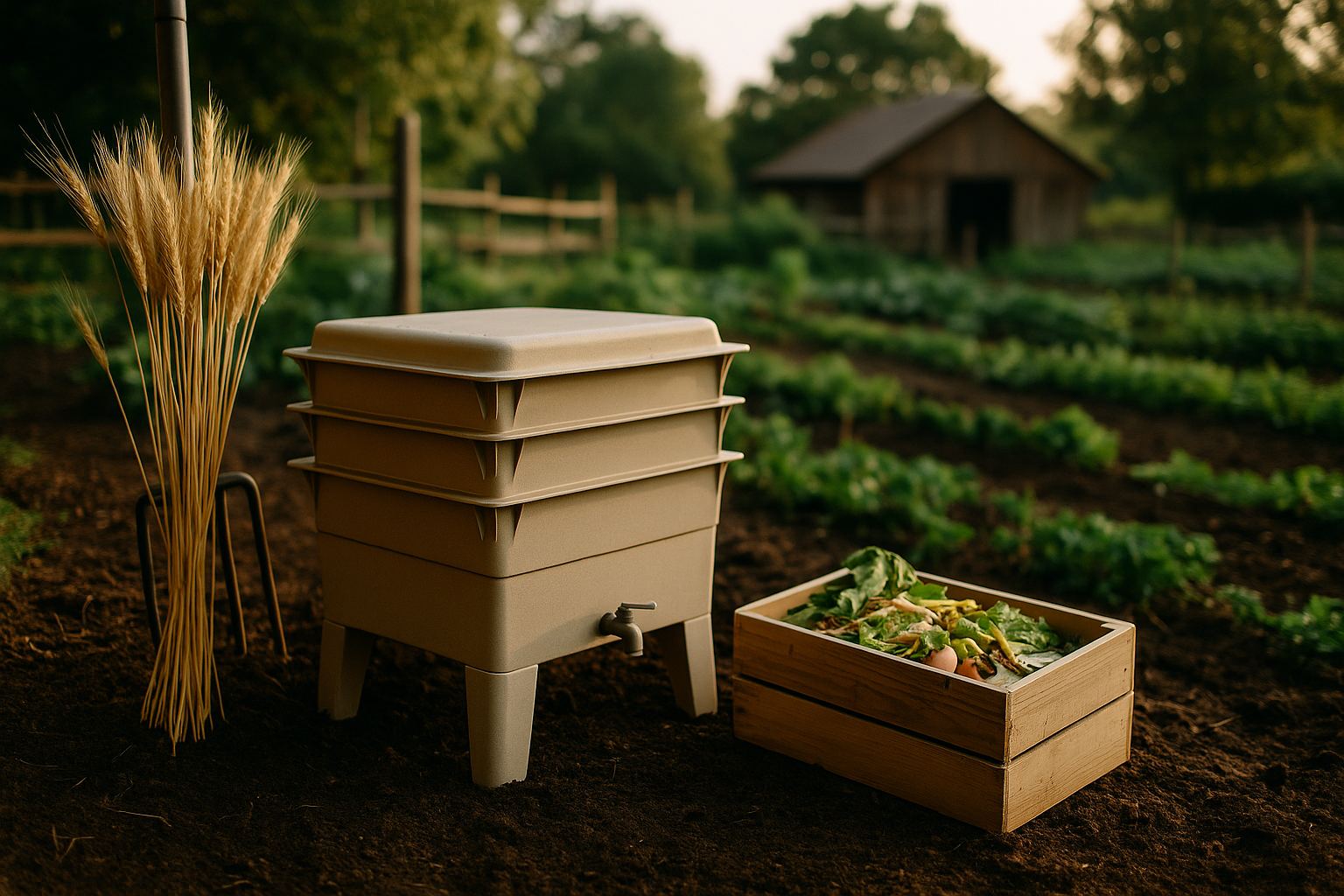
Improving soil health is a top priority for any dedicated gardener or farmer, especially as spring approaches. One underrated tool in this endeavor is the worm composting bin. These bins use worms to break down organic matter into rich, nutrient-packed compost that can dramatically enhance your garden’s soil. Whether you’re aiming for lush vegetables or vibrant flowers, the benefits of worm composting are substantial and immediate.
Worm composting, also known as vermicomposting, transforms kitchen scraps into dark, crumbly compost that enriches your soil with essential nutrients. It’s a sustainable way to reduce waste and feed your plants simultaneously. As the days get longer and the soil warms, spring is the perfect time to establish or revamp your composting routine with the right equipment. Choosing the best worm composting bin can make a significant difference in how efficiently and effectively you can produce high-quality compost.
Before you rush off to buy a bin, take a moment to understand what makes a worm composting bin effective. From size and material to drainage and ventilation, several factors influence how well a bin will perform. In this guide, we’ll explore the key aspects of worm composting, how to select the right bin, and our top product picks to help you get started.
Understanding the Benefits of Worm Composting
Worm composting is not just about reducing waste; it’s about creating a powerhouse of nutrients for your garden. Worm castings, the end product of this process, are rich in nitrogen, phosphorus, and potassium, key nutrients for plant growth. According to research by the University of California, using worm compost can increase plant growth by up to 25% compared to using regular soil alone.
Another advantage of using worm composting bins is their ability to improve soil structure. The humus produced helps retain moisture while enhancing drainage, which is particularly beneficial in clay-heavy soils. Plus, worm composting is an excellent option for urban gardeners who may not have space for a traditional compost pile. It fits seamlessly into small spaces, including indoor setups, making it an ideal solution for apartment dwellers and those with limited outdoor areas.
How to Choose the Right Worm Composting Bin
Choosing the right worm composting bin involves considering several critical factors. First, think about the size of your household and how much waste you generate. Smaller households may only need a compact bin, while larger families or those with extensive gardens may need a more substantial setup. Most bins range from about 10 to 20 gallons, which is sufficient for typical household use.
Material is another crucial consideration. Plastic bins are popular due to their durability and moisture retention, but wooden bins provide excellent aeration and can be more aesthetically pleasing. Ensure any bin you choose has adequate ventilation and drainage to prevent waterlogging and odors. It’s also wise to consider stackable systems, which allow for easy separation and collection of worm castings.
For those new to composting, a complete vermicomposting kit can be a great way to start, as it typically includes all necessary components, such as bedding and worms, to get you started right away.
Setting Up Your Worm Composting Bin for Success
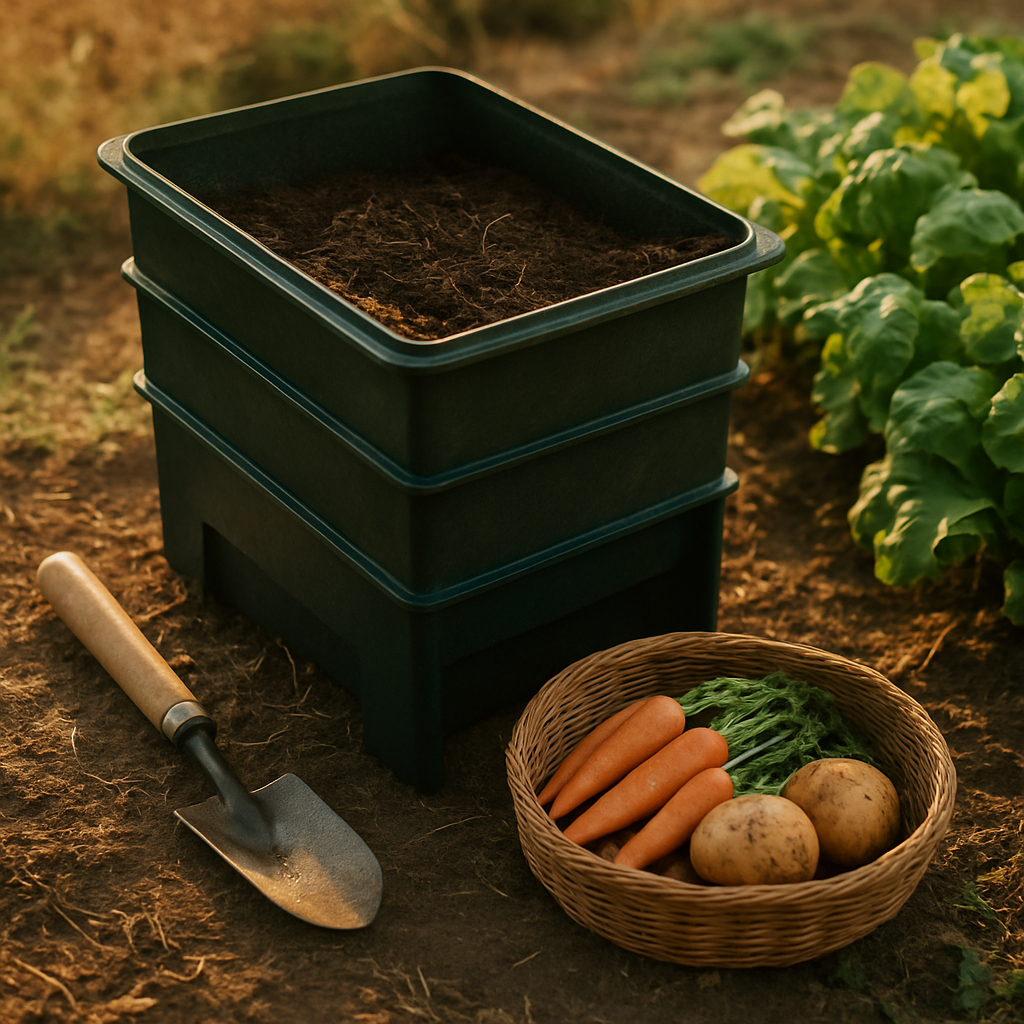
Setting up your worm composting bin correctly is crucial for success. Start by selecting a location that maintains a stable temperature between 55°F and 77°F. Too hot or too cold, and the worms might suffer. Basements, garages, or shaded outdoor areas often work well.
Next, prepare the bedding. Shredded newspaper, cardboard, and dried leaves are excellent options. Moisten the bedding until it’s as damp as a wrung-out sponge. Add a handful of garden soil to introduce beneficial microbes. Once your bedding is ready, introduce the worms. Red wigglers are the preferred species due to their voracious appetite and resilience.
Feed your worms with a balanced diet of fruit and vegetable scraps, avoiding meat, dairy, and oily foods that can attract pests and cause odors. It’s a good idea to chop scraps into small pieces to speed up decomposition.
Maintenance Tips for Healthy Worm Compost
Regular maintenance ensures your worm composting bin remains healthy and productive. Check moisture levels weekly; the bedding should be damp but not waterlogged. If it’s too dry, lightly mist it with water. If too wet, add dry bedding materials to absorb excess moisture.
Avoid overfeeding your worms. Too much food can lead to unpleasant odors and attract pests. As a rule of thumb, feed only what the worms can consume in a week. Stir the contents gently every few weeks to aerate the material and speed up decomposition.
Watch out for potential problems such as fruit flies or mites. These can often be controlled by covering food scraps with bedding and ensuring proper drainage. Keeping a balanced environment is key, and tools like FarmsFlo can help you stay on top of your composting routine, just as it assists with planting schedules and farm operations.
Our Top Picks for Worm Composting Bins
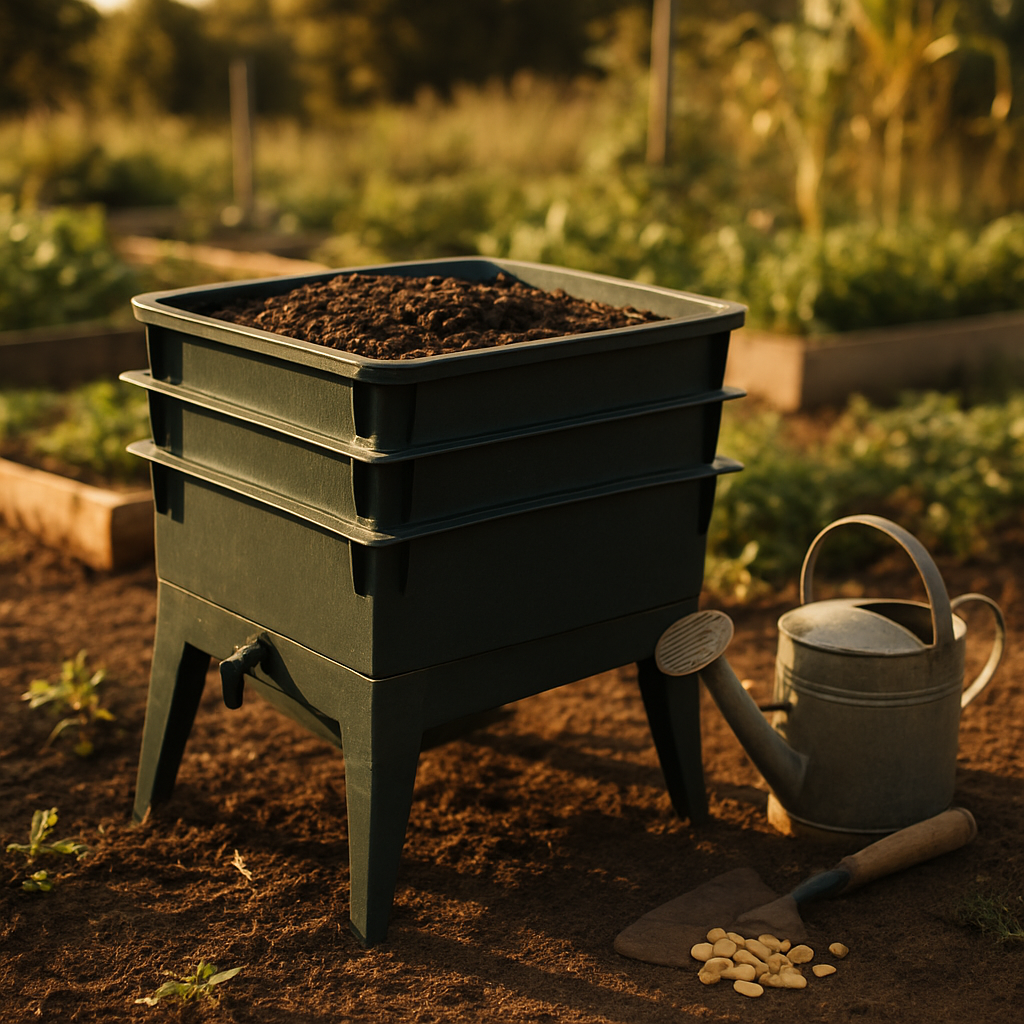
After thorough evaluation, here are our top picks for worm composting bins that cater to a variety of needs and budgets:
- The Worm Factory 360: This stackable bin offers a continuous flow-through system, making harvesting worm castings easy. It’s perfect for urban spaces with limited room. Check Price on Amazon
- VermiHut Plus 5-Tray Worm Compost Bin: Known for its durability and efficiency, this system boasts multiple trays for easy expansion and a built-in worm tea collector. Check Price on Amazon
- Hot Frog Essential Living Composter: An excellent option for beginners, it’s compact and easy to use, featuring a rotating base for hassle-free compost mixing. Check Price on Amazon
Each of these products offers unique features that cater to different needs, from small indoor setups to larger outdoor operations.
Looking for worm composting bins products?
Manage Your Farm Smarter with FarmsFlo
Track planting schedules, monitor your harvest, and streamline your entire farm operation — all from one easy-to-use app built by farmers, for farmers.
Frequently Asked Questions
How long does it take for worms to produce compost?
Worms can take approximately 3-6 months to completely break down organic waste into usable compost, depending on the bin’s size and conditions.
Can I keep a worm composting bin indoors?
Yes, worm composting bins are suitable for indoor use, provided they are kept in a temperature-controlled environment and maintained properly to avoid odors.
What should I do if my worm composting bin smells?
Unpleasant odors often result from overfeeding or inadequate aeration. Reduce feeding, ensure proper drainage, and mix the contents to improve air circulation.
How many worms do I need to start composting?
For a typical household, starting with 1 pound (about 1,000 worms) is recommended. This amount can process about half a pound of food scraps per day.
Can I use worm compost for all types of plants?
Worm compost is safe and beneficial for most plants, but it’s particularly effective for vegetables and flowering plants due to its rich nutrient content.
Key Takeaways
- Best Overall: The Worm Factory 360 — Offers a versatile and efficient composting solution for urban gardeners.
- Best Value: VermiHut Plus 5-Tray Worm Compost Bin — Provides excellent features at a competitive price.
- Best for Beginners: Hot Frog Essential Living Composter — Simple to set up and perfect for newcomers to vermicomposting.
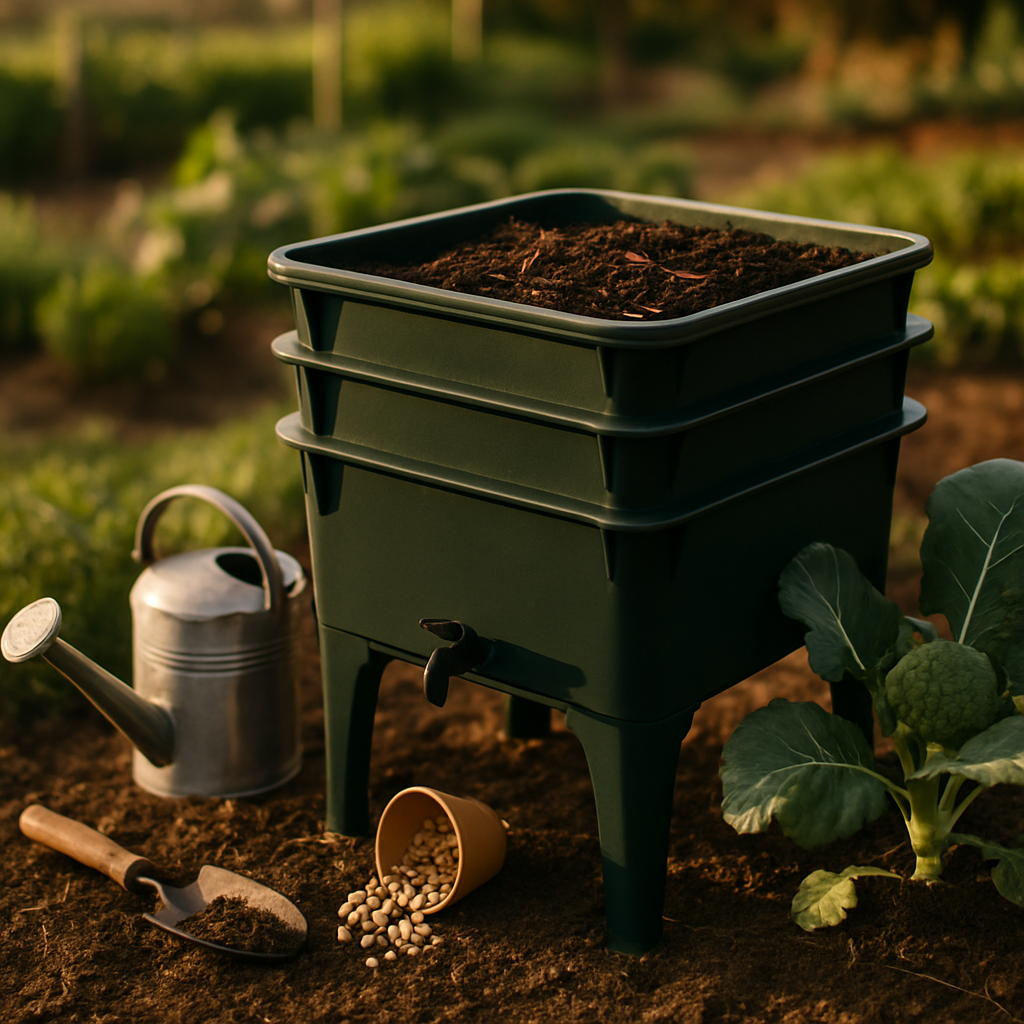
Investing in a quality worm composting bin is a step toward healthier, more productive soil. With the right bin and maintenance, you can harness the power of worms to transform waste into a valuable resource for your garden. Remember, tools like FarmsFlo can help manage not just your composting efforts but your entire garden plan, ensuring a bountiful harvest this spring.
From Our Network
GreenChoice Affiliates — Eco-friendly product reviews for sustainable living
FarmsFlo — Free farm management app for planting schedules, harvests, and operations
BoingyBooks — Publish and discover ebooks, interactive read-alongs, and audiobooks
Leave a Reply
You must be logged in to post a comment.