
This post may contain affiliate links. If you make a purchase through these links, we may earn a small commission at no extra cost to you. Learn more.
Starting beekeeping in spring is like opening a new chapter in your gardening journey. The buzz of bees not only promises a fresh supply of honey but also a thriving garden, as these industrious pollinators boost your crop yields. As the weather warms and flowers bloom, bees become active, making it the perfect time to establish your hive.
For first-timers, a beekeeper starter kit is an invaluable asset. It provides all the essentials you need to get started without the hassle of piecing together individual components. Whether you’re in USDA hardiness zone 5 or 9, selecting a comprehensive starter kit tailored to your needs will ensure a smooth entry into beekeeping.
Before you rush to buy your first kit, familiarize yourself with what’s included and what to look for. Investing in the right tools upfront can prevent headaches down the line. Let’s explore the ins and outs of choosing the best beekeeper starter kit for spring 2026.
Why Start Beekeeping in Spring?
Spring is the optimal time to start beekeeping due to the natural life cycle of bees. As temperatures rise, queen bees emerge from their winter rest, and colonies become active. This seasonal timing allows new beekeepers to establish hives as nectar flows increase, ensuring bees have ample food sources.
Starting in spring also gives your colony a full growing season to build strength before winter. Beekeepers in colder regions, such as zones 3 and 4, benefit from this timing, as it allows the hive to store enough honey to survive the winter months.
Essential Components of a Beekeeper Starter Kit
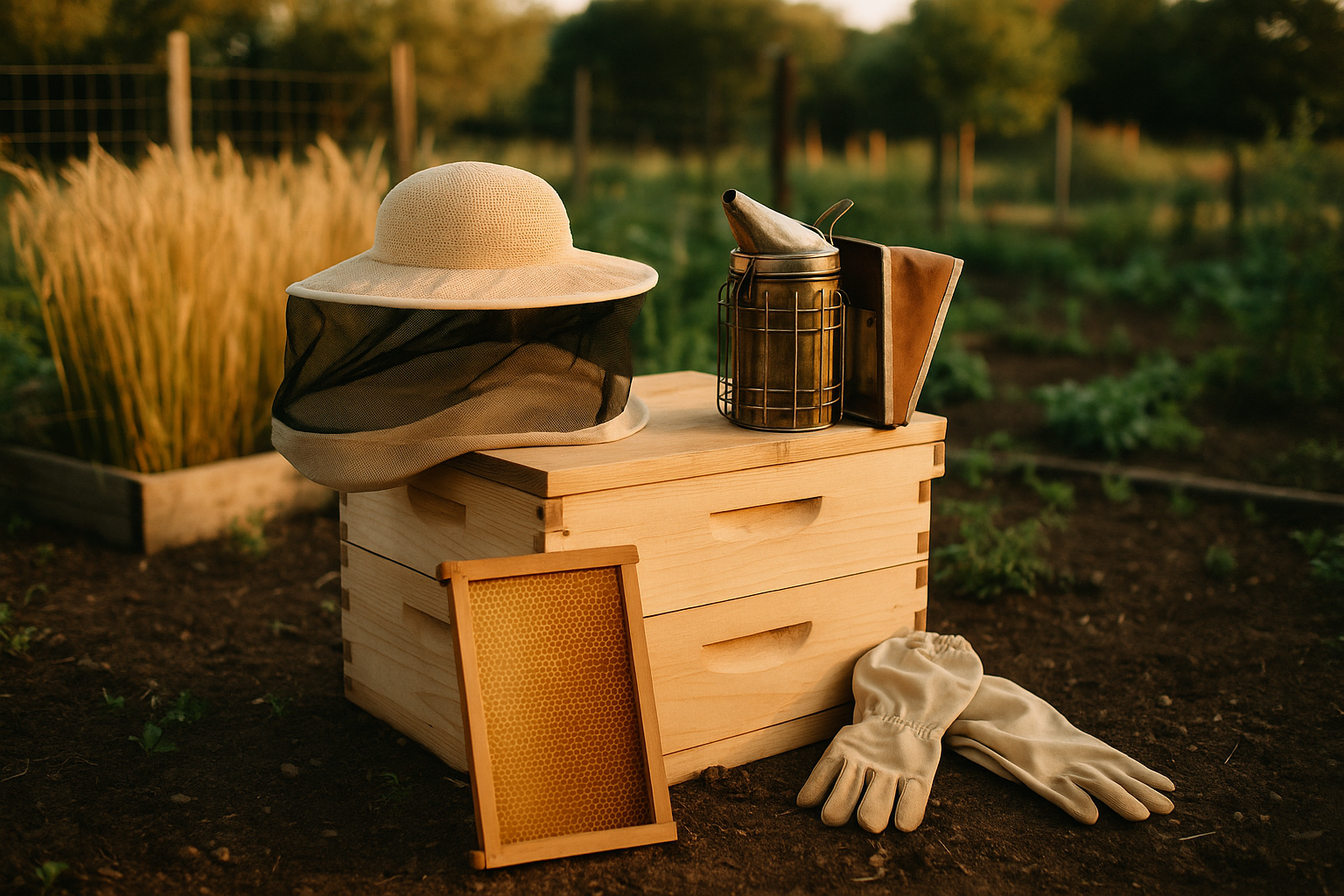
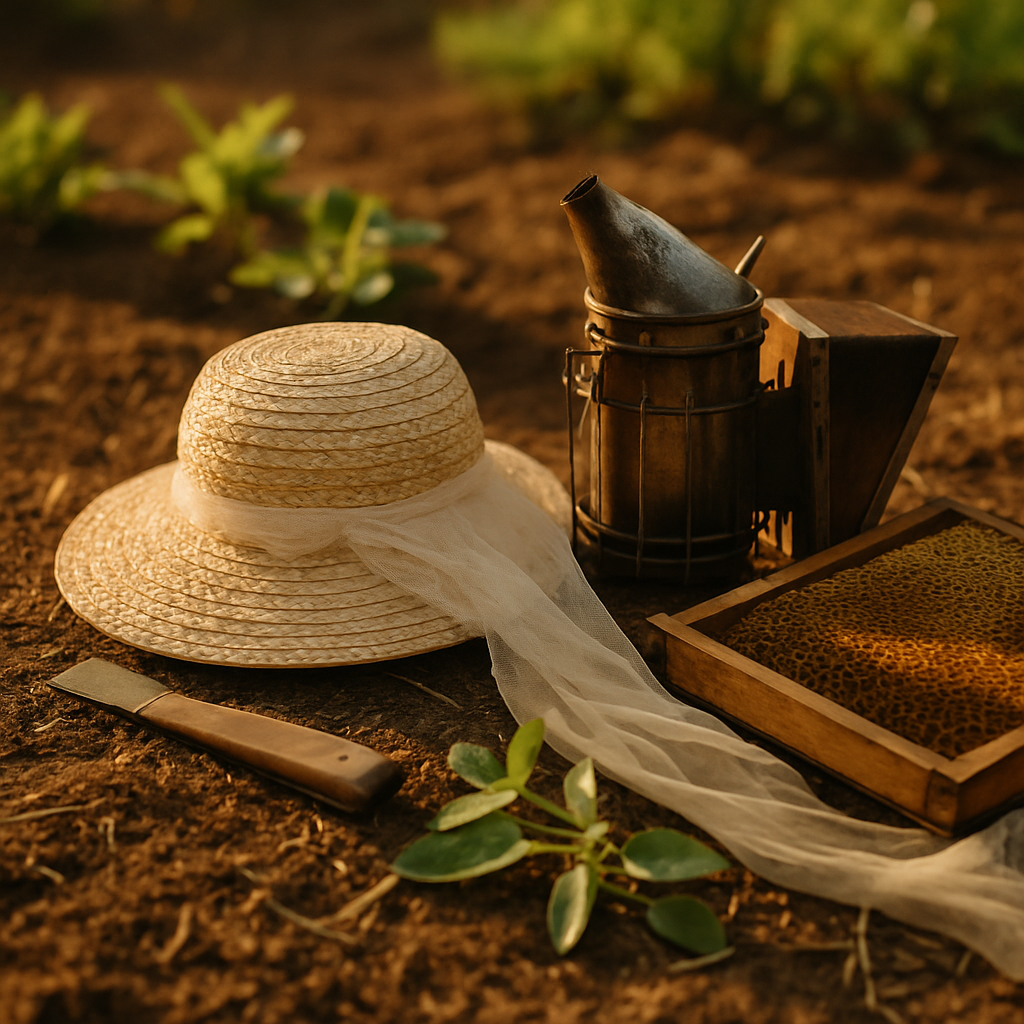
A quality beekeeper starter kit should include several key components to set you up for success:
- Hive Boxes and Frames: These are the core of your beekeeping operation. Look for durable materials like cedar or pine.
- Protective Gear: A veil, jacket, and gloves are crucial to prevent stings while working with your bees.
- Smoker and Hive Tool: These tools help you manage the hive safely by calming the bees and aiding in frame removal.
- Feeder: Essential for providing supplementary food, especially when natural nectar is scarce.
Some kits may also include a queen excluder, which is useful for controlling where the queen lays eggs, and a bee brush for gentle bee removal from frames.
How to Choose the Right Starter Kit for You
Choosing the right beekeeper starter kit depends on several factors, including your budget, experience level, and intended scale of beekeeping. For novices, a kit with comprehensive instructions and support materials can be invaluable. Look for kits that are well-reviewed by other beginners, as they often highlight ease of use and customer service experiences.
Consider the material of the hive components. While plastic can be cheaper, wooden hives are more traditional and often preferred for their durability and insulation properties. Also, think about expansion—some kits are modular, allowing you to add more boxes as your colony grows.
Comparing different kits can be overwhelming, but it’s essential to weigh the pros and cons. For instance, while some kits are complete with every tool imaginable, others might focus on essentials, offering a lower price point. Balancing these factors will help you make an informed decision. If you’re managing multiple farming projects, tools like FarmsFlo can help you stay on top of your planting schedule and hive management.
Maintenance Tips for Beginner Beekeepers
Once your bees are settled, regular maintenance is key to a thriving hive. Inspect your hive every 7-10 days during the spring and summer months. Look for signs of disease, check for adequate food stores, and ensure the queen is laying eggs.
Use your smoker to calm the bees before inspections. Gently remove frames using your hive tool, and if you notice any abnormalities, take action quickly. Regular maintenance prevents larger issues and keeps your bees healthy.
Additionally, consider the placement of your hive. Ensure it’s in a sunny spot with wind protection, and has a water source nearby. Proper hive placement can significantly impact the health and productivity of your bees.
Our Top Picks for Beekeeper Starter Kits
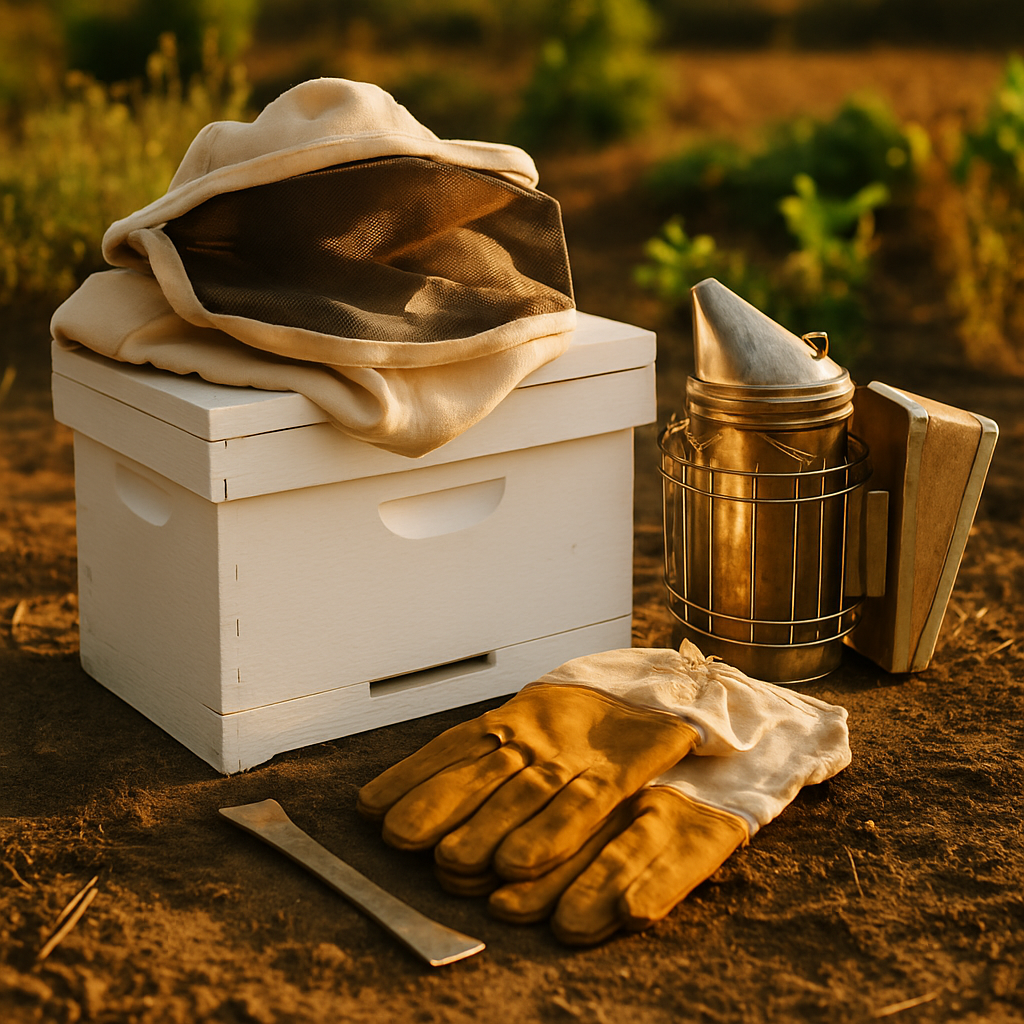
Here are our top picks for 2026, each offering unique benefits for new beekeepers:
Mann Lake HK170 Basic Beekeeping Starter Kit
This kit includes everything a beginner needs, from a complete hive to protective gear. It’s praised for its sturdy construction and detailed instructions, making it ideal for first-timers. Check Price on Amazon
Honey Keeper Beehive 20 Frame Complete Box Kit
With a focus on expansion, this kit offers ample space for a growing colony. Its wooden frames and boxes ensure durability, while the inclusion of a queen excluder is a bonus for managing brood. Check Price on Amazon
BuildaBeehive 10 Frame Deluxe Beehive Starter Kit
This deluxe kit is perfect for those wanting a more comprehensive setup. It includes a full suit for protection, which is a significant advantage if you’re sensitive to bee stings. Check Price on Amazon
Key Takeaways
- Best Overall: Mann Lake HK170 Basic Beekeeping Starter Kit — Ideal for beginners with its comprehensive setup and easy-to-follow instructions.
- Best Value: Honey Keeper Beehive 20 Frame Complete Box Kit — Offers great expandability at an affordable price.
- Best for Large Scale: BuildaBeehive 10 Frame Deluxe Beehive Starter Kit — Comprehensive protection and tools for those managing multiple hives.
Looking for beekeeper starter kit products?
Manage Your Farm Smarter with FarmsFlo
Track planting schedules, monitor your harvest, and streamline your entire farm operation — all from one easy-to-use app built by farmers, for farmers.
Frequently Asked Questions
How much does it cost to start beekeeping?
The initial cost of beekeeping can range from $200 to $500, depending on the starter kit and additional equipment you choose. It’s a worthwhile investment to ensure you have all necessary tools and protective gear.
How do I install bees into my new hive?
First, ensure your hive is set up and ready. When your bee package arrives, gently transfer the bees into the hive. Make sure to release the queen into the hive, as she is crucial for colony establishment.
What kind of bees should I start with?
Italian bees are a popular choice for beginners due to their gentle nature and productivity. They adapt well to various climates, making them suitable for most regions in the U.S.
How often should I inspect my hive?
During the growing season, inspect your hive every 7-10 days. Regular checks help you monitor the health of the colony and address any issues promptly.
Can beekeeping help my garden?
Absolutely! Bees are excellent pollinators and can significantly boost the yield of fruits, vegetables, and flowers in your garden. They play a vital role in maintaining a balanced and productive ecosystem.
Starting beekeeping this spring could be one of the most rewarding projects you embark on. The right beekeeper starter kit sets the foundation for a thriving hive and luscious garden. Remember to consider your specific needs and local climate when choosing a kit. As you nurture your bees, you’ll soon enjoy the sweet rewards of your efforts. Happy beekeeping!
From Our Network
GreenChoice Affiliates — Eco-friendly product reviews for sustainable living
FarmsFlo — Free farm management app for planting schedules, harvests, and operations
BoingyBooks — Publish and discover ebooks, interactive read-alongs, and audiobooks
Leave a Reply
You must be logged in to post a comment.