

This post may contain affiliate links. If you make a purchase through these links, we may earn a small commission at no extra cost to you. Learn more.
Introduction to Delicious Farm-to-Table Recipes
Have you ever wondered why food tastes undeniably better when it’s fresh from the farm? With the rise of the farm-to-table movement, more people are savoring the vibrant flavors and nutritional benefits of ingredients that travel only a short distance from the field to your fork. Imagine the crisp, tangy bite of Fermented “Kosher” Dill Pickles made with cucumbers plucked right from the vine. Experience the unparalleled taste and health benefits of truly fresh ingredients in your meals. By embracing farm-to-table recipes, you not only support local farmers but also bring a burst of authenticity and vitality to your culinary creations. Join us as we explore a variety of mouthwatering recipes that celebrate the bounty of local farms, and discover how easy it is to transform your meals into a nourishing feast for the senses.
Understanding Fermented “Kosher” Dill Pickles: The Fundamentals
Delve into the world of Fermented “Kosher” Dill Pickles, a delightful staple in many farm-to-table recipes. These tangy, crunchy delights are a testament to the timeless art of fermentation—a process that not only preserves vegetables but also enhances their nutritional value. Understanding how to make these pickles can transform your culinary creations and elevate your farm-to-table experience. As we explore the fundamentals of fermented pickles, you’ll uncover the secrets to crafting this classic delicacy.
The process of fermenting “kosher” dill pickles begins with selecting the right cucumbers. Ideally, you should choose small, firm cucumbers with a thin skin, as these are perfect for absorbing the flavors of the brine. Moreover, using fresh produce from your local farmers’ market ensures a superior taste and supports sustainable farming practices. For more tips on sourcing the best ingredients, you might find inspiration in various farm-to-table recipes that emphasize fresh, seasonal produce.
The term “kosher” in kosher dill pickles doesn’t necessarily mean they adhere to Jewish dietary laws. Instead, it refers to the traditional style of New York City pickles made with garlic and dill. Typically, these pickles are seasoned with a brine of water, salt, dill, and garlic, which creates their signature tangy flavor. Unlike vinegar pickling, fermentation relies on natural bacteria to create lactic acid, giving the pickles their unique taste.
The Science Behind Fermentation
Fermentation is a fascinating process that transforms simple cucumbers into probiotic-rich foods. During fermentation, beneficial bacteria, such as Lactobacillus, thrive in the salty brine, converting sugars in the cucumbers into lactic acid. This not only preserves the cucumbers but also enhances their nutritional value by introducing probiotics, which are known to support gut health. If you’re curious about other fermentation processes that improve efficiency, consider exploring how proper tool usage boosts farm efficiency.

Temperature plays a crucial role in the fermentation of kosher dill pickles. Ideally, the fermentation should occur at room temperature, around 70°F (21°C), for optimal bacterial growth. Keeping the pickles submerged in brine is essential to prevent spoilage. A weight, such as a clean rock or a fermentation weight, can be used to keep the cucumbers below the surface.
Many home fermenters wonder about the ideal fermentation time. Generally, fermenting for about one to two weeks is adequate to achieve the desired taste and texture. However, this can vary depending on personal preference and environmental conditions. It’s advisable to taste your pickles periodically to determine when they’re just right for you.
For those concerned about food safety, it’s important to note that fermented foods are generally safe to consume. The acidic environment created by lactic acid bacteria inhibits the growth of harmful pathogens. Nevertheless, ensuring that your equipment is clean and the pickles are fully submerged in brine will further minimize any risks.
In conclusion, mastering the art of making Fermented “Kosher” Dill Pickles can be a gratifying addition to your culinary repertoire. By understanding the science behind fermentation and carefully selecting your ingredients, you can create pickles that are not only delicious but also nutritious. Whether enjoyed as a standalone snack or used to enhance a dish, these pickles are a testament to the transformative power of fermentation. As you explore the world of farm-to-table recipes, let the humble pickle be a reminder of the joys of home fermentation and the rich flavors it brings to the table.
💡 Beginner’s Gold: Fermented “Kosher” Dill Pickles That Guarantee Success

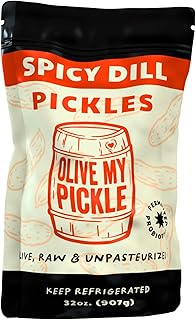
Olive My Pickle Fermented Dill Pickles – 96 Ounces | 3 Pack Bundle of Probiotic …


As an Amazon Associate, we earn from qualifying purchases. Prices and availability subject to change.
Why Fermented “Kosher” Dill Pickles Matters in Today’s World
In today’s fast-paced world, many people are turning to traditional foods for their nutritional benefits and delightful flavors. One such food that has gained significant attention is Fermented “Kosher” Dill Pickles. These crunchy, tangy delights are not just a staple in delis but also a significant part of the farm-to-table movement. By understanding why these pickles matter, we can appreciate their role in modern cuisine and their contribution to sustainable eating practices.
Firstly, Fermented “Kosher” Dill Pickles are a powerhouse of probiotics. Fermentation is a natural process that enhances the gut-health benefits of vegetables by promoting beneficial bacteria. These probiotics are essential for digestive health, which is a concern for many in today’s world of processed foods. With more individuals seeking natural ways to improve their gut health, fermented pickles provide an enjoyable and effective solution.
Another reason these pickles are vital is their historical and cultural significance. Fermentation is an ancient method of preservation that has been used across various cultures. By incorporating fermented pickles into our diets, we connect with a rich culinary heritage. This connection not only enriches our meals but also fosters a greater appreciation for traditional food practices.
The Role of Fermented Pickles in Sustainable Eating
Moreover, fermented pickles are a shining example of sustainable eating. They often begin as local produce, reflecting the principles of the farm-to-table movement. By consuming foods that are locally sourced and minimally processed, we reduce our carbon footprint. This sustainable approach aligns well with eco-friendly practices. For instance, while exploring new farming techniques, one must consider potential pitfalls, as highlighted in eco-friendly weed control strategies.

In addition to sustainability, Fermented “Kosher” Dill Pickles are incredibly versatile in the kitchen. From garnishing sandwiches to enhancing charcuterie boards, their uses are limitless. Home cooks and gourmet chefs alike can experiment with these pickles to add a burst of flavor and texture to their dishes. This versatility makes them a cherished ingredient in culinary circles.
For those concerned about dietary restrictions, these pickles are generally low in calories and carbohydrates. They are suitable for various diets, including vegan, gluten-free, and keto. This inclusivity means more people can enjoy them without compromising their dietary needs. As dietary trends evolve, fermented pickles remain a consistent favorite.
Finally, the production of these pickles supports local farmers and economies. By choosing products that are locally sourced, consumers help sustain farming communities. This support is crucial in a time when small-scale farmers face numerous challenges. Additionally, innovative water storage systems have significantly boosted yields, as discussed in the article on water storage vs. drought, making it easier for farmers to meet the demand for fresh produce.
In conclusion, Fermented “Kosher” Dill Pickles are more than just a tasty treat. They embody the principles of health, sustainability, and tradition. As we continue to embrace farm-to-table recipes, these pickles offer a tangible way to enjoy nutritious foods while supporting local ecosystems. Whether you’re a culinary enthusiast or a health-conscious eater, these pickles deserve a place in your kitchen.
Key Benefits of Implementing Fermented “Kosher” Dill Pickles
Incorporating fermented “Kosher” dill pickles into your farm-to-table recipes can elevate your culinary creations while providing numerous health benefits. These tangy delights not only add a burst of flavor to your dishes but also bring a wealth of probiotics to the table, which are essential for maintaining gut health. As interest in farm-to-table meals continues to surge, knowing the key benefits of these pickles can help you make informed choices in your kitchen.
Fermented “Kosher” dill pickles are a powerhouse of probiotics, which promote a healthy digestive system. Unlike vinegar-brined pickles, fermented pickles undergo a natural fermentation process that encourages the growth of beneficial bacteria. This transformation is crucial for those looking to improve gut flora, potentially reducing symptoms of digestive disorders.
Furthermore, these pickles are rich in vitamins and minerals, notably Vitamin K, which is vital for bone health. Including fermented “Kosher” dill pickles in your diet can contribute to your daily nutrient intake, making them a practical choice for those seeking to enhance their nutritional profile. The natural fermentation process also helps preserve these essential nutrients, ensuring you get the most out of each bite.
Enhancing Flavor and Texture in Farm-to-Table Recipes
Adding fermented “Kosher” dill pickles to farm-to-table recipes can dramatically improve flavor profiles. Their tangy, tart notes provide a balanced contrast to rich, savory dishes, enhancing the overall dining experience. Whether you’re crafting a gourmet sandwich or a rustic salad, these pickles can serve as a perfect complement.

Moreover, the crisp texture of fermented pickles provides a satisfying crunch, adding an exciting dimension to your meals. This quality makes them an ideal ingredient for dishes that benefit from a variety of textures, like wraps or burgers. To explore more farm-to-table techniques, consider checking out these propagation tray secrets that could enhance your crop’s yield.
By implementing fermented “Kosher” dill pickles, you also support sustainable farming practices. Fermentation is an age-old preservation method that reduces food waste by extending the shelf life of produce. This aligns with farm-to-table principles, which emphasize sustainability and environmental responsibility.
Potential concerns with fermentation, such as ensuring the right balance of salt and time, can be easily managed with proper guidance. Many resources, such as specialized cookbooks, offer detailed instructions to help you perfect the art of pickle-making.
In conclusion, fermented “Kosher” dill pickles are a versatile and beneficial addition to any farm-to-table recipe. They provide a unique blend of flavor, texture, and health benefits that can elevate your culinary endeavors. Embracing these pickles not only enriches your dishes but also aligns with a lifestyle focused on sustainability and nutrition. For more insights into maximizing your farm’s output, explore these event work tactics that have boosted profits significantly.
🥇 The Top-Rated Fermented “Kosher” Dill Pickles That Never Disappoint


Olive My Pickle Fermented Pickles Probiotic Variety Pack – 96 Ounces | 3-Pack Bu…

As an Amazon Associate, we earn from qualifying purchases. Prices and availability subject to change.
Practical Steps to Get Started with Fermented “Kosher” Dill Pickles
Fermented “Kosher” Dill Pickles are a delightful addition to any farm-to-table menu. These tangy treats not only pack a punch of flavor but also boast numerous health benefits, thanks to the fermentation process. Starting with fresh cucumbers sourced directly from local farms ensures the highest quality and flavor. In this guide, we’ll explore practical steps to make your own Fermented “Kosher” Dill Pickles, transforming simple ingredients into a culinary delight.
To begin making Fermented “Kosher” Dill Pickles, gather fresh cucumbers, ideally from a nearby farmers’ market or farm. Selecting the right cucumbers is crucial. Look for firm, blemish-free cucumbers that are roughly the same size for even fermentation. According to Sage Mountain Farm, freshness is the key to a successful farm-to-table recipe. Cut off the blossom end of each cucumber to prevent spoilage during fermentation.
Next, it’s time to prepare the brine. A basic brine consists of water, kosher salt, and vinegar, but the addition of garlic, dill, and spices like mustard seed and peppercorns will elevate your Fermented “Kosher” Dill Pickles. To ensure a crisp texture, add a few grape leaves or a pinch of calcium chloride to the mix. Dissolve the salt thoroughly in water before adding other ingredients to create a uniform flavor profile.

Fermentation: The Key to Flavor
Fermentation is where the magic happens. Place your cucumbers in a large jar or fermentation crock, ensuring they are fully submerged in the brine. It’s essential to weigh them down to prevent exposure to air, which can cause spoilage. During fermentation, beneficial bacteria convert sugars into lactic acid, giving the pickles their characteristic tang. This process typically takes 3 to 6 weeks, depending on ambient temperature.
Monitor the fermentation process closely. Bubbles and a tangy aroma are good signs that fermentation is progressing. However, watch out for mold or off-smells, which indicate contamination. If any issues arise, don’t hesitate to start a new batch. For tips on avoiding common fermentation mistakes, listen to today’s podcast on water management, which can affect small-scale farming operations: 93% of Farmers Overlook This Simple Water Management Hack.
Once fermentation is complete, transfer your Fermented “Kosher” Dill Pickles to the refrigerator. This halts the fermentation process and preserves their flavor. Enjoy them as a snack, or pair them with sandwiches and cheese boards for added zest. If you’re interested in further enhancing your farm-to-table experience, check out cookbook recommendations that focus on seasonal recipes.
In conclusion, making Fermented “Kosher” Dill Pickles at home is a rewarding endeavor that connects you to the farm-to-table movement. By carefully selecting ingredients, mastering the art of brine preparation, and monitoring fermentation, you can create pickles that are both delicious and nutritious. Experiment with different spice combinations to personalize your pickles, and enjoy the satisfying crunch of a homemade treat that celebrates local produce and sustainable practices.
Common Mistakes to Avoid
Creating crispy, tangy, and delicious Fermented “Kosher” Dill Pickles can be a rewarding experience, especially when incorporating farm-to-table principles. However, the process is fraught with potential pitfalls that could lead to disappointing results. Understanding these common mistakes is crucial for ensuring your pickles are both flavorful and safe to eat.
Firstly, one major mistake is neglecting the importance of using the right cucumbers. Not all cucumbers are suitable for fermenting. Opt for small, firm cucumbers with thin skins. These will maintain their crunch during the fermentation process. Additionally, always ensure they are fresh, as older cucumbers may lead to mushy pickles.
Another error often made is using the wrong salt. Table salt, which contains iodine and anti-caking agents, can hinder the fermentation process and affect the flavor. Instead, use non-iodized salt, such as kosher salt or sea salt, for optimal results. This simple switch can significantly enhance the taste of your Fermented “Kosher” Dill Pickles.
Proper fermentation temperature is another critical factor. Fermenting at too high a temperature can speed up the process excessively, leading to soft and sour pickles. Conversely, too low a temperature can slow fermentation, creating an environment for undesirable bacteria. Aim for a consistent temperature between 65-75°F (18-24°C).

Ensuring a Successful Fermentation Process
Additionally, it’s essential to maintain an anaerobic environment during fermentation. Exposure to air can cause mold to develop on your pickles. Always ensure your pickles are fully submerged in the brine. Using fermentation weights can help keep them submerged, preventing spoilage.
Ignoring the importance of clean equipment is another common oversight. All jars, lids, and utensils should be thoroughly sanitized before use to avoid contamination. Even a small amount of bacteria from dirty equipment can spoil your entire batch of pickles.
Furthermore, don’t overlook the role of spices and herbs. While the basic ingredients are cucumbers, dill, and garlic, you can experiment with additional spices like mustard seeds or peppercorns. However, ensure that any additional spices are suitable for fermentation to avoid introducing unwanted flavors or textures.
Finally, patience is key. Rushing the fermentation process can result in underdeveloped flavors. Allow your pickles to ferment for at least a week, tasting them periodically until they reach your desired level of tanginess. Remember, good things take time, and this is especially true for Fermented “Kosher” Dill Pickles.
In conclusion, by avoiding these common mistakes, you can enjoy the satisfaction of creating perfect Fermented “Kosher” Dill Pickles right from your kitchen. For more insights into sustainable farming practices that can improve your farm-to-table experiences, check out this article on earth-friendly farming. With careful attention to detail and a bit of patience, you’ll master the art of pickle-making in no time.
💎 Premium Fermented “Kosher” Dill Pickles Worth Every Penny


As an Amazon Associate, we earn from qualifying purchases. Prices and availability subject to change.
Real-World Success Stories
Fermented “Kosher” Dill Pickles have long been a staple in many kitchens, known for their tangy, crunchy delight. But beyond their taste, these pickles have fascinating success stories rooted in the farm-to-table movement. In the world of sustainable agriculture and home fermentation, these pickles stand out as a testament to the benefits of traditional food preservation methods. This section explores real-world case studies and success stories from farms, individuals, and communities who have embraced these iconic pickles, showcasing their journey from the field to the fork.
One inspiring story comes from a small family farm in the Midwest. This farm began incorporating Fermented “Kosher” Dill Pickles into their product line as a way to utilize surplus cucumbers. By fermenting these cucumbers, they not only reduced waste but also created a high-demand product at local farmers markets. Today, their pickles are a local favorite, praised for their authentic taste and freshness, embodying the principles of farm-to-table cooking.
In another remarkable case, an urban community garden transformed its excess produce into a successful pickle business. Members of the garden collaborated to produce Fermented “Kosher” Dill Pickles, capitalizing on the growing interest in artisanal, locally-sourced foods. Their efforts not only strengthened community bonds but also educated city dwellers about the benefits of fermentation and sustainable practices.
The Impact of Fermentation on Flavor and Health
Fermentation is not only about preserving food; it enhances flavor and boosts nutritional value. According to studies, fermented foods like Fermented “Kosher” Dill Pickles are rich in probiotics, which support gut health. This has contributed to their popularity among health-conscious consumers. The tangy, nuanced flavors developed during fermentation also make these pickles a unique addition to any farm-to-table recipe.

For individuals looking to try their hand at fermentation, the process is surprisingly simple and cost-effective. Home fermenters have shared countless success stories online, often starting with just a few basic ingredients and expanding into more complex recipes. Many recommend exploring different spices and herbs to tailor the pickles to personal taste, making the process both fun and rewarding.
Businesses have also capitalized on the trend. Gourmet food stores often highlight Fermented “Kosher” Dill Pickles as a premium product, appealing to consumers interested in traditional, artisanal foods. This demand has encouraged more farms to adopt sustainable practices and offer fermented products, further integrating the farm-to-table philosophy into everyday life.
However, challenges do exist. Some farmers have noted the importance of selecting the right cucumber varieties for fermentation. As discussed in Warning: Cultivated Varieties Could Secretly Sabotage Your Harvest!, choosing the wrong type can lead to suboptimal results, emphasizing the need for careful planning and knowledge.
In conclusion, Fermented “Kosher” Dill Pickles offer more than just a tasty treat. They represent a successful blend of tradition, sustainability, and innovation within the farm-to-table movement. From small farms to urban gardens and individual kitchens, the stories of these pickles serve as a testament to the power of fermentation in transforming simple ingredients into culinary delights. Whether you are a seasoned fermenter or a curious beginner, these pickles invite you to explore the rich world of homemade, sustainable foods.
Future Trends and Innovations
In the evolving world of culinary arts, fermented “Kosher” dill pickles are experiencing a renaissance, driven by innovative trends and consumer demand for authentic, farm-to-table experiences. As interest in these tangy treats grows, so does the exploration of their potential in modern cuisine. Whether you’re a seasoned foodie or a curious newcomer, understanding the future trends in fermented “Kosher” dill pickles can enhance your farm-to-table recipes and elevate your culinary adventures.
Firstly, the rise of fermentation as a healthy way to preserve food has placed fermented “Kosher” dill pickles in the spotlight. Fermentation not only enhances the flavor but also increases the nutritional value of foods. Recent studies have shown that fermented foods can improve gut health due to their probiotic content. This health benefit is a key driver for the growing popularity of these pickles in farm-to-table menus.
Additionally, sustainable farming practices are becoming more integrated into the production of these pickles. Many producers are shifting towards organic farming methods to ensure that their cucumbers are both eco-friendly and delicious. For those interested in sustainable agriculture, avoiding common pitfalls is crucial; learn more about it from 7 Organic Growers Mistakes Sabotaging Your Eco-Friendly Goals.
Innovative Flavors and Techniques
Flavor innovation is another trend reshaping the landscape of fermented “Kosher” dill pickles. Chefs and home cooks alike are experimenting with new spices, herbs, and brining techniques to create unique taste profiles. For example, adding a hint of chili or garlic can transform traditional pickles into something extraordinary. These innovations cater to diverse palates and encourage creativity in crafting farm-to-table recipes.

Moreover, technology is playing a crucial role in the pickling process. Advanced fermentation equipment and monitoring tools allow for precise control over the fermentation environment, leading to consistently high-quality products. This technology ensures that each batch of pickles meets the desired taste and texture standards, making them a reliable addition to meals.
Community-supported agriculture (CSA) programs are also influencing the availability and variety of pickles. By partnering with local farms, consumers can access a fresher and more diverse selection of cucumbers for pickling. This connection supports local economies and strengthens the farm-to-table movement, as highlighted in resources like Feasting at Home.
Concerns about food waste have also led to innovative uses for leftover brine, such as incorporating it into cocktails or as a marinade for meats. This zero-waste approach aligns with the goals of a sustainable kitchen and enhances the versatility of fermented “Kosher” dill pickles.
In conclusion, the future of fermented “Kosher” dill pickles is bright, with trends focusing on health benefits, sustainability, and culinary creativity. As these pickles continue to gain popularity, their role in farm-to-table recipes will expand, offering endless possibilities for food enthusiasts. By staying informed and embracing these innovations, you can enjoy the full potential of this beloved condiment.
Looking for products related to this topic?
Conclusion: Your Next Steps
Embarking on the journey of creating fermented “Kosher” dill pickles not only enriches your culinary repertoire but also connects you to a time-honored tradition of preserving fresh produce. By embracing farm-to-table principles, you are choosing wholesome, locally sourced ingredients that offer unparalleled flavor and nutrition. The art of fermentation not only transforms simple cucumbers into tangy, crunchy delights but also infuses them with gut-friendly probiotics that promote digestive health.
As you experiment with these delectable recipes, remember that each batch of pickles is a testament to your commitment to sustainability and healthy eating. The process is a celebration of patience and creativity, allowing you to tailor flavors to your personal taste and discover the joy of homemade goodness. The satisfaction of biting into a crisp, flavorful pickle you crafted yourself is unmatched.
Now is the time to roll up your sleeves and delve into the world of fermented “Kosher” dill pickles. Don’t wait to experience the delicious transformation that awaits in your kitchen. Gather your ingredients, harness the power of fermentation, and share these culinary treasures with family and friends. Start today and let your kitchen become a haven of flavor and health. Your journey into farm-to-table fermentation begins now—embrace it with gusto!
From Our Network
GreenChoice Affiliates — Eco-friendly product reviews for sustainable living
FarmsFlo — Free farm management app for planting schedules, harvests, and operations
BoingyBooks — Publish and discover ebooks, interactive read-alongs, and audiobooks
Leave a Reply
You must be logged in to post a comment.