

This post may contain affiliate links. If you make a purchase through these links, we may earn a small commission at no extra cost to you. Learn more.
Introduction to Latest Techniques in Flower Arranging & Design
Have you ever considered how the latest innovations are transforming the ancient art of flower arranging into a dynamic, modern craft? The floral industry is blooming with creativity and new techniques that are redefining aesthetic standards and expanding possibilities for both amateur enthusiasts and seasoned professionals. With the rise of eco-friendly practices, cutting-edge design tools, and an emphasis on sustainability, there’s never been a more exciting time to delve into the world of floral design. Embrace the opportunity to elevate your bouquets and arrangements with the latest trends that promise to captivate and inspire. In this post, we’ll explore cutting-edge techniques that are revolutionizing floral artistry, from innovative structural designs to sustainable sourcing strategies, ensuring you stay ahead of the curve and impress with every stem.
Understanding floral industry: The Fundamentals
The floral industry is a vibrant and evolving field that marries creativity with commerce. As a cornerstone of cultural expressions and events, it continues to adapt and innovate in response to changing consumer preferences and environmental concerns. Understanding the fundamentals of the floral industry is essential for anyone looking to dive into the latest techniques in flower arranging and design.
At its core, the floral industry encompasses the cultivation, arrangement, and sale of flowers and foliage. It spans from small-scale flower farms to large commercial operations. According to Jennie Love, a renowned figure in sustainable floral practices, the industry’s growth is increasingly driven by a shift towards locally grown blooms, which are fresher and have a reduced carbon footprint compared to imported flowers.
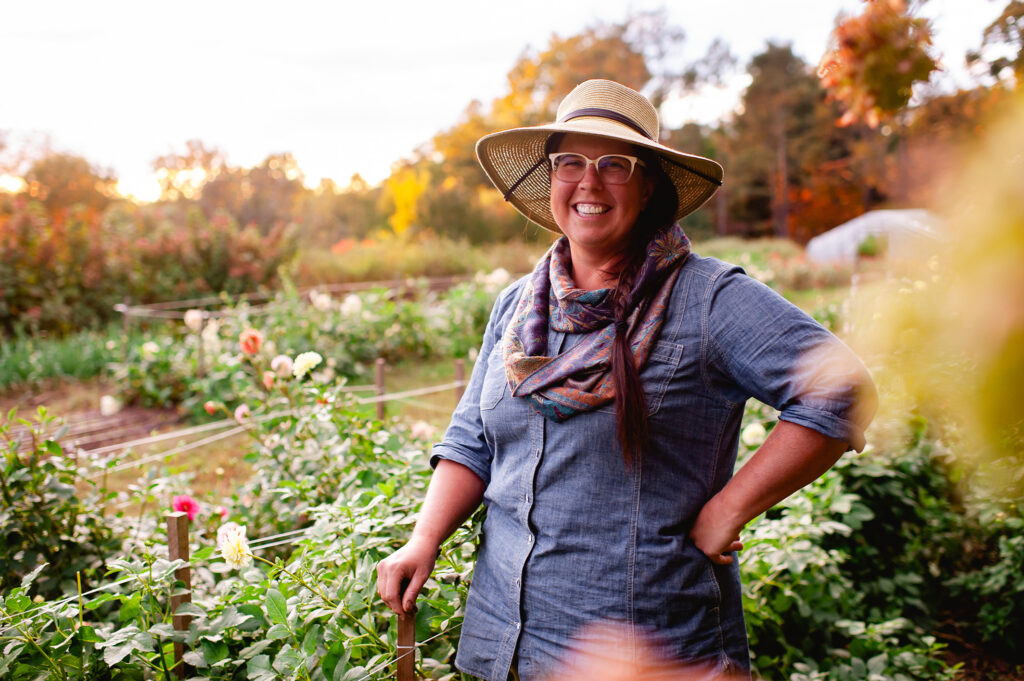
One pivotal aspect of the floral industry is its commitment to sustainability. As highlighted in Molly Oliver’s journey to sustainable floral design, there’s a growing emphasis on eco-friendly practices. This includes using organic fertilizers and reducing waste through composting and recycling. For instance, some florists are moving away from floral foam, a non-biodegradable material, in favor of reusable mechanics like chicken wire or pin frogs.
The Role of Technology and Innovation
Technological advancements are also reshaping the floral industry. Automated processes, similar to those used in agriculture, such as automated tractors, are beginning to find applications in larger floral operations. These innovations not only streamline production but also significantly reduce emissions, aligning with sustainable goals.
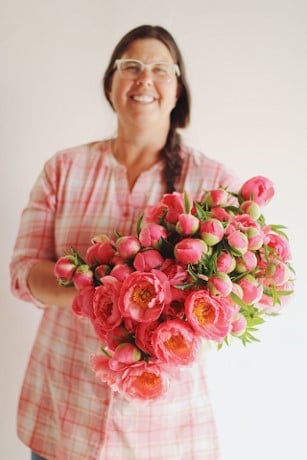
Furthermore, the integration of technology in design allows for more intricate and personalized arrangements. Digital tools can assist florists in visualizing designs and managing inventory more efficiently. This technological shift is akin to the way plant companions can boost yield, as highlighted in the article on plant companions and solo growth.
Another critical element is education and training. Institutions like the College of DuPage offer specialized programs in horticulture, equipping aspiring florists with the necessary skills and knowledge. These programs cover everything from plant biology to the latest in design trends, ensuring that students are well-prepared to enter the industry.
Consumer behavior is also a driving force in the evolution of the floral industry. With the rise of social media, there’s an increased demand for visually striking arrangements that can be shared online. Florists are now often tasked with creating Instagram-worthy designs that captivate audiences and drive brand engagement.
In conclusion, the floral industry is a dynamic and multifaceted field that requires a deep understanding of both traditional practices and modern innovations. As it continues to evolve, staying informed about trends and sustainable practices is crucial for success. Whether through education, embracing technology, or adapting to consumer trends, those involved in the industry must be agile and forward-thinking to thrive in this ever-changing landscape.
💡 Beginner’s Gold: Floral Industry That Guarantee Success


As an Amazon Associate, we earn from qualifying purchases. Prices and availability subject to change.
Why floral industry Matters in Today’s World
The floral industry holds a significant place in today’s world, intertwining with cultural, economic, and environmental aspects of life. As society becomes increasingly aware of sustainability, the role of the floral industry evolves, impacting everything from local economies to global environmental efforts. Understanding why this industry matters provides insights into its enduring relevance and growing influence.
Firstly, the floral industry is intricately linked to cultural traditions and personal expressions. Flowers have long been symbols in ceremonies, from weddings to funerals, marking pivotal moments in people’s lives. This cultural significance ensures a continuous demand for florists who can artfully arrange blooms to convey deep emotions and meanings.

Economically, the floral industry supports a vast network of farmers, wholesalers, retailers, and designers. According to Jennie Love, a renowned floral designer, sustainable practices in flower farming can boost local economies by creating jobs and supporting small businesses. Moreover, as the industry expands, it offers opportunities for innovation in sustainable practices and eco-friendly designs.
The Environmental Impact of the Floral Industry
Environmentally, the floral industry plays a crucial role in biodiversity. However, not all practices are beneficial. For instance, poor pest management can drastically reduce yields, as highlighted in a study showing a potential 60% decrease in greenhouse productivity. To counteract this, many in the industry are adopting sustainable techniques. Sustainable floral design can help preserve natural habitats, ensuring that flora and fauna thrive together.

In recent years, there has been a noticeable shift towards sustainable flower farming. This approach not only helps the environment but also attracts consumers who prioritize eco-friendly products. For example, the College of DuPage’s horticulture program emphasizes sustainable practices, preparing students to lead in environmentally conscious floral design.
Moreover, the industry is crucial in education and innovation. Workshops and courses teach the latest techniques in flower arranging, focusing on sustainability and creativity. By educating the next generation of florists, the industry ensures its future relevance and innovation.
Finally, community engagement through the floral industry fosters social connections. Local flower farms and shops often host events that bring people together, strengthening community ties. These gatherings not only promote local businesses but also cultivate a shared appreciation for nature’s beauty.
In conclusion, the floral industry’s importance in today’s world cannot be overstated. It bridges cultural traditions, economic opportunities, environmental sustainability, and community engagement. As it continues to evolve, the industry offers a blueprint for integrating beauty with responsibility. By embracing sustainable practices and innovative designs, the floral industry will remain a vital part of society, enriching lives and ecosystems alike.
Key Benefits of Implementing floral industry
The floral industry has undergone significant transformations in recent years, thanks to innovative techniques in flower arranging and design. Implementing these modern strategies offers numerous advantages for both florists and customers, as it not only enhances the aesthetic appeal of floral arrangements but also contributes to sustainability and efficiency. As the floral industry evolves, embracing these latest techniques is crucial for businesses to stay competitive and meet the growing demand for unique, environmentally-friendly designs.
One of the key benefits of adopting new techniques in the floral industry is the ability to create stunning, personalized arrangements. Florists are now utilizing advanced design principles to craft bespoke pieces that cater to individual client preferences. By employing principles of color theory and balance, designers can produce arrangements that tell a story or evoke specific emotions. This level of personalization increases customer satisfaction and loyalty.

Additionally, the integration of sustainable practices in floral design is a major trend. Many florists are now focusing on eco-friendly methods by sourcing local, seasonal flowers and reducing waste. According to Jennie Love from Love ‘n Fresh Flowers, sustainable practices not only benefit the environment but also enhance the quality and longevity of the arrangements. This approach is increasingly important as consumers become more environmentally conscious.
Furthermore, the floral industry is seeing a rise in the use of technology to streamline operations. From automated systems for watering and lighting to digital platforms for order management, technology is helping florists improve efficiency. For instance, Sierra Flower Farm has implemented digital tools to maximize cut flower production, demonstrating how technology can lead to increased productivity and reduced labor costs.

Enhancing Skills and Knowledge
Education and continuous learning are also pivotal in the modern floral industry. Programs such as those offered by the College of DuPage provide florists with the skills necessary to stay ahead in the industry. These courses cover everything from basic horticulture to advanced floral design techniques, ensuring that professionals are well-equipped to meet changing market demands.
Moreover, collaboration and community play a significant role in the industry’s growth. Online groups and forums offer platforms for florists to share experiences, tips, and trends. For instance, the Facebook group dedicated to sustainable floral design fosters a community where members can learn from each other and stay updated on industry changes.
Another benefit of implementing innovative techniques is the potential for increased profitability. By offering unique, high-quality designs, florists can command higher prices and attract a discerning clientele. Additionally, adopting sustainable practices can reduce costs in the long term, as highlighted by Molly Oliver Flowers’ journey towards sustainable design.
In conclusion, the floral industry stands to gain significantly from the implementation of the latest techniques in flower arranging and design. These advancements not only enhance the aesthetic and functional aspects of floral arrangements but also promote sustainability, efficiency, and profitability. As the demand for unique and environmentally-friendly floral designs continues to grow, it’s imperative for florists to embrace these innovations to remain competitive and successful in the ever-evolving market.
⭐ Highest-Rated Floral Industry According to 10,000+ Reviews



As an Amazon Associate, we earn from qualifying purchases. Prices and availability subject to change.
Practical Steps to Get Started with floral industry
The floral industry is blossoming with opportunities for both seasoned professionals and enthusiastic newcomers. As the demand for unique and sustainable flower arrangements grows, understanding the latest techniques in flower arranging and design becomes crucial. Whether you’re a florist looking to expand your skills or a budding entrepreneur eager to break into the market, taking practical steps to get started can set you on the path to success.
First, it’s essential to have a solid foundation in floral design principles. Enrolling in courses, such as those offered by the College of DuPage, can provide you with the necessary skills and knowledge. These programs often cover a wide range of topics, from basic design techniques to advanced arrangement styles. By learning from experts, you can develop a keen eye for aesthetics and understand the intricacies of floral arrangements.

Once you have the basics down, investing in quality tools and materials is vital. Start with essential tools like floral scissors, wire cutters, and a reliable floral foam. These items form the backbone of any successful arrangement. Additionally, sourcing high-quality flowers is crucial. Look for local suppliers who prioritize sustainability, such as those discussed by Molly Oliver Flowers in their sustainable floral design journey.
Building a Network in the Floral Industry
Networking is another critical step in establishing yourself in the floral industry. Join online communities and forums, such as the lively discussions on Facebook groups, to connect with other professionals. Sharing insights and experiences can provide valuable perspectives and open doors to collaboration opportunities. Networking can also lead to partnerships that enhance your business’s reach and reputation.

Marketing is key to growing your business. Utilizing e-commerce platforms can significantly boost your visibility and sales. According to a recent discovery, these platforms can increase farm profits by up to 60%. By setting up an online store, you broaden your customer base and streamline the purchasing process, making it easier for clients to access your floral creations.
Furthermore, keeping up with industry trends is vital. Attend workshops and floral shows to stay informed about new techniques and styles. For example, the trend towards eco-friendly arrangements is gaining traction, as highlighted by Jennie Love’s sustainable practices. Embracing these trends not only appeals to environmentally conscious consumers but also sets your business apart in a competitive market.
Managing resources efficiently is another component of a successful floral business. Effective pest management is crucial, especially for those growing their own flowers. Ignoring this aspect can drastically reduce yields, as noted in a recent study. Implementing a robust pest management strategy ensures the health of your plants and the quality of your arrangements.
In conclusion, stepping into the floral industry requires a blend of education, quality materials, networking, and strategic marketing. By leveraging these practical steps, you can navigate the dynamic landscape of floral design with confidence. Stay informed, remain adaptable, and you’ll find success in this vibrant and rewarding field.
Common Mistakes to Avoid
In the ever-evolving floral industry, staying ahead with the latest techniques in flower arranging and design is crucial for success. However, as designers and enthusiasts strive to innovate, there are common pitfalls that can undermine their efforts. Avoiding these mistakes is essential for anyone looking to make a lasting impact in the floral world.
One of the most frequent errors is neglecting the importance of seasonality. Utilizing flowers that are not in season can drastically increase costs and reduce sustainability. For instance, importing flowers from distant locations not only escalates expenses but also enlarges the carbon footprint. Instead, focus on seasonal blooms which are often fresher and more affordable, aligning with sustainable floral practices as emphasized by experts like Jennie Love.
Another mistake is failing to understand the principles of design. While creativity is key in the floral industry, it’s equally important to adhere to basic design principles such as balance, proportion, and harmony. A well-designed arrangement should guide the viewer’s eye seamlessly, avoiding clutter and chaos. Floral designers can benefit from resources like the College of DuPage’s horticulture program to hone these skills.
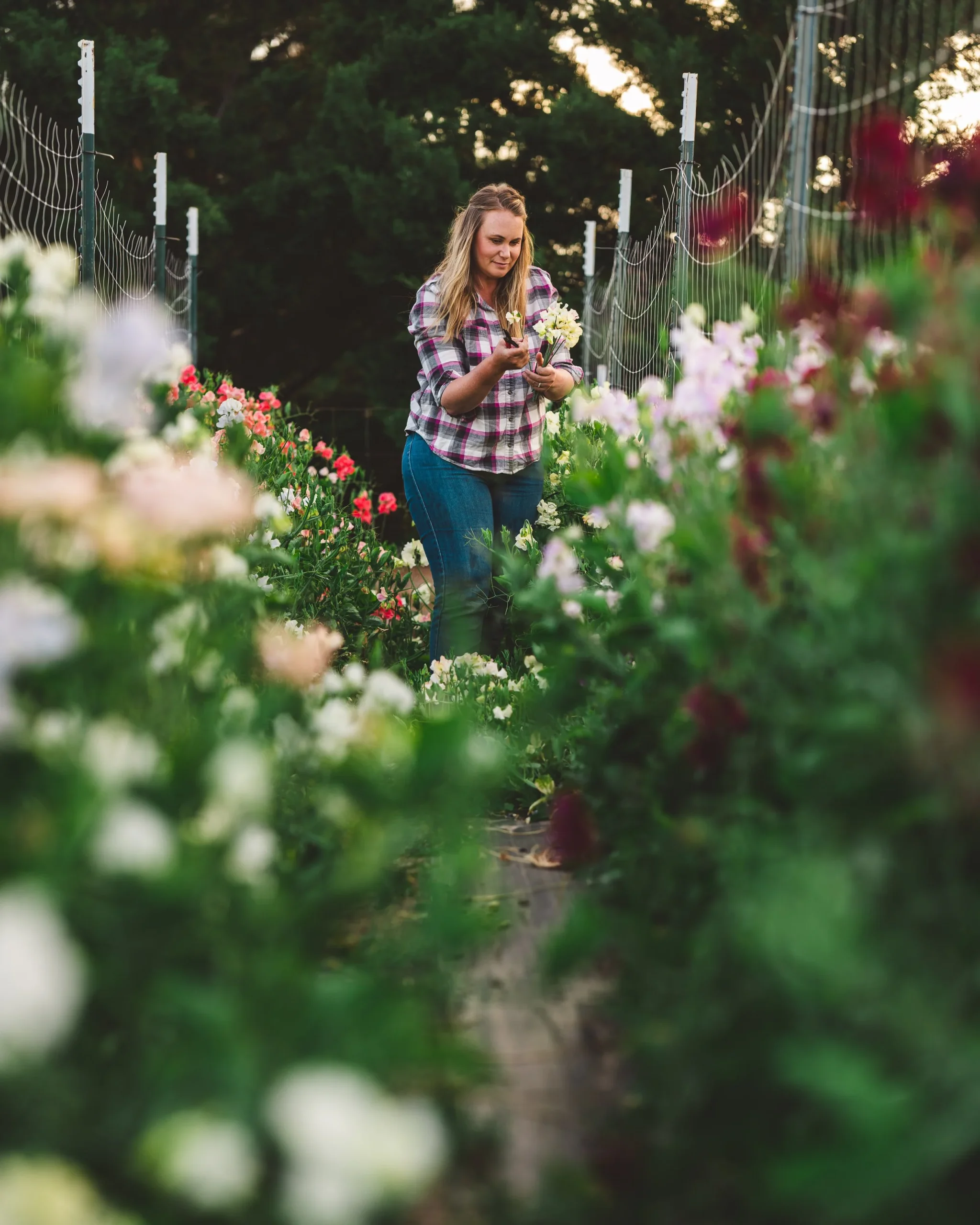
Overlooking the importance of proper flower care is a critical misstep. Freshness and longevity are vital, yet many fail to condition their flowers adequately before arranging. This oversight can result in wilting blooms and dissatisfied customers. To enhance flower durability, ensure that stems are cut at an angle and placed in clean water immediately.
Ignoring Market Trends and Customer Preferences
In the floral industry, being attuned to market trends and customer preferences is indispensable. Designers who ignore these factors may find themselves out of sync with what consumers desire. Keeping an eye on current trends, such as the growing demand for sustainable and locally sourced flowers, can provide a competitive edge. Resources like the Molly Oliver Flowers blog offer valuable insights into sustainable design practices.
Additionally, many in the floral business make the mistake of underpricing their creations. While competitive pricing is important, undervaluing designs can lead to unsustainable business practices. It’s crucial to factor in all costs, including labor and materials, to ensure profitability. An article on boosting flower farm profits highlights the importance of proper pricing strategies to achieve financial success.
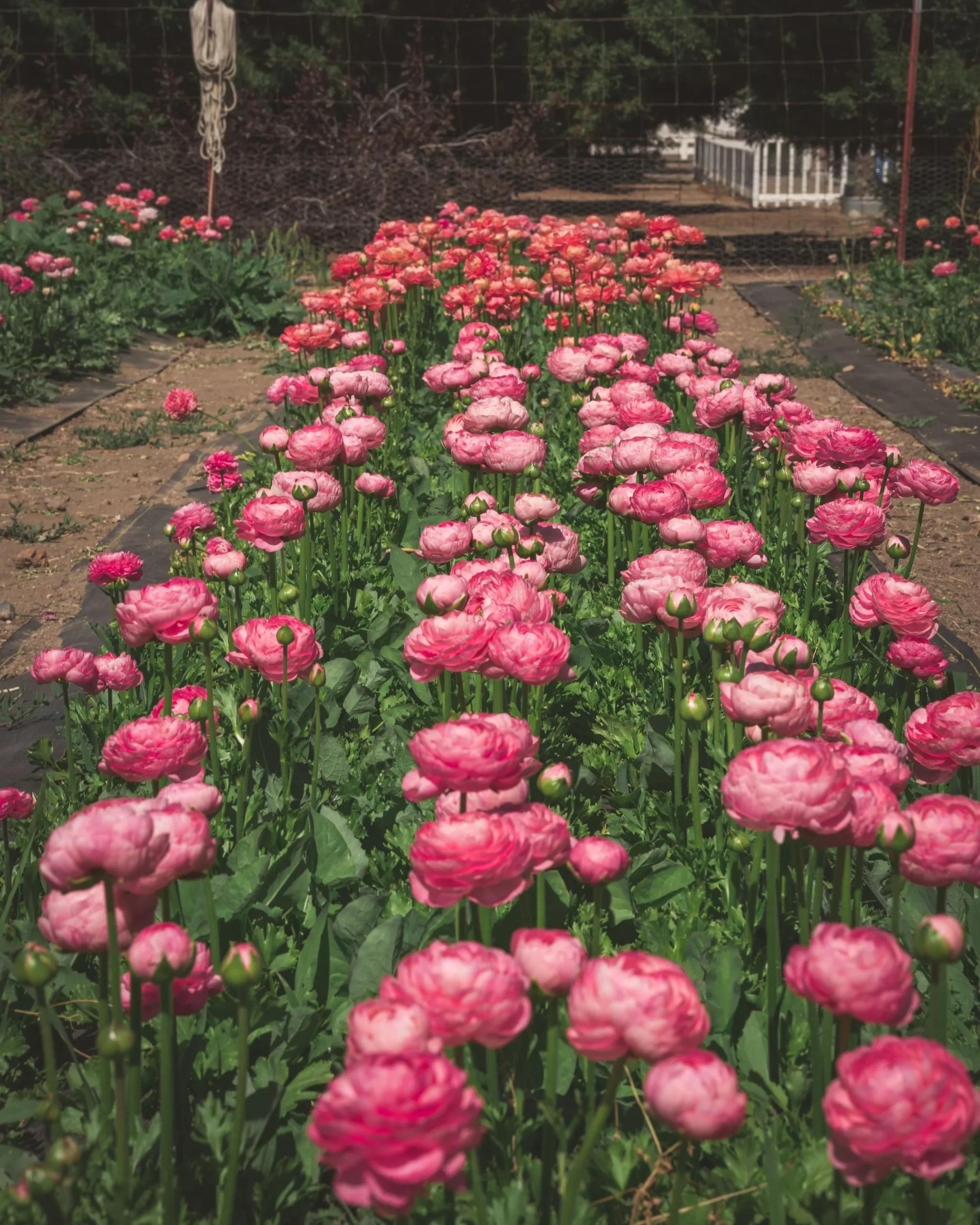
Effective marketing strategies are often overlooked by floral designers. Without a strong online presence and effective promotion, even the most stunning arrangements might go unnoticed. Leveraging social media and maintaining an engaging website can draw attention to your work and attract a wider audience. Consider learning from other industries, as highlighted in discussions about micro-homesteaders’ strategies, to enhance your marketing efforts.
Finally, failing to build strong relationships within the industry can limit opportunities for growth and collaboration. Networking with other florists, suppliers, and event planners can lead to valuable partnerships and insights. Joining professional groups and attending industry events are excellent ways to foster these connections.
In summary, while the floral industry offers boundless opportunities for creativity and innovation, avoiding these common mistakes is key to thriving in the field. By focusing on seasonality, understanding design principles, ensuring proper flower care, staying attuned to market trends, setting appropriate prices, and building strong industry relationships, floral designers can position themselves for lasting success. Embracing these strategies not only enhances business prospects but also contributes to a more sustainable and vibrant floral industry.
⚡ Pro-Level Floral Industry That Deliver Commercial Results


Modern Faux Flower Projects: Fresh, Stylish Arrangements and Home Decor with Sil…


As an Amazon Associate, we earn from qualifying purchases. Prices and availability subject to change.
Real-World Success Stories
The floral industry is blossoming with innovation as designers and floral arrangers continue to push the boundaries of creativity and sustainability. One of the most captivating aspects of this vibrant field is the real-world success stories and case studies that demonstrate the impact of the latest techniques in flower arranging and design. From small-scale farms to renowned floral designers, these stories highlight how creativity and sustainability are transforming the industry.
Jennie Love, a pioneer in sustainable floristry, exemplifies the power of eco-friendly practices in the floral industry. Her journey, documented on Love ‘n Fresh Flowers, showcases how locally sourced blooms and organic farming can create exquisite arrangements while minimizing environmental impact. By focusing on seasonal flowers, Jennie not only reduces carbon footprints but also supports local farmers, a practice that is becoming increasingly popular in the floral industry.

Another compelling case study comes from Sierra Flower Farm, which emphasizes maximizing cut flower production on a small scale. Their insights, shared in their blog, reveal how strategic planting and microirrigation can enhance yield. Adopting such water-efficient systems is crucial, especially in areas prone to drought, and aligns with the broader movement towards sustainable agriculture in the floral industry. For more on how microirrigation can be transformative, consider exploring these innovative techniques.
Innovative Designs and Educational Pathways
Incorporating education into floral design is another trend reshaping the industry. The College of DuPage offers comprehensive programs in horticulture, providing students with the technical skills and creativity necessary for modern floral design. As detailed on their website, these programs emphasize sustainability and innovative design techniques, preparing students to meet the evolving demands of the floral industry.

Social media platforms, like Facebook, are also playing a crucial role in the floral industry’s transformation by connecting designers and enthusiasts worldwide. In groups such as the Floral Design Community, members share techniques, success stories, and constructive feedback. This exchange of ideas fosters a collaborative environment where designers can learn from each other, further driving the industry’s growth and innovation.
Molly Oliver Flowers highlights the importance of sustainable floral design through their blog series, “My Journey to Sustainable Floral Design.” Part 5 of their series, accessible here, discusses the challenges and solutions in adopting eco-friendly practices. Their commitment to sustainability is inspiring others in the floral industry to rethink their methods and prioritize environmental responsibility.
These success stories are not just inspiring but also practical, offering lessons and strategies that can be applied widely across the floral industry. By adopting sustainable practices, leveraging educational resources, and fostering community collaboration, floral designers and businesses can thrive in today’s market.
In conclusion, the floral industry’s evolution is marked by success stories that blend creativity with sustainability. From pioneers like Jennie Love to educational institutions and online communities, each story contributes to a vibrant tapestry of innovation. As these techniques continue to gain traction, the future of floral design looks not only beautiful but also responsible and community-focused.
Future Trends and Innovations
As the floral industry continues to evolve, innovative techniques and future trends are reshaping the landscape of flower arranging and design. With sustainability and technology at the forefront, industry professionals are discovering new ways to enhance their craft, making it more environmentally friendly and accessible to a broader audience. The future of the floral industry is not only about aesthetics but also about integrating eco-conscious practices and advanced technologies to meet the growing demands of modern consumers.
One significant trend in the floral industry is the shift towards sustainable practices. Florists like Jennie Love have been pioneering efforts to reduce the environmental impact of flower farming by emphasizing locally sourced and seasonal blooms. By doing so, they minimize carbon footprints and promote biodiversity. According to Jennie, incorporating native plants and reducing reliance on imported flowers can significantly enhance the sustainability of floral designs.

Moreover, technology plays a crucial role in transforming traditional flower arranging techniques. With the advent of virtual reality (VR) and augmented reality (AR), florists can now visualize and design arrangements in a digital space before creating them physically. This not only streamlines the design process but also allows for more precise planning and customization, catering to specific client needs with remarkable accuracy.
Embracing Technology and Innovation
Another exciting development is the use of propagation trays, which can drastically improve the efficiency of growing flowers. These trays allow florists to start more plants in a limited space, optimizing both time and resources. As noted in the 7 Shocking Propagation Trays Secrets That Could Save Your Crop, these innovations can lead to healthier plants and more robust blooms, ultimately enhancing the quality of floral arrangements.

Furthermore, the integration of digital platforms and social media has transformed how florists market their products and connect with customers. By leveraging platforms like Instagram and Facebook, florists can showcase their creations to a global audience, engaging with clients in real-time and building a loyal customer base. This digital presence is essential for staying competitive in the modern floral industry.
In terms of design, there is a noticeable trend towards minimalism and natural aesthetics. Florists are moving away from overly complex arrangements, opting instead for simple, elegant designs that highlight the natural beauty of the flowers. This approach not only aligns with sustainable practices but also resonates with consumers seeking authenticity and simplicity in their floral choices.
Education and training are also adapting to these changes. Institutions like the College of DuPage offer programs in horticulture that focus on sustainable practices and innovative design techniques, ensuring that the next generation of florists is well-equipped to meet future challenges. As more professionals gain expertise in these areas, the floral industry will continue to thrive and innovate.
In conclusion, the future of the floral industry is bright, with sustainability and technology driving significant changes in flower arranging and design. By embracing these trends, florists can create stunning, eco-friendly arrangements that meet the needs of modern consumers. As the industry evolves, staying informed and adaptable will be key to success, ensuring that florists can continue to delight clients with beautiful, innovative designs.
Looking for products related to this topic?
Conclusion: Your Next Steps
In today’s rapidly evolving floral industry, embracing the latest techniques in flower arranging and design is essential for staying ahead. By incorporating sustainable practices, such as choosing locally sourced blooms and reducing waste, florists can contribute positively to the environment while enhancing the beauty of their designs. Additionally, leveraging technology, including floral design software and social media platforms, allows designers to reach broader audiences and showcase their artistry in innovative ways.
Another key takeaway is the importance of mastering the art of color theory and texture blending. These skills enable designers to create visually stunning arrangements that cater to modern aesthetic preferences. Understanding customer trends and preferences also plays a vital role in crafting arrangements that resonate and captivate. By staying informed about the latest trends, florists can tailor their offerings to meet the dynamic demands of today’s consumers.
Now is the time to act and transform your floral business. Implement these strategies and watch your creativity and success bloom. Don’t wait—innovate, inspire, and elevate your craft to new heights. The future of flower arranging is here, and it’s waiting for you to seize it. Embrace these techniques today and be a trailblazer in the floral industry!
From Our Network
GreenChoice Affiliates — Eco-friendly product reviews for sustainable living
FarmsFlo — Free farm management app for planting schedules, harvests, and operations
BoingyBooks — Publish and discover ebooks, interactive read-alongs, and audiobooks
Leave a Reply
You must be logged in to post a comment.