How to Use Diatomaceous Earth for Spring Pest Control
Learn how to use diatomaceous earth for effective and organic pest control this spring. Improve your garden's health naturally!
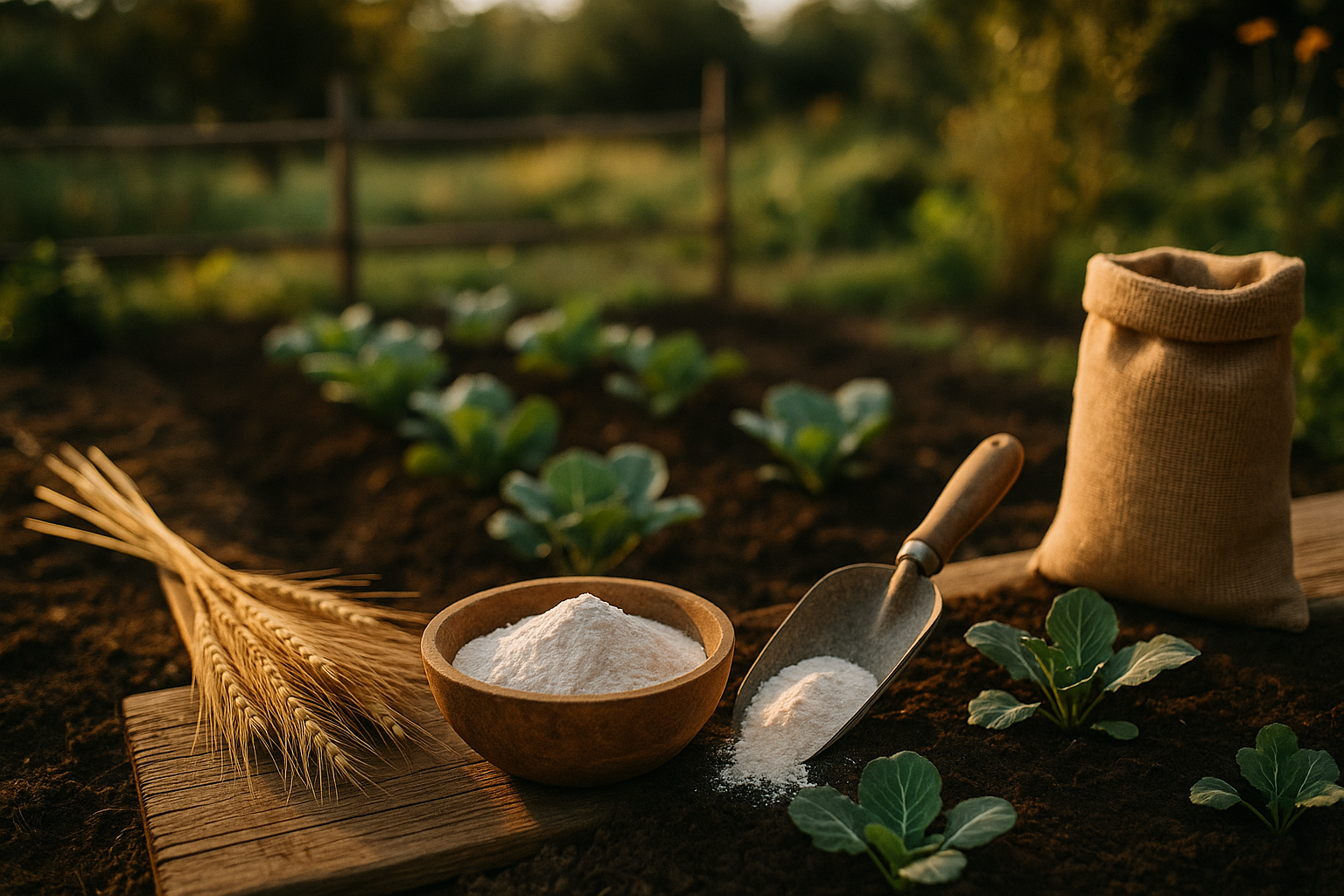
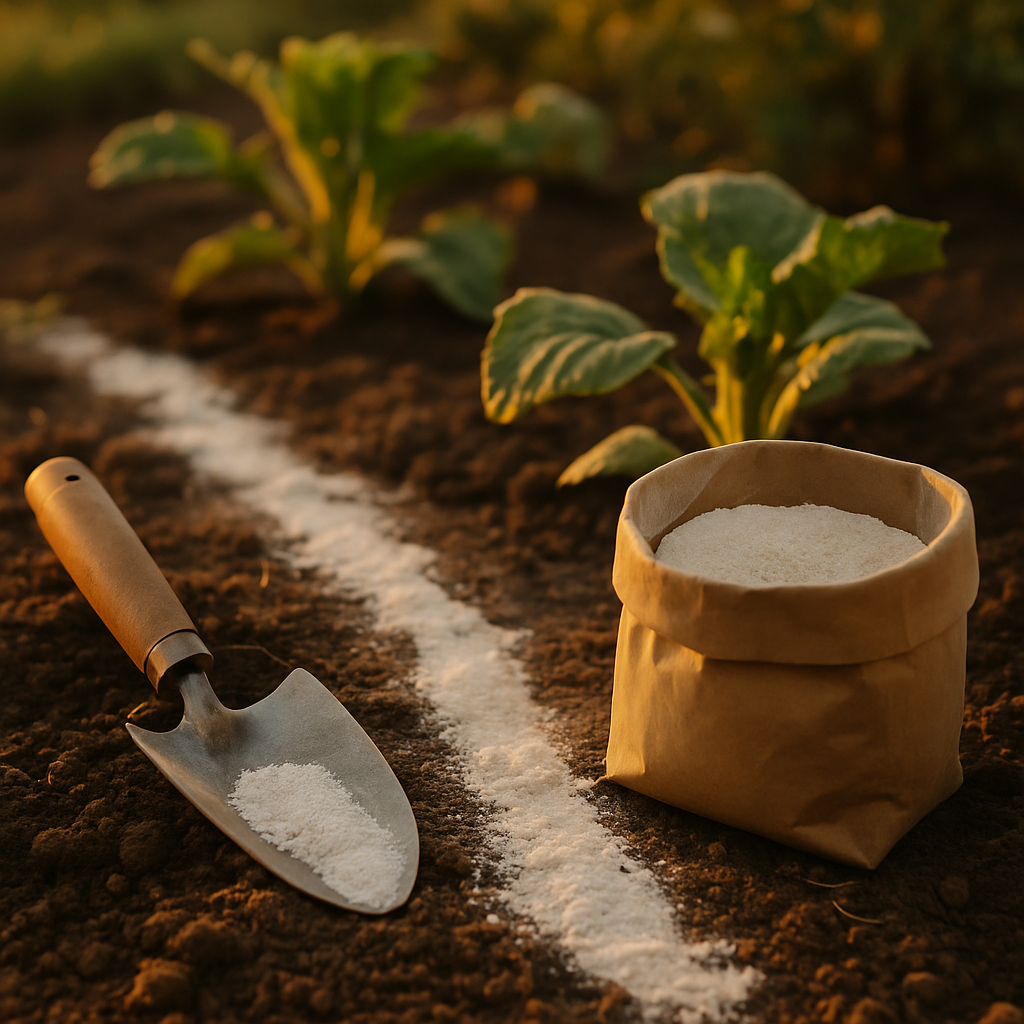
🎙️ Listen to Grant & Fiona Discuss This ArticleThis post may contain affiliate links. If you make a purchase through these links, we may earn a small commission at no extra cost to you. Learn more.Spring is the season of renewal, bringing vibrant blooms and the promise of fresh produce. But with warmer weather also comes a host of garden pests ready to take a nibble out of your hard work. Diatomaceous earth (DE) offers an organic solution for pest control, making it an appealing choice for gardeners seeking chemical-free methods. Known for its effectiveness against a wide range of insects, DE is a go-to for those looking to protect their garden in an eco-friendly way.Diatomaceous earth is a naturally occurring, soft sedimentary rock that crumbles into a fine white powder. It’s composed of the fossilized remains of tiny, aquatic organisms called diatoms. This mineral-rich powder is not only safe for humans and pets when used properly but also a formidable opponent against pests like aphids, slugs, and beetles. As you plan your spring garden, integrating DE can help maintain its health and productivity.Understanding how diatomaceous earth works and how to apply it effectively is crucial for success. With the right approach, you can harness the power of DE to safeguard your spring garden from unwanted invaders. Let’s explore the benefits, application methods, and product recommendations to arm you with the knowledge needed for a successful pest control strategy.## Benefits of Diatomaceous Earth for GardensDiatomaceous earth offers several benefits that make it an attractive option for organic pest control. It’s non-toxic to humans and animals, which means you can apply it without worrying about harmful chemicals leaching into your soil or affecting your pets. Additionally, DE is effective against a broad spectrum of pests, including ants, cockroaches, and fleas.Another advantage of using DE is its sustainability. As a natural mineral, it doesn’t contribute to chemical runoff or soil degradation. Plus, it’s a useful addition for soil amendment due to its silica content, which can improve plant health. According to university extension research, DE can also help with moisture retention in sandy soils, making it ideal for gardens in arid zones.## How Diatomaceous Earth Works Against PestsDiatomaceous earth pest control operates through a physical mechanism rather than a chemical one. The microscopic sharp edges of DE particles cut through the exoskeletons of insects, causing them to dehydrate and die. This process is effective on contact, providing a quick solution to pest infestations.It’s important to note that DE works best in dry conditions. Moisture can reduce its effectiveness as it clumps together, losing its abrasive properties. Therefore, DE is most effective in well-drained gardens and during dry weather spells. For those in humid climates, you may need to reapply DE more frequently.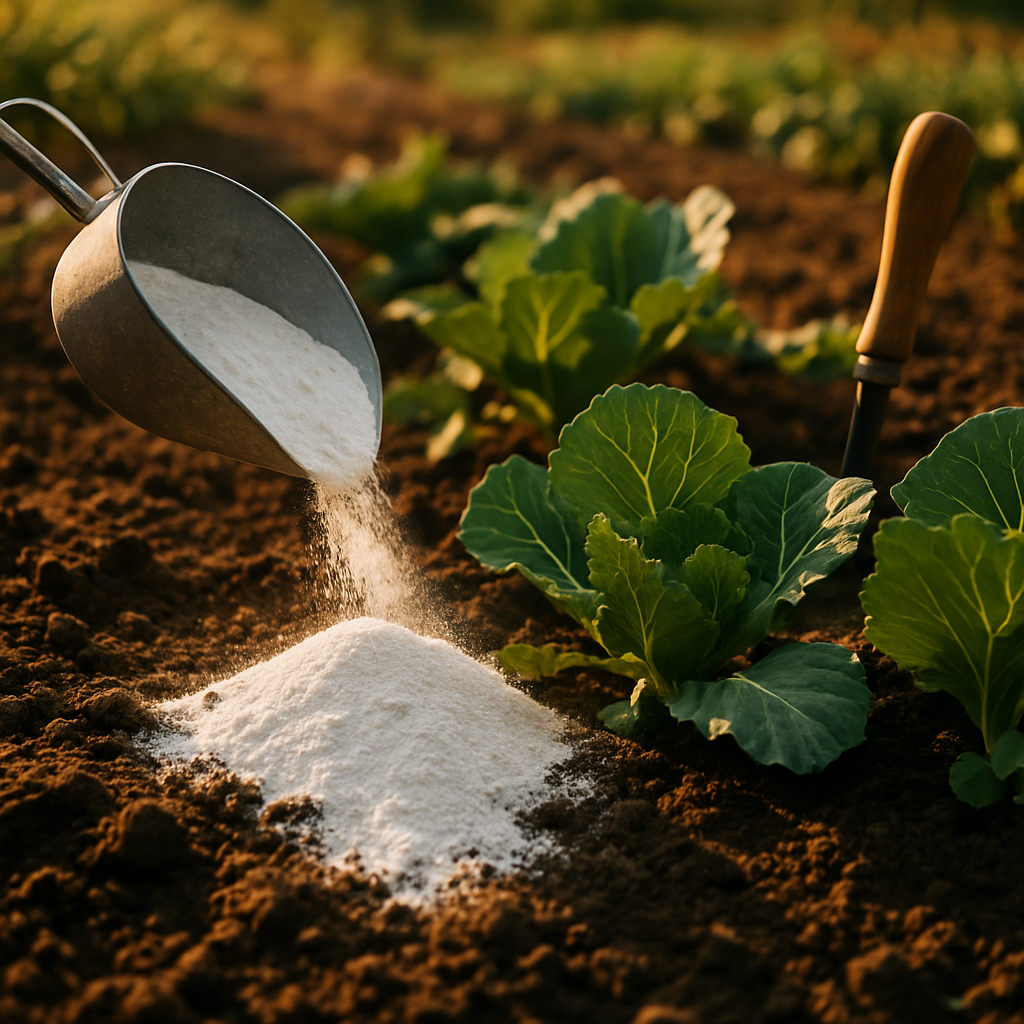 ## Step-by-Step Guide to ApplicationUsing diatomaceous earth effectively requires a few simple steps. Here’s how to apply it to your garden:- Identify the problem areas: Look for signs of pest activity, such as chewed leaves or visible insects.
- Choose the right time: Apply DE in the early morning or late afternoon when plants are dry and there’s minimal wind.
- Apply the DE: Use a dusting applicator or a simple hand duster to evenly spread a thin layer of DE over the affected areas.
- Reapply as necessary: After heavy rain or watering, reapply DE to maintain its effectiveness.## Tips for Maximizing EffectivenessTo get the most out of your diatomaceous earth pest control efforts, keep these tips in mind:- Use food-grade DE: Ensure the DE you use is labeled as food-grade, which is safe for garden use and around pets.
- Combine with other organic methods: Enhance DE’s effectiveness by pairing it with pollinator-friendly plants that attract beneficial insects.
- Avoid wet conditions: Apply DE during dry spells and avoid watering plants immediately after application.
- Monitor your garden: Regular inspections will help you decide when and where to apply DE again.While DE is effective, it’s not a silver bullet. It works best as part of an integrated pest management strategy.
 ## Our Top Picks for Diatomaceous Earth ProductsChoosing the right diatomaceous earth product is key to effective pest control. Here are our top recommendations:- Garden Safe Brand Crawling Insect Killer Containing Diatomaceous Earth, 4 Pounds — This product is ideal for targeting crawling insects like cockroaches. Its fine powder is easy to apply and highly effective for spot treatments. Check Price on Amazon
 - DiatomaceousEarth Food Grade Diatomaceous Earth – 10lb — 100% organic and all-natural, this product is perfect for larger gardens. Its bulk size is cost-effective for ongoing pest management. Check Price on Amazon
- HARRIS Diatomaceous Earth Food Grade, 4lb with Powder Duster Included in The Bag — Conveniently packaged with a duster, this product makes application easy and precise. Ideal for smaller gardens or targeted applications. Check Price on Amazon
 #### Garden Safe Brand Crawling Insect Killer Containing Diatomaceous Earth, 4 Pounds, Kills Cockroaches,$13.84Check Price on Amazon
 #### DiatomaceousEarth Food Grade Diatomaceous Earth – 10lb | 100% Organic, All-Natural Powder | Safe for$38.49Check Price on Amazon
 #### HARRIS Diatomaceous Earth Food Grade, 4lb with Powder Duster Included in The Bag$17.85Check Price on Amazon### Manage Your Farm Smarter with FarmsFloTrack planting schedules, monitor your harvest, and streamline your entire farm operation — all from one easy-to-use app built by farmers, for farmers.## Frequently Asked Questions### Is diatomaceous earth safe for pets?Yes, when used as directed, food-grade diatomaceous earth is safe for pets. However, avoid applying it directly to your pets and ensure they do not inhale it in large quantities.### Can diatomaceous earth be used indoors?Absolutely. DE is effective indoors for controlling pests like fleas and bed bugs. Apply it in cracks and crevices and vacuum up the residue after a few days.### Does diatomaceous earth expire?No, DE does not expire. However, it should be stored in a dry place to maintain its effectiveness. Moisture can reduce its abrasive properties.### How often should I reapply diatomaceous earth?Reapply DE after heavy rain or if you notice a resurgence of pests. Regular monitoring of your garden will help you determine the best reapplication schedule.### What pests does diatomaceous earth control?DE is effective against a variety of pests, including ants, fleas, aphids, beetles, and slugs. It works best on soft-bodied insects and those with exoskeletons.Integrating diatomaceous earth into your spring pest control strategy can be a game-changer for maintaining a healthy, productive garden. By understanding how it works and following best practices for application, you can protect your plants naturally and effectively. Remember to monitor your garden regularly, and don’t hesitate to combine DE with other organic methods for the best results.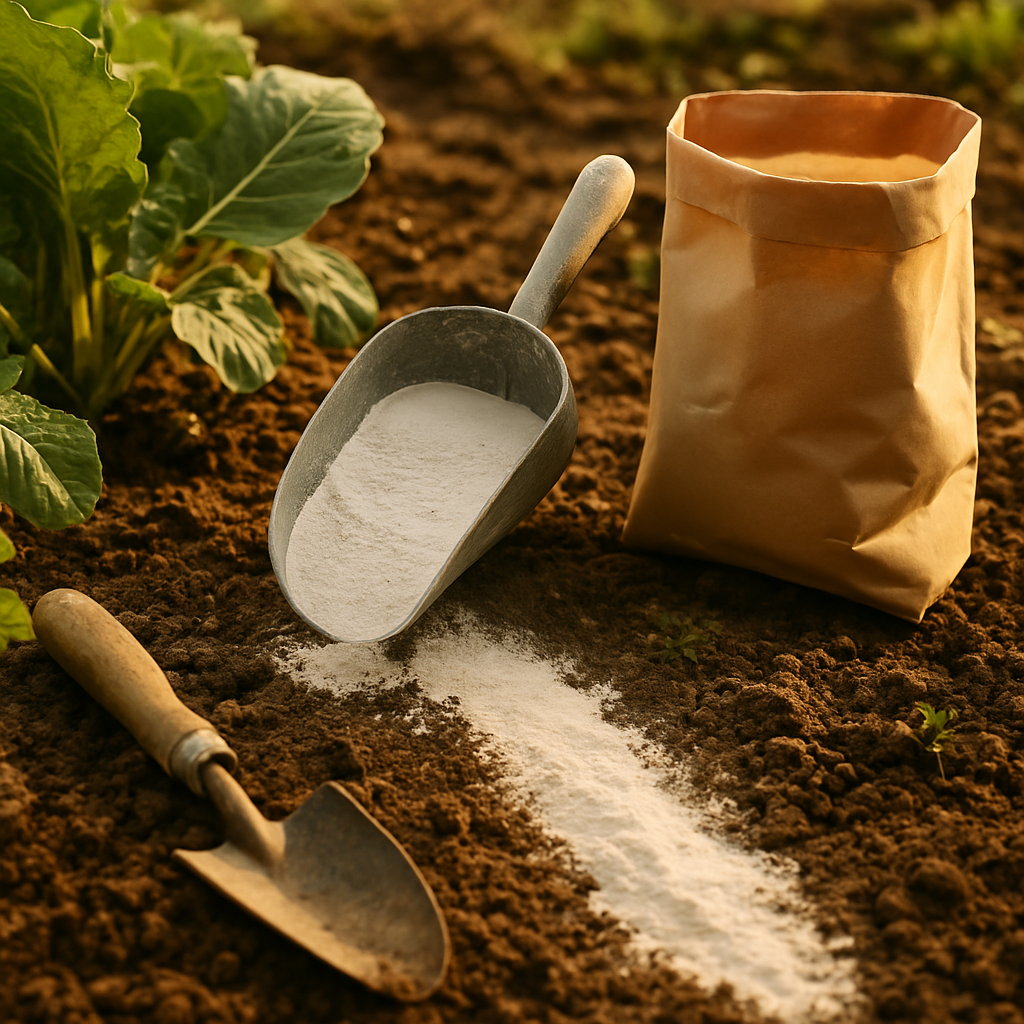
Our Top Picks
Garden Safe Brand Crawling Insect Killer Containing Diatomaceous Earth, 4 Pounds
Garden Safe Brand Crawling Insect Killer Containing Diatomaceous Earth. A practical pick we've seen recommended for this use case — verify the current spec, size, and finish on the merchant page before you order.
DiatomaceousEarth Food Grade Diatomaceous Earth – 10lb
DiatomaceousEarth Food Grade Diatomaceous Earth – 10lb. A practical pick we've seen recommended for this use case — verify the current spec, size, and finish on the merchant page before you order.
HARRIS Diatomaceous Earth Food Grade, 4lb with Powder Duster Included in The Bag
HARRIS Diatomaceous Earth Food Grade. A practical pick we've seen recommended for this use case — verify the current spec, size, and finish on the merchant page before you order.