
This post may contain affiliate links. If you make a purchase through these links, we may earn a small commission at no extra cost to you. Learn more.
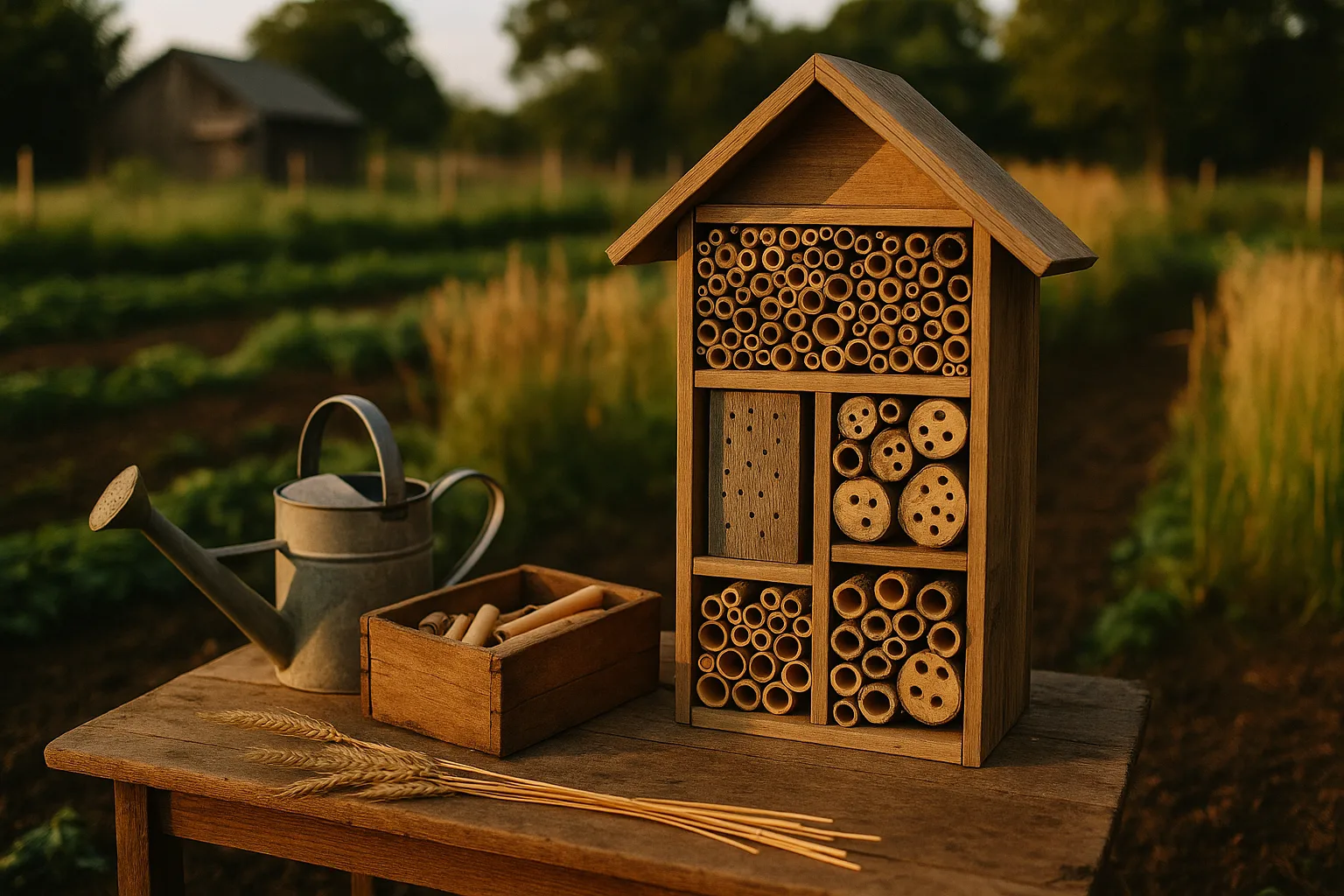
Every spring, pollinators like bees burst into action, buzzing around to fulfill their vital role in ecosystems. Providing a sanctuary for these industrious insects is not only beneficial for your garden but also supports biodiversity. Setting up a bee hotel is a practical, hands-on project that invites solitary bees to nest and thrive in your yard. Unlike honeybees, these solitary bees don’t produce honey but are exceptional pollinators, increasing the yield of your flowering plants and crops.
Building a bee hotel setup offers a unique opportunity to engage with nature and observe these fascinating creatures up close. Choosing the right materials, location, and maintenance routine ensures that your bee hotel becomes a bustling hub of activity. Whether you’re a seasoned gardener or new to backyard projects, creating a bee hotel is a rewarding endeavor that pays dividends in pollination and ecological health.
Proper planning and execution are key to a successful bee hotel. With a few tools and a little patience, you can create a habitat that attracts solitary bees and provides them with the protection they need during their nesting period. Let’s explore the essential steps and considerations to get your bee hotel buzzing this spring.
Why Bee Hotels Are Essential for Spring Pollinators
Bee hotels play a crucial role in supporting solitary bees, which are some of the most effective pollinators. Unlike their hive-dwelling counterparts, solitary bees do not live in colonies and therefore require individual nesting sites. By offering a bee hotel setup, you’re providing a safe haven for these bees to lay their eggs and rear their young.
In areas with diminishing natural habitats, bee hotels help compensate for the loss of traditional nesting sites. This is increasingly important as urban development and monoculture farming reduce the availability of natural resources for these insects. Moreover, by attracting bees to your garden, you enhance the pollination of plants, boosting fruit and seed production.
Choosing the Right Location for Your Bee Hotel
The location of your bee hotel is critical to its success. Ideally, it should be placed in a sunny, sheltered spot that is protected from harsh weather. A south or southeast-facing position ensures that the bees have access to sunlight, which is essential for regulating their body temperature and activity levels.
Consider proximity to flowering plants when selecting your location. A bee hotel set up near a diverse array of pollinator plants will provide easy access to food sources. It’s also wise to place the hotel at least one meter above the ground to protect it from moisture and predators.
Materials Needed for a DIY Bee Hotel
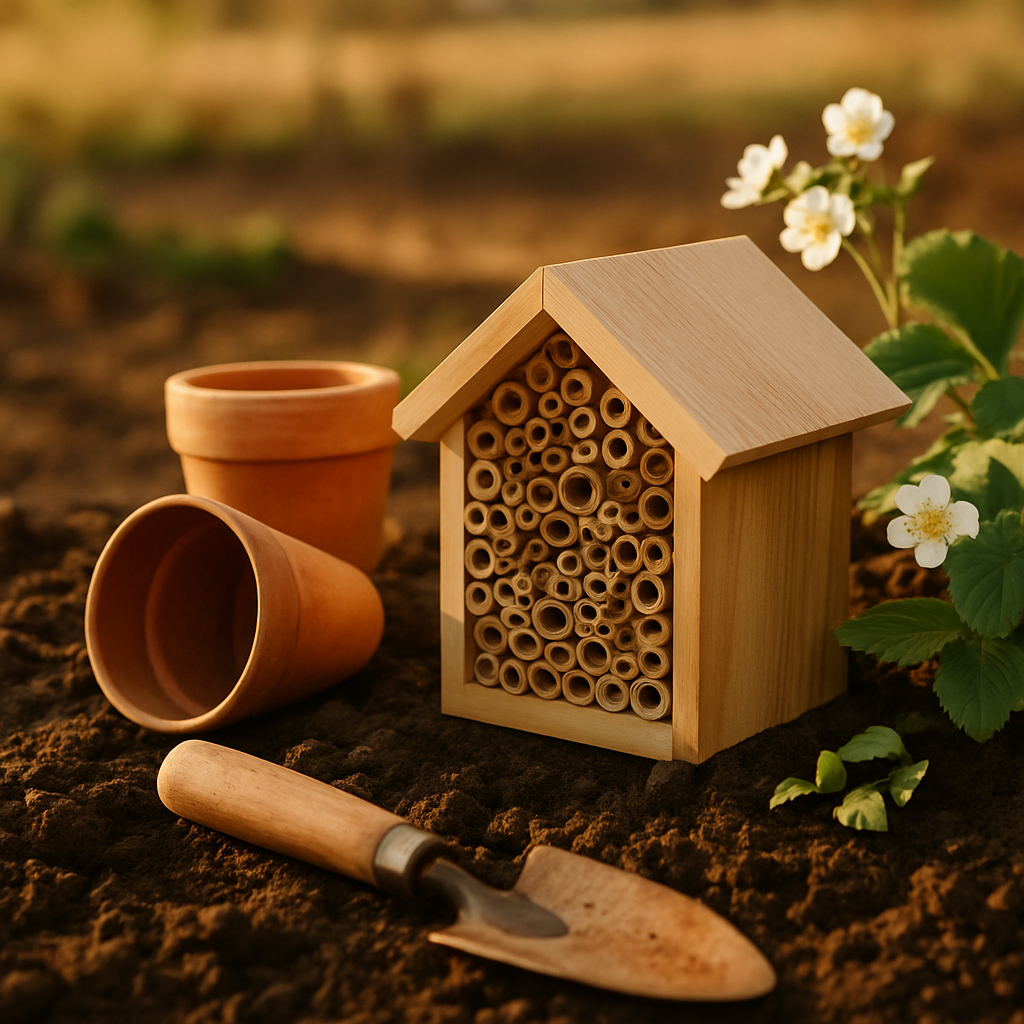
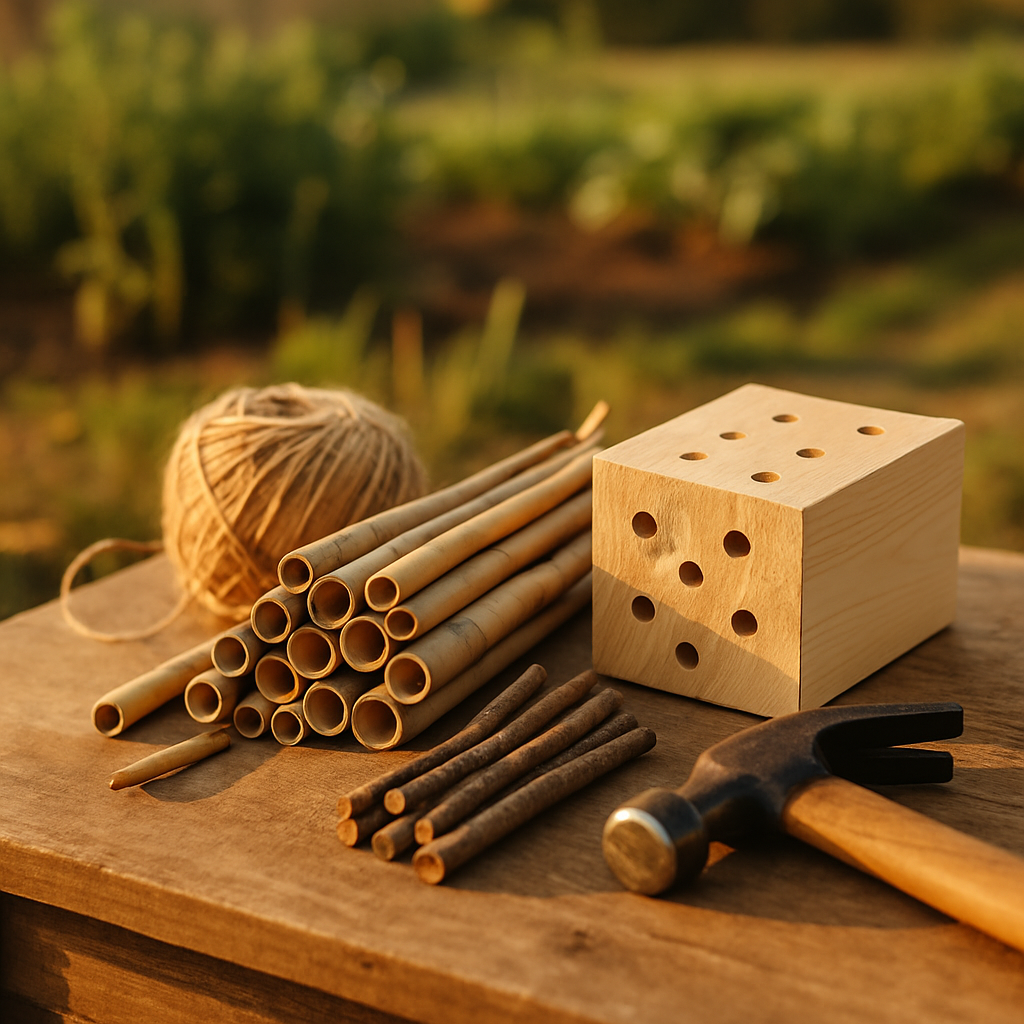
Creating a bee hotel doesn’t require a long list of materials, but choosing the right ones is essential. Here’s a list of items you’ll need for a successful bee hotel setup:
- Wooden Frame: Use untreated wood to construct a sturdy frame. Avoid treated wood as it can be toxic to bees.
- Nesting Materials: Bamboo canes, hollow reeds, or drilled logs are ideal. Make sure the holes are 5-10 mm in diameter and at least 15 cm deep.
- Roof: A sloped roof helps protect the hotel from rain. Use a waterproof material like slate or recycled plastic.
- Wire Mesh: Optional but useful for preventing birds from accessing the nests.
While assembling your bee hotel, ensure that the nesting tubes are clean and free from splinters. This prevents injury to the bees as they enter and exit. If you’re interested in sustainable farming practices, consider integrating your bee hotel with FarmsFlo to track your garden’s flowering cycles and optimize pollination.
Maintenance Tips for a Healthy Pollinator Habitat
Once your bee hotel is set up, regular maintenance is essential to keep it in good condition. Cleanliness is crucial, as leftover debris can harbor parasites and diseases. At the end of the season, remove and clean or replace nesting materials to prepare for new occupants.
Watch out for signs of mold or rot, especially in damp climates. Good ventilation and a dry location help prevent these issues. It’s also beneficial to monitor the hotel for signs of predation, such as damaged tubes or missing nests. A simple wire mesh can provide added protection.
Our Top Picks for Bee Hotel Kits
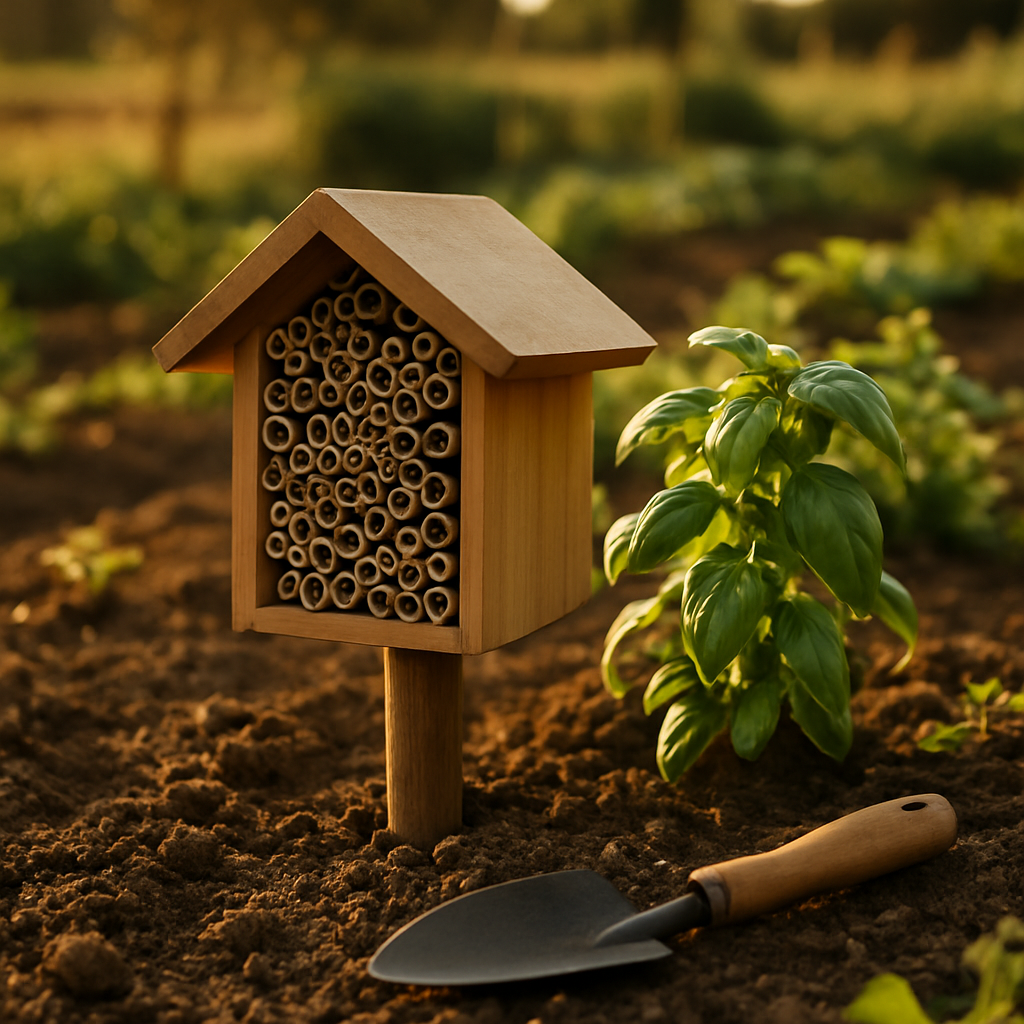
For those who prefer a ready-made solution, here are some top picks for bee hotel kits available on Amazon:
- Nature’s Hangout Mason Bee House – This kit is easy to assemble and includes natural bamboo tubes. Check Price on Amazon
- Wildlife World Interactive Mason Bee House – With its unique design, this bee house allows for observation of the nesting process. Check Price on Amazon
- KIBAGA Mason Bee House – Constructed from natural materials, this durable bee house is designed for long-term use. Check Price on Amazon
Looking for bee hotel setup products?
Manage Your Farm Smarter with FarmsFlo
Track planting schedules, monitor your harvest, and streamline your entire farm operation — all from one easy-to-use app built by farmers, for farmers.
Frequently Asked Questions
What types of bees use bee hotels?
Primarily, solitary bees such as mason bees and leafcutter bees use bee hotels. These bees do not live in colonies and are non-aggressive, making them ideal guests in your garden.
How do I attract bees to my bee hotel?
Place the bee hotel near a variety of flowering plants to provide a constant food source. Ensure the hotel is in a sunny, sheltered location to make it appealing to bees seeking a nesting site.
Can I leave my bee hotel outside all year?
Yes, bee hotels can remain outside year-round. However, it’s important to ensure they are well-maintained and protected from extreme weather conditions, particularly in regions with harsh winters.
What is the best time to set up a bee hotel?
Early spring is the optimal time to set up a bee hotel. This aligns with the natural emergence of solitary bees as they begin their nesting season, ensuring your hotel is ready for new inhabitants.
How often should I clean my bee hotel?
At the end of each nesting season, clean the bee hotel to remove debris and parasites. Replace any damaged or moldy materials to maintain a healthy environment for the following season.
Creating a bee hotel setup is a delightful way to contribute to the health of your local ecosystem. These structures provide essential nesting sites for solitary bees, boosting pollination and biodiversity in your garden. Whether you choose to build your own or purchase a kit, remember that thoughtful placement and regular maintenance are key. Embrace the buzzing energy of spring by welcoming these hardworking pollinators into your backyard. For more on supporting wildlife habitats, explore our wildlife habitats guide and learn how urban green spaces are beneficial for pollinators here.
From Our Network
GreenChoice Affiliates — Eco-friendly product reviews for sustainable living
FarmsFlo — Free farm management app for planting schedules, harvests, and operations
BoingyBooks — Publish and discover ebooks, interactive read-alongs, and audiobooks
Leave a Reply
You must be logged in to post a comment.