5 Methods Reviving Urban Butterflies (2026)
Discover how urban green spaces are reviving endangered butterflies with these 5 surprising methods, boosting biodiversity in city environments.
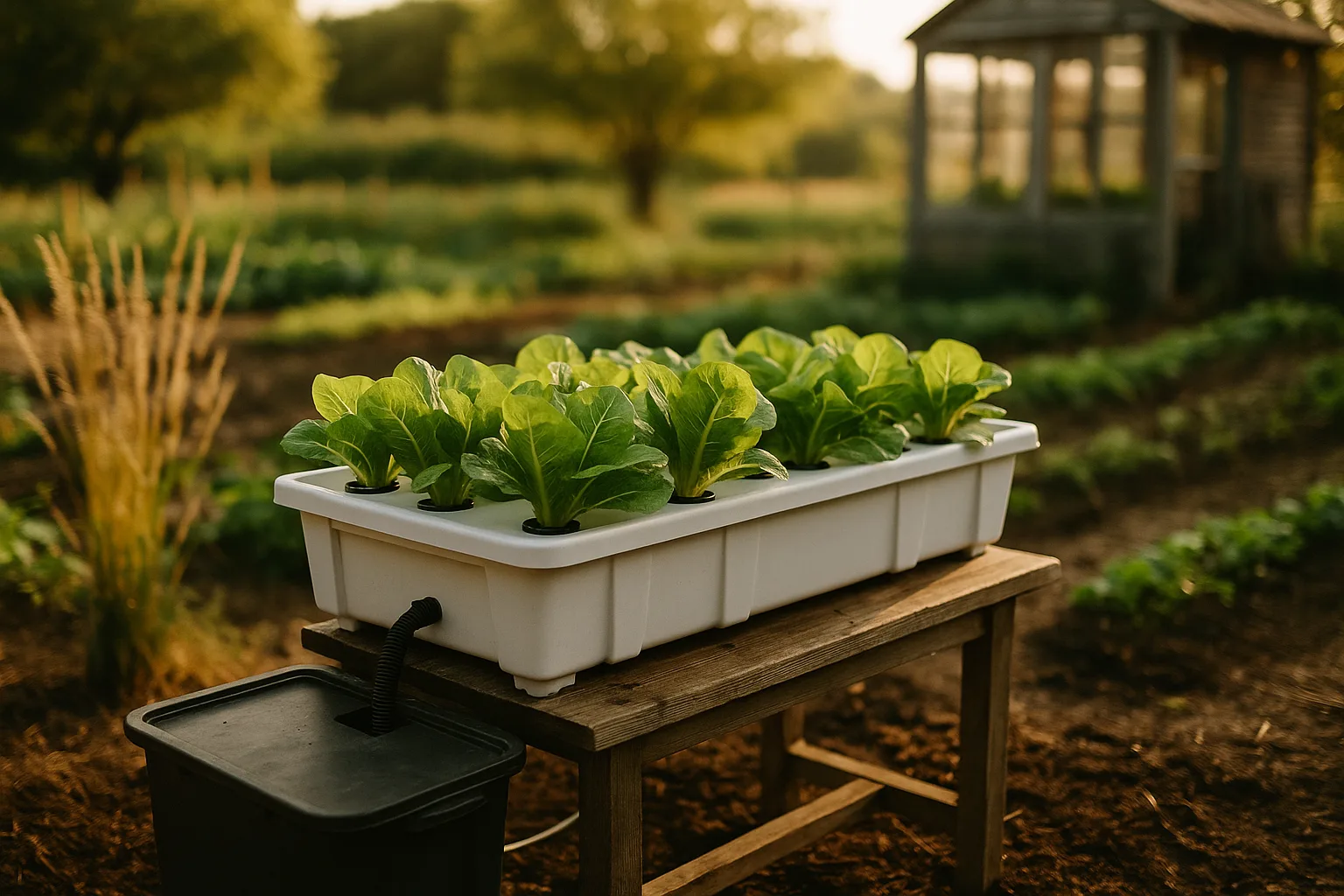
This post may contain affiliate links. If you make a purchase through these links, we may earn a small commission at no extra cost to you. Learn more.## Introduction to Latest Techniques in Flowers and ButterfliesHave you ever wondered how the delicate dance between flowers and butterflies can transform our world? In today’s fast-paced environment, the importance of nurturing this relationship is more critical than ever. From bustling cities to serene suburbs, urban green spaces are becoming vibrant sanctuaries that support this natural ballet, offering a refuge for both pollinators and plants. With the latest techniques in horticulture and conservation, we can enhance these spaces, ensuring that they not only survive but thrive. By understanding these innovative approaches, you can play a pivotal role in creating a healthier ecosystem right in your backyard. Join us as we delve into the cutting-edge methods that are reshaping our landscapes and discover how you can harness their power to make a tangible impact.## Understanding urban green spaces: The FundamentalsUrban green spaces are more than just patches of greenery within bustling cities; they are vital ecosystems that support biodiversity and enhance the quality of urban life. As city populations grow, these areas become increasingly crucial for supporting both human well-being and ecological health. By understanding urban green spaces, we can better appreciate their role in fostering flowers and butterflies, which are integral to pollination and environmental balance.One of the fundamental aspects of urban green spaces is their ability to provide habitats for a variety of species. Parks, gardens, and green roofs serve as sanctuaries for pollinators like butterflies and bees. According to Pollinator Partnership, these insects are essential for the pollination of approximately 75% of the world’s flowering plants. By creating and maintaining these green spaces, cities can support the delicate dance between flowers and their pollinators.Moreover, urban green spaces offer educational opportunities for citizens. Many urban gardens feature educational programs that teach residents about the importance of biodiversity and sustainable practices. For example, community gardens in Raleigh, North Carolina, have become hubs for environmental education, demonstrating the significance of pollinators and native plants in urban settings (source).In terms of environmental impact, urban green spaces play a significant role in improving air quality and mitigating urban heat islands. Trees and plants in these areas absorb pollutants and provide shade, reducing temperatures in concrete-heavy urban environments. This cooling effect is not just beneficial for residents but also creates a more hospitable environment for butterflies and other wildlife. small farming, gardening, micro farming, sustainable agriculture - Flowers and Butterflies [source]### The Role of Urban Green Spaces in Supporting PollinatorsImportantly, urban green spaces are critical in supporting pollinators that are under threat. The USDA emphasizes the need to protect pollinators due to their role in food production and maintaining ecosystems (source). By planting a variety of flowers that bloom throughout the year, urban areas can provide continuous resources for these vital creatures.Designing urban green spaces with biodiversity in mind can also help ward off pests naturally. Implementing diverse planting strategies can create a balanced ecosystem that reduces the need for chemical interventions. For gardeners looking for more tips, the article 9 Shocking Pest Control Hacks to Save Your Garden This Week offers practical advice on maintaining a healthy garden environment.Furthermore, these green spaces can contribute to urban agriculture, providing fresh produce and enhancing food security. Urban farms and gardens enrich the soil, support local food systems, and create a sense of community. As detailed by the Sustainable Agriculture Research and Education (SARE), healthy soils in urban gardens are key to productive and sustainable food production.To maximize the benefits of urban green spaces, strategic planning and community involvement are essential. City planners and residents must collaborate to ensure these spaces are accessible and beneficial for all. Engaging the community through workshops and volunteering can foster a collective sense of ownership and responsibility towards these urban oases.In conclusion, understanding urban green spaces involves recognizing their multifaceted roles in supporting biodiversity, improving environmental conditions, and enhancing urban living. These spaces are indispensable for fostering the harmonious relationship between flowers, butterflies, and humans. By investing in and protecting these green areas, cities can cultivate thriving ecosystems that benefit both nature and society.### 🚀 Start Right: The Only Urban Green Spaces Beginners Actually Need
 #### Urban Green Spaces: Improving Environmental and Human Well-Being150.View on Amazon
 #### Rethinking Urban Green Spaces (Rethinking Urban and Regional Studies series)123.View on Amazon
 #### Urban Green Spaces119.View on Amazon
 #### Urban Green Spaces and Environmental Sustainability: Insights from Kolkata Munic…129.View on AmazonAs an Amazon Associate, we earn from qualifying purchases. Prices and availability subject to change.## Why urban green spaces Matters in Today’s WorldIn the bustling heart of cities, where concrete and glass dominate the skyline, urban green spaces emerge as vital sanctuaries. These pockets of greenery are not just aesthetic additions to urban landscapes; they are essential for supporting biodiversity, particularly for flowers and butterflies. As we delve into the latest techniques in cultivating these beautiful elements of nature, it becomes increasingly evident that urban green spaces play a pivotal role in today’s world.Firstly, urban green spaces provide critical habitats for pollinators such as butterflies, bees, and other insects. According to the USDA, pollinators are responsible for one out of every three bites of food we take, underscoring their importance in our food supply chain. By creating and maintaining green spaces in urban environments, we not only support the survival of these essential creatures but also enhance the pollination of urban gardens and crops.Moreover, these green spaces contribute to the mental and physical well-being of urban residents. Studies have shown that access to natural environments can reduce stress, improve mood, and increase overall life satisfaction. Whether it’s a small community garden or a sprawling urban park, these areas provide a refuge from the hustle and bustle of city life, offering a place to relax and reconnect with nature.### The Environmental Impact of Urban Green SpacesUrban green spaces also have significant environmental benefits. They help mitigate the urban heat island effect, which is caused by the concentration of buildings and pavement that absorb and retain heat. By introducing more greenery, cities can reduce temperatures, improve air quality, and create a more comfortable urban climate. Additionally, green spaces can play a role in water conservation by absorbing rainwater and reducing runoff. For more insights on water conservation, consider reading how irrigation habits can impact water usage.
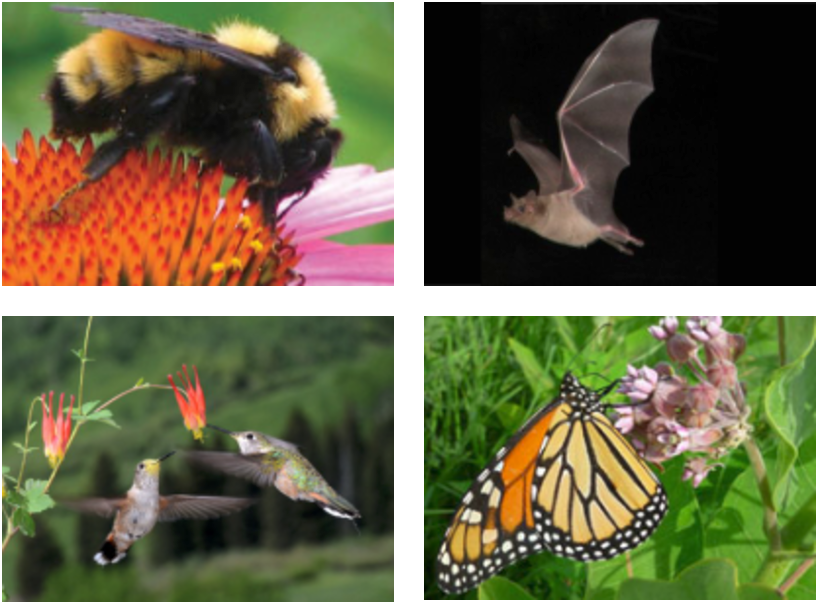 small farming, gardening, micro farming, sustainable agriculture - Flowers and Butterflies [source]In terms of community impact, urban green spaces foster social interaction and community engagement. They serve as venues for community events, educational programs, and recreational activities, thereby strengthening community bonds. As people gather to plant flowers or participate in butterfly watching, these shared experiences can cultivate a sense of ownership and pride within the community.Furthermore, urban green spaces can boost local economies. By attracting visitors, they increase foot traffic to nearby businesses and enhance property values. The presence of well-maintained parks and gardens can make neighborhoods more attractive to potential residents and investors, contributing to a vibrant and sustainable urban economy.From a sustainability perspective, urban green spaces promote sustainable agriculture practices. They encourage the growth of low input high value crops, which can be more profitable and environmentally friendly. Discover how these crops yield 60% more profitability by visiting the Low Input High Value Crops page for more information.Lastly, urban green spaces provide educational opportunities. They serve as living classrooms where people of all ages can learn about horticulture, ecology, and conservation. Schools and community organizations often use these spaces to teach children about the importance of biodiversity and sustainable living practices.In conclusion, urban green spaces are indispensable to modern city life for a multitude of reasons. They support biodiversity, promote health and well-being, mitigate environmental issues, and strengthen communities. As cities continue to expand, the integration of these green havens will be crucial in crafting sustainable and livable urban environments, ensuring that both flowers and butterflies can thrive alongside human populations.## Key Benefits of Implementing urban green spacesIn recent years, the implementation of urban green spaces has gained significant attention, particularly in the context of enhancing biodiversity and supporting pollinators such as butterflies and flowers. These green areas are not just pretty patches of nature amidst concrete jungles; they serve crucial ecological functions. Urban green spaces can transform cityscapes into vibrant ecosystems, providing a refuge for pollinators and offering numerous benefits to urban residents.Firstly, urban green spaces play a vital role in supporting pollinators like butterflies, bees, and other insects. According to the USDA, pollinators are essential for the reproduction of over 80% of flowering plants and contribute significantly to the production of food crops. By integrating diverse plant species, urban green spaces create habitats that support the lifecycle of these vital creatures.Moreover, these spaces help mitigate urban heat island effects by providing shade and releasing moisture into the air. Trees and plants in urban green spaces cool the air through the process of transpiration. This not only enhances the comfort of city dwellers but also saves energy costs associated with air conditioning.### Enhancing Well-being and Community EngagementUrban green spaces also contribute to the physical and mental well-being of residents. Studies have shown that access to nature can reduce stress, improve mood, and enhance overall mental health. By providing a peaceful retreat from the busy city life, these spaces promote relaxation and encourage physical activities such as walking and jogging.
 Some of the many foods that rely on pollinators [source]Additionally, urban green spaces foster community engagement and social interaction. Community gardens, for example, bring people together, creating opportunities for learning, collaboration, and cultural exchange. Such spaces can act as a communal hub where residents can share gardening tips and sustainable practices, reducing common DIY gardening project mistakes that can be costly.Ecologically, urban green spaces contribute to improved air and soil quality. Plants filter pollutants from the air, while green roofs and gardens enhance soil health, as discussed in various research publications. These environmental benefits are crucial for maintaining a sustainable and healthy urban ecosystem.Another significant benefit is the promotion of biodiversity. Urban green spaces can serve as a sanctuary for various plant and animal species, including those that are threatened or endangered. By creating a network of green corridors, cities can facilitate the movement and interaction of wildlife, thereby enhancing ecological resilience.Lastly, these spaces provide educational opportunities for both children and adults. Urban gardens and parks often host workshops and educational programs that teach participants about horticulture, ecology, and sustainability. This knowledge empowers communities to make informed decisions about local environmental issues and practices.In conclusion, the implementation of urban green spaces not only beautifies cityscapes but also offers a multitude of ecological, social, and economic benefits. By fostering biodiversity, improving air quality, and enhancing community well-being, these spaces are invaluable assets to urban environments. As cities continue to grow, integrating green spaces will be crucial in creating sustainable and livable urban areas for future generations.### 🥇 The Top-Rated Urban Green Spaces That Never Disappoint
 #### Urban Green Spaces for Climate Resilience: Designing Sustainable Cities with Nat…14.View on Amazon
 #### Urban Green Spaces and Community Health: Reading Comprehension Passages and Ques…9.View on Amazon
 #### Urban Green Spaces: Public Health and Sustainability in the United States (Sprin…59.View on Amazon
 #### URBAN GREEN SPACES: DISTRICT OF RECIFE AND ITS LANDSCAPESGUIDELINES FOR IMPLEMEN…47.View on AmazonAs an Amazon Associate, we earn from qualifying purchases. Prices and availability subject to change.## Practical Steps to Get Started with urban green spacesUrban green spaces are invaluable assets in our cities, offering a sanctuary for flowers, butterflies, and other pollinators amidst the concrete sprawl. These spaces not only enhance urban aesthetics but also play a crucial role in biodiversity and ecological balance. For anyone interested in integrating the latest techniques in flowers and butterflies within urban green spaces, getting started may seem daunting. However, by following a series of practical steps, you can transform these areas into thriving habitats.Firstly, identifying the right location is key. Look for areas that receive adequate sunlight and are free from heavy foot traffic. Sun-drenched spots are ideal for planting nectar-rich flowers, which are essential for attracting butterflies and other pollinators. According to the Pollinator Partnership, the right plant selection can significantly increase pollinator activity in urban settings.Next, consider the soil quality. Urban areas often have compacted or poor-quality soils, which can be improved through techniques such as mulching and composting. The SARE publication highlights the importance of building healthy soils for successful urban gardens. Using organic matter not only enriches the soil but also supports a healthy plant root system.### Plant Selection and DesignChoosing the right plants is fundamental to creating effective urban green spaces. Opt for native flowers that are adapted to the local climate and are known to attract butterflies. Species like milkweed and coneflower are popular choices. By incorporating a diverse range of plants, you can ensure a continuous supply of nectar throughout the seasons, supporting various pollinator species.
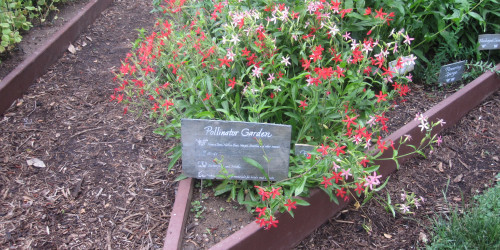 small farming, gardening, micro farming, sustainable agriculture - Flowers and Butterflies [source]When planting, consider the layout and design. An aesthetically pleasing arrangement can encourage community involvement and appreciation. Grouping plants by their blooming periods can create visual interest and provide consistent food sources for pollinators. The City of Raleigh offers resources on urban gardening that can inspire your design.Maintenance is an ongoing task in urban green spaces. Regularly check for invasive species, as they can outcompete native plants and reduce biodiversity. Manual removal and monitoring can prevent these plants from taking over. Additionally, watering during dry spells is essential to keep flowers vibrant and attractive to butterflies.Lastly, educating the community about the benefits of urban green spaces can foster a sense of ownership and stewardship. Hosting workshops or guided tours can raise awareness about the importance of pollinators, as emphasized by the USDA. Engaging people in these activities can lead to more support and funding for your projects.In conclusion, by carefully selecting locations, improving soil quality, choosing appropriate plants, designing thoughtfully, maintaining the space, and engaging the community, you can create vibrant urban green spaces that support flowers and butterflies. These efforts not only enhance urban biodiversity but also contribute to the well-being of the community. For more insights on sustainable practices, consider exploring resources on self-sufficient living.## Common Mistakes to AvoidUrban green spaces have become crucial havens in bustling cities, offering much-needed relief from concrete jungles. These areas are not only aesthetically pleasing but also vital for enhancing biodiversity, particularly when it comes to supporting flowers and butterflies. However, implementing urban green spaces effectively requires careful planning and consideration to avoid common pitfalls. Failing to address these issues can lead to underutilized areas that don’t achieve their full potential for ecological and community benefits.One major mistake in establishing urban green spaces is neglecting the local climate and soil conditions. Urban planners often overlook these critical factors, leading to the selection of inappropriate plant species that struggle to thrive. For example, choosing exotic plants over native species can result in higher maintenance costs and a lack of support for local pollinators. According to the USDA, native plants are essential for sustaining local pollinator populations, such as butterflies, which are crucial for maintaining ecological balance.Additionally, poor infrastructure planning can doom urban green spaces to failure. Without proper pathways, seating, and signage, these areas can become inaccessible or uninviting to the public. Effective designs should include features that encourage community interaction and provide educational opportunities about local flora and fauna. For instance, incorporating information boards about the lifecycle of annuals, as explored in Secret: The Shocking Lifecycle of Annuals Big Gardening Hides, can engage visitors and foster a deeper appreciation for nature.### Importance of Diverse PlantingAnother common oversight is the lack of plant diversity, which can severely limit the ecological benefits of urban green spaces. A monoculture planting approach may seem simpler but fails to support a wide range of butterfly species and other pollinators. According to Pollinator Partnership, diverse plantings are crucial for providing varied food sources and habitats throughout the year. Therefore, urban planners should aim to incorporate a mix of perennials, shrubs, and trees to attract different pollinator species.
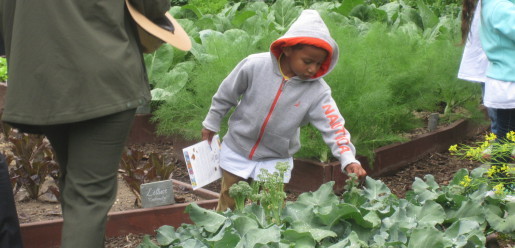 small farming, gardening, micro farming, sustainable agriculture - Flowers and Butterflies [source]Water management is also a critical component often mishandled in urban green space projects. Improper drainage systems can lead to waterlogging, which can damage plants and inhibit butterfly populations. Implementing sustainable practices such as rain gardens or permeable pavements can help manage stormwater effectively, enhancing the resilience of these ecosystems. Insights from the Discovery: Three Rivers Challenge Boosts Harvests by 200%! demonstrate the benefits of efficient water usage in boosting plant growth and health.Moreover, overlooking community involvement can result in urban green spaces that don’t meet the needs or desires of local residents. Engaging the community in the planning process ensures that these spaces are used and cherished. This approach can also provide valuable insights into what features are most desired, leading to higher satisfaction and usage rates. Community gardens, such as those highlighted on Raleigh’s urban garden page, show how local input can transform urban green spaces into vibrant community hubs.Lastly, inadequate maintenance plans can quickly lead to the deterioration of these spaces. Regular upkeep is necessary to manage invasive species, ensure plant health, and maintain aesthetic appeal. A well-thought-out maintenance schedule, possibly involving community volunteers, can keep urban green spaces thriving and sustainable over time.In summary, while urban green spaces hold immense potential for enhancing urban environments and supporting biodiversity, avoiding common implementation mistakes is crucial. By considering local climates, planning diverse plantings, managing water effectively, and involving the community, these spaces can become invaluable assets for cities. Proper maintenance and infrastructure planning further ensure that urban green spaces remain functional and inviting for years to come.### 🏆 The Urban Green Spaces Professionals Won’t Share
 #### Urban spacesCheck PriceView on Amazon
 #### Green Symbols in Urban Green Spaces, Exploring the Environment9.View on Amazon
 #### The Importance of Green Spaces in Urban Areas2.View on Amazon
 #### Oasis Indoors: A Step-by-Step Guide to Crafting Your Own Green Space (Urban Gree…0.View on AmazonAs an Amazon Associate, we earn from qualifying purchases. Prices and availability subject to change.## Real-World Success StoriesUrban green spaces have increasingly become essential components of modern city planning, providing vital havens for both flora and fauna within concrete jungles. These green areas serve not just as aesthetic enhancers but also as crucial ecosystems supporting biodiversity, including flowers and butterflies. By examining real-world success stories, we can glean insights into the effective creation and management of urban green spaces that bolster urban biodiversity.One exemplary case study is the High Line in New York City, a disused railway line transformed into a thriving elevated park. This project has successfully integrated native plant species, creating a habitat conducive to butterflies and other pollinators. The deliberate planting strategy has led to an increase in butterfly populations, showcasing the importance of plant selection in urban green spaces.Similarly, Singapore’s ‘City in a Garden’ initiative has set a global benchmark. This ambitious program involves integrating nature into the urban fabric through numerous gardens and green roofs. Singapore’s Gardens by the Bay, for instance, hosts over 162,900 plants from various regions, promoting pollination and providing a sanctuary for butterflies.In London, the Queen Elizabeth Olympic Park is another shining example of urban green space success. After the Olympics, the area was repurposed into a park promoting biodiversity. Native wildflowers were planted extensively, leading to an increase in local butterfly species. This case underscores the potential of urban green spaces to rejuvenate local ecosystems.
 This service supportsPreservation and Green SpaceOutreach, Education, and Partnerships for Climate Action [source]### Urban Green Spaces: Driving Biodiversity and Community EngagementBesides ecological benefits, urban green spaces like Raleigh’s community gardens engage residents in conservation efforts. These spaces foster community spirit and educate the public on the importance of pollinators. Such initiatives emphasize the role of community in sustaining urban biodiversity.Research by the USDA highlights the crucial role of pollinators, such as butterflies, in agriculture and ecosystem health. Urban green spaces contribute by maintaining pollinator populations, which are essential for the reproduction of many plant species. For more insights on pollination and its impacts, the Pollinator Partnership provides extensive resources.However, some concerns, like those discussed in “Do Butterfly Pollinator Gardens Actually Sabotage Your Flowers?” suggest that improper garden design can inadvertently harm native plant species. Ensuring a balance between attraction and conservation is key to successful urban green spaces.Moreover, the sustainability of these spaces hinges on proper care and management, much like the upkeep required in traditional agriculture. For instance, lessons from “7 Farm Tool Upkeep Mistakes Costing Farmers Millions Annually” can be applied to the maintenance of urban gardens to prevent costly errors.In conclusion, urban green spaces offer a multitude of benefits, from enhancing biodiversity to fostering community involvement. Successful examples worldwide demonstrate the potential of these urban havens to transform cityscapes into vibrant ecosystems. By learning from these case studies and implementing best practices, cities can create sustainable environments that support both nature and urban life.## Future Trends and InnovationsAs urban areas continue to expand, the importance of developing and maintaining urban green spaces has never been more critical. These green havens not only provide aesthetic beauty and recreational areas for city dwellers but also play a vital role in supporting biodiversity, particularly for flowers and butterflies. By examining future trends and innovations, we can better understand how urban green spaces are evolving to meet the challenges of the 21st century.Firstly, the integration of technology in urban green spaces is revolutionizing how we interact with nature. Smart gardens equipped with sensors can monitor soil moisture, sunlight, and even pollinator activity, ensuring optimal growing conditions for flowers. This data can guide urban planners and horticulturists in creating environments that support an abundance of butterflies, crucial pollinators whose populations are in decline. According to the USDA, promoting pollinator health is essential for biodiversity and food security.Moreover, community involvement in urban green spaces is gaining traction. Cities are increasingly encouraging residents to participate in community gardens, which not only enhance local ecosystems but also foster a sense of community and stewardship. A study on urban gardens in Raleigh shows that such initiatives can lead to a remarkable increase in local butterfly populations by providing a variety of nectar-rich flowers.### Innovative Landscaping TechniquesInnovative landscaping techniques are also playing a pivotal role in the future of urban green spaces. Perennial planting, as discussed in this guide, is being embraced for its sustainability and ability to provide continuous blooms that attract and support butterflies year after year. This method reduces the need for replanting and minimizes soil disturbance, promoting healthier ecosystems.
 Daffodil Day at Honeybee Grove Flower Farm [source]Additionally, vertical gardens are becoming more common in densely populated urban areas where space is limited. These living walls not only maximize available space but also contribute to air purification and thermal regulation, creating microhabitats for butterflies and other beneficial insects. The potential for vertical gardens to transform urban landscapes is immense and offers a sustainable solution to greening our cities.Another significant trend is the emphasis on native plants in urban green spaces. Native flora is perfectly adapted to local climates and soils, offering optimal resources for native butterfly species. Encouraging the use of native plants can lead to a more resilient urban ecosystem, as outlined by the Pollinator Partnership.Beyond aesthetics and biodiversity, urban green spaces are increasingly being designed with climate resilience in mind. Techniques such as stormwater management gardens help mitigate flooding and reduce urban heat islands, benefiting both humans and wildlife. The incorporation of native plants and sustainable practices, like those mentioned in the SARE report, are vital for maintaining these spaces.Finally, the role of education cannot be overlooked. Urban green spaces serve as outdoor classrooms, where people of all ages can learn about ecology, sustainability, and the importance of pollinators like butterflies. Public workshops and educational signage are effective tools in raising awareness and fostering a culture of conservation.In conclusion, the future of urban green spaces is bright and full of potential. By embracing technological innovations, community-driven initiatives, and sustainable landscaping practices, cities can create thriving ecosystems that support both human and ecological health. These efforts are crucial for fostering vibrant urban environments where flowers and butterflies can flourish, ensuring a harmonious coexistence between nature and urban life.Looking for products related to this topic?Browse on Amazon## Conclusion: Your Next StepsIn exploring the latest techniques in cultivating flowers and supporting butterfly populations, we uncover vital strategies for enriching urban green spaces. Firstly, integrating native plants into these areas not only beautifies but also sustains local ecosystems, providing essential habitats for butterflies. Secondly, implementing vertical gardens and rooftop plantings maximizes limited urban space, creating vibrant sanctuaries that draw butterflies to the heart of the city. Furthermore, community involvement in these green initiatives fosters environmental stewardship and raises awareness about biodiversity’s crucial role.These innovative methods transform our urban landscapes into flourishing havens for both people and nature. Imagine every park, balcony, and rooftop teeming with life, each flower a beacon for butterflies, each green space a testament to our commitment to the environment. The time to act is now; the future of our cities depends on our willingness to embrace and expand these green innovations.Join the movement to revitalize our urban green spaces. Plant native flowers, support local conservation efforts, and encourage your community to invest in green infrastructure. Together, we can create thriving ecosystems that inspire and sustain future generations. Act today—transform your city into a vibrant tapestry of life and beauty, where flowers and butterflies flourish together.
Our Top Picks
Urban Green Spaces: Improving Environmental and Human Well-Being
Urban Green Spaces: Improving Environmental and Human Well-Being. A practical pick we've seen recommended for this use case — verify the current spec, size, and finish on the merchant page before you order.
Rethinking Urban Green Spaces (Rethinking Urban and Regional Studies series)
Rethinking Urban Green Spaces. A practical pick we've seen recommended for this use case — verify the current spec, size, and finish on the merchant page before you order.
Urban Green Spaces
Urban Green Spaces. A practical pick we've seen recommended for this use case — verify the current spec, size, and finish on the merchant page before you order.
Urban Green Spaces and Environmental Sustainability: Insights from Kolkata Municipal Corporation
Urban Green Spaces and Environmental Sustainability: Insights from Kolkata Munic. A practical pick we've seen recommended for this use case — verify the current spec, size, and finish on the merchant page before you order.
Urban Green Spaces for Climate Resilience: Designing Sustainable Cities with Nature-Based Solutions,
Urban Green Spaces for Climate Resilience: Designing Sustainable Cities with Nat. A practical pick we've seen recommended for this use case — verify the current spec, size, and finish on the merchant page before you order.
Urban Green Spaces and Community Health: Reading Comprehension Passages and Questions Workbook (Grad
Urban Green Spaces and Community Health: Reading Comprehension Passages and Ques. A practical pick we've seen recommended for this use case — verify the current spec, size, and finish on the merchant page before you order.