

This post may contain affiliate links. If you make a purchase through these links, we may earn a small commission at no extra cost to you. Learn more.
Introduction to Latest Techniques in Urban Farming & Container Gardens
Could the future of farming lie not in sprawling fields, but in the heart of our bustling cities? As urban spaces continue to expand and the demand for sustainable food sources grows, innovative solutions like container gardens and hydroponic systems are transforming the way we think about agriculture. These cutting-edge techniques not only maximize limited space but also reduce water usage and eliminate the need for harmful pesticides, offering a greener way to nourish our communities. With the global population on the rise, the urgency to embrace these advancements has never been greater. In this post, we’ll explore the latest trends in urban farming, reveal the secrets behind thriving container gardens, and show you how to implement these systems to yield bountiful harvests right from your own home.
Understanding hydroponic systems: The Fundamentals
Understanding hydroponic systems is essential for anyone looking to delve into the world of urban farming and container gardens. As the demand for sustainable and efficient food production methods grows, hydroponics offers a promising solution. This technique involves growing plants without soil, using nutrient-rich water to deliver essential nutrients directly to the plant roots. By eliminating the need for soil, hydroponic systems can be implemented in diverse urban settings, making them ideal for city dwellers looking to cultivate fresh produce at home.
One fundamental advantage of hydroponic systems is their ability to conserve water. Unlike traditional soil-based gardening, hydroponics recycles water within a closed system, reducing waste. According to Nutritional Security vs. Wasteful Watering: The 8x Crop Boost, hydroponic systems can use up to 90% less water than conventional farming methods. This efficiency makes them particularly attractive in areas facing water scarcity.
Furthermore, hydroponic systems often result in faster plant growth and higher yields. Because nutrients are delivered directly to the roots, plants expend less energy searching for sustenance, allowing them to focus on growth. The USDA highlights that hydroponics can produce crops up to 30% faster than traditional methods. This accelerated growth is advantageous for urban farmers looking to maximize output in limited spaces.
The Diversity of Hydroponic Systems
There are several types of hydroponic systems, each with unique benefits and applications. The Deep Water Culture (DWC) system, for example, suspends plant roots in a nutrient solution, providing constant access to oxygen and nutrients. Another popular method is the Nutrient Film Technique (NFT), which involves a thin film of nutrient solution flowing over the roots, ensuring they remain moist and nourished.

Aeroponics, a subset of hydroponics, maximizes space and efficiency by suspending plant roots in air and misting them with a nutrient solution. This technique, while more complex, is highly effective in urban environments where space is at a premium. The Center for Urban Agriculture & Gardening Education notes that aeroponics can significantly increase crop density, making it a perfect fit for vertical farming setups.
Implementing hydroponic systems in urban settings can also enhance food security and reduce the carbon footprint associated with transporting produce over long distances. By cultivating food locally, urban farmers can offer fresh, high-quality produce to city markets. For those interested in sustainable practices, exploring Innovative Techniques in Biodiversity and Wildlife Management on Farms can provide additional insights into environmentally friendly farming.
Despite their advantages, hydroponic systems do require initial investment and technical knowledge. Beginners might face a learning curve when setting up their first system. However, educational resources, such as podcasts and online courses, can provide valuable guidance. For instance, The Urban Farmer Podcast offers insights into starting and maintaining a successful hydroponic garden.
In conclusion, understanding hydroponic systems is crucial for modern urban farming. With benefits like water conservation, increased yields, and the ability to grow in limited spaces, hydroponics represents a powerful tool in the quest for sustainable food production. Whether you’re a seasoned gardener or a city dweller with a green thumb, exploring hydroponics could be your next step towards a more sustainable lifestyle.
💡 Beginner’s Gold: Hydroponic Systems That Guarantee Success
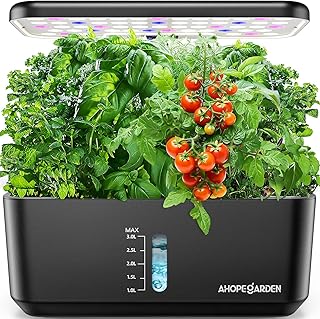
Ahopegarden Indoor Garden Hydroponics Growing System: 10 Pods Plant Germination …
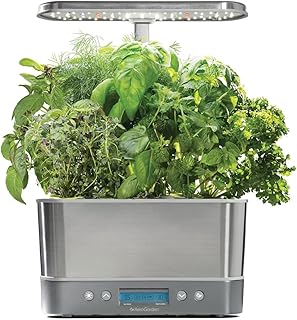
AeroGarden Harvest Elite Indoor Garden Hydroponic System with LED Grow Light and…
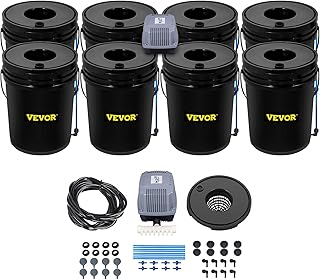
As an Amazon Associate, we earn from qualifying purchases. Prices and availability subject to change.
Why hydroponic systems Matters in Today’s World
In today’s rapidly urbanizing world, hydroponic systems have emerged as a pioneering solution in urban farming and container gardens. These systems, which grow plants without soil, are increasingly relevant due to their efficiency and adaptability in limited spaces. As more cities grapple with food security and sustainability challenges, hydroponic systems offer a viable path towards self-sufficiency and environmental stewardship.
Hydroponic systems are crucial because they allow for high-density planting and faster growth rates compared to traditional soil-based methods. This is particularly beneficial in urban areas where space is at a premium. According to the Center for Urban Agriculture and Gardening Education, hydroponic farming can yield up to ten times more produce per acre than traditional farming methods. This efficiency not only supports local food production but also reduces the carbon footprint associated with transporting food from rural farms to urban centers.
Moreover, hydroponic systems use significantly less water than conventional agriculture. Traditional farming methods can be water-intensive, but hydroponics recirculate water, reducing usage by up to 90%. In cities where water scarcity is a growing concern, this system offers a sustainable alternative that aligns with urban environmental goals. The USDA highlights the role of hydroponics in innovative urban agriculture, showcasing its potential to conserve resources while maintaining productivity.
The Role of Hydroponics in Sustainable Urban Living
Hydroponic systems also contribute to sustainable urban living by minimizing the need for pesticides and fertilizers. Since these systems are typically enclosed, they are less prone to pest infestations, reducing the reliance on harmful chemicals. This not only benefits the environment but also ensures healthier produce for consumers. For those interested in further enhancing urban soil productivity, exploring 5 Shocking Urban Soil Productivity Hacks can offer additional insights.
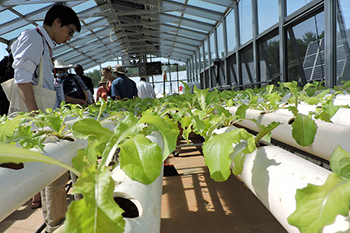
Furthermore, hydroponic systems are adaptable and can be integrated into existing urban infrastructure. Rooftop gardens, vertical farms, and even indoor growing spaces can all accommodate hydroponic setups. This flexibility is vital for cities looking to incorporate green spaces into their urban planning. The Urban Farmer Podcast emphasizes the importance of such innovative techniques in revolutionizing urban landscapes.
However, there are some challenges associated with implementing hydroponic systems. Initial setup costs can be high, and there is a learning curve involved in managing nutrient solutions and maintaining system components. Despite these hurdles, the long-term benefits, such as lower operational costs and increased yields, make it a worthwhile investment for urban farmers.
Incorporating hydroponic systems into urban farming strategies not only addresses food security but also promotes community engagement and education. Community gardens utilizing hydroponics can serve as educational hubs, teaching residents about sustainable practices and the importance of local food production. The Micro Gardener advocates for such community-driven initiatives, highlighting their role in fostering a deeper connection with nature.
In conclusion, hydroponic systems matter in today’s world because they provide a sustainable, efficient, and adaptable solution to urban agricultural challenges. As cities continue to grow, the adoption of hydroponics can lead to more resilient food systems and healthier urban environments. By embracing these techniques, urban areas can move towards a future where local food production is both practical and environmentally friendly.
Key Benefits of Implementing hydroponic systems
Urban farming is transforming how we think about food production, and hydroponic systems are at the forefront of this revolution. As city spaces become more constrained, innovative techniques like hydroponics offer a sustainable and space-efficient solution to grow crops. This method of farming, which involves growing plants without soil, is gaining popularity due to its numerous benefits. Let’s explore why implementing hydroponic systems can be a game-changer for urban agriculture and container gardens.
Firstly, hydroponic systems significantly reduce water usage compared to traditional soil farming. According to research, hydroponic setups use up to 90% less water, making them an ideal choice for areas with limited water resources. The water in these systems is recirculated, ensuring that none is wasted. This efficiency not only conserves water but also reduces the environmental footprint of urban farming.
Moreover, hydroponic systems can increase crop yields. By providing plants with direct access to nutrients, these systems facilitate faster growth and higher productivity. For example, leafy greens can grow up to 50% faster in hydroponic systems than in conventional soil gardens. This rapid growth cycle is particularly beneficial for urban farmers looking to maximize output in limited spaces.
Another advantage is the ability to control the growing environment. Hydroponic systems allow urban farmers to regulate temperature, light, and nutrient levels, creating optimal conditions for plant growth. This control leads to healthier plants and reduces the risk of diseases and pests that often plague outdoor soil-based farming.

The Flexibility and Portability of Hydroponic Systems
Hydroponic systems are highly adaptable, making them suitable for various urban settings. Whether it’s a rooftop, balcony, or basement, these systems can be tailored to fit virtually any space. This flexibility is crucial for urban dwellers who might have limited or unconventional gardening areas. Additionally, hydroponic setups are portable, allowing for easy relocation if needed, which is not the case with traditional gardens.
Furthermore, hydroponic systems can support a diverse range of plants, from herbs and vegetables to ornamental flowers. This diversity provides urban farmers with the opportunity to cater to local markets, potentially boosting their business. In fact, many growers are discovering that catering to local markets can significantly enhance their profitability. For more insights on this topic, check out our article on catering to local markets.
While the initial setup cost of hydroponic systems can be higher than traditional gardens, the long-term savings often outweigh the initial investment. Reduced water and fertilizer usage, along with lower pest control expenses, contribute to these savings. Urban farmers can also explore innovative techniques in biodiversity and wildlife management to enhance their sustainability efforts.
In conclusion, hydroponic systems offer numerous benefits for urban farming and container gardens. They provide a sustainable, efficient, and versatile solution for growing crops in urban environments. By reducing water usage, increasing yields, and offering control over growing conditions, hydroponic systems are paving the way for the future of urban agriculture. Whether you’re a seasoned farmer or a beginner, embracing hydroponics could be the key to unlocking your farming potential.
📊 Data-Proven: The Best Hydroponic Systems Money Can Buy
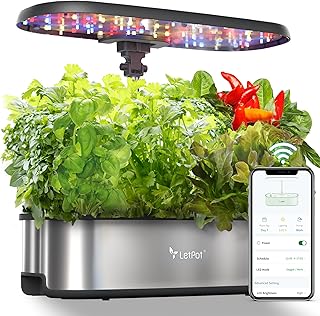
LetPot LPH-SE Hydroponics Growing System, 12 Pods Smart Herb Garden Kit Indoor, …
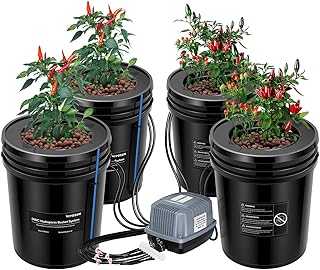
VIVOSUN DWC Hydroponics Grow System with Top Drip Kit, 5-Gallon Deep Water Cultu…

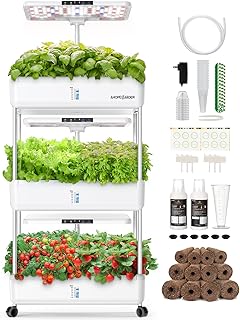
As an Amazon Associate, we earn from qualifying purchases. Prices and availability subject to change.
Practical Steps to Get Started with hydroponic systems
Urban farming is rapidly evolving, with hydroponic systems at the forefront of this transformation. These innovative systems allow plants to grow without soil, using nutrient-rich water solutions instead. As cities become more crowded, the need for efficient, space-saving farming techniques becomes critical. Hydroponics offers a sustainable way to produce fresh produce in urban environments, making it an attractive solution for city dwellers looking to cultivate their own food.
To begin with, understanding the basic components of hydroponic systems is essential. These systems typically consist of a growing tray, a reservoir, a submersible pump, and a delivery system for nutrients. The growing medium, which can be rock wool, clay pellets, or perlite, supports the plant roots. This setup allows for the precise control of nutrients, water, and light, optimizing plant growth and yield. According to the University of the District of Columbia, hydroponics can significantly reduce water usage compared to traditional soil gardening.
Next, choosing the right type of hydroponic system is crucial. There are several systems to consider, including the nutrient film technique (NFT), deep water culture (DWC), and aeroponics. Each system has its own advantages and is suitable for different types of plants. For example, leafy greens thrive in NFT systems, while larger fruiting plants may benefit from DWC systems. It’s important to match your system choice with your urban farming goals and available space.
Once you have selected an appropriate system, sourcing quality nutrients is the next step. Hydroponic plants require a balanced mix of macro and micronutrients to thrive. These nutrients are typically available in liquid or powder form and should be mixed according to specific plant needs. Regularly testing and adjusting the nutrient solution ensures plants receive optimal nutrition, leading to healthier growth and higher yields.
Setting Up Your Hydroponic System
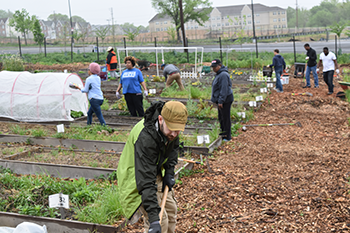
Setting up a hydroponic system involves meticulous planning and execution. Start by selecting a suitable location, preferably indoors or in a controlled environment, to protect plants from the elements. Ensure adequate lighting, either natural or through grow lights, as it is crucial for photosynthesis. Additionally, maintaining optimal temperature and humidity levels will promote robust plant growth. According to SARE, controlled environments can drastically improve plant productivity.
Regular maintenance is vital to the success of hydroponic systems. This includes monitoring pH levels, cleaning equipment, and checking for pests or diseases. Automatic timers and monitoring systems can simplify these tasks, ensuring consistent care. By staying vigilant, you can prevent common issues and ensure a thriving urban garden.
Cost considerations are an important factor when starting with hydroponic systems. Initial setup costs can vary widely based on system size and complexity. However, many urban farmers find that the long-term savings and benefits justify the investment. By producing fresh food locally, you reduce transportation costs and environmental impact, contributing to more sustainable urban living.
For those interested in further exploration, discovering essential products in modern urban farming can provide additional insights and resources. Learning from others’ experiences can accelerate your path to success.
In conclusion, hydroponic systems offer a practical and sustainable approach to urban farming. By understanding the components, choosing the right system, and maintaining it diligently, you can successfully cultivate fresh produce in limited spaces. As more people turn to urban farming, hydroponics will play a crucial role in meeting the demands of city life, offering a viable solution for fresh, local food production.
Common Mistakes to Avoid
Implementing hydroponic systems in urban farming and container gardens can revolutionize how we grow food in limited spaces. These systems allow plants to thrive without soil, using nutrient-rich water to deliver essential minerals directly to plant roots. However, as with any innovative technique, there are common pitfalls to avoid. By understanding these challenges, you can optimize your hydroponic setup for maximum yield and efficiency.
One frequent mistake is inadequate research before setting up a hydroponic system. Many beginners jump in without fully understanding the specific requirements of hydroponics, such as the ideal pH levels and the precise nutrient balance necessary for plant health. Without this knowledge, plants can suffer from nutrient deficiencies or toxicities, leading to poor growth or even plant death. Utilizing resources like educational programs on urban agriculture can provide vital insights into the complexities of hydroponic gardening.
Another misstep is neglecting to monitor and maintain water quality. The cornerstone of hydroponic systems is water, and its quality can significantly affect plant health. Regularly testing for pH, electrical conductivity, and temperature is crucial. Failing to do so can result in an environment where plants cannot absorb nutrients efficiently. Investing in quality monitoring equipment is essential for a thriving hydroponic garden.
Ensuring Proper Lighting and Ventilation
Lighting is another critical factor that is often underestimated. Without sufficient light, plants will not photosynthesize effectively, leading to stunted growth. Hydroponic systems, especially those indoors, may require artificial lighting to supplement natural sunlight. Implementing a lighting schedule that mimics natural daylight can help optimize plant growth. Furthermore, proper ventilation is necessary to prevent mold and algae growth, which can thrive in moist, enclosed environments.
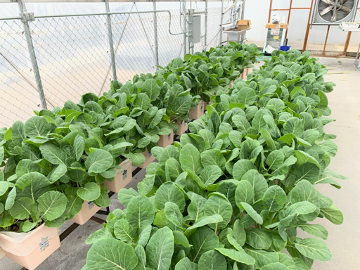
Overcrowding is a common mistake many urban farmers make. In an attempt to maximize space, growers often plant too many plants in a confined area. This can lead to competition for light and nutrients, ultimately stunting growth. It’s crucial to understand the spacing requirements for each plant type and adjust your setup accordingly.
Additionally, neglecting pest management can have detrimental effects on hydroponic systems. Although soil-less systems are less prone to soil-borne pests, they are not immune to other types of infestations. Regular inspections and integrated pest management strategies should be part of your routine. For more tips on maintaining a healthy plant environment, explore strategies for boosting yields with effective root management.
Lastly, failing to plan for scalability can limit the potential of your hydroponic system. Many urban farmers start small but wish to expand as they see success. However, without a scalable design, expansion can become costly and complicated. Planning your system with future growth in mind can save time and resources.
In conclusion, while hydroponic systems offer innovative solutions for urban farming, avoiding common mistakes is key to success. By conducting thorough research, maintaining water quality, ensuring adequate lighting and ventilation, avoiding overcrowding, managing pests, and planning for scalability, you can create a thriving hydroponic garden. These steps not only enhance plant growth but also contribute to sustainable urban agriculture practices. For more insights into sustainable urban gardening, you might find exploring the benefits of urban green infrastructure enlightening.
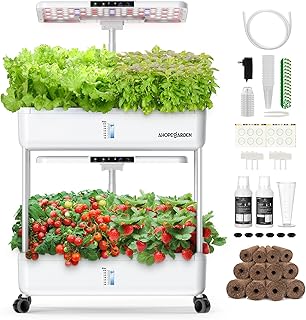
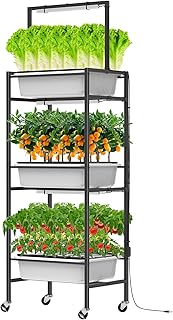
⚡ Pro-Level Hydroponic Systems That Deliver Commercial Results
As an Amazon Associate, we earn from qualifying purchases. Prices and availability subject to change.
Real-World Success Stories
Hydroponic systems have revolutionized urban farming, offering innovative solutions for space-constrained environments. These soil-less growing techniques have not only transformed rooftops and abandoned warehouses into lush gardens but have also sparked interest globally. From enhancing food security to boosting local economies, the real-world success stories of hydroponic systems illustrate their immense potential. By delving into some notable case studies, we can uncover how urban farmers are harnessing these systems to maximize yield and efficiency.
One compelling example of hydroponic systems in action is the case of Gotham Greens in New York City. This urban farm has successfully utilized rooftops to grow a variety of leafy greens and herbs, supplying fresh produce to local markets year-round. The farm’s innovative approach combines hydroponics with renewable energy sources, drastically reducing water usage by up to 90% compared to traditional farming. As a result, Gotham Greens not only reduces its carbon footprint but also provides a sustainable model for urban agriculture.
In Detroit, Michigan, another inspiring story unfolds with the emergence of RecoveryPark. Faced with numerous vacant lots, this initiative uses hydroponic systems to cultivate high-quality vegetables and herbs. RecoveryPark’s mission extends beyond food production; it focuses on creating job opportunities for local residents, particularly those facing barriers to employment. Through partnerships with local restaurants, they ensure a steady demand for their produce, thus fostering a thriving urban farming ecosystem.
Transformative Impact of Hydroponics on Community Development
Internationally, hydroponic systems have made significant strides in countries with limited arable land. In Singapore, Sky Greens operates a vertical farm that maximizes urban space efficiency. Using a unique rotating vertical system, Sky Greens grows fresh vegetables, contributing to the city-state’s food security goals. This method not only optimizes space but also reduces water consumption and energy usage, showcasing the adaptability of hydroponics in diverse environments.
For those interested in smaller-scale applications, the MicroGardener provides valuable insights into integrating hydroponic systems into home gardens. Anne Gibson, the mind behind the blog, shares practical tips on setting up DIY hydroponics, emphasizing that even urban dwellers with limited space can grow their own food. Her advice bridges the gap between large-scale operations and personal gardening, making hydroponics accessible to all.
Common concerns about hydroponic systems often pertain to their initial setup costs and maintenance requirements. However, many urban farming enthusiasts find that the long-term savings and yields outweigh these initial investments. For instance, by utilizing official secure websites, individuals can access detailed guides and resources to optimize their systems effectively.
In conclusion, the success stories of hydroponic systems in urban farming underscore their transformative potential. Whether revitalizing communities, enhancing food security, or promoting sustainable practices, these systems are an invaluable tool for the future of agriculture. As urbanization continues to rise, embracing such innovative techniques will be crucial in addressing the challenges of modern-day food production.
Future Trends and Innovations
As urban spaces continue to evolve, so do the methods we use to cultivate food within them. Today, hydroponic systems represent a significant leap in urban farming and container gardening, promising efficient and sustainable solutions. These innovative systems allow plants to grow without soil, using nutrient-rich water to deliver essential minerals directly to their roots. This method not only conserves water but also maximizes space, making it ideal for urban environments where both resources are often limited.
One exciting trend in hydroponic systems is the integration of technology to enhance plant growth. Smart sensors and automation are becoming more prevalent, allowing growers to monitor and adjust nutrient levels, pH, and lighting conditions with precision. For instance, some systems can send real-time data to a smartphone, enabling farmers to optimize conditions remotely. This level of control can lead to higher yields and healthier plants, proving especially beneficial for urban farmers who might not have the time to manually check each system daily.
Innovations Enhancing Hydroponic Systems
Vertical farming is another groundbreaking trend gaining traction in urban agriculture. By stacking multiple layers of plants, hydroponic systems can multiply the productivity of a single square foot of space. Cities like Singapore and New York have already embraced this approach, creating vertical farms that supply fresh produce to local markets. This not only reduces the carbon footprint associated with transporting food but also ensures that urban populations have access to fresh, locally grown produce.
Moreover, advancements in LED lighting technology are playing a crucial role in the development of hydroponic systems. Modern LEDs can mimic the spectrum of sunlight more accurately than ever before, providing plants with the light they need to photosynthesize efficiently. By optimizing light exposure, these systems can improve plant growth and reduce energy consumption—an important consideration for urban farms aiming for sustainability.
Another innovation gaining momentum is the use of aquaponics, a hybrid system that combines hydroponics with aquaculture. In aquaponic systems, fish waste provides an organic nutrient source for plants, while the plants help purify the water for the fish. This symbiotic relationship creates a closed-loop system that is both efficient and sustainable. Urban farmers who incorporate aquaponics can diversify their produce, offering both vegetables and fish to local markets.
While hydroponic systems offer numerous benefits, potential challenges should not be overlooked. One common concern is the initial setup cost, which can be prohibitive for some urban farmers. However, as technology advances and demand increases, these costs are gradually decreasing. Additionally, resources like the USDA’s urban agriculture grants can provide financial assistance to those looking to implement hydroponic systems.
To further explore the potential of hydroponic systems, urban farmers might consider integrating pollinator-friendly plants into their setups. By doing so, they can support local biodiversity and improve pollination rates, which is essential for certain types of crops. For more insights on creating pollinator-friendly environments, the article Be the Buzz: Planting Your Own Garden with the Newest Pollinator-Friendly Techniques offers valuable advice.
In conclusion, the future of urban farming is bright, with hydroponic systems leading the way in innovation and sustainability. As technology continues to advance, these systems will become even more accessible and efficient, providing urban populations with nutritious, locally grown food. By embracing these trends and innovations, urban farmers can contribute to a more sustainable and food-secure future.
Looking for products related to this topic?
Conclusion: Your Next Steps
Incorporating the latest techniques in urban farming and container gardens is more than a trend—it’s a revolution. We have explored how innovative practices, particularly hydroponic systems, are transforming urban spaces into thriving green oases. These systems, with their soil-free approach, not only maximize space but also eliminate the traditional constraints of climate and season, allowing for year-round cultivation. Furthermore, the efficiency in water usage makes them an eco-friendly solution, crucial in our efforts to combat climate change.
Beyond the tangible benefits, urban farming empowers individuals and communities, fostering self-sufficiency and resilience. As we adopt these methods, we’re not just growing plants; we’re nurturing a sustainable future. By combining technology with nature, urban gardens can flourish even in the most confined spaces, offering fresh produce and a green respite amidst concrete jungles. The potential to transform urban living is immense, and it begins with each of us taking that first step.
Now is the time to act. Whether you’re an aspiring gardener or a seasoned horticulturist, embrace these cutting-edge techniques. Start your hydroponic journey today, and be part of the movement that is redefining urban landscapes. Let’s cultivate a greener tomorrow, one plant at a time. Your actions can inspire change—so dig in and grow your urban paradise now!
From Our Network
GreenChoice Affiliates — Eco-friendly product reviews for sustainable living
FarmsFlo — Free farm management app for planting schedules, harvests, and operations
BoingyBooks — Publish and discover ebooks, interactive read-alongs, and audiobooks
Leave a Reply
You must be logged in to post a comment.