Sustainable Farming Practices That Actually Work (and 3 That Don't)
Discover how certain "sustainable farming practices" may harm the environment and learn better alternatives to truly protect our planet.

This post may contain affiliate links. If you make a purchase through these links, we may earn a small commission at no extra cost to you. Learn more.🎙️ Listen to Grant & Fiona Discuss This Article## Introduction to Implementing Sustainable Farming PracticesCan we feed the world without depleting its precious resources? As climate change accelerates and global populations soar, the question of how we cultivate our food has never been more pressing. Sustainable farming practices offer a beacon of hope, promising to not only nourish our growing population but also to nurture the planet that sustains us. By embracing techniques that enhance soil health, conserve water, and reduce carbon footprints, farmers can transform their fields into models of eco-friendly productivity. The urgency is clear: adopting these practices could mean the difference between abundance and scarcity in the years to come. In this post, we’ll explore the transformative power of sustainable farming, uncover practical methods for implementation, and reveal how these approaches can yield both environmental and economic benefits for farmers worldwide.## Understanding sustainable farming practices: The FundamentalsIn the realm of modern agriculture, understanding sustainable farming practices is essential for ensuring long-term food security and environmental health. Sustainable farming practices aim to strike a balance between the need for food production and the preservation of the ecological systems that sustain life on our planet. This approach is not just about growing crops; it’s about nurturing the land, conserving resources, and promoting biodiversity. By adopting sustainable methods, farmers can improve soil health, reduce waste, and contribute positively to their communities.One fundamental aspect of sustainable farming is soil management. Healthy soil is the cornerstone of productive agriculture, and practices such as crop rotation, cover cropping, and reduced tillage help maintain soil structure and fertility. For instance, rotating crops prevents nutrient depletion and reduces pest infestations, which in turn minimizes the need for chemical fertilizers and pesticides. According to Shapiro Environmental, these practices not only sustain the soil but also enhance crop yields over time.Water conservation is another critical focus. Innovative irrigation techniques, such as drip irrigation, can significantly reduce water usage compared to traditional methods. These techniques ensure that water is delivered directly to the plant roots, minimizing evaporation and runoff. The Nestlé Regenerative Agriculture initiative highlights how precise water management can lead to more resilient farming systems, especially in regions prone to drought.### The Role of Biodiversity in Sustainable Farming PracticesBiodiversity plays a vital role in sustainable farming by promoting ecosystem stability and resilience. Integrating a variety of plant species in farming systems can attract beneficial insects and improve pollination, while also enhancing soil health. For example, planting hedgerows and wildflower strips can provide habitats for pollinators and natural pest predators. As noted in a study from ScienceDirect, biodiversity-rich farms are often more resilient to adverse weather events and pest outbreaks.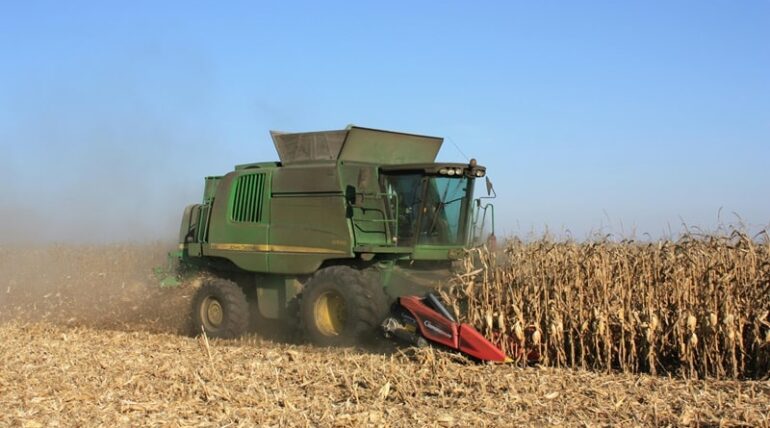 sustainable farming [source]Another fundamental practice involves reducing food waste. Sustainable farming emphasizes the importance of utilizing every part of the crop and finding alternative uses for by-products. Composting organic waste is a popular method, returning valuable nutrients to the soil and reducing the need for synthetic fertilizers. The Common Ground Kauai initiative demonstrates how communities can transform waste into a resource, thus closing the loop in the agricultural cycle.Economic viability is also a key component of sustainable farming. Farmers must find ways to remain profitable while adhering to sustainable practices. This can include diversifying crops, accessing new markets, or participating in certification programs like ISO 14001, which promotes environmentally responsible farming practices. For more insights into these certifications, check out ISO 14001 Certification: Revolutionizing the Art of Growing Edible Flowers.Community involvement and education are crucial in driving the adoption of sustainable farming practices. Farmers can benefit from sharing knowledge and resources, as well as participating in cooperative initiatives. These efforts not only improve individual farm sustainability but also strengthen local food systems. Engaging with consumers through farm-to-table movements can also raise awareness and support for sustainable agriculture.In conclusion, sustainable farming practices are a multifaceted approach to agriculture that prioritizes environmental health, economic viability, and social equity. By focusing on soil health, water conservation, biodiversity, waste reduction, economic strategies, and community involvement, farmers can create more resilient and productive systems. Embracing these practices not only benefits the environment but also ensures a sustainable food supply for future generations.### 🌱 Essential Sustainable Farming Practices Every Beginner Needs (But Nobody Tells You)
 #### The Backyard Homestead: Produce all the food you need on just a quarter acre!⭐⭐⭐⭐✨ (4,845 reviews)7.View on Amazon
 #### Start Your Farm: The Authoritative Guide to Becoming a Sustainable 21st-Century …⭐⭐⭐⭐✨ (503 reviews)16.View on Amazon
 #### COMPLETE GUIDE TO PIG FARMING: Sustainable Practices, Profit Maximization, And E…⭐⭐⭐⭐⭐ (1 reviews)0.View on Amazon
 #### Sustainable Farming Practices: A Guide to Organic and Regenerative Agriculture (…0.View on AmazonAs an Amazon Associate, we earn from qualifying purchases. Prices and availability subject to change.## Why sustainable farming practices Matters in Today’s WorldIn today’s ever-changing world, the adoption of sustainable farming practices is not just a choice but a necessity. As the global population continues to rise, the pressure on agriculture to produce more food without further damaging the environment has become increasingly critical. Sustainable farming practices offer solutions that not only enhance productivity but also conserve natural resources, ensuring that the land remains fertile and productive for future generations.Firstly, sustainable farming practices contribute significantly to soil health. By employing techniques such as crop rotation and cover cropping, farmers can enhance soil structure and fertility while minimizing erosion. According to a study published in ScienceDirect, these methods increase organic matter in the soil, improving its ability to retain water and nutrients. This not only leads to healthier crops but also reduces the need for chemical fertilizers, which can have detrimental effects on the environment.Water conservation is another critical aspect of sustainable farming. With climate change leading to more unpredictable weather patterns, efficient water use is essential. Techniques such as drip irrigation and rainwater harvesting allow for precise water management, reducing waste and ensuring that crops receive the optimal amount of water. These methods are particularly beneficial in arid regions, where water scarcity is a major concern.Moreover, sustainable farming practices play a vital role in reducing greenhouse gas emissions. By integrating livestock and crop production, farmers can create closed-loop systems where animal waste is used as a natural fertilizer. This approach not only reduces methane emissions from livestock but also decreases reliance on synthetic fertilizers, which are significant sources of nitrous oxide, a potent greenhouse gas.
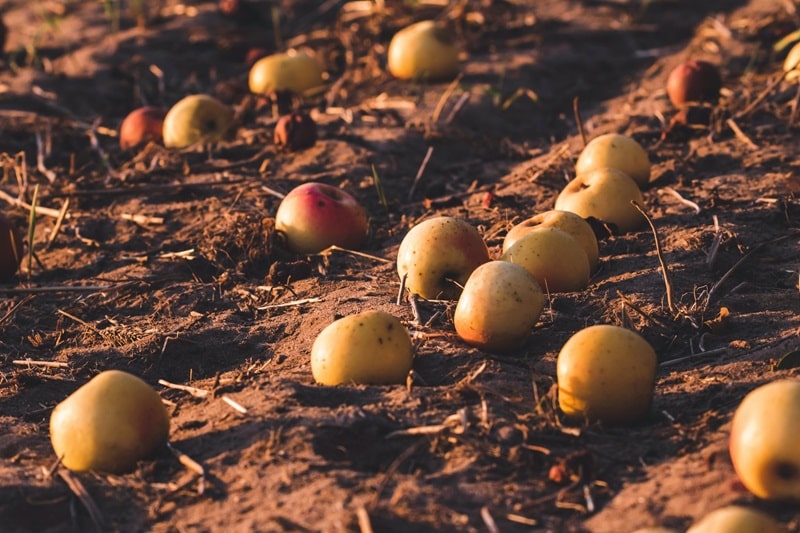 eco friendly farming [source]### The Economic and Social Benefits of Sustainable FarmingEconomically, sustainable farming practices can enhance farm profitability. By reducing dependency on expensive inputs like chemical fertilizers and pesticides, farmers can lower their operational costs. Additionally, practices such as organic farming often attract premium prices in the market, increasing the farmers’ income. For example, the Appalachian Mountain Club has demonstrated how organic fertilization techniques can revolutionize soil care, leading to increased yields and profits.Socially, sustainable farming fosters community resilience. By promoting local food systems and reducing dependency on external inputs, communities can become more self-sufficient. This not only enhances food security but also strengthens local economies by keeping food production and consumption within the community.Furthermore, these practices encourage biodiversity. Integrating diverse crop species and maintaining natural habitats within farms can create ecosystems that support a wide range of flora and fauna. This biodiversity acts as a natural pest control, reducing the need for chemical pesticides and promoting a balanced ecosystem.Finally, consumer awareness and demand for sustainably produced food are on the rise. Consumers are becoming more conscious of the environmental impact of their food choices and are increasingly seeking products that align with their values. This trend is pushing more farmers to adopt sustainable practices, creating a positive feedback loop that benefits both producers and consumers.In conclusion, sustainable farming practices are essential in addressing the environmental, economic, and social challenges of our time. By enhancing soil health, conserving water, reducing emissions, and promoting biodiversity, these practices offer a holistic approach to agriculture that benefits both people and the planet. As we continue to face the impacts of climate change and growing global food demand, embracing sustainable farming is not just advantageous but crucial for a sustainable future.## Key Benefits of Implementing sustainable farming practicesImplementing sustainable farming practices is a critical step towards maintaining a healthy ecosystem and ensuring long-term agricultural productivity. These practices not only benefit the environment but also enhance the economic and social aspects of farming. By focusing on sustainability, farmers can reduce their reliance on harmful chemicals, improve soil health, and increase biodiversity. But what are the specific benefits of adopting these methods, and how can they affect the future of agriculture?Firstly, sustainable farming practices significantly improve soil health, which is the foundation of any successful agricultural system. Techniques such as crop rotation, cover cropping, and composting enhance soil fertility and structure. According to a study published in ScienceDirect, these practices can increase organic matter in the soil, enhancing its water retention capacity and reducing erosion. This not only leads to healthier crops but also decreases the need for chemical fertilizers.Moreover, sustainable farming contributes to increased biodiversity, which is crucial for ecosystem resilience. By diversifying crops and planting native species, farmers can create habitats for beneficial insects and wildlife. This natural pest control reduces the need for pesticides, promoting a balanced ecosystem. A report by Shapiro highlights that farms practicing biodiversity can experience fewer pest outbreaks and improved pollination services.
 earth friendly farming [source]### Economic and Social Advantages of Sustainable FarmingEconomically, sustainable farming practices can lead to increased profitability over time. Although the initial transition may require investment, the reduction in inputs such as water, fertilizers, and pesticides can lower operational costs. Additionally, sustainable products often command higher market prices due to growing consumer demand for environmentally friendly goods. The article from Nestlé emphasizes that regenerative agriculture can boost farmer incomes while supporting environmental health.On a social level, sustainable farming practices can strengthen community ties and improve food security. By focusing on local resources and knowledge, farmers can create resilient food systems that support local economies. This approach not only empowers communities but also reduces dependency on external inputs and volatile markets. For more insights on how sustainable practices can revolutionize farming, consider exploring our online learning platform.Addressing common concerns, many farmers wonder whether sustainable practices can meet the demands of large-scale food production. The answer is a resounding yes. According to Common Ground Kauai, implementing these practices can lead to more efficient water use and higher yields, countering the misconception that sustainability means reduced productivity. For example, the shift towards smart irrigation systems can enhance nutritional security without wasteful watering, as discussed in this article.In conclusion, the benefits of implementing sustainable farming practices are multifaceted, encompassing environmental, economic, and social dimensions. By improving soil health, increasing biodiversity, and fostering economic resilience, these practices pave the way for a sustainable future in agriculture. As more farmers adopt these methods, the cumulative impact on the planet and communities is profound and promising. Embracing sustainable farming is not just a choice—it is a necessity for ensuring the longevity and health of our global food systems.### ⭐ Highest-Rated Sustainable Farming Practices According to 10,000+ Reviews
 #### The Carbon Farming Solution: A Global Toolkit of Perennial Crops and Regenerativ…⭐⭐⭐⭐✨ (84 reviews)50.View on Amazon
 #### Organic Farming and Livestock: Principles and Practices for Sustainable Agricult…0.View on Amazon
 #### FISH FARMING (AQUACULTURE) FOR BEGINNERS: A Comprehensive Guide to Sustainable P…8.View on Amazon
 #### Carbon Farming: Sequestering Carbon through Sustainable Crop Practices (Green Fi…0.View on AmazonAs an Amazon Associate, we earn from qualifying purchases. Prices and availability subject to change.## Practical Steps to Get Started with sustainable farming practicesImplementing sustainable farming practices can seem like a daunting task, but taking practical steps can ease the transition and yield significant benefits. Sustainable farming practices aim to create a balance between agricultural production and environmental health, ensuring the long-term viability of both. As more farmers recognize the importance of these practices, understanding the initial steps becomes crucial.Firstly, assessing your current farming practices is essential. Evaluate the inputs and outputs of your farm, including water usage, soil health, and crop yield. This initial assessment will help identify the areas where sustainable changes can be most effective. For instance, if water usage is high, exploring innovative water conservation techniques can be a beneficial first step. Embracing a Sustainable Lifestyle offers insights into water conservation methods that could be integrated into your farming practice.Next, consider soil health improvement. Healthy soil is the cornerstone of sustainable farming. Implementing crop rotation and cover cropping can enhance soil fertility and reduce erosion. According to a study in ScienceDirect, crop rotation can increase yield by up to 25% compared to monocropping, demonstrating its effectiveness in sustainable agriculture (Source: ScienceDirect).### Adopt Integrated Pest Management (IPM)Integrated Pest Management (IPM) is another vital component of sustainable farming practices. IPM focuses on using biological controls and habitat manipulation to manage pest populations. By reducing reliance on chemical pesticides, farmers can protect beneficial insect populations and maintain ecological balance. This approach is also less harmful to pollinators, addressing concerns about urban agriculture’s impact on butterflies (Source: Gardens and Urban Agriculture).
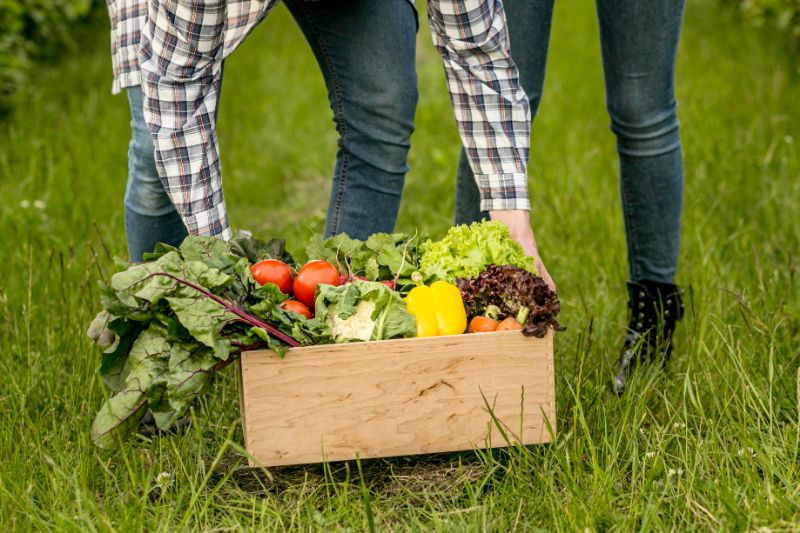 earth friendly organic farm [source]Transitioning to sustainable farming practices also involves waste management. Reducing food waste on farms not only conserves resources but also decreases greenhouse gas emissions. Shapiro’s research highlights that composting organic waste and recycling materials can significantly reduce a farm’s carbon footprint (Source: Shapiro Environmental).Additionally, consider adopting regenerative agriculture techniques. These practices focus on restoring and enhancing the farm ecosystem. Implementing techniques such as agroforestry or managed grazing can increase biodiversity and improve carbon sequestration. Nestlé’s commitment to regenerative agriculture provides a model for how large-scale operations can integrate these practices effectively (Source: Nestlé).Finally, staying informed and connected with the sustainable farming community is crucial. Attending workshops, joining forums, and reading up-to-date research can provide valuable insights and support. Resources like Common Ground Kauai offer educational opportunities and community connections for those interested in regenerative farming (Source: Common Ground Kauai).In conclusion, starting with sustainable farming practices requires a thoughtful approach, beginning with assessing current methods and gradually implementing changes. By enhancing soil health, adopting IPM, managing waste effectively, and exploring regenerative techniques, farmers can contribute to a more sustainable future. These steps not only benefit the environment but also improve farm productivity and resilience.## Common Mistakes to AvoidImplementing sustainable farming practices is a crucial step toward creating a more environmentally friendly and economically viable agricultural system. However, many farmers encounter hurdles when trying to integrate these practices effectively. Understanding and avoiding common mistakes can be pivotal in ensuring the success of sustainable farming initiatives.One frequent mistake is the failure to tailor sustainable farming practices to the specific local environment. Every region has unique soil types, climate conditions, and ecosystems that can significantly influence the effectiveness of certain practices. For example, microirrigation techniques, which can be extremely beneficial in arid regions, might not be suitable in areas with high rainfall. By conducting thorough research and consulting local experts, farmers can customize their strategies to suit their environment, thus optimizing their outcomes.Another common error is underestimating the importance of crop diversity. Monocultures may seem simpler to manage, but they can lead to soil degradation and increased vulnerability to pests and diseases. Incorporating a variety of crops can improve soil health and resilience. According to Nestlé’s regenerative agriculture initiatives, diverse crop rotations are pivotal in maintaining soil fertility and reducing the need for chemical inputs.Moreover, inadequate planning for resource management often hampers the success of sustainable farming practices. Sustainability involves careful management of resources such as water, nutrients, and energy. For instance, using the right microirrigation techniques not only conserves water but can also enhance yields, as highlighted by several studies. Farmers should create comprehensive resource management plans that consider current and future needs.
 Food waste and climate change. [source]### Ignoring Technological AdvancementsMany farmers overlook the potential of technological innovations in sustainable farming. Advanced technologies such as precision agriculture tools can significantly enhance efficiency and sustainability. For example, drones and satellite imagery can provide detailed data on crop health and soil conditions, enabling more precise interventions. Embracing such technologies can lead to better decision-making and resource allocation.Additionally, poor waste management is a widespread issue. Food waste can be an untapped resource if managed correctly. As indicated by Shapiro Enterprises, integrating composting systems can turn waste into valuable nutrients for the soil, reducing the need for synthetic fertilizers.Another pitfall is the lack of community engagement. Sustainable farming is not only about individual practices but also about community-wide efforts. Farmers should engage with local communities and stakeholders to share knowledge, resources, and support. This collaboration can amplify the impact of sustainable practices and foster a more cohesive approach to agriculture.Lastly, some farmers neglect the ongoing education and training necessary for implementing sustainable farming practices effectively. Agricultural methods and technologies are continually evolving. Participating in workshops, attending seminars, and staying updated with the latest homesteading techniques can equip farmers with new skills and insights, keeping their practices relevant and effective.In conclusion, while the journey toward sustainable farming practices presents numerous challenges, avoiding these common mistakes can lead to more successful and rewarding outcomes. By tailoring practices to local conditions, embracing diversity, managing resources wisely, leveraging technology, and engaging with the community, farmers can significantly enhance their sustainability efforts. Continuous learning and adaptation remain key to thriving in the ever-evolving landscape of agriculture.### 💎 Premium Sustainable Farming Practices Worth Every Penny
 #### Crop Rotation and Cover Cropping: Soil Resiliency and Health on the Organic Farm…⭐⭐⭐⭐✨ (34 reviews)18.View on Amazon
 #### PASTURE-RAISED PIG FARMING GUIDE: From Planning And Health Care To Sustainable P…⭐⭐⭐⭐☆ (2 reviews)10.View on Amazon
 #### Livestock Behavior: Understanding Animal Needs for Better Farming Practices (Sus…0.View on Amazon
 #### THE BUSINESS SUCCESS GUIDE TO SHEEP FARMING: Sustainable Practices, Breeding, He…9.View on AmazonAs an Amazon Associate, we earn from qualifying purchases. Prices and availability subject to change.## Real-World Success StoriesImplementing sustainable farming practices is not just a trend; it’s a necessity for the future of agriculture. Across the globe, farms and communities are successfully adopting practices that not only protect the environment but also enhance productivity and profitability. These real-world success stories and case studies offer valuable insights into how sustainable farming practices can be effectively integrated into various agricultural systems.In India, the Zero Budget Natural Farming (ZBNF) approach has transformed the lives of countless farmers. By eliminating chemical fertilizers and relying on natural inputs, ZBNF has reduced costs significantly while improving soil health. According to a recent study, farmers practicing ZBNF have reported increased yields and better resilience to climate change. This method demonstrates that sustainable farming practices can be both eco-friendly and economically viable.Similarly, the Appalachian Mountain Club has pioneered techniques in organic fertilization that are revolutionizing soil care. By utilizing composting and crop rotation, the club has enhanced soil fertility and biodiversity. These practices not only sequester carbon but also improve water retention, which is crucial in the face of unpredictable weather patterns (source).### Global Success Stories in Sustainable FarmingOn the Hawaiian island of Kauai, regenerative farming has taken root as a powerful model of sustainability. Common Ground Kauai focuses on building healthy ecosystems by employing agroforestry and polyculture techniques. These methods mimic natural systems, leading to higher productivity and reduced pest issues (source). This case study illustrates how integrating traditional knowledge with modern techniques can yield impressive results.
 A Group Experiencing a Common Ground Farm Tour [source]In Europe, Nestlé has committed to regenerative agriculture to improve soil health and biodiversity. By working with farmers to implement crop diversification and cover cropping, they aim to reduce greenhouse gas emissions and enhance ecosystem health (source). Such corporate initiatives highlight the potential for large-scale impact through sustainable farming practices.Additionally, addressing food waste is a crucial aspect of sustainable farming. According to Shapiro’s insights, reducing food waste through better farm management practices not only conserves resources but also improves farm profitability. By composting organic waste and optimizing harvest schedules, farms can significantly reduce their environmental footprint.However, sustainable farming practices are not without challenges. Farmers often face initial hurdles such as lack of knowledge, financial constraints, and market access. Overcoming these barriers requires targeted education programs and supportive policies. For instance, government subsidies and training initiatives can play a crucial role in facilitating the transition to sustainable methods.In conclusion, the successful implementation of sustainable farming practices across various regions underscores their viability and benefits. By learning from these real-world examples, farmers can adopt strategies that meet their unique needs while contributing to global environmental goals. As more case studies and success stories emerge, they will continue to inspire and inform the broader agricultural community.## Future Trends and InnovationsAs global awareness of environmental issues grows, the demand for sustainable farming practices becomes more crucial than ever. These practices aim to meet the needs of the present without compromising future generations’ ability to do the same. But what does the future hold for sustainable farming? Innovative trends are emerging that promise to revolutionize the way we approach agriculture, making it more efficient and environmentally friendly.One of the most promising trends in sustainable farming practices is precision agriculture. This technology-driven approach uses data analytics, GPS, and remote sensing to optimize the use of resources like water and fertilizers. For example, precision agriculture can reduce water usage by up to 50% while increasing crop yields by 10-15% (ScienceDirect). This not only conserves resources but also enhances the overall efficiency of farming operations.Another exciting development is the rise of regenerative agriculture. Unlike conventional farming, regenerative agriculture focuses on restoring soil health and biodiversity. Techniques such as cover cropping and rotational grazing help sequester carbon and improve soil fertility, leading to more resilient farming systems. Nestlé, for instance, has committed to implementing regenerative practices across its supply chain to combat climate change.Vertical farming is also gaining traction as a sustainable solution, especially in urban areas. By growing crops in stacked layers within controlled environments, vertical farming minimizes land use and water consumption. This method can produce food year-round and reduces the need for transportation, significantly lowering the carbon footprint associated with traditional farming.### Embracing Technology and Natural MethodsBiotechnology and natural pest management are shaping the future of sustainable farming practices. The use of genetically modified crops that require fewer pesticides and fertilizers is becoming more widespread. Simultaneously, natural pest control methods, such as introducing beneficial insects, are proving effective. This dual approach can enhance productivity while minimizing harm to the ecosystem. For more insights on natural methods, consider exploring the Highly Targeted Chemicals vs. Natural Methods.Food waste reduction is another critical area of focus. By adopting strategies such as composting and improved storage techniques, farmers can minimize waste and enhance soil quality. According to Shapiro, reducing food waste can significantly cut down greenhouse gas emissions, making it a vital component of sustainable farming.Lastly, the integration of blockchain technology is set to revolutionize supply chain transparency. By providing a secure and tamper-proof way to track food from farm to table, blockchain ensures that sustainable practices are maintained throughout the production process. This transparency builds consumer trust and encourages more farmers to adopt sustainable methods.In conclusion, the future of sustainable farming practices is bright, filled with technological innovations and natural solutions that promise to transform agriculture. From precision agriculture and regenerative methods to blockchain and biotechnology, these trends offer actionable solutions to some of the industry’s most pressing challenges. By staying informed and open to new ideas, farmers can not only enhance their productivity but also contribute to a more sustainable and resilient food system. For further exploration of how individual actions can make an impact, visit Revolutionizing Your Actions.Looking for products related to this topic?Browse on Amazon## Conclusion: Your Next StepsIncorporating sustainable farming practices is not just an option; it is a necessity for the future of our planet. By embracing crop rotation, cover cropping, and integrated pest management, we can significantly reduce the environmental impact of agriculture. These methods not only enhance soil health and reduce dependency on chemical inputs but also increase biodiversity, creating a more resilient ecosystem.Moreover, adopting techniques such as agroforestry and organic farming can lead to higher yields in the long term, ensuring food security for generations to come. Farmers who prioritize sustainability are better positioned to adapt to climate change, safeguard natural resources, and support their communities economically and socially.The time to act is now. As stewards of the earth, we must champion these sustainable farming practices and advocate for policies that support their widespread adoption. Let us commit to reshaping the agricultural landscape for the better. Every action counts, and together, we can cultivate a greener, more sustainable future. Take the first step today, and inspire others to follow in your footsteps. The urgency cannot be overstated—our planet’s health, and our own, depends on it.
Our Top Picks
The Backyard Homestead: Produce all the food you need on just a quarter acre!
The Backyard Homestead: Produce all the food you need on just a quarter acre!. A practical pick we've seen recommended for this use case — verify the current spec, size, and finish on the merchant page before you order.
Start Your Farm: The Authoritative Guide to Becoming a Sustainable 21st-Century Farmer
Start Your Farm: The Authoritative Guide to Becoming a Sustainable 21st-Century. A practical pick we've seen recommended for this use case — verify the current spec, size, and finish on the merchant page before you order.
COMPLETE GUIDE TO PIG FARMING: Sustainable Practices, Profit Maximization, And Effective Health Mana
COMPLETE GUIDE TO PIG FARMING: Sustainable Practices. A practical pick we've seen recommended for this use case — verify the current spec, size, and finish on the merchant page before you order.
Sustainable Farming Practices: A Guide to Organic and Regenerative Agriculture (Green Fields: Advanc
Sustainable Farming Practices: A Guide to Organic and Regenerative Agriculture. A practical pick we've seen recommended for this use case — verify the current spec, size, and finish on the merchant page before you order.
The Carbon Farming Solution: A Global Toolkit of Perennial Crops and Regenerative Agriculture Practi
The Carbon Farming Solution: A Global Toolkit of Perennial Crops and Regenerativ. A practical pick we've seen recommended for this use case — verify the current spec, size, and finish on the merchant page before you order.
Organic Farming and Livestock: Principles and Practices for Sustainable Agriculture (Sustainable Liv
Organic Farming and Livestock: Principles and Practices for Sustainable Agricult. A practical pick we've seen recommended for this use case — verify the current spec, size, and finish on the merchant page before you order.