Perennials vs. Annuals: Honest Growth Insights (2026)
Discover the 5x growth secret of perennials in landscapes vs annuals. Uncover how perennials transform your garden and boost its beauty year after year!
This post may contain affiliate links. If you make a purchase through these links, we may earn a small commission at no extra cost to you. Learn more.## Introduction to Choosing Between Perennial and Annual PlantingHave you ever wondered what your garden could achieve if it didn’t require constant replanting each year? Perennials in landscapes offer a timeless solution to this dilemma, providing beauty and structure that returns season after season without the need for annual replanting. On the other hand, annuals can inject bold and vibrant colors into your garden, offering a fresh canvas every year. Choosing between perennial and annual planting isn’t just about aesthetics—it’s about crafting a garden that aligns with your lifestyle and vision. The right choice can save you time and money, while also creating a sustainable and thriving ecosystem in your backyard. In this post, we’ll explore the unique benefits of each option, help you decide which is best suited for your needs, and guide you to make the most out of your gardening endeavors.## Understanding Perennials in landscapes: The FundamentalsWhen designing vibrant and enduring gardens, understanding the role of perennials in landscapes is essential. Perennials, unlike annuals that complete their life cycle in one season, return year after year, offering reliable beauty and structure in garden spaces. This characteristic makes them a popular choice for gardeners seeking sustainability and long-term planning. But what exactly makes perennials so beneficial, and how can they be effectively integrated into your landscape?Perennials are plants that live for more than two years, cycling through seasons of dormancy and growth. They are the backbone of many gardens because they provide a consistent presence and reduce the need for frequent replanting. This not only saves time but also minimizes the cost of annual replacements. According to the Mississippi State Extension, perennials can be strategically used to maintain garden aesthetics throughout the year, as they offer a rich tapestry of textures and colors. Yellow, pink, and red snaptastic snapdragons. [source]Moreover, the vast variety of perennials available allows gardeners to tailor their plant selections to specific climates and soil conditions. From sun-loving varieties like coneflowers to shade-tolerant hostas, there is a perennial perfect for almost every garden setting. The Oregon State Extension highlights the adaptability of perennials, making them a versatile choice for diverse landscapes.### The Impact of Perennials on EcosystemsIncorporating perennials in landscapes also has significant ecological benefits. Perennials often have deeper root systems compared to annuals, which can improve soil health by enhancing soil structure and increasing nutrient retention. This trait is especially beneficial for creating sustainable and low-maintenance gardens. For those looking to master this art, consider exploring effective companion planting strategies to further enhance your landscape’s sustainability.
 Butterfly landing on luscious royale red zone latana [source]Another advantage of using perennials is their role in supporting local wildlife. Many perennials provide nectar and habitat for pollinators such as butterflies and bees, crucial for maintaining biodiversity. A recent study underscores the surprising role everyday items, like a reusable water bottle, can play in revolutionizing pollination practices by supporting such ecosystems.However, one common concern with perennials is their initial establishment phase. They often require a few seasons to reach maturity and bloom to their full potential. During this period, it’s important to practice patience and provide proper care, such as regular watering and mulching, to ensure healthy growth. Once established, many perennials demand less maintenance than annuals, making them a practical choice for busy gardeners.In terms of planning, perennials can be integrated into existing garden designs through thoughtful crop rotation and succession planting. This technique not only maximizes space usage but also ensures continuous blooms throughout the growing season. According to Sierra Flower Farm, rotating crops and utilizing perennials can prevent soil depletion and reduce pest buildup, contributing to a healthier garden ecosystem.In conclusion, the inclusion of perennials in landscapes offers numerous advantages, from aesthetic appeal and biodiversity support to sustainability and economic savings. By understanding their growth cycles, ecological roles, and maintenance requirements, gardeners can effectively harness the power of perennials to create lush, enduring landscapes that flourish year after year.## Why Perennials in landscapes Matters in Today’s WorldIn an era where sustainability and environmental responsibility are more critical than ever, incorporating perennials in landscapes has become a significant consideration. Perennials, with their ability to return year after year, offer a host of benefits that make them a wise choice for today’s conscious gardener. Whether it’s the promise of reduced maintenance or the enhancement of biodiversity, perennials have a lot to offer, making them essential to modern landscape planning.One of the most compelling reasons to include perennials in landscapes is their contribution to sustainability. Unlike annuals, which require replanting each year, perennials can thrive for multiple seasons, reducing the need for resources and labor. According to the Mississippi State University Extension, this characteristic not only saves time but also minimizes the carbon footprint associated with frequent planting and cultivation.
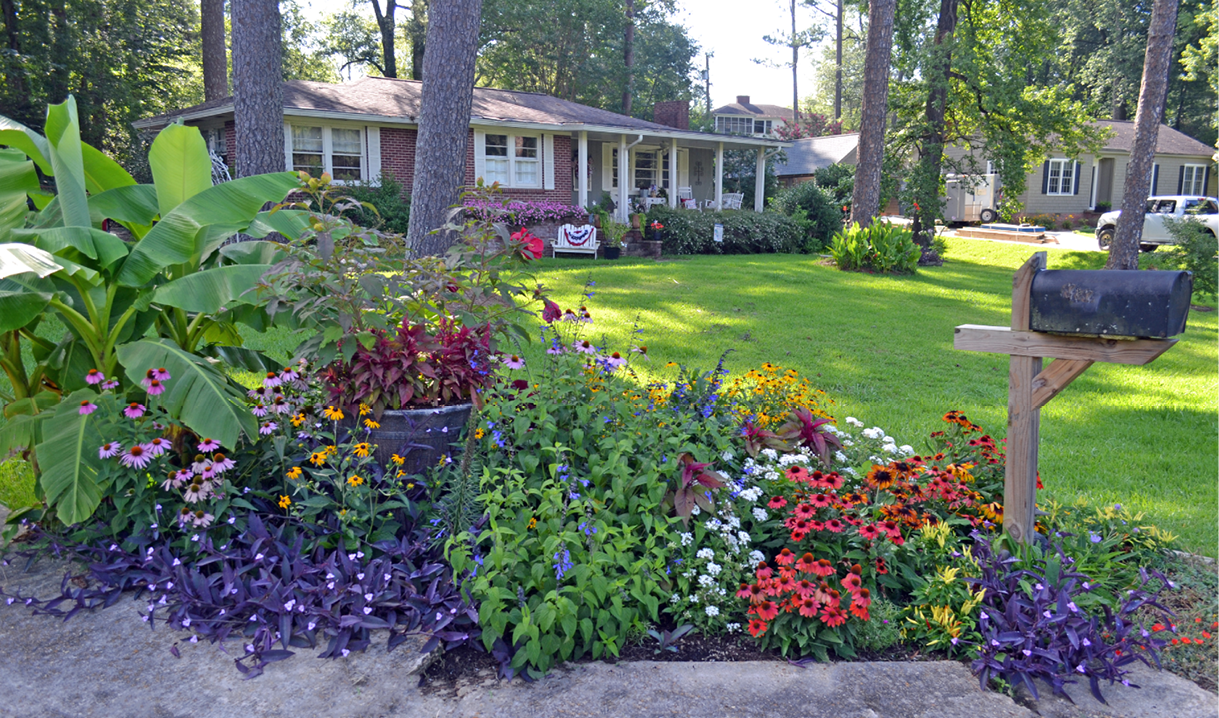 Variety of perennial plants decorating a mailbox area. [source]Furthermore, perennials are champions of biodiversity. By providing long-term habitat for various insects and pollinators, they play a crucial role in maintaining ecological balance. This is particularly important in today’s world, where natural habitats are increasingly threatened. The Oregon State University Extension highlights how perennials can support a diverse range of species, contributing to a more resilient ecosystem.### The Economic and Aesthetic Advantages of PerennialsFrom an economic perspective, perennials in landscapes are a smart investment. While their initial cost might be higher than annuals, the long-term savings are substantial. Homeowners and landscapers benefit from reduced replanting costs and lower maintenance requirements, which ultimately leads to financial savings. As noted in the Sierra Flower Farm blog, crop planning with perennials can significantly optimize resource use.
 Bugleweed groundcover with purple flowers in focus. [source]Aesthetically, perennials offer a variety of textures, colors, and forms that can create dynamic and visually appealing landscapes. Their varying bloom times ensure continuous interest throughout the growing season. This not only enhances the visual appeal of a garden but also provides a steady food source for pollinators, further reinforcing their environmental significance.Perennials also excel in terms of adaptability. They can thrive in a wide range of soil types and climatic conditions, making them suitable for diverse geographical locations. This adaptability reduces the need for chemical fertilizers and pesticides, aligning with sustainable gardening practices. The Kansas Garden Guide provides detailed insights into selecting the right perennials for specific environments.For those looking to minimize plastic use in gardening, perennials provide an excellent solution. With fewer replacements needed, the reliance on plastic pots and packaging is significantly reduced. This aligns with innovative techniques in homesteading that aim to drastically reduce plastic use. For more on this topic, consider exploring Revolutionizing Homesteading Essentials.In conclusion, the integration of perennials in landscapes offers numerous benefits that align with the values of today’s environmentally conscious world. From sustainability and economic advantages to ecological and aesthetic contributions, perennials prove to be a valuable addition to any garden. As gardeners and landscapers continue to seek ways to enhance their green spaces while minimizing environmental impact, perennials stand out as a robust and reliable choice.## Key Benefits of Implementing Perennials in landscapesWhen designing a vibrant and sustainable garden, choosing the right type of plants is crucial. One popular option gaining traction among gardeners is incorporating perennials in landscapes. These plants, which live for more than two years, offer a range of benefits that can enhance the beauty and functionality of any outdoor space. By understanding the advantages of perennials, you can make informed decisions for your garden that are both aesthetically pleasing and environmentally friendly.One of the primary benefits of using perennials in landscapes is their longevity. Unlike annuals, which complete their life cycle in a single growing season, perennials return year after year. This characteristic reduces the need for frequent replanting, saving time and effort for gardeners. According to the Mississippi State University Extension, perennials can thrive in a variety of climates, making them a versatile choice for different regions.
 Red amaryllis flower on a bed of green leaves. [source]Additionally, perennials are cost-effective over time. Although the initial investment might be higher than that of annuals, the long-term savings can be significant. With perennials, you won’t have to purchase new plants each year, which can add up financially. The Oregon State University Extension highlights that the reduced need for replacement plants not only saves money but also decreases the carbon footprint associated with transportation and production of new plants.### Ecological Benefits of PerennialsFrom an ecological perspective, perennials offer substantial benefits. Their deep root systems improve soil structure, reduce erosion, and enhance water retention. This makes them an excellent choice for areas prone to drought or heavy rainfall. Furthermore, perennials provide a stable habitat for beneficial insects and pollinators, which are crucial for a healthy ecosystem. To explore more about enhancing your garden’s health, consider the importance of companion planting strategies for pest control.
 food forest artwork [source]Another advantage of perennials is their ability to support biodiversity. By including a variety of perennials in your landscape, you can attract a diverse range of wildlife. For instance, native perennials are particularly effective at supporting local bee and butterfly populations. The Free Permaculture Resource suggests integrating food forests with perennials to promote biodiversity and create a self-sustaining environment.Design flexibility is another reason to choose perennials. They come in various shapes, sizes, and colors, allowing you to create dynamic and visually appealing garden designs. Whether you’re aiming for a formal garden or a naturalistic landscape, perennials can be adapted to suit your vision. Mixing perennials with other plant types can also help you avoid common gardening mistakes, such as those mentioned in the beautiful flowers mistake that many gardeners regret.Finally, perennials contribute to a garden’s seasonal interest. Many perennials bloom at different times of the year, ensuring that your landscape offers color and texture throughout the seasons. Planning your garden with a mix of early, mid, and late-blooming perennials can provide continuous visual appeal, as noted in the Sierra Flower Farm blog on crop rotation planning.In conclusion, incorporating perennials in landscapes offers numerous benefits, from ecological advantages to cost savings and design versatility. Their ability to improve soil health, support biodiversity, and enhance seasonal interest makes them an invaluable component of any garden. By choosing perennials wisely, you can create a sustainable, beautiful outdoor space that thrives year after year.## Practical Steps to Get Started with Perennials in landscapesEmbracing perennials in landscapes can transform your garden into a year-round oasis of beauty and sustainability. Unlike annuals that require replanting each year, perennials return season after season, offering consistency and long-term enjoyment. But how do you get started with integrating perennials into your landscape effectively? Here are some practical steps to guide you through this rewarding gardening journey.First, assess your garden’s existing conditions. Consider factors such as soil type, sunlight exposure, and climate. Understanding these elements will help you select the right perennials that will thrive in your specific environment. For example, if your garden is mostly shaded, opt for shade-loving perennials like hostas or ferns. On the other hand, sun-drenched areas can benefit from daylilies or coneflowers.
 mandala garden permaculture food forest [source]Next, plan your layout carefully. Think about the height, color, and bloom time of the perennials you want to plant. A well-thought-out design can ensure continuous blooms throughout the growing season. For instance, layering taller plants at the back and shorter ones at the front creates depth and visual interest. Additionally, mixing perennials with different bloom times can provide uninterrupted color from spring to fall.### Soil Preparation and PlantingOnce your plan is in place, prepare the soil. Good soil preparation is crucial for the success of perennials in landscapes. Start by removing weeds and adding organic matter such as compost to improve soil fertility and drainage. A well-prepared soil bed can significantly enhance root development and plant health, leading to more robust growth.
 permaculture garden guild companion planting illustration by Heather Jo Flores [source]When planting, follow the spacing recommendations for each perennial. Crowding plants too closely can lead to poor air circulation and increased disease risk. Conversely, providing ample space allows for optimal growth and flower production. As noted in the Mississippi gardening guide, proper spacing is vital for perennial success.Watering is another critical aspect. Newly planted perennials require consistent moisture to establish strong root systems. However, be careful not to overwater, which can lead to root rot. Once established, many perennials are drought-tolerant, reducing the need for frequent watering. This characteristic makes them an ideal choice for sustainable landscaping, aligning with practices found in innovative sustainable farming.Maintaining your perennials involves regular care such as deadheading spent blooms, dividing overcrowded plants, and applying mulch to suppress weeds and retain moisture. By doing so, you ensure your perennials remain healthy and vibrant year after year. According to the Kansas Garden Guide, these maintenance practices are integral to successful perennial gardening.In conclusion, integrating perennials in landscapes requires thoughtful planning, proper soil preparation, and ongoing maintenance. By understanding your garden’s conditions, carefully selecting and placing plants, and committing to their care, you can create a resilient and enchanting garden that flourishes with minimal effort. With these steps, your landscape will not only be aesthetically pleasing but also environmentally sustainable, providing beauty and benefits for years to come.## Common Mistakes to AvoidWhen incorporating perennials in landscapes, the allure of their long-lasting beauty and minimal maintenance can be incredibly appealing. However, the journey to a thriving perennial garden is not without its pitfalls. Avoiding common mistakes is crucial to ensure that your landscape flourishes over time. Here, we delve into some frequent missteps and how to avoid them, ensuring your perennial garden thrives year after year.One common mistake is selecting perennials without considering their specific climate needs. Many gardeners are tempted by the beauty of certain plants without realizing that their local climate may not support them. It’s essential to choose perennials that are well-suited to your region’s temperature and soil conditions. According to the Mississippi State University Extension, knowing your hardiness zone is a critical step in selecting the right plants.
 vertical-gardens-and-a-compact-greenhouse-nested-into-a-hot-corner-of-a-parking-lot_1 [source]Another frequent error is poor soil preparation. Perennials require well-draining, nutrient-rich soil to thrive. Before planting, conduct a soil test to determine its pH and nutrient levels. Amend the soil with organic matter if necessary. This step can prevent root rot and ensure your plants have the nutrients they need. As noted by Oregon State University Extension, soil preparation is a foundational element of successful planting.Furthermore, neglecting to plan for the mature size of perennials can lead to overcrowding. Each plant has a unique growth habit and spacing requirement. Planting them too close together can result in competition for resources, stunted growth, and increased susceptibility to disease. To avoid this, consult resources like the Sierra Flower Farm blog, which offers insights into effective crop planning and rotation techniques.
 perennial planting, annual planting, crop selection, garden planning, long-term yields - Perennial vs Annual Planting [source]### Avoiding Maintenance MistakesMaintenance is another area where gardeners often falter. Perennials in landscapes require regular care, including deadheading, dividing, and mulching. Deadheading encourages more blooms, while dividing prevents overcrowding and rejuvenates plants. Mulching conserves moisture and suppresses weeds. Neglecting these tasks can lead to diminished plant health and aesthetics.Watering practices are also critical. Over or under-watering can be detrimental to perennials. Implementing microirrigation techniques can ensure that plants receive the right amount of water. This method not only conserves water but also delivers it directly to the root zone, enhancing plant health and yield.Finally, failing to consider seasonal interest can result in a dull landscape. While perennials do come back year after year, they don’t all bloom simultaneously. By selecting a diverse range of perennials, you can ensure that your garden offers visual interest throughout the growing season. The Free Permaculture guide suggests incorporating plants with varying bloom times to maintain vibrant landscapes.In conclusion, successfully integrating perennials in landscapes requires careful planning and attention to detail. By avoiding these common mistakes—such as selecting inappropriate plants, neglecting soil preparation, and failing to maintain proper spacing and care—you can create a lush, enduring garden. With thoughtful selection and diligent maintenance, your perennial garden will not only beautify your space but also provide sustainable enjoyment year after year.## Real-World Success StoriesWhen considering the integration of perennials in landscapes, real-world success stories and case studies provide compelling evidence of their benefits. Perennials, with their ability to return year after year, offer a sustainable and cost-effective solution for gardeners and landscapers alike. Many have discovered that these plants not only enhance the aesthetic appeal of outdoor spaces but also contribute significantly to environmental sustainability.Take, for example, the transformation of a community garden in Portland, Oregon. This project highlighted the power of understanding plant life cycles. By incorporating a diverse range of perennials, the garden reduced its annual planting costs by nearly 40%. The initial investment in perennials paid off as they flourished, requiring less water and maintenance compared to their annual counterparts.In another case, the Sierra Flower Farm in California demonstrated the resilience of perennials during drought conditions. Their blog discusses crop rotation planning and highlights how perennials, deeply rooted, can access water more efficiently than annuals. This resilience not only ensured a thriving garden but also supported the local ecosystem by providing habitats for pollinators.
 The ranunculus growing bed in June that was turned over to be replaced with the zinnia growing bed. [source]### The Environmental Benefits of Perennials in LandscapesEmbracing perennials can also be a step towards a more sustainable lifestyle. For instance, a study conducted by Kansas State University found that perennials play a crucial role in soil conservation. Their root systems, which remain in place year-round, help prevent erosion and improve soil health. As detailed in the Kansas Garden Guide, this leads to healthier plants and reduced need for chemical interventions.Beyond environmental benefits, perennials offer economic advantages. Homeowners have reported substantial savings in their landscaping budgets by reducing the frequency of replanting. With perennials, the initial higher cost is offset by lower maintenance expenses and longevity. This is a key consideration for those looking to maximize their investment in landscape design.For those interested in sustainable farming, incorporating perennials is a strategic move. In the context of permaculture, perennials contribute to the creation of a self-sustaining ecosystem. The concept of a food forest exemplifies how perennials provide continuous yield with minimal input, aligning with sustainable farming principles.
 The zinnias blooming in August that had replaced the ranunculus in late June. [source]Common concerns about planting perennials often revolve around the misconception of limited variety. However, resources like the Mississippi State Extension guide showcase the vast array of perennial species available, from flowering plants to edible herbs, ensuring diverse and vibrant landscapes.Finally, for those looking to integrate perennials in a sustainable way, consider exploring innovative techniques in gardening and design. Articles on sustainable lifestyles can provide valuable insights into creating eco-friendly landscapes that thrive year after year.In conclusion, the success stories and case studies of perennials in landscapes highlight their multifaceted benefits. From economic savings and environmental sustainability to aesthetic appeal, perennials offer a resilient and rewarding option for gardeners. As more individuals embrace these plants, the potential for beautiful and sustainable landscapes becomes increasingly attainable.## Future Trends and InnovationsIn the ever-evolving world of horticulture, the role of perennials in landscapes is becoming increasingly significant. As gardeners and landscapers look towards more sustainable and low-maintenance options, perennials offer a promising future filled with innovation and adaptability. This section delves into the emerging trends and advancements shaping the future of perennials in landscapes, providing a comprehensive look at how they are set to transform our gardens and outdoor spaces.Firstly, climate change is prompting a shift towards resilient plant species, and perennials are perfectly poised to meet this demand. Many perennials boast hardiness that allows them to withstand extreme weather conditions, making them ideal for landscapes facing unpredictable climates. According to research from Oregon State University, understanding the life cycles of plants, including perennials, is crucial for creating sustainable gardens.
 Early+spring+succession+flow+graphic.jpg [source]Secondly, technological advancements are enhancing the cultivation and maintenance of perennials. Innovations such as smart irrigation systems are being integrated into garden designs to optimize water usage. This trend is supported by the rise of water conservation techniques, which are being adopted by millions of households worldwide, as noted in this article on water conservation techniques.### Innovative Perennial Cultivation TechniquesMoreover, the development of new perennial varieties is expanding the palette available to gardeners. Breeders are focusing on creating plants with longer blooming periods, increased pest resistance, and unique aesthetic qualities. For instance, native perennials are gaining popularity due to their ability to support local ecosystems while adding beauty to landscapes.
 Spring+rotation+example.jpg [source]In addition, the integration of perennials in permaculture designs is revolutionizing sustainable gardening practices. Food forests, which incorporate perennial plants to create self-sustaining ecosystems, are a prime example. The Free Permaculture resource highlights how these systems provide long-term food sources and require minimal maintenance.Furthermore, perennials offer economic benefits by reducing the need for annual replanting. This not only lowers costs but also minimizes the environmental impact associated with high-input gardening. The Mississippi State University Extension emphasizes the cost-effectiveness of perennials, making them an attractive choice for budget-conscious gardeners.Another trend is the use of perennials in urban landscapes to enhance green spaces. Cities are increasingly incorporating perennials into public parks and rooftop gardens to improve air quality and provide recreational areas. This approach aligns with the goals of sustainable urban development, as outlined in the Kansas Garden Guide.In conclusion, the future of perennials in landscapes is bright, with innovations driving their increased adoption and integration into diverse gardening practices. As we continue to prioritize sustainability, resilience, and aesthetic appeal, perennials will undoubtedly play a pivotal role in shaping the landscapes of tomorrow. For those exploring the benefits of perennial versus annual planting, resources like this guide offer valuable insights to make informed decisions.Looking for products related to this topic?Browse on Amazon## Conclusion: Your Next StepsIn the vibrant world of gardening, choosing between perennial and annual planting can shape the very essence of your landscape. Perennials in landscapes offer an enduring beauty that transforms spaces year after year, requiring less maintenance while providing rich, evolving textures. Their deep-rooted nature ensures sustainability and resilience, making them a smart choice for eco-conscious gardeners. Embracing perennials means investing in a garden that thrives with minimal intervention, allowing nature to take its course and flourish.Moreover, perennials bring a dynamic palette of colors and forms across seasons, offering a continuously changing canvas that keeps your garden lively and engaging. They also create habitats for beneficial insects and wildlife, enhancing biodiversity and promoting a healthier ecosystem right in your backyard. Whether you aim to craft a serene retreat or a vibrant display, perennials provide the flexibility to design a landscape that reflects your vision and values.Now is the time to transform your garden into an enduring masterpiece. Dive into the world of perennials and start planning your resilient landscape today. Don’t wait for another season to pass; take action now and nurture a garden that stands the test of time. Let your landscape be a testament to sustainable beauty and ecological harmony.