

This post may contain affiliate links. If you make a purchase through these links, we may earn a small commission at no extra cost to you. Learn more.
Introduction to Effective Pest Control Methods for Gardens
Have you ever wondered how to maintain a thriving garden without surrendering it to pesky invaders? In the quest for a bountiful harvest, understanding the concept of “action thresholds” could be your secret weapon. These thresholds help determine when pest populations have reached a level that requires intervention, allowing you to act swiftly before your beloved plants are compromised. By adopting effective pest control methods, you can protect your garden’s health while minimizing the use of harmful chemicals. Discover the art of balancing nature and nurture, and learn how to implement strategic techniques that keep your garden flourishing. In this post, we will explore various strategies to manage pests sustainably, ensuring your garden remains a vibrant oasis. From identifying key threats to implementing environmentally-friendly solutions, we’ve got you covered. Dive in and unlock the potential of a pest-free paradise!
Understanding action thresholds: The Fundamentals
In the realm of garden pest control, understanding action thresholds is crucial for maintaining a healthy and vibrant garden. Action thresholds refer to the specific point at which pest populations or environmental conditions indicate that pest control action must be taken to prevent unacceptable damage. By integrating this concept into your pest management strategy, you can make informed decisions that balance environmental responsibility with effective pest control. This approach is a cornerstone of Integrated Pest Management (IPM), a method endorsed by the Environmental Protection Agency for sustainable pest control.
Action thresholds are not a one-size-fits-all solution. They vary significantly depending on the type of pest, the specific crop, and the intended use of the garden. For instance, ornamental plants might have higher tolerance levels for certain pests compared to vegetables, where even a small infestation can lead to significant yield loss. The North Carolina Extension Gardener Handbook provides guidelines on setting these thresholds based on empirical data and localized studies.
Implementing action thresholds involves regular monitoring of pest populations. This can be done through visual inspections or using traps and other monitoring tools. By keeping a close eye on pest levels, gardeners can determine whether the threshold has been reached. For example, if aphid numbers on a tomato plant exceed the action threshold, immediate steps should be taken to manage the population before it causes significant damage.
The Role of Action Thresholds in Sustainable Pest Management
Action thresholds play a vital role in reducing unnecessary pesticide use, thereby promoting sustainable pest management practices. According to the Sustainable Agriculture Research & Education, using these thresholds helps minimize the chemical load on the environment, which is essential for maintaining soil health and biodiversity. This is particularly important in urban gardens where soil productivity can be optimized by reducing chemical inputs.
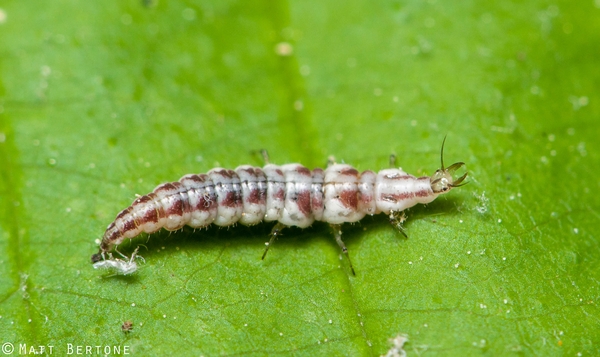
To set effective action thresholds, gardeners should consider factors such as the pest’s lifecycle, weather conditions, and the plant’s growth stage. For instance, during a cooler, wetter season, the threshold for fungal diseases may be lower due to favorable conditions for pathogen spread. By adjusting thresholds based on these variables, gardeners can prevent outbreaks more effectively.
Many gardeners worry about the potential for pest damage if they wait until the action threshold is reached. However, research indicates that well-defined thresholds can actually lead to fewer pest issues over time. This is because predators and beneficial insects often keep pest populations in check, reducing the need for intervention.
Incorporating action thresholds into your pest management plan can also have economic benefits. By avoiding unnecessary treatments, you can save on the costs associated with pesticides and their application. This approach aligns with techniques that reduce the carbon footprint, as discussed in our guide on Revolutionizing Farm-to-Table Recipes.
In conclusion, understanding and applying action thresholds is a fundamental aspect of effective pest control in gardens. By setting and adhering to these thresholds, you can protect your plants, promote environmental sustainability, and optimize your gardening efforts. As you monitor and adjust these thresholds, consider all influencing factors to maintain a balanced ecosystem in your garden. For further insights into sustainable gardening practices, explore our article on Modern Farm Tools Maintenance & Care Techniques.
🚀 Start Right: The Only Action Thresholds Beginners Actually Need
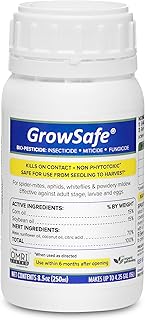
GrowSafe Bio-Pesticide, Organic and Natural Miticide, Fungicide and Insecticide …
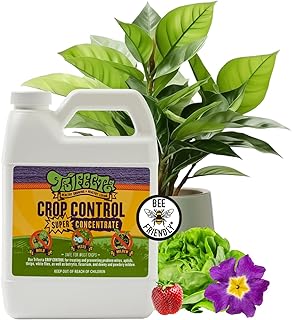
Trifecta Crop Control Super Concentrate All-in-One Natural Pesticide, Fungicide,…
As an Amazon Associate, we earn from qualifying purchases. Prices and availability subject to change.
Why action thresholds Matters in Today’s World
In the realm of effective pest control methods for gardens, understanding the concept of action thresholds is paramount. Action thresholds refer to the point at which pest populations or environmental conditions indicate that pest control action must be taken to prevent unacceptable damage. Recognizing these thresholds is crucial in today’s world, where sustainable practices and minimizing chemical use are increasingly prioritized. Implementing action thresholds can significantly impact the health of your garden, ensuring both pest control and ecological balance.
Determining the appropriate action threshold involves assessing several factors, including the type of pest, the stage of plant growth, and the potential damage that can be inflicted. For instance, some pests may cause minimal harm during certain growth stages and do not require immediate intervention. By carefully monitoring pest levels and plant health, gardeners can make informed decisions about when to act, reducing unnecessary pesticide applications. This approach aligns with Integrated Pest Management (IPM) principles, as outlined by the Environmental Protection Agency.
Furthermore, action thresholds can contribute to long-term sustainability in gardening. By avoiding the overuse of chemical pesticides, gardeners can maintain soil health and protect beneficial insects. According to a study on greenhouse farmers, up to 40% of yield can be lost to pests like the Western Flower Thrips if thresholds are ignored. Action thresholds help in maintaining a balanced ecosystem, where natural predators can thrive and control pest populations naturally.
The Role of Monitoring in Establishing Action Thresholds
Monitoring is a critical component of establishing and maintaining action thresholds. Regular inspections of plants and the surrounding environment allow gardeners to track pest populations and assess plant health. By using tools like sticky traps or pheromone traps, gardeners can gather data on pest activity and identify trends over time. This information is invaluable in determining when action is necessary, thus optimizing pest control efforts and potentially saving costs.
In addition to monitoring, understanding the economic and aesthetic thresholds is essential. The economic threshold is the point at which the cost of pest damage exceeds the cost of control measures, while the aesthetic threshold considers the visual impact of pest damage. For ornamental gardens, the aesthetic threshold might be lower, prompting earlier intervention. These thresholds provide a practical framework for decision-making, allowing for tailored pest management strategies.
Another vital aspect of action thresholds is their role in reducing the carbon footprint of gardening practices. By applying control measures only when necessary, gardeners can minimize the environmental impact of chemical use and contribute to more sustainable practices. The significance of this approach is highlighted in discussions on carbon footprint factors in agriculture.
Despite the clear benefits, some gardeners may have concerns about the complexity of implementing action thresholds. However, resources like the Extension Gardener Handbook offer guidance and practical tips for integrating these principles into everyday gardening routines. By understanding the biology and behavior of pests, gardeners can set effective thresholds that align with their specific goals and conditions.
In conclusion, action thresholds play a pivotal role in modern pest control strategies for gardens. They provide a structured approach to pest management, balancing effective control with environmental stewardship. By adopting action thresholds, gardeners can protect their plants, support biodiversity, and contribute to a more sustainable future. As we continue to prioritize eco-friendly practices, the importance of these thresholds in gardening cannot be overstated.
Key Benefits of Implementing action thresholds
When it comes to maintaining a healthy and thriving garden, the concept of action thresholds plays a crucial role in effective pest control methods. Action thresholds are specific points at which pest populations or environmental conditions signal the need for intervention to prevent unacceptable damage. Implementing action thresholds can significantly enhance your garden management strategy by ensuring that pest control actions are both timely and necessary, aligning with best practices in Integrated Pest Management (IPM).
Firstly, action thresholds help in minimizing unnecessary pesticide use. By determining the specific level of pest activity that necessitates control measures, gardeners can avoid blanket applications of pesticides. This not only reduces chemical residues in your garden but also promotes a healthier ecosystem overall. According to the Sustainable Agriculture Research and Education (SARE), reducing pesticide use can enhance biodiversity and improve soil health.
Moreover, action thresholds contribute to cost-effective gardening practices. By targeting interventions only when they are truly needed, gardeners can save money on expensive pest control solutions. This approach supports long-term financial sustainability, especially for those managing larger areas or community gardens. A study from the Oklahoma State University Extension highlights how strategic pest management can significantly reduce overall expenditures.
The Role of Action Thresholds in Balanced Ecosystems
Implementing action thresholds also plays a vital role in maintaining balanced ecosystems within your garden. By allowing certain levels of pest activity, beneficial insects and natural predators can thrive, fostering a self-regulating environment. This balance is crucial for the ecological health of your garden, as it supports a diverse range of species, including pollinators and other wildlife. For more insights into fostering biodiversity, you might find this article on plants that could save local wildlife from extinction helpful.
Another benefit is that action thresholds can help in identifying trends and patterns in pest activity. By monitoring pest populations over time, gardeners can gain valuable insights into the seasonal and environmental factors affecting their gardens. This knowledge allows for more proactive and informed decision-making, enabling better garden planning and resource allocation.
Action thresholds also empower gardeners to use a wider range of control methods. With a clearer understanding of when intervention is necessary, gardeners can explore alternative solutions such as biological control, cultural practices, or mechanical barriers. These methods are often more sustainable and environmentally friendly, aligning with principles outlined in the Extension Gardener Handbook.
Furthermore, implementing action thresholds can enhance garden productivity and yield. By preventing pest populations from reaching damaging levels, plants have the opportunity to grow and produce optimally. This not only benefits the gardener but also contributes to local food security and sustainability, as highlighted in discussions on sustainable farm equipment and practices.
In conclusion, the benefits of implementing action thresholds in your garden are numerous and impactful. From reducing pesticide use and saving costs to promoting ecological balance and enhancing productivity, action thresholds offer a strategic framework for effective pest management. By integrating these principles into your gardening practices, you can achieve a healthier, more resilient garden that thrives both now and in the future.
Practical Steps to Get Started with action thresholds
When it comes to effective pest control methods for gardens, understanding and implementing action thresholds is a crucial step. Action thresholds refer to the specific level of pest population or damage at which pest control measures should be initiated. This concept helps gardeners make informed decisions, ensuring that interventions are both timely and necessary. With the growing interest in sustainable and environmentally friendly pest management, setting appropriate action thresholds aligns well with integrated pest management (IPM) principles, as outlined by the EPA.
To get started with action thresholds, begin by familiarizing yourself with the types of pests commonly found in your garden. Different plants attract different pests, and each pest has a unique life cycle. Knowing these cycles can help you predict when populations might reach levels that necessitate intervention. For example, cabbage worms follow a predictable pattern, allowing gardeners to set thresholds based on their lifecycle stages.
Next, conduct regular monitoring of pest populations and plant damage. This might involve using sticky traps, visual inspections, or even pheromone traps for certain insects. By keeping detailed records of pest activity, you can identify trends and better anticipate when action thresholds are likely to be met. According to the North Carolina Cooperative Extension, monitoring is a cornerstone of IPM practices.
Setting and Adjusting Action Thresholds
Once you’ve gathered sufficient data, set preliminary action thresholds tailored to your garden’s unique conditions. These thresholds can vary depending on factors such as plant health, the presence of beneficial insects, and previous pest pressure. For instance, if your tomato plants can tolerate a small number of aphids without significant damage, your threshold might be higher than for more sensitive crops.
It’s essential to remain flexible and adjust your action thresholds as needed. Environmental factors such as weather changes or the introduction of new plant varieties can necessitate adjustments. If your garden is part of a larger agricultural operation, consider exploring broader sustainable practices, as highlighted in Revolutionizing Agriculture.
Education is another key component. Engage with local gardening groups or extension services to learn about emerging pest trends and control strategies. Many resources, including the Oklahoma State University Extension, offer workshops and materials tailored to action thresholds.
To make your pest management efforts more efficient, consider integrating technology. Digital tools can help track pest populations and suggest when thresholds are approaching. This approach not only saves time but also enhances accuracy, as detailed in our article on modern techniques in agriculture.
In conclusion, establishing and utilizing action thresholds is a practical approach to pest control that empowers gardeners to act strategically and sustainably. By monitoring pest levels, setting informed thresholds, and adapting to changing conditions, you can protect your garden while minimizing chemical interventions. Embrace the principles of IPM and enjoy a healthier, more productive garden environment.
Common Mistakes to Avoid
When it comes to implementing effective pest control methods in gardens, understanding and setting appropriate action thresholds is crucial. Action thresholds refer to the levels of pest populations at which action must be taken to prevent unacceptable damage. Despite its importance, many gardeners often make common mistakes when applying this concept, leading to ineffective pest management and potential harm to their plants. Let’s explore these pitfalls and how to avoid them.
Firstly, one of the most frequent mistakes is failing to establish clear action thresholds. Gardeners may neglect to define what constitutes unacceptable damage, which can lead to either overreacting with unnecessary treatments or underreacting and allowing pest populations to escalate. According to the EPA’s guidelines on Integrated Pest Management (IPM), it is essential to identify specific thresholds tailored to each pest and plant species.
Another common error is not regularly monitoring pest levels. Action thresholds are only effective if they are based on accurate, current information. Regular monitoring helps identify trends and potential outbreaks before they become problematic. The Extension Gardener Handbook emphasizes the importance of consistent observation and record-keeping to maintain effective control.
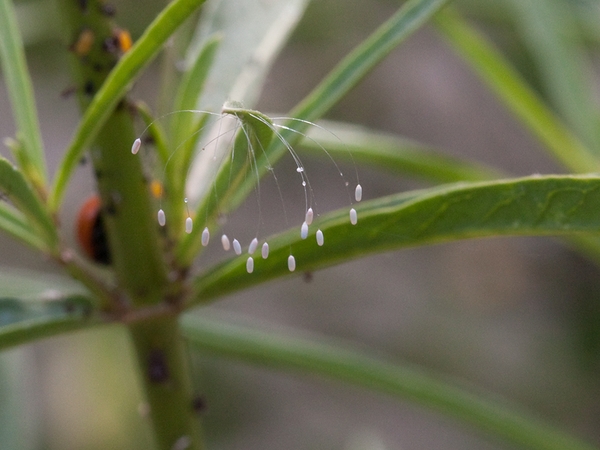
Moreover, gardeners often misjudge pest impact by not considering the natural predators present in their gardens. Overestimating pest levels without accounting for beneficial insects can lead to unnecessary pesticide use, which might disrupt the ecosystem. One actionable tip is to familiarize yourself with beneficial insects that naturally control pest populations, as highlighted by the SARE’s sustainable pest management guide.
Avoiding Over-Reliance on Chemical Controls
Over-reliance on chemical controls is another pitfall. Many gardeners resort to pesticides as the first line of defense, which can lead to resistance over time and harm non-target organisms. Instead, integrating cultural and biological controls, as recommended by the Oklahoma State University’s IPM practices, can provide a more sustainable approach.
Some gardeners also fail to adapt their action thresholds based on changing conditions. Factors such as weather, plant growth stages, and pest resistance levels can all influence pest dynamics. Therefore, revisiting and adjusting thresholds periodically ensures they remain relevant and effective.
Additionally, neglecting to educate oneself about specific pests can lead to mismanagement. Each pest has unique behaviors and vulnerabilities that can be targeted with tailored strategies. Leveraging resources like the USDA’s organic pest management guidelines can offer insights into pest-specific management techniques.
Finally, many gardeners overlook the importance of documenting past pest issues and the effectiveness of actions taken. Maintaining records of past infestations and control measures allows for better planning and decision-making in the future. This practice can provide valuable data for adjusting action thresholds and refining pest management strategies over time.
In conclusion, while setting action thresholds is a fundamental aspect of pest control, avoiding these common mistakes is key to ensuring their effectiveness. By establishing clear thresholds, monitoring regularly, considering beneficial insects, integrating diverse control methods, adapting to changing conditions, educating oneself about pests, and documenting experiences, gardeners can optimize their pest management strategies. For those interested in further enhancing their garden’s sustainability, exploring resources on sustainable practices, such as composting and plant selection, can be invaluable.
Real-World Success Stories
In the realm of effective pest control methods for gardens, real-world success stories and case studies highlight the importance of action thresholds. These thresholds represent the critical point at which pest populations or environmental conditions indicate that pest control action must be taken to prevent unacceptable damage. Understanding and implementing action thresholds can significantly enhance garden health and productivity. By examining real-world examples, gardeners can gain insights into how these thresholds can be practically applied to manage pests effectively.
One notable success story involves a community garden in North Carolina that implemented action thresholds as part of an Integrated Pest Management (IPM) strategy. The gardeners decided to monitor pest levels weekly and only intervene when pest populations reached a level that would threaten plant health. This approach allowed them to reduce chemical pesticide use by 40% over a season, demonstrating how action thresholds can lead to more sustainable pest control.
In another case, a commercial greenhouse utilized action thresholds to optimize their pest management practices. By closely monitoring pest populations and setting specific thresholds for action, the greenhouse was able to maintain plant quality while reducing pesticide use. According to a study by Oklahoma State University, this approach not only preserved the health of the plants but also reduced operational costs by 30% (source: Oklahoma State University).
Implementing Action Thresholds in Home Gardens
Home gardeners can also benefit from understanding and applying action thresholds. For instance, a study by the USDA found that small-scale gardeners who employed action thresholds as part of their IPM practices experienced a 50% reduction in pest-related plant damage. By setting clear thresholds based on pest counts or plant damage, gardeners can take timely and effective action, ensuring healthier plants and better yields (source: USDA).
Another real-world example involves urban farms, where action thresholds are crucial for maintaining ecological balance. In urban agriculture, where space is limited, pest outbreaks can be particularly devastating. Gardens that apply action thresholds can prevent such outbreaks by intervening at the right time, thereby maintaining both the aesthetic and functional value of their spaces. For more insights, consider exploring how urban agriculture might impact local ecosystems: Could Gardens and Urban Agriculture Be Harming Butterflies?
It’s essential to note that the success of action thresholds hinges on accurate pest monitoring. Gardeners must regularly inspect their plants and document pest levels to effectively apply thresholds. This meticulous approach, as emphasized by the EPA, ensures that interventions are both timely and effective, reducing unnecessary pesticide use (source: EPA).
For those new to action thresholds, expert advice can be invaluable. Resources such as expert-led videos or consultations with knowledgeable professionals can provide guidance on setting realistic thresholds and monitoring techniques. Consider exploring these topics further through resources like Unlocking the Secrets of Farm Tools Maintenance & Care for practical insights.
In conclusion, real-world success stories and case studies underscore the effectiveness of action thresholds in pest control. By adopting these practices, both community and home gardeners can achieve sustainable pest management, leading to healthier gardens and reduced chemical use. As more gardeners and farmers embrace this approach, the potential for healthier ecosystems and more resilient food systems grows significantly.
Future Trends and Innovations
In the ever-evolving world of gardening, understanding and applying future trends and innovations in action thresholds is key to effective pest control methods. Action thresholds, a fundamental component of Integrated Pest Management (IPM), help determine when pest populations require intervention to prevent significant harm to plants. As gardeners strive for sustainable practices, innovations in this area are shaping how we approach pest control in our gardens.
One significant trend is the integration of digital technology in determining action thresholds. Modern sensors and AI-driven analytics are being developed to monitor pest populations more accurately and in real-time. These technologies provide precise data, allowing gardeners to make informed decisions about when to act. For example, smart traps linked to mobile apps can alert gardeners when pest numbers exceed established thresholds, ensuring timely intervention.
Moreover, advancements in genetic research are influencing action thresholds by promoting pest-resistant plant varieties. By cultivating plants that naturally deter pests, gardeners can reduce the need for chemical interventions. This approach not only minimizes environmental impact but also aligns with organic gardening principles, as outlined by the USDA’s organic pest management guidelines.
The Role of Data and Community in Shaping Action Thresholds
Community-based knowledge sharing is another innovation enhancing action thresholds in pest control. Online platforms and local gardening groups are becoming valuable resources for real-time pest monitoring data. These communities enable gardeners to quickly adapt their action thresholds based on collective experiences and regional trends. This collaborative approach is crucial for effective pest control, as it promotes shared learning and innovation.
Furthermore, educational initiatives such as the PECB ISO 14001 Training are empowering gardeners with knowledge about sustainable practices and environmental management. This training helps gardeners understand the broader implications of pest control decisions, reinforcing the importance of precise action thresholds in maintaining ecological balance.
Pest control strategies are also being influenced by environmental sustainability goals. By leveraging insights from resources like the Extension Gardener Handbook, gardeners can develop action thresholds that align with sustainable farming practices. This includes prioritizing non-chemical interventions and enhancing biodiversity to naturally control pest populations.
Another emerging trend is the use of pheromone disruption techniques. This method involves confusing pest species by introducing synthetic pheromones, thereby preventing them from locating mates. By incorporating these techniques into action thresholds, gardeners can effectively manage pest populations without resorting to harmful pesticides.
In conclusion, the future of action thresholds in pest control is being shaped by technological innovations, community engagement, and a commitment to sustainability. By staying informed about these trends and adapting their practices accordingly, gardeners can protect their plants more effectively while reducing their ecological footprint. As we continue to explore these innovations, it’s crucial to remain open to new ideas and technologies that enhance our understanding and application of action thresholds in gardening.
Looking for products related to this topic?
Conclusion: Your Next Steps
In conclusion, mastering effective pest control in your garden hinges on a few pivotal strategies. First, understanding action thresholds is crucial. This concept helps you determine the level of pest activity at which you need to take action, ensuring that you only intervene when necessary and maintain a balanced ecosystem. Second, integrating natural predators such as ladybugs or birds can significantly reduce pest populations without harming your plants or the environment.
Third, adopting cultural practices like crop rotation and companion planting can deter pests by disrupting their life cycles and creating a more diverse garden habitat. Finally, choosing organic or less harmful pesticides when intervention is critical ensures that your garden remains a safe haven for beneficial insects and pollinators.
Now is the time to put these strategies into practice. By being vigilant and proactive, you can protect your garden while promoting biodiversity. Don’t wait until pests overwhelm your plants. Assess your garden today, set your action thresholds, and implement sustainable pest control methods. Your garden deserves the best care, and by acting now, you ensure its health and productivity for seasons to come. Let your garden thrive, naturally and harmoniously!
From Our Network
GreenChoice Affiliates — Eco-friendly product reviews for sustainable living
FarmsFlo — Free farm management app for planting schedules, harvests, and operations
BoingyBooks — Publish and discover ebooks, interactive read-alongs, and audiobooks
Leave a Reply
You must be logged in to post a comment.