

This post may contain affiliate links. If you make a purchase through these links, we may earn a small commission at no extra cost to you. Learn more.
Introduction to Maximizing Yield with Greenhouse Farming
Have you ever wondered how some farms produce abundant crops regardless of unpredictable weather conditions? The answer lies in the transformative potential of greenhouse farming. By harnessing controlled environments, farmers can not only extend growing seasons but also significantly increase their yield. One of the critical advantages of greenhouse farming is its effective approach to pest management, minimizing the need for harmful pesticides and ensuring healthier produce. With global food demand on the rise, maximizing yield has never been more urgent. Embracing greenhouse farming techniques can lead to more sustainable and profitable agricultural practices. In this post, you’ll discover innovative strategies to optimize your greenhouse setup, learn about cutting-edge pest management techniques, and explore how to tailor your environment for peak productivity. Unlock the secrets to maximizing your yield and securing your farm’s future.
Understanding pest management: The Fundamentals
Understanding pest management is crucial for anyone looking to maximize yield in greenhouse farming. Greenhouses provide a controlled environment that can significantly boost crop production, but they also create ideal conditions for pests to thrive. By implementing effective pest management strategies, farmers can protect their crops and ensure optimal growth. In this section, we’ll explore the fundamentals of pest management, offering actionable insights to help you keep your greenhouse crops healthy and bountiful.
First, it’s essential to recognize the unique environment of a greenhouse. This controlled setting allows for precise management of temperature, humidity, and light, which are all factors that can influence pest populations. According to Missouri Extension, understanding these variables is the first step in effective pest management. By monitoring environmental conditions, farmers can predict and prevent pest outbreaks before they occur.
Incorporating biological controls is another critical aspect of pest management in greenhouses. Research from MSU Extension highlights the effectiveness of using natural predators to control pest populations. For example, introducing ladybugs or predatory mites can help manage aphid infestations without the need for chemical pesticides. This approach not only preserves the ecosystem but also maintains the quality of the produce.
Regular monitoring and early detection are vital components of successful pest management. Frequent inspections allow growers to identify any signs of pest activity early on. By doing so, they can take swift action to mitigate damage. Techniques such as sticky traps and visual inspections can be invaluable tools in this process.

Integrated Pest Management (IPM)
Integrated Pest Management (IPM) combines various tactics to manage pests sustainably. It involves a combination of biological, cultural, physical, and chemical tools to minimize pest impact. According to Nebraska Extension, IPM reduces the reliance on chemical pesticides, promoting a healthier environment for both crops and workers. This holistic approach ensures that pest management is both effective and environmentally responsible.
One of the most effective strategies in pest management is maintaining plant health. Healthy plants are more resilient to pest attacks. Practices such as crop rotation, proper watering, and nutrient management can strengthen plants’ natural defenses. For instance, understanding underground root structures can enhance plant health, making them less susceptible to pests.
Common concerns regarding chemical pesticide use include safety and environmental impact. Many farmers worry about the potential harm to beneficial insects and pollinators. By adopting alternative pest management strategies, such as those mentioned above, these concerns can be alleviated. Moreover, the use of secure websites and official resources can provide additional insights into advanced techniques, as discussed in Unlocking the Buzz: Leveraging Official Secure Websites.
In conclusion, effective pest management is essential for maximizing yield in greenhouse farming. By understanding the unique environment of a greenhouse and implementing strategies such as biological controls, regular monitoring, and integrated pest management, farmers can protect their crops from pest damage while maintaining sustainability. With the right approach, greenhouse farming can be both productive and eco-friendly, ensuring high-quality produce for consumers.
🚀 Start Right: The Only Pest Management Beginners Actually Need
As an Amazon Associate, we earn from qualifying purchases. Prices and availability subject to change.
Why pest management Matters in Today’s World
In the evolving landscape of agriculture, pest management has emerged as a critical component, especially in the realm of greenhouse farming. With the global population steadily increasing, the demand for food production has never been higher. Greenhouses offer a controlled environment that maximizes yield, but they are not immune to the challenges posed by pests. Effective pest management ensures that these enclosed ecosystems remain productive and sustainable.
Firstly, the closed nature of a greenhouse can create an ideal environment for pests if not properly managed. Without natural predators to keep them in check, pests can multiply rapidly. To address this, many farmers have embraced biological control methods. According to a new educational video series by MSU Extension, introducing beneficial insects like ladybugs can significantly reduce pest populations without harming crops.
Moreover, pest management is essential for maintaining the quality of the produce. Pests not only reduce yield by consuming plants but also spread diseases that can devastate crops. By employing integrated pest management (IPM) strategies, farmers can monitor and control pest populations efficiently. This approach combines cultural, mechanical, and chemical tools to minimize environmental impact and ensure high-quality produce.
The Role of Technology in Pest Management
Innovative technologies are revolutionizing pest management in greenhouses. Advanced monitoring systems and data analytics allow farmers to detect pest outbreaks early and respond swiftly. For instance, the University of Nebraska highlights how controlled environments in greenhouses can be optimized using sensors and automated systems, reducing the reliance on chemical pesticides and enhancing sustainability.
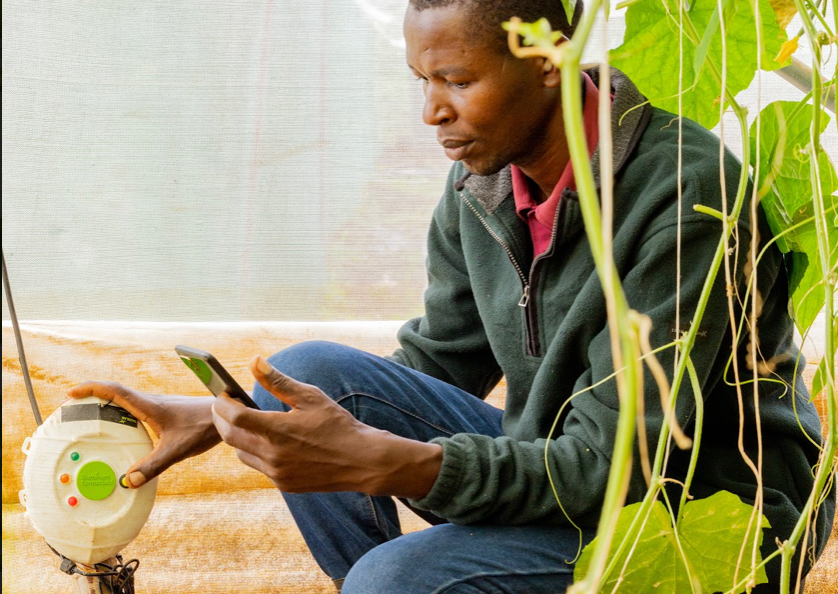
Furthermore, the economic impact of effective pest management cannot be overstated. Pests can cause significant financial losses if left unchecked, affecting the profitability of greenhouse farming. By investing in comprehensive pest management strategies, farmers can prevent these losses and ensure a stable income. The Ohio State University Extension underscores the importance of regular monitoring and maintenance to protect investments in greenhouse operations.
Interestingly, pest management also plays a role in sustainability. By minimizing the use of pesticides, greenhouse farmers contribute to a healthier ecosystem. This aligns with government initiatives promoting sustainable agricultural practices, as seen in the latest developments in composting and waste management. To learn more about these innovations, visit Revolutionizing Sustainability: .Gov Official Websites Unveil Cutting-Edge Composting & Waste.
Lastly, education and training are vital components of effective pest management. Programs and resources from institutions like the University of Missouri Extension provide farmers with the knowledge they need to implement successful strategies. Understanding the nuances of pest behavior and control methods empowers farmers to make informed decisions, ultimately leading to better crop yields.
In conclusion, pest management is a cornerstone of successful greenhouse farming. By leveraging biological controls, advanced technologies, and sustainable practices, farmers can enhance productivity and protect their crops. With the right strategies in place, greenhouse farming can meet the growing food demands of today’s world while maintaining ecological balance. For those interested in further optimizing their farming practices, exploring resources on farm tools maintenance and care can provide additional insights.
Key Benefits of Implementing pest management
In the world of greenhouse farming, pest management is a critical component that can significantly impact crop yield and quality. Implementing effective pest management strategies not only ensures the health of your plants but also maximizes the productivity of your greenhouse. With the increasing challenges posed by pests, understanding the key benefits of pest management is essential for any greenhouse farmer looking to optimize their operations.
One of the primary benefits of pest management in greenhouse farming is the prevention of crop damage. Pests such as aphids, mites, and caterpillars can wreak havoc on your plants, leading to substantial yield losses. By employing integrated pest management (IPM) techniques, such as introducing beneficial insects or using organic pesticides, you can protect your crops from these destructive invaders. According to Ohio State University, IPM can reduce the need for chemical pesticides, promoting a healthier growing environment.
Moreover, effective pest management contributes to healthier plants, which consequently results in better quality produce. Healthy plants are more resilient to diseases and environmental stressors, ensuring that they reach their full potential. This not only enhances the marketability of your crops but also boosts consumer confidence in your products. As noted by Missouri Extension, maintaining plant health is a cornerstone of successful greenhouse operations.
Evidently, pest management also plays a vital role in sustainable farming practices. By minimizing the reliance on synthetic chemicals, greenhouse farmers can reduce their environmental footprint. This aligns with the growing demand for sustainable agricultural practices. However, it’s important to be cautious, as misguided practices can have unintended consequences, as highlighted in this warning about sustainable farming practices.
Economic Advantages of Pest Management
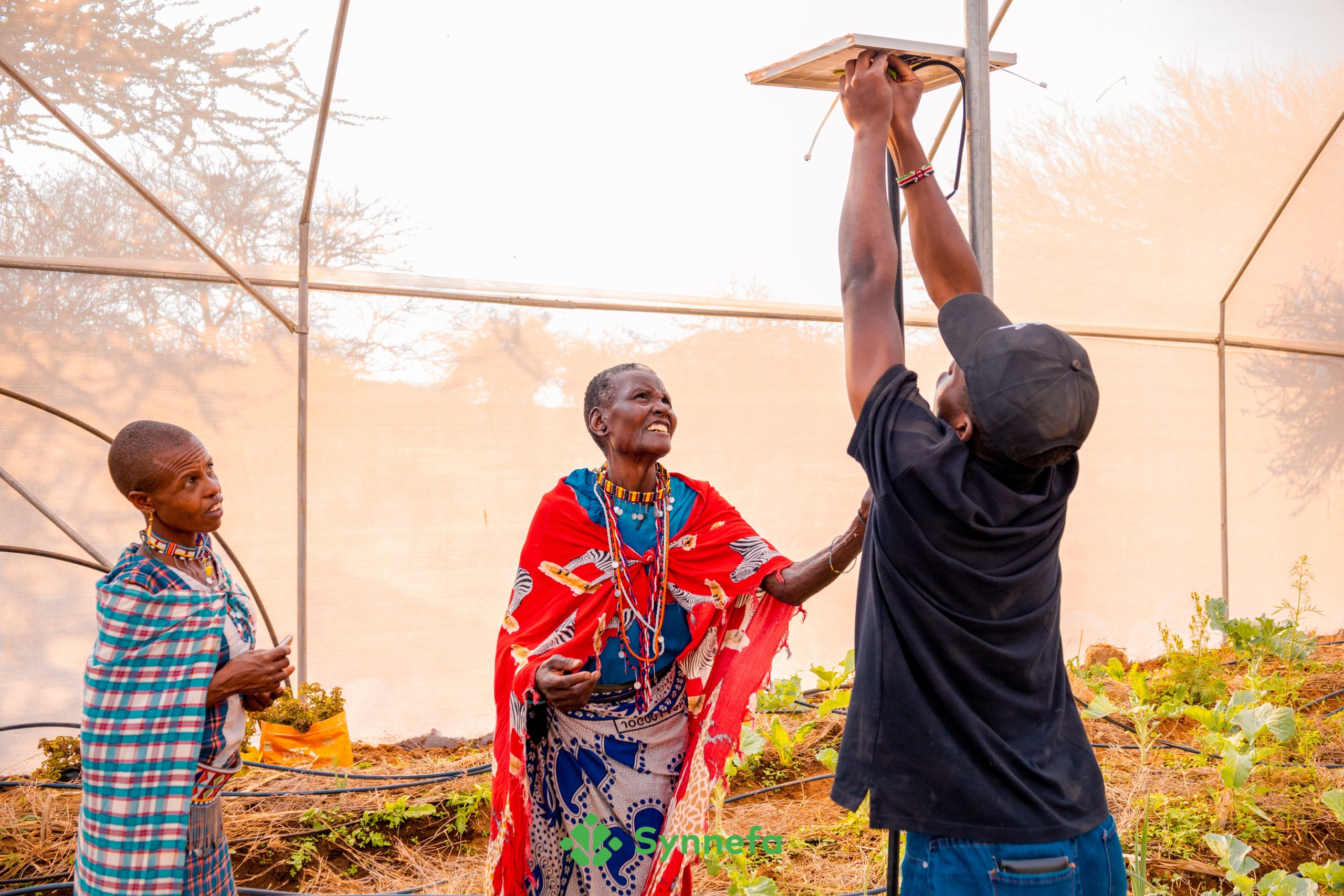
Implementing pest management strategies can lead to significant economic benefits. By reducing crop losses and minimizing the need for expensive chemical treatments, farmers can improve their profit margins. Furthermore, the initial investment in pest management tools and techniques often pays off with increased yields and better crop quality. According to Synnefa, greenhouse farming, when combined with effective pest management, can be a highly cost-effective choice.
In addition to economic benefits, pest management enhances biodiversity within the greenhouse ecosystem. By promoting natural pest predators, farmers can create a balanced environment that supports various beneficial organisms. This not only helps control pest populations but also contributes to the overall health of the ecosystem. Michigan State University’s video series on biological control offers valuable insights into leveraging natural solutions.
With pest management, greenhouse farmers can also achieve more consistent and reliable production. By keeping pest populations under control, farmers can avoid the fluctuations in yield that often result from pest outbreaks. This stability is crucial for meeting market demands and maintaining long-term business viability. Furthermore, consistency in production helps build trust with buyers and consumers, ensuring ongoing business relationships.
In conclusion, the benefits of pest management in greenhouse farming are manifold. From preventing crop damage and enhancing plant health to achieving economic savings and promoting sustainability, effective pest management strategies are indispensable. By understanding and implementing these practices, farmers can not only maximize their yield but also ensure the long-term success of their greenhouse operations. For those looking to delve deeper into optimizing greenhouse farming practices, exploring resources such as seedling care and transplanting techniques can provide further insights.
🥇 The Top-Rated Pest Management That Never Disappoint

As an Amazon Associate, we earn from qualifying purchases. Prices and availability subject to change.
Practical Steps to Get Started with pest management
Embarking on the journey of greenhouse farming offers the promise of maximizing yield, but mastering pest management is essential to achieving this goal. Effective pest management in a greenhouse setting not only safeguards your crops but also enhances plant health, leading to higher productivity. The controlled environment of a greenhouse provides unique opportunities and challenges when it comes to managing pests, making it crucial to adopt a strategic approach. Let’s explore practical steps to kickstart your pest management efforts in greenhouse farming.
First, understanding the pest dynamics specific to your greenhouse is critical. Unlike open fields, greenhouses can create ideal conditions for certain pests to thrive. According to research by Michigan State University, monitoring pest populations and identifying species early can prevent infestations before they become unmanageable. This involves regular scouting and using tools like sticky traps and pheromone traps to track pest activity.
In addition to monitoring, implementing cultural controls is a proactive step in pest management. Maintaining cleanliness within the greenhouse, such as removing plant debris and weeds, can significantly reduce pest habitats. Moreover, rotating crops and varying plant types can disrupt pest life cycles, as highlighted by the University of Nebraska’s resources on controlled environments.
Utilizing Biological Controls
Biological controls are another effective method, involving the introduction of natural predators to manage pest populations. For example, ladybugs or predatory mites can control aphid infestations without the need for chemical pesticides. The Ohio State University Extension notes that integrating biological controls can enhance sustainability and reduce reliance on chemicals.
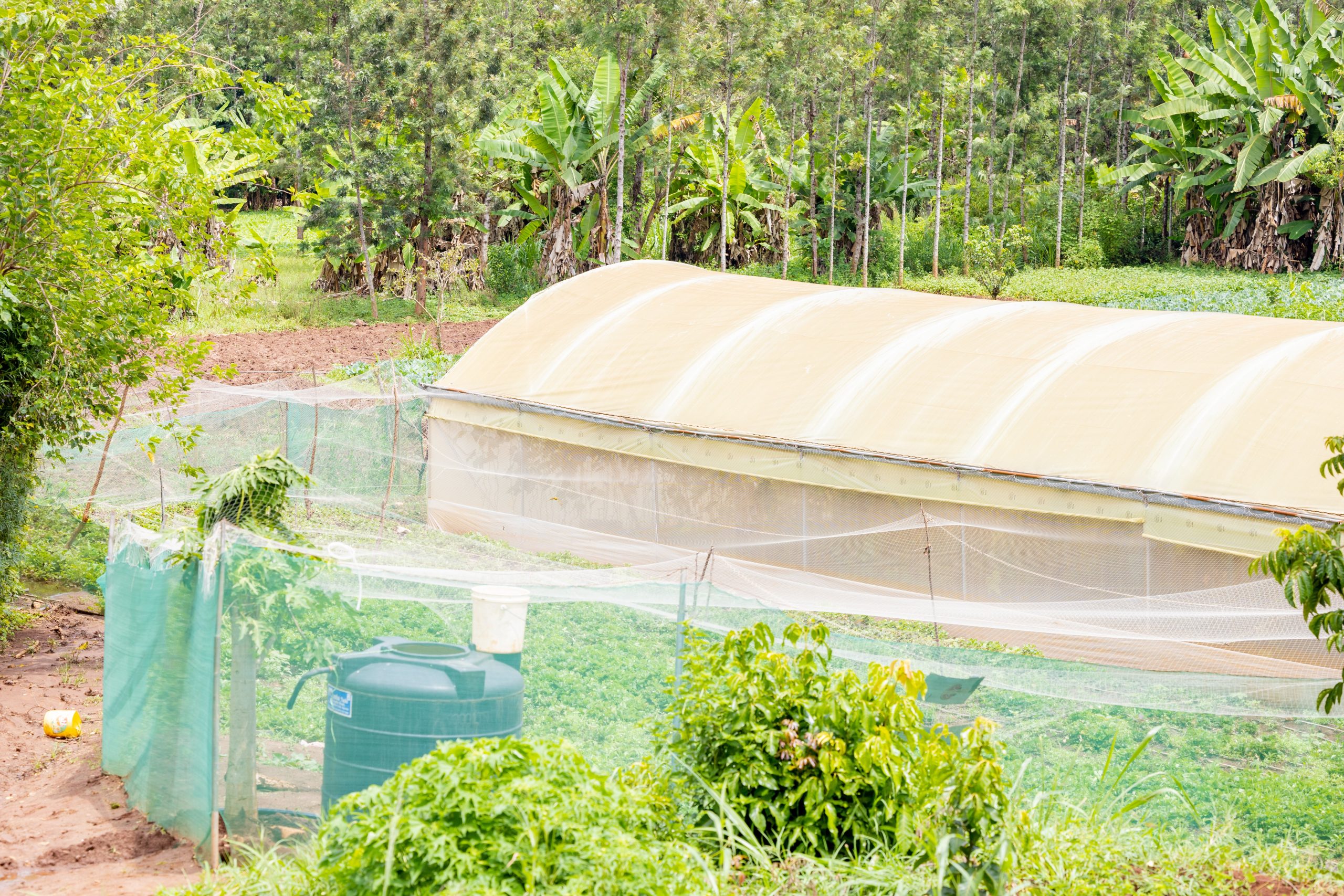
While biological methods are beneficial, sometimes chemical controls are necessary to manage severe infestations. When choosing pesticides, select those labeled for greenhouse use and apply them judiciously to minimize environmental impact. The University of Missouri Extension advises adhering to integrated pest management (IPM) principles to balance efficacy with safety.
Regular maintenance and monitoring of greenhouse structures also play a vital role in pest management. Ensuring that the greenhouse is well-sealed prevents pest entry, while proper ventilation helps maintain an environment less conducive to pest proliferation. Greenhouse farming expert Synnefa emphasizes that effective structure management is key to long-term pest control success.
For those new to greenhouse farming, exploring resources like videos or workshops on biological control can be invaluable. Michigan State University’s educational series offers practical insights into greenhouse pest management strategies. Additionally, incorporating eco-friendly practices in your pest management plan can further enhance crop quality. For more tips on sustainable farming, check out our article on farm-to-table recipes with a green twist.
To conclude, effective pest management in greenhouse farming requires a multifaceted approach. By understanding pest dynamics, utilizing cultural and biological controls, and maintaining your greenhouse’s structure, you can significantly enhance your crop yield. Whether you’re a novice or an experienced grower, these practical steps will help you create a thriving, pest-resistant greenhouse environment.
Common Mistakes to Avoid
Effective pest management is crucial for maximizing yield in greenhouse farming. While greenhouses offer a controlled environment to optimize plant growth, they can also inadvertently create ideal conditions for pests if not managed properly. Many greenhouse farmers fall into common traps that hinder their pest control efforts, ultimately affecting their crop yield. By understanding these pitfalls, growers can ensure their pest management strategies are both effective and sustainable.
One frequent mistake is over-reliance on chemical pesticides. Although they can provide quick results, frequent use may lead to pesticide resistance among pests. This resistance makes it harder to control pest populations over time. Instead, integrating biological control methods, such as introducing beneficial insects, can be a more sustainable approach. According to a video series by MSU Extension, biological controls can be highly effective when used correctly in greenhouses.
Another common error is neglecting regular monitoring and identification of pests. Without consistent surveillance, pest infestations can escalate rapidly, leading to significant damage. Farmers should regularly inspect their crops for signs of pest activity. Implementing a routine scouting schedule ensures early detection and intervention, minimizing potential yield losses.
Avoiding Mismanagement Through Integrated Pest Management (IPM)
Integrated Pest Management (IPM) is a comprehensive strategy that combines multiple tactics to control pest populations effectively. However, failing to develop a holistic IPM plan can render efforts futile. A well-rounded IPM approach includes cultural, physical, biological, and chemical methods to manage pests. Resources like the University of Nebraska-Lincoln emphasize the importance of understanding how these components work together in greenhouses.
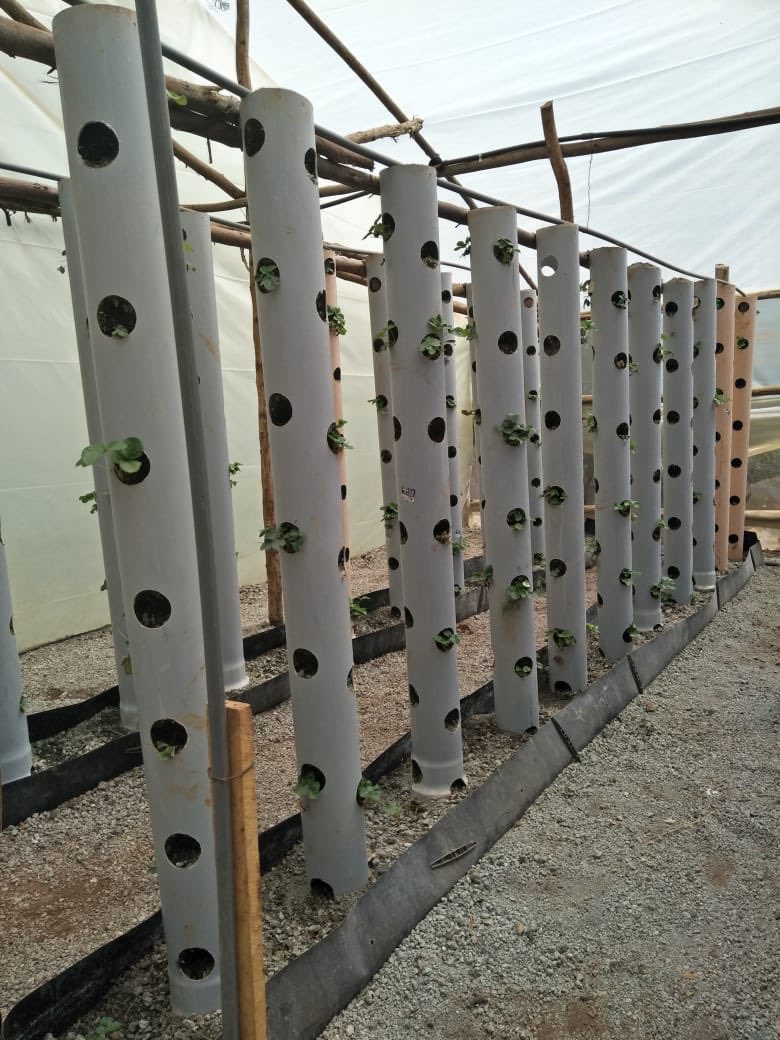
Furthermore, poor greenhouse sanitation can exacerbate pest problems. Debris, weeds, and leftover plant material can harbor pests and diseases, creating ongoing issues. Regular cleaning and maintenance of the greenhouse environment can significantly reduce the likelihood of pest infestations. As noted by Missouri Extension, maintaining a tidy greenhouse is a simple yet effective preventative measure.
Ignoring environmental controls is another pitfall. Pests often thrive in specific environmental conditions, such as high humidity. By closely monitoring and adjusting greenhouse climate controls, farmers can create an inhospitable environment for pests. Utilizing modern technology to track and modify humidity and temperature levels can be a game-changer in pest management.
Lastly, misjudging the timing of pest control measures can be detrimental. For instance, applying controls too late in the pest lifecycle can lead to poor results. Understanding the biology of target pests and timing interventions appropriately is crucial. A study by Ohio State University highlights the importance of timing in maximizing the effectiveness of pest control strategies.
In summary, successful pest management in greenhouse farming requires a balanced approach that avoids common mistakes. By integrating diverse control methods, maintaining rigorous monitoring, and optimizing environmental conditions, farmers can protect their crops and maximize yield. For those interested in further optimizing their greenhouse operations, exploring resources like Highly Targeted Chemicals vs. Natural Methods may offer valuable insights.
🏆 The Pest Management Professionals Won’t Share
As an Amazon Associate, we earn from qualifying purchases. Prices and availability subject to change.
Real-World Success Stories
Greenhouse farming has become a cornerstone of modern agriculture, offering a controlled environment to maximize crop yields. However, pest management remains a critical challenge for farmers aiming to optimize their output. By examining real-world success stories and case studies, we can uncover effective strategies that have transformed pest management in greenhouses, paving the way for increased productivity and sustainability.
One success story comes from a greenhouse operation in Michigan that employed biological control methods as part of their pest management strategy. By introducing beneficial insects such as ladybugs and parasitic wasps, the greenhouse effectively reduced their reliance on chemical pesticides. According to a study by Michigan State University, this approach not only minimized pest populations but also resulted in healthier plants and improved yields. This case highlights the importance of integrating ecological practices into conventional farming techniques.
Another compelling example involves a Nebraska-based greenhouse that implemented integrated pest management (IPM) techniques. The team used a combination of cultural, mechanical, and biological controls, drastically reducing pest-related crop losses. As reported by the University of Nebraska-Lincoln, this method led to a 30% increase in yield over traditional practices. It underscores how a comprehensive pest management plan can enhance both sustainability and profitability.
Innovative Approaches in Pest Management
In Ohio, a greenhouse operation made strides by adopting advanced monitoring technologies. By utilizing sensors and data analytics, they could predict pest outbreaks and take preemptive actions. The Ohio State University Extension noted that these innovations resulted in a 20% reduction in pesticide use. This case demonstrates the potential of technology to revolutionize pest management by making it more precise and efficient.
Furthermore, a Missouri greenhouse tackled pest issues by enhancing their crop rotation and sanitation practices. These cultural controls, coupled with careful monitoring, significantly reduced pest infestations. As detailed by the University of Missouri Extension, this approach not only controlled pests but also improved soil health, contributing to better crop performance. This example highlights the interconnectedness of various farming practices in effective pest management.
Incorporating urban green infrastructure into greenhouse designs has also shown promising results. Urban greenhouses in densely populated areas have adopted strategies that save up to 40% more soil, which indirectly supports better pest management by maintaining healthier growing environments. For more insights, you can explore 5 Shocking Ways Urban Green Infrastructure Saves 40% More Soil.
Moreover, water management plays a vital role in pest control. Greenhouses focusing on optimal water infiltration techniques have reported fewer issues with pests attracted to overly moist conditions. To learn more about how water management can impact pest control, consider reading Is Water Infiltration Secretly Sabotaging Your Farm’s Success?.
In conclusion, the integration of innovative pest management strategies in greenhouse farming is essential for maximizing yield. Real-world success stories demonstrate that a combination of biological control, IPM, advanced technology, and sustainable practices can significantly enhance productivity. By learning from these case studies, greenhouse farmers can adopt proven methods to effectively manage pests, ensuring healthier crops and more bountiful harvests.
Future Trends and Innovations
As greenhouse farming continues to evolve, the role of pest management becomes increasingly crucial in maximizing yield. Recent trends and innovations in pest management are reshaping how growers protect their crops from potential threats, ensuring both productivity and sustainability. In this dynamic environment, understanding and anticipating future developments can empower farmers to stay ahead of the curve.
One significant trend in pest management is the integration of biological control methods. Biological control involves using natural predators or parasites to combat pest populations. According to a Michigan State University study, biological control not only reduces the reliance on chemical pesticides but also promotes a healthier ecosystem within the greenhouse. As more farmers adopt these methods, the demand for natural pest control agents is expected to rise.
Another promising development is the use of technology-driven solutions such as sensors and artificial intelligence. These tools enable real-time monitoring of pest activity, allowing for timely interventions before infestations escalate. For example, AI-powered systems can analyze data and predict pest outbreaks, providing farmers with actionable insights to enhance their pest management strategies. Such innovations not only improve efficiency but also reduce the environmental impact of pest control measures.
The Rise of Integrated Pest Management (IPM) Strategies
Integrated Pest Management (IPM) is gaining traction as a comprehensive approach to pest control. By combining cultural, mechanical, biological, and chemical tactics, IPM minimizes the risks associated with each method when used in isolation. As highlighted by the Ohio State University Extension, IPM strategies are adaptable and can be tailored to the specific conditions of a greenhouse, making them highly effective for diverse pest challenges.
Furthermore, educational initiatives are playing a vital role in advancing pest management practices. Organizations are increasingly offering resources and training to help farmers implement innovative pest control techniques. These programs, such as those provided by the University of Missouri Extension, empower growers with the knowledge needed to adopt sustainable practices and protect their yields.
Additionally, there is a growing interest in organic pest management solutions. As consumer demand for organic produce rises, farmers are exploring natural alternatives to conventional pesticides. Products derived from plant extracts and essential oils are gaining popularity, offering effective pest control while meeting organic certification standards.
In light of these trends, greenhouse farmers can also benefit from community-driven initiatives. Sharing knowledge and experiences through forums and local networks can enhance pest management practices. For those interested in sustainable farming techniques, exploring innovative DIY gardening projects can provide additional insights into minimizing environmental footprints.
In conclusion, the future of pest management in greenhouse farming is marked by innovation and collaboration. By embracing biological controls, leveraging technology, and adopting IPM strategies, farmers can effectively protect their crops while promoting sustainability. As these trends continue to develop, staying informed and adaptable will be key to maximizing yields and ensuring the long-term success of greenhouse operations.
Looking for products related to this topic?
Conclusion: Your Next Steps
In conclusion, greenhouse farming presents a unique opportunity to optimize crop yield, particularly through effective pest management. First, by creating a controlled environment, greenhouses allow farmers to monitor and adjust conditions to prevent pest infestations before they start. Second, integrating natural pest management strategies, such as introducing beneficial insects, can reduce reliance on harmful chemicals, fostering a healthier ecosystem. Third, regular monitoring and quick response to pest activity can significantly minimize damage and increase overall productivity.
However, the time to act is now. As global agricultural challenges intensify, adopting innovative strategies is not just an option—it’s a necessity. Implementing these pest management techniques in your greenhouse will not only boost your crop yield but also contribute to sustainable farming practices that benefit the environment. Remember, every step you take towards refining your greenhouse operations can lead to substantial rewards.
Don’t wait for pests to dictate your harvest. Take proactive measures and harness the full potential of your greenhouse. Start today, and position yourself as a leader in sustainable agriculture. The future of farming is in your hands—embrace it and make a lasting impact.
From Our Network
GreenChoice Affiliates — Eco-friendly product reviews for sustainable living
FarmsFlo — Free farm management app for planting schedules, harvests, and operations
BoingyBooks — Publish and discover ebooks, interactive read-alongs, and audiobooks
Leave a Reply
You must be logged in to post a comment.