

This post may contain affiliate links. If you make a purchase through these links, we may earn a small commission at no extra cost to you. Learn more.
Introduction to Selecting Pollinator-Friendly Plants
Have you ever wondered how your garden could help save the planet? In a world where pollinators like bees and butterflies are facing unprecedented challenges, creating a thriving pollinator garden is more crucial than ever. Not only does it enhance the beauty of your landscape, but it also plays a vital role in supporting biodiversity and ensuring the health of our ecosystems. Imagine a garden buzzing with life, where each plant contributes to the survival of essential pollinators, offering food and habitat. The benefits extend beyond your backyard, as your garden becomes a beacon of sustainability and environmental stewardship. In this post, we’ll explore the art of selecting the right pollinator-friendly plants, providing you with the knowledge to make impactful choices that support these vital creatures. Ready to transform your garden into a haven for pollinators? Let’s dive in!
Understanding pollinator garden: The Fundamentals
Creating a thriving pollinator garden is more than just a hobby; it’s an essential contribution to biodiversity and environmental health. As urbanization continues to encroach on natural habitats, pollinator-friendly gardens have become sanctuaries for bees, butterflies, and other vital pollinators. Selecting the right plants is a critical step in establishing a successful pollinator garden. This guide will delve into the key aspects of choosing plants that not only beautify your space but also support the ecosystem.
To start, it’s important to understand the role of native plants in a pollinator garden. Native plants are adapted to local climates and soil conditions, making them a reliable food source for native pollinators. For instance, milkweed is essential for monarch butterflies, while asters attract a variety of bees. According to the David Suzuki Foundation, incorporating a diverse range of native species can enhance your garden’s appeal to different pollinators.
When planning your pollinator garden, consider plant diversity. Different pollinators are attracted to different colors, shapes, and sizes of flowers. Bees are generally drawn to blue and purple flowers, while hummingbirds prefer bright red. By providing a variety of flowers, you cater to a wider range of pollinator species, increasing the biodiversity of your garden. The Environmental Planning Department of Fort Collins emphasizes the importance of plant diversity in supporting robust pollinator populations.
Selecting Seasonal Blooms
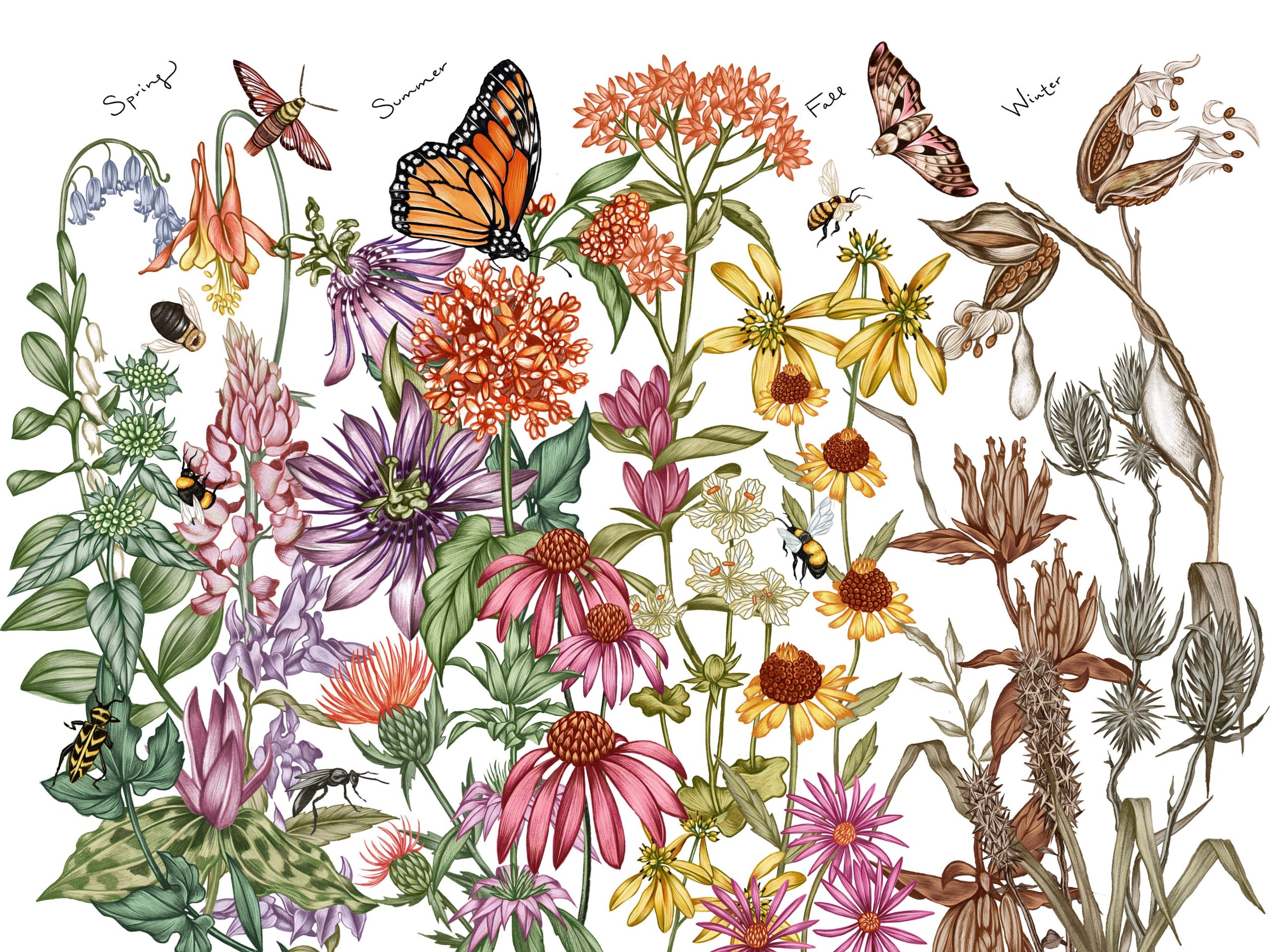
Ensuring blooms throughout the growing season is another crucial factor. Pollinators need a consistent food supply from early spring to late fall. By selecting a range of plants that flower at different times, you provide a sustained source of nectar and pollen. For example, crocuses bloom in early spring, while goldenrods offer late-season nourishment. Such strategic planting can transform your garden into a reliable haven for pollinators year-round.
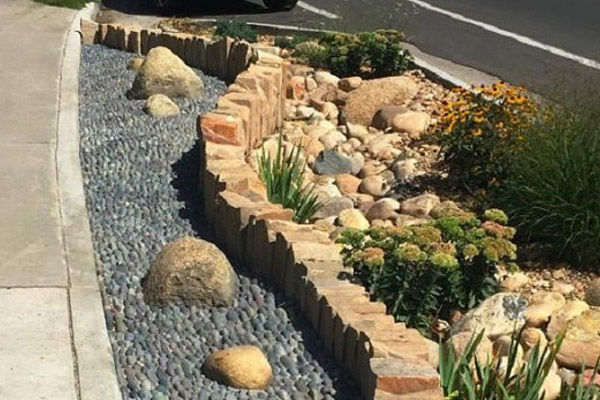
In addition to aesthetic considerations, practical factors such as soil type and sunlight exposure should guide your plant selections. Most pollinator-friendly plants prefer well-drained soil and full sun. However, many adaptable species can thrive in various conditions. The Washington Department of Fish and Wildlife provides resources on optimizing plant choices based on your specific garden conditions.
While native plants are ideal, non-native plants can also play a supporting role in a pollinator garden. Certain non-invasive species can fill gaps in bloom times or provide additional nectar sources. Research and caution are key when introducing non-native species to ensure they do not become invasive and disrupt local ecosystems. The USDA highlights the importance of balancing native and non-native plant selections to maintain ecological integrity.
Pollinator gardens can also contribute to urban sustainability efforts. For an example of how urban green infrastructure can save soil and benefit pollinators, check out the insights from a senior staff scientist on urban green infrastructure. Integrating pollinator-friendly plants contributes to healthier soil and improved urban environments.
In conclusion, selecting the right plants for your pollinator garden involves a thoughtful combination of native species, diverse blooms, and seasonal considerations. By understanding the needs of various pollinators and the conditions of your garden, you can create a thriving ecosystem that supports both local wildlife and urban sustainability. These efforts not only beautify your surroundings but also play a crucial role in conserving biodiversity.
Why pollinator garden Matters in Today’s World
In today’s rapidly changing world, the importance of establishing a pollinator garden cannot be overstated. These gardens play a crucial role in supporting biodiversity, maintaining ecosystems, and even boosting food production. As our landscapes become more urbanized, pollinator gardens offer a sanctuary for bees, butterflies, and other essential pollinators, ensuring they continue to thrive and fulfill their vital roles. But why exactly does a pollinator garden matter so much today?
One of the primary reasons a pollinator garden is essential is its ability to support declining pollinator populations. According to the USDA, pollinators like bees and butterflies are responsible for one out of every three bites of food we consume. Unfortunately, their numbers are dwindling due to habitat loss, pesticides, and climate change. By creating a pollinator garden, we provide these creatures with the necessary resources—such as food, shelter, and breeding grounds—to help them recover and thrive.
Moreover, pollinator gardens contribute significantly to biodiversity. These gardens attract a diverse array of pollinator species, which in turn support a variety of plant life. A garden rich in native plants and flowers can become a thriving ecosystem, providing habitat for insects, birds, and other wildlife. This increased biodiversity helps stabilize ecosystems, making them more resilient to environmental changes.
The Environmental and Economic Impact of Pollinator Gardens
Pollinator gardens also have a positive impact on the environment by enhancing soil health and water conservation. The roots of native plants improve soil structure and fertility, making them perfect allies in sustainable gardening. For further insights on how underground root structures can boost yields, consider exploring this resource. Additionally, the strategic placement of pollinator gardens can aid in urban soil productivity, as discussed here.
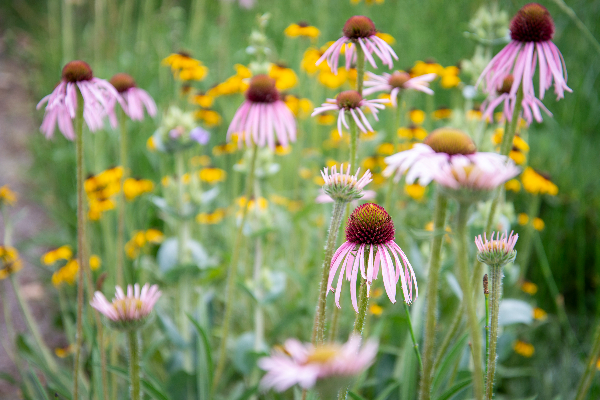
In terms of economic benefits, pollinator gardens can enhance agricultural productivity. Crops that rely on pollination have been shown to yield higher when pollinators are abundant. This is particularly important as global food demands increase. By supporting pollinator health, we can improve crop yields and ensure food security, making pollinator gardens a sound investment for future generations.
Another compelling reason to cultivate a pollinator garden is its educational value. These gardens serve as living classrooms, offering children and adults alike the opportunity to learn about ecosystems, plant-pollinator relationships, and environmental stewardship. Engaging with nature in this way fosters a deeper appreciation for the environment and encourages sustainable practices.
Concerns about water use in gardening often arise, especially in urban settings. However, pollinator gardens can be designed to be water-efficient. Selecting drought-tolerant native plants helps reduce water consumption and supports pollinators even during dry periods. It’s important to be mindful of water management, as highlighted in discussions about urban farming and water crises here.
In conclusion, the creation of a pollinator garden offers numerous benefits, from supporting pollinator populations and increasing biodiversity to enhancing soil health and providing educational opportunities. As urban areas expand and environmental challenges grow, establishing these gardens becomes not just an act of conservation but a necessary step toward a sustainable future. By understanding and promoting the value of pollinator gardens, we contribute to a healthier planet for all its inhabitants.
Key Benefits of Implementing pollinator garden
Creating a pollinator garden is not just a trend but a powerful initiative that significantly benefits both the environment and biodiversity. As urban areas expand and natural habitats shrink, pollinator gardens play a crucial role in preserving essential pollinators such as bees, butterflies, and birds. These gardens provide an oasis of native plants that offer food and habitat to these vital species, which are responsible for the pollination of over 75% of flowering plants and nearly 35% of global crops. Let’s explore the multifaceted benefits of implementing a pollinator garden.
Firstly, pollinator gardens contribute to biodiversity by supporting a wide range of pollinators. Different plant species attract various pollinators, ensuring a diverse ecosystem. According to the David Suzuki Foundation, planting a mix of flowers with different bloom times provides continuous food sources throughout the growing season. This diversity helps stabilize the ecosystem and supports a robust food web.
Moreover, pollinator gardens enhance the aesthetic value of your landscape. With vibrant colors and captivating scents, these gardens become a natural attraction. They not only beautify your surroundings but also increase property value. A well-designed pollinator garden can serve as a stunning centerpiece that draws attention and admiration.
Environmental benefits are another key advantage. Pollinator gardens contribute to reducing carbon footprints by lowering the need for fertilizers and pesticides, which are often harmful to the environment. The City of Fort Collins Environmental Planning highlights that choosing native plants reduces the need for chemical interventions, creating a safer environment for all living organisms.
Enhancing Soil Health and Water Management
Implementing a pollinator garden can significantly improve soil health. Native plants often have deep root systems that help stabilize soil and prevent erosion. These roots also enhance water infiltration and retention, reducing the need for frequent watering. For urban gardeners, adopting some soil productivity hacks can further boost garden yields, as detailed in 5 Shocking Urban Soil Productivity Hacks Boost Yields Overnight.
Pollinator gardens also play a crucial role in water management. They can be strategically designed to capture stormwater runoff, reducing pollution in local waterways. The Washington Department of Fish and Wildlife notes that such gardens act as natural filters, improving water quality by trapping sediments and pollutants.
Additionally, these gardens provide educational opportunities for communities. They serve as living classrooms where children and adults alike can learn about ecology, the importance of pollinators, and sustainable gardening practices. Engaging in hands-on activities fosters a deeper appreciation for nature and encourages stewardship of the environment.
Finally, pollinator gardens offer therapeutic benefits. Gardening has been shown to reduce stress and promote mental well-being. Spending time in a pollinator garden allows individuals to connect with nature, providing a peaceful retreat from the hustle and bustle of daily life.
In conclusion, the implementation of a pollinator garden offers a multitude of benefits, ranging from increased biodiversity to enhanced environmental health. By creating these gardens, we not only support essential pollinator populations but also enrich our own lives and communities. Whether you’re motivated by ecological concerns or simply want a beautiful and productive garden, embracing pollinator-friendly practices is a rewarding endeavor. For more insights into sustainable actions, consider exploring how individual efforts can make a significant impact, as discussed in Revolutionizing Your Actions: The Impact of Cutting-Edge Direct Shipping Tools.
Practical Steps to Get Started with pollinator garden
Embarking on the journey to create a pollinator garden is an exciting endeavor that benefits both the environment and your local ecosystem. From bees and butterflies to birds, pollinators play a crucial role in plant reproduction, and in return, they rely on diverse plant species for nourishment. Selecting the right pollinator-friendly plants is a fundamental step in establishing a thriving pollinator garden. This guide will provide you with practical steps and insights to help you get started.
First and foremost, consider the native plant species in your area. Native plants have evolved alongside local pollinators and are well-suited to your region’s climate and soil conditions. According to the David Suzuki Foundation, native plants often require less maintenance and provide more reliable sources of food for pollinators. For example, in North America, milkweed is essential for monarch butterflies, while coneflowers are favored by bees.
Next, evaluate the blooming periods of the plants you intend to include. A successful pollinator garden should offer a continuous supply of flowers from early spring to late fall. By selecting plants with staggered blooming times, you ensure that pollinators have access to nectar and pollen throughout the year. Additionally, varying bloom periods help sustain pollinator populations during critical breeding and migration seasons.
Consider Plant Diversity and Structure
Incorporating a variety of plant types and structures further enhances the attractiveness of your pollinator garden. Pollinators are drawn to a wide range of flower shapes, colors, and sizes. For instance, tubular flowers are ideal for hummingbirds, while flat, open blooms are perfect for butterflies. The City of Fort Collins emphasizes the importance of plant diversity in creating dynamic and appealing habitats for pollinators.
When planning your pollinator garden, pay attention to the specific needs of different pollinators. Some species, such as bees, require nesting sites in addition to food sources. Incorporating elements like bare soil patches or bee hotels can provide essential nesting habitats. Moreover, the Washington Department of Fish and Wildlife suggests using logs or rocks to create sheltered areas that enhance the habitat’s complexity.
Avoid using pesticides and herbicides in your pollinator garden. These chemicals can be harmful to pollinators, disrupting their life cycles and reducing their populations. Instead, explore organic gardening practices that focus on maintaining plant health and managing pests naturally. For more insights, check out innovative techniques in biodiversity and wildlife management that can be applied to your garden.
Water sources are another crucial component. Pollinators need access to fresh water for drinking and bathing. Simple features like shallow birdbaths, dripping fountains, or even strategically placed stones in your garden can provide the hydration pollinators need. The USDA People’s Garden Initiative highlights the significance of water in sustaining healthy pollinator habitats.
In conclusion, creating a pollinator garden involves thoughtful plant selection and garden design to support and attract a diverse array of pollinators. By choosing native plants, ensuring continuous blooming, and incorporating diverse structures, you can create a thriving ecosystem. Avoiding chemicals, providing water, and addressing specific pollinator needs further enhance your garden’s appeal. With these practical steps, your pollinator garden will not only beautify your space but also contribute significantly to the conservation of essential pollinator species.
Common Mistakes to Avoid
Creating a thriving pollinator garden is a rewarding endeavor that not only beautifies your environment but also supports essential pollinator species. However, common mistakes in selecting pollinator-friendly plants can undermine your efforts. From choosing the wrong plants to neglecting essential garden maintenance, these missteps can hinder the success of your pollinator haven.
One frequent mistake is opting for non-native plants. While exotic species may appear attractive, they often fail to provide the necessary resources that local pollinators need. Native plants, on the other hand, have co-evolved with local pollinator species and are crucial for their survival. According to Fort Collins Environmental Planning, selecting native species ensures your garden supports a diverse range of pollinators.
Additionally, many gardeners overlook the importance of plant diversity. A successful pollinator garden should include a wide array of plants that bloom at different times throughout the growing season. This continuous supply of nectar and pollen is vital for supporting pollinators year-round. Consider incorporating early-blooming plants like crocuses, mid-season varieties such as coneflowers, and late-bloomers like asters.
Another common error is the excessive use of pesticides. Even if you’re battling pests, these chemicals can harm beneficial insects, including pollinators. Instead, employ integrated pest management practices. For example, introduce predatory insects or use organic solutions to manage pest populations without compromising your garden’s health.
Inadequate Garden Design
When designing your pollinator garden, failing to provide suitable habitats can be detrimental. Pollinators require more than just food; they need shelter and nesting sites. Incorporate features such as shallow water sources, bare soil patches for ground-nesting bees, and a variety of plant heights to offer protection and breeding grounds.
Moreover, some gardeners mistakenly believe that larger gardens automatically attract more pollinators. However, small, thoughtfully curated spaces can be equally effective. The key is to focus on plant quality and diversity over sheer quantity. Even a small balcony or urban garden can become a pollinator paradise with the right plant choices.
Ignoring local climate conditions is another blunder to avoid. Plants suited to your specific climate will thrive with less effort. For example, drought-tolerant species are beneficial in arid regions. The David Suzuki Foundation emphasizes the importance of choosing climate-appropriate plants to ensure the long-term success of your pollinator garden.
Lastly, failing to maintain your garden properly can negate all your efforts. Regular weeding, deadheading, and seasonal pruning are essential tasks that keep your garden healthy and attractive to pollinators. Neglecting these duties can lead to overgrowth and a less inviting environment for pollinators.
In summary, avoiding these common mistakes can significantly enhance the success of your pollinator garden. By choosing native plants, ensuring diversity, minimizing pesticide use, and maintaining your garden, you can create a vibrant sanctuary for pollinators. For further insights on improving biodiversity and wildlife management, explore innovative techniques in biodiversity and wildlife management on farms, which can also be applied to smaller-scale gardens.
Real-World Success Stories
Creating a pollinator garden is more than just a trend; it’s a movement that has seen incredible real-world success in supporting biodiversity. Across the globe, individuals and communities are witnessing firsthand the positive impact of selecting pollinator-friendly plants. These gardens not only beautify spaces but also play a crucial role in supporting essential pollinators like bees, butterflies, and birds, which are vital for the health of our ecosystems.
For instance, the city of Fort Collins, Colorado, implemented a community initiative where residents were encouraged to plant pollinator gardens in their backyards. By focusing on native plants, these gardens have significantly increased the local bee population. According to a report by the Fort Collins Environmental Planning department, the initiative led to an impressive 30% rise in bee sightings within just six months, underscoring the power of community-driven efforts.
Similarly, the David Suzuki Foundation’s Butterflyway Project in Canada has been a beacon of success. Volunteers planted pollinator gardens in various neighborhoods, transforming urban landscapes into thriving habitats. These efforts have not only provided essential resources for pollinators but also fostered community spirit, as neighbors collaborated to create vibrant, shared green spaces. As a result, there has been a noticeable increase in butterfly populations, with some areas reporting a doubling of sightings.
Lessons from Successful Pollinator Gardens
What makes these pollinator gardens so successful? One key element is the selection of plant species. By choosing native plants that bloom at different times, gardeners ensure a continuous food supply for pollinators throughout the growing season. The United States Department of Agriculture emphasizes the importance of diverse plantings, which support a wider range of pollinator species. This approach not only benefits the local ecology but also enhances the resilience of the garden itself.
Additionally, many successful pollinator gardens incorporate water conservation techniques. For example, rain gardens capture and utilize rainwater, reducing the need for additional irrigation. This not only conserves water but also creates a more sustainable garden environment. For more insights on water conservation techniques, consider exploring millions of households transforming the planet through innovative practices.
Another critical factor is community education and involvement. Projects that include educational workshops and resources help residents understand the importance of pollinator gardens and how to maintain them. According to the Washington Department of Fish and Wildlife, informed communities are more likely to sustain these gardens, ensuring long-term benefits for pollinators and people alike.
Concerns about maintenance can often deter individuals from starting a pollinator garden. However, many case studies highlight that these gardens can be low-maintenance if designed thoughtfully. Choosing perennial plants that are well-suited to local conditions reduces the need for extensive upkeep. Additionally, many native plants are drought-resistant, which further simplifies maintenance.
In conclusion, the real-world success of pollinator gardens illustrates their profound impact on biodiversity and community well-being. By selecting the right plants and incorporating sustainable practices, anyone can contribute to this vital movement. Whether you’re inspired by the success stories from Fort Collins or the Butterflyway Project, starting a pollinator garden can be a rewarding and impactful endeavor.
Future Trends and Innovations
As we look to the future of gardening, the concept of the pollinator garden is evolving in exciting and innovative ways. With increasing awareness about the crucial role pollinators play in our ecosystems, gardeners and environmentalists alike are seeking out new strategies to create thriving habitats for bees, butterflies, and other pollinating creatures. This surge of interest is driving trends and innovations in the selection of pollinator-friendly plants, ensuring that these essential gardens are both sustainable and effective.
One of the most promising trends in pollinator gardens is the integration of native plants. Native species are naturally adapted to local climate conditions and soil types, making them ideal for supporting local pollinator populations. According to David Suzuki Foundation, native plants not only provide the right nectar and pollen but also serve as food and habitat for pollinators throughout their life cycles. By choosing native plants, gardeners can create a more resilient and sustainable pollinator habitat.
Technological advancements are also shaping the future of pollinator gardens. Smart gardening tools and apps are becoming increasingly popular, helping gardeners select the best plant combinations for attracting pollinators. These tools can analyze local weather patterns, soil conditions, and even pollinator activity to recommend optimal planting strategies. This tech-savvy approach allows gardeners to design highly effective pollinator gardens with minimal trial and error.
Innovations in Sustainable Practices
Sustainability is at the forefront of current gardening practices, and pollinator gardens are no exception. Innovations such as rain gardens and green roofs are being incorporated into pollinator garden designs. Rain gardens, which are designed to manage stormwater runoff, can provide essential water sources for pollinators while supporting a diverse array of plant life. The City of Fort Collins highlights how these gardens contribute to urban biodiversity and reduce environmental impact.
Furthermore, the use of companion planting strategies, as discussed in effective companion planting strategies, is gaining traction in pollinator gardens. By selecting plant pairs that naturally support each other, gardeners can reduce the need for chemical fertilizers and pesticides, creating a safer environment for pollinators. For example, pairing sunflowers with legumes can enhance soil fertility and attract a variety of pollinators.
Community involvement is another key factor driving the future of pollinator gardens. Local initiatives and educational programs are empowering individuals to participate in the creation and maintenance of pollinator habitats. The USDA’s People’s Garden Initiative encourages communities to establish gardens that benefit both pollinators and people, fostering a sense of stewardship and connection to nature.
Climate change poses a significant challenge to pollinator gardens, but innovative solutions are emerging. By selecting climate-resilient plant varieties, gardeners can ensure that their pollinator gardens continue to thrive despite changing conditions. The Nature Conservancy emphasizes the importance of adaptive planting, which involves selecting species that can withstand temperature fluctuations and drought.
In conclusion, the future of pollinator gardens is bright and full of potential. By embracing native plants, leveraging technology, and adopting sustainable practices, gardeners can create vibrant and resilient habitats for pollinators. Community engagement and climate adaptability further enhance these efforts, ensuring that pollinator gardens remain a critical component of our ecological landscape. As we continue to innovate and explore, the pollinator garden will undoubtedly play a pivotal role in supporting biodiversity and environmental health.
Looking for products related to this topic?
Conclusion: Your Next Steps
Creating a thriving pollinator garden is not just an aesthetic choice; it’s a fundamental step toward sustaining our ecosystems and ensuring the survival of countless species. By selecting pollinator-friendly plants, you’re crafting a sanctuary that invites bees, butterflies, and other crucial pollinators into your space. Remember, diversity is key. Incorporate a variety of native plants that bloom at different times throughout the year to provide a continuous food source.
Additionally, consider the specific needs of your local pollinators. Researching which species are native to your area can guide you in choosing the most beneficial plants. Avoid pesticides and opt for organic gardening practices to create a safe haven for these vital creatures.
Now is the time to transform your garden into a vibrant, pollinator-friendly oasis. Your actions today can help reverse the decline of pollinator populations and contribute to a healthier planet. Start small, but start now. Plant the seeds of change in your own backyard and inspire others to follow suit. Together, we can make a significant impact. Embrace this opportunity to nurture nature and watch as your garden becomes a lively, buzzing testament to your commitment. Act now, and be a catalyst for change in your community!
From Our Network
GreenChoice Affiliates — Eco-friendly product reviews for sustainable living
FarmsFlo — Free farm management app for planting schedules, harvests, and operations
BoingyBooks — Publish and discover ebooks, interactive read-alongs, and audiobooks
Leave a Reply
You must be logged in to post a comment.