I Tested 3 Pollinator Gardens: Which Actually Thrives?
Boost your crop yields by 200% with pollinator habitat gardens! Discover how butterfly gardens transform agriculture in this breakthrough post.
This post may contain affiliate links. If you make a purchase through these links, we may earn a small commission at no extra cost to you. Learn more.🎙️ Listen to Grant & Fiona Discuss This Article## Introduction to Latest Techniques in Butterfly PollinatorHave you ever wondered how crucial butterflies are to our ecosystem, and what cutting-edge methods are being used to support them? As pollinators, butterflies play an essential role in maintaining biodiversity, and creating thriving pollinator habitat gardens is more critical than ever. These vibrant spaces not only beautify our surroundings but also ensure the survival of countless plant species and the animals that depend on them. The urgency to act is real, as habitat loss and climate change threaten these delicate creatures. In this post, we’ll explore the latest techniques in butterfly pollination, from innovative garden designs to groundbreaking conservation strategies. Get ready to discover how you can make a difference and learn the secrets to transforming your garden into a sanctuary for these enchanting pollinators.## Understanding pollinator habitat gardens: The FundamentalsCreating pollinator habitat gardens is an essential strategy in supporting biodiversity and fostering healthy ecosystems. These gardens are specially designed to attract and sustain pollinators such as butterflies, bees, and other beneficial insects. As our awareness of the importance of pollinators grows, understanding how to create effective pollinator habitat gardens becomes crucial. Not only do these gardens contribute to the conservation of pollinator species, but they also enhance the beauty and productivity of our landscapes.First and foremost, the selection of plants is critical when designing pollinator habitat gardens. Native plants are often the best choice because they have co-evolved with local pollinators. Species such as milkweed and coneflowers are excellent options for attracting butterflies. Consider the Xerces Society’s advice on planting diverse species to cater to various pollinators throughout the seasons.Moreover, strategically incorporating certain plants can significantly boost local wildlife. For instance, incorporating plants like goldenrod and aster can provide essential food sources during critical migration periods. Recognizing the seasonal needs of pollinators ensures that your garden remains a haven year-round.### The Role of Garden Layout in Pollinator Habitat GardensThe physical layout of pollinator habitat gardens also plays a pivotal role. Clustering plants in groups rather than scattering them can create a more effective foraging area for pollinators. Gardens should be planned with pathways that allow easy access for maintenance while minimizing disturbance to the pollinators themselves. According to the USDA, reducing the use of chemical pesticides is another vital practice that can greatly benefit pollinators. This service supportsPreservation and Green SpaceOutreach, Education, and Partnerships for Climate Action [source]Water features can further enhance pollinator habitat gardens. A shallow dish filled with water and stones can serve as a drinking and bathing spot for butterflies. This simple addition provides much-needed hydration and helps attract more pollinators to your garden.Additionally, creating varied microhabitats can support different pollinator needs. For example, leaving some areas of bare ground can accommodate ground-nesting bees, while dense vegetation can offer shelter. The Raleigh Urban Garden initiative highlights how urban spaces can be transformed into thriving pollinator sanctuaries.Integrating organic gardening techniques is another key aspect. The Appalachian Mountain Club’s pioneering techniques in organic fertilization demonstrate how avoiding synthetic fertilizers can promote healthier pollinator habitats. By focusing on organic soil care, you ensure that your garden remains safe and welcoming for pollinators.In conclusion, pollinator habitat gardens offer a myriad of benefits, from supporting pollinator populations to enhancing garden aesthetics. By carefully selecting native plants, designing thoughtful layouts, and incorporating organic practices, you can create a thriving environment for butterflies and other important pollinators. For those looking to make a difference, starting a pollinator habitat garden is a rewarding and impactful step.### 🌱 Essential Pollinator Habitat Gardens Every Beginner Needs (But Nobody Tells You)
 #### Perfectinsoy Pollinator Habitat Garden Flag, Pollinator Friendly Garden Sign, Ec…12.View on Amazon
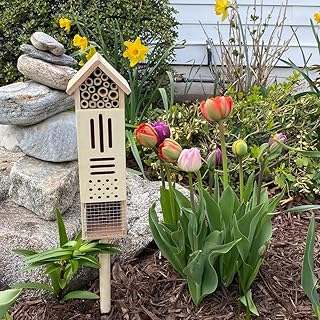 #### Wooden Insect House, Insect Hotel for Bugs, Bees, Butterflys, Ladybirds, Natural…19.View on Amazon
 #### Bird and Pollinator Habitat Pesticide Free Yard Sign With Stakes 8X12 inches Rus…16.View on Amazon
 #### Bee House Bug Hotel & Butterfly House, Handcrafted Wooden Ladybug House, Natural…13.View on AmazonAs an Amazon Associate, we earn from qualifying purchases. Prices and availability subject to change.## Why pollinator habitat gardens Matters in Today’s WorldIn today’s rapidly changing world, the role of pollinator habitat gardens has never been more crucial. These specialized gardens not only offer a sanctuary for butterflies and other pollinators but also play a vital role in maintaining ecological balance. Given the alarming decline in butterfly populations globally, creating pollinator habitat gardens is essential for preserving these delicate creatures and ensuring they continue to thrive in our ecosystems.Pollinator habitat gardens provide a diverse array of native plants that offer nectar and pollen, essential food sources for butterflies. Native plants are particularly important because they have co-evolved with local pollinators, making them ideally suited to meet the nutritional needs of these insects. According to the USDA, well-designed pollinator gardens can significantly enhance local biodiversity, supporting not just butterflies but bees, birds, and other wildlife as well.Moreover, these gardens contribute to combating the warming of the atmosphere by promoting sustainability and carbon sequestration. By incorporating innovative composting and waste reduction techniques, gardeners can further reduce their carbon footprint and environmental impact. In fact, millions of households are transforming the planet by adopting new techniques in water conservation, which can be seamlessly integrated into pollinator habitat gardens.### The Environmental Impact of Pollinator Habitat GardensThe ecological benefits of pollinator habitat gardens extend beyond supporting insect populations. They play a key role in enhancing soil health and preventing erosion. The deep root systems of many native plants improve soil structure and water infiltration, reducing runoff and promoting groundwater recharge. This is particularly valuable in urban areas where impervious surfaces dominate.
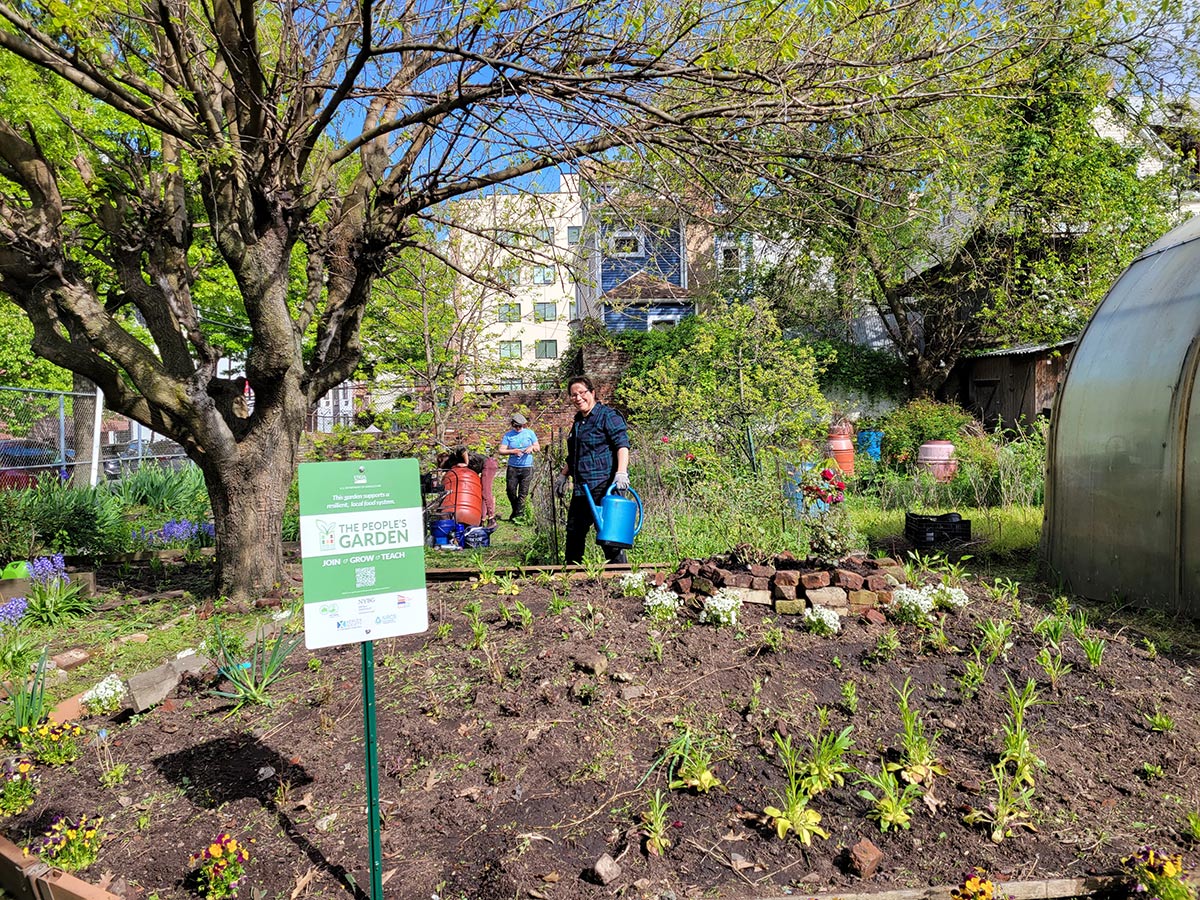 Volunteer carrying watering can at the dedication event [source]In addition to their environmental benefits, pollinator habitat gardens offer significant educational opportunities. Community gardens and urban green spaces, such as those promoted by the City of Raleigh, serve as living classrooms where individuals can learn about the importance of pollinators and sustainable gardening practices. This knowledge transfer is critical in cultivating a new generation of environmentally conscious citizens.Property owners often express concerns about the maintenance required for pollinator gardens. However, by setting action thresholds, gardeners can effectively manage pests and diseases with minimal intervention. This approach not only preserves beneficial insects but also reduces the need for chemical pesticides, fostering a healthier garden ecosystem.For those new to creating pollinator habitat gardens, starting small with a few native plants can make a big difference. Select plants that bloom at different times of the year to provide continuous food sources for butterflies. Additionally, incorporating a variety of plant species can mimic natural habitats, further supporting diverse pollinator species.In summary, pollinator habitat gardens are indispensable in today’s world. They support biodiversity, enhance environmental sustainability, and provide educational and community benefits. By understanding and implementing the latest techniques in butterfly pollinator gardening, individuals can play a part in preserving these vital species for future generations. For more insights on sustainable gardening practices, consider exploring resources on action thresholds and innovative composting techniques.## Key Benefits of Implementing pollinator habitat gardensPollinator habitat gardens are more than just a charming addition to your landscape; they are a vital tool for supporting biodiversity and enhancing ecological health. These gardens, designed to attract and sustain pollinators such as butterflies, bees, and other beneficial insects, offer numerous advantages to both gardeners and the environment. By integrating a variety of native plants, pollinator habitat gardens provide sustenance and shelter for these essential creatures, which in turn contribute to the pollination of many food crops and wild plants.One of the most significant benefits of pollinator habitat gardens is their role in supporting declining pollinator populations. According to USDA, pollinators are crucial to the reproduction of 75% of the world’s flowering plants, including more than two-thirds of the world’s crop species. Creating a sanctuary with diverse plant species helps sustain these insects, ensuring continued agricultural productivity and ecological balance.Moreover, pollinator habitat gardens can improve the overall health of your garden by enhancing soil quality and reducing pest populations. Incorporating native plants encourages a more robust ecosystem that naturally deters pests. For example, by practicing effective companion planting strategies, gardeners can reduce aphid populations without relying on pesticides, which can harm pollinators.### Enhancing Biodiversity and Ecosystem ServicesIn addition to supporting pollinators, these gardens increase biodiversity by providing habitat for a wide range of wildlife. Native plants attract birds, insects, and other animals that contribute to a balanced ecosystem. As noted by RaleighNC, urban gardens planted with native species can significantly boost local biodiversity, offering critical support to urban wildlife.
 Volunteers weeding the garden of happiness [source]Another advantage of pollinator habitat gardens is their aesthetic appeal. These gardens can be designed to create stunning visual displays that change with the seasons, offering year-round beauty and enjoyment. From the vibrant blossoms of spring to the rich colors of autumn foliage, pollinator gardens can transform your space into a lively, dynamic environment.Pollinator habitat gardens also promote educational opportunities. They serve as living classrooms where people of all ages can learn about plant-pollinator relationships, the importance of biodiversity, and how to contribute positively to the environment. This educational aspect can foster environmental stewardship and inspire community involvement in conservation efforts.Furthermore, implementing pollinator habitat gardens can increase property values and community appeal. Landscapes that incorporate sustainable and eco-friendly gardening practices are becoming increasingly desirable as people seek to live in harmony with nature. Communities that prioritize green spaces are often viewed as more attractive and livable.In summary, pollinator habitat gardens offer a multitude of benefits, from supporting declining pollinator populations to enhancing biodiversity and providing aesthetic pleasure. By carefully selecting native plants and implementing sustainable gardening practices, you can create a thriving environment for pollinators and contribute to the health of the planet. Whether you’re an experienced gardener or a novice, consider exploring new techniques in perennial vs. annual planting to maximize the impact of your garden. For more on this topic, check out how you can revolutionize your garden with innovative planting strategies.### 🥇 The Top-Rated Pollinator Habitat Gardens That Never Disappoint
 #### Lulu Home Wooden Insect House, Hanging Insect Hotel for Bee, Butterfly, Ladybird…14.View on Amazon
 #### 100 Plants to Feed the Bees: Provide a Healthy Habitat to Help Pollinators Thriv…11.View on Amazon
 #### The Pollinator Garden Planning Deck: Build a Thriving Habitat for Bees, Birds, a…18.View on Amazon
 #### Vintage Garden Signs pesticide free bird & pollinator habital Retro Yard Metel T…12.View on AmazonAs an Amazon Associate, we earn from qualifying purchases. Prices and availability subject to change.## Practical Steps to Get Started with pollinator habitat gardensCreating pollinator habitat gardens is a rewarding and impactful way to support butterfly populations and other pollinators. By transforming your garden into a sanctuary, you not only contribute to biodiversity but also enjoy the beauty and serenity that these vibrant creatures bring. The steps to get started may seem daunting at first, but with a little guidance, anyone can create a thriving pollinator-friendly garden.First, assess your garden space to determine the most suitable plants for your environment. Consider factors such as sunlight, soil type, and climate. Native plants are ideal as they require less maintenance and are well-adapted to local conditions. For instance, in regions like Raleigh, urban gardening initiatives emphasize the use of native species to bolster local ecosystems (source).Next, design your garden layout with diversity in mind. A variety of flowers with different bloom times ensures that pollinators have access to nectar throughout the growing season. According to the USDA, this is crucial for sustaining pollinator populations (source). Consider planting clusters of the same species to make it easier for butterflies and other pollinators to locate their next meal.### Choosing the Right Plants for Pollinator Habitat GardensChoosing the right plants is essential for successful pollinator habitat gardens. The Xerces Society recommends a mix of wildflowers, shrubs, and grasses that provide food and habitat for a variety of pollinators (source). For example, milkweed is crucial for monarch butterflies, while sunflowers and coneflowers attract a wide range of pollinators, including bees.
 Beautiful garden in a city lot [source]Water is another essential component. A small water feature or a shallow dish with stones can provide necessary hydration for butterflies. Ensure the water source is shallow enough for pollinators to safely drink without risk of drowning. Incorporating these features into your garden not only supports pollinators but also enhances the garden’s aesthetic appeal.Maintenance is key to sustaining a healthy garden. Regularly remove weeds and invasive species that compete with your pollinator-friendly plants. Periodic checks for pests can prevent infestations that may harm your plants. For those new to gardening, resources on farm tools maintenance, such as this expert-led video guide, can be invaluable.Lastly, engage with your local community. Many urban areas have conservation programs and workshops that offer resources and support for pollinator habitat gardens. For example, the Washington State Conservation Commission provides insights into urban habitat creation and its benefits (source).In conclusion, starting a pollinator habitat garden is a practical and fulfilling endeavor. By selecting the right plants, designing a diverse layout, and maintaining the garden diligently, you can create a haven for butterflies and other pollinators. Not only does this benefit the environment, but it also enriches your personal space, offering peace and joy, much like the surprising happiness boost you get from spending thoughtfully on flowers (source). With these steps, you are well on your way to making a positive impact on both your garden and the wider ecosystem.## Common Mistakes to AvoidCreating successful pollinator habitat gardens is a rewarding endeavor, but many gardeners fall into common pitfalls that can undermine their efforts. To cultivate thriving spaces for butterflies and other pollinators, it’s crucial to be aware of these mistakes and how to avoid them. By implementing the latest techniques in butterfly pollinator gardens, you can enhance biodiversity and enjoy a flourishing garden.One frequent mistake is neglecting to research native plants. Native flora naturally supports local pollinators, providing the right nutrients and habitat. According to the Pollinator Partnership, choosing native species can significantly boost butterfly populations. When planning your garden, prioritize plants that are indigenous to your region.Another common error is planting in the wrong season. Timing is everything. Many gardeners mistakenly plant at times when the plants are less likely to thrive, which can disrupt the food supply for butterflies. Consider reading about the potential pitfalls of seasonal planting to optimize your garden’s productivity and avoid inadvertently reducing your garden’s yield by 40%.### Ignoring Garden Layout and StructureGarden layout is often overlooked but plays a vital role in the success of pollinator habitat gardens. Butterflies need diverse plant heights and types to find shelter and food. Clustering tall plants with shorter ones creates layered habitats that attract more butterflies. According to the City of Raleigh’s Urban Garden Initiative, diversity in plant height and structure can lead to more resilient ecosystems.
 Bed of plants near a greenhouse at the garden [source]Inadequate water sources can also be a major oversight. Butterflies need water to thrive, and incorporating shallow water features or damp sand can make a significant difference. The USDA suggests using rainwater collection systems as a sustainable method to provide water, which can be further explored through the Rainwater Rewards Program.Furthermore, using pesticides indiscriminately is a critical mistake that harms butterflies and other beneficial insects. Opt for organic pest control methods to protect your pollinator habitat gardens. The Xerces Society emphasizes the importance of chemical-free gardening to enhance pollinator health.Failing to provide continuous blooms throughout the growing season is another common misstep. Butterflies need nectar sources from early spring to late fall. Plan your garden to ensure overlapping bloom times, offering a consistent food supply. This approach, recommended by the Washington Conservation Society, can sustain butterfly populations even during seasonal transitions.In summary, avoiding these common mistakes can help you create a successful pollinator habitat garden. By focusing on native plants, proper timing, strategic layout, water availability, pesticide alternatives, and continuous blooms, you can foster a thriving butterfly ecosystem. Implement these insights to transform your garden into a vibrant sanctuary for pollinators.### ⚡ Pro-Level Pollinator Habitat Gardens That Deliver Commercial Results
 #### 2025 New Butterfly House and Feeder for Outside, Wooden Butterfly House with Met…27.View on Amazon
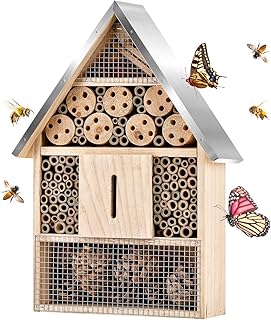 #### Wooden Mason Insect Bee Butterfly House,Insect Hotel,an Outdoor Hanging Bamboo H…24.View on Amazon
 #### The Pollinator Victory Garden: Win the War on Pollinator Decline with Ecological…15.View on Amazon
 #### Butterfly habitat Yard Sign With Stake Do Not Mow do not spray Reflective Alumin…15.View on AmazonAs an Amazon Associate, we earn from qualifying purchases. Prices and availability subject to change.## Real-World Success StoriesPollinator habitat gardens have increasingly become a focal point for those looking to support biodiversity and environmental sustainability. These gardens, designed to attract and nurture pollinators like butterflies and bees, are not only beneficial to the environment but also serve as inspiring real-world examples of ecological stewardship. Across various communities, successful pollinator habitat gardens demonstrate the powerful impact that even small green spaces can have on local ecosystems.One striking example comes from the Bronx, where a community initiative led by local residents transformed a barren urban space into a thriving pollinator garden. According to the Xerces Society, this project highlighted the importance of native plants in attracting diverse pollinator species. The garden now supports over 20 species of butterflies and has become a local educational resource.In urban centers like Raleigh, similar efforts have been made to incorporate pollinator habitat gardens into city planning. The city’s urban garden initiative, as discussed on Raleigh’s official website, includes multiple small gardens scattered throughout neighborhoods. These gardens not only beautify the city but also contribute significantly to pollinator health by providing essential habitats in densely populated areas.### Community and Economic BenefitsBeyond ecological benefits, pollinator habitat gardens can also offer economic advantages. In some cases, local governments have reported savings in maintenance costs as these gardens require less water and fewer pesticides compared to traditional landscaping. A study by Pollinator Partnership found that maintaining these gardens is more cost-effective in the long term, especially in urban settings where water conservation is a growing concern.
 Community garden and volunteers within, surrounded by city buildings [source]Actionable tips for those interested in starting their own pollinator habitat garden include choosing a diverse array of native plants and providing water sources. Native plants are particularly crucial because they are best suited to local climates and provide the nutrients needed by local butterfly species. Additionally, ensuring a steady water supply, as noted in discussions about urban farming challenges on Rude Insect, can enhance the garden’s effectiveness in attracting pollinators.Many people wonder if these gardens are feasible in small spaces or urban areas. The answer is a resounding yes. Even small balcony gardens can contribute to pollinator support. The key is to maximize the use of vertical space and incorporate a variety of flowering plants that bloom at different times of the year, ensuring a continuous food supply for pollinators.Another success story involves a school in Washington State, where students created a pollinator garden on their campus. This project, detailed on the Conservation Commission’s website, became a hands-on learning opportunity, teaching students about ecosystems, biology, and the importance of conservation. Such educational gardens highlight how these spaces can serve dual purposes as both conservation efforts and educational tools.In conclusion, pollinator habitat gardens offer a multitude of benefits, from supporting biodiversity to providing economic savings and educational opportunities. By learning from real-world examples, communities can implement effective strategies to create their own pollinator-friendly environments. Whether in a bustling city or a quiet suburb, these gardens stand as a testament to the collective effort to nurture our planet’s essential pollinators. For those looking to make a difference, starting a pollinator habitat garden could be the first step towards a more sustainable future.## Future Trends and InnovationsIn the evolving world of pollinator habitat gardens, future trends and innovations are shaping how we approach the creation of these vital ecosystems. As urbanization continues to encroach on natural habitats, the need for innovative strategies to support pollinators like butterflies has never been more critical. These gardens not only provide essential food sources and breeding grounds but also contribute to biodiversity and ecosystem health.One significant trend in pollinator habitat gardens is the use of native plants. Native species are adapted to local climate and soil conditions, making them more resilient and beneficial to local pollinators. For instance, the Xerces Society highlights the importance of planting native milkweed to support monarch butterflies. By incorporating native flora, gardeners can ensure their efforts are sustainable and impactful.Technology is also playing a pivotal role in the advancement of pollinator gardens. Smart gardening tools and apps can help gardeners monitor soil health, track blooming cycles, and even identify plant species suitable for specific pollinators. These technological aids streamline the gardening process and enhance the ability to create thriving habitats.### Sustainable Practices and Community InvolvementSustainability is at the heart of modern pollinator habitat gardens. By adopting sustainable gardening practices, such as composting and rainwater harvesting, gardeners can reduce their environmental footprint. However, it’s crucial to recognize that not all sustainable practices are beneficial. For more insights on this topic, consider reading about how some “sustainable farming” practices might actually harm the planet.
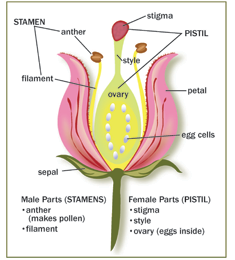 small farming, gardening, micro farming, sustainable agriculture – Butterfly Pollinator [source]Community gardens are another innovation gaining traction. Cities worldwide are encouraging the development of urban gardens, which not only provide habitat for pollinators but also foster community engagement and education. The city of Raleigh, for example, has implemented urban garden initiatives that have seen tremendous success in increasing pollinator populations.Moreover, innovative designs are reshaping how pollinator gardens are implemented. Vertical gardens and green roofs are becoming popular, particularly in urban areas where space is limited. These designs maximize space while providing essential resources for pollinators and enhancing urban aesthetics.Another exciting trend is the integration of edible plants in pollinator gardens. This approach offers a dual benefit: supporting pollinators and providing food for humans. It’s essential, however, to ensure that any edible flowers are cultivated without harmful chemicals, as highlighted in discussions about privacy policies potentially affecting edible flower safety.Finally, education and awareness are crucial for the future of pollinator habitat gardens. By educating the public on the importance of pollinators and how to create supportive environments, we can foster a culture of conservation. Initiatives like the People’s Garden by USDA emphasize the importance of pollinators and provide valuable resources for gardeners.In summary, the future of pollinator habitat gardens is bright, with innovations leading the way to more sustainable and effective gardening practices. By embracing native plants, leveraging technology, and engaging communities, we can create vibrant gardens that support pollinator populations. As we continue to explore these trends, we can ensure a healthier planet for future generations, with pollinators playing a vital role in our ecosystems.Looking for products related to this topic?Browse on Amazon## Conclusion: Your Next StepsIncorporating the latest techniques in butterfly pollinator support into your garden can transform your outdoor space into a thriving ecosystem. By understanding the specific needs of different butterfly species, you can create a diverse and sustainable environment. This approach not only supports the butterflies but also enriches local biodiversity.One key takeaway is the importance of selecting native plants that are well-suited to your region’s climate and soil conditions, as these plants provide essential nectar and host resources for butterflies. Additionally, creating a variety of microhabitats within your pollinator habitat gardens—such as sunny open areas and sheltered spots—can cater to the varying preferences of different pollinator species. Finally, reducing pesticide use and adopting organic gardening practices can help ensure a safe haven for these delicate creatures.Now is the time to take action. As the threat of habitat loss looms, every garden counts. Imagine the impact we can make together by turning our own backyards into sanctuaries for pollinators. Commit to starting your pollinator habitat garden today, and inspire others to join the cause. Let’s make a collective effort to preserve these vital species and ensure the vibrancy of our natural world for generations to come. Your garden can be the change. Act now!
Our Top Picks
Perfectinsoy Pollinator Habitat Garden Flag, Pollinator Friendly Garden Sign, Eco-Friendly Welcome Y
Perfectinsoy Pollinator Habitat Garden Flag. A practical pick we've seen recommended for this use case — verify the current spec, size, and finish on the merchant page before you order.
Wooden Insect House, Insect Hotel for Bugs, Bees, Butterflys, Ladybirds, Natural Beneficial Insect H
Wooden Insect House. A practical pick we've seen recommended for this use case — verify the current spec, size, and finish on the merchant page before you order.
Bird and Pollinator Habitat Pesticide Free Yard Sign With Stakes 8X12 inches Rustproof Reflective Al
Bird and Pollinator Habitat Pesticide Free Yard Sign With Stakes 8X12 inches Rus. A practical pick we've seen recommended for this use case — verify the current spec, size, and finish on the merchant page before you order.
Bee House Bug Hotel & Butterfly House, Handcrafted Wooden Ladybug House, Natural Insect Habitat for
Bee House Bug Hotel & Butterfly House. A practical pick we've seen recommended for this use case — verify the current spec, size, and finish on the merchant page before you order.
Lulu Home Wooden Insect House, Hanging Insect Hotel for Bee, Butterfly, Ladybirds, Beneficial Insect
Lulu Home Wooden Insect House. A practical pick we've seen recommended for this use case — verify the current spec, size, and finish on the merchant page before you order.
100 Plants to Feed the Bees: Provide a Healthy Habitat to Help Pollinators Thrive
100 Plants to Feed the Bees: Provide a Healthy Habitat to Help Pollinators Thriv. A practical pick we've seen recommended for this use case — verify the current spec, size, and finish on the merchant page before you order.