Best Vegetables for Raised Beds by Season and Space
practical raised bed crop guide comparing easy vegetables by space, support. Compared after full-season use so you skip the affiliate fluff and wasted gear.
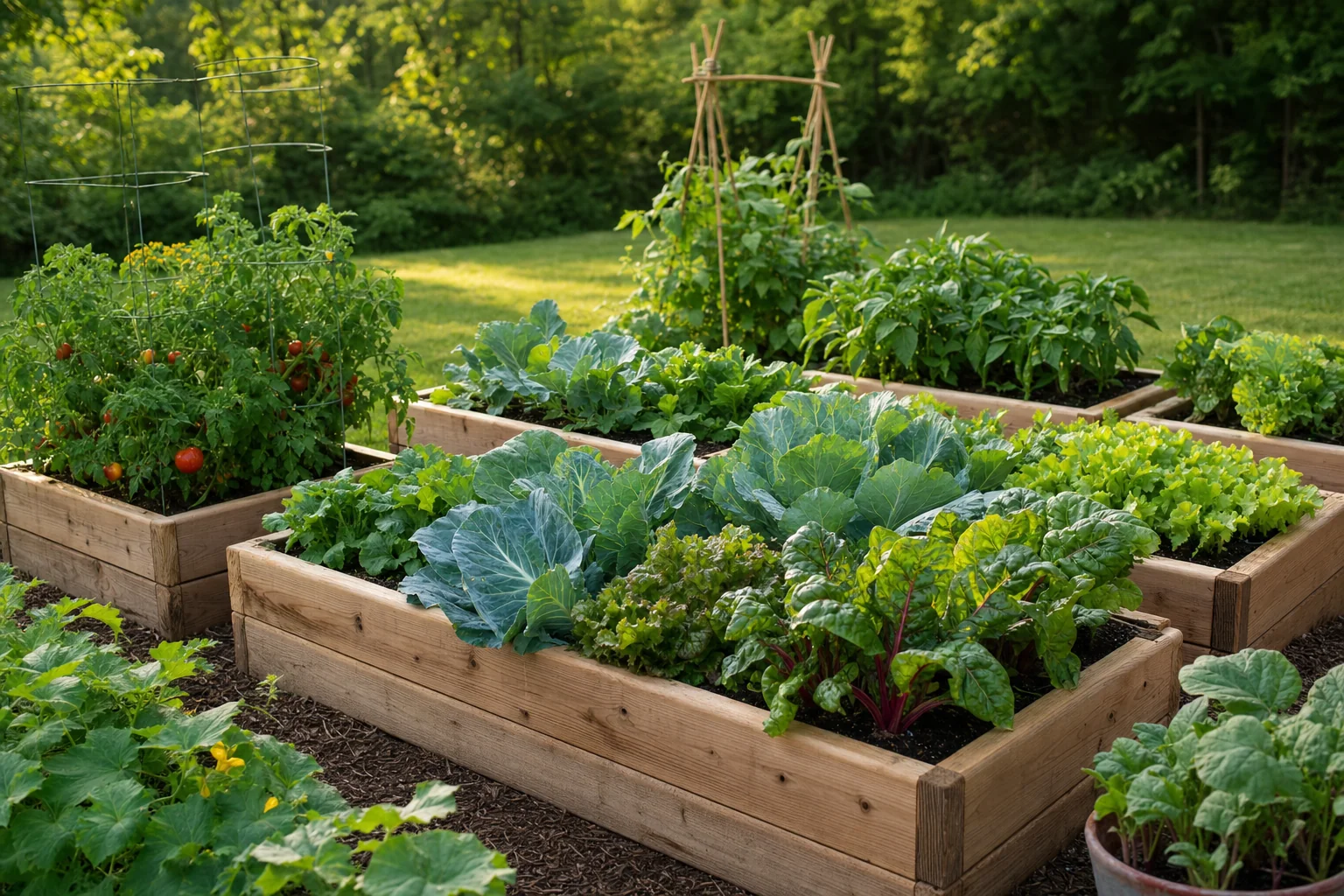
Broccoli that bolted before dinner. Zucchini that swallowed a path.
Raised beds make some vegetables ridiculously good. Lettuce stays cleaner. Bush beans are easy to pick. Carrots behave if the bed is loose enough. But raised beds also expose bad choices fast. Put three vining squash plants in a 4x8 and you’ll be stepping over leaves by July, muttering at yourself with a harvest basket in one hand and regrets in the other. Not the most glamorous list. The useful one.
| Vegetable | Space use | Support needed? Not corn. Not pumpkins. Not three beefsteak tomatoes packed shoulder-to-shoulder like commuters on a bus. More than once.
Start with the bed, because bad bed setup makes good crops act terrible
A raised bed is only as good as its soil depth, drainage, and access. That year the carrots forked, the onions sulked, and the lettuce looked like it was asking to be put out of its misery. The advantage is right in the name: modular. You’re not locked into one layout forever, which matters when you realize your “perfect” garden path is actually too narrow for a wheelbarrow. The disadvantage? It’s still a kit. You have to assemble it, fill it, and figure out your soil plan. The bed doesn’t magically come with compost, irrigation, or a tomato trellis. See current price at the link.
A few bed notes from painful experience:
- Don’t fill a bed with straight topsoil. Mix in compost. Real compost. Not mystery “screened soil” from a guy with a dump truck unless you know what’s in it.
- Keep beds narrow enough to reach across. Four feet wide is fine for most people. Five feet wide sounds generous until you’re leaning in to pick beans and crushing the edge plants with your ribs.
- Plan for trellises early. A cucumber trellis added after the vines sprawl is like trying to leash a wet cat.
- Mulch summer crops. Raised beds dry faster than in-ground rows. Straw, shredded leaves, grass clippings if they’re herbicide-free — use what you’ve got.
Seeds or starts? Radishes, carrots, beans, peas, beets — seed them straight into the bed. They’re cheap, they germinate fast enough, and most of them dislike being moved.
Tomatoes and peppers?
For a broad starter stash, the Survival Garden Seeds Home Garden Vegetable Seed Collection is useful if you want one bundle instead of ordering packets one by one. Specific advantage: collections like this can get you a wide mix of common home garden crops in one purchase. Specific disadvantage: seed collections often include varieties you may not have space for, and not every crop in a big bundle belongs in a small raised bed. Save sprawling squash and melons for a bigger plan.
Seed storage matters too. Not fancy. Works fine. Your mileage may vary.
Best vegetable plants for raised beds when space is tight
Small raised beds punish optimism. That’s the polite way to say it. By July, the tomatoes shaded the peppers, the cucumbers ran through the basil, and the zucchini had claimed the corner like it paid property tax.
Lettuce
Lettuce is one of the easiest wins in a raised bed. The leaves stay cleaner than they do in low ground, and you can sow a short row every couple weeks in spring and again in late summer. Once June turns sticky, it gets bitter or bolts.
Plant it along bed edges, between young peppers, or in any empty patch you’ll need later. It’s a great placeholder crop. They’re fast, they show kids how seeds become food, and they fit almost anywhere. The catch is that they get woody and spicy if you forget them.
Use radishes as a gap filler between slow crops like carrots or onions. Pull them young. Compost the ones that go weird. No drama. Not pole beans. Bush beans. Bush beans stay compact, produce heavily, and don’t need much babying. Plant a block, not one lonely row.
Beans hate cold soil, so don’t rush them. If the soil feels cold on your hand, the beans agree.
Carrots
Raised beds are carrot heaven if — big if — the soil is loose and not full of sticks. Tasted fine. Looked like Halloween props.
For carrots, prep the top 8 to 10 inches well. Break clumps. Pull rocks. Water gently after seeding. Still not perfect.
Carrots are slow to germinate. Don’t panic. Keep the seed bed damp. A board laid over the row for a few days can help hold moisture, but remove it the second you see sprouts. Flat carrots.
The crops that earn their trellis
Vertical crops are where raised beds get fun. You can make a small bed produce a lot if you’re willing to put up supports before the plants need them.
Cucumbers
Trellised cucumbers are one of the best vegetable plants for raised beds if you like pickles, salads, or eating them warm off the vine while pretending you’re still weeding.
The advantage is obvious: grow up, not out. A cucumber vine on a trellis takes a fraction of the bed space. Fruit stays cleaner. You can actually find it before it becomes a yellow blimp.
The downside is water. Cucumbers get bitter when they’re stressed, and raised beds dry out quickly in summer. Mulch helps. Drip irrigation helps more. Not Instagram-pretty, but it keeps plants alive when August gets rude.
Also, cucumber beetles are jerks. Row cover early helps, but you have to remove it for pollination unless you’re using parthenocarpic varieties.
Cherry tomatoes
Cherry tomatoes beat full-size tomatoes in raised beds for most home gardeners. One healthy cherry tomato plant can produce for weeks, and the fruit ripens faster than big slicers.
But give it support. A flimsy little cone cage is not enough for a vigorous indeterminate cherry tomato.
The disadvantage: tomatoes are greedy. They need space, food, water, and airflow. If you cram four tomato plants into a small bed, you’ll get disease faster and harvest less than you think. Two well-supported plants usually beat four neglected ones.
Peas
Peas are lovely, but they’re brief here. Spring peas go in early, climb a light trellis, and produce before summer heat shuts them down. Shelling peas are charming, sure, but you need a lot of plants for a small bowl of peas. They sit there looking unchanged for weeks, then suddenly August arrives and they start acting like productive members of society.
Bell peppers take longer and can be less generous in cooler summers. Not always. But often.
They don’t need huge space. A pepper plant fits neatly in a raised bed, especially compared with tomatoes. Some need staking once loaded with fruit.
Don’t overfeed peppers with nitrogen. You’ll get leafy plants and not much fruit. Compost at planting, steady water, patience. That’s the boring recipe.
Leafy greens that keep going after lettuce quits
Lettuce is wonderful until it isn’t.
Kale
Kale works hard in raised beds. You can harvest lower leaves and let the plant keep growing. It handles cool weather, shrugs off light frosts, and doesn’t need perfect soil.
Pests are the problem. Cabbage worms can turn kale into lace. That’s not a formal trial. Just ten years of eating what didn’t get eaten first.
Swiss chard
Swiss chard is underrated. It handles heat better than lettuce, looks good, and produces for a long time. The stems can get big and earthy-tasting if you let them go too long, so harvest regularly. It doesn’t bolt as quickly as spinach. It doesn’t demand a trellis. It just grows.
Spinach is fussier. Too cold and slow, then suddenly too hot and bolting. Baby spinach is worth it if you nail the timing. If not, chard is more forgiving.
Root crops: great raised bed vegetables, if the soil isn’t lazy
Carrots get most of the attention, but beets, turnips, and green onions deserve space too.
Beets are useful because you get roots and greens. They don’t need much room, and they’ll tolerate shoulder-season weather. The problem is germination can be patchy if you let the bed dry out. Beet “seeds” are actually clusters, so thinning matters. Do it anyway.
Turnips grow fast, especially small salad types. Small, tender roots make more sense.
Green onions are a sneaky good raised bed crop. Tuck them along edges. Harvest as needed. They don’t hog space, and they make weeknight cooking better. Not exciting. Useful.
Potatoes? They take up a whole area for a long time, and harvest means digging around in the bed.
Corn
Corn is fun, but it’s a space hog and needs block planting for good pollination. A few stalks in the corner of a raised bed look cute and produce disappointment. If you want corn, plant a proper block somewhere else.
Pumpkins and big winter squash
Wonderful crops. Terrible manners. They run everywhere.
You can grow winter squash at the edge of a raised bed and let it sprawl into a path or lawn, but don’t pretend it’s staying in bounds. It won’t. Productive? Yes. Tidy? Absolutely not.
Full-size zucchini, unless you have room
Zucchini can work in a raised bed, but one plant is plenty for most families. One. Not three. Before that, the plants were shading half the bed. If you want zucchini, put it on the north side or a corner where it can lean out. Better yet, grow a compact variety if your seed packet offers one.
Melons
Melons need heat, space, and consistent water. Raised beds can help with warmth and drainage, but vines take over. Assume full sun, decent compost, and a trellis on the north side so it doesn’t shade everything.
North edge:
- 2 cucumber plants on a trellis
- 1 cherry tomato with strong support
Middle:
- 2 pepper plants
- 2 short rows of bush beans
- Basil tucked near the tomato
South/front edge:
- Lettuce in spring, replaced by carrots or more beans
- Radishes between slower crops
- Parsley or green onions along the corners
That bed gives you early greens, summer fruiting crops, herbs, and a decent bean harvest without turning into a jungle. If you want more tomatoes, use another bed. Don’t jam them in and hope. That’s a calmer bed. Less staking. Less drama.
And if you’re still shopping beds, compare your options before buying soil by the cubic yard. Bed height changes how much fill you need, and fill costs sneak up on you fast. Here’s the raised bed buying guide again: best raised garden beds 2026.
For the bed itself, the Vego Garden 9-in-1 Modular Metal Raised Garden Bed Kit makes sense if you want a modular metal option and don’t mind assembly. Gardens change.
For seeds, the Survival Garden Seeds Home Garden Vegetable Seed Collection is the better buy if you want variety and don’t already have a shoebox full of half-used packets. Just don’t feel obligated to plant every crop in it the first season. Pick the raised bed winners first: lettuce, beans, carrots, radishes, cucumbers, herbs, greens. Bush beans. But bush beans are compact, productive, direct-sown, forgiving, and don’t need a trellis. After that, add lettuce for speed, cherry tomatoes for summer snacking, and carrots if your soil is loose enough.
That’s a real raised bed garden. Not perfect. Productive.