Tested Raised-Bed Crop Picks: Best Veg to Grow in Raised Beds in 2026
Hands-on crop picks for raised beds, with seed, support, spacing, and soil gear recommendations for reliable home harvests.
Like this garden guide? Subscribe to Rude Insect on YouTube for more hands-on growing videos.
Subscribe on YouTube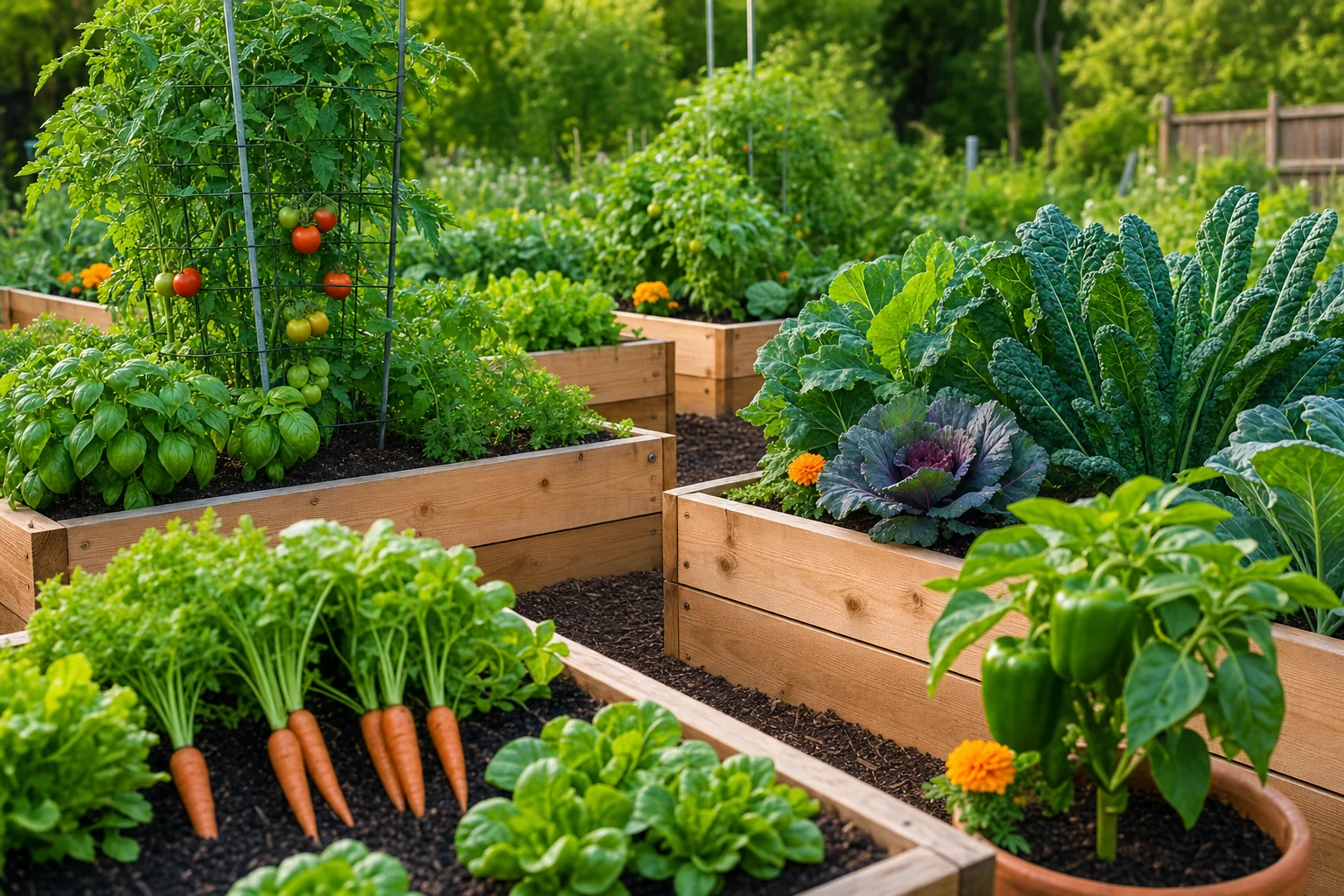
If you’re trying to decide the best veg to grow in raised beds, start with the crops that pay you back fast and don’t sulk in loose soil. That’s been our rule after a decade of messing with 14 kitchen-garden beds in Zone 6b, including one very dumb year when we filled two new beds with “screened topsoil” from a contractor and grew the saddest carrots I’ve ever pulled. Forked, hairy, bitter little things. Raised beds are forgiving, but they’re not magic. The right crops make them feel close to it.
We’ve grown the usual suspects — tomatoes, lettuce, beans, peppers, carrots, onions, kale, cucumbers, herbs, squash — in cedar boxes, galvanized beds, and a couple of oddball self-watering setups. Some crops absolutely shine in raised beds. Some just take over and make you regret your optimism by July 12.
This is the crop list I’d plant if I were starting fresh in 2026 with two or three beds, decent compost, and no patience for fussy plants.
The best veg to grow in raised beds if you want reliable harvests
Raised beds warm up quicker in spring, drain better after ugly rain, and let you fix bad native soil without hiring a backhoe. That makes them especially good for crops that like loose, rich soil and steady water.
My short list:
- Lettuce and salad greens
- Bush beans
- Cherry tomatoes
- Carrots
- Kale and Swiss chard
- Cucumbers on a trellis
- Radishes and turnips
- Peppers, if your summers are warm enough
- Herbs tucked around the edges
If you’re still building the beds themselves, we keep a separate raised-bed gear guide here: best raised garden beds for 2026. This post is more about what to plant once the bed is sitting there, half-full, making you feel guilty every time you walk past it.
And yes, I’m going to pick favorites.
My 2026 raised-bed “if I only had one bed” crop plan
If I had one 4x8 raised bed and wanted food without babysitting it every evening, I’d plant:
- 1 cherry tomato on a strong cage or stake
- 1 cucumber on a trellis
- 2 short rows of bush beans
- 1 row of carrots
- 1 row of lettuce or spinach in spring, then basil after it bolts
- Kale or chard in one corner
- Radishes wherever there’s bare soil
That bed would feed a family better than a dramatic row of six tomato plants that all ripen the same week, get blight, and fall over in a thunderstorm. Ask me how I know.
The trick is mixing crops by season and height. Lettuce gets planted early. Beans go in when the soil is warm. Tomatoes and cucumbers go vertical. Carrots use the deep loose soil. Radishes fill gaps. Kale hangs around after everything else looks tired.
Not glamorous. Works.
Lettuce and salad greens: the raised-bed crop I’d plant first
Lettuce is one of the best veg to grow in raised beds because it loves the fluffy, compost-rich top layer and doesn’t need much space. You can start harvesting baby leaves in a few weeks, which is good for morale. Garden morale matters more than people admit.
We usually sow lettuce in short blocks instead of long rows. A 2x2-foot patch gives us enough for sandwiches and weeknight salads without turning the bed into a slug hotel. I’ve had the best luck with looseleaf types, romaine, and butterhead. Iceberg? Not worth the real estate here.
Spacing that works for us:
- Baby leaf lettuce: scatter thinly, then cut young
- Head lettuce: 8–10 inches apart
- Spinach: 4–6 inches apart
- Arugula: sow thick, harvest young before it gets mean and peppery
Spring lettuce is easy. Summer lettuce is where we’ve failed plenty. One year I tried to keep romaine going through a hot June with shade cloth and stubbornness. It bolted anyway and tasted like aspirin. Now I plant lettuce early, then again in late August. Much better.
For feeding greens, don’t overdo it. Too much nitrogen and you get lush growth that seems to invite aphids. We use Espoma Organic Garden-tone Herb & Vegetable Food worked into the soil before planting, then usually leave quick greens alone unless the bed is clearly hungry. Advantage: it’s easy to sprinkle and fits organic-style gardening. Disadvantage: it’s granular, so it’s not an instant rescue if your plants are already yellow and sulking. See current price.
Bush beans: cheap seeds, heavy harvest, almost no drama
Bush beans are probably the most forgiving crop in our raised beds. They don’t need a trellis. They don’t need rich soil. They don’t need you hovering with a spray bottle and a prayer.
They do need warm soil.
I used to plant beans too early because I was excited and the packet said “after frost.” That’s not enough. Cold, wet soil rots bean seed. Now I wait until the soil feels properly warm — usually late May here — and the germination is night-and-day better.
Good spacing:
- Bush beans: 4–6 inches apart
- Rows: about 12–18 inches apart
- Succession sow: every 2–3 weeks until midsummer, if you have room
Our favorite way to grow them is in a block, not a skinny row. They shade the soil, hold each other up a bit, and make picking easier. The harvest is real, too. A small raised-bed patch can give you several dinners’ worth, especially if you pick often.
The downside? Bean beetles. Some years they’re just annoying. Some years they make the leaves look like lace curtains. We hand-pick when we can, and we don’t plant beans in the same bed every season. Crop rotation in a small garden is imperfect, but even moving them one bed over helps.
Cherry tomatoes: not the easiest, still worth it
Tomatoes get all the attention, but I don’t think full-size slicers are always the best veg to grow in raised beds. They can be wonderful. They can also turn into a jungle, crack after rain, and hog half the bed.
Cherry tomatoes are a better deal for most home gardens.
They ripen earlier, produce heavily, and forgive imperfect weather better than big heirlooms. In 2024, when aphids destroyed our zucchini and the slicing tomatoes stalled during a weird cool stretch, the cherry tomatoes kept going. Not perfectly. But enough that we were eating them straight off the vine while pretending we’d bring some inside.
Give each cherry tomato more room than you think:
- Determinate cherry tomato: about 2 feet
- Indeterminate cherry tomato: 2.5–3 feet, minimum
- One plant per large cage or stake system
We tried cheap cone cages for indeterminate cherries years ago. Disaster. They folded by August. Now we use heavy square cages or a cattle-panel setup when we have the energy to install it. Raised-bed soil grows strong plants, which sounds great until a loaded tomato vine drags the whole support sideways.
Tomato advantage: massive harvest from one plant.
Tomato disadvantage: disease pressure, watering swings, and support headaches.
If you plant one tomato in a raised bed, mulch it. Straw, shredded leaves, fine wood chips — whatever you use, keep soil from splashing onto the lower leaves. And don’t cram five tomato plants into a bed because they look tiny in May. That is May lying to you.
Carrots: raised beds fix the one thing carrots hate
Carrots need loose soil. That’s the whole story, more or less.
If your native ground is clay, rocky, compacted, or full of old construction junk, raised beds can turn carrots from heartbreak into a normal crop. We had terrible carrots in our in-ground garden. Then we moved them into deeper beds with compost and screened soil mix, and suddenly they looked like carrots from an actual seed packet. Mostly.
Not always. Carrots still have opinions.
What worked for us:
- Remove stones and wood chunks from the top 8–10 inches
- Sow shallowly
- Keep the seedbed damp until germination
- Thin ruthlessly
- Grow shorter varieties if your bed is shallow
Carrot seed dries out fast. This is where people lose the crop. I like covering the seeded row with a board or burlap for a few days, checking daily, then removing it the second I see germination. If you forget and leave the board on too long, you’ll get pale, sad seedlings. We’ve done that. Once.
Spacing after thinning:
- 1.5–2 inches apart for smaller carrots
- 2–3 inches for larger roots
Carrots are slow at the start, so I often sow radishes in the same row as markers. The radishes pop up fast, show me where I planted, and come out before carrots need the room.
Kale and Swiss chard: the “still eating from the garden in November” crops
Kale and chard aren’t flashy, but they earn their space. They’re among the best veg to grow in raised beds because they produce for months from a handful of plants.
We plant kale in spring or late summer. Spring kale can run into cabbage worms, especially once the white butterflies start fluttering around like they own the place. Fall kale is cleaner and sweeter here. After a frost, it’s genuinely good. Before that, I’ll admit, I mostly grow it because it’s useful.
Chard is easier in summer. Heat doesn’t bother it as much, and it looks good enough to plant near the front path. The stems can be red, yellow, white, pink — ridiculous in a nice way.
Spacing:
- Kale: 18–24 inches apart
- Swiss chard: 12–18 inches apart
- Baby greens: closer, if you harvest young
The downside is pests. Aphids like kale. Cabbage worms like kale. Flea beetles can chew little holes in young plants. We’ve had good luck with insect netting early, but you need to install it before the pests arrive. Covering caterpillars with netting just gives them a private buffet.
Feed lightly but consistently. Leafy crops appreciate decent fertility, and this is another place where Espoma Organic Garden-tone Herb & Vegetable Food makes sense at planting. Advantage: simple and not fussy. Disadvantage: animals may investigate freshly amended beds if they’re already nosy in your yard. Our dog once licked a whole corner of newly fed soil. Not my proudest afternoon.
Cucumbers on a trellis: huge payoff, but don’t let them sprawl
Cucumbers are excellent in raised beds if you grow them upward. If you let them sprawl, they’ll occupy more space than they deserve and hide fruit until you find a yellow club the size of a canoe.
We use trellises now. Every time.
Good spacing:
- Trellised cucumber plants: 10–12 inches apart
- Bush cucumber types: 18–24 inches apart
- One sturdy trellis per row
Cucumbers want steady water. Bitter cucumbers are often stressed cucumbers, though variety and weather matter too. Raised beds drain quickly, so you need a watering plan before July, not after the vines wilt.
This is where automatic watering can help, especially if you’re gardening on a patio or you travel. The Smart Modular Planter with App Control and Automatic Water Cycling (MP1) is not how I’d grow a full row of cucumbers in a main garden bed, but for controlled patio crops, herbs, greens, or a compact pepper, it’s an interesting setup. Advantage: app control and automatic water cycling can smooth out the forgetful-human problem. Disadvantage: you’re working inside that system’s footprint, so sprawling crops and deep-rooted monsters aren’t the best match. See current price.
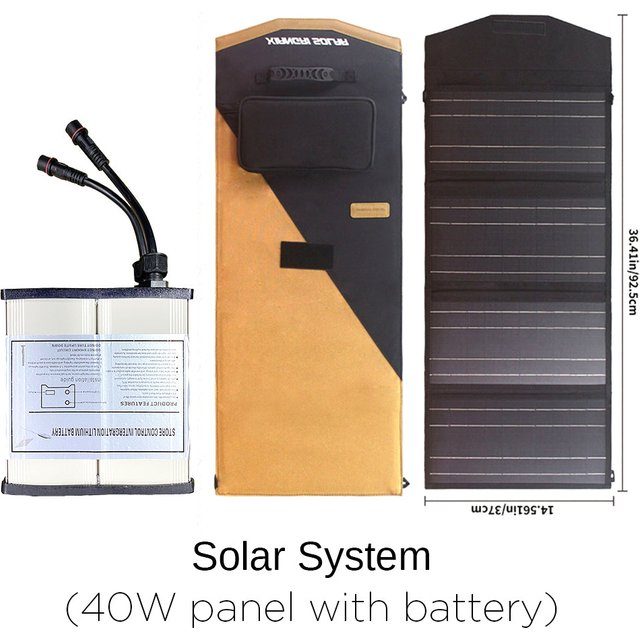
If you pair a managed planter with power accessories, the Solar System with Panel and Battery(Suitable for MP1) is the piece I’d look at for outdoor placement where running a cord would be annoying. Advantage: it’s made for the MP1 system. Disadvantage: solar gear depends on your actual sun exposure, and a shady porch is still a shady porch. See current price.
Radishes, turnips, and other quick roots
Radishes are the crop I recommend to impatient people. Kids too. They sprout fast, mature fast, and tell you quickly whether your watering is decent.
They’re also a little humbling. Leave them too long and they get woody. Grow them in hot weather and they turn spicy enough to make you question your choices.
Best timing for us:
- Early spring
- Fall
- Not July, unless you enjoy punishment
Spacing:
- Radishes: 1–2 inches apart
- Salad turnips: 3–4 inches apart
- Beets: 3–4 inches apart, more if you want big roots
Salad turnips deserve more love. Hakurei-type turnips are sweet, quick, and good raw with salt. They grow beautifully in raised beds with even moisture. Beets do well too, though they’re slower and more particular about thinning.
We’ve had poor results when sowing root crops into beds with half-finished compost. Too many chunks. Too much weird nitrogen. Roots forked and split. Finished compost is your friend here. If you can still identify eggshells, avocado skins, and last month’s corn cobs, don’t use that compost in the carrot bed.
Peppers: great in raised beds, if your nights are warm
Peppers like warm roots, so raised beds can be a real advantage. Our metal beds heat up earlier than the old in-ground plot, and peppers notice.
But peppers are slower than tomatoes. They sit there for a while looking undecided. Then, if the weather cooperates, they suddenly load up.
Spacing:
- Sweet peppers: 18 inches apart
- Hot peppers: 12–18 inches apart, depending on size
- Stake heavy plants before they lean
Peppers hate being overwatered, but they also drop flowers when stressed. Annoying little balance. We water deeply, mulch after the soil warms, and avoid drowning them in rich amendments.
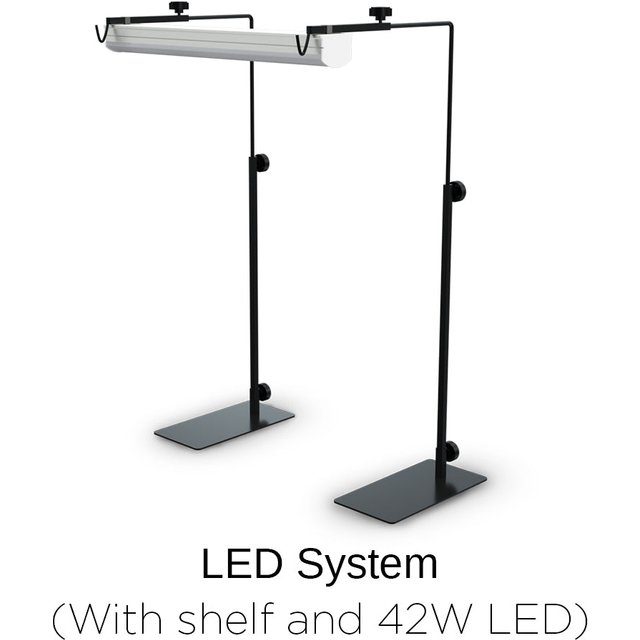
If you start peppers indoors, light matters. A sunny window is usually not enough, at least not in our house. Seedlings stretch, lean, and become the plant version of weak ankles. The LED Growing Light system (Suitable for MP1) is aimed at the MP1 setup, so I’d treat it as part of that controlled growing system rather than a whole-basement seed-starting rig. Advantage: matched to the MP1. Disadvantage: if you’re starting 12 trays of tomatoes and peppers, you’ll probably want a broader grow-light setup. See current price.
Herbs around the edges — not technically all “veg,” but plant them anyway
Basil, parsley, cilantro, dill, thyme, and chives make raised beds more useful. I know this is a vegetable guide. Still. Herbs are the difference between “we grew dinner” and “we grew something we actually wanted to cook.”
Basil loves the edge of a tomato bed. Cilantro bolts fast in heat, so I sow it in spring and fall. Dill self-seeds if you let it, which can be charming or irritating depending on your mood. Parsley takes forever to germinate, then becomes a workhorse.
Don’t let mint into a raised bed unless it’s in a pot. I mean it. We planted mint “temporarily” near a bed in 2018, and I’m still pulling runners like some kind of garden penance.
The bed and soil gear I’d actually buy again
Crops matter, but the container and soil setup decide how annoying your season gets.
For a modular metal bed, the Vego Garden 9-in-1 Modular Metal Raised Garden Bed Kit is the kind of kit I like for yards where you may want to change layout before committing forever. Advantage: modular shapes give you options, especially if your garden space is awkward. Disadvantage: metal beds can dry out faster in hot, windy spots than big wooden beds with more thermal mass. See current price.
If you’re comparing bed styles, I’d read through our 2026 raised bed guide before buying anything heavy. Shipping, bed height, layout, and soil volume matter more than the pretty photo on the box.
For filling beds, our current mix is not fancy:
- Bulk screened topsoil, if it’s actually decent
- Finished compost
- A little coarse material in deeper beds
- Organic granular fertilizer at planting
- Mulch once seedlings are established
The mistake we made early was treating raised beds like giant flowerpots and filling them with bagged potting mix. Expensive. Dried out too fast. Sank badly. Then we tried cheap contractor topsoil. Also bad. It compacted into a crust and grew weeds like it was being paid.
Now we use a soil-compost blend and improve it every season. Boring answer. Correct answer.
The best veg to grow in raised beds by bed size
A tiny 2x4 bed is not the same animal as a 4x12.
For small beds, skip big rambling crops. Plant things you can harvest repeatedly.
Good small-bed crops:
- Lettuce
- Spinach
- Arugula
- Bush beans
- Radishes
- Herbs
- One compact pepper
- Swiss chard
For medium beds, you can mix roots, greens, and a vertical crop.
Good medium-bed crops:
- Cherry tomatoes
- Trellised cucumbers
- Carrots
- Kale
- Beans
- Beets
- Basil
For large beds, you have room to rotate and succession plant. That’s where raised beds really start humming. You can pull spring spinach, add bush beans, tuck in fall carrots, and still have a tomato going at the back.
The crop I’d avoid in most raised beds? Full-size zucchini. I know. Fresh zucchini is nice. But one plant can eat a 4x4 bed and still flop into the path. In 2024, aphids wrecked ours anyway, which felt rude after we gave it so much space. If you want squash, plant one compact variety on the bed end, or put it somewhere it can sprawl without smothering your carrots.
Spacing cheats I trust more than seed packets
Seed packets are useful, but they often assume field rows, not raised beds. In beds, we plant tighter — within reason — because we can reach from the sides and don’t need walking space between every row.
Here’s the spacing I actually use:
| Crop | Raised-bed spacing that works for us |
|---|---|
| Lettuce, heads | 8–10 inches |
| Baby greens | Thinly broadcast or 2–3 inches |
| Bush beans | 4–6 inches |
| Carrots | 1.5–3 inches after thinning |
| Radishes | 1–2 inches |
| Kale | 18–24 inches |
| Swiss chard | 12–18 inches |
| Cherry tomatoes | 2.5–3 feet for indeterminate types |
| Cucumbers, trellised | 10–12 inches |
| Peppers | 12–18 inches |
Crowding is tempting. I still do it sometimes. Then August arrives and the bed becomes a humid salad of leaves, mosquitoes, and regret.
Airflow matters. So does being able to find what you planted.
Watering: the boring thing that decides everything
Most raised-bed failures I see are watering failures in disguise.
Raised beds drain well. That’s good in March and April. In July, it means they can dry out fast, especially metal beds, shallow beds, and beds filled with light bagged mix.
We water deeply instead of sprinkling the surface every day. A finger test tells you more than a calendar. Stick your finger two inches down. Dry? Water. Damp? Wait.
Drip irrigation is great if you can set it up. We use 1/2-inch mainline with 1/4-inch drip runs in a few beds, but I won’t pretend every bed is perfectly automated. Some are still watered with a wand because I like walking the garden in the evening and pretending I’m “checking things” when really I’m eating cherry tomatoes.
For patios or people who travel, the MP1 automatic watering setup makes more sense than trying to guilt a neighbor into watering herbs. For a big backyard raised-bed patch, I’d rather use standard drip irrigation and a timer. Different tools. Different job.
My actual ranked crop picks for 2026
If you want the clean answer, here’s mine.
- Bush beans — best mix of low cost, easy growing, and real harvest.
- Lettuce and greens — fastest payoff, perfect for spring and fall.
- Cherry tomatoes — highest joy per plant, but needs support.
- Carrots — raised beds solve the soil problem.
- Kale/chard — long harvest window, very practical.
- Trellised cucumbers — productive, but thirsty and pest-prone.
- Radishes/salad turnips — quick fillers that make beds feel productive.
- Peppers — excellent if your summer is warm enough.
If I had to crown one crop as the best veg to grow in raised beds for most people, I’d pick bush beans. Not because they’re glamorous. They’re not. But they’re cheap to seed, easy to direct-sow, productive in a small space, and far less dramatic than tomatoes.
That said, I’d still plant one cherry tomato. I’m not made of stone.
What I wouldn’t waste raised-bed space on
A few crops are fine in theory but not my first pick for raised beds.
Sweet corn needs blocks for pollination and takes too much space. Pumpkins are fun until they annex the lawn. Melons can work in hot climates, but here they’re a gamble unless the summer cooperates. Full-size cabbage is okay, but one cabbage occupying prime raised-bed space for ages? Hard sell.
Potatoes can grow well in raised beds, but I’d rather put them in grow bags or a separate patch. Digging through a carefully built bed for potatoes annoys me, and volunteer potatoes popping up the next year are cute for about five minutes.
Your garden might prove me wrong. Gardens do that.
A simple raised-bed planting plan for spring through fall
Here’s a practical sequence for a 4x8 bed:
Early spring:
- Sow lettuce, spinach, radishes, carrots
- Plant kale starts if you use them
- Add compost and a light organic fertilizer before planting
Late spring:
- Sow bush beans after soil warms
- Transplant one cherry tomato
- Add cucumber seedlings or direct-sow at the trellis
Summer:
- Harvest greens before they bolt
- Replace finished lettuce with basil or more beans
- Keep cucumbers and tomatoes tied up
- Mulch everything that isn’t newly seeded
Late summer:
- Sow fall lettuce, spinach, radishes, and turnips
- Start a second round of kale if you want fall greens
- Pull tired bean plants and compost them if disease-free
Fall:
- Let kale and chard keep producing
- Harvest carrots after cool weather sweetens them
- Clean up tomato vines before they become a disease hotel
That plan isn’t perfect. No garden plan survives groundhogs, vacations, heat waves, or the week you forget to thin carrots. But it gives the bed a rhythm. Empty soil grows weeds. Planted soil grows dinner.
For bed-buying details — sizes, materials, and the stuff I wish someone had told us before we hauled soil in a wheelbarrow for two weekends — use this companion guide: best raised garden beds for 2026.
Our Top Picks

Smart Modular Planter with App Control and Automatic Water Cycling (MP1)
Solar System with Panel and Battery(Suitable for MP1)