Water Storage for Homesteads: 5 Systems Tested for Off-Grid Use
Discover how innovative water storage systems can provide a 5x yield boost during droughts. Uncover the farming insights most farmers overlook!
This post may contain affiliate links. If you make a purchase through these links, we may earn a small commission at no extra cost to you. Learn more.## Introduction to Water Conservation Tips for FarmersDid you know that agriculture accounts for nearly 70% of global freshwater use? With the world facing increasing water scarcity, it’s more crucial than ever for farmers to adopt sustainable practices. Fortunately, by implementing innovative water storage systems and efficient irrigation techniques, farmers can significantly reduce their water usage while boosting crop yields. Not only does this help conserve a precious resource, but it also enhances the resilience of farms against droughts and unpredictable weather patterns. In this post, we’ll explore a range of practical water conservation tips that can be easily integrated into farming operations. From rainwater harvesting to precision irrigation, discover how you can make a meaningful impact on both your farm and the environment.## Understanding water storage systems: The FundamentalsUnderstanding water storage systems is fundamental for farmers seeking to conserve water effectively. With the increasing challenges posed by climate change and water scarcity, efficient water use has become a critical concern in agriculture. Water storage systems provide a way to capture, store, and distribute water, ensuring that crops receive a steady supply even during dry periods. By understanding these systems, farmers can enhance their sustainability practices and improve their agricultural productivity.Water storage systems come in various forms, each suited to different needs and environments. Tanks, ponds, and aquifers are commonly used structures. Tanks can be above or below ground, offering flexibility in space utilization. Ponds, which are often lined to prevent seepage, serve as a natural reservoir with the added benefit of supporting local ecosystems. Meanwhile, aquifers provide a subterranean option for storing large volumes of water over extended periods.Effective water storage systems can significantly reduce water waste. By capturing rainwater or runoff, these systems help farmers utilize water that would otherwise be lost. According to NID Water, capturing just one inch of rain on a 1,000 square foot roof can yield over 600 gallons of water. This substantial quantity can be stored for future irrigation needs, reducing dependency on municipal water sources.One of the essential aspects of water storage systems is their maintenance. Regular inspections and cleaning are crucial to prevent contamination and ensure efficient operation. For instance, algae growth in ponds can be managed through aeration and the introduction of aquatic plants, which help maintain water quality. Proper maintenance not only prolongs the lifespan of the system but also guarantees the safety of the water used for irrigation. Fan Palms vs Date Palms: Which is the Best for Your Landscape? post blogimage [source]### The Impact of Advanced TechnologiesAdvanced technologies are revolutionizing how farmers manage their water storage systems. Automated sensors and smart irrigation controllers allow for precise water distribution based on real-time data. This innovation minimizes water wastage and optimizes plant health. For example, soil moisture sensors can trigger irrigation only when needed, ensuring crops receive adequate hydration without excess.Cost-effectiveness is another crucial consideration. Installing water storage systems can be an initial investment, but the long-term savings are significant. By reducing water bills and mitigating the effects of drought, these systems offer economic benefits that far outweigh their costs. Moreover, as discussed in modern techniques, integrating paperless systems into farm management can further streamline operations and reduce expenses.Farmers often seek methods to balance water conservation with crop yield. One practical tip is to pair water storage systems with drought-resistant crop varieties. These plants require less water and can thrive in conditions where water availability fluctuates. Additionally, mulching can be used to retain soil moisture, reducing the frequency of irrigation.In conclusion, understanding water storage systems is vital for effective water conservation in agriculture. By exploring different storage options, maintaining systems diligently, and leveraging technology, farmers can secure a reliable water supply. These efforts not only support environmental sustainability but also enhance agricultural productivity and profitability. As farmers continue to innovate, the integration of water storage systems with other conservation strategies will remain a cornerstone of sustainable agriculture.### 💡 Beginner’s Gold: Water Storage Systems That Guarantee Success
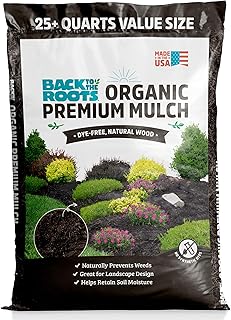 #### Back to the Roots 25.7qt (1 Cubic ft) Organic Premium Mulch⭐⭐⭐⭐✨ (244 reviews)29.View on Amazon
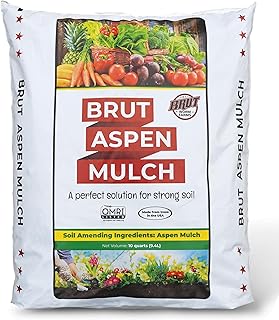 #### Brut Organic Aspen Mulch, 10 Quart, Odor-Free, Nutrient Rich, High Water Retenti…⭐⭐⭐⭐☆ (86 reviews)23.View on Amazon
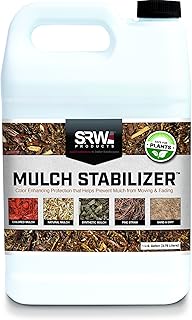 #### Mulch Stabilizer (1 Gallon)⭐⭐⭐✨☆ (2 reviews)49.View on Amazon
 #### Mulch Plug for Ry obi RY401014 RY401015 RY401016 - Lawn Mower Attachment, Easy I…43.View on AmazonAs an Amazon Associate, we earn from qualifying purchases. Prices and availability subject to change.## Why water storage systems Matters in Today’s WorldIn today’s world, water storage systems play a pivotal role in sustainable farming, particularly as water scarcity becomes an ever-pressing issue. Farmers are increasingly seeking effective methods to conserve water, and water storage systems are at the forefront of these strategies. By capturing and storing water during periods of abundance, these systems ensure that farmers have access to essential water resources even during dry spells. This not only supports the agricultural cycle but also contributes to the overall health of the environment.Water storage systems are invaluable for maintaining consistent crop yields. In regions where rainfall is erratic, having a reliable backup of stored water can make the difference between a bountiful harvest and a failed crop. For instance, in California, where droughts are common, farmers have reported up to a 30% increase in crop yield by using efficient water storage techniques. These systems enable farmers to water crops precisely when needed, optimizing growth and reducing waste.Moreover, water storage systems help in mitigating the effects of climate change. As climate patterns shift, unpredictable weather can disrupt traditional farming practices. By storing excess rainwater or runoff, farmers can buffer against periods of drought, ensuring that they can continue operations without interruption. This adaptability is crucial as it supports resilience in the face of environmental changes.### The Economic and Environmental Benefits of Water Storage SystemsFrom an economic perspective, investing in water storage systems can lead to significant cost savings. By reducing the reliance on municipal water sources, farmers can lower their water bills. Additionally, stored water can be used in conjunction with other conservation methods, such as drip irrigation, to further reduce water usage and costs. This financial advantage allows farmers to allocate resources more effectively, potentially investing in other sustainable farming practices.
 5 Common Mistakes in Front Yard Landscaping post Blog image [source]Environmentally, these systems contribute to water conservation efforts on a larger scale. By reducing runoff and soil erosion, they help preserve the natural landscape. This is particularly important in areas with delicate ecosystems. For example, using stored water to maintain plant life can provide habitats for local wildlife, supporting biodiversity. Learn more about how plants can save local wildlife here.Implementing water storage systems also promotes responsible water management among farmers. By actively engaging in conservation practices, farmers can become stewards of the land, leading by example for surrounding communities. This proactive approach not only ensures the sustainability of their own operations but also contributes to wider regional water conservation goals.Concerns about the initial cost and maintenance of water storage systems are common. However, the long-term benefits often outweigh these concerns. Many farmers find that government grants and subsidies can help offset initial expenses, making these systems more accessible. Additionally, the durability of modern systems reduces maintenance needs over time, further enhancing their practicality and appeal.In conclusion, water storage systems are indispensable in today’s agricultural landscape. They provide farmers with the tools they need to navigate water scarcity challenges while promoting sustainable practices. By investing in these systems, farmers not only secure their livelihoods but also contribute to the broader goal of environmental conservation. As water becomes an increasingly precious resource, such systems will undoubtedly play a critical role in the future of farming.## Key Benefits of Implementing water storage systemsImplementing water storage systems is a game-changer for farmers looking to enhance water conservation efforts on their farms. These systems not only ensure a reliable water supply during dry spells but also contribute significantly to sustainable farming practices. As the agricultural industry faces growing challenges due to climate change and water scarcity, adopting effective water management strategies has become more critical than ever. Water storage systems are key components in this endeavor, offering numerous benefits that can transform agricultural operations.Firstly, water storage systems provide a dependable water supply that helps farmers maintain crop yields even during periods of drought. By capturing and storing rainwater or runoff, these systems allow farmers to utilize water resources more efficiently. For instance, in arid regions where water scarcity is common, having a well-designed storage system can mean the difference between crop failure and a successful harvest.Moreover, these systems can reduce dependency on external water supplies, which often come with high costs. By relying on stored water, farmers can cut down on expenses associated with purchasing water from municipal sources or transporting it from distant locations. This financial benefit is particularly significant for small-scale farmers who operate on tight budgets.### The Environmental Impact of Water Storage SystemsEnvironmental benefits are another compelling reason to implement water storage systems. By capturing and using rainwater, farmers can decrease their reliance on groundwater sources, which helps preserve local ecosystems. Over-extraction of groundwater can lead to environmental degradation, including the depletion of aquifers and the drying up of nearby streams and rivers.
 The Best Native Plants for Houston Landscaping post blog image [source]In addition to environmental conservation, water storage systems promote sustainable farming practices. They enable more precise irrigation, allowing farmers to apply water directly to the root zones of plants. This targeted approach not only conserves water but also boosts crop health and productivity. Drip irrigation, for example, is a method that can be effectively supported by water storage systems to optimize water use.Farmers concerned about the initial investment in water storage systems will be pleased to know that these systems can offer a remarkable return on investment. According to research from the National Institute of Water Conservation, the money saved on water purchase and improved crop yields can quickly offset the initial costs. Furthermore, governmental incentives and grants are often available to support farmers in adopting sustainable water practices.Water storage systems also contribute to a farm’s overall resilience against climate-related challenges. With unpredictable weather patterns becoming more common, having a strategic water reserve can ensure that farmers are better prepared for unexpected dry spells. This resilience not only secures the farm’s productivity but also enhances long-term viability.Finally, implementing water storage systems aligns with broader sustainability goals, such as reducing the farm’s carbon footprint. By minimizing the need for water transportation, these systems help decrease greenhouse gas emissions associated with logistics. For more on how sustainable practices can revolutionize industries, consider reading about Revolutionizing Farm-to-Table Recipes.In conclusion, water storage systems offer a multitude of benefits that extend beyond water conservation. From financial savings and environmental protection to enhanced farm resilience and sustainability, these systems are invaluable assets for modern farmers. As we face increasing environmental challenges, adopting water storage systems is not just a smart choice—it’s an essential step towards ensuring a sustainable future in agriculture.### 🥇 The Top-Rated Water Storage Systems That Never Disappoint
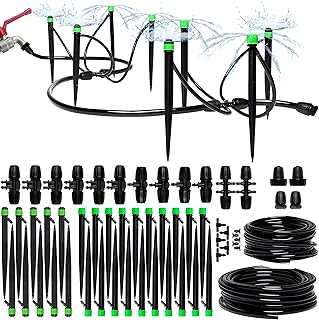 #### CARPATHEN Drip Irrigation System - Adjustable Premium Irrigation System for Gard…⭐⭐⭐⭐✨ (1,478 reviews)46.View on Amazon
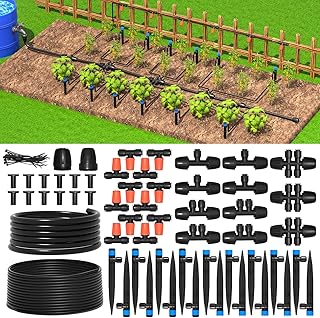 #### MIXC Greenhouse Micro Drip Irrigation Kit Automatic Irrigation System Patio Mist…⭐⭐⭐⭐☆ (4,975 reviews)35.View on Amazon
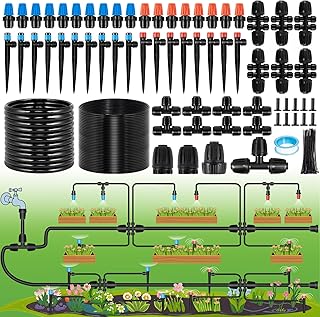 #### 240FT Drip Irrigation System Kits - Automatic Garden Watering Sprinkler with 1/2…⭐⭐⭐⭐☆ (155 reviews)29.View on Amazon
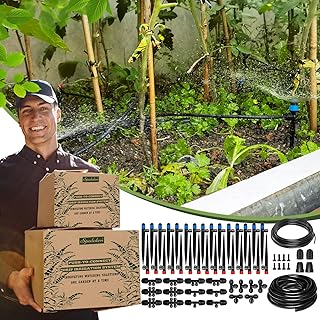 #### Push-to-Connect Drip Irrigation System Adjustable Irrigation System for Garden R…⭐⭐⭐⭐✨ (148 reviews)49.View on AmazonAs an Amazon Associate, we earn from qualifying purchases. Prices and availability subject to change.## Practical Steps to Get Started with water storage systemsGetting started with water storage systems is a practical and impactful step towards enhancing water conservation efforts on your farm. As water scarcity becomes an increasingly pressing issue, especially in agricultural communities, efficient water management can significantly boost sustainability and productivity. Implementing water storage systems not only safeguards against drought but also optimizes water usage, ensuring crops receive adequate hydration when they need it most.First, assess your farm’s specific water needs and available resources. Understanding the volume of water required during peak growing seasons can help you determine the capacity of the water storage systems necessary for your operations. According to NID Water, evaluating your current water usage and identifying areas of waste can provide insights into how much storage is needed.Once you’ve identified your needs, consider the types of water storage systems available. Options include rainwater harvesting tanks, ponds, or cisterns. Each system has its advantages, depending on your region’s climate and your farm’s layout. For example, rainwater harvesting systems are particularly effective in areas with seasonal rainfall, capturing and storing water for drier periods. Additionally, Cleburne’s guidelines suggest that farmers can reduce dependency on external water sources by up to 30% through these systems.### Installation and Maintenance ConsiderationsInstalling water storage systems requires careful planning. It’s crucial to select a location that maximizes water collection while minimizing evaporation. For instance, shaded areas can reduce water loss. Moreover, ensuring proper filtration systems are in place will prevent debris and contaminants from entering the storage, as highlighted by the City of Roswell’s conservation tips.Maintenance is another critical aspect. Regular inspections and cleaning of water storage systems prevent leaks and maintain water quality. Setting up a maintenance schedule can help in identifying potential issues early on, thereby avoiding costly repairs in the future. As noted by the City of La Mesa, a proactive approach to maintenance can enhance the longevity and efficiency of water storage systems.Integrating water storage systems with modern irrigation techniques can further amplify water conservation. Drip irrigation, when paired with stored rainwater, ensures precise water delivery directly to plant roots, reducing wastage. This method aligns with insights from nutritional security strategies that advocate for optimized water usage to boost crop yields sustainably.Many farmers worry about the initial investment required for water storage systems. However, the long-term savings on water bills and the enhanced crop resilience during dry spells often outweigh the upfront costs. In fact, investing in water storage is akin to an insurance policy for your crops, providing peace of mind and economic stability.In conclusion, implementing water storage systems is a strategic move towards sustainable farming. By carefully assessing your needs, choosing the right system, and maintaining it diligently, you can significantly contribute to water conservation on your farm. Ultimately, these efforts not only support environmental sustainability but also enhance your farm’s resilience and profitability.## Common Mistakes to AvoidImplementing water storage systems can be a game-changer for farmers looking to enhance their water conservation efforts. However, without proper planning and execution, these systems can lead to inefficiencies and unexpected costs. Avoiding common mistakes is crucial to maximizing the benefits of water storage systems. Let’s explore some pitfalls and how to steer clear of them to ensure you are getting the most out of your investment.First and foremost, inadequate sizing of water storage systems is a frequent error. Farmers often underestimate the volume of water they need to store, leading to shortages during critical periods. It’s essential to analyze historical rainfall data and water usage patterns to accurately estimate your storage requirements. By doing this, you’ll ensure that your system meets the demands of your farming operations.Next, neglecting the quality of the storage material can have long-lasting repercussions. Low-quality materials may deteriorate quickly, resulting in leaks and contamination. Opting for durable, food-grade materials is vital for maintaining water quality and system longevity. Investing in high-quality materials upfront can save significant repair and replacement costs down the line.Poor site selection is another common mistake. Placing water storage systems in areas prone to flooding or erosion can lead to structural damage and water loss. Evaluate your land’s topography carefully to choose a site that minimizes these risks. Proper site selection not only protects your system but also ensures easy access for maintenance and water distribution.### Crucial Considerations When Setting UpIgnoring regular maintenance is a pitfall that can diminish the efficiency of water storage systems. Routine inspections for leaks, cracks, and blockages are necessary to keep the system functioning optimally. Implementing a maintenance schedule can prevent minor issues from escalating into costly repairs.Moreover, the lack of integration with other water-saving practices can reduce the effectiveness of your storage system. Utilizing techniques such as drip irrigation and rainwater harvesting can complement your storage efforts and further reduce water wastage. Combining these practices creates a comprehensive approach to water conservation that can significantly enhance your farm’s sustainability.Another overlooked aspect is the impact of exotic plants on water consumption. Certain non-native species can require excessive water, undermining conservation efforts. As discussed in this article, evaluating plant choices is crucial for maintaining an efficient water storage system.Lastly, failing to consider future expansion can limit your system’s scalability. As your farm grows, your water needs will likely increase. Designing a flexible system that can accommodate additional storage or distribution components will save you from costly upgrades in the future.In summary, implementing water storage systems effectively requires careful planning and ongoing management. By avoiding these common mistakes—such as incorrect sizing, poor material choices, and inadequate maintenance—farmers can enhance their water conservation strategies. Remember, integrating complementary practices and planning for future growth are key to sustainable water management.### 🏆 The Water Storage Systems Professionals Won’t Share
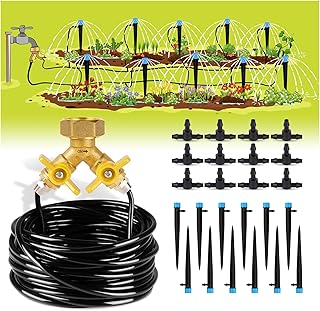 #### HIRALIY 50ft Drip Irrigation Kit Plant Watering System 8x5mm Blank Distribution …⭐⭐⭐⭐☆ (3,331 reviews)19.View on Amazon
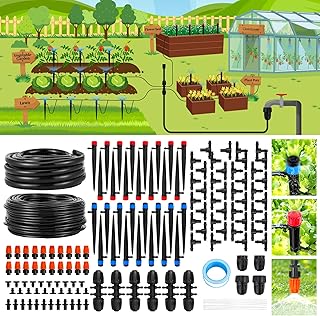 #### 240FT Drip Irrigation System,Automatic Drip Irrigation Kit with 1/2 inch Hose 1/…⭐⭐⭐⭐☆ (343 reviews)34.View on Amazon
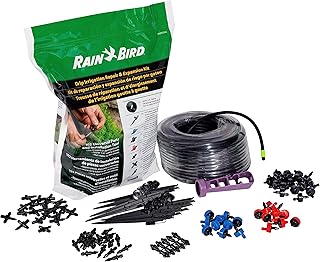 #### Rain Bird DRIPKITBAG Drip Irrigation Repair and Expansion Kit⭐⭐⭐⭐✨ (204 reviews)28.View on Amazon
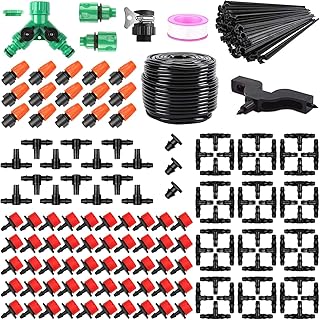 #### Drip Irrigation System, Irrigation System for Garden with 165FT 1/4 Inch Blank D…⭐⭐⭐⭐☆ (118 reviews)19.View on AmazonAs an Amazon Associate, we earn from qualifying purchases. Prices and availability subject to change.## Real-World Success StoriesWater conservation in agriculture is increasingly vital, especially as farmers grapple with the challenges of climate change and dwindling water resources. One of the most effective strategies farmers are employing is the implementation of innovative water storage systems. These systems not only help in conserving water but also ensure a steady supply during dry spells. Let’s explore some real-world success stories and case studies that highlight the impact of these systems in farming.In California, where drought conditions often threaten agricultural output, farmers have turned to advanced water storage systems with remarkable success. For instance, a vineyard in Napa Valley installed a rainwater harvesting system, which now collects and stores up to 1.5 million gallons of water annually. This has significantly reduced their dependency on groundwater, safeguarding their crops during dry seasons.Similarly, in Texas, a cattle ranch implemented a series of strategically placed water storage tanks. By capturing runoff from seasonal rains, the ranch managed to cut its water costs by 30%. This change not only conserved water but also improved the health of the pasture, demonstrating how water storage systems can enhance farm sustainability.### Innovative Approaches and Community ImpactIn Australia, farmers are adopting underground water storage systems to combat evaporation losses. A case study from Queensland showed that by storing water underground, a farm reduced its water evaporation by 70%, leading to more efficient use of the resource. This technique is gaining popularity as it maximizes water availability while minimizing loss.On a community level, cooperative water storage initiatives are proving effective. In India, a group of smallholder farmers pooled resources to build a shared water reservoir. This collective approach not only optimized water use but also strengthened community ties, offering a model for sustainable rural development.Farmers are also integrating technology with water storage systems to enhance efficiency. Smart sensors and IoT devices now monitor water levels and usage in real-time, enabling precise water management. This tech-driven approach ensures that water is used judiciously, aligning with sustainable farming practices.Of course, effective water storage systems also depend on well-maintained equipment. Poorly maintained irrigation systems can lead to water wastage, making regular maintenance crucial. For tips on how to maintain your irrigation systems, check out this article on 5 Shocking Ways Your Irrigation System Could Be Sabotaging Your Farm.In conclusion, water storage systems are proving to be a game-changer in agricultural water conservation. These systems not only help in managing water scarcity but also boost farm productivity. By learning from these success stories and adopting innovative practices, farmers can ensure a sustainable future while conserving this precious resource.## Future Trends and InnovationsAs we look toward the future, water storage systems are poised to undergo significant transformations, driven by technological innovations and the urgent need for sustainable water management. Farmers, often at the forefront of confronting water scarcity, can greatly benefit from staying ahead of these trends. By adopting cutting-edge water storage solutions, they can optimize water use, reduce waste, and ensure a reliable supply for their crops. In this section, we will explore the future trends and innovations in water storage systems that hold promise for enhancing agricultural water conservation.One notable trend is the integration of smart technology into water storage systems. Sensors and IoT devices are increasingly being used to monitor water levels, predict usage patterns, and detect leaks in real time. This allows farmers to manage their water resources more efficiently, minimizing waste and maximizing availability. For instance, smart tanks equipped with these technologies can alert farmers when water levels are critically low or when too much water is being used, enabling prompt corrective action.Furthermore, advancements in materials science are leading to the development of more durable and efficient water storage systems. New materials, such as reinforced polymers and composite materials, offer enhanced resistance to environmental wear and tear, ensuring longer lifespans for storage tanks. These materials also help in reducing evaporation losses, which is a critical concern in arid regions. By investing in tanks made from these advanced materials, farmers can reduce maintenance costs and improve water conservation.### Innovative Water Harvesting TechniquesInnovative water harvesting techniques are also gaining traction. Systems that capture rainwater and store it for agricultural use are becoming more sophisticated. For example, rooftop rainwater harvesting systems can be integrated with filtration units to provide clean water for irrigation. This not only conserves water but also reduces dependency on municipal supplies. According to the NID Water Conservation in Agriculture, such systems can help farmers in regions with erratic rainfall patterns maintain consistent water availability.Another promising development is the use of underground water storage systems. These systems make use of naturally occurring aquifers to store excess water during rainy periods, which can then be extracted during dry spells. This approach not only conserves surface water but also helps in maintaining groundwater levels. In areas prone to drought, underground storage can be a critical resource for farmers seeking to stabilize their water supply.Desalination and water recycling technologies are also making waves in the agricultural sector. By treating and reusing wastewater, farmers can significantly reduce their demand for freshwater resources. Innovations in desalination, such as solar-powered desalination plants, are making the process more energy-efficient and cost-effective. As these technologies become more accessible, they offer viable alternatives for farms located near coastlines or in water-stressed regions.Finally, the role of policy and community initiatives cannot be overlooked. Governments and local organizations are increasingly supporting water conservation efforts through incentives and educational programs. Farmers can benefit from subsidies for adopting advanced water storage systems or participating in community water management schemes. These initiatives not only promote sustainable practices but also foster a culture of conservation among agricultural communities.In conclusion, the future of water storage systems for farmers is bright, with numerous innovations on the horizon. By embracing smart technology, advanced materials, and new harvesting techniques, farmers can significantly enhance their water conservation efforts. As they navigate these changes, it is crucial to stay informed and seek out resources, such as those provided by Roswell City Water Conservation, to make informed decisions. Ultimately, adopting these innovations can lead to more sustainable agricultural practices, ensuring water security for future generations.Looking for products related to this topic?Browse on Amazon## Conclusion: Your Next StepsAs stewards of the land, farmers hold the key to sustainable water management. Embracing water conservation practices not only safeguards our vital resources but also enhances agricultural resilience. By implementing efficient irrigation techniques, farmers can significantly reduce water waste and ensure that every drop counts. Coupled with the strategic use of rainwater harvesting systems, these practices provide a sustainable solution to fluctuating water availability.Investing in advanced water storage systems is another critical step forward. These systems enable the collection and storage of water during times of plenty, ensuring a reliable supply during droughts. Additionally, regular maintenance of irrigation infrastructure can prevent leaks and inefficiencies, preserving water for future use. The adoption of technological solutions, such as soil moisture sensors, can further optimize water use, making farming operations more efficient and profitable.The time to act is now. With climate change posing an ever-increasing threat to water resources, farmers must lead the charge in conservation efforts. Prioritize sustainable practices today, and secure the future of farming for generations to come. Join the movement towards water stewardship, and make your farm a model of environmental responsibility. Your actions today will ripple through time, creating a legacy of conservation and abundance. Let’s harness our collective power and transform the future—one farm at a time.
Our Top Picks
Back to the Roots 25.7qt (1 Cubic ft) Organic Premium Mulch
Back to the Roots 25.7qt. A practical pick we've seen recommended for this use case — verify the current spec, size, and finish on the merchant page before you order.
Brut Organic Aspen Mulch, 10 Quart, Odor-Free, Nutrient Rich, High Water Retention, for Vegetable Ga
Brut Organic Aspen Mulch. A practical pick we've seen recommended for this use case — verify the current spec, size, and finish on the merchant page before you order.
Mulch Stabilizer (1 Gallon)
Mulch Stabilizer. A practical pick we've seen recommended for this use case — verify the current spec, size, and finish on the merchant page before you order.
Mulch Plug for Ry obi RY401014 RY401015 RY401016 - Lawn Mower Attachment, Easy Installation, Durable
Mulch Plug for Ry obi RY401014 RY401015 RY401016. A practical pick we've seen recommended for this use case — verify the current spec, size, and finish on the merchant page before you order.
CARPATHEN Drip Irrigation System - Adjustable Premium Irrigation System for Garden, Raised Beds - Co
CARPATHEN Drip Irrigation System. A practical pick we've seen recommended for this use case — verify the current spec, size, and finish on the merchant page before you order.
MIXC Greenhouse Micro Drip Irrigation Kit Automatic Irrigation System Patio Misting Plant Watering S
MIXC Greenhouse Micro Drip Irrigation Kit Automatic Irrigation System Patio Mist. A practical pick we've seen recommended for this use case — verify the current spec, size, and finish on the merchant page before you order.