
This post may contain affiliate links. If you make a purchase through these links, we may earn a small commission at no extra cost to you. Learn more.
Introduction to Essentials for Successful Homesteading
Have you ever wondered what it truly takes to transform a piece of land into a thriving, self-sustaining homestead? In today’s fast-paced world, embracing a homesteading lifestyle can feel like a bold return to simplicity and self-reliance. Yet, with the right tools and strategies, such as a well-planned rotational grazing system, you can not only boost your land’s productivity but also ensure the health and vitality of your livestock. The benefits are clear: reduced feed costs, improved soil fertility, and healthier animals. However, starting a homestead is not without its challenges, which is why it’s crucial to equip yourself with the essentials. In this guide, we’ll uncover the key components that are vital for successful homesteading, ensuring you can embark on this rewarding journey with confidence and foresight.
Understanding rotational grazing system: The Fundamentals
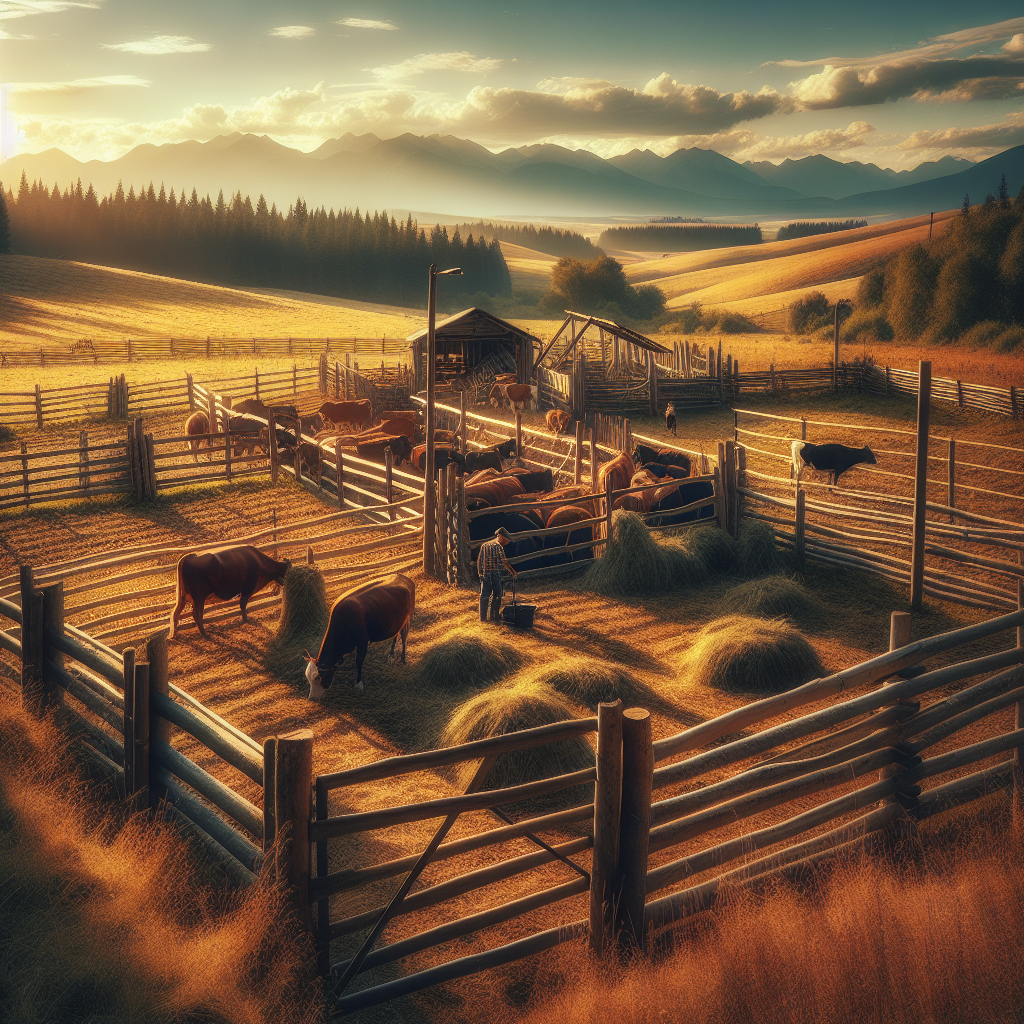
Understanding the fundamentals of a rotational grazing system is crucial for anyone looking to achieve successful homesteading. This method involves strategically moving livestock between pastures to optimize the health of the animals and the land. By allowing pasture areas to rest and recover, a rotational grazing system can enhance soil fertility, increase biodiversity, and improve forage quality. For homesteaders, mastering this practice can lead to more sustainable and productive land use, which is a cornerstone of self-sufficiency.
One of the fundamental principles of rotational grazing is managing pasture rest periods. After livestock graze a section of pasture, that area should be left to recover for a designated period. This rest allows grasses to regrow and strengthens root systems, ultimately leading to more resilient pastures. Research indicates that well-managed rotational grazing can increase pasture productivity by up to 30%, making it an attractive option for homesteaders.
Another critical aspect is stocking density, which refers to the number of animals grazing on a given area. Homesteaders must carefully balance stocking density to prevent overgrazing, which can lead to soil degradation and reduced pasture quality. By rotating animals through smaller paddocks, each section of pasture gets adequately grazed, promoting more even growth and minimizing waste.
The Benefits of Rotational Grazing Systems
Implementing a rotational grazing system also enhances biodiversity. By allowing pastures to rest and recover, a variety of plant species can thrive, which supports a broader range of wildlife. This increase in biodiversity can be beneficial not only for the ecosystem but also for the homesteader. Diverse pastures often provide more nutrient-rich forage, which can lead to healthier livestock.
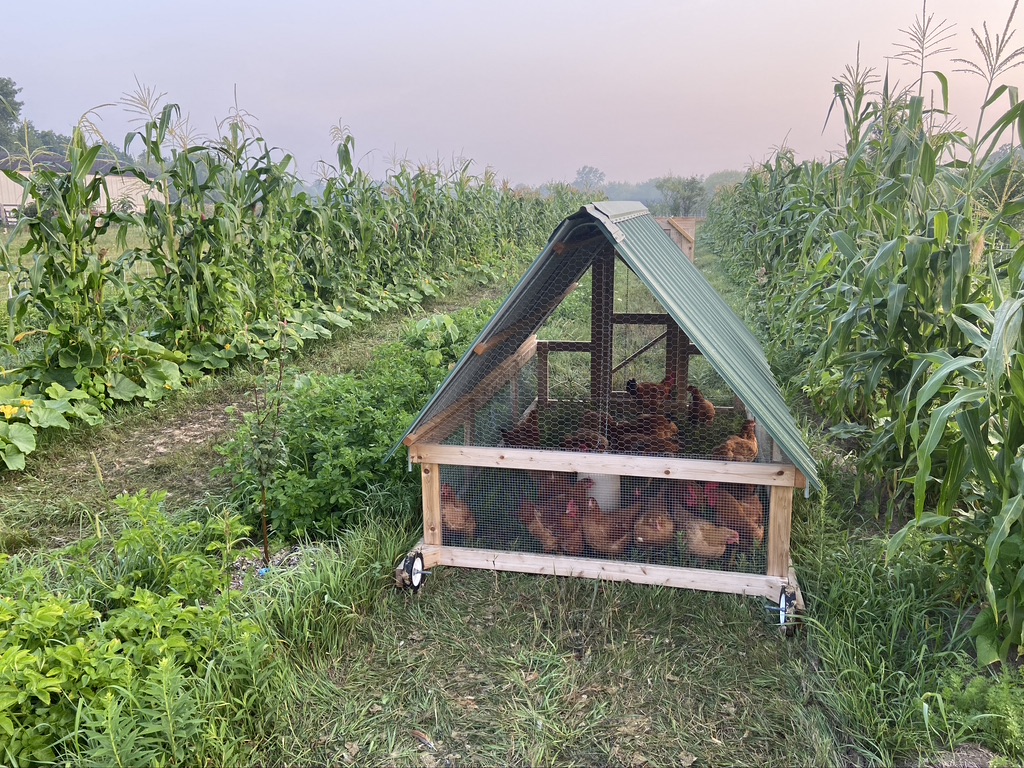
Water management is another significant benefit. Well-planned grazing systems can help reduce runoff and increase water infiltration into the soil. This is particularly important for homesteaders looking to conserve water resources. Incorporating other water-saving techniques, such as avoiding inefficient drip tubing, can further enhance water conservation efforts.
Moreover, rotational grazing can aid in controlling weeds and pests. By regularly moving livestock, homesteaders can disrupt the lifecycle of pests and reduce the chance of infestations. This natural form of pest management is not only cost-effective but also environmentally friendly, reducing the need for chemical interventions.
A common concern among homesteaders is the initial setup and management of a rotational grazing system. While it requires upfront planning and investment, the long-term benefits often outweigh these initial costs. Tools such as electric fencing can simplify the process, making it easier to manage and adapt as needed.
In conclusion, a well-executed rotational grazing system can be a game-changer for homesteaders. By improving pasture health, enhancing biodiversity, and conserving resources, this method supports sustainable homesteading practices. As you embark on the journey to self-sufficiency, remember that investing time in understanding and implementing a rotational grazing system can yield significant rewards for both your land and your livestock.
🚀 Start Right: The Only Rotational Grazing System Beginners Actually Need
Regenerative Grazing with Goats and Sheep: A Beginner’s Guide: Pasture Health, R…

As an Amazon Associate, we earn from qualifying purchases. Prices and availability subject to change.
Why rotational grazing system Matters in Today’s World
In the ever-evolving landscape of homesteading, the rotational grazing system stands out as an indispensable tool for sustainable agriculture. As modern homesteaders seek to balance productivity with environmental stewardship, rotational grazing offers a compelling solution. This method involves moving livestock between pastures to allow grass to recover, ensuring both animal health and land vitality. But why does this system matter so much in today’s world?
Firstly, the rotational grazing system significantly improves soil health. By allowing pastures to rest, the soil can rebuild nutrients and organic matter, leading to increased fertility. This not only enhances grass growth but also bolsters the entire ecosystem. According to a study by the USDA, rotational grazing can improve soil carbon sequestration by up to 30%, which is a crucial factor in combating climate change.
Moreover, this method enhances pasture productivity. When livestock graze on a rotational basis, they trim the grass evenly, preventing overgrazing and promoting uniform growth. This ensures that your pastures remain lush and productive throughout the seasons. For homesteaders, this can mean a more reliable food source for their animals, reducing the need to purchase feed externally.
The Economic Benefits of Rotational Grazing
Interestingly, the economic advantages of a rotational grazing system cannot be overstated. By maximizing pasture use, homesteaders can reduce their feed costs substantially. This savings can be redirected towards other essential aspects of homesteading, such as investing in sustainable farming tools or exploring e-commerce platforms to boost farm profits by 60% [source].
Additionally, rotational grazing supports animal health. Livestock benefit from fresh pastures, which leads to improved nutrition and reduced exposure to parasites. Healthier animals not only produce better yields, such as milk or wool, but they also require less medical intervention, saving time and money for homesteaders.
Furthermore, this system is environmentally friendly. By reducing soil erosion and enhancing biodiversity, rotational grazing contributes positively to the environment. It also minimizes the carbon footprint of livestock farming, aligning with the growing global emphasis on sustainable practices.
For those new to homesteading, implementing a rotational grazing system can seem daunting. However, many resources are available to ease this transition [source]. Starting small, perhaps with a few movable fences, allows beginners to gradually understand the dynamics of their land and livestock.
In conclusion, the rotational grazing system is a vital component of successful homesteading. It not only enhances soil and pasture health but also offers economic and environmental benefits. With the right approach, homesteaders can leverage this system to create a sustainable and productive agricultural environment. Embracing rotational grazing is a step towards a self-sufficient and environmentally-conscious homestead, ensuring its relevance in today’s world.
Key Benefits of Implementing rotational grazing system
Implementing a rotational grazing system on your homestead can significantly enhance sustainability and productivity. This method involves the strategic movement of livestock between pastures, allowing forage plants to recover and regrow. Not only does this approach improve pasture health, but it also optimizes livestock nutrition and reduces the need for supplemental feeding. If you’re embarking on the journey of successful homesteading, integrating a rotational grazing system could be a transformative step.
Firstly, rotational grazing promotes soil health by preventing overgrazing. When livestock graze a particular area, they can deplete nutrients and compact the soil, leading to erosion and decreased fertility. By rotating animals, you give the land time to rest and regenerate, ultimately enhancing its ability to support diverse plant species. According to a beginner’s guide to self-sufficient homesteading, healthy soil is foundational for any sustainable agricultural practice.
Moreover, the rotational grazing system can lead to improved forage quality. As pastures recover, they tend to grow more nutritious and palatable grasses, which directly benefits livestock health and productivity. For instance, studies have shown that cows on rotational grazing systems maintain better body condition and produce more milk compared to continuous grazing. This increase in productivity can be crucial for homesteaders looking to maximize outputs from a small farm.
Another advantage of rotational grazing is the reduction of parasite loads in livestock. Parasites often thrive in environments where animals stay in one place too long. By moving livestock regularly, you break the lifecycle of these pests, decreasing their population and the need for chemical dewormers. This natural form of pest control not only benefits animal health but also reduces costs and chemical use on your homestead.
Enhanced Biodiversity and Ecosystem Resilience
Implementing a rotational grazing system can also enhance biodiversity. Different plant species have varying grazing tolerances and recovery rates. By rotating your animals, you encourage a variety of plants to flourish, which supports a diverse ecosystem. This increased biodiversity can lead to more resilient pastures that are better able to withstand environmental stressors like drought or heavy rainfall.
Interestingly, rotational grazing contributes to carbon sequestration. As plants regrow, they pull carbon dioxide from the atmosphere and store it in the soil, which helps mitigate climate change. This environmental benefit aligns well with the sustainability goals of modern homesteaders. A thriving pasture system can become a critical carbon sink, playing a small yet significant role in global environmental efforts.
For the homesteader, labor efficiency is another key benefit. Although planning and setting up a rotational system can be labor-intensive initially, it often results in less time spent on feeding and managing livestock in the long run. With a well-organized rotation schedule, livestock can graze on natural pasture, reducing the need for harvested feeds. This efficiency allows homesteaders to focus on other aspects of their farm, such as companion planting or other sustainable practices.
Finally, a rotational grazing system can be financially advantageous. By improving pasture productivity and reducing feed and veterinary costs, homesteaders can save money and increase profitability. These financial benefits are crucial for maintaining a self-sustaining homestead, especially for those new to the practice.
In conclusion, implementing a rotational grazing system offers numerous benefits, from enhanced soil health and forage quality to reduced parasite loads and increased biodiversity. This sustainable practice not only supports a healthier ecosystem but also improves livestock productivity and financial outcomes. For those committed to successful homesteading, embracing rotational grazing could be a key component to achieving long-term sustainability and self-sufficiency.
⭐ Highest-Rated Rotational Grazing System According to 10,000+ Reviews
As an Amazon Associate, we earn from qualifying purchases. Prices and availability subject to change.
Practical Steps to Get Started with rotational grazing system
Embarking on a homesteading journey can be a rewarding adventure, especially when implementing effective strategies like the rotational grazing system. This sustainable method not only enhances pasture productivity but also promotes healthier livestock and a more balanced ecosystem. By following a few practical steps, you can successfully integrate a rotational grazing system into your homesteading practices, ensuring both environmental sustainability and economic efficiency.
First, understanding your land’s capacity is crucial. Evaluate the size of your pasture and the number of animals you plan to graze. This evaluation helps determine the number of paddocks needed and the duration each paddock can be grazed without degrading the pasture. It’s essential to prevent overgrazing, which can lead to soil erosion and poor pasture regeneration.
Next, consider the type of livestock you have. Different animals have varying grazing patterns and nutritional needs. For instance, cattle require more extensive pastures compared to sheep or goats. Adjust the size and number of paddocks accordingly to accommodate these differences. Utilizing a rotational grazing system can significantly improve pasture health and livestock well-being, as it allows pastures to rest and regrow.
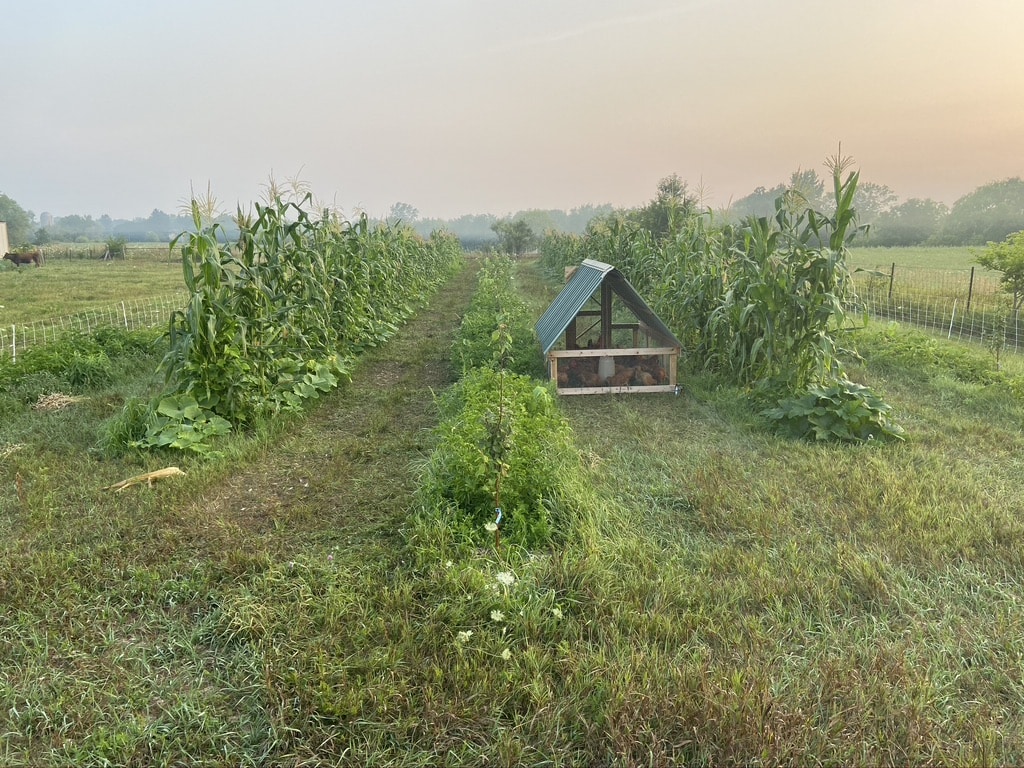
Infrastructure plays a vital role in the success of rotational grazing. Invest in quality fencing to subdivide pastures into smaller paddocks. Temporary electric fencing is a flexible and cost-effective option, allowing you to adjust paddock sizes as needed. Additionally, ensure that each paddock has access to clean water, as adequate hydration is crucial for livestock health.
Monitoring and Adjusting Your System
Regularly monitoring pasture conditions and livestock health is essential. Observe the regrowth of grass and adjust grazing times based on forage availability. This proactive approach helps maintain pasture vigor and prevents overgrazing. Moreover, keeping track of livestock weight gain and health indicators can provide insights into the effectiveness of your rotational grazing system.
Education and community support can also enhance your success. Engaging with local homesteading groups or online forums, such as those found on Reddit or Facebook, can offer valuable insights and experiences from fellow homesteaders. Sharing knowledge and seeking guidance can prevent common pitfalls and inspire innovative solutions for challenges you may face.
It’s also beneficial to integrate other sustainable practices. For example, consider the benefits of growing your own groceries to further support a self-sufficient lifestyle. According to some sources, homegrown food can be healthier and cheaper than store-bought options. Additionally, investing in efficient irrigation methods, like avoiding the pitfalls of drip tubing, can conserve water and improve pasture management.
In conclusion, starting a rotational grazing system requires careful planning and ongoing management. By understanding your land capacity, considering livestock needs, investing in infrastructure, and actively monitoring your system, you can create a sustainable and productive homesteading environment. Engaging with educational resources and community support can further enhance your journey, ensuring a successful and rewarding homesteading experience.
Common Mistakes to Avoid
Implementing a rotational grazing system can be a game-changer for homesteaders looking to optimize land use and improve soil health. However, like any agricultural practice, it comes with its own set of challenges. Avoiding common pitfalls is essential to make the most of this sustainable grazing approach. In this section, we explore the most frequent mistakes homesteaders make with rotational grazing and how to sidestep them effectively.
One of the most common mistakes is improper pasture planning. Many new homesteaders underestimate the importance of dividing land into paddocks of appropriate size. It’s essential to assess your land’s carrying capacity and adjust the number of livestock accordingly. Overgrazing can occur if livestock are not rotated frequently enough, leading to degraded pastures and reduced productivity. According to the From Scratch Farmstead, careful planning and assessment are keys to successful homesteading.
Another frequent error is ignoring the recovery period needed for each paddock. After livestock have grazed an area, it is crucial to allow enough time for vegetation to regenerate before reintroducing animals. Failing to do this can result in weakened plant roots and diminished pasture health. Some experts recommend a rest period of at least 30 days, depending on the type of forage and environmental conditions.
Managing Water Resources Effectively
Water management is often overlooked when setting up a rotational grazing system. Each paddock needs to have access to fresh water, which might require installing portable water sources. Neglecting this aspect can lead to uneven grazing patterns as animals will congregate around water sources, overgrazing those areas. Strategic placement of water can help maintain balance and promote even distribution of grazing.
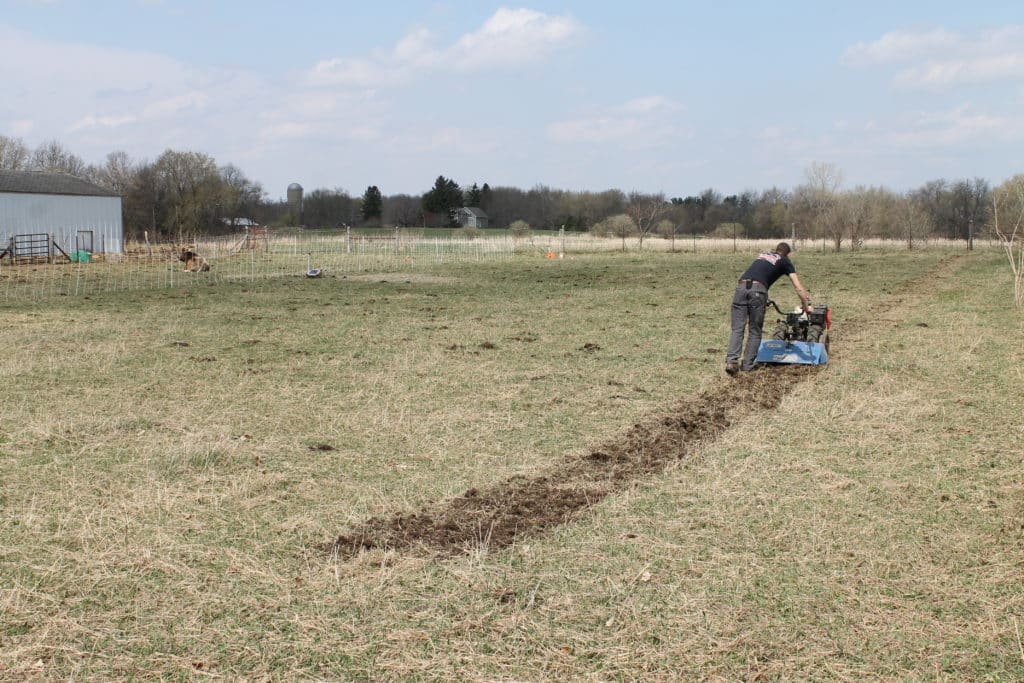
Neglecting soil health monitoring is another misstep. Soil testing should be an integral part of your rotational grazing plan. Regular testing allows you to track nutrient levels and adjust fertilization practices accordingly. Healthy soil is the foundation of productive pastures, and ignoring its condition can lead to long-term issues. One insightful article on Reddit emphasizes that understanding soil health is critical for sustainable homesteading.
Failing to adapt the rotational grazing system to seasonal changes can also hinder success. Different seasons bring varying growth rates for pasture plants. During dry or dormant periods, paddock rotation schedules may need to be adjusted to prevent overgrazing. Being flexible and responsive to these changes is crucial for maintaining pasture productivity throughout the year.
Another trap is not incorporating livestock diversity. Integrating different species, such as cattle and sheep, can benefit the ecosystem. Each species grazes differently, which helps in maintaining a balanced pasture. This practice can also aid in pest control and improve soil health by promoting varied grazing patterns.
In conclusion, implementing a rotational grazing system requires careful planning and ongoing management. By avoiding these common mistakes—such as improper pasture planning, neglecting recovery periods, and mismanaging water resources—homesteaders can enhance their land’s productivity and sustainability. Regular soil health monitoring and adapting to seasonal changes further ensure the longevity of this grazing strategy. For more insights on sustainable practices, check out the 6 Shocking Ways Livestock Grazing Supercharges Crop Rotation.
💎 Premium Rotational Grazing System Worth Every Penny
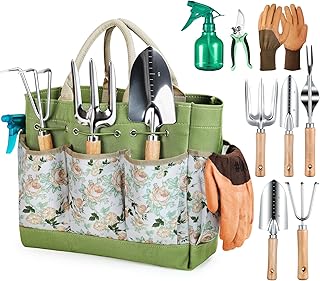
Gardening Tools 9-Piece Heavy Duty Garden Hand Tools with Fashion and Durable Ga…

GROWIT Heavy Duty Gardening Tools – Gardening Gifts for Women, Men, Mom, Dad – D…
As an Amazon Associate, we earn from qualifying purchases. Prices and availability subject to change.
Real-World Success Stories
Integrating a rotational grazing system into your homestead can be a transformative step towards sustainable agriculture. This innovative method, which involves moving livestock between pastures to allow vegetation recovery, has been touted in various real-world success stories. By leveraging this system, homesteaders not only enhance their productivity but also contribute positively to the environment.
One remarkable success story hails from a small homestead in Vermont. Initially, the farm struggled with overgrazed pastures and declining livestock health. Implementing a rotational grazing system changed everything. Pasture health improved significantly, and animal weight gain increased by 20% within the first year. This improvement was attributed to better forage quality and diversity, a direct result of the managed grazing schedule.
Another compelling case study involves a mid-sized farm in Texas. The farmer adopted a rotational grazing approach to combat soil erosion and nutrient depletion. Within two years, soil tests revealed a 30% increase in organic matter, which greatly enhanced soil fertility. This success underscores how rotational grazing systems can restore degraded land while maintaining productivity.
Moreover, small-scale homesteaders have found rotational grazing to be economically beneficial. For instance, a family-run farm in Ohio reported a 15% reduction in feed costs. By allowing pastures to rest and regenerate, the natural forage quality improved, leading to less dependency on supplementary feeds. This case illustrates how rotational grazing can be a cost-effective strategy for improving farm economics.
Practical Insights from Successful Farmers
Through learning from these success stories, several actionable insights emerge. First, it’s essential to tailor the rotational grazing system to the specific needs of your land and livestock. For instance, dividing pastures into smaller paddocks can optimize grazing and land recovery. Additionally, integrating other sustainable practices, such as composting, can further enhance soil quality. According to studies, manure and compost application users have reduced waste by 67% annually. This approach not only boosts productivity but also supports long-term environmental health.
Transitioning to a rotational grazing system may raise questions about initial investments and management complexity. However, many homesteaders find it manageable with proper planning. Utilizing resources and guides from homesteading communities, such as those found on CCE Saratoga, can provide valuable support and reduce the learning curve.
One common concern is the upfront costs of fencing and watering systems. Yet, many farmers report recouping these costs through improved livestock health and reduced feed expenses. Additionally, e-commerce platforms have enabled farmers to boost profits significantly, some by as much as 60%. Exploring tools that optimize your sales channels can complement the benefits of rotational grazing.
In conclusion, adopting a rotational grazing system is a powerful strategy for successful homesteading. Real-world examples demonstrate its potential to improve pasture health, livestock productivity, and farm profitability. By learning from these cases and implementing tailored solutions, homesteaders can achieve a more sustainable and self-sufficient lifestyle. Embracing such innovative practices ensures not just the survival but the thriving of homesteads in a rapidly changing world.
Future Trends and Innovations
As homesteading continues to gain traction among those seeking a self-sufficient lifestyle, the rotational grazing system emerges as a pivotal innovation for sustainable livestock management. This system, which involves moving livestock between pastures to allow for regrowth and soil recovery, is not only beneficial for the environment but also enhances farm productivity. With the world increasingly focused on sustainable agriculture, understanding future trends and innovations in rotational grazing is essential for any successful homesteader.
Technology is playing a significant role in advancing the rotational grazing system. Smart collars equipped with GPS tracking and health monitoring sensors allow farmers to manage herds more efficiently. These devices provide real-time data on animal location and well-being, enabling precise grazing management. By leveraging such technology, homesteaders can optimize pasture usage and enhance livestock health.
Another trend is the integration of regenerative agriculture principles into rotational grazing. This approach focuses on improving soil health, increasing biodiversity, and sequestering carbon. Practices such as cover cropping, no-till farming, and diverse plantings are being incorporated into grazing systems to enhance soil fertility and resilience. Homesteaders adopting these methods can create a more sustainable and productive environment.
Climate change poses challenges and opportunities for the rotational grazing system. As weather patterns become increasingly unpredictable, adaptive grazing management strategies are critical. Homesteaders are experimenting with drought-resistant forage varieties and altering grazing schedules to mitigate the effects of climate variability. This adaptability ensures the sustainability of their livestock operations in the face of environmental change.
Innovations in Water Management for Rotational Grazing
Water management is another crucial aspect of future trends in rotational grazing. Traditional irrigation methods can be inefficient, often wasting up to 60% of water resources. To address this, innovative solutions like solar-powered pumps and rainwater harvesting systems are being implemented. These technologies ensure a reliable water supply while conserving resources, making them ideal for eco-conscious homesteaders. For more insights on water-saving practices, consider exploring Warning: Your Irrigation Habits Could Waste 60% of Your Water.
Social media and online communities are invaluable resources for sharing knowledge and experiences about rotational grazing. Platforms like Reddit and Facebook groups provide practical advice and foster connections among homesteaders. By participating in these communities, individuals can learn from others’ successes and challenges, gaining insights into effective grazing strategies. For instance, the Homesteading for Beginners group offers a wealth of information for novices seeking guidance.
Government incentives and policies are also shaping the future of rotational grazing. Many regions are offering grants and subsidies to promote sustainable agricultural practices. These financial supports encourage homesteaders to implement rotational grazing systems, which can lead to significant long-term benefits. Staying informed about available programs can help homesteaders take advantage of these opportunities.
In conclusion, the future of the rotational grazing system is bright, with numerous innovations and trends enhancing its effectiveness. By embracing technology, regenerative practices, and adaptive strategies, homesteaders can ensure the sustainability and productivity of their operations. Engaging with online communities and taking advantage of government incentives further supports this endeavor. As the demand for sustainable agriculture grows, mastering rotational grazing is an invaluable asset for any aspiring homesteader.
Looking for products related to this topic?
Conclusion: Your Next Steps
In embarking on the journey of successful homesteading, embracing a rotational grazing system emerges as a pivotal strategy. This approach not only optimizes pasture health but also enhances livestock productivity. By rotating animals through different pasture sections, you allow grasslands to recover and flourish, effectively nurturing a sustainable ecosystem. This method reduces soil erosion and promotes biodiversity, crucial elements for a thriving homestead.
Equally important is the need for resourcefulness and adaptability. Homesteading demands a keen understanding of your land and its needs. Prioritizing soil health and water management ensures long-term productivity and resilience against environmental changes. Moreover, building a community and learning from fellow homesteaders enriches your knowledge base and fosters a supportive network.
Now is the time to take action. Implementing a rotational grazing system can transform your homestead into a model of sustainability and efficiency. Start small, observe the changes, and adapt your strategies. The benefits are profound, not only for your land and livestock but for future generations. Don’t wait. Embrace the potential of your homestead today and lead the charge toward a more sustainable tomorrow. Your journey begins with a single step; take it now.
From Our Network
GreenChoice Affiliates — Eco-friendly product reviews for sustainable living
FarmsFlo — Free farm management app for planting schedules, harvests, and operations
BoingyBooks — Publish and discover ebooks, interactive read-alongs, and audiobooks
Leave a Reply
You must be logged in to post a comment.