

This post may contain affiliate links. If you make a purchase through these links, we may earn a small commission at no extra cost to you. Learn more.
Introduction to Maximizing Yield with Greenhouse Farming
What if you could dramatically increase your crop yields while reducing reliance on harsh chemicals? Welcome to the world of greenhouse farming, where innovative techniques like using beneficial nematodes are transforming agriculture. As climate change and population growth pressure food production systems, the need for sustainable and efficient farming methods has never been more urgent. By harnessing the power of greenhouse environments, farmers can create optimal conditions for growth, protect plants from pests, and extend growing seasons. Imagine a future where you achieve higher yields and healthier crops with fewer resources and less environmental impact. In this blog post, we’ll explore the strategies that make greenhouse farming a game-changer. From choosing the right crops to integrating cutting-edge technology, you’ll learn how to maximize your yield and secure a prosperous future for your farm.
Understanding beneficial nematodes: The Fundamentals
In the realm of greenhouse farming, understanding beneficial nematodes is essential for maximizing yield. These microscopic, soil-dwelling organisms have gained recognition for their role in natural pest control, effectively reducing the need for chemical pesticides. By integrating beneficial nematodes into greenhouse environments, farmers can enhance plant health and productivity, creating a more sustainable and productive agricultural system.
Beneficial nematodes are a group of roundworms that prey on soil-borne pests, providing a natural solution to pest management. They primarily target larvae of insects such as grubs, root weevils, and fungus gnats, which can cause significant damage to crops. When introduced into the soil, these nematodes seek out their prey, infiltrating their bodies and releasing bacteria that kill the host within 24 to 48 hours. This swift action makes them an invaluable ally in maintaining plant health.
The Role of Beneficial Nematodes in Integrated Pest Management
Incorporating beneficial nematodes into integrated pest management (IPM) strategies can significantly improve greenhouse crop yields. According to research from Ohio State University, using nematodes in conjunction with other biological controls enhances their effectiveness. They work synergistically with other beneficial organisms, such as predatory insects and mites, to control pest populations naturally.
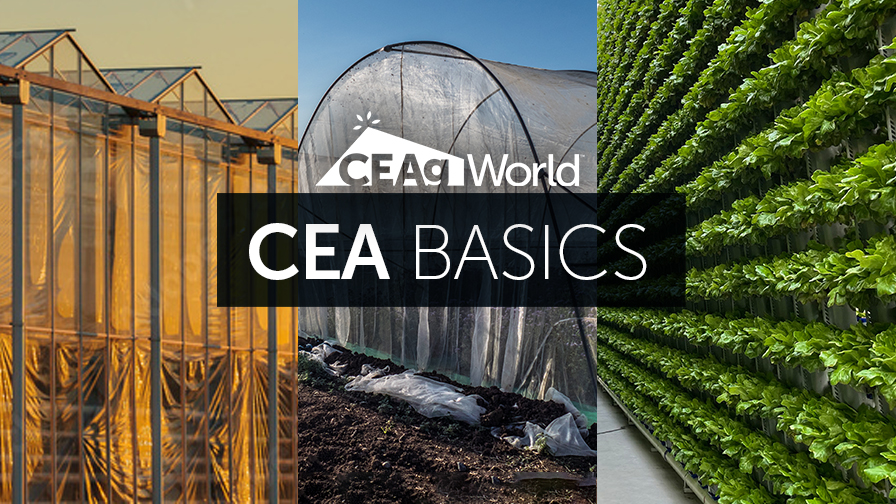
Moreover, beneficial nematodes are environmentally friendly, posing no threat to humans, pets, or plants. Unlike chemical pesticides, they do not leave harmful residues, making them ideal for sustainable farming practices. This aligns with the principles of controlled environment agriculture (CEA), where maintaining a balanced ecosystem is crucial. For more insights into CEA, consider exploring resources like the CEA Basics guide.
Greenhouse farmers often ask about the application of beneficial nematodes. These organisms are typically applied as a water-based solution, ensuring even distribution across the soil. It’s important to apply them during cooler parts of the day and water them into the soil immediately to protect them from harmful UV rays. Regular monitoring and timely application are key to achieving optimal results.
Despite their benefits, some growers express concerns about the cost and availability of beneficial nematodes. However, the long-term benefits they provide in reducing pest-related crop losses often outweigh the initial investment. Additionally, many suppliers offer nematodes as part of comprehensive pest management kits, making them more accessible to farmers.
In conclusion, beneficial nematodes play a critical role in enhancing greenhouse farming efficiency. By offering a sustainable and effective pest control solution, they help maximize crop yields while supporting environmental health. As more farmers adopt these practices, the future of sustainable agriculture looks promising. For those interested in furthering their sustainable practices, exploring topics like The Sustainable Beekeeping Secret can offer additional insights into creating a balanced ecosystem.
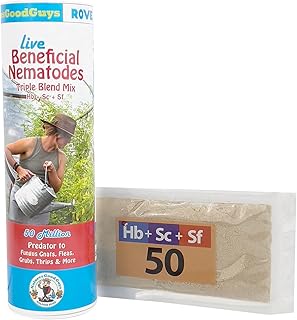
💡 Beginner’s Gold: Beneficial Nematodes That Guarantee Success
Live Beneficial Nematodes Hb+Sc+Sf – Kills Over 200 Different Species of Soil Dw…
The Environmental Factor NemaKnights Slow-Release Nematodes – Biological Pest Co…
As an Amazon Associate, we earn from qualifying purchases. Prices and availability subject to change.
Why beneficial nematodes Matters in Today’s World
In the realm of greenhouse farming, the use of beneficial nematodes is gaining significant traction, and for good reason. These microscopic, soil-dwelling organisms can play a pivotal role in maximizing yield, making them indispensable in today’s sustainable agriculture practices. As greenhouse farming becomes increasingly vital to meet global food demands, understanding how beneficial nematodes impact productivity and pest management is crucial.
Beneficial nematodes are often referred to as nature’s pest control agents. They have a unique ability to target and eliminate harmful soil-dwelling insects, such as root weevils, fungus gnats, and thrips. By releasing these nematodes into your greenhouse soil, you can effectively reduce pest populations without the need for chemical pesticides. This natural method of pest control not only preserves the health of your plants but also aligns with organic farming practices.
Moreover, the use of beneficial nematodes supports soil health, an often overlooked aspect of greenhouse farming. These nematodes contribute to nutrient cycling by breaking down organic matter, thus enhancing soil fertility. Healthy soil results in robust plant growth and higher yields. According to the Ohio State University Extension, maintaining optimal soil conditions is critical, and nematodes can be a part of this solution.
The Unseen Impact on Water Retention and Plant Health
Water management is another area where beneficial nematodes can make a difference. By improving soil structure, they enhance water infiltration and retention, crucial in greenhouse environments where controlled irrigation is practiced. Ignoring water retention could drastically reduce your yields, as highlighted in this study. By bolstering the soil’s ability to retain moisture, nematodes indirectly support consistent plant growth.
In terms of plant health, beneficial nematodes contribute to a more balanced ecosystem within greenhouses. They coexist with other biological control agents, creating a synergy that enhances overall plant resilience. This teamwork among biological controls is emphasized in the MSU Extension’s educational series, which highlights the importance of integrated pest management strategies.
Adopting beneficial nematodes in greenhouse farming also addresses sustainability concerns. As practices shift towards reducing chemical inputs and enhancing natural processes, these nematodes offer a viable solution. Their application can reduce reliance on synthetic fertilizers and pesticides, contributing to a healthier environment and safer produce.
Cost-effectiveness is another compelling reason to consider beneficial nematodes. Unlike chemical treatments that need regular reapplication, nematodes establish a long-term presence in the soil. This reduces costs over time and ensures consistent pest control throughout the growing season. According to the University of Nebraska-Lincoln, incorporating biological controls like nematodes can be a smart financial investment for greenhouse operators.
In conclusion, the integration of beneficial nematodes in greenhouse farming is not just a trend but a necessity for maximizing yield and sustainability. Their role in pest control, soil health, water retention, and cost savings makes them invaluable assets in modern agriculture. As more growers recognize their benefits, beneficial nematodes are set to become a cornerstone of efficient and eco-friendly greenhouse farming practices.
Key Benefits of Implementing beneficial nematodes
Implementing beneficial nematodes in greenhouse farming can significantly enhance crop yield while maintaining an eco-friendly approach. As a natural biological control, beneficial nematodes are microscopic roundworms that target and eliminate soil-dwelling pests. Their role in maximizing yield is gaining recognition among greenhouse farmers who seek sustainable pest management solutions that do not compromise their crops or the environment.
One of the primary advantages of using beneficial nematodes is their ability to control a vast array of pests effectively. These nematodes can target and eliminate harmful insects like root weevils, fungus gnats, and thrips, which are common in greenhouse environments. By reducing pest populations, beneficial nematodes help protect plants from damage and stress, leading to healthier and more productive crops.
Another significant benefit is the reduction in the need for chemical pesticides. Many greenhouse farmers are concerned about the environmental impact of chemicals and their potential to harm non-target species. Beneficial nematodes offer a natural solution, enabling farmers to decrease their reliance on synthetic pesticides, thus promoting a healthier ecosystem and reducing chemical residues on produce.
The Role of Beneficial Nematodes in Soil Health
Beneficial nematodes also contribute positively to soil health. They break down organic matter and increase nutrient availability, enhancing soil fertility. This improvement in soil quality can be particularly advantageous in greenhouse systems, where soil conditions are often controlled and optimized for maximum plant growth. For further soil management insights, consider exploring weed control strategies.
Furthermore, the application of beneficial nematodes is straightforward and cost-effective. They can be introduced to the greenhouse environment through simple irrigation systems or direct soil application. Once released, these nematodes begin working immediately, providing ongoing pest control throughout their lifecycle. This ease of use makes them an attractive option for both small and large-scale greenhouse operations.
In terms of sustainability, beneficial nematodes align with the principles of integrated pest management (IPM). They can be used in conjunction with other biological controls, creating a robust defense strategy against pests. This integration helps maintain a balanced greenhouse ecosystem, where natural predators and controls work synergistically to protect crops.
Despite their many benefits, some greenhouse farmers may hesitate due to concerns about effectiveness under certain conditions. For optimal results, it is crucial to maintain proper moisture levels and soil temperatures, which are essential for nematode survival. As highlighted in the article, neglecting water-holding capacity could halve your crop yield, underscoring the importance of proper environmental conditions.
In conclusion, implementing beneficial nematodes in greenhouse farming offers numerous advantages, including effective pest control, reduced pesticide use, improved soil health, and alignment with sustainable farming practices. By adopting this natural pest management strategy, farmers can maximize their yield while fostering an environmentally friendly and productive growing environment.
📊 Data-Proven: The Best Beneficial Nematodes Money Can Buy
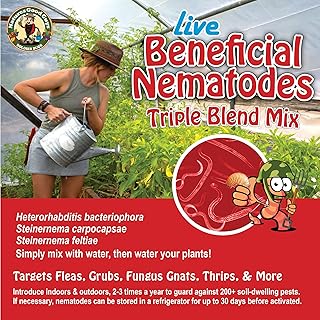
Live Beneficial Nematodes – 15 Million Hb+Sc+Sf – Kills Over 200 Different Speci…
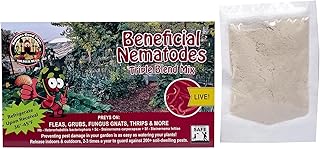
NaturesGoodGuys Beneficial Nematodes Triple Blend Pack HB+SC+SF – General Biolog…
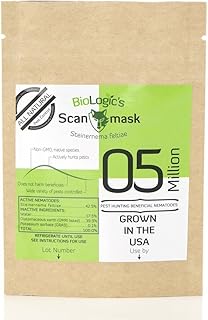
As an Amazon Associate, we earn from qualifying purchases. Prices and availability subject to change.
Practical Steps to Get Started with beneficial nematodes
In the quest to maximize yield with greenhouse farming, integrating beneficial nematodes into your pest management strategy can be a game-changer. These microscopic organisms are natural predators of many soil-borne pests, offering a sustainable solution to controlling infestations without harmful chemicals. Understanding how to leverage beneficial nematodes effectively can significantly enhance the health and productivity of your greenhouse crops.
First and foremost, selecting the right species of beneficial nematodes is crucial. Not all nematodes are created equal; different species target different pests. For instance, Steinernema carpocapsae is effective against caterpillars, while Heterorhabditis bacteriophora targets beetle larvae. Researching the specific pests prevalent in your greenhouse environment will guide you in choosing the appropriate nematode species.
Once you have identified the nematode species, timing their application is key. Typically, early morning or late afternoon applications are best since nematodes are sensitive to UV light and extreme temperatures. Ensuring the soil is moist will facilitate their movement and survival. A study from the University of Massachusetts highlights that maintaining optimal moisture levels can increase nematode efficacy by up to 70%.
Application Techniques and Considerations
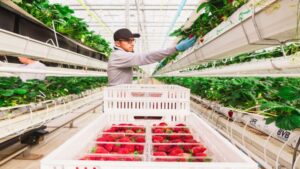
Applying beneficial nematodes involves mixing them with water and using a sprayer to distribute them evenly across the soil. Be sure to follow the manufacturer’s instructions regarding concentration levels. Over-application can be wasteful and under-application might not achieve desired results. A simple pump sprayer or a watering can with a fine rose is often sufficient for smaller greenhouses.
It’s also important to address any concerns about compatibility with other pest management strategies. Beneficial nematodes can be safely used alongside other biological controls. For those exploring the concepts of perennial planting, integrating nematodes can complement your efforts in maintaining a year-round productive system.
Monitoring the results of your nematode application is equally important. Regularly inspect your plants and soil for signs of pest reduction. According to Ohio State University, a noticeable decrease in pest populations can often be observed within two weeks of application. Keeping track of these outcomes helps refine future applications and ensures ongoing success.
Moreover, understanding the limitations of beneficial nematodes will help set realistic expectations. While they are effective against many soil-dwelling pests, nematodes have little impact on insects that reside above ground. For greenhouse environments struggling with airborne pests, other strategies may be required.
In conclusion, beneficial nematodes offer a potent, eco-friendly method for pest control in greenhouse farming. By choosing the right species, applying them correctly, and integrating them with other pest management strategies, you can significantly boost your crop yields. For those interested in exploring more sustainable farming practices, consider how your current methods might be improved, perhaps by examining if farm cooking affects your greenhouse goals. Embracing beneficial nematodes is a step towards a healthier, more productive greenhouse environment.
Common Mistakes to Avoid
In the quest to maximize yield with greenhouse farming, many growers have turned to beneficial nematodes as a sustainable solution for pest control. These microscopic worms are natural predators of numerous soil-dwelling pests, making them a valuable ally in the war against crop-destroying insects. However, despite their effectiveness, improper implementation can lead to disappointing results. Understanding the common mistakes when using beneficial nematodes is essential for any greenhouse farmer looking to enhance their crop yield.
Firstly, timing is crucial when releasing beneficial nematodes. Many farmers mistakenly apply them during extreme weather conditions, such as very hot or cold temperatures. Nematodes are most effective when applied during moderate temperatures, ideally between 60°F and 90°F. By ensuring optimal conditions, farmers can maximize their nematodes’ efficacy and, consequently, their crop yield.
Another frequent error is applying beneficial nematodes to dry soil. These organisms thrive in moist environments, which helps them move through the soil to locate their prey. Before application, ensure the soil is adequately watered to improve the chances of nematode survival and pest suppression. This simple step can significantly enhance the effectiveness of your pest control strategy.
Correct Application Techniques
Proper application methods are vital for the success of beneficial nematodes. Some growers simply sprinkle nematodes on the soil surface, not realizing that these creatures need to penetrate the soil to reach their targets. Use water to wash them into the soil after application, ensuring they reach the root zone where pests reside. This practice ensures that the nematodes can target pests more effectively, leading to better pest control outcomes.
Farmers often overlook the importance of storage conditions for beneficial nematodes. These organisms are sensitive to extreme temperatures and should be stored in a cool, dark place until use. Improper storage can kill the nematodes, rendering them ineffective. Always check the packaging for storage instructions to maintain nematode viability.
Furthermore, understanding the specific pest population in your greenhouse is critical. Nematodes are not a one-size-fits-all solution; different species target different pests. Identifying the pests present and selecting the appropriate nematode species is paramount for effective pest control. Consider consulting resources or professionals to ensure you are using the correct nematode species.
Finally, many farmers fail to integrate nematodes with other pest management strategies. While beneficial nematodes are powerful, they work best as part of an integrated pest management (IPM) plan. Combining them with other methods, such as crop rotation or biological controls, can enhance pest suppression. For more insight into pest management strategies, read about Crop Rotation vs. Pesticides: The 5x Pest Reduction You Can’t Ignore.
In conclusion, while beneficial nematodes offer a promising solution for pest control in greenhouse farming, proper implementation is key. By avoiding common mistakes such as poor timing, incorrect application, and improper storage, farmers can harness the full potential of these natural predators. Additionally, integrating them into a broader pest management strategy can further enhance their effectiveness, ultimately leading to increased crop yields and healthier plants.
⚡ Pro-Level Beneficial Nematodes That Deliver Commercial Results
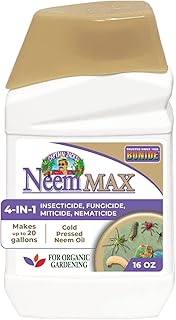
Bonide Captain Jack’s Neem Max, 16 oz Concentrated Cold Pressed Neem Oil, Multi-…
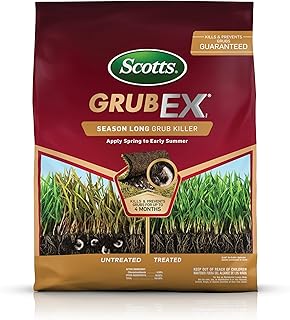
Scotts GrubEx1 Season Long Grub Killer for Lawns – Protects Lawns Up to 4 Months…
As an Amazon Associate, we earn from qualifying purchases. Prices and availability subject to change.
Real-World Success Stories
In the realm of greenhouse farming, maximizing yield while maintaining ecological balance is a priority for many growers. Enter beneficial nematodes, microscopic organisms that are proving to be game-changers. These nematodes naturally control pests, offering an environmentally friendly alternative to chemical pesticides. As more farmers turn to sustainable practices, real-world success stories and case studies highlight the significant impact of beneficial nematodes in greenhouse environments.
One compelling success story comes from a greenhouse in Ohio, where a farmer faced severe root-knot nematode infestations affecting his tomato crops. By introducing beneficial nematodes, he was able to reduce pest populations by 80% within a single growing season, leading to healthier plants and a 25% increase in yield. This not only improved his bottom line but also reduced his dependency on chemical treatments.
In another case, a commercial greenhouse in Nebraska adopted beneficial nematodes to combat fungus gnat infestations. According to the University of Nebraska, this approach significantly decreased pest numbers, resulting in a noticeable improvement in plant quality and vigor. The farmers reported fewer plant losses and higher customer satisfaction, showcasing the nematodes’ role in enhancing plant health.
Research from Michigan State University supports these findings, noting that beneficial nematodes are particularly effective in controlled environments like greenhouses. They thrive in the moist, stable conditions, providing consistent pest control without harming beneficial insects or the plants themselves. This makes them an ideal choice for integrated pest management (IPM) strategies.
Actionable Insights for Implementing Beneficial Nematodes
To maximize the efficacy of beneficial nematodes, it’s crucial to understand their application methods. Most successful implementations start with identifying the specific pest species and selecting the appropriate nematode strain. Application timing also plays a critical role; nematodes are often most effective when applied during the evening when soil moisture is higher. For more tips on optimizing greenhouse conditions, check out how neglecting water-holding capacity can impact crop yield.
Concerns about the cost-effectiveness of beneficial nematodes are common. However, studies show that the initial investment can lead to long-term savings by reducing chemical pesticide use and increasing crop yield. For instance, a Canadian study found that farmers saved between 30-40% on pest control costs annually after switching to nematode-based solutions.
While the benefits are clear, some growers worry about the technical aspects of introducing beneficial nematodes. Fortunately, many suppliers offer guidance and support, ensuring a smooth transition. Educational resources, such as those provided by CEA World, are invaluable for those new to biological pest control.
In conclusion, the incorporation of beneficial nematodes into greenhouse farming has demonstrated tangible benefits across various settings. From increasing yields to reducing chemical usage, these tiny organisms are an integral part of sustainable agriculture. As more farmers share their success stories, it’s clear that beneficial nematodes are not just a fad, but a proven solution for maximizing yield in greenhouse farming.
Future Trends and Innovations
As greenhouse farming continues to evolve, the integration of biological control agents like beneficial nematodes is becoming increasingly popular. These microscopic organisms offer a sustainable solution for pest management, which is crucial for maximizing yield in controlled environments. By understanding future trends and innovations in beneficial nematodes, greenhouse farmers can enhance their crop production while minimizing environmental impact.
Firstly, beneficial nematodes are gaining attention due to their ability to target a wide range of soil-dwelling pests without harming beneficial insects or plants. This selectivity makes them an ideal choice for integrated pest management (IPM) strategies. As technology advances, we expect to see more efficient and cost-effective methods of breeding and applying nematodes, making them accessible to even small-scale growers.
Moreover, the development of genetically enhanced nematode strains presents exciting opportunities. By enhancing their resistance to environmental stressors, these strains can thrive in diverse greenhouse conditions, from high humidity to varying soil types. This innovation ensures that beneficial nematodes remain effective under different climate scenarios, which is crucial as weather patterns become more unpredictable.
Biological Control and Technological Integration
Technological integration is another trend shaping the future of beneficial nematodes. With advancements in IoT (Internet of Things) and AI (Artificial Intelligence), farmers can monitor pest populations in real-time and release nematodes precisely when needed. This precision agriculture approach not only reduces labor but also maximizes the impact of biological control agents, leading to healthier crops and higher yields.
Additionally, educational resources are becoming more available, helping farmers understand how to leverage these biological allies effectively. Institutions like Michigan State University have released video series on greenhouse biological control, emphasizing the importance of such innovations. These resources aim to demystify the application processes and highlight best practices for integrating nematodes into existing greenhouse systems.
In terms of market trends, there is a growing demand for organic produce, which is driving the adoption of natural pest control methods. Greenhouses that utilize beneficial nematodes can market their produce as eco-friendly, appealing to environmentally conscious consumers. This trend is particularly beneficial for small flower farms that aim to outsell larger competitors by promoting sustainable practices.
However, one common concern among greenhouse farmers is the initial cost of implementing biological controls. While the upfront investment can be significant, the long-term benefits of reduced chemical pesticide use and enhanced crop quality often outweigh these costs. To ease the transition, farmers might consider exploring funding opportunities or partnerships with research institutions.
In conclusion, the future of beneficial nematodes in greenhouse farming looks promising. With ongoing research and technological advancements, these tiny warriors are set to play a pivotal role in sustainable agriculture. By staying informed and embracing these innovations, farmers can not only maximize their yields but also contribute to a more sustainable food system. For more insights on optimizing crop production and avoiding costly soil nutrient mistakes, consider exploring our resources on soil nutrients.
Looking for products related to this topic?
Conclusion: Your Next Steps
In conclusion, maximizing yield through greenhouse farming offers a sustainable and efficient pathway to meet growing agricultural demands. One of the key strategies involves integrating beneficial nematodes, which serve as natural pest controllers, significantly reducing the need for chemical pesticides and fostering a healthier ecosystem within your greenhouse. By leveraging these microscopic allies, farmers can effectively manage pest populations and enhance plant health.
Furthermore, optimizing environmental controls—such as temperature, humidity, and light—ensures that each plant reaches its full potential, leading to increased productivity and quality. Employing advanced technologies, like automated systems and data analytics, can provide precise monitoring and adjustments, thus maximizing resource efficiency and crop output. Lastly, incorporating crop rotation and diversity within the greenhouse can prevent soil depletion and enhance biodiversity, creating a robust agricultural system.
The time to revolutionize your farming practices is now. Embrace these innovative techniques and watch your yields soar. Implementing these strategies not only secures your harvest but also contributes to a sustainable future in agriculture. Take action today and transform your greenhouse into a powerhouse of productivity. The future of farming is in your hands—don’t let this opportunity slip away!
From Our Network
GreenChoice Affiliates — Eco-friendly product reviews for sustainable living
FarmsFlo — Free farm management app for planting schedules, harvests, and operations
BoingyBooks — Publish and discover ebooks, interactive read-alongs, and audiobooks
Leave a Reply
You must be logged in to post a comment.