
This post may contain affiliate links. If you make a purchase through these links, we may earn a small commission at no extra cost to you. Learn more.
Spring is the season when gardens come alive, bursting with new growth and, unfortunately, pests eager to feast on your plants. Instead of reaching for chemical sprays, consider enlisting nature’s own pest control: beneficial insects. These tiny allies can keep your garden healthy and thriving by naturally managing pest populations.
Beneficial insects not only reduce the need for pesticides but also enhance biodiversity and ecological balance in your garden. This natural method of pest control is particularly effective in organic gardening, where maintaining soil health and environmental safety is paramount. With the right strategy, you can harness these insects to protect your plants while minimizing the impact on the environment.
As you prepare for spring, it’s crucial to know which beneficial insects can best support your garden’s needs. Understanding which insects to introduce, how to introduce them, and how to maintain a welcoming environment will set your garden up for success. Let’s explore the top beneficial insects you should consider for spring pest control and how to make the most of these natural helpers.
Why Use Beneficial Insects for Pest Control?
Beneficial insects are a cornerstone of sustainable agriculture and organic gardening. They provide a natural solution to pest problems, reducing the need for chemical interventions. According to the USDA, using beneficial insects can reduce pest populations by up to 70% in some cases, proving their effectiveness.
These insects work by preying on harmful pests, such as aphids, caterpillars, and mites, which can otherwise wreak havoc on your plants. Not only do they reduce pest numbers, but they also help maintain a balanced ecosystem. This approach is particularly useful in areas where chemical use is restricted or discouraged, such as near waterways or in wildlife-friendly gardens.
Top Beneficial Insects for Spring Gardens
When considering beneficial insects for your garden, it’s essential to choose those that target the specific pests you face. Here are some top picks for spring gardens:
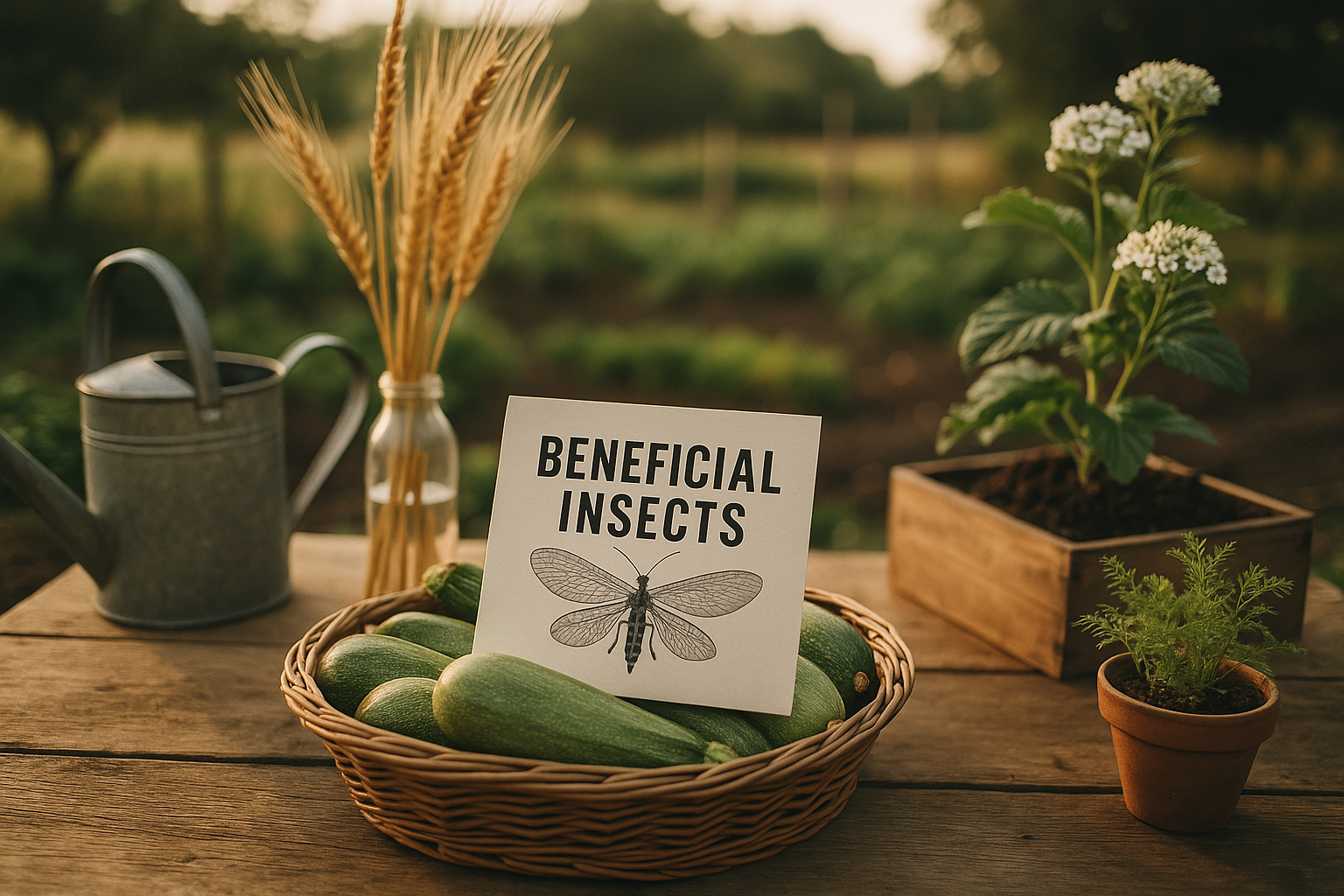
- Lacewings: Known as “aphid lions” in their larval stage, lacewings are voracious eaters of aphids, mealybugs, and caterpillars. They’re an excellent choice for early spring when aphids are most active.
- Ladybugs: These iconic insects consume thousands of aphids during their lifetime. They also target spider mites and whiteflies, making them a versatile addition to any garden.
- Parasitic Wasps: These tiny wasps lay their eggs inside caterpillars and other pests. While they are invisible workers, their impact is significant.
- Nematodes: These microscopic worms target soil-dwelling pests like grubs and root weevils. They’re particularly effective in vegetable gardens.
Each of these insects has a specific role in pest control, and their effectiveness can vary based on your garden’s unique conditions. Tools like FarmsFlo can help you stay on top of your planting schedule and identify which pests are most likely to affect your garden at different times of the year.

How to Introduce Beneficial Insects to Your Garden
Introducing beneficial insects to your garden involves more than just releasing them into the wild. It’s a strategic process that requires timing and preparation. For instance, timing is crucial; releasing ladybugs during the cooler evening hours increases their likelihood of staying in your garden.
When introducing beneficial insects, ensure your garden provides the essentials: food, water, and shelter. For example, lacewings need nectar plants, while ladybugs require a water source. Consider installing a Bug Hotel Kit to offer a safe haven for these insects.
It’s also important to stagger releases throughout the growing season. This ensures a steady population of beneficial insects to combat pests as they appear.
Maintaining a Healthy Environment for Beneficial Insects
Creating and maintaining a garden environment that supports beneficial insects is key to their success. Avoid using broad-spectrum pesticides, which can harm both pests and beneficial insects. Instead, explore organic pest control sprays that target specific pests without affecting your insect allies.
Plant diversity is another critical factor. Incorporate a variety of plants that bloom at different times, providing continuous food sources for pollinators and predatory insects alike. This diverse habitat encourages a stable ecosystem where beneficial insects can thrive.
Additionally, regular monitoring and maintenance are crucial. Keep an eye on pest populations and intervene early with control methods if necessary. Healthy soil is the foundation of a thriving garden. Consider using Bokashi composting to improve soil health, which in turn supports a robust population of beneficial insects.

Our Top Picks for Beneficial Insect Kits
Choosing the right products can enhance your success with beneficial insects. Here are our top recommendations:
- Insect Specimen Tools Kit: This kit includes an EVA Foam Pinning Board and other tools, perfect for those looking to study and understand insect behavior. Check Price on Amazon
- 2 Set Bug Hotel Kit DIY Insect Hotel Lady Bug House: Ideal for attracting and maintaining ladybugs and other beneficial insects in your garden. Check Price on Amazon
- 2 Set Bug Hotel Kit DIY Insect Hotel Lady Bug House: Another excellent option for creating a welcoming environment for beneficial insects, crafted from durable cedar wood. Check Price on Amazon


Manage Your Farm Smarter with FarmsFlo
Track planting schedules, monitor your harvest, and streamline your entire farm operation — all from one easy-to-use app built by farmers, for farmers.
Frequently Asked Questions
What are the best beneficial insects for vegetable gardens?
Ladybugs and lacewings are excellent for controlling aphids and other soft-bodied insects in vegetable gardens. Nematodes are also effective for soil-dwelling pests.
How can I ensure beneficial insects stay in my garden?
Provide a consistent food source, water, and shelter. Releasing them during cooler parts of the day and using insect hotels can also increase retention rates.
Can beneficial insects survive in urban gardens?
Yes, they can thrive in urban gardens with the right conditions. Use vertical garden systems to maximize space and plant diversity to support insect populations.
How do I know if beneficial insects are working?
Observe pest populations over time. A noticeable decline in pests like aphids or caterpillars indicates that beneficial insects are effectively controlling them.
Are there any drawbacks to using beneficial insects?
While beneficial insects are generally advantageous, they may not completely eliminate all pests. They work best as part of an integrated pest management strategy.
Key Takeaways
- Best Overall: Lacewings — Highly effective against a wide range of pests, especially aphids and caterpillars.
- Best Value: 2 Set Bug Hotel Kit DIY Insect Hotel Lady Bug House — Provides excellent habitat for multiple beneficial insects.
- Best for Educational Purposes: Insect Specimen Tools Kit — Ideal for studying beneficial insect behavior and ecology.
Embracing beneficial insects as part of your pest control strategy can transform your garden into a vibrant ecosystem. By choosing the right insects and creating a supportive environment, you can reduce reliance on chemical pesticides and promote a healthier, more sustainable garden. As you plan your spring garden, consider incorporating these natural allies to protect your plants and support biodiversity.

From Our Network
GreenChoice Affiliates — Eco-friendly product reviews for sustainable living
FarmsFlo — Free farm management app for planting schedules, harvests, and operations
BoingyBooks — Publish and discover ebooks, interactive read-alongs, and audiobooks
Leave a Reply
You must be logged in to post a comment.