
This post may contain affiliate links. If you make a purchase through these links, we may earn a small commission at no extra cost to you. Learn more.
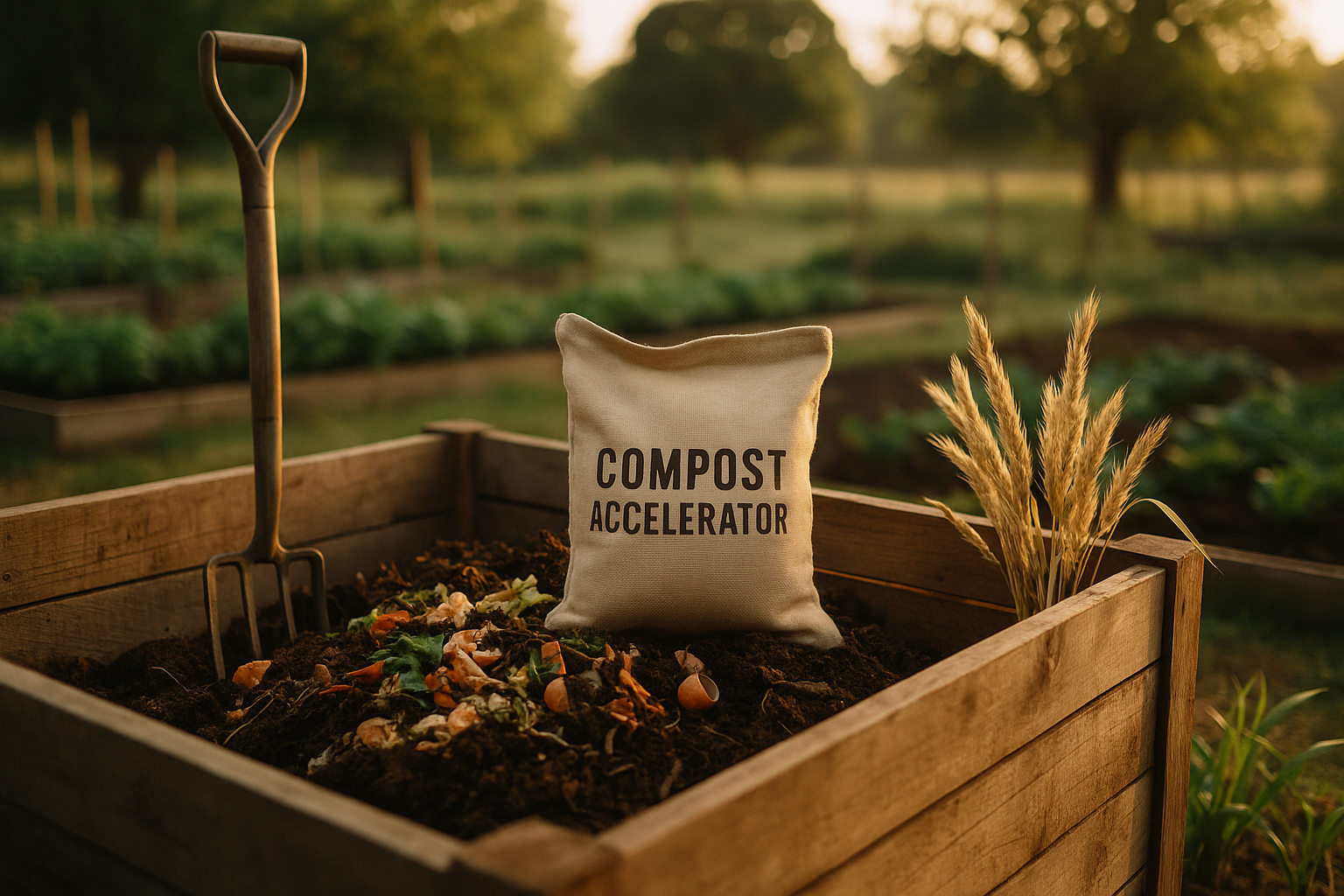
Spring is the season of renewal, and for those who love gardening, it’s a critical time to rejuvenate the soil. Composting, a cornerstone of sustainable gardening, can be significantly enhanced with the use of compost accelerators. These nifty products speed up the decomposition process, turning your kitchen scraps and yard waste into nutrient-rich compost in a fraction of the time. Whether you’re nurturing a small backyard garden or managing a larger farm operation, understanding how to use compost accelerators effectively can make a world of difference.
Having rich, fertile soil is just like having a robust foundation for a house. It supports plant growth, improves water retention, and reduces the need for chemical fertilizers. Compost accelerators help achieve this by introducing beneficial microbes and enzymes that break down organic material faster. As you prepare for planting, consider integrating compost accelerators into your soil management strategy to maximize your garden’s productivity this season.
For farmers juggling multiple tasks, tools like FarmsFlo can help you stay on top of your planting schedule while managing composting efforts efficiently. Let’s explore the benefits, selection criteria, and the best compost accelerators for the upcoming spring of 2026.
Benefits of Using Compost Accelerators
Compost accelerators can reduce composting time by up to 50%, according to various manufacturers. They work by introducing high concentrations of microorganisms and enzymes that enhance the decomposition of organic matter. This means you can have ready-to-use compost in as little as six weeks.
Another benefit is the boost in nutrient content. Accelerators often contain added nutrients that enhance the quality of compost, providing plants with more of what they need to thrive. They’re especially useful in colder climates or during spring when decomposing traditionally slows down.
How Compost Accelerators Improve Spring Soil Health
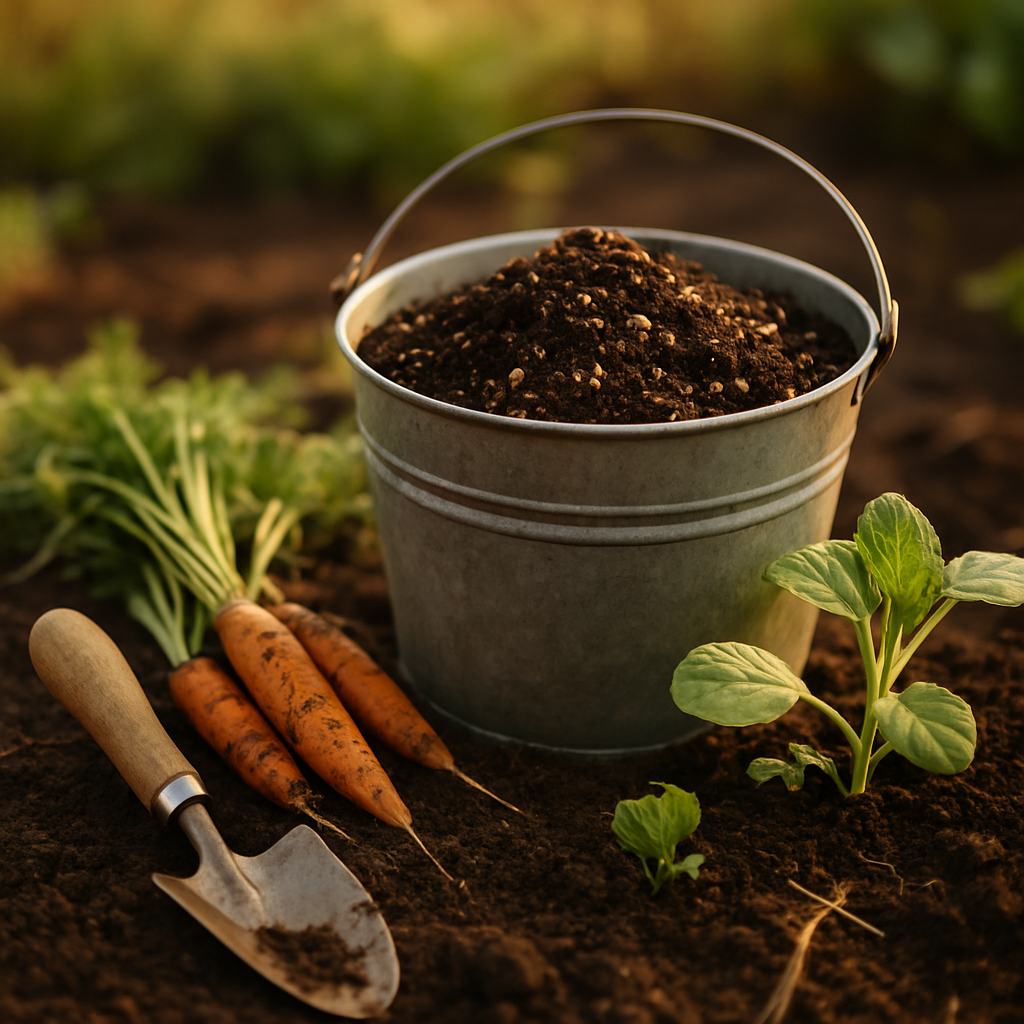
Compost accelerators contribute to healthier soil by increasing microbial activity. Healthy soil is teeming with life, and these microbes play a crucial role in nutrient cycling and organic matter breakdown. When you add an accelerator to your compost, you’re essentially supercharging this process.
For those in USDA hardiness zones 3 through 7, where spring can be unpredictable, accelerators ensure that your compost is ready when the ground warms up. This jumpstart on the season allows you to plant earlier and enjoy a longer growing period. Rich compost also improves soil structure, which is vital for root development and water management.
Key Features to Look for in Compost Accelerators
When selecting a compost accelerator, there are several features to consider for optimal results. First, examine the microbial content. An effective accelerator should contain a diverse mix of bacteria and fungi to break down a wide range of organic materials.
- Enzyme Content: Enzymes like cellulase and amylase help break down tough plant fibers and starches.
- Organic Certification: Look for products certified by organizations like OMRI for use in organic gardening.
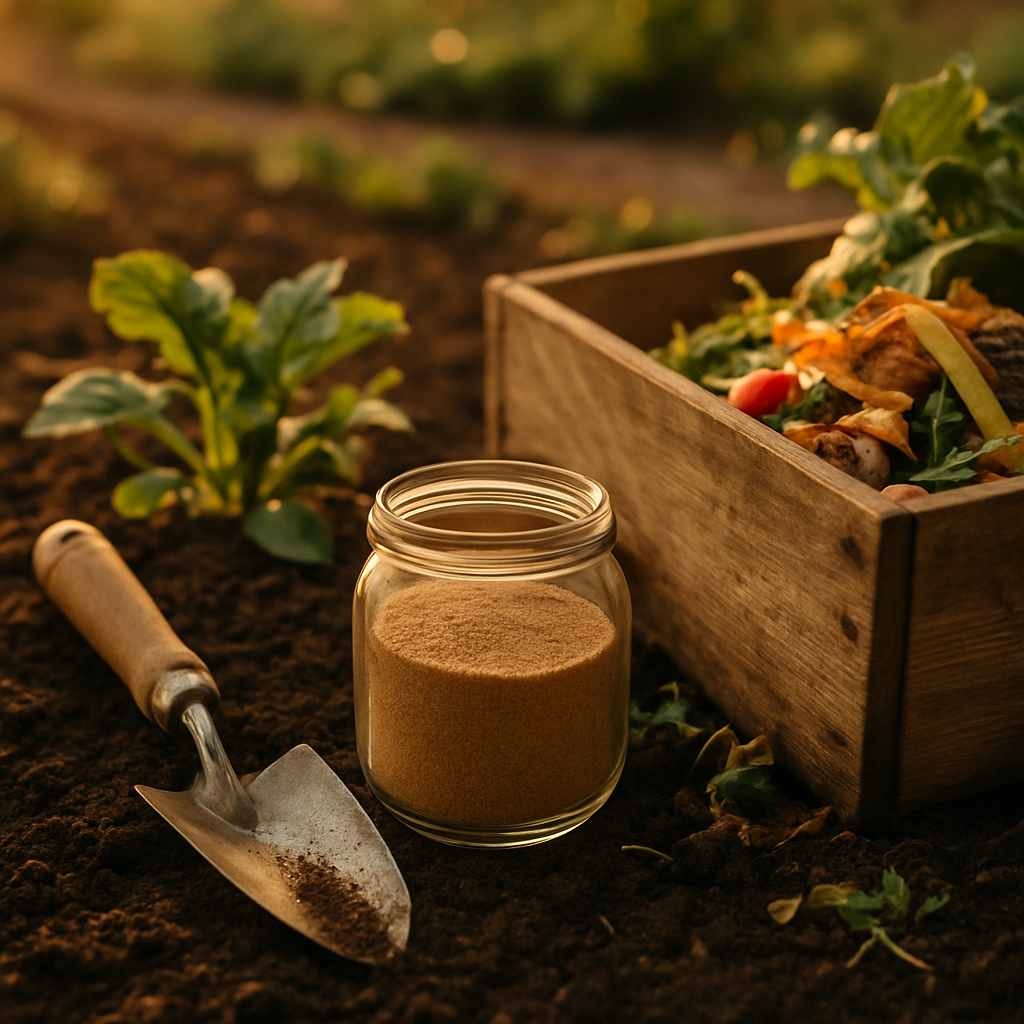
- Formulation: Consider whether you prefer a liquid, powder, or granular form. Liquids are easy to apply, but powders often have a longer shelf life.
Be cautious of accelerators that contain synthetic chemicals, as these can harm beneficial soil organisms. Choose products that align with your gardening philosophy and environmental values.
How to Use Compost Accelerators Effectively
Applying compost accelerators correctly is just as important as choosing the right one. Start by ensuring your compost pile has a good mix of green (nitrogen-rich) and brown (carbon-rich) materials. The ideal ratio is roughly 30:1 carbon to nitrogen.
Follow the manufacturer’s instructions for application rates. Generally, you’ll want to mix the accelerator into your compost pile thoroughly. Turning the pile every few weeks will ensure even distribution and aeration. Remember, moisture is key — aim for the consistency of a damp sponge.
Incorporating accelerators at the start of the composting process yields the best results. Repeat applications may be necessary for larger piles or slower composting materials. Always monitor the temperature of your compost; if it gets too hot or too cold, adjust the mixture or aeration accordingly.
Our Top Picks for Spring Compost Accelerators
Here are some of the top compost accelerators for Spring 2026, designed to enhance your composting efforts:
Jobe’s Organics Compost Starter
This product is OMRI-listed for organic gardening and includes a proprietary blend of microorganisms and nutrients. It’s particularly effective in cooler climates and for stubborn compost piles.
Dr. Earth Compost Starter
Featuring a blend of seven champion strains of beneficial soil microbes, this accelerator is ideal for gardeners looking to enrich their soil without synthetic additives.
Safer Brand Ringer Compost Plus
This granular formula is easy to apply and works well with diverse compost materials, from grass clippings to kitchen scraps. It’s a reliable choice for any gardener.
Key Takeaways
- Best Overall: Jobe’s Organics Compost Starter — Excellent for organic gardens with its robust microbial blend.
- Best Value: Safer Brand Ringer Compost Plus — Affordable and effective across various compost materials.
- Best for Cold Climates: Dr. Earth Compost Starter — Contains diverse microbial strains for challenging weather conditions.
Looking for compost accelerators products?
Manage Your Farm Smarter with FarmsFlo
Track planting schedules, monitor your harvest, and streamline your entire farm operation — all from one easy-to-use app built by farmers, for farmers.
Frequently Asked Questions
What is a compost accelerator, and how does it work?
A compost accelerator is a product containing microbes and enzymes that speed up the decomposition of organic matter. It works by enhancing the microbial activity in your compost pile, leading to faster breakdown and richer compost.
How often should I apply compost accelerators?
It depends on the size of your compost pile and the materials used. Generally, an initial application is followed by a booster application every 3-4 weeks, especially if decomposition slows down.
Can I use compost accelerators in all climates?
Yes, but their effectiveness can vary. In colder climates, accelerators are particularly useful as they help maintain microbial activity when temperatures drop.
Are there any environmental concerns with using compost accelerators?
Most accelerators are environmentally friendly, especially those certified for organic use. However, avoid products with synthetic chemicals that could harm beneficial soil organisms.
Can compost accelerators be used with all types of organic waste?
Compost accelerators generally work with a wide range of organic materials, including kitchen scraps, yard waste, and even certain paper products. However, avoid using them with meat, dairy, or fatty foods, which can attract pests and slow decomposition.
Incorporating compost accelerators into your spring gardening routine can significantly enhance soil health and plant growth. By choosing the right products and applying them effectively, you’ll enjoy a more productive garden with lush, vibrant plants. For those with limited space, pairing accelerators with vertical planters can maximize the use of your garden area. So, gear up for the growing season and watch your garden flourish!
From Our Network
GreenChoice Affiliates — Eco-friendly product reviews for sustainable living
FarmsFlo — Free farm management app for planting schedules, harvests, and operations
BoingyBooks — Publish and discover ebooks, interactive read-alongs, and audiobooks
Leave a Reply
You must be logged in to post a comment.