

This post may contain affiliate links. If you make a purchase through these links, we may earn a small commission at no extra cost to you. Learn more.
Introduction to Latest Techniques in Seedling Care & Transplanting
Have you ever considered how the success of your entire garden hinges on the delicate art of seedling care? In today’s fast-paced world, gardeners are continually seeking the latest techniques to ensure that their seedlings not only survive but thrive when transplanted. With climate change and soil depletion becoming pressing concerns, perfecting the art of seedling care has never been more crucial. By mastering these techniques, you can ensure robust growth, maximize yields, and contribute to more sustainable gardening practices. In this post, we’ll explore the most recent innovations in seedling care and transplanting, from advanced soil amendments to cutting-edge transplanting tools. Discover how to transform your gardening experience and pave the way for a bountiful harvest by implementing these state-of-the-art methods. Stay with us to learn how you can revolutionize your garden today.
Understanding seedling care: The Fundamentals
Understanding the fundamentals of seedling care is essential for any gardener looking to maximize plant health and yield. Whether you’re a novice or an experienced grower, knowing how to properly nurture seedlings can make a significant difference in your gardening success. Seedlings are the tender shoots that emerge after germination and require special care to ensure they grow into robust plants. This section will delve into various aspects of seedling care, providing you with actionable tips and insights to enhance your gardening techniques.
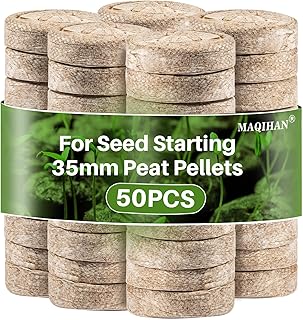
Firstly, the choice of soil is paramount. Seedlings thrive best in a well-draining, nutrient-rich medium. Many experts recommend using a mix of peat, vermiculite, and perlite to create the ideal environment for young roots. This combination not only provides essential nutrients but also ensures adequate aeration and moisture retention. According to the University of California’s Agriculture and Natural Resources, maintaining proper soil conditions is critical for seedling growth.
Lighting is another crucial factor. Seedlings require ample light, but it must be balanced to avoid scorching. Placing them under grow lights for 12-16 hours a day can simulate natural sunlight effectively. Adjust the distance between the light source and the seedlings to prevent overheating. This practice ensures that the seedlings receive the energy necessary for photosynthesis without being damaged.
The Importance of Proper Watering Techniques
Watering practices can make or break your seedling care routine. Overwatering is a common mistake that can lead to root rot, while underwatering can stunt growth. A consistent watering schedule, where the topsoil is kept moist but not soggy, is ideal. Utilizing a spray bottle or a gentle watering can help distribute water evenly without disturbing the delicate roots.
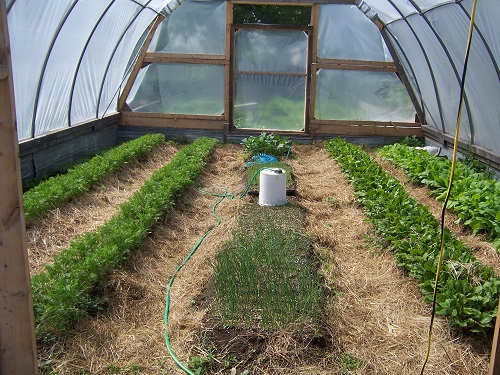
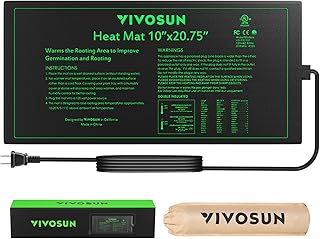
Temperature control also plays a vital role in seedling development. Most seedlings flourish in temperatures between 65-75°F (18-24°C). If the environment is too cold, growth will slow significantly, whereas excessive heat can cause wilting. Using a propagation mat can help maintain optimal temperatures, especially during cooler months.
Furthermore, gradual acclimatization, or hardening off, is necessary before transplanting seedlings outdoors. This process involves gradually exposing seedlings to outdoor conditions, thereby reducing transplant shock. Start by placing them outside for a few hours each day, gradually increasing the duration over a week or two.
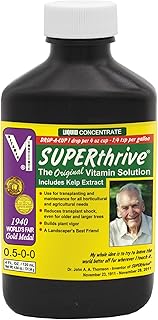
Lastly, the timely application of fertilizers can boost seedling vigor. A diluted, balanced liquid fertilizer applied once a week can provide essential nutrients without overwhelming the young plants. The key is moderation, ensuring that you are nourishing the seedlings without causing nutrient burn.
In conclusion, mastering seedling care involves a combination of selecting the right soil, providing adequate light and water, controlling temperature, and preparing plants for the outdoors. By following these guidelines, gardeners can foster healthy seedlings that are likely to thrive after transplanting. For more tips on maximizing plant profits, check out how local flower farmers boost profits by 200%.
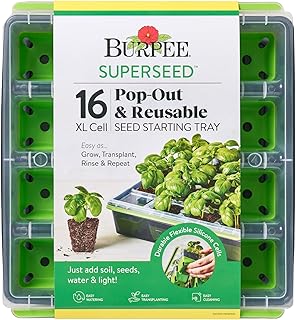
💡 Beginner’s Gold: Seedling Care That Guarantee Success

As an Amazon Associate, we earn from qualifying purchases. Prices and availability subject to change.
Why seedling care Matters in Today’s World
In today’s rapidly evolving agricultural landscape, seedling care has become more crucial than ever. As gardeners, farmers, and urban agriculturists strive to optimize crop yields and ensure sustainability, the importance of nurturing seedlings cannot be overstated. Proper seedling care lays the foundation for healthy, robust plants that can withstand environmental challenges, pests, and diseases. In this section, we delve into why seedling care matters significantly in our current world and explore the latest techniques to optimize this vital stage of plant development.
Firstly, successful seedling care directly impacts crop productivity and quality. Seedlings are at their most vulnerable stage, and improper care can lead to weak plants that produce lower yields. By providing optimal conditions such as the right amount of water, light, and nutrients, farmers can maximize their harvests. For instance, research from New Terra Natural Food highlights that high-income crops require meticulous attention during the seedling phase to achieve premium outputs.
Furthermore, seedling care plays a vital role in sustainable agriculture. With climate change posing unpredictable challenges, gardeners must adopt resilient practices. By nurturing seedlings with precision, such as using soil blocking techniques described by Sierra Flower Farm, growers can reduce their environmental impact and enhance soil health.
The Economic and Environmental Benefits of Seedling Care
Economically, investing in proper seedling care can lead to significant savings and increased profits. Healthy seedlings are less susceptible to diseases, reducing the need for costly chemical treatments. A case study from UC Agriculture and Natural Resources illustrates how careful seedling management can lead to a 20% reduction in input costs.

Environmentally, well-cared-for seedlings contribute to carbon sequestration. By ensuring robust plant growth, farmers can enhance their role in trapping atmospheric carbon, a benefit often overlooked by 87% of farms, as discussed in this article on carbon storage benefits.
In urban settings, seedling care is equally critical. Community gardens and small-scale urban farms rely on healthy seedlings to produce fresh, local food. Engaging in workshops, such as those organized by Snug Harbor Cultural Center & Botanical Garden, can empower city dwellers to take part in sustainable food practices.
Moreover, seedling care techniques have evolved with advancements in technology. Hydroponic systems, for example, provide seedlings with a controlled environment, which 85% of growers find beneficial as noted in this comparison of hydroponic systems vs. soil. These systems offer a soilless path that can significantly enhance seedling growth and health.
Finally, seedling care is integral to community resilience. By sharing knowledge and resources, communities can fortify their food security. Social platforms, like the Esquimalt Residents Group, serve as vital hubs for exchanging seedling care tips and techniques.
In conclusion, seedling care is a cornerstone of modern agriculture and urban gardening, offering economic, environmental, and societal benefits. By adopting innovative techniques and learning from shared experiences, individuals and communities can significantly enhance plant health and productivity. As we face the challenges of today’s world, investing in meticulous seedling care will undoubtedly prove to be a wise and fruitful endeavor.
Key Benefits of Implementing seedling care
Implementing effective seedling care not only ensures the health of your plants but also maximizes their growth potential. In recent years, new techniques in seedling care have emerged, providing gardeners and farmers with tools to enhance their crop yields. By focusing on the early stages of plant growth, you can significantly influence the strength and productivity of your plants. This section delves into the key benefits of implementing seedling care, providing insights and actionable tips to optimize your gardening or farming practices.
First and foremost, nurturing seedlings with proper care establishes a solid foundation for plants. Healthy seedlings are more likely to develop into robust plants capable of withstanding various environmental stresses. A study from the New Terra Natural Food highlights that well-cared-for seedlings can increase crop yield by up to 30%. This boost in productivity means more produce with fewer resources.
Moreover, seedling care can significantly reduce the risk of disease. By maintaining an optimal environment for seedlings, such as proper lighting and humidity, you can prevent common diseases that often affect young plants. For example, damping-off, a fungal infection, is less likely to occur when seedlings are managed under controlled conditions. This proactive approach saves time and resources that would otherwise be spent on disease management.
In addition to disease prevention, effective seedling care promotes faster growth. Seedlings that receive adequate nutrients, water, and light tend to grow more quickly than neglected ones. This accelerated growth means plants can reach maturity faster, allowing for an earlier harvest and potentially more planting cycles within a growing season.
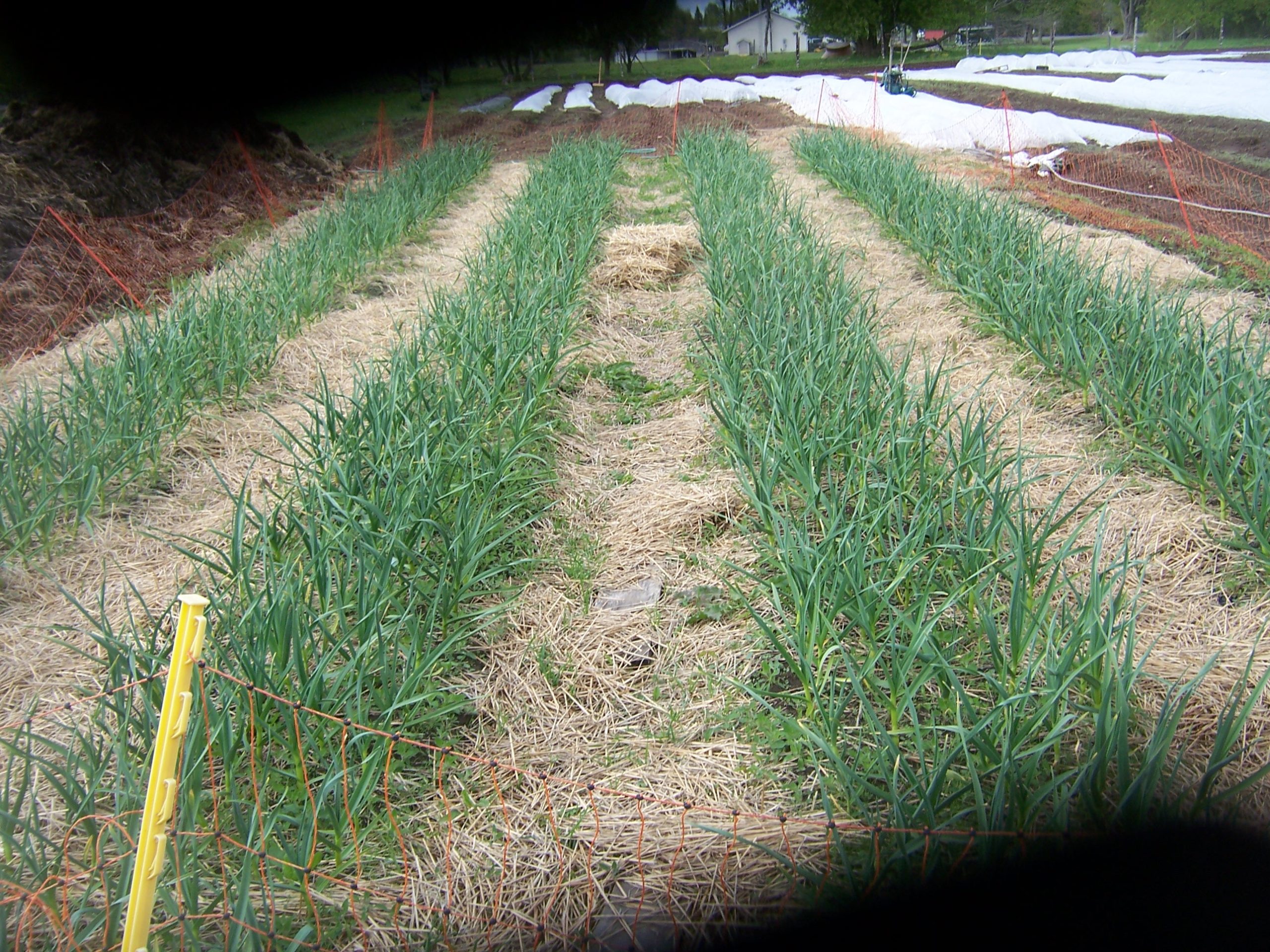
Boosting Resilience Through Seedling Care
Seedling care also plays a crucial role in enhancing plant resilience. By exposing seedlings to slight stressors, such as gentle wind or varied temperatures, you can condition them to better withstand adverse conditions once transplanted. This technique, often referred to as “hardening off,” is essential for ensuring that seedlings adapt smoothly to outdoor environments.
Implementing seedling care techniques can also lead to more uniform plant development. When seedlings grow at a consistent rate, they are easier to manage and plan for, particularly in commercial farming. Uniformity in plant growth can lead to synchronized harvest times, optimizing labor and resource allocation.
Additionally, seedling care can significantly impact urban agriculture. For instance, urban green infrastructure benefits from efficient seedling care by reducing soil erosion and enhancing plant survival rates. By tailoring seedling care to urban settings, you can support sustainable city farming practices.
Finally, good seedling care offers economic advantages. By investing in seedling health, growers can reduce the need for costly interventions later in the plant’s life cycle. This proactive approach not only saves money but also increases the profitability of farming operations, as emphasized by the University of California’s Agriculture and Natural Resources.
In conclusion, the benefits of implementing seedling care are manifold, ranging from increased yield and disease prevention to enhanced resilience and economic savings. By adopting these techniques, you can ensure your plants thrive from the very beginning, setting the stage for a successful growing season. Whether you’re a home gardener or a commercial farmer, investing in seedling care is a strategic move that pays off in abundance.
📊 Data-Proven: The Best Seedling Care Money Can Buy
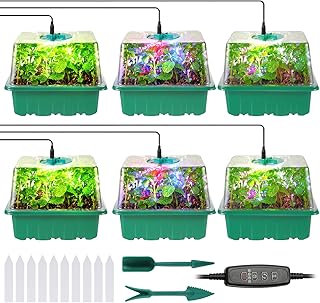
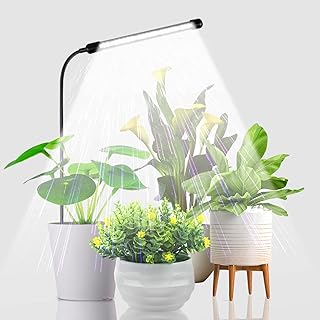
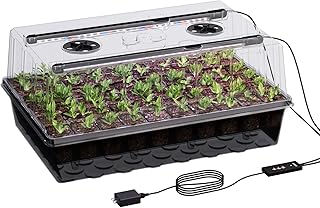
Seed Starter Trays with Grow Lights, 72 Cells Seed Starter Kit with Lights, 3 Li…
As an Amazon Associate, we earn from qualifying purchases. Prices and availability subject to change.
Practical Steps to Get Started with seedling care
Embarking on the journey of seedling care can be both exciting and daunting for garden enthusiasts. Whether you’re a seasoned gardener or a novice eager to cultivate your first seedlings, understanding the latest techniques in seedling care can significantly enhance your success rate. In this section, we’ll explore practical steps to get you started and ensure your seedlings thrive, leading to a fruitful and bountiful garden.
Before you even plant your seeds, choosing the right soil is paramount. Seedlings require a light, well-draining medium to facilitate root growth. Consider using a soil mix specifically designed for seed starting, often available in garden centers. According to a study by New Terra Natural Food, using a sterile seed-starting mix can prevent diseases that commonly afflict young plants.
Once you’ve chosen your soil, proper watering techniques are crucial to successful seedling care. Seedlings are delicate and can easily succumb to overwatering. A good rule of thumb is to keep the soil consistently moist but not waterlogged. Using a spray bottle to mist the soil can provide the gentle watering seedlings need without disturbing their delicate root systems.
Ensuring Optimal Light and Temperature
Light is another critical element in seedling care. Most seedlings require 12-16 hours of light per day. If natural sunlight is insufficient, especially during the shorter days of winter, consider supplementing with grow lights. Position these lights about 2-3 inches above the seedlings to mimic the sun’s intensity. The UCANR suggests using timers to automate the light cycle, ensuring consistency.
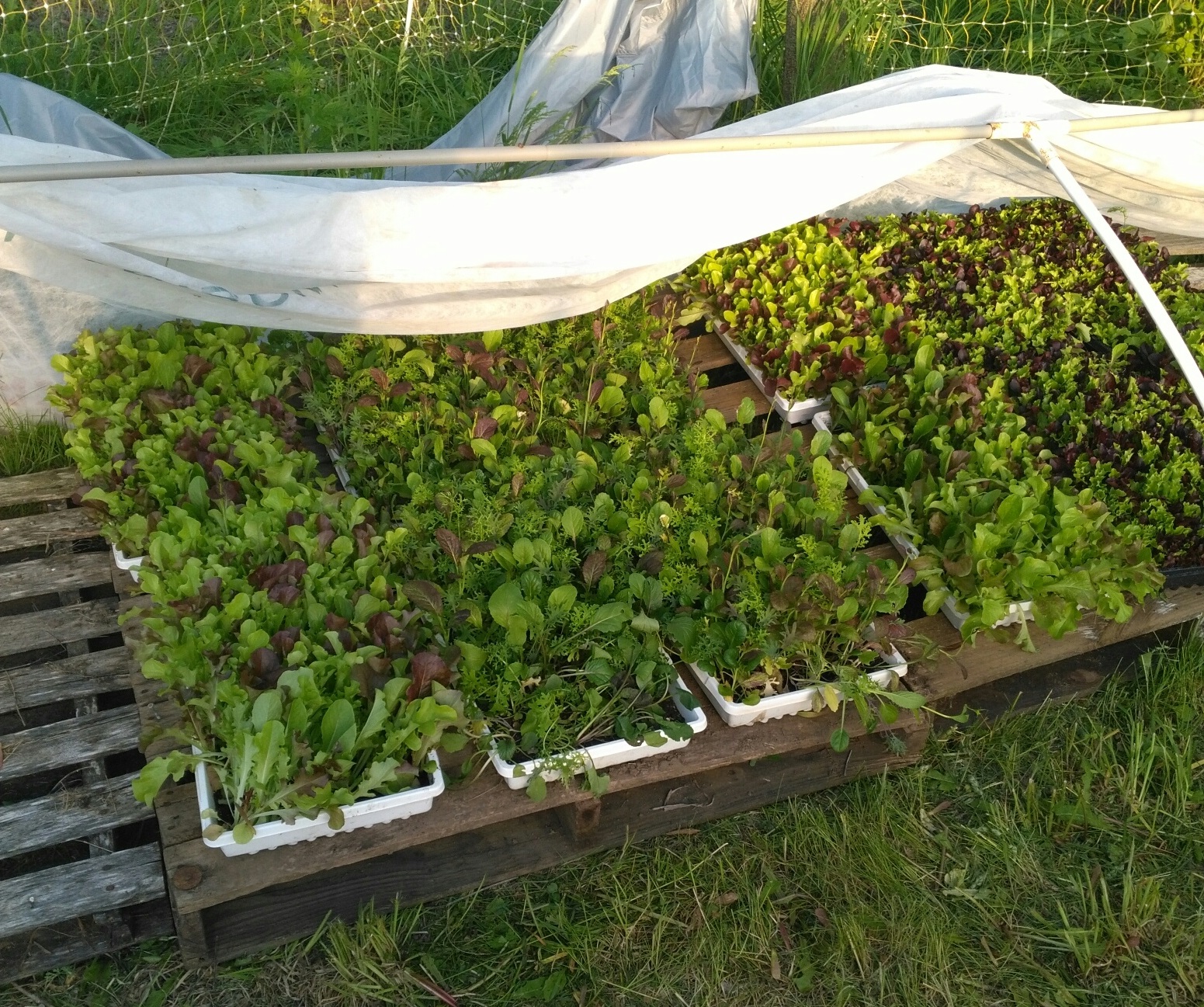
Temperature regulation goes hand in hand with light management. Seedlings generally thrive in temperatures between 65-75°F. Using a heat mat can help maintain a stable temperature, especially in cooler environments, thus promoting faster germination and stronger growth. It’s essential to monitor both temperature and humidity levels, adjusting as necessary to create an optimal growing environment.
Transplanting is a critical phase in seedling care. It involves moving the seedlings from their starter pots to a larger space where they can continue to grow. Timing is key: seedlings should be transplanted once they have developed a second set of true leaves. Be gentle during this process to avoid damaging the fragile roots. Techniques like soil blocking, highlighted by Sierra Flower Farm, can make transplanting smoother and less stressful for your plants.
It’s common to encounter challenges such as leggy seedlings or pest infestations. Address leggy growth by adjusting light proximity and duration. For pest issues, natural remedies like neem oil can be effective without introducing harsh chemicals. Engaging with local gardening communities, such as Esquimalt Residents, can provide support and additional solutions tailored to your regional conditions.
In conclusion, successful seedling care requires attention to detail and a bit of patience. By selecting the right soil, managing watering and light, maintaining optimal temperatures, and practicing careful transplanting, you can nurture healthy seedlings that will grow into robust plants. Remember, small adjustments can lead to significant improvements in your garden’s productivity. For more insights into optimizing your gardening practices, consider exploring how crop rotation can benefit your long-term harvests.
Common Mistakes to Avoid
When diving into the world of seedling care, it’s easy to become overwhelmed with the myriad of techniques and tips available. However, understanding the common mistakes to avoid can ensure your seedlings thrive and transition smoothly into robust plants. Whether you’re a novice gardener or an experienced horticulturist, steering clear of these pitfalls is crucial for successful seedling care.
Firstly, overwatering is a frequent mistake that many gardeners make. Seedlings are delicate and require a balanced amount of moisture. Too much water can lead to root rot, a condition that suffocates the roots and inhibits growth. It’s essential to let the top of the soil dry out slightly between waterings. Using a well-draining soil mix can help mitigate this risk.
Conversely, inadequate light exposure can stunt the growth of seedlings. Many gardeners underestimate the amount of light required, assuming that a sunny windowsill is sufficient. However, most seedlings need 12-16 hours of light daily. Consider supplementing natural sunlight with grow lights to ensure they receive adequate illumination, especially in the early stages of development.
Avoiding Nutrient Imbalances
Another common error is neglecting the nutrient needs of seedlings. While too much fertilizer can burn young plants, too little can lead to deficiencies. Using a balanced, diluted liquid fertilizer once a week can provide the necessary nutrients without overwhelming the seedlings. Additionally, incorporating organic matter into the soil can enhance nutrient availability.
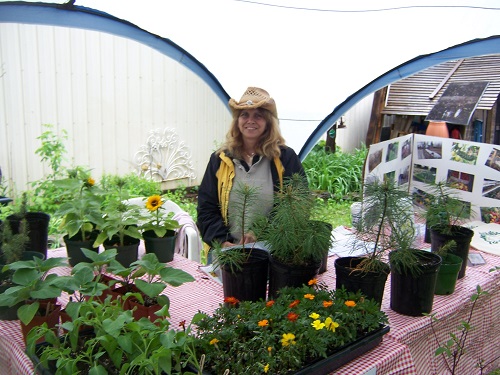
Improper transplanting techniques can also harm seedlings. Transplanting too early or too late can shock the plant, leading to stunted growth or even death. It’s crucial to wait until the seedlings have developed a strong root system and are capable of withstanding the stress of being moved. A good rule of thumb is to transplant when they have at least two sets of true leaves.
Ignoring pest control is a mistake that can quickly devastate a batch of seedlings. Common pests like aphids and fungus gnats can be controlled with natural remedies or by introducing beneficial insects. Regularly inspecting your seedlings for signs of pests can prevent infestations from taking hold.
Additionally, failing to acclimate seedlings to outdoor conditions, a process known as hardening off, can lead to transplant shock. Gradually exposing seedlings to outdoor environments over a week allows them to adjust to temperature fluctuations and direct sunlight. This step is critical before permanently moving them to their new home in the garden.
Finally, not paying attention to underground root structures can lead to missed opportunities for boosting yields. For more insights on how underground root structures play a crucial role in plant development, check out this comprehensive guide.
In conclusion, successful seedling care involves avoiding common pitfalls such as overwatering, inadequate lighting, and improper nutrient management. By paying attention to these factors and implementing the latest techniques, you can ensure your seedlings grow into healthy, productive plants. For those interested in expanding their gardening knowledge, exploring related topics like edible flowers and their health benefits can be beneficial.
🏆 The Seedling Care Professionals Won’t Share
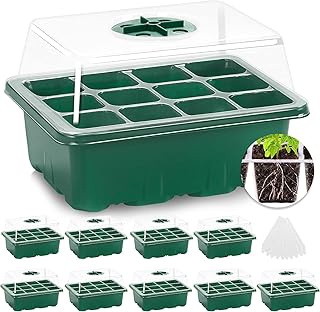
MIXC 10 Packs Seed Starter Tray Seed Starter Kit with Humidity Dome (120 Cells T…
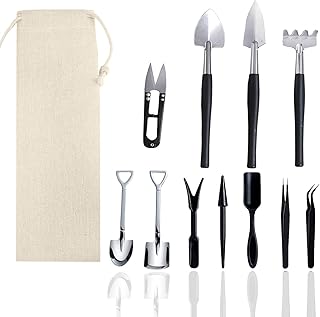
As an Amazon Associate, we earn from qualifying purchases. Prices and availability subject to change.
Real-World Success Stories
In the realm of horticulture, seedling care is a critical component that can determine the success of both amateur and professional gardeners. By examining real-world success stories and case studies, we can uncover innovative techniques and strategies that have improved seedling outcomes significantly. These stories not only inspire but also provide actionable insights for those looking to enhance their gardening practices.
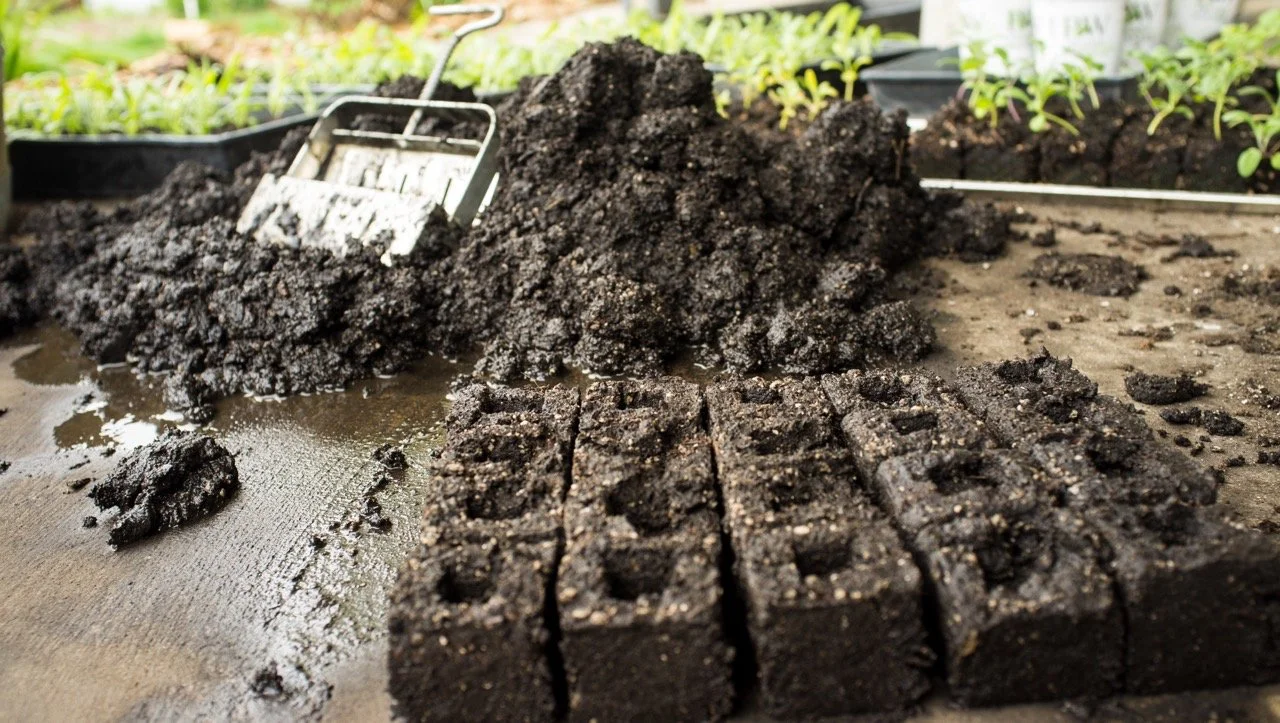
One of the most fascinating success stories comes from Sierra Flower Farm, where they implemented soil blocking techniques to revolutionize their seedling care. This method reduces root disturbance during transplanting and promotes healthier root systems. By creating soil blocks rather than using traditional pots, they saw a marked improvement in seedling survival rates. Curious gardeners can explore more about soil blocking and its benefits here.
Another inspiring case is from a community garden initiative shared on Facebook, where volunteers were trained in advanced seedling care techniques. The project focused on using organic fertilizers and pest control methods to nurture seedlings. As a result, they achieved a 30% increase in plant yield, demonstrating the power of natural inputs. For those interested in sustainable practices, understanding pest control can be crucial. You might find these pest control hacks helpful in saving your garden.
Innovative Techniques and Community Impact
In urban agriculture, a group of enthusiasts in Esquimalt documented their journey on a Facebook group, showing how they adapted seedling care techniques to small spaces. They successfully grew high-income crops such as microgreens, boosting their community’s access to fresh produce. Their story emphasizes the potential of urban gardening in transforming local food systems, which you can delve into here.
At Snug Harbor’s Heritage Farm, hands-on volunteering initiatives have nurtured a new generation of garden enthusiasts skilled in seedling care. Participants learned about the importance of planting schedules and crop care, which are essential for optimizing growth conditions. The farm’s educational programs have become a model for community engagement and sustainable agriculture.
One common concern among gardeners is the challenge of transplant shock, which can severely affect young plants. By studying successful transplanting methods, such as hardening off seedlings before moving them outdoors, many gardeners have mitigated this issue. Gradually acclimating seedlings to outdoor conditions has proven to reduce shock and increase survival rates.
An article from UC ANR highlights the importance of timing in seedling transplanting. They recommend conducting transplants during cooler parts of the day, such as early morning or late afternoon, to minimize stress on the plants. This simple yet effective advice has been a game-changer for many growers.
In conclusion, these real-world success stories and case studies showcase the importance of innovative seedling care techniques and their impact on gardening success. Whether through soil blocking, community initiatives, or strategic transplanting, each example offers valuable lessons. By applying these insights, gardeners can enhance their practices and achieve remarkable results.
Future Trends and Innovations
As technology advances, the realm of seedling care continues to evolve, offering innovative methods and tools to enhance plant growth and sustainability. Whether you’re a hobbyist gardener or a commercial farmer, staying informed about these future trends in seedling care can significantly impact your crop yields and gardening success.
One exciting innovation in the field is the integration of smart technology. Smart sensors can now monitor soil moisture, temperature, and light exposure in real-time, providing critical data to optimize growing conditions. These sensors connect to mobile apps, allowing gardeners to receive alerts and recommendations, ensuring seedlings receive the care they need at every growth stage. This tech-savvy approach not only saves time but also conserves resources by preventing over-watering and optimizing nutrient use.
Furthermore, the development of biodegradable seedling pots represents a significant step toward sustainable gardening. Unlike traditional plastic pots, biodegradable options break down naturally in the soil, reducing waste and environmental impact. Gardeners can simply plant these eco-friendly pots directly into the ground, eliminating transplant shock and promoting healthier root development.
Innovations in Soil and Nutrient Management
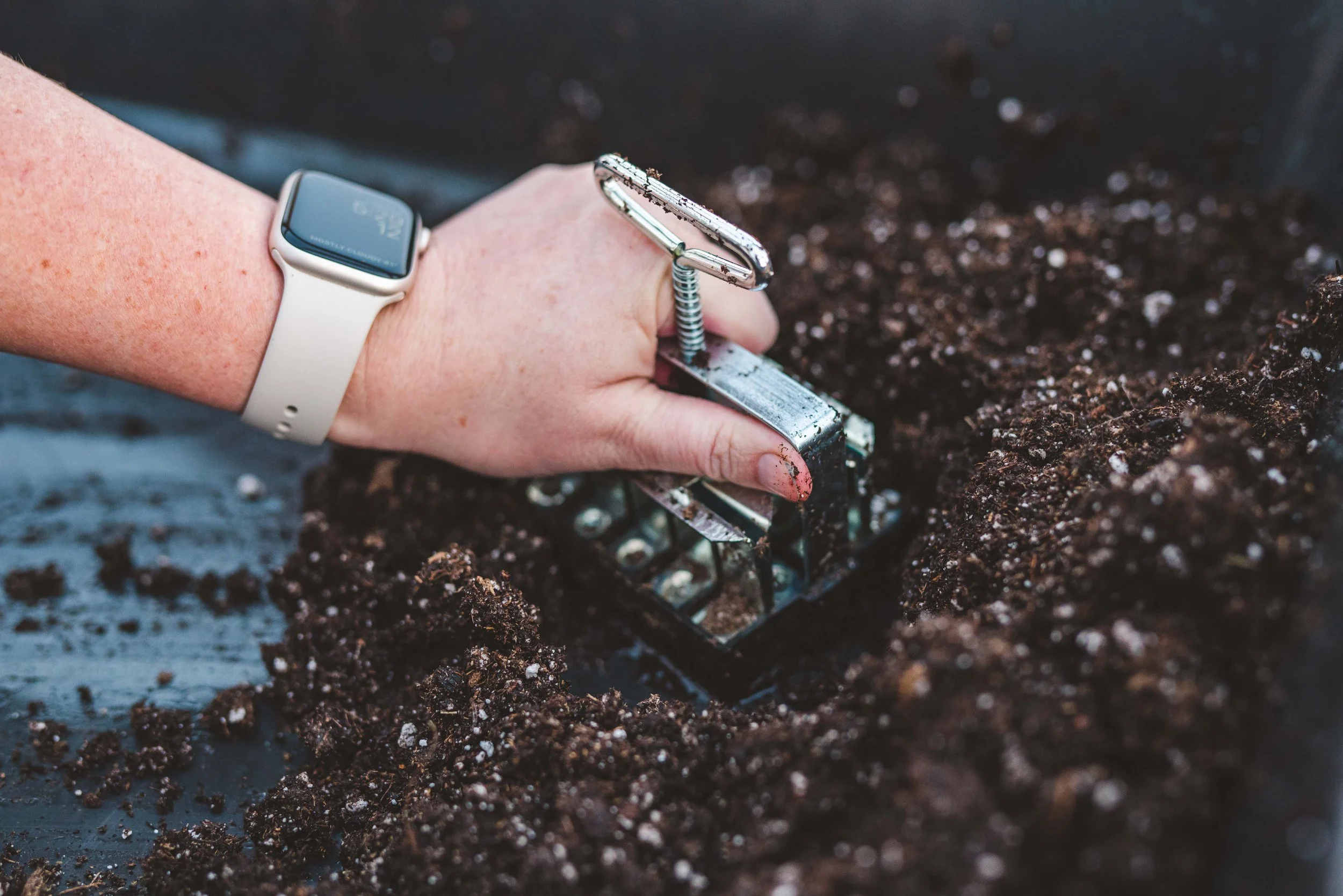
In soil management, techniques such as soil blocking have gained popularity. This method involves creating soil blocks without the use of plastic trays, enhancing root structure and reducing the need for transplanting. According to a case study by Sierra Flower Farm, seedlings grown in soil blocks show faster root development and higher transplant success rates.
Another trend is the use of advanced LED grow lights. These energy-efficient lights mimic the sun’s spectrum, providing seedlings with optimal light conditions regardless of outdoor weather. Studies indicate that LED lights can enhance photosynthesis and accelerate growth, making them a valuable tool for indoor gardening and commercial nurseries.
Vertical farming has also emerged as a revolutionary method for seedling care. This technique maximizes space by growing plants in stacked layers, often indoors. Vertical farming not only increases yield per square foot but also allows for controlled growing conditions, reducing pest issues and water usage. This innovative approach is particularly beneficial in urban settings where space is limited.
Hydroponics and aquaponics continue to gain traction in seedling care. These soilless growing systems use nutrient-rich water, offering a sustainable alternative to traditional soil-based methods. By eliminating soil, these systems reduce the risk of soil-borne diseases and pests, leading to healthier seedlings. Moreover, aquaponics combines fish farming with hydroponics, creating a symbiotic environment that can further enhance plant growth.
As we look to the future, the integration of AI and machine learning in agriculture promises to revolutionize seedling care. AI-driven systems can predict pest outbreaks, optimize watering schedules, and even recommend the best planting times based on historical data and climate patterns. This data-driven approach empowers gardeners to make informed decisions, increasing efficiency and crop productivity.
In conclusion, the future of seedling care lies in the blend of technology, sustainability, and innovation. By embracing smart technology, biodegradable materials, and advanced growing techniques, gardeners can create robust, thriving plants while minimizing environmental impact. For more insights into sustainable gardening practices, you might explore how crop rotation slashes weed growth and boosts soil health. Staying ahead of these trends ensures that whether you’re planting in a backyard or running a large-scale operation, your seedlings will be well-equipped for success.
Looking for products related to this topic?
Conclusion: Your Next Steps
As we delve into the latest techniques in seedling care, it becomes evident that nurturing young plants is both an art and a science. First and foremost, providing the right balance of light and moisture is crucial. Too much or too little can stunt growth, but with the right tools and knowledge, you can maintain optimal conditions for your seedlings. Additionally, understanding the importance of hardening off—gradually acclimating seedlings to outdoor conditions—ensures a smooth transition and robust development.
Another vital takeaway is the role of high-quality soil and fertilizers in fostering healthy root systems. The use of organic matter and balanced nutrients cannot be overstated, as they lay the foundation for vigorous plant growth. Lastly, staying informed about pest management and disease prevention can save your seedlings from unforeseen setbacks. By incorporating natural remedies and timely interventions, you can protect your investments and watch them thrive.
Now is the time to put these insights into practice. Transform your gardening endeavors by refining your seedling care techniques. Each step you take brings you closer to a flourishing garden. Don’t wait—embrace these strategies today and witness the remarkable growth that follows. Happy planting!
From Our Network
GreenChoice Affiliates — Eco-friendly product reviews for sustainable living
FarmsFlo — Free farm management app for planting schedules, harvests, and operations
BoingyBooks — Publish and discover ebooks, interactive read-alongs, and audiobooks
Leave a Reply
You must be logged in to post a comment.