
This post may contain affiliate links. If you make a purchase through these links, we may earn a small commission at no extra cost to you. Learn more.
Introduction to Latest Techniques in Biodiversity & Wildlife on Farms
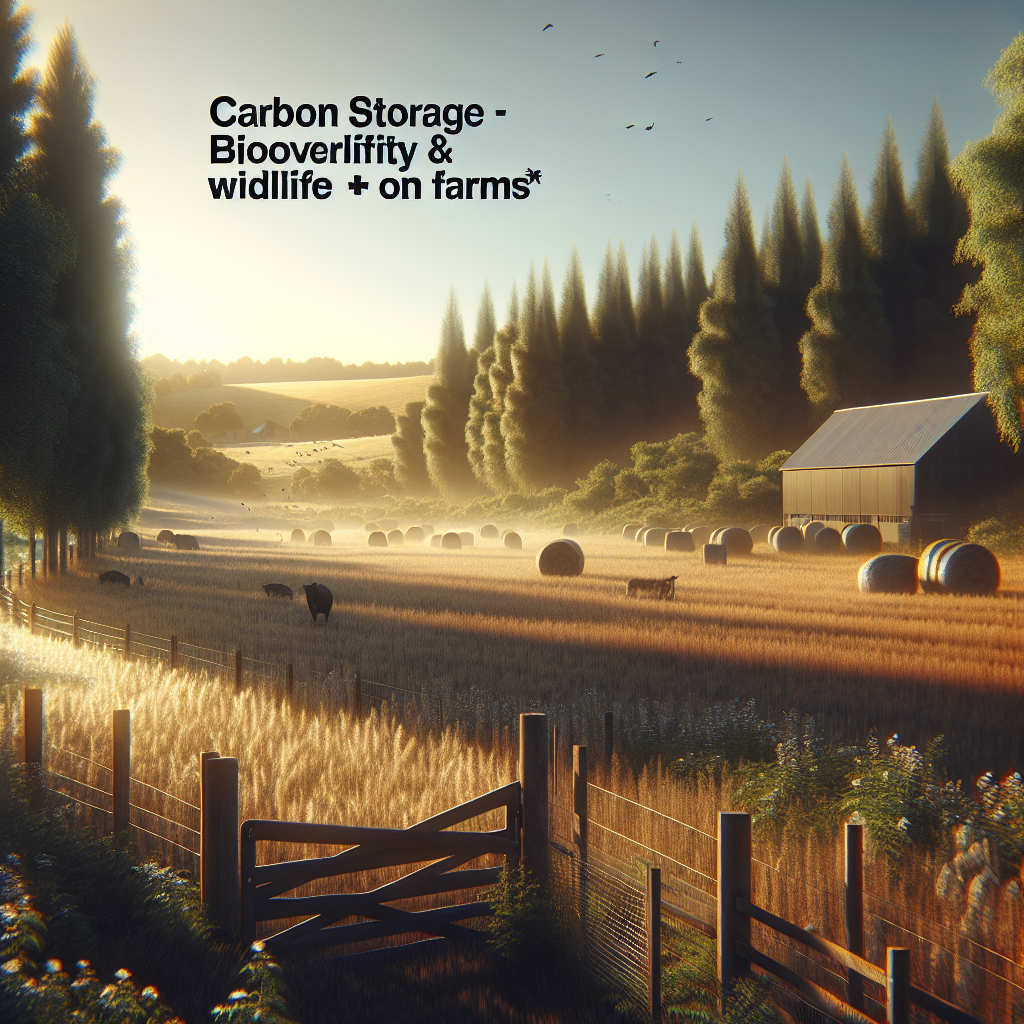
How can farms become sanctuaries for wildlife while boosting productivity and sustainability? As agricultural landscapes expand, the delicate balance between food production and biodiversity conservation becomes increasingly crucial. Integrating wildlife-friendly practices on farms not only preserves vital habitats but also enhances carbon storage, combats climate change, and enriches soil health. In this era of environmental urgency, adopting the latest techniques in biodiversity can transform our agricultural practices into powerful allies for the planet. From innovative crop rotation methods to the strategic planting of cover crops and the creation of wildlife corridors, these solutions offer multiple benefits. In this blog post, we will explore the most cutting-edge strategies that promote a harmonious coexistence between farming and nature, ensuring that our ecosystems thrive while our food systems remain resilient.
Understanding carbon storage: The Fundamentals
Understanding carbon storage is essential for farmers looking to enhance biodiversity and wildlife on their lands. As global concerns about climate change and environmental sustainability intensify, the role of carbon storage in agricultural settings has taken center stage. Carbon storage refers to the capture and holding of carbon dioxide from the atmosphere in trees, plants, soils, and agricultural produce. This process not only mitigates climate change but also supports ecosystems by improving soil health and increasing biodiversity.
One significant aspect of carbon storage is its impact on soil health. Healthy soils are the cornerstone of productive farms and vibrant ecosystems. By implementing practices that enhance carbon storage, farmers can improve soil structure, increase nutrient availability, and boost water retention. Techniques such as cover cropping, reduced tillage, and the integration of organic matter can significantly enhance carbon sequestration in soils.
Furthermore, carbon storage plays a crucial role in supporting wildlife habitats. When farmlands store more carbon, they often exhibit increased plant diversity, which in turn supports a wider range of animal species. This biodiversity creates a balanced ecosystem that can naturally regulate pests and diseases, reducing the need for chemical interventions. In this way, carbon storage is intertwined with sustainable agricultural practices.
The Role of Trees and Agroforestry
Trees are one of the most effective carbon sinks on farms. Agroforestry, which involves integrating trees into agricultural landscapes, can significantly enhance carbon storage. Trees absorb carbon dioxide through photosynthesis and store it in their biomass and the soil. This practice not only sequesters carbon but also provides shade, reduces erosion, and improves water quality. According to the USDA, incorporating agroforestry can increase farm profitability by diversifying products and improving environmental health.
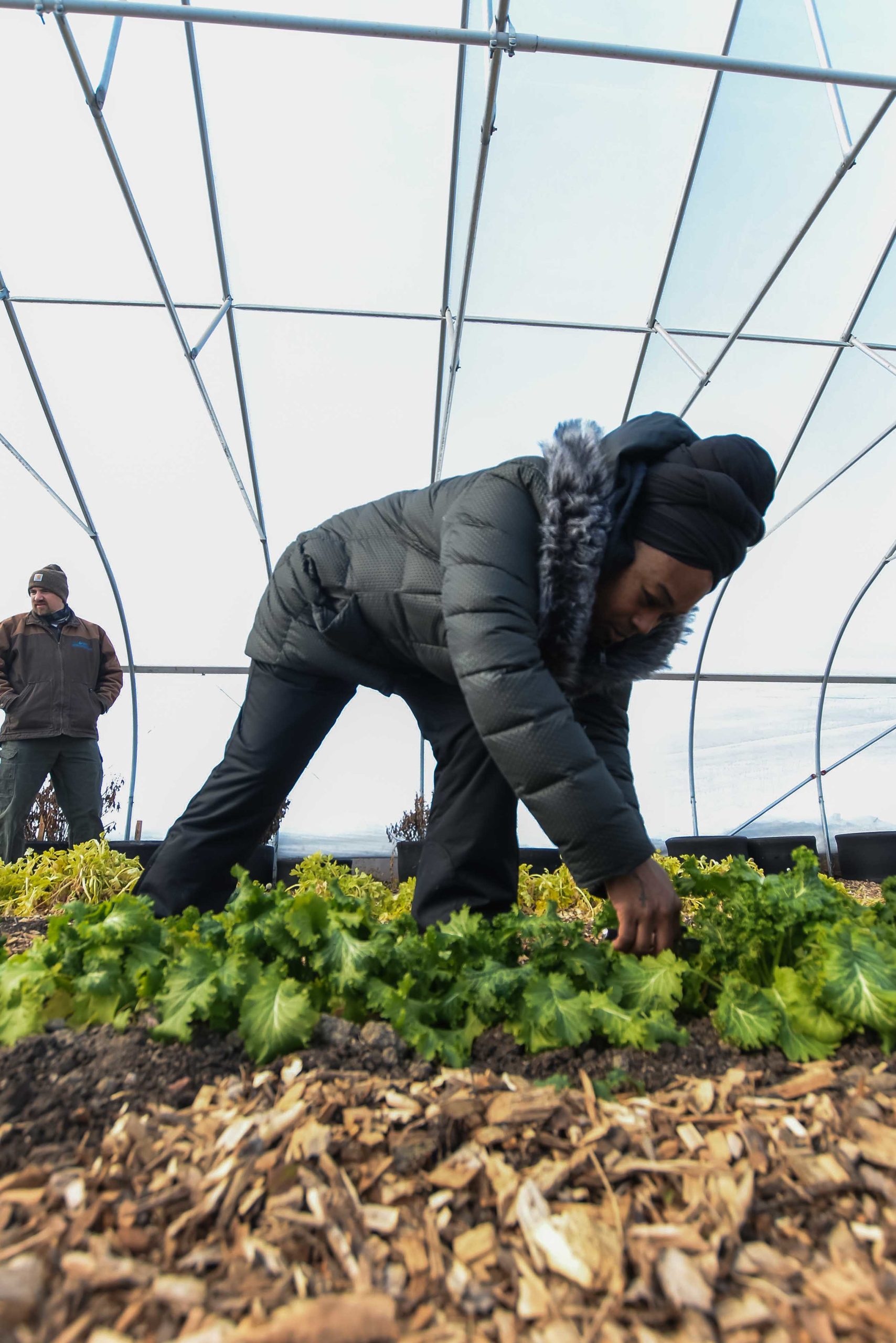
There is a growing interest in innovative techniques to boost carbon storage on farms. For instance, biochar, a form of charcoal produced from plant matter and stored in the soil, has shown promise in enhancing carbon sequestration. Studies indicate that biochar can remain stable in the soil for centuries, offering a long-term solution to carbon management. Adopting such techniques can be a game-changer for farmers aiming to combine profitability with sustainability.
Farmers may wonder how they can practically implement these techniques. A good starting point is to assess current farming practices and identify opportunities for improvement. Transitioning to no-till farming or introducing cover crops are actionable steps that can enhance carbon storage. Additionally, exploring air pruning techniques, which optimize root growth and plant health, can further contribute to effective carbon management.
Despite the clear benefits, some farmers remain hesitant due to perceived costs or lack of knowledge. Education and outreach are crucial in overcoming these barriers. Resources like the USDA’s Urban Agriculture and Innovative Production grants provide financial support and guidance, helping farmers adopt sustainable practices that enhance carbon storage and biodiversity.
In conclusion, understanding carbon storage and its implementation on farms is vital for promoting biodiversity and supporting wildlife. By enhancing soil health, integrating trees, and adopting innovative practices, farmers can effectively sequester carbon and contribute to a more sustainable future. As more agricultural stakeholders recognize the value of carbon storage, the benefits will extend beyond farms, impacting global efforts to mitigate climate change and preserve biodiversity.
🚀 Start Right: The Only Carbon Storage Beginners Actually Need

Smell Proof Bag with Combination Lock – Large Smell Proof Container with Activat…

OZCHIN Smell Proof Bag with Combination Lock File Organizer Case Container Medic…


As an Amazon Associate, we earn from qualifying purchases. Prices and availability subject to change.
Why carbon storage Matters in Today’s World
In the wake of rising global temperatures and environmental concerns, carbon storage has emerged as a crucial component of sustainable farming practices. As farmers seek innovative methods to enhance biodiversity and wildlife on their lands, the integration of carbon storage techniques becomes increasingly significant. But why does carbon storage matter in today’s world? Understanding its impact on both the environment and agricultural productivity is essential.
Firstly, carbon storage plays a vital role in mitigating climate change by reducing the amount of carbon dioxide in the atmosphere. Through processes such as photosynthesis, plants absorb carbon dioxide and store it in their biomass and soil. This natural method of carbon sequestration helps lower greenhouse gas concentrations, which is crucial for stabilizing global climates. According to the USDA, sustainable agricultural practices that include carbon storage can significantly contribute to this reduction.
Moreover, carbon storage enhances soil health, leading to increased agricultural productivity. Healthy soils rich in organic carbon improve soil structure, water retention, and nutrient availability, which are all essential for plant growth. As a result, farms practicing carbon storage enjoy better crop yields and resilience against droughts. This is particularly important as farmers face the dual challenges of feeding a growing population and combating climate change.
The Role of Carbon Storage in Supporting Wildlife and Biodiversity
Carbon storage techniques also benefit wildlife and biodiversity. By maintaining healthy ecosystems, farms can support a diverse array of plant and animal species. Rich, carbon-storing soils foster habitats that attract beneficial insects and pollinators, essential for crop production. Furthermore, diverse plantings increase resilience to pests and diseases, reducing the need for chemical interventions.

In addition to environmental benefits, carbon storage offers economic advantages. Practices like agroforestry and cover cropping not only sequester carbon but also provide farmers with additional revenue streams. For instance, incorporating timber crops or edible flowers can diversify income sources while contributing to carbon storage. This holistic approach can prevent costly mistakes, such as those discussed in the article on flower farming profitability.
Farmers often wonder how to implement effective carbon storage strategies. A practical step is adopting no-till farming, which minimizes soil disturbance and enhances carbon retention. Another approach is integrating perennial plants into crop rotations. These methods, coupled with improved water management strategies—such as those highlighted in the podcast on water management—can significantly boost carbon sequestration on farms.
However, there are challenges to consider. Implementing carbon storage practices requires initial investments in knowledge and resources. Farmers may need guidance and support to transition toward more sustainable practices. Programs and grants from organizations like the USDA can provide the necessary assistance to facilitate this transition.
In conclusion, carbon storage is a pivotal element in creating sustainable and resilient agricultural systems. By embracing these techniques, farmers not only contribute to climate change mitigation but also enhance soil health, boost biodiversity, and improve economic outcomes. As we continue to explore the latest techniques in biodiversity and wildlife on farms, the importance of carbon storage cannot be overstated. It is a key strategy in ensuring a sustainable future for agriculture and the planet.
Key Benefits of Implementing carbon storage
Implementing carbon storage on farms provides numerous benefits that extend beyond just environmental impact. As farmers and agricultural experts continuously explore innovative techniques, carbon storage emerges as a pivotal strategy in enhancing biodiversity and promoting wildlife health. This practice not only helps mitigate climate change but also supports a thriving ecosystem on agricultural lands. By embedding carbon storage into farm management, we can achieve a harmonious balance between sustainable agriculture and environmental conservation.
One of the primary advantages of carbon storage is its ability to improve soil health. Soils enriched with organic carbon are more fertile and better at retaining water, which is crucial for crop resilience in times of drought. Moreover, healthier soils support a greater diversity of microorganisms and insects, which are essential for a balanced ecosystem. According to the World Wildlife Fund, sustainable agriculture practices, such as carbon sequestration, contribute significantly to biodiversity conservation.
Another benefit of carbon storage is its role in reducing greenhouse gas emissions. By capturing carbon dioxide from the atmosphere and storing it in plant biomass and soil, farms can significantly lower their carbon footprint. This practice aligns with broader efforts to combat climate change, as highlighted by the USDA‘s initiatives on innovative agricultural practices. Farms implementing these techniques can contribute to global environmental goals.
Enhancing Habitat for Wildlife
Carbon storage practices, such as agroforestry and cover cropping, provide valuable habitats for wildlife. These techniques create diverse plant structures that offer food and shelter to various species, fostering a rich biodiversity on farms. The Conservation Commission emphasizes the importance of diverse landscapes in supporting wildlife populations, which can flourish in these enriched environments.

Financial incentives also play a significant role in the adoption of carbon storage methods. Many governments and organizations offer grants and subsidies to encourage sustainable farming practices. For instance, the USDA Climate Hubs provide resources and funding opportunities for farmers looking to implement carbon storage techniques. These financial supports make it more feasible for farmers to transition to more sustainable practices.
Farmers can also benefit from improved crop yields and reduced input costs. As soils become richer in organic matter, they require fewer fertilizers and other chemical inputs. This not only cuts costs but also lessens the environmental impact of farming operations. Additionally, healthier soils lead to more robust plant growth, which can increase agricultural productivity.
Community engagement and education are crucial for the successful implementation of carbon storage. By participating in programs and workshops, farmers can learn effective techniques and share knowledge with peers. The Indiana University Farm emphasizes the importance of community involvement in adopting innovative farming practices.
In conclusion, integrating carbon storage into farm management offers multifaceted benefits that enhance biodiversity, improve soil health, and contribute to climate change mitigation. By fostering wildlife habitats and supporting sustainable agriculture, farms can achieve a positive ecological impact. As more farmers embrace these techniques, the potential for a more sustainable and ecologically balanced agricultural sector grows. To learn more about innovative methods that reduce carbon footprints, check out our article on reducing carbon footprint through innovative techniques.
📊 Data-Proven: The Best Carbon Storage Money Can Buy

DOLALIKE Microwave Oven Rack, Expandable Microwave Stand Countertop Kitchen Uten…
![Faraday Box, [Carbon Fiber Texture] RFID Box for Car Keys, Key Fob Protector, Signal Blocker for Key](https://rudeinsect.com/wp-content/uploads/2025/09/71MK73ZrwXL._AC_UL320_.jpg)
Faraday Box, [Carbon Fiber Texture] RFID Box for Car Keys, Key Fob Protector, Si…


As an Amazon Associate, we earn from qualifying purchases. Prices and availability subject to change.
Practical Steps to Get Started with carbon storage
Getting started with carbon storage on farms is an essential step towards enhancing biodiversity and promoting sustainable agricultural practices. By integrating carbon storage techniques, farmers can significantly impact the health of their ecosystems while contributing to the fight against climate change. This comprehensive guide will explore practical steps that farmers can take to implement carbon storage effectively, ensuring a thriving environment for both crops and wildlife.
Firstly, understanding the basics of carbon storage is crucial. Carbon storage involves capturing and holding carbon dioxide from the atmosphere in various forms, such as soil, plants, and trees. According to the World Wildlife Fund, sustainable agriculture practices, including carbon storage, can lead to healthier farm ecosystems. By sequestering carbon, farmers not only improve soil health but also enhance crop yields.
Next, consider integrating cover crops into your farming practices. Cover crops, such as clover or rye, play a vital role in carbon storage by adding organic matter to the soil and improving its structure. These plants help capture atmospheric carbon dioxide and store it in the ground, which can significantly reduce greenhouse gas emissions. Additionally, cover crops can prevent soil erosion, further promoting a robust ecosystem.
Implementing Agroforestry Systems
One effective method for carbon storage is through agroforestry systems. By combining trees with crops or livestock, farmers can create a more diverse and resilient agricultural landscape. Trees not only store carbon but also provide shade and habitat for wildlife, enhancing biodiversity. As highlighted by the USDA Climate Hubs, integrating trees into farming can lead to improved air and water quality, benefiting both the farm and surrounding communities.

Another practical step is to optimize soil health. Healthy soils are more effective at storing carbon. Practices such as reduced tillage, organic amendments, and proper irrigation can enhance soil structure and microbial activity, boosting carbon sequestration. In fact, proper irrigation techniques are crucial; you can learn about potential pitfalls from the article 5 Shocking Ways Your Irrigation System Could Be Sabotaging Your Farm.
Moreover, farmers should explore financial incentives for carbon storage. Many government programs and grants are available to support sustainable practices. The USDA offers innovative production grants that can help offset the costs of adopting new technologies or practices aimed at carbon sequestration.
It’s also important to measure and monitor the impact of carbon storage practices. Regular soil testing and biodiversity assessments can provide valuable data to adjust and improve methods over time. As part of a comprehensive farm management plan, these evaluations ensure that carbon storage efforts are effective and aligned with ecological goals.
In conclusion, adopting carbon storage practices on farms not only supports biodiversity but also contributes to sustainable farming. By implementing cover crops, agroforestry, and soil health practices, farmers can create resilient ecosystems. Additionally, exploring financial incentives and monitoring progress can enhance these efforts. For more insights into sustainable farming techniques, you can explore how innovative practices are revolutionizing agriculture in the article Revolutionizing Agriculture: Unveiling the Industries We Support Through Innovative Sustainable Farming Practices. Ultimately, these steps make a significant difference in fostering a healthier planet for future generations.
Common Mistakes to Avoid
Implementing carbon storage on farms is an innovative way to enhance biodiversity and wildlife while contributing to climate change mitigation. However, many farmers encounter pitfalls that can undermine their efforts. Understanding these common mistakes is crucial for successful implementation and achieving environmental goals. This section explores key errors to avoid when integrating carbon storage into farm practices.
First and foremost, a significant mistake is neglecting to conduct a thorough soil analysis before starting any carbon storage project. Soil types vary greatly across regions, influencing the effectiveness of carbon sequestration techniques. For instance, sandy soils may not retain organic matter as efficiently as clay soils. Conducting a soil test will inform the choice of appropriate methods, ensuring better outcomes for carbon storage.
Another common error is the lack of a comprehensive management plan. Without clear objectives and strategies, efforts can become fragmented and ineffective. A well-structured plan should include details on monitoring, timelines, and resource allocation. This not only streamlines the process but also helps in measuring progress and making necessary adjustments. For more insights on strategic planning, consider exploring sustainable farming practices on World Wildlife Fund.
Overlooking the importance of biodiversity is also a frequent mistake. Carbon storage should not come at the expense of local flora and fauna. Incorporating native plant species can enhance wildlife habitats while contributing to carbon sequestration. For example, agroforestry systems can support both carbon storage and biodiversity by integrating trees with crops or livestock.

Balancing Carbon Storage with Farm Productivity
Farmers often struggle with balancing carbon storage efforts with maintaining farm productivity. Implementing carbon sequestration techniques, like cover cropping, should not significantly reduce crop yields. It’s essential to choose practices that complement the existing farming operations. Consulting resources like 5 irrigation Mistakes Causing 60% Nutrient Loss on Small Farms can provide guidance on optimizing farm productivity while implementing sustainable practices.
Financial constraints can also hinder effective carbon storage. Many farmers lack access to funds needed for initial implementation. Exploring available grants and funding opportunities can alleviate this barrier. For instance, the USDA offers grants for innovative agricultural practices, which can be a valuable resource for farmers looking to implement carbon storage.
Ignoring community engagement is another misstep. Local communities can offer insights and support, enhancing the project’s success. Engaging with local stakeholders ensures that the carbon storage initiatives align with community needs and values, fostering a collaborative environment.
Lastly, inadequate monitoring and evaluation can derail carbon storage efforts. Regular assessment of the implemented techniques ensures they are functioning as intended. Adjustments may be necessary based on ongoing results, and neglecting this step can lead to wasted resources and missed opportunities.
In conclusion, avoiding these common mistakes can significantly enhance the success of carbon storage initiatives on farms. Conducting soil analyses, developing comprehensive plans, prioritizing biodiversity, and engaging communities are crucial steps. By balancing productivity and sustainability, farmers can achieve their carbon storage goals effectively. For more sustainable living tips, check out Embracing a More Sustainable Lifestyle: Innovative Techniques in Flower Arranging & Design.
🏆 The Carbon Storage Professionals Won’t Share


2 Pack Under Desk Storage Shelf, Carbon Steel Under Desk Tray with Mute Felt She…


As an Amazon Associate, we earn from qualifying purchases. Prices and availability subject to change.
Real-World Success Stories
In recent years, carbon storage has emerged as a pivotal technique in enhancing biodiversity and wildlife preservation on farms. By integrating innovative strategies, farmers are not only combatting climate change but also fostering a thriving ecosystem within their agricultural landscapes. These real-world success stories and case studies illustrate the transformative potential of carbon storage and its impact on farming practices worldwide.
One remarkable example of carbon storage success can be found in the agroforestry systems of Central America. By combining trees with crops or livestock, farmers have increased their land’s carbon sequestration capabilities. This approach not only captures atmospheric carbon but also enhances biodiversity by providing habitats for various species. According to a study by the World Wildlife Fund, agroforestry can increase biodiversity by up to 50% compared to conventional agriculture.
In the United States, the USDA has supported numerous projects that demonstrate the benefits of carbon storage in urban agriculture. These initiatives focus on enhancing urban green spaces to serve as carbon sinks. The International Urban Food and Agriculture Hub reports that urban farms utilizing carbon storage techniques have seen a 30% increase in soil fertility, resulting in healthier crops and a more robust urban ecosystem.
Innovative Techniques and Community Engagement
Community engagement plays a crucial role in the success of carbon storage initiatives. In Indiana, the IU Farm Hands program has been instrumental in educating local farmers about sustainable practices. By promoting cover crops and reduced tillage, the program has helped farmers store more carbon in their soil, boosting soil health and crop yields. These efforts have also strengthened community ties, as farmers share knowledge and resources.

Moreover, integrating carbon storage with wildlife conservation has yielded impressive results. For example, a farm in Washington successfully restored its butterfly population by adopting carbon storage techniques that improved native plant growth. By doing so, the farm created a natural habitat that supports pollinators. For more insights on conserving butterfly habitats, consider exploring this resource.
Aside from ecological benefits, carbon storage can also enhance a farm’s economic viability. A case study from the Midwest demonstrated that farms implementing carbon storage practices reduced their input costs by 20%. This financial advantage, coupled with increased biodiversity, underscores the multifaceted benefits of this approach.
Farmers are also exploring carbon storage’s potential in combating seed storage issues. By improving soil structure and health, carbon-rich soils can enhance root growth and nutrient uptake. Interested in learning more about how carbon storage can improve root health? Visit this informative guide.
In conclusion, real-world success stories and case studies highlight the profound impact of carbon storage on biodiversity and wildlife on farms. By adopting these innovative techniques, farmers can create more sustainable and resilient agricultural systems. As more farmers embrace carbon storage, we can anticipate a future where agriculture harmoniously coexists with nature, benefiting both the planet and its people.
Future Trends and Innovations
As we look to the future of sustainable agriculture, one critical element stands out: carbon storage. This innovative approach not only promises to mitigate climate change but also enhances biodiversity and wildlife on farms. By implementing advanced techniques in carbon storage, farmers can play a pivotal role in reducing greenhouse gases while simultaneously fostering a thriving ecosystem. Let’s explore how carbon storage is transforming the agricultural landscape and what the future holds for this promising technology.
Firstly, carbon storage in agriculture often involves practices like no-till farming and cover cropping. These methods increase soil organic matter, which sequesters carbon dioxide from the atmosphere. According to the World Wildlife Fund, such practices can improve soil health and water retention, promoting more resilient crop yields. As a result, farmers can reduce their reliance on chemical fertilizers, which can harm local wildlife.
Moreover, integrating agroforestry into farming systems presents another promising trend in carbon storage. By planting trees alongside crops, farmers can create habitats for various wildlife species while capturing carbon. The USDA notes that agroforestry can also provide additional income streams for farmers through timber, fruit, and nut production, making it a financially viable option.
The Role of Technology in Carbon Storage
Technology is revolutionizing how we approach carbon storage on farms. Precision agriculture tools, such as drones and soil sensors, enable farmers to monitor carbon levels and optimize their storage strategies. These technologies can help identify areas of the farm that may benefit from increased carbon sequestration efforts, ensuring resources are used efficiently.

Additionally, biochar is emerging as a groundbreaking solution in carbon storage. This charcoal-like substance, produced from organic waste, can be added to soil to enhance its carbon storage capacity. Research from the USDA Climate Hubs indicates that biochar can improve soil structure and fertility, offering a sustainable way to boost agricultural productivity while storing carbon long-term.
However, as innovative as these techniques are, implementing carbon storage on a large scale does come with challenges. Farmers may face initial costs and require education on new practices. To address this, governmental and non-profit organizations offer grants and resources to support farmers in transitioning to more sustainable practices.
For those interested in maximizing their farm’s sustainability, understanding the role of crop rotation is essential. Rotating crops not only prevents soil depletion but also enhances carbon storage. Learn more about these benefits in The Crop Rotation Secret Big Agriculture Doesn’t Want You to Know.
Finally, public awareness and consumer demand for sustainably-produced food are driving more farms to adopt carbon storage techniques. As consumers become more environmentally conscious, they seek products that align with their values, encouraging more farmers to explore and implement these practices.
In conclusion, the future of carbon storage on farms is bright, with numerous innovations poised to make agriculture more sustainable. From agroforestry to precision technology, these practices promise not only to reduce carbon footprints but also to create thriving, biodiverse ecosystems. As we continue to explore and refine these techniques, the potential for positive environmental impact is enormous, offering hope for a greener, more sustainable future in farming.
Looking for products related to this topic?
Conclusion: Your Next Steps
In conclusion, integrating the latest techniques in biodiversity and wildlife management on farms offers a transformative path toward a sustainable future. By fostering diverse ecosystems, farms not only enhance biodiversity but also increase their resilience against climate change. These practices, such as agroforestry and regenerative agriculture, play a crucial role in carbon storage, capturing atmospheric carbon dioxide and mitigating global warming.
Moreover, the adoption of wildlife-friendly farming techniques creates habitats that support a range of species, promoting ecological balance and boosting farm productivity. These methods prove that sustainability and profitability can go hand in hand, providing a blueprint for future farming practices. The use of technology, such as precision agriculture, further amplifies these efforts, enabling farmers to monitor and optimize their environmental impact effectively.
Now is the time to act. Embrace these innovative techniques and transform your farm into a beacon of sustainability. Join the movement to preserve our planet’s biodiversity and combat climate change. The health of our ecosystems and the future of our planet depend on the actions we take today. Let us commit to this vital work and inspire others to follow in our footsteps. Together, we can create a thriving world for generations to come.
From Our Network
GreenChoice Affiliates — Eco-friendly product reviews for sustainable living
FarmsFlo — Free farm management app for planting schedules, harvests, and operations
BoingyBooks — Publish and discover ebooks, interactive read-alongs, and audiobooks
Leave a Reply
You must be logged in to post a comment.